China's Mass AI-Driven Surveillance and Biometric Data Collection for Authoritarian Control

Thumbnail Image

The information displayed in the AIM should not be reported as representing the official views of the OECD or of its member countries.

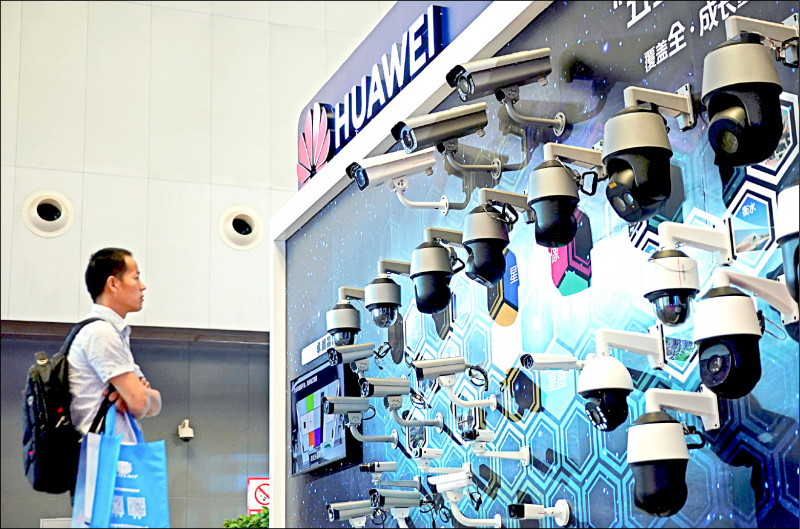
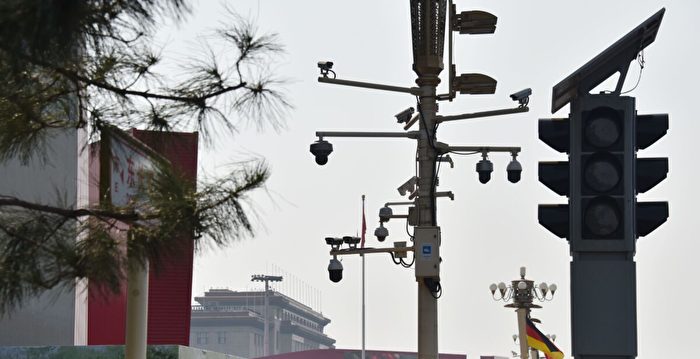
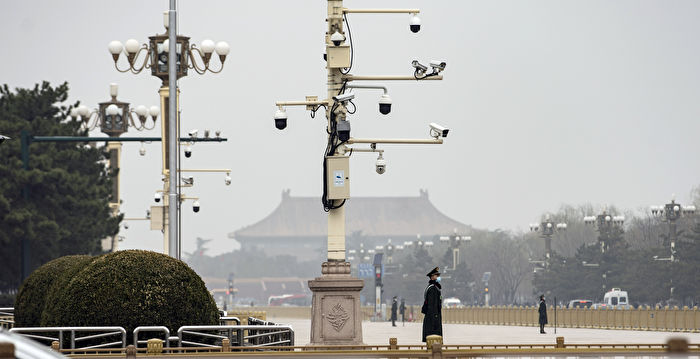
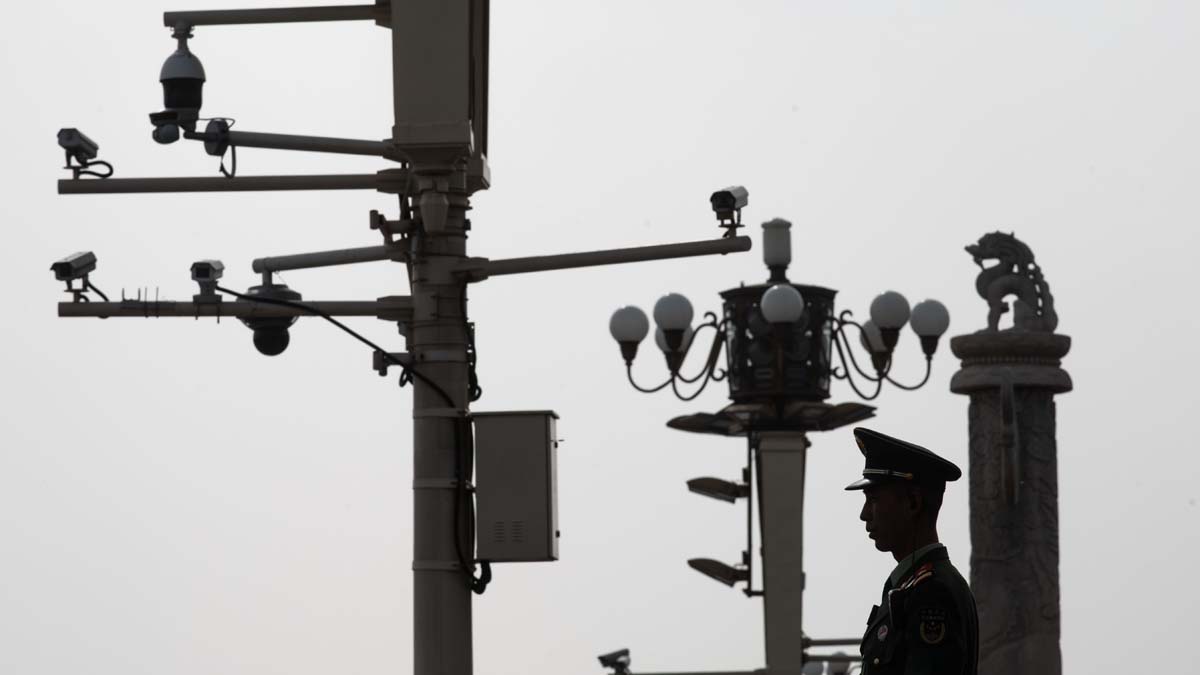
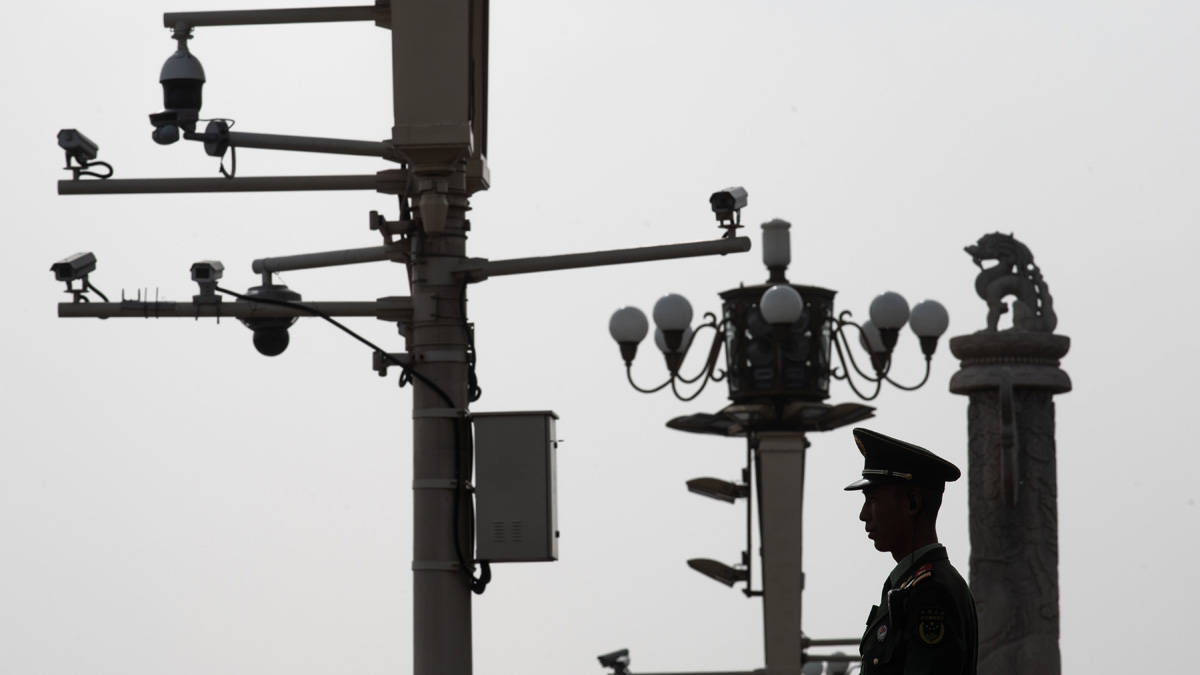
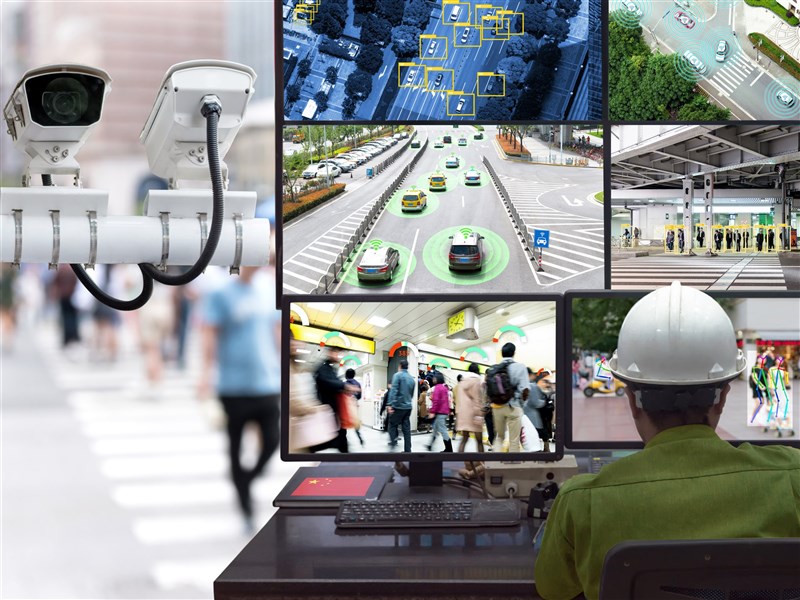
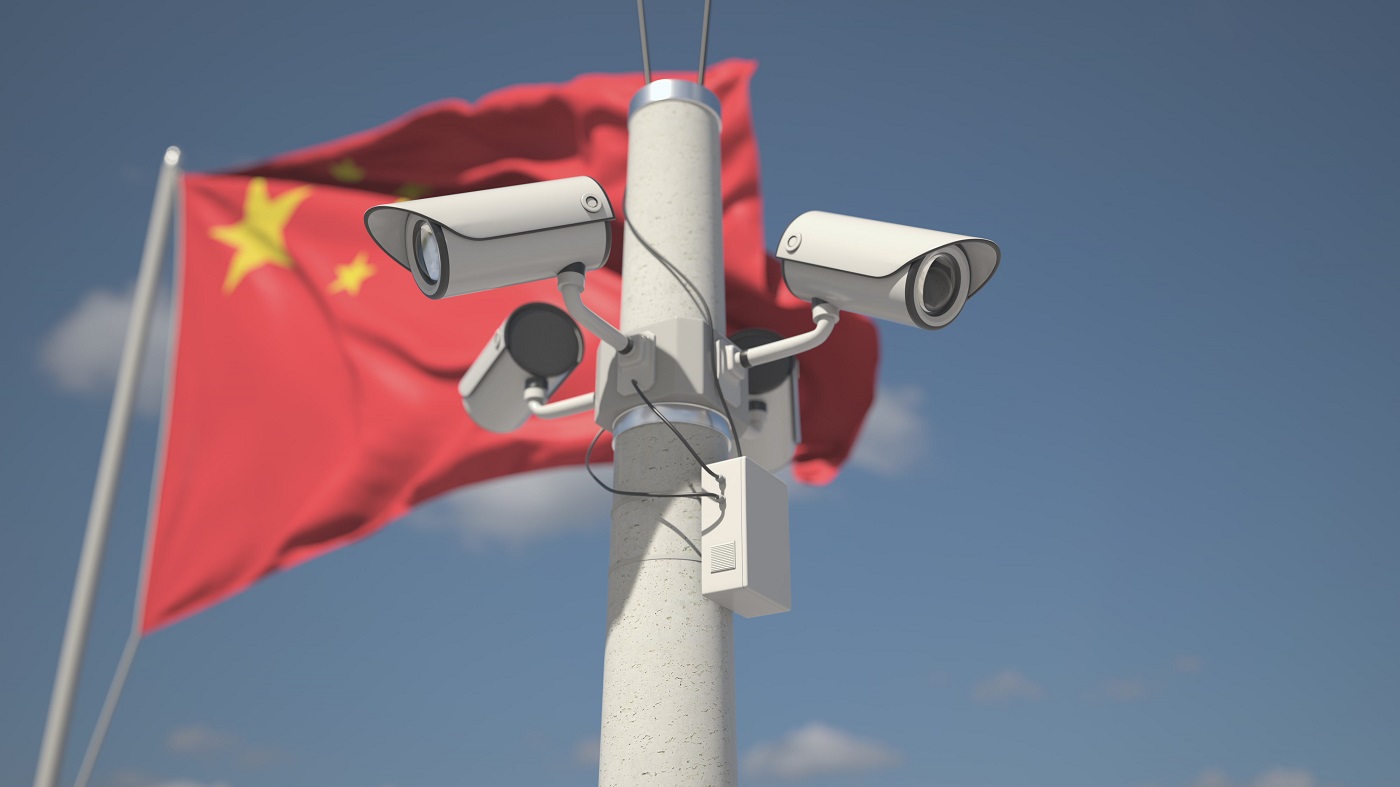
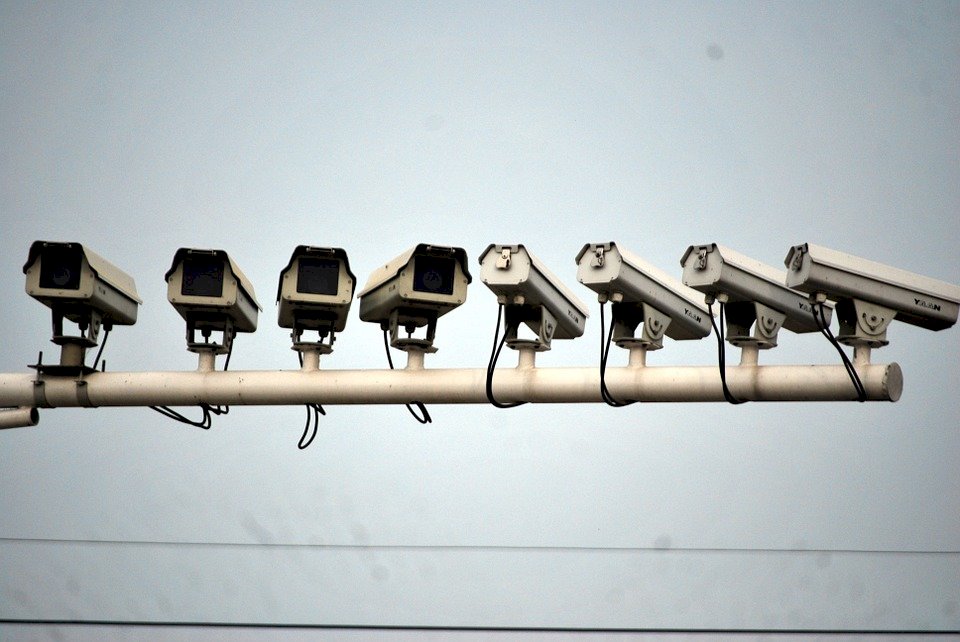
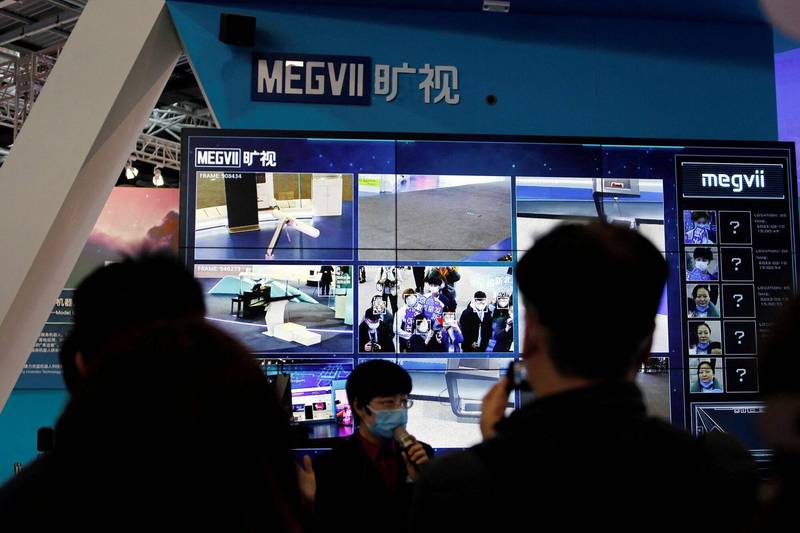
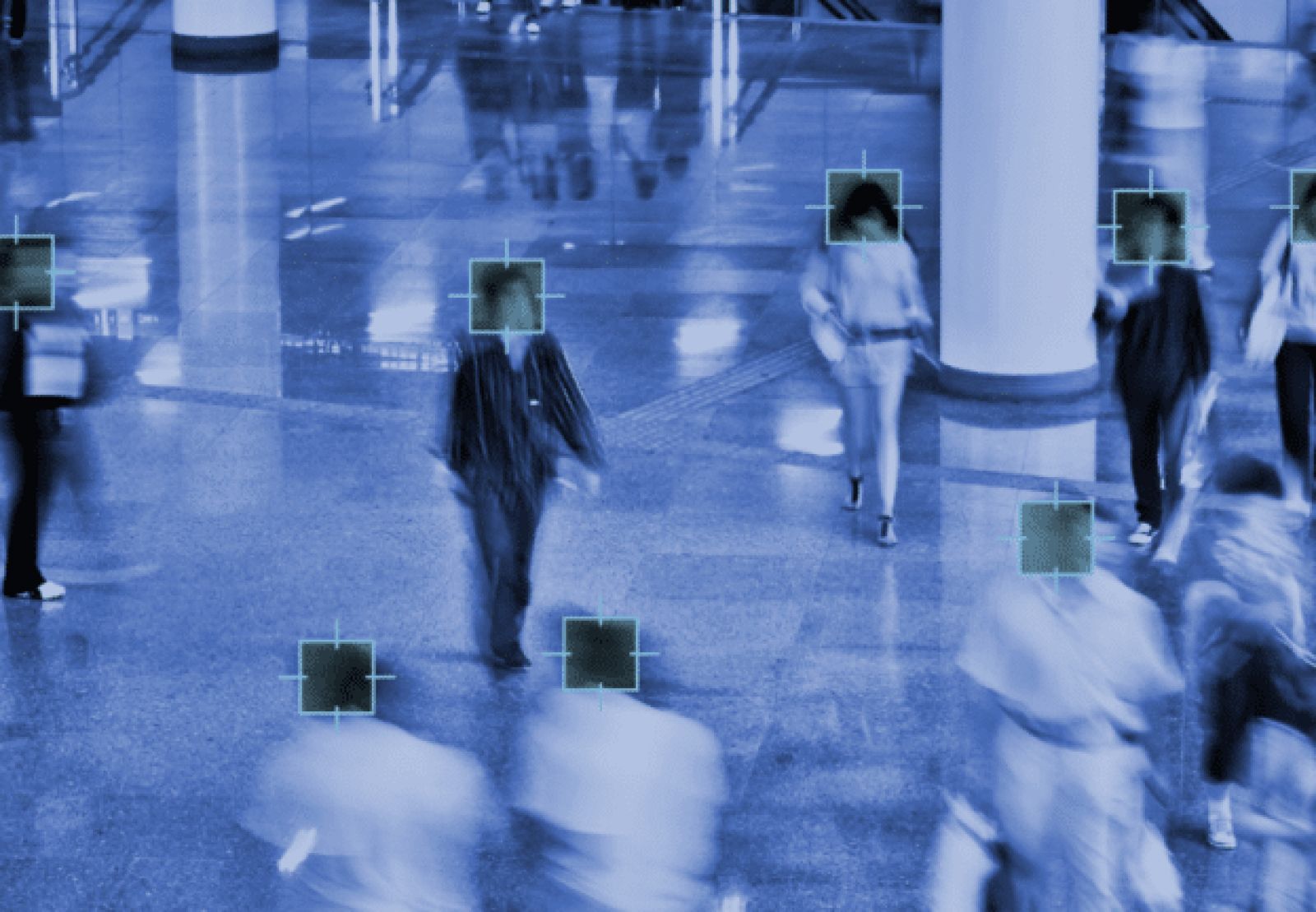
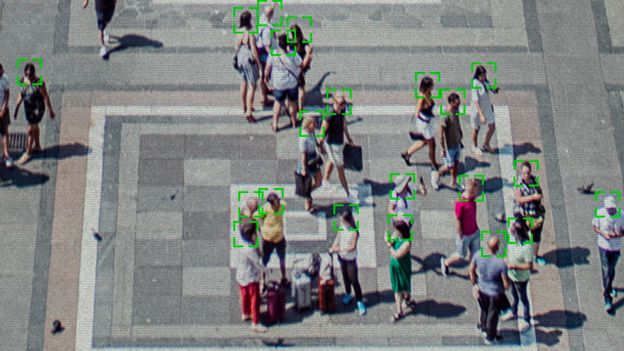
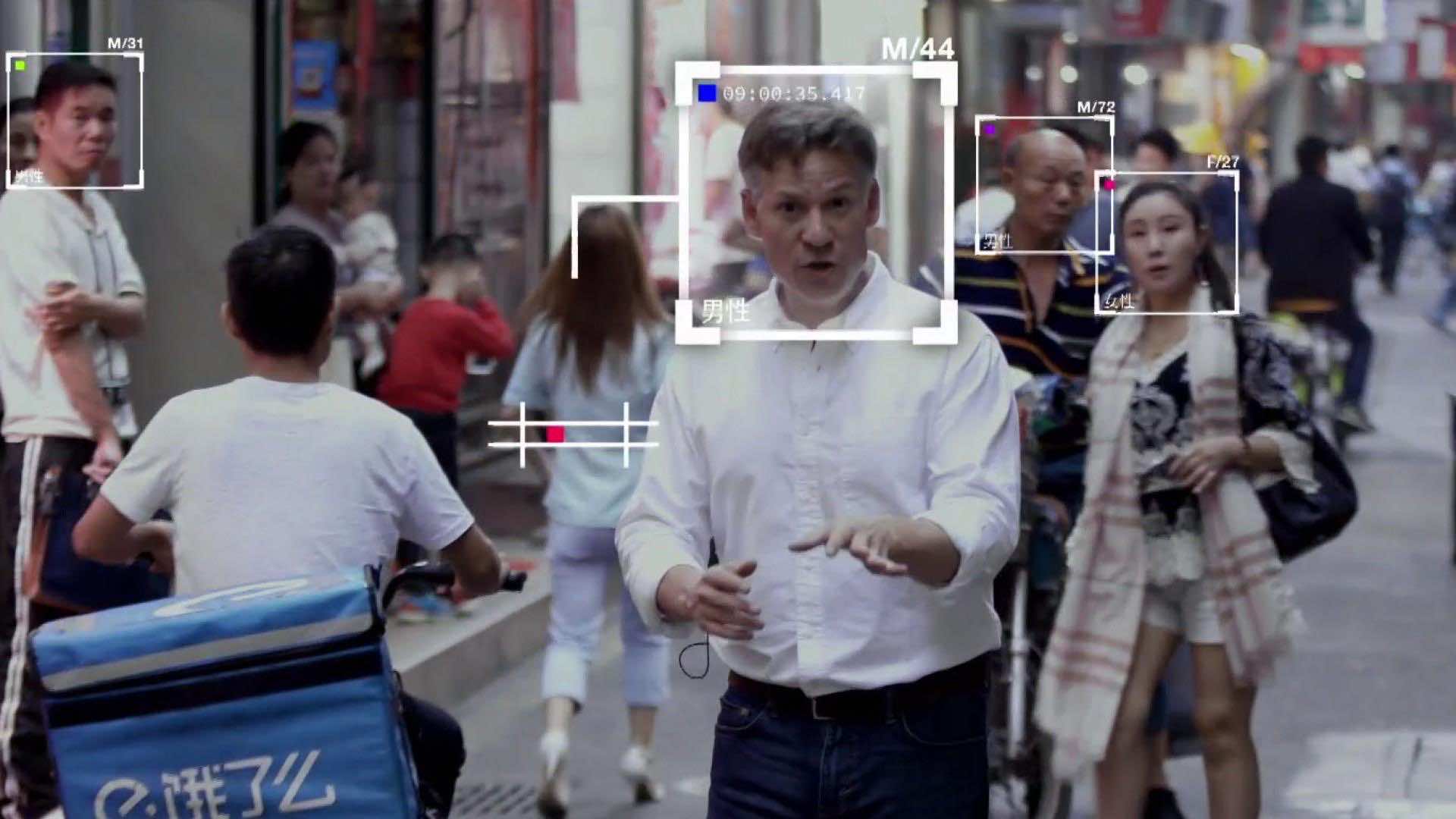
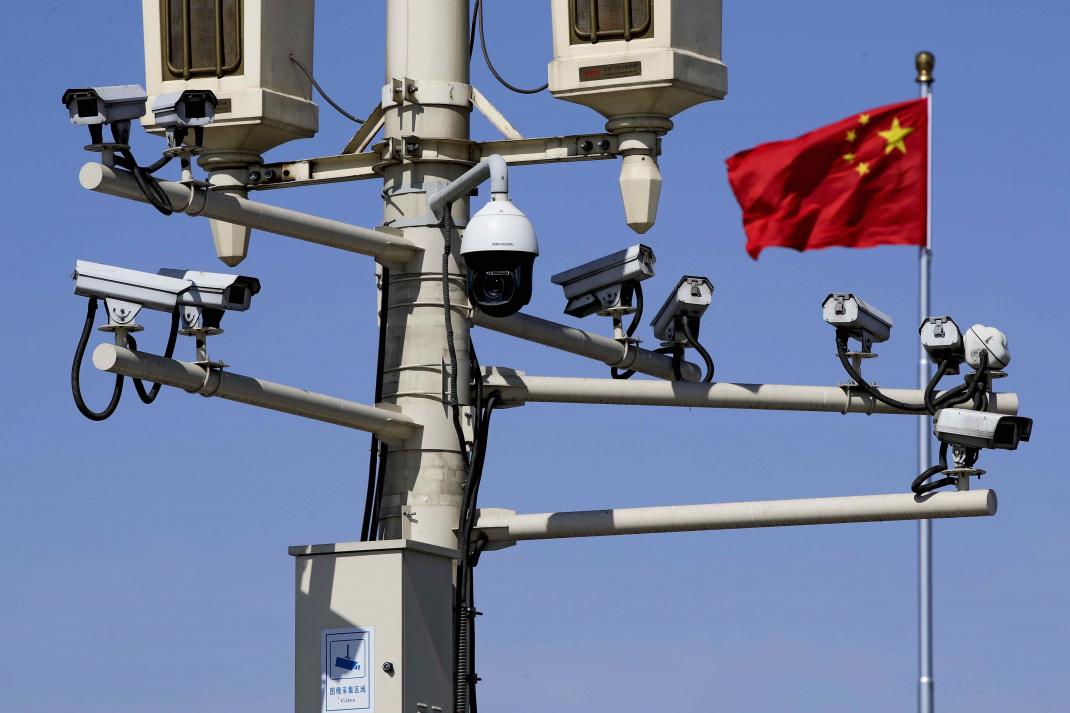
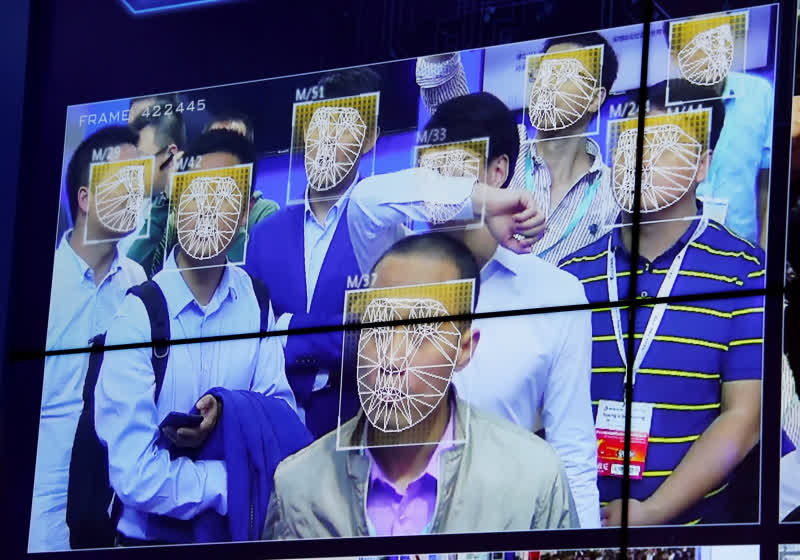
Chinese authorities are using AI systems—including facial recognition, voiceprint analysis, DNA and iris databases, and mobile tracking—to conduct unprecedented mass surveillance and data collection. These technologies enable extensive monitoring, targeting, and repression of citizens and minorities, resulting in ongoing violations of privacy and human rights to reinforce authoritarian rule.[AI generated]

Why's our monitor labelling this an incident or hazard?

The event involves the use of AI systems (facial recognition, biometric data analysis, mobile tracking) by Chinese authorities to collect and analyze personal data at an unprecedented scale. This use directly leads to violations of human rights, including privacy infringements and potential oppression of minority groups, fulfilling the criteria for an AI Incident. The harms are realized and ongoing, not merely potential, as the surveillance infrastructure is actively deployed and used for social control.[AI generated]
AI principles
Privacy & data governanceRespect of human rightsDemocracy & human autonomyFairnessTransparency & explainabilityAccountabilityRobustness & digital securitySafetyHuman wellbeing

Industries
Government, security, and defenceDigital securityIT infrastructure and hosting

Affected stakeholders
General public

Harm types
Human or fundamental rightsPublic interestPsychological

Severity
AI incident

Business function:
Compliance and justiceMonitoring and quality controlICT management and information security

AI system task:
Recognition/object detectionEvent/anomaly detectionForecasting/predictionReasoning with knowledge structures/planningGoal-driven organisation


Articles about this incident or hazard

Thumbnail Image

老大哥看著你! 紐時:中國蒐集所有個資長保統治 - 國際 - 自由時報電子報

2022-06-21
Liberty Times Net
Why's our monitor labelling this an incident or hazard?
The event involves the use of AI systems (facial recognition, biometric data analysis, mobile tracking) by Chinese authorities to collect and analyze personal data at an unprecedented scale. This use directly leads to violations of human rights, including privacy infringements and potential oppression of minority groups, fulfilling the criteria for an AI Incident. The harms are realized and ongoing, not merely potential, as the surveillance infrastructure is actively deployed and used for social control.
Thumbnail Image

紐時爆:中國正以龐大規模蒐集個資,建立世上最大DNA數據庫。|數位時代 BusinessNext

2022-06-22
數位時代
Why's our monitor labelling this an incident or hazard?
The event involves AI systems explicitly through the use of facial recognition and biometric analysis software that processes massive amounts of data to identify individuals and monitor their activities. The use of these AI systems by the Chinese government for mass surveillance and control directly leads to violations of human rights and fundamental rights, fulfilling the criteria for an AI Incident. The harm is realized as the surveillance system is operational and collecting data at an unprecedented scale, impacting citizens' privacy and freedoms.
Thumbnail Image

5億人臉辨識監視器 老大哥在中國 - 國際 - 自由時報電子報

2022-06-21
Liberty Times Net
Why's our monitor labelling this an incident or hazard?
The article explicitly describes the use of AI systems (facial recognition, voiceprint analysis, biometric data collection) by the Chinese government for mass surveillance and social control. This use has directly led to violations of fundamental rights and freedoms, including the broad definition of criminality that encompasses political dissent and ethnic minority targeting. The scale and integration of these AI systems into a surveillance apparatus causing harm to individuals and communities meet the criteria for an AI Incident under the OECD framework.
Thumbnail Image

老大哥看著你 紐時:中國蒐集所有個資長保統治 | 大陸政經 | 兩岸 | 經濟日報

2022-06-21
Udnemoney聯合理財網
Why's our monitor labelling this an incident or hazard?
The article explicitly details the deployment and use of AI systems such as facial recognition, biometric data analysis, and mobile tracking technologies by Chinese authorities to collect and process personal data on an unprecedented scale. These AI systems are used to monitor citizens continuously, including in private spaces, and to identify and oppress minority groups, which constitutes a violation of human rights and harm to communities. The direct involvement of AI in enabling this surveillance and control meets the criteria for an AI Incident under the OECD framework, as the harms are realized and directly linked to the AI systems' use.
Thumbnail Image

美媒:近5億攝像頭搜集個資 中國靠監控穩固政權

2022-06-22
Deutsche Welle
Why's our monitor labelling this an incident or hazard?
The article explicitly details the deployment and use of AI systems such as facial recognition, iris scanning, voiceprint analysis, and mobile phone tracking to collect and analyze biometric and personal data on a massive scale. This surveillance infrastructure is used by the Chinese government to monitor citizens, including vulnerable groups like the Uyghurs, which constitutes a violation of human rights and privacy. The AI systems' development and use have directly contributed to these harms, fulfilling the criteria for an AI Incident under the OECD framework.
Thumbnail Image

中共大量收集公民個資及DNA 保威權統治 - 大紀元

2022-06-22
The Epoch Times
Why's our monitor labelling this an incident or hazard?
The article explicitly describes AI systems such as facial recognition, voiceprint analysis, iris recognition, and mobile phone tracking technologies used by the Chinese government to collect and analyze personal data at an unprecedented scale. These AI systems are used to identify individuals, track their movements, and associate them with sensitive attributes like ethnicity, which directly supports authoritarian control and repression. This results in violations of human rights and breaches of privacy protections, fulfilling the criteria for harm under the AI Incident definition. The involvement of AI in the development and use of these surveillance systems is clear and central to the harms described.
Thumbnail Image

中共大規模收集公民數據 學者:中共高度不安 - 大紀元

2022-06-23
The Epoch Times
Why's our monitor labelling this an incident or hazard?
The event involves the use of AI systems for mass surveillance and social control by the Chinese government, including facial recognition, DNA data analysis, and mobile tracking technologies. These AI systems are used to collect, integrate, and analyze personal data to monitor and restrict citizens' movements and activities, leading to violations of fundamental human rights and harm to communities. The article documents realized harms such as restrictions on movement, suppression of protests, and pervasive monitoring, which meet the criteria for an AI Incident. Therefore, this event is classified as an AI Incident due to the direct and ongoing harm caused by the AI-enabled surveillance and control systems.
Thumbnail Image

《紐時》:中國正以前所未見的規模擴大收集公民個人數據 確保威權統治

2022-06-21
RFI
Why's our monitor labelling this an incident or hazard?
The event involves the use of AI systems (facial recognition, voiceprint analysis, behavioral analysis software) in the development and deployment of mass surveillance infrastructure. The AI systems' use directly leads to violations of human rights by enabling pervasive monitoring and control of citizens, including minority groups such as the Uyghurs. The scale and nature of data collection and analysis described clearly indicate realized harm through breaches of privacy, freedom, and fundamental rights. Therefore, this qualifies as an AI Incident under the framework, as the AI systems' use has directly led to significant harm to human rights and communities.
Thumbnail Image

監控無孔不入 調查揭中共如何建立數字極權

2022-06-24
www.ntdtv.com
Why's our monitor labelling this an incident or hazard?
The article explicitly details the use of AI systems such as facial recognition, voiceprint analysis, iris scanning, and DNA data processing to monitor citizens extensively. This surveillance leads to violations of human rights and fundamental freedoms, which fits the definition of harm under (c) violations of human rights or breach of legal protections. The AI systems' development and deployment are central to the harm described, making this an AI Incident rather than a hazard or complementary information. The harm is realized and ongoing, not merely potential.
Thumbnail Image

【財商天下】建全球最大數據庫 外國名人被編號

2022-06-24
www.ntdtv.com
Why's our monitor labelling this an incident or hazard?
The article explicitly describes large-scale biometric data collection and facial recognition surveillance systems, which are AI systems used for identity recognition and tracking. The use of these AI systems directly leads to violations of human rights, including privacy and freedom of movement, as the government uses these systems to monitor and control individuals extensively. The involvement of AI in enabling this surveillance and control is clear and central to the harm described. Hence, this qualifies as an AI Incident under the framework, as the AI systems' use has directly led to violations of fundamental rights.
Thumbnail Image

【禁聞】5億攝像頭和DNA數據庫 中共監視你

2022-06-24
www.ntdtv.com
Why's our monitor labelling this an incident or hazard?
The event involves the use of AI systems for mass surveillance and data collection, including biometric recognition and health code tracking, which directly leads to violations of human rights and harm to communities by enabling authoritarian control and unjust restrictions on citizens. The AI systems' development and use are central to these harms, fulfilling the criteria for an AI Incident under the framework. The article documents realized harms rather than potential risks, so it is not merely a hazard or complementary information.
Thumbnail Image

老大哥看著你 紐時:中國蒐集個資及DNA長保統治 | 兩岸 | 中央社 CNA

2022-06-21
Central News Agency
Why's our monitor labelling this an incident or hazard?
The article explicitly describes the use of AI systems such as facial recognition and biometric data analysis in surveillance and social control by the Chinese government. The harms include violations of fundamental rights, privacy breaches, and oppression of minority groups, which are direct consequences of the AI systems' deployment. Therefore, this event qualifies as an AI Incident due to the direct link between AI system use and realized human rights harms.
Thumbnail Image

中共確保威權統治 紐時:全面蒐集公民個資、DNA(圖) - 大陸時政 -

2022-06-21
看中国
Why's our monitor labelling this an incident or hazard?
The event involves the use of AI systems (facial recognition, voiceprint analysis, DNA data processing, mobile tracking) in a manner that directly leads to violations of human rights and breaches of fundamental rights protections. The large-scale, systematic surveillance and data collection described are clearly linked to harm through repression and control of populations, including ethnic minorities. Therefore, this qualifies as an AI Incident under the framework, as the AI systems' use has directly led to significant harm to rights and communities.
Thumbnail Image

【中國監控】《紐時》:中國正建立世上最大DNA數據庫 以助鞏固北京長年威權統治

2022-06-22
Radio Free Asia
Why's our monitor labelling this an incident or hazard?
The article explicitly mentions AI systems such as facial recognition software and powerful analytic software used by Chinese authorities to collect and analyze biometric and behavioral data on a massive scale. The use of these AI systems directly contributes to violations of human rights and authoritarian control, fulfilling the criteria for an AI Incident under the OECD framework. The harms are realized and ongoing, including privacy violations, ethnic targeting, and repression, which are breaches of fundamental rights.
Thumbnail Image

楚門的世界!紐時:中國正以前所未有規模收集公民數位與生物個資

2022-06-22
TechNews 科技新報 | 市場和業內人士關心的趨勢、內幕與新聞
Why's our monitor labelling this an incident or hazard?
The event involves the use of AI systems (facial recognition, voiceprint analysis, biometric databases, and mobile phone tracking with AI analytics) in the development and deployment of mass surveillance infrastructure. This has directly led to violations of human rights and breaches of privacy on a massive scale, as documented by the investigation. The harms are realized and ongoing, including the collection and analysis of sensitive biometric data and digital footprints without consent, which fits the definition of an AI Incident under violations of human rights and harm to communities. Therefore, this is classified as an AI Incident.
Thumbnail Image

楚門的世界!紐時:中國正以前所未有規模收集公民數位與生物個資

2022-06-21
Rti 中央廣播電臺
Why's our monitor labelling this an incident or hazard?
The event involves AI systems explicitly described as facial recognition, voiceprint analysis, and data integration software used for mass surveillance. The use of these AI systems by Chinese authorities to collect and analyze biometric and digital data directly leads to violations of human rights, including privacy and potentially ethnic discrimination, fulfilling the criteria for harm under the AI Incident definition. The article documents ongoing and realized harms rather than potential future risks, so it is not merely a hazard or complementary information. Hence, the classification as AI Incident is appropriate.
Thumbnail Image

中共蒐集公民數據 分析:政權高度不安| 台灣大紀元

2022-06-23
大紀元時報 - 台灣(The Epoch Times - Taiwan)
Why's our monitor labelling this an incident or hazard?
The article explicitly describes AI systems (facial recognition, biometric data analysis, mobile tracking) used by the Chinese government to collect and analyze personal data on a massive scale. These AI systems are used to surveil, restrict, and repress citizens, which constitutes violations of human rights and harm to communities. The harms are ongoing and realized, not merely potential. The AI systems' development and use are central to the authoritarian control described. Hence, this is an AI Incident as per the definitions provided.
Thumbnail Image

中國確保威權統治 《紐時》:監控國家正在擴大 - 國際 - 自由時報電子報

2022-06-21
Liberty Times Net
Why's our monitor labelling this an incident or hazard?
The event involves the use of AI systems (facial recognition, voiceprint analysis, DNA data processing, mobile tracking) in a government surveillance context. The AI systems are used to collect and analyze personal data on a massive scale, directly leading to violations of human rights and harm to communities by enabling authoritarian control and oppression. This fits the definition of an AI Incident because the AI systems' use has directly led to significant harm, including breaches of fundamental rights and societal harm. Therefore, the classification is AI Incident.
Thumbnail Image

【財商天下】建全球最大數據庫 外國名人被編號 - 大紀元

2022-06-24
The Epoch Times
Why's our monitor labelling this an incident or hazard?
The event involves the use of AI systems in biometric data collection, facial recognition, and tracking technologies, which are explicitly described. The large-scale deployment and use of these AI systems have directly led to violations of human rights and harm to communities by enabling pervasive surveillance and control over populations. The article documents realized harm rather than potential harm, meeting the criteria for an AI Incident. Other parts of the article do not describe AI-related harm or hazards. Hence, the classification is AI Incident.
Thumbnail Image

Biometric surveillance normalization in China could spread, Brookings warns | Biometric Update

2022-06-23
Biometric Update
Why's our monitor labelling this an incident or hazard?
The event involves the use of AI systems (facial recognition, voice biometrics, iris scanning) in a way that directly leads to violations of human rights, including mass surveillance and potential repression of ethnic minorities. The article reports on ongoing harms and the systemic use of AI surveillance technology contributing to these harms, which fits the definition of an AI Incident. Although it also discusses potential spread and policy responses, the primary focus is on realized harms caused by AI surveillance systems.
Thumbnail Image

The nation where your 'faceprint' is already being tracked

2022-06-24
BBC
Why's our monitor labelling this an incident or hazard?
The event involves an AI system (facial recognition technology) used by law enforcement for quarantine enforcement, which implicates human rights and privacy issues. However, the article does not describe any direct or indirect harm that has occurred due to the AI system's use, such as violations or abuses that have materialized. Instead, it focuses on concerns, controversies, and calls for moratoriums and regulation, indicating potential risks rather than actual incidents. Therefore, this qualifies as Complementary Information, providing context and societal/governance responses related to AI use, rather than an AI Incident or AI Hazard.
Thumbnail Image

Adelaide City Council votes no to using facial recognition in CCTV

2022-06-24
Australian Broadcasting Corporation
Why's our monitor labelling this an incident or hazard?
Facial recognition software is an AI system capable of identifying individuals from video feeds. The council's refusal to adopt this technology and the police's indication they might still use it under current laws point to a plausible future risk of privacy violations and surveillance harms. However, since no actual use or harm has been reported, and the event centers on policy decisions and potential future use, this constitutes an AI Hazard rather than an Incident. The event does not primarily focus on responses or updates to past incidents, so it is not Complementary Information, nor is it unrelated to AI.
Thumbnail Image

SA Police ignores Adelaide council plea for facial recognition ban on CCTV

2022-06-20
iTnews
Why's our monitor labelling this an incident or hazard?
Facial recognition technology is an AI system that processes video input to identify individuals. Its use by law enforcement without clear legal frameworks or oversight can lead to violations of human rights, particularly privacy rights. Although no specific harm has been reported yet, the lack of assurance and ongoing plans to use the technology without legislation create a credible risk of harm. The event focuses on the potential for misuse and the need for regulation, making it an AI Hazard rather than an Incident, as no direct harm has been documented yet. The involvement of AI in surveillance and the plausible future harm to rights justify classification as an AI Hazard.
Thumbnail Image

Adelaide council rules out facial recognition on city CCTV network

2022-06-22
iTnews
Why's our monitor labelling this an incident or hazard?
The article explicitly states that the council has not purchased the software or hardware needed to enable facial recognition AI on the CCTV network, and that the technology is not currently in use. The council has reaffirmed a policy not to use facial recognition until legislation is in place. There is no realized harm or incident caused by AI here, nor is there a direct or indirect harm occurring or imminent. The event is about clarifying capabilities and governance decisions, which fits the definition of Complementary Information as it provides context and updates on AI system deployment and governance without describing an incident or hazard.
Thumbnail Image

Adelaide considers CCTV system with facial recognition as calls for regulation intensify | Biometric Update

2022-06-21
Biometric Update
Why's our monitor labelling this an incident or hazard?
The event involves an AI system (facial recognition technology) whose use is proposed but not yet implemented. The concerns raised relate to potential privacy violations and bias, which are recognized harms under the framework. Since the system is not yet deployed and no harm has occurred, this qualifies as an AI Hazard due to the plausible risk of harm from the AI system's use in public surveillance without clear guidelines or consent.
Thumbnail Image

Panel on use of facial recognition by UK police breaks issue down for lawmakers | Biometric Update

2022-06-22
Biometric Update
Why's our monitor labelling this an incident or hazard?
The event described is a discussion and exploration of the issues surrounding facial recognition technology in policing, including potential harms and regulatory challenges. No actual harm or incident resulting from AI use is reported, nor is there a description of a plausible imminent harm event. The article primarily provides complementary information about societal, technical, and governance responses to AI use in law enforcement, making it Complementary Information rather than an AI Incident or AI Hazard.
Thumbnail Image

City CCTV facial recognition banned until further notice - CityMag

2022-06-22
CityMag
Why's our monitor labelling this an incident or hazard?
Facial recognition technology is an AI system capable of identifying individuals from video feeds. The council's decision to delay activation of this technology until legal frameworks are established indicates awareness of potential harms, including privacy violations and misuse. Since the technology has not been activated or used, no direct or indirect harm has occurred yet. However, the presence of hardware capable of facial recognition and the discussion about its future use imply a plausible risk of harm if activated without proper safeguards. Thus, this event fits the definition of an AI Hazard, as it involves circumstances where AI use could plausibly lead to harm in the future. It is not Complementary Information because the article's main focus is on the potential risk and policy decision, not on updates or responses to a past incident. It is not Unrelated because AI (facial recognition) is central to the event.
Thumbnail Image

Adelaide considers major facial recognition CCTV system

2022-06-24
Reclaim The Net
Why's our monitor labelling this an incident or hazard?
The event involves an AI system (facial recognition technology) whose development and intended use by law enforcement could plausibly lead to harms including violations of human rights (privacy rights) and harm to communities (discriminatory impacts). Although the system is not yet active, the imminent deployment and lack of regulatory safeguards create a credible risk of harm. Therefore, this qualifies as an AI Hazard rather than an AI Incident, as no realized harm is reported yet but plausible future harm is evident.
Thumbnail Image

City Council Clashes With South Australia Police Over Facial Recognition

2022-06-21
FindBiometrics
Why's our monitor labelling this an incident or hazard?
The event involves the planned use of an AI system (facial recognition technology) by law enforcement. Although no direct harm has occurred yet, the lack of regulation and the police's intention to use the technology despite concerns create a credible risk of future harm, such as violations of privacy and human rights. Therefore, this qualifies as an AI Hazard because it plausibly could lead to an AI Incident if the technology is misused or deployed without proper safeguards.
Thumbnail Image

Scotland Attempts to Regulate Police Use of Biometric Data

2022-06-22
FindBiometrics
Why's our monitor labelling this an incident or hazard?
The article centers on the development of regulatory measures for biometric AI use by police, including facial recognition technology. While it involves AI systems (biometric and facial recognition technologies), there is no indication that any harm has occurred or that an incident involving AI misuse or malfunction has taken place. The discussion is about potential risks and the establishment of oversight, which aligns with governance and policy development rather than an incident or hazard event. Therefore, this is best classified as Complementary Information, as it provides context and updates on societal and governance responses to AI use in law enforcement.
Thumbnail Image

Adelaide City Council votes against purchasing facial recognition software for city security cameras - ABC News

2022-06-22
Business Telegraph
Why's our monitor labelling this an incident or hazard?
The article describes a decision by a city council to avoid deploying facial recognition AI technology due to privacy and legislative concerns. While the technology is AI-based and its potential use by police is mentioned, no actual harm or incident has occurred. The council's action is a preventive governance measure, and the police's potential use is noted but not linked to any realized harm. Therefore, this event represents a plausible future risk scenario related to AI use but no direct or indirect harm has materialized yet. This fits the definition of an AI Hazard, as the development and potential use of facial recognition AI could plausibly lead to harms such as privacy violations or rights infringements if unregulated.
Thumbnail Image

'An Invisible Cage': How China Is Policing the Future

2022-06-26
The New York Times
Why's our monitor labelling this an incident or hazard?
The article explicitly details AI systems used for predictive policing and social control that have directly led to violations of human rights, political repression, and systemic discrimination against vulnerable groups. The AI systems analyze personal data to generate alerts that police act upon, resulting in harm to individuals' rights and freedoms. This meets the definition of an AI Incident because the AI system's use has directly led to harm (violations of rights and harm to communities).
Thumbnail Image

'An invisible cage': How China is policing the future

2022-06-26
Economic Times
Why's our monitor labelling this an incident or hazard?
The article explicitly discusses AI systems used for predictive policing and social control, involving data-driven algorithms that analyze vast personal data to predict and prevent behaviors deemed undesirable by the government. These systems directly lead to harms such as political repression, discrimination against minorities and vulnerable groups, and violations of privacy and fundamental rights. The AI's role is pivotal in enabling these harms by automating surveillance and preemptive interventions. Therefore, this event qualifies as an AI Incident due to realized harm caused by the use of AI systems in policing and social control.
Thumbnail Image

'An invisible cage': How China is policing the future

2022-06-26
The Indian Express
Why's our monitor labelling this an incident or hazard?
The article explicitly details AI systems used for predictive policing and social control, including automated profiling and digital tripwires targeting ethnic minorities, petitioners, and other vulnerable populations. These systems contribute to violations of human rights, political repression, and discrimination, fulfilling the criteria for an AI Incident. The harms are realized and ongoing, not merely potential, as evidenced by police actions based on AI-generated alerts and the chilling effect on dissent. Hence, this is an AI Incident rather than a hazard or complementary information.
Thumbnail Image

'An invisible cage': How China is policing the future of over 1.4 bn people

2022-06-26
Business Standard
Why's our monitor labelling this an incident or hazard?
The article explicitly details AI systems deployed for predictive policing and social control, which directly lead to violations of human rights and political repression. The AI systems analyze personal data to flag individuals for police intervention, often without transparency or due process, disproportionately affecting marginalized groups. This constitutes direct harm under the framework's definition of an AI Incident, specifically violations of human rights and harm to communities. Therefore, the event qualifies as an AI Incident rather than a hazard or complementary information.
Thumbnail Image

'An Invisible Cage': How China is policing the future with technology

2022-06-26
Honolulu Star Advertiser
Why's our monitor labelling this an incident or hazard?
The article explicitly details AI systems used for predictive policing and social control, involving AI development and use that directly leads to violations of human rights and political repression. The harms include systemic discrimination against ethnic minorities, migrant workers, people with mental illness, and political dissenters, as well as violations of privacy and freedom of movement. These harms are realized and ongoing, not merely potential. Therefore, this event qualifies as an AI Incident due to the direct and significant harm caused by AI system use in authoritarian surveillance and repression.
Thumbnail Image

'An invisible cage': How China is policing the future - Ghanamma.com

2022-06-26
GHANA MMA
Why's our monitor labelling this an incident or hazard?
The article explicitly details AI systems used for predictive policing and social control, involving the development and use of AI technologies that analyze personal data to flag individuals as potential threats. These systems have directly led to violations of human rights, including political repression and discrimination against ethnic minorities, petitioners, and vulnerable groups. The AI's role is pivotal in enabling pervasive surveillance and automated targeting, which constitutes an AI Incident under the OECD framework due to realized harm to individuals and communities.
Thumbnail Image

'An invisible cage': How China is policing the future - Pehal News

2022-06-26
Pehal News
Why's our monitor labelling this an incident or hazard?
The article explicitly details AI systems used for predictive policing and social control in China, involving the development and use of AI technologies that analyze personal data to predict and prevent behaviors deemed undesirable by the state. These systems have directly caused harm by violating privacy rights, enabling political repression, and automating discrimination against marginalized groups. The harms are realized and ongoing, meeting the criteria for an AI Incident under the OECD framework, as the AI systems' use has directly led to violations of human rights and harm to communities.
Thumbnail Image

Chinese Authorities Are Reportedly Stalking Citizens With Surveillance That Predicts Future Crime

2022-06-27
Wonderful Engineering
Why's our monitor labelling this an incident or hazard?
The event involves AI systems that analyze data to predict future crimes and social unrest, leading to preemptive police actions and surveillance that violate human rights and privacy. The AI system's use directly results in harm to individuals and communities through discriminatory targeting and suppression of freedoms, fulfilling the criteria for an AI Incident. The article details realized harms rather than potential ones, and the AI system's role is pivotal in enabling these harms. Hence, the classification as AI Incident is appropriate.
Thumbnail Image

时报调查揭示中国如何成为监控国家,这里是四大要点

2022-06-21
The New York Times
Why's our monitor labelling this an incident or hazard?
The article explicitly details the deployment and use of AI systems such as facial recognition, voiceprint analysis, and mobile tracking devices by Chinese authorities to monitor and control citizens. The harms include violations of human rights and privacy, oppressive surveillance, and potential targeting of minority groups, which are direct consequences of the AI systems' use. The involvement of AI in data collection, analysis, and integration is central to the harm described. Hence, this is an AI Incident as the harm is realized and directly linked to the use of AI systems.
Thumbnail Image

中共大量收集公民个资及DNA 保威权统治 - 大纪元

2022-06-22
The Epoch Times
Why's our monitor labelling this an incident or hazard?
The event involves the use of AI systems (biometric recognition, data integration, mobile tracking) in the development and deployment stages to collect and analyze personal data at an unprecedented scale. This has directly led to violations of human rights and breaches of privacy protections, fulfilling the criteria for an AI Incident under the framework. The article describes realized harm through surveillance and repression enabled by AI technologies, not just potential harm or general AI developments.
Thumbnail Image

中共大规模收集公民数据 学者:中共高度不安 - 大纪元

2022-06-22
The Epoch Times
Why's our monitor labelling this an incident or hazard?
The event involves the use of AI systems for mass surveillance and data collection by the Chinese government, which directly leads to violations of fundamental human rights and harms communities by restricting freedoms and enabling authoritarian control. The article details realized harms from the AI-enabled surveillance and control systems, not just potential risks. Therefore, this qualifies as an AI Incident under the framework, as the AI systems' use has directly led to significant harm to rights and communities.
Thumbnail Image

【财商天下】建全球最大数据库 外国名人被编号 - 大纪元

2022-06-24
The Epoch Times
Why's our monitor labelling this an incident or hazard?
The event clearly involves AI systems, including facial recognition and biometric data analysis technologies, used for mass surveillance and control. The large-scale collection and processing of biometric data, including DNA and iris scans, combined with AI-powered tracking and identification, directly lead to violations of human rights and privacy. The article describes actual ongoing practices causing harm, not just potential risks. Hence, it meets the criteria for an AI Incident as the AI systems' use has directly led to harm through oppressive surveillance and control measures.
Thumbnail Image

《纽时》:中国正以前所未见的规模扩大收公民个人数据 确保威权统治

2022-06-21
RFI
Why's our monitor labelling this an incident or hazard?
The article explicitly describes AI systems such as facial recognition and voiceprint analysis software used by Chinese authorities to collect and analyze vast amounts of personal data. This use of AI directly leads to violations of human rights and fundamental freedoms by enabling mass surveillance and repression, especially of ethnic minorities like the Uyghurs. The harms are realized and ongoing, not hypothetical, thus constituting an AI Incident under the OECD framework. The AI systems' development and use are central to the harm described.
Thumbnail Image

中共确保威权统治 纽时:全面搜集公民个资、DNA(图) - 大陆时政 -

2022-06-21
看中国
Why's our monitor labelling this an incident or hazard?
The event involves AI systems explicitly mentioned as facial recognition, voiceprint analysis, and DNA databases integrated with AI analytics. The use of these AI systems by the Chinese government for mass surveillance and social control constitutes a violation of human rights and fundamental freedoms, fulfilling the criteria for harm under the framework. The article reports ongoing and realized harms, not just potential risks, making this an AI Incident rather than a hazard or complementary information.
Thumbnail Image

纽约时报揭中国大量收集公民个资及DNA 确保威权统治

2022-06-21
Radio Free Asia
Why's our monitor labelling this an incident or hazard?
The article details the use of AI systems such as facial recognition and biometric data analysis for mass surveillance and control, which constitutes a violation of human rights and fundamental freedoms. The AI systems' development and use have directly led to harm by enabling authoritarian control and ethnic discrimination. Therefore, this qualifies as an AI Incident under the framework, as the AI systems' use has directly caused significant harm to individuals and communities.
Thumbnail Image

中国政府正在建立世界上最大DNA基因数据库 以加强威权统治

2022-06-22
Radio Free Asia
Why's our monitor labelling this an incident or hazard?
The article explicitly describes AI systems such as facial recognition, voiceprint analysis, and large-scale biometric databases that are actively used by the Chinese government to monitor and control populations, including ethnic minorities. The harms include violations of privacy, human rights abuses, and oppressive social control, which are direct consequences of the AI systems' use. The involvement of AI in data collection, analysis, and predictive monitoring is central to the harms described. Hence, this event meets the criteria for an AI Incident as the AI systems' use has directly led to significant human rights violations and harm to communities.
Thumbnail Image

【CDT报告汇】中国成为监控大国,最新人权指数报告香港政治权利低于越南和国安法对香港言论自由的摧毁

2022-06-24
China Digital Times
Why's our monitor labelling this an incident or hazard?
The article explicitly describes the deployment and use of AI systems such as facial recognition and biometric data analysis for mass surveillance by Chinese authorities, which directly leads to violations of human rights (privacy, freedom of expression, political rights). The suppression of media and political dissent in Hong Kong, facilitated by AI-enabled monitoring and censorship, further exemplifies harm to fundamental rights. Therefore, this event qualifies as an AI Incident due to the direct and significant harm caused by AI system use in violating human rights and freedoms.
Thumbnail Image

China has plans to make Minority Report a reality for its citizens

2022-06-27
TechSpot
Why's our monitor labelling this an incident or hazard?
The event involves the use of AI systems for automated surveillance and predictive policing, which is explicitly described. The system's development and intended use aim to predict and prevent crimes or protests, which directly relates to potential violations of human rights and harm to communities. The article indicates that this system is being actively developed and planned for deployment, with existing infrastructure like facial recognition databases and tracking software already in place. Given the nature of the AI system's use and the direct link to potential harm through repression and rights violations, this qualifies as an AI Incident rather than merely a hazard or complementary information.
Thumbnail Image

Chinese surveillance and a post-Roe world may need Apple to go even further on privacy

2022-06-27
9to5Mac
Why's our monitor labelling this an incident or hazard?
The article clearly involves AI systems, specifically machine learning used for predictive policing and surveillance. It discusses harms related to privacy violations, potential political repression, and human rights infringements. However, it does not describe a specific incident where these harms have newly occurred or a concrete event where AI malfunction or misuse directly caused harm. Instead, it provides a broad contextual analysis and calls for stronger privacy measures, particularly by Apple. Therefore, it fits best as Complementary Information, as it enhances understanding of AI's societal impacts and governance challenges without reporting a new AI Incident or AI Hazard.
Thumbnail Image

'An invisible cage': How China is policing the future

2022-06-30
Deccan Herald
Why's our monitor labelling this an incident or hazard?
The article explicitly details AI systems that analyze personal data to predict and preemptively act against individuals deemed threats by the government, including ethnic minorities, petitioners, and people with mental illness. These systems cause harm by enabling political repression, systemic discrimination, and violations of privacy and fundamental rights. The harms are realized and ongoing, not merely potential. The AI systems' role is pivotal in enabling these harms through automated surveillance, profiling, and early-warning alerts that lead to police interventions. Hence, this qualifies as an AI Incident under the framework, specifically under violations of human rights and harm to communities.
Thumbnail Image

The Future Of Policing In China Is Pervasive, Surveillance-Driven Law Enforcement Crystal Balls

2022-06-30
Techdirt
Why's our monitor labelling this an incident or hazard?
The article explicitly describes AI systems used for pervasive surveillance and predictive policing that directly lead to violations of human rights and persecution of individuals. The AI systems' outputs are used to justify law enforcement actions that harm people, including targeting ethnic minorities, people with mental illness, and political petitioners. This constitutes an AI Incident because the AI system's use has directly led to harm through rights violations and persecution.
Thumbnail Image

China developing software to predict future crimes and totally control citizens

2022-06-29
POST Online Media
Why's our monitor labelling this an incident or hazard?
The article explicitly describes an AI system designed to predict crimes and protests by analyzing personal data, including sensitive biometric and demographic information. The system's use for automated alerts to police about high-risk individuals gathering implies direct involvement in suppressing lawful activities and violating fundamental rights. The harm is realized as the system is reportedly operational or in advanced development with leaked documents confirming its design and data usage. This meets the criteria for an AI Incident because the AI system's use directly leads to violations of human rights and harm to communities through surveillance and control.