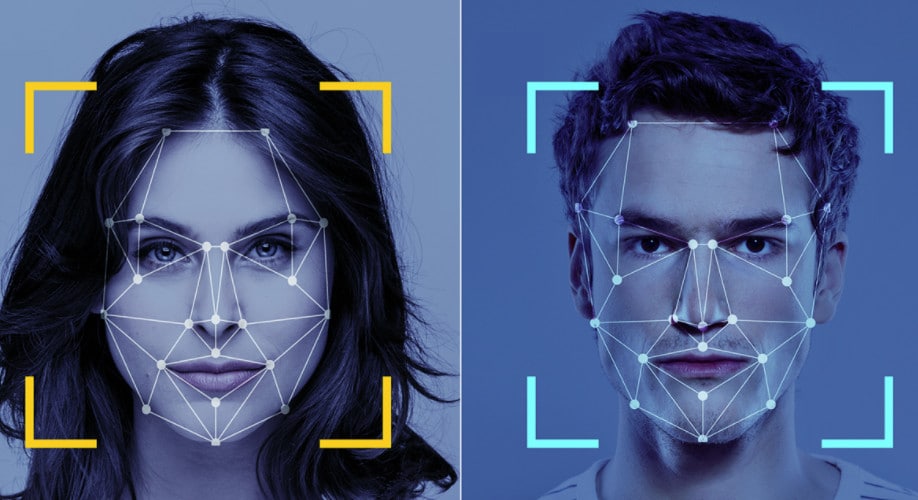
AI-Enabled Biometric Surveillance Raises Global Privacy and Human Rights Concerns

Thumbnail Image

The information displayed in the AIM should not be reported as representing the official views of the OECD or of its member countries.

Multiple articles highlight growing concerns over AI-powered biometric technologies, such as facial recognition and DNA analysis, which pose risks of privacy violations, discrimination, and digital authoritarianism. The debate centers on balancing beneficial uses with the dangers of misuse, especially in surveillance-heavy states like China, prompting calls for stronger regulation.[AI generated]

Why's our monitor labelling this an incident or hazard?

The article explicitly references AI-enabled biometric technologies used for surveillance and facial recognition, which are AI systems by definition. It discusses the potential for these technologies to lead to harms such as violations of privacy, human rights abuses, and digital authoritarianism, particularly in the context of China's surveillance practices. Although no concrete harm event is described, the credible risk of significant future harm is emphasized, including calls for moratoriums and stronger regulation. This fits the definition of an AI Hazard, as the development and use of these AI systems could plausibly lead to AI Incidents involving human rights violations and harm to communities. The article is not reporting a realized harm but warns about plausible future harms and governance responses, so it is not an AI Incident or Complementary Information. It is not unrelated because it clearly involves AI systems and their societal risks.[AI generated]
AI principles
Privacy & data governanceRespect of human rightsFairnessTransparency & explainabilityAccountabilityDemocracy & human autonomyRobustness & digital security

Industries
Government, security, and defenceDigital security

Affected stakeholders
General publicCivil society

Harm types
Human or fundamental rightsPublic interestPsychological

Severity
AI hazard

Business function:
Compliance and justiceMonitoring and quality control

AI system task:
Recognition/object detection


Articles about this incident or hazard

Thumbnail Image

Βιομετρικά δεδομένα: Ο κίνδυνος εξάπλωσης του "Μεγάλου Αδελφού" | in.gr

2022-07-02
in.gr
Why's our monitor labelling this an incident or hazard?
The article centers on the risks and ethical concerns related to biometric AI technologies and their potential for misuse, particularly in surveillance and authoritarian control. While it references the use of AI-enabled surveillance technologies and the dangers they pose, it does not describe a concrete incident of harm caused by AI systems. The discussion is about plausible future harms and the need for regulation, fitting the definition of Complementary Information rather than an AI Incident or AI Hazard. It provides context and advocacy for governance responses without detailing a specific harmful event or imminent risk event.
Thumbnail Image

Βιομετρικά δεδομένα: Ο κίνδυνος εξάπλωσης του "Μεγάλου Αδελφού" - larissanet.gr

2022-07-03
larissanet.gr
Why's our monitor labelling this an incident or hazard?
The article explicitly involves AI systems in biometric surveillance and recognition technologies, which have been linked to harms such as violations of privacy and human rights. It discusses existing uses and societal concerns, including documented cases of misuse and bias, but does not report a new or specific AI Incident causing direct or indirect harm at this time. Instead, it emphasizes the need for regulation and governance to mitigate risks and prevent future harms. This aligns with the definition of Complementary Information, as it provides important context, societal and governance responses, and highlights ongoing debates and calls for action rather than reporting a discrete AI Incident or an imminent AI Hazard.
Thumbnail Image

Βιομετρικά δεδομένα: Ο κίνδυνος εξάπλωσης του "Μεγάλου Αδελφού" | Ειδησεις

2022-07-02
Pelop.gr
Why's our monitor labelling this an incident or hazard?
The article explicitly references AI-enabled biometric technologies used for surveillance and facial recognition, which are AI systems by definition. It discusses the potential for these technologies to lead to harms such as violations of privacy, human rights abuses, and digital authoritarianism, particularly in the context of China's surveillance practices. Although no concrete harm event is described, the credible risk of significant future harm is emphasized, including calls for moratoriums and stronger regulation. This fits the definition of an AI Hazard, as the development and use of these AI systems could plausibly lead to AI Incidents involving human rights violations and harm to communities. The article is not reporting a realized harm but warns about plausible future harms and governance responses, so it is not an AI Incident or Complementary Information. It is not unrelated because it clearly involves AI systems and their societal risks.
Thumbnail Image

Financial Times: O κίνδυνος εξάπλωσης του "Μεγάλου Αδελφού"

2022-07-02
NewsNowgr.com
Why's our monitor labelling this an incident or hazard?
The article centers on the risks and ethical concerns related to AI-enabled biometric technologies and their potential for harm, such as privacy violations and discriminatory outcomes. It references existing uses and the possibility of misuse but does not describe a concrete incident of harm occurring due to AI systems. Therefore, it fits the definition of an AI Hazard, as it plausibly could lead to AI incidents if unregulated, but no actual harm event is reported. It is not Complementary Information because it is not updating or responding to a specific prior incident, nor is it unrelated since it clearly involves AI biometric systems and their societal implications.