AI Driver Monitoring Systems Misclassify Drivers with Small Eyes as Drowsy

Thumbnail Image

The information displayed in the AIM should not be reported as representing the official views of the OECD or of its member countries.

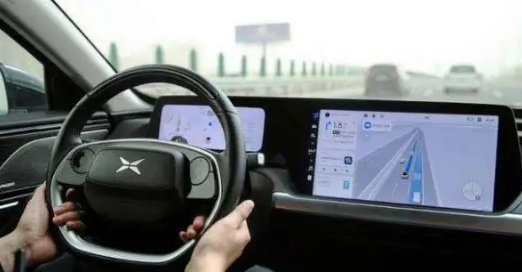
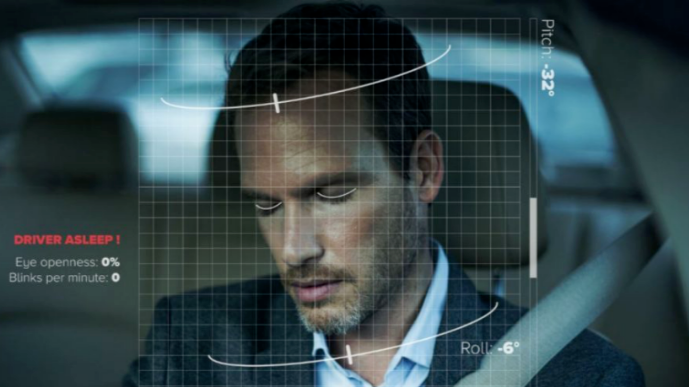
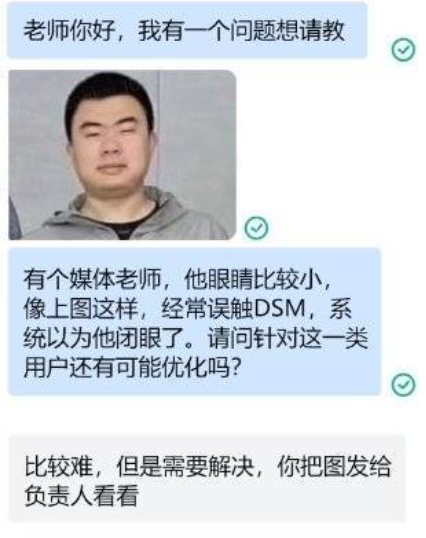
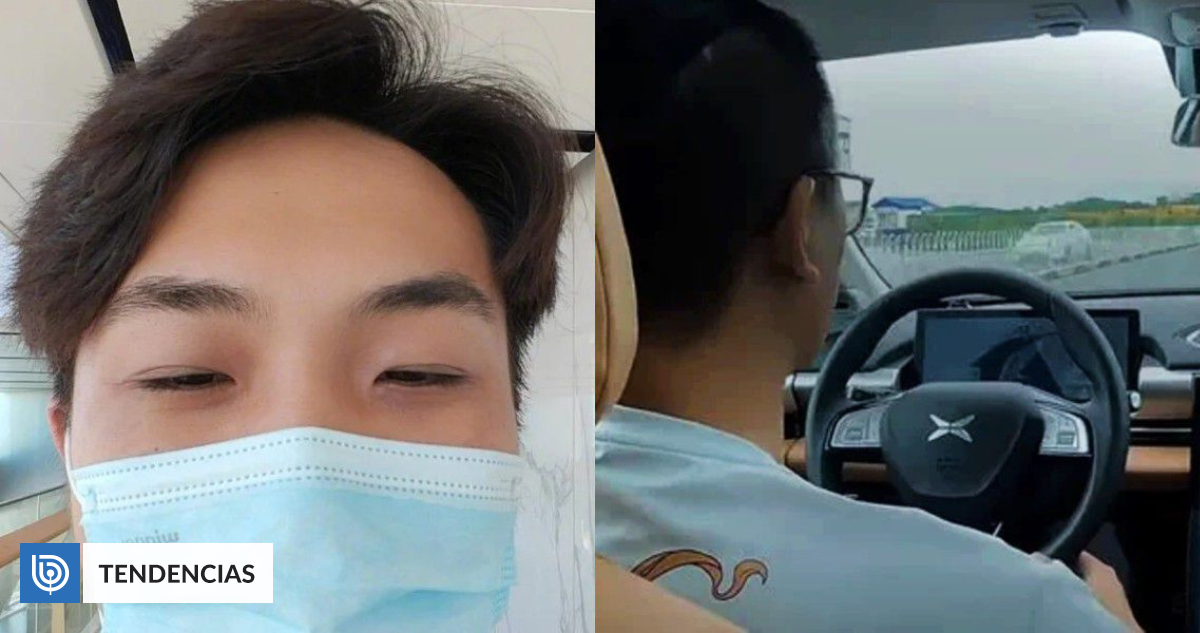
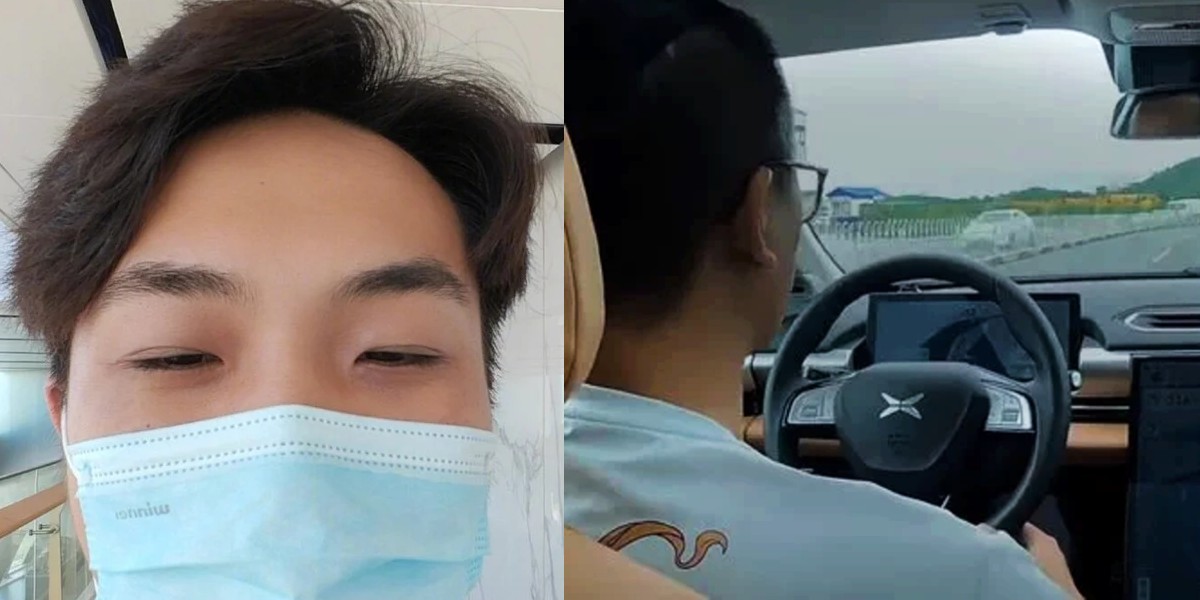
Several drivers using Xpeng and other brands' AI-assisted driving systems were wrongly flagged as drowsy or distracted due to having small eyes, resulting in penalties. The misclassification, caused by facial recognition algorithms, prompted public complaints and led manufacturers to promise urgent system optimizations to address the bias.[AI generated]

Why's our monitor labelling this an incident or hazard?

The assisted driving system is an AI system that uses driver monitoring to ensure safety. The misjudgment of the driver's state due to eye characteristics is a malfunction of the AI system's perception capabilities. Although no direct harm is reported, the misjudgment could plausibly lead to safety risks or incidents if the system wrongly intervenes or fails to detect actual driver sleepiness. The company's response to fix the issue indicates recognition of the malfunction. Therefore, this event qualifies as an AI Incident due to the malfunction of an AI system that has caused or could cause harm to the driver or others.[AI generated]
AI principles
FairnessRespect of human rightsRobustness & digital securityTransparency & explainabilityAccountabilitySafety

Industries
Mobility and autonomous vehiclesConsumer products

Affected stakeholders
Consumers

Harm types
Economic/PropertyPsychologicalReputationalHuman or fundamental rights

Severity
AI incident

Business function:
Monitoring and quality control

AI system task:
Recognition/object detectionEvent/anomaly detection


Articles about this incident or hazard

Thumbnail Image

小鹏车主因眼睛小被系统误判开车睡觉 官方回应:已连夜优化

2022-07-28
Techweb
Why's our monitor labelling this an incident or hazard?
An AI system (the driver assistance system) is involved and malfunctioning by misjudging the driver's state. However, the reported harm is limited to user frustration and social embarrassment, which does not meet the threshold for injury, rights violation, or other significant harms defined for an AI Incident. The company's response to optimize the system is a corrective action. Therefore, this event is best classified as Complementary Information, as it provides an update on an AI system's issue and the response to it, without a realized AI Incident or plausible future harm.
Thumbnail Image

男子因眼睛小被系统误判开车睡觉 小鹏汽车回应称已连夜优化

2022-07-28
中关村在线
Why's our monitor labelling this an incident or hazard?
An AI system (driver monitoring system using AI algorithms) is involved in the use phase, where it misclassified the driver's state due to physical characteristics (small eyes). Although this caused inconvenience and false alerts, there is no indication of actual harm such as injury, disruption, or rights violations. The manufacturer's response to optimize the system is a mitigation effort. Since no harm occurred and the event mainly concerns a system malfunction leading to false alarms, it does not meet the threshold for an AI Incident. It also does not represent a plausible future harm scenario beyond the current false positive issue. Therefore, this is best classified as Complementary Information, providing context on AI system performance and ongoing improvements.
Thumbnail Image

车主因眼睛小被辅助驾驶误判睡觉 何小鹏在线回应 - IT 与交通 - cnBeta.COM

2022-07-27
cnBeta.COM
Why's our monitor labelling this an incident or hazard?
The assisted driving system is an AI system that uses driver monitoring to ensure safety. The misjudgment of the driver's state due to eye characteristics is a malfunction of the AI system's perception capabilities. Although no direct harm is reported, the misjudgment could plausibly lead to safety risks or incidents if the system wrongly intervenes or fails to detect actual driver sleepiness. The company's response to fix the issue indicates recognition of the malfunction. Therefore, this event qualifies as an AI Incident due to the malfunction of an AI system that has caused or could cause harm to the driver or others.
Thumbnail Image

车主因眼睛小被辅助驾驶误判引热议:蔚来连夜成立专门研究小组 - 人物 - cnBeta.COM

2022-07-27
cnBeta.COM
Why's our monitor labelling this an incident or hazard?
The event involves AI systems used in advanced driver-assistance features that rely on eye and face detection to assess driver fatigue. The misclassification caused by the AI system's inability to correctly interpret the driver's physical features has led to functional impairments in the system's use, which can be considered a malfunction or failure to perform as intended. Although no direct harm such as injury or accident is reported, the misjudgment could plausibly lead to safety risks if the system disables or misleads the driver. The manufacturers' responses to optimize the AI systems indicate recognition of this issue. Since no actual harm has occurred yet but there is a credible risk of harm due to malfunction, this qualifies as an AI Hazard rather than an Incident. The article focuses on the problem and the responses, not on a realized harm event.
Thumbnail Image

因眼睛小被辅助驾驶误判睡觉 当事车主发自拍 - 人物 - cnBeta.COM

2022-07-27
cnBeta.COM
Why's our monitor labelling this an incident or hazard?
An AI system (the assisted driving system) is involved and its malfunction (false positive drowsiness detection) is causing inconvenience to the user. However, there is no indication that this malfunction has led to any actual harm such as injury, disruption, or rights violations. The company is responding to the issue by optimizing the system. Therefore, this event does not describe an AI Incident or AI Hazard but rather an update on a known issue and the company's response, which fits the definition of Complementary Information.
Thumbnail Image

惊呆!车主因眼睛小被辅助驾驶误判为开车睡觉 何小鹏亲自回应!

2022-07-27
东方财富网
Why's our monitor labelling this an incident or hazard?
The event explicitly involves an AI system—the driver monitoring system using visual AI algorithms to detect driver fatigue and attention. The system's misclassification of the driver's eye state directly led to penalties (deduction of 'intelligent driving points'), which is a form of harm to the user (unfair treatment, potential impact on driving privileges or insurance). The AI system's malfunction (misjudgment due to small eyes) is the direct cause of this harm. Additionally, the event discusses similar misclassifications in other brands, indicating a systemic issue. Therefore, this qualifies as an AI Incident because the AI system's malfunction has directly led to harm to a person (the driver).
Thumbnail Image

汽车博主因眼睛小被辅助驾驶误判为开车睡觉!何小鹏亲自回应 蔚来已成立专门研究小组

2022-07-27
东方财富网
Why's our monitor labelling this an incident or hazard?
The event involves AI systems used in assisted driving to monitor driver alertness and safety. The AI's misclassification of small eyes as closed eyes leads to incorrect fatigue or distraction warnings and penalties, which constitutes a harm to users (incorrect penalization and potential safety concerns). This harm has already occurred, making it an AI Incident. The companies' responses to optimize the systems are complementary information but do not negate the incident classification. Therefore, this event is best classified as an AI Incident due to realized harm caused by AI system misjudgment affecting users' experience and potentially their rights to fair treatment.
Thumbnail Image

小鹏车主因眼睛小被辅助驾驶误判睡觉!网友:伤害...

2022-07-27
东方财富网
Why's our monitor labelling this an incident or hazard?
The event involves an AI system (Xpeng's assisted driving feature) that misjudged the driver's state (mistakenly detecting sleep due to small eyes), leading to a penalty. This is a direct consequence of the AI system's malfunction or misinterpretation during use. Although no physical harm occurred, the unfair penalty and misclassification constitute a harm to the user, potentially affecting rights or causing reputational harm. The company's response to optimize the system is noted but does not negate the incident. Therefore, this qualifies as an AI Incident due to the realized harm caused by the AI system's malfunction during use.
Thumbnail Image

因眼睛小被辅助驾驶误判睡觉 当事车主"漏眼"!网友:错怪小鹏了

2022-07-27
驱动之家
Why's our monitor labelling this an incident or hazard?
The event involves an AI system (the autonomous driving assistance system) that misclassified the driver's state due to physical characteristics (small eyes), leading to a false detection of sleep while driving. This misclassification caused a direct negative impact on the driver (wrong penalty points deducted), which constitutes harm to the person (a form of harm to the user). Therefore, this qualifies as an AI Incident because the AI system's malfunction directly led to harm. The company's response to fix the issue is complementary information but does not negate the incident classification.
Thumbnail Image

车主因眼睛小被辅助驾驶误判睡觉 何小鹏在线回应

2022-07-27
驱动之家
Why's our monitor labelling this an incident or hazard?
The event involves an AI system explicitly mentioned as the automatic navigation assisted driving (NGP) system. The malfunction is that the system misclassifies drivers with small eyes as sleeping, which is a failure of the AI system's driver monitoring function. This misclassification can lead to safety risks or driver distraction, constituting harm to the health or safety of persons (harm category a). Since the harm is occurring or has occurred (drivers experiencing false sleep detection), this qualifies as an AI Incident. The company's response to fix the issue is complementary information but does not negate the incident classification.
Thumbnail Image

车主因眼睛小被辅助驾驶误判睡觉 小鹏汽车:连夜优化

2022-07-27
凤凰网(凤凰新媒体)
Why's our monitor labelling this an incident or hazard?
An AI system (the assisted driving system) is explicitly involved, as it monitors driver attention and fatigue using eye detection. The system's malfunction or misinterpretation (due to the driver's small eyes) led to incorrect penalization, which is a form of indirect harm to the user. Although no physical injury or critical infrastructure disruption occurred, the harm to the user's rights or fair treatment (a form of harm to the user) is present. The company's response to optimize the system is a complementary action but does not negate the incident itself. Therefore, this qualifies as an AI Incident due to the realized harm caused by the AI system's malfunction.
Thumbnail Image

上亿人围观!小眼睛博主竟被智能车误判开车睡觉 何小鹏亲自回应

2022-07-28
凤凰网(凤凰新媒体)
Why's our monitor labelling this an incident or hazard?
The event involves an AI system explicitly described as the intelligent driving assistance system (NGP) with a driver monitoring system that uses AI-based computer vision to detect driver fatigue. The AI system's malfunction (misjudging small eyes as closed eyes) directly led to the driver being penalized with real driving license points, which constitutes harm to the person (a form of injury or harm). Therefore, this qualifies as an AI Incident. The article also discusses the technical challenges and responses, but the primary focus is on the realized harm caused by the AI system's malfunction, not just potential or complementary information.
Thumbnail Image

车主因眼睛小被汽车辅助驾驶功能误判睡觉,小鹏、蔚来连夜回应

2022-07-27
凤凰网(凤凰新媒体)
Why's our monitor labelling this an incident or hazard?
The event involves AI systems (driver monitoring systems using cameras and infrared sensors) that malfunction by misclassifying the driver's state due to physical characteristics, leading to incorrect fatigue or sleep detection alerts. This malfunction directly affects the driver's interaction with advanced driver-assistance features, which are safety-critical. Although no injury or accident is reported, the malfunction constitutes harm by impairing the safe use of the AI system and could plausibly lead to safety risks. The manufacturers' responses to fix the issue confirm the recognition of the malfunction. Hence, this is an AI Incident caused by AI system malfunction leading to harm (impaired safety-critical functionality).
Thumbnail Image

小眼睛车主开小鹏 被辅助驾驶误判"开车睡觉"

2022-07-27
凤凰网(凤凰新媒体)
Why's our monitor labelling this an incident or hazard?
An AI system (the Xiaopeng assisted driving feature) is explicitly involved and malfunctioned by misclassifying the driver's state based on eye detection. Although this caused an incorrect penalty, there is no indication of injury, rights violation, or property harm. The company is responding to the issue, indicating ongoing mitigation. Therefore, this event does not meet the threshold for an AI Incident or AI Hazard but qualifies as Complementary Information about a known AI system issue and its remediation.
Thumbnail Image

车主因眼睛小被辅助驾驶误判/鸿蒙设备数破 3 亿/部分 iPhone 14 镜头出现问题

2022-07-28
凤凰网(凤凰新媒体)
Why's our monitor labelling this an incident or hazard?
The event involves AI systems in driver assistance that use facial and eye recognition to detect driver fatigue or distraction. The misclassification of drivers with small eyes as fatigued is a malfunction of the AI system's detection capabilities, leading to inappropriate system behavior that could compromise safety and user trust. This meets the definition of an AI Incident because the AI system's malfunction has directly led to harm (safety risks and potential disruption of vehicle operation). The article provides concrete examples of affected vehicles and manufacturer responses, confirming the AI system's role and the realized harm. Other parts of the article are unrelated or general tech news and do not affect this classification.
Thumbnail Image

中国智能手机销量创新低,车主因眼睛小被辅助驾驶误判睡觉,芒果TV会员又涨价,抖音上线外放默认静音功能,这就是今天的其它大新闻

2022-07-27
凤凰网(凤凰新媒体)
Why's our monitor labelling this an incident or hazard?
The assisted driving systems in vehicles like Xpeng and NIO use AI-based driver monitoring to detect driver alertness. The misjudgment of the driver's state due to physical characteristics (small eyes) is a malfunction of the AI system leading to false fatigue or sleep detection alerts. This is a direct AI malfunction causing harm (inconvenience and potential safety risk). The manufacturers' responses to address the issue further confirm the AI system's role. Other news items are unrelated to AI harm or hazards.
Thumbnail Image

惊呆!车主因眼睛小被辅助驾驶误判为开车睡觉,何小鹏亲自回应

2022-07-27
凤凰网(凤凰新媒体)
Why's our monitor labelling this an incident or hazard?
The event involves an AI system (driver monitoring system using visual AI algorithms) that misclassified a driver's eye state, leading to penalties and incorrect fatigue warnings. This is a malfunction or erroneous use of the AI system that directly caused harm to the driver (unfair penalty, potential safety risk, user frustration). The harm is realized, not just potential, and the AI system's role is pivotal. The incident also reflects systemic issues affecting multiple users. Hence, it meets the criteria for an AI Incident rather than a hazard or complementary information.
Thumbnail Image

奇葩!车主因眼睛小被辅助驾驶误判引热议:蔚来连夜成立专门研究小组

2022-07-27
和讯网
Why's our monitor labelling this an incident or hazard?
The event involves AI systems used in advanced driver assistance that rely on eye and face detection to monitor driver alertness. The AI's misjudgment due to the driver's small eyes and facial angle leads to false alerts, which is a malfunction affecting the system's reliability and user experience. Although no physical harm or accident is reported, the malfunction could indirectly lead to safety risks if the system's alerts are ignored or misinterpreted. The manufacturers' response to optimize the system is a mitigation effort. Therefore, this qualifies as an AI Incident due to the AI system's malfunction causing harm in the form of false safety alerts and potential safety risks.
Thumbnail Image

车主因眼睛小被辅助驾驶误判,本人回应:希望不是给我开个眼角

2022-07-27
和讯网
Why's our monitor labelling this an incident or hazard?
The event involves AI systems in advanced driver-assistance that monitor driver attention via eye and face detection, which is a clear AI system involvement. The malfunction is the misclassification of the driver's state due to his small eyes, causing false fatigue and distraction alerts. Although no injury or accident has occurred, the malfunction could plausibly lead to safety risks, such as disabling critical driving assistance or distracting the driver with false alerts. The car companies' responses to optimize the system confirm the recognition of this issue as a potential hazard. Since no actual harm has been reported, this is best classified as an AI Hazard rather than an AI Incident.
Thumbnail Image

车主因眼睛小被辅助驾驶误判:当事车主“露眼”!网友:错怪小鹏了

2022-07-27
和讯网
Why's our monitor labelling this an incident or hazard?
An AI system (the assisted driving system) is explicitly involved, as it performs driver monitoring and classification (detecting if the driver is asleep). The system's malfunction (misjudging the driver's eye state due to small eyes) directly led to a wrongful penalty, which constitutes harm to the user (a person) in terms of unfair treatment and potential safety implications. Therefore, this qualifies as an AI Incident because the AI system's malfunction has directly led to harm (wrongful penalty and possible safety risk).
Thumbnail Image

小鹏车主因眼睛小被系统误判开车睡觉 官方回应:已连夜优化

2022-07-28
和讯网
Why's our monitor labelling this an incident or hazard?
The AI system (driver assistance with eye-tracking or driver monitoring) is explicitly involved and malfunctioning by misjudging the driver's state. Although no physical injury or direct safety incident is reported, the misclassification causes harm in terms of false accusations and emotional distress, which can be considered harm to the individual. The company's response to optimize the system indicates recognition of the malfunction. Therefore, this qualifies as an AI Incident due to the AI system's malfunction causing harm (emotional/psychological) to the user.
Thumbnail Image

早报|车主因眼睛小被辅助驾驶误判 / 鸿蒙设备数破 3 亿 / 部分 iPhone 14 镜头出现问题

2022-07-28
爱范儿
Why's our monitor labelling this an incident or hazard?
The driver assistance systems described use AI to analyze facial and eye data to assess driver alertness. The misclassification of drivers with small eyes as fatigued or distracted is a malfunction of the AI system's recognition capabilities. This malfunction directly affects the operation and reliability of safety-critical features, potentially harming drivers by limiting their access to assistance or causing inappropriate system actions (e.g., activating cold air to 'wake' the driver). Therefore, this constitutes an AI Incident due to direct harm to users' safety and rights related to the use of AI systems in vehicles.
Thumbnail Image

小眼男子被误判为开车睡觉!心疼又好笑...

2022-07-28
app.myzaker.com
Why's our monitor labelling this an incident or hazard?
The event involves AI systems used in driver monitoring and assistance, which have directly led to harm by misclassifying drivers and penalizing them unfairly. The harm is realized as users lose points and face warnings based on incorrect AI assessments. The AI system's malfunction or misinterpretation of facial features (small eyes) is the direct cause of the harm. Therefore, this qualifies as an AI Incident because the AI system's use has directly led to harm to individuals (unjust penalties and stress).
Thumbnail Image

眼睛小就不配用辅助驾驶了?小鹏、蔚来:在改了

2022-07-27
app.myzaker.com
Why's our monitor labelling this an incident or hazard?
The event involves AI systems used in assisted driving features that monitor driver attention and state. The AI's malfunction in misclassifying drivers with small eyes as distracted or fatigued has led to incorrect safety scoring and could indirectly cause harm by limiting access to safety features or causing unsafe driving conditions. The manufacturers' response to fix the issue confirms the AI system's role in the problem. Given the safety-critical nature and realized misclassification harm, this qualifies as an AI Incident rather than a hazard or complementary information.
Thumbnail Image

汽车博主因眼睛小被辅助驾驶误判为睡觉!

2022-07-27
每日经济新闻
Why's our monitor labelling this an incident or hazard?
The event involves AI systems (driver monitoring systems using cameras and infrared sensors with AI algorithms) that have malfunctioned or misjudged the driver's state due to physical characteristics (small eyes), leading to incorrect deductions of driving scores and false fatigue warnings. This constitutes an AI Incident because the AI system's malfunction has directly led to harm (incorrect penalization and potential safety concerns). The manufacturers' responses and optimizations are complementary information but do not negate the incident classification. Therefore, this event is best classified as an AI Incident.
Thumbnail Image

车主因眼睛小被自动驾驶判为睡觉 小鹏汽车回应

2022-07-27
杭州网
Why's our monitor labelling this an incident or hazard?
The autonomous driving system is an AI system involved in the use phase, where it misclassifies the driver's state based on eye size. Although no injury or accident has occurred, the malfunction could plausibly lead to harm (e.g., false alarms or failure to detect real drowsiness), constituting an AI Hazard. The company's response to optimize the system is complementary information but does not negate the hazard classification. Since no harm has yet occurred, this is best classified as an AI Hazard.
Thumbnail Image

车主因眼睛小被辅助驾驶误判睡觉 小鹏回应称已连夜优化

2022-07-27
华商网
Why's our monitor labelling this an incident or hazard?
The event involves an AI system (Xpeng's assisted driving feature) that misinterpreted the driver's eye size as a sign of sleeping while driving, resulting in a penalty. This is a malfunction of the AI system's driver monitoring function, which directly led to harm in the form of unfair scoring and potential reputational or psychological impact on the driver. The company's response to optimize the system is a remediation effort. Since harm has occurred due to the AI system's malfunction, this qualifies as an AI Incident.
Thumbnail Image

小鹏车主因眼睛小被系统误判开车睡觉,回应称已连夜优化

2022-07-27
金融界网
Why's our monitor labelling this an incident or hazard?
The event involves an AI system (DMS) that misclassifies driver state due to physical traits, leading to false warnings. While this is a malfunction of an AI system, there is no evidence of actual harm (injury, property damage, rights violation) resulting from this misclassification. The company is actively optimizing the system to fix the problem. This fits the definition of Complementary Information, as it updates on AI system performance and mitigation efforts without reporting realized or plausible harm. Hence, it is not an AI Incident or AI Hazard.
Thumbnail Image

车主因眼睛小,屡次被辅助驾驶误判"睡觉"!何小鹏介入:连夜优化

2022-07-27
163.com
Why's our monitor labelling this an incident or hazard?
The event involves an AI system (driver fatigue and distraction detection via in-car cameras and infrared sensors) that is malfunctioning by misclassifying drivers with small eyes as inattentive or sleeping. This malfunction leads to direct harm in the form of unjust penalties and restrictions on the driver's use of the system, which fits the definition of an AI Incident. The manufacturer's intervention to optimize the system is a response to this realized harm.
Thumbnail Image

小鹏回应 车主因眼睛小被辅助驾驶误判

2022-07-28
163.com
Why's our monitor labelling this an incident or hazard?
An AI system (the XPILOT 3.0 assisted driving system with NGP) is involved, and the event concerns its use and a malfunction (misjudgment of driver attention). However, there is no indication that this malfunction has caused any injury, property damage, or other harm. The company is responding to the issue to improve the system. Therefore, this event does not meet the criteria for an AI Incident or AI Hazard, as no harm has occurred or is plausibly imminent. Instead, it is a complementary information update about ongoing improvements and user feedback regarding an AI system.
Thumbnail Image

眼睛小被小鹏汽车判定"睡觉",官方回应:已收到优化需求

2022-07-27
163.com
Why's our monitor labelling this an incident or hazard?
An AI system (driver monitoring AI) is involved in the use phase, making real-time assessments of driver state. The misclassification leads to an incorrect penalty (deduction of driving points), which is a form of harm to the user (potentially unfair treatment and user dissatisfaction). However, there is no indication of physical injury, critical infrastructure disruption, or legal rights violations. The company is responding with an optimization plan, indicating the issue is recognized but no severe harm has been reported. This fits best as Complementary Information because the main focus is on the company's response to a known AI system issue rather than a report of a realized harm incident or a plausible future hazard.
Thumbnail Image

热搜第一!知名博主开小鹏汽车,因眼睛小被自动驾驶误判"睡着了"......橙柿对话当事人

2022-07-27
163.com
Why's our monitor labelling this an incident or hazard?
The event clearly involves an AI system (the DMS) used in intelligent assisted driving. The system's malfunction—misclassifying a driver's eye state due to small eyes—has directly led to harm in the form of incorrect safety alerts, unfair scoring penalties, and potential exclusion from advanced driving features. This impacts the driver's rights and safety, fulfilling the criteria for harm under the AI Incident definition. The manufacturer's response to optimize the system is complementary information but does not negate the incident classification. There is no indication that harm is only potential; the misclassification and its consequences are ongoing and realized. Therefore, this event is best classified as an AI Incident.
Thumbnail Image

自动驾驶寻找"商业闭环"

2022-07-28
163.com
Why's our monitor labelling this an incident or hazard?
The article explicitly involves AI systems in autonomous driving and their use, including AI decision-making and sensor integration. It references real-world safety issues (e.g., Tesla accidents) that have occurred, which are AI incidents, but these are mentioned as background context rather than the main focus. The main narrative centers on the broader industry status, challenges, and commercial strategies, including government pilot projects and data-driven AI platforms. There is no new specific AI incident or hazard event reported; rather, the article provides complementary information about the AI autonomous driving ecosystem, its risks, and responses. Therefore, the classification is Complementary Information.
Thumbnail Image

小鹏车主傻眼了!只因眼睛小被判在开车睡觉...蔚来连夜"抢生意"

2022-07-28
163.com
Why's our monitor labelling this an incident or hazard?
The event involves AI systems (driver monitoring systems using cameras and AI algorithms) that misinterpret physical features (small eyes) as signs of fatigue or distraction, leading to erroneous penalties and warnings. This constitutes a malfunction or failure of the AI system in its use phase, directly causing harm in the form of incorrect penalization and potential safety risks. Therefore, this qualifies as an AI Incident because the AI system's malfunction has directly led to harm (incorrect driver scoring and possible safety implications).
Thumbnail Image

眼睛小被系统误判闭眼

2022-07-27
chejiahao.autohome.com.cn
Why's our monitor labelling this an incident or hazard?
The event involves an AI system (autonomous driving assistance) that misjudged the driver's eye state, leading to wrongful penalties. This constitutes an AI Incident because the AI system's malfunction directly caused harm to the user in the form of incorrect penalties and possibly undermined trust in the system. The company's response to optimize the system is complementary but does not negate the incident classification.
Thumbnail Image

小鹏车主因眼睛小被辅助驾驶误判睡觉!回应称已连夜优化,网友调侃:伤害性不大侮辱性极强

2022-07-27
163.com
Why's our monitor labelling this an incident or hazard?
The driver assistance system is an AI system that monitors driver attention and issues penalties based on its assessment. The misclassification of the driver's eye condition as sleeping is a malfunction of the AI system leading to harm (unjust penalty, reputational harm). This fits the definition of an AI Incident as the AI system's malfunction directly led to harm. The airbag non-deployment is explained by physical sensor thresholds and collision dynamics, with no explicit AI involvement or malfunction described, so it does not qualify as an AI Incident or Hazard. The company's response and optimization efforts are complementary information but do not negate the incident classification. Therefore, the overall event is best classified as an AI Incident.
Thumbnail Image

小鹏汽车回应自动驾驶系统误判:已经连夜收到优化需求

2022-07-27
中国经济网
Why's our monitor labelling this an incident or hazard?
An AI system (the autonomous driving system) malfunctioned by misclassifying a driver's eye size, which could potentially lead to safety risks. Although no harm has been reported yet, the misjudgment indicates a malfunction that could plausibly lead to harm if not corrected. The company's response to optimize the system is a mitigation effort. Since no actual harm has occurred but there is a plausible risk, this qualifies as an AI Hazard.
Thumbnail Image

车主因眼睛小被辅助驾驶误判为睡觉 应网友要求晒自拍

2022-07-27
青岛新闻
Why's our monitor labelling this an incident or hazard?
The event involves an AI system explicitly described as the driver monitoring system (DMS) used in assisted driving cars, which uses AI algorithms to detect driver fatigue or distraction by analyzing facial features such as eye openness. The system's misclassification of the driver's eye state due to small eyes led to incorrect fatigue detection and penalty points, which is a direct harm to the driver (potentially affecting their driving record or insurance) and a violation of correct system functioning. The event also documents similar misjudgments in other vehicles and the manufacturers' responses to optimize the AI system, confirming the AI system's role in causing harm. Hence, this is an AI Incident rather than a hazard or complementary information.
Thumbnail Image

车主眼睛小被误判开车睡觉

2022-07-27
China News
Why's our monitor labelling this an incident or hazard?
The event involves AI systems (DMS) used in vehicles to monitor driver attention and fatigue. The malfunction or misclassification by the AI system (due to small eyes and facial features) leads to false warnings, which is a failure of the AI system's use. Although no direct harm has occurred, the false alerts could plausibly lead to distraction or misuse, constituting a potential risk. Therefore, this qualifies as an AI Hazard because the AI system's malfunction could plausibly lead to harm, but no harm has yet materialized.
Thumbnail Image

7月27日,最近两位小鹏汽车车主遇到了同一个烦恼,因为他们的眼睛长得比较小,结果在开启小鹏汽车辅助驾驶功能时,多次被系统判定为开车睡觉,或者叫“频繁分神”,进而导致自己的“智驾分”被扣分。

2022-07-27
证券之星
Why's our monitor labelling this an incident or hazard?
An AI system (driver monitoring using eye tracking) is explicitly involved and malfunctioning by misclassifying drivers with small eyes as sleepy or distracted. This malfunction leads to wrongful penalties affecting users' scores and could indirectly affect safety if drivers are distracted or penalized unfairly. However, the article does not report any injury, accident, or direct harm resulting from this malfunction. The issue is ongoing and being addressed by the manufacturer. Therefore, this qualifies as an AI Hazard because the malfunction could plausibly lead to harm, but no actual harm has been reported yet. It is not Complementary Information because the main focus is the malfunction itself, not a response or update to a past incident. It is not an AI Incident because no harm has occurred yet.
Thumbnail Image

小鹏汽车回应眼睛小被误判“开车睡觉”:已经收到优化需求... 2022-07-27 16:59

2022-07-27
sznews.com
Why's our monitor labelling this an incident or hazard?
The event involves an AI system used in autonomous or assisted driving that incorrectly interprets driver behavior, which is a malfunction of the AI system. Although no actual harm (such as accidents or injuries) is reported, the misclassification could plausibly lead to safety risks if the system fails to correctly detect driver alertness. However, since the article only reports the issue and the company's response without any realized harm, this qualifies as an AI Hazard rather than an AI Incident.
Thumbnail Image

惊呆!车主因眼睛小被辅助驾驶误判为开车睡觉,何小鹏亲自回应!

2022-07-27
163.com
Why's our monitor labelling this an incident or hazard?
The driver monitoring system is an AI system that analyzes visual input to detect driver fatigue and distraction. The system's misclassification of a driver's eye condition as fatigue led to direct harm by wrongly penalizing the driver, which fits the definition of an AI Incident due to harm to a person (incorrect penalization and potential impact on user trust and safety). The article also mentions the companies' responses to fix the issue, but the primary event is the realized harm caused by the AI system's malfunction. Hence, the classification is AI Incident.
Thumbnail Image

"Así son mis ojos": chinos aseguran sentirse discriminados por detectores de sueño de autos nuevos

2022-08-04
BioBioChile
Why's our monitor labelling this an incident or hazard?
The detection system uses AI to analyze driver eye features to infer drowsiness. The system's failure to accurately interpret the eye shapes of Chinese drivers leads to false positives, which is a malfunction of the AI system. This malfunction has directly led to harm in the form of unjust sanctions and administrative consequences for drivers, constituting an AI Incident under the definition of harm to persons and violation of rights due to biased or inaccurate AI outputs.
Thumbnail Image

Quejas en China por el detector de sueño en autos: considera dormidos a conductores con 'ojos pequeños'

2022-08-03
Clarin
Why's our monitor labelling this an incident or hazard?
The article explicitly describes an AI system (driver monitoring with eye-tracking) used in semi-autonomous driving that is malfunctioning by misclassifying drivers with small eyes as sleepy. This malfunction leads to false alarms and penalties that restrict system use, which can cause harm to users by undermining trust, causing distraction, or limiting access to safety features. The harm is realized and directly linked to the AI system's malfunction. Hence, it meets the criteria for an AI Incident rather than a hazard or complementary information.
Thumbnail Image

China: indignación por un detector de sueño que capta dormidos a los conductores | "No estoy dormido, tengo ojos pequeños"

2022-08-03
Página/12
Why's our monitor labelling this an incident or hazard?
The AI system is explicitly mentioned as being used to monitor driver fatigue through interior cameras and facial recognition. The system's malfunction or miscalibration leads to incorrect detection of drowsiness in Asian drivers, which directly harms users by penalizing them unfairly and restricting their driving capabilities. This constitutes an AI Incident because the AI system's malfunction has directly led to harm (unjust penalties and restrictions) affecting individuals' rights and usage of vehicle functions. The harm is realized and ongoing, not merely potential.
Thumbnail Image

"Mis ojos son pequeños, no me estoy quedando dormido": chino se queja por el sistema que detecta fatiga al volante - La Tercera

2022-08-02
LA TERCERA
Why's our monitor labelling this an incident or hazard?
The system involved is an AI-based driver monitoring system that detects fatigue by analyzing eye features. The malfunction or misrecognition is due to the system not properly accounting for the physical characteristics of East Asian eyes, leading to false fatigue alerts. This causes indirect harm by restricting the use of safety features and potentially discriminating against a group based on physical traits, which can be considered a violation of rights or harm to communities. Since the harm is realized in terms of unfair treatment and system misuse, this qualifies as an AI Incident rather than a mere hazard or complementary information.
Thumbnail Image

"No me duermo, son así mis ojos": la furia de los chinos con el detector de sueño de los autos nuevos

2022-08-02
Todo Noticias
Why's our monitor labelling this an incident or hazard?
The AI system involved is the driver drowsiness detection system using cameras and AI to monitor eye closure. The malfunction is that it misclassifies normal eye shapes as signs of sleepiness, leading to false alerts and penalties. This has directly led to harm in the form of unjust penalties and potential disruption of driving experience and safety. The harm is realized and ongoing, not just a potential risk. Hence, it meets the criteria for an AI Incident rather than a hazard or complementary information.
Thumbnail Image

Polémica en China por el detector de sueño en autos que considera dormidos a conductores con "ojos pequeños"

2022-08-03
La 100
Why's our monitor labelling this an incident or hazard?
The system is an AI system as it uses intelligent camera-based monitoring to infer driver state (sleepiness or distraction) from facial features. The malfunction (false detection of sleepiness due to small eyes) directly leads to harm by causing false alarms that interfere with driving safety and driver experience. This fits the definition of an AI Incident because the AI system's malfunction has directly led to harm (disruption of safe driving and potential safety risks).
Thumbnail Image

"No me duermo, así son mis ojos": Guiadores chinos molestos con el detector de sueño de los autos nuevos

2022-08-02
DEBATE
Why's our monitor labelling this an incident or hazard?
The event involves AI systems used for driver monitoring and fatigue detection, which are malfunctioning by misclassifying normal eye shapes as signs of sleepiness. This malfunction directly affects drivers by penalizing them unfairly and restricting access to semi-autonomous driving capabilities, which can be considered harm to users' rights and operational disruption of vehicle features. Therefore, this qualifies as an AI Incident due to the direct harm caused by the AI system's malfunction in real-world use.