Federal Investigation Launched After TuSimple Self-Driving Truck Crash

Thumbnail Image

The information displayed in the AIM should not be reported as representing the official views of the OECD or of its member countries.

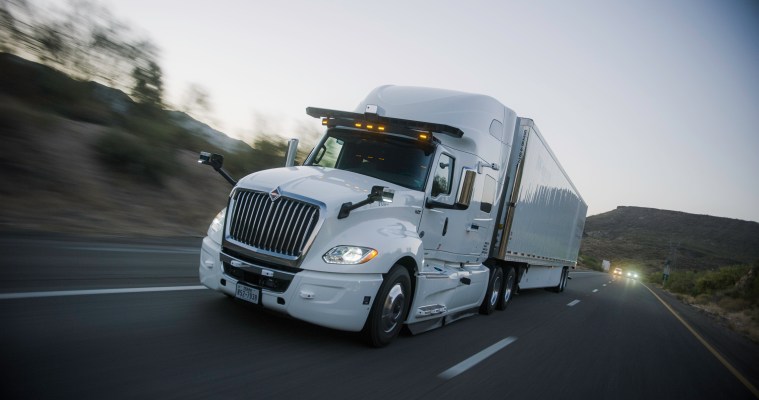
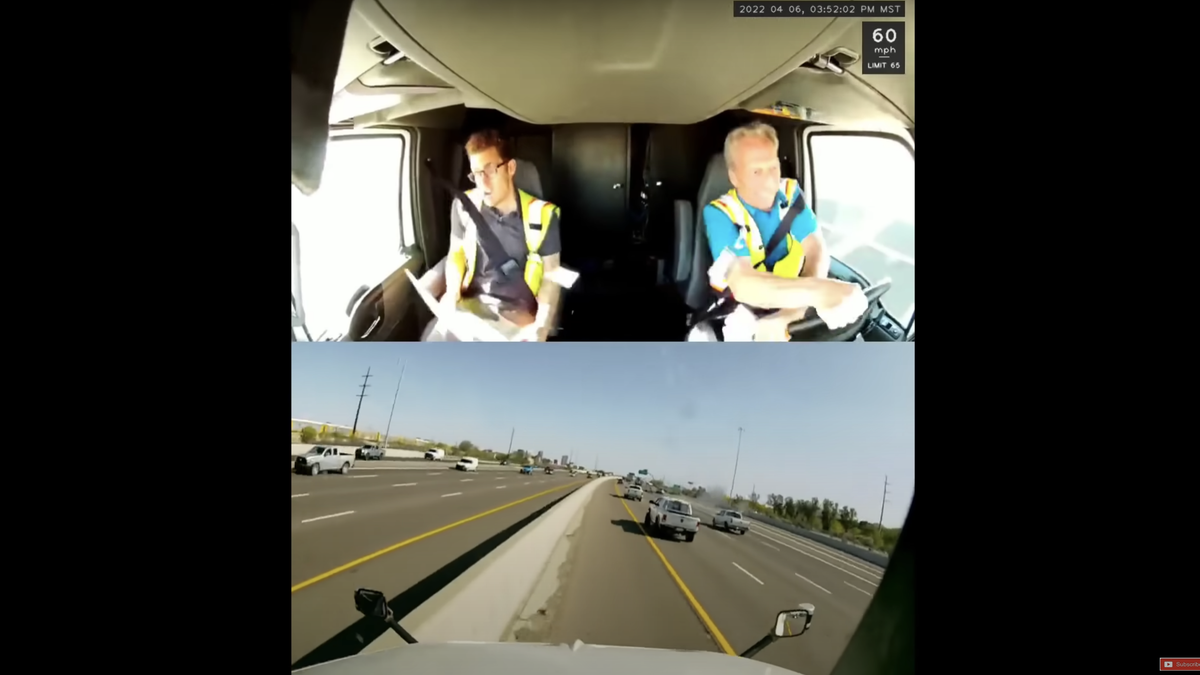
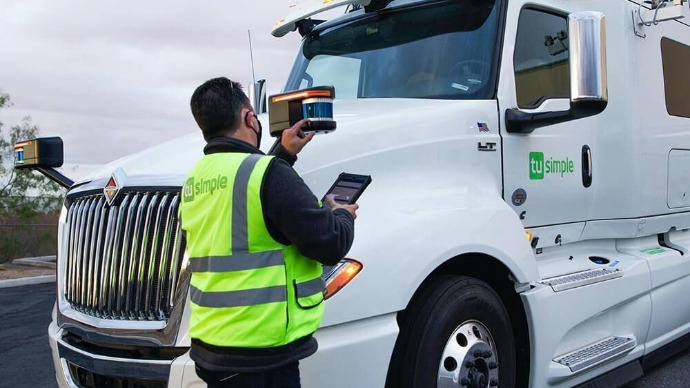
A TuSimple autonomous truck crashed into a concrete barrier on April 6, 2022, after human operators improperly re-engaged self-driving mode. The incident, which caused minor property damage but no injuries, triggered federal investigations into the safety of TuSimple’s AI system and operational protocols.[AI generated]

Why's our monitor labelling this an incident or hazard?

The event involves an AI system (autonomous driving technology) whose use directly led to a crash, causing minor property damage. Although no injuries occurred, the incident constitutes harm to property and involves the malfunction or misuse of an AI system. Therefore, it qualifies as an AI Incident. The company's response and investigation are complementary but do not change the classification of the event as an incident.[AI generated]
AI principles
SafetyRobustness & digital securityAccountabilityTransparency & explainabilityDemocracy & human autonomy

Industries
Mobility and autonomous vehiclesLogistics, wholesale, and retail

Affected stakeholders
Business

Harm types
Economic/PropertyReputationalPublic interest

Severity
AI incident

Business function:
Logistics

AI system task:
Recognition/object detectionGoal-driven organisationReasoning with knowledge structures/planning

In other databases

Articles about this incident or hazard

Thumbnail Image

TuSimple sees no change in business model in wake of safety probe

2022-08-03
FreightWaves
Why's our monitor labelling this an incident or hazard?
The event involves an AI system (autonomous driving technology) whose use directly led to a crash, causing minor property damage. Although no injuries occurred, the incident constitutes harm to property and involves the malfunction or misuse of an AI system. Therefore, it qualifies as an AI Incident. The company's response and investigation are complementary but do not change the classification of the event as an incident.
Thumbnail Image

The Law Offices of Frank R. Cruz Announces Investigation of TuSimple Holdings Inc. (TSP) on Behalf of Investors

2022-08-02
wallstreet:online
Why's our monitor labelling this an incident or hazard?
The event involves an AI system explicitly described as an autonomous driving system in a truck. The accident, which is linked to the autonomous system's operation or malfunction, has directly led to safety concerns and a regulatory investigation, indicating harm to public safety (potential injury or harm to people). Additionally, the stock price drop caused financial harm to investors. Therefore, this qualifies as an AI Incident because the AI system's use and malfunction have directly led to harm (safety risk and financial loss).
Thumbnail Image

Why TuSimple Stock Crashed Today | The Motley Fool

2022-08-01
The Motley Fool
Why's our monitor labelling this an incident or hazard?
The event involves an AI system (TuSimple's autonomous driving technology) whose use directly led to a traffic accident, triggering a regulatory investigation. The accident, caused either by human error or potential faults in the AI system, represents a harm scenario related to safety on public highways. Even though no injuries occurred, the crash and investigation indicate realized harm or risk to public safety, fitting the definition of an AI Incident due to the direct involvement of the AI system in causing harm or risk to people and infrastructure.
Thumbnail Image

Hedge Fund Rubric Capital Just Bet $15 Million on TuSimple (TSP) Stock

2022-08-01
InvestorPlace
Why's our monitor labelling this an incident or hazard?
The autonomous truck's AI system was directly involved in the accident, either due to a malfunction or operator error related to the AI system's state. The collision caused physical damage and safety concerns, which are harms under the AI Incident definition. The involvement of the AI system in the accident and the resulting investigation confirm that this is an AI Incident rather than a hazard or complementary information. The investment news and market reactions are contextual but do not change the classification.
Thumbnail Image

TuSimple Down 8% as April Accident Draws Attention By Investing.com

2022-08-01
Investing.com
Why's our monitor labelling this an incident or hazard?
The autonomous driving system is explicitly involved and malfunctioned by executing an outdated command, directly causing the truck to veer abruptly and resulting in an accident. This is a clear case of harm to health and safety due to AI system malfunction. The event is not merely a potential risk but a realized harm, making it an AI Incident rather than a hazard or complementary information.
Thumbnail Image

WSJ News Exclusive | Self-Driving Truck Accident Draws Attention to Safety at TuSimple

2022-08-01
The Wall Street Journal
Why's our monitor labelling this an incident or hazard?
The truck was autonomously driven using AI technology developed by TuSimple. The accident was caused by the AI system's sudden veering and collision, which is a malfunction during its use. This directly led to harm to property (the truck and barricade) and posed potential risk to human safety, fulfilling the criteria for an AI Incident. The report of the accident and the safety concerns raised by analysts and former employees further support this classification.
Thumbnail Image

TuSimple addresses autonomous truck crash during Q2 earnings call

2022-08-03
TechCrunch
Why's our monitor labelling this an incident or hazard?
The event involves an AI system (autonomous driving system) whose malfunction directly caused a crash, resulting in physical damage to property (the truck and highway barrier). The AI system's outdated command led to the unsafe maneuver, and the incident was serious enough to prompt investigations by federal safety agencies. Although no injuries occurred, the harm to property and the safety risk to people on a public highway meet the criteria for an AI Incident. The company's response and investigation are complementary information but do not negate the incident classification.
Thumbnail Image

Logistics Report: Probing Robot Truck Safety; Utilitiy Shortages; Missed Order Delivery

2022-08-02
createsend.com
Why's our monitor labelling this an incident or hazard?
The TuSimple truck is an AI system (autonomously driven tractor-trailer) whose malfunction (sudden veering and collision) directly led to a physical accident on a public highway, posing injury risks to people and property. The investigation highlights safety compliance issues related to the AI system's use. Therefore, this qualifies as an AI Incident due to direct harm caused by the AI system's malfunction during its use.
Thumbnail Image

Autonomous Truck Developer Under Federal Investigation After Highway Crash Prompts Safety Issues

2022-08-01
Jalopnik
Why's our monitor labelling this an incident or hazard?
The autonomous driving system is an AI system as it makes real-time driving decisions. The crash was directly caused by a malfunction of this AI system executing an outdated command, which led to physical harm risk on a public highway. The involvement of federal safety agencies and internal company documents confirm the AI system's role in the incident. The harm is realized (the crash occurred), and the AI system's malfunction is a direct contributing factor. Therefore, this qualifies as an AI Incident rather than a hazard or complementary information.
Thumbnail Image

Law Offices of Howard G. Smith Announces Investigation of TuSimple Holdings Inc. (TSP) on Behalf of Investors

2022-08-02
wallstreet:online
Why's our monitor labelling this an incident or hazard?
The autonomous driving system is an AI system as it makes real-time decisions to control the vehicle. The accident was caused by the AI system turning the wheel unexpectedly, which directly led to a physical harm event (collision). Although the company attributes the cause to human error in rebooting the system, researchers argue the AI system's role was pivotal. The event has triggered a federal safety investigation, indicating recognized harm or risk. Therefore, this qualifies as an AI Incident due to the direct link between the AI system's malfunction/use and harm or risk to safety.
Thumbnail Image

Kirby McInerney LLP Announces an Investigation of Shareholder Claims Against TuSimple Holdings Inc. (TSP)

2022-08-02
wallstreet:online
Why's our monitor labelling this an incident or hazard?
The autonomous driving system is an AI system involved in the incident. The accident caused by the AI system's behavior (or its improper rebooting) led to physical harm risk and financial harm to shareholders. The event describes a realized harm due to the AI system's malfunction or failure, meeting the criteria for an AI Incident.
Thumbnail Image

Feds probe crash of TuSimple self-driving truck in Tucson

2022-08-02
Tucson
Why's our monitor labelling this an incident or hazard?
The event involves a self-driving truck, which by definition uses an AI system for autonomous driving. The crash was caused by human error in operating the AI system, leading to a safety incident. Even though no physical injury or property damage occurred, the event is a safety-related incident involving AI malfunction and human misuse, which fits the definition of an AI Incident. The federal investigation and company response further confirm the significance of the event as an AI Incident rather than a mere hazard or complementary information.
Thumbnail Image

TuSimple addresses autonomous truck crash during Q2 earnings call (Rebecca Bellan/TechCrunch)

2022-08-03
Tech Investor News
Why's our monitor labelling this an incident or hazard?
The autonomous truck is an AI system as it operates with autonomous driving capabilities. The crash caused by the truck veering into a concrete barricade is a direct harm to property and potentially to people. The involvement of the Federal Motor Carrier Safety Administration's investigation further confirms the seriousness of the incident. Therefore, this event meets the criteria for an AI Incident due to the AI system's malfunction leading to harm.
Thumbnail Image

TuSimple reports April crash to NHTSA

2022-08-02
KGUN
Why's our monitor labelling this an incident or hazard?
The event involves an AI system (TuSimple's self-driving vehicle) and a crash incident. However, the crash was caused by human error (operator and test engineer) and the AI self-driving mode was disengaged for 30 seconds before the crash, indicating the AI system did not directly cause the incident. No harm to persons or property occurred beyond a slight scrape on the truck, which is minimal. Since no significant harm occurred and the AI system was not the cause, this does not qualify as an AI Incident. It also does not represent a plausible future harm scenario (AI Hazard) because the system was disengaged and the cause was human error. The report is primarily an update on a past event and the company's response, thus it fits best as Complementary Information.
Thumbnail Image

自动驾驶卡车好落地?图森们的"并购式"跑路与谎言 - IT 与交通 - cnBeta.COM

2022-08-25
cnBeta.COM
Why's our monitor labelling this an incident or hazard?
The article explicitly involves AI systems in the form of L4 autonomous driving trucks. It discusses a past accident involving TuSimple's autonomous truck that is under federal investigation, with technical faults suggested by experts, indicating a prior AI Incident. However, the article itself does not report a new accident or harm event but rather analyzes the broader industry situation, including failed promises, financial troubles, and the lack of real deployment. It highlights the gap between claims and reality, the risks of misleading stakeholders, and the challenges in commercializing autonomous trucks. Since no new direct or indirect harm event is described, and the focus is on industry status, responses, and implications, the article fits the definition of Complementary Information. It provides important context and updates on the AI ecosystem, including responses to past incidents and ongoing challenges, without describing a new AI Incident or AI Hazard.
Thumbnail Image

自动驾驶卡车好落地?图森们的"并购式"跑路与谎言

2022-08-25
凤凰网(凤凰新媒体)
Why's our monitor labelling this an incident or hazard?
The article explicitly mentions an AI system (L4 autonomous driving technology) involved in a 2022 road accident that is under federal investigation, with expert analysis indicating technical faults, which qualifies as an AI Incident due to the direct or indirect harm caused by the AI system's malfunction or failure. Additionally, the article details the broader context of the autonomous trucking industry's failures, overpromises, and financial troubles, which represent ongoing AI Hazards due to the plausible future harm from premature deployment and overreliance on immature AI systems in heavy trucks. However, since the article reports a past accident with regulatory investigation and technical fault indications, the classification prioritizes AI Incident over AI Hazard. The article is not merely complementary information or unrelated, as it discusses realized harm and regulatory scrutiny linked to AI system malfunction and industry risks.
Thumbnail Image

图森们的"并购式"跑路与谎言

2022-08-25
huxiu.com
Why's our monitor labelling this an incident or hazard?
The article explicitly involves AI systems in the form of L4 autonomous driving technology for trucks. However, it does not describe any realized harm such as accidents caused by AI malfunction, violations of rights, or disruptions. Instead, it details the lack of actual deployment, overpromises, financial difficulties, and misleading claims by companies. These factors do not constitute an AI Incident because no harm has occurred, nor an AI Hazard because the article does not focus on a specific plausible future harm event but rather on the general state of the industry. The article also goes beyond routine product announcements by critically analyzing the ecosystem and the implications of these companies' failures and strategies, fitting the definition of Complementary Information.
Thumbnail Image

图森未来或与吉利开启L4级自动驾驶卡车量产项目

2022-08-25
财经网
Why's our monitor labelling this an incident or hazard?
The event involves AI systems as Level 4 autonomous driving requires sophisticated AI for vehicle navigation and decision-making. However, since the project is still in the negotiation phase with no actual deployment or incidents reported, no harm has occurred or is directly implied. The article describes a potential future development that could plausibly lead to AI-related impacts but does not report any realized harm or incident. Therefore, this qualifies as an AI Hazard due to the plausible future risk associated with L4 autonomous trucks, which could impact safety and infrastructure if deployed.
Thumbnail Image

吉利拟收购图森无人卡车中国业务

2022-08-22
auto.yesky.com
Why's our monitor labelling this an incident or hazard?
The article focuses on a business acquisition involving AI-enabled autonomous trucks, which are AI systems by definition. While no harm or incident is reported, the expansion of autonomous truck operations carries plausible risks of future incidents (e.g., accidents, operational failures). Since no actual harm has occurred yet, and the event is about potential future implications of AI system deployment, it fits the definition of an AI Hazard rather than an Incident or Complementary Information. It is not unrelated because AI systems are central to the event.