Tesla FSD AI Misclassifies Horse-Drawn Carriage as Truck During Test Drive

Thumbnail Image

The information displayed in the AIM should not be reported as representing the official views of the OECD or of its member countries.

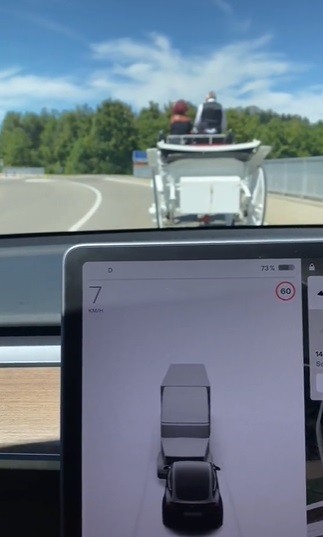
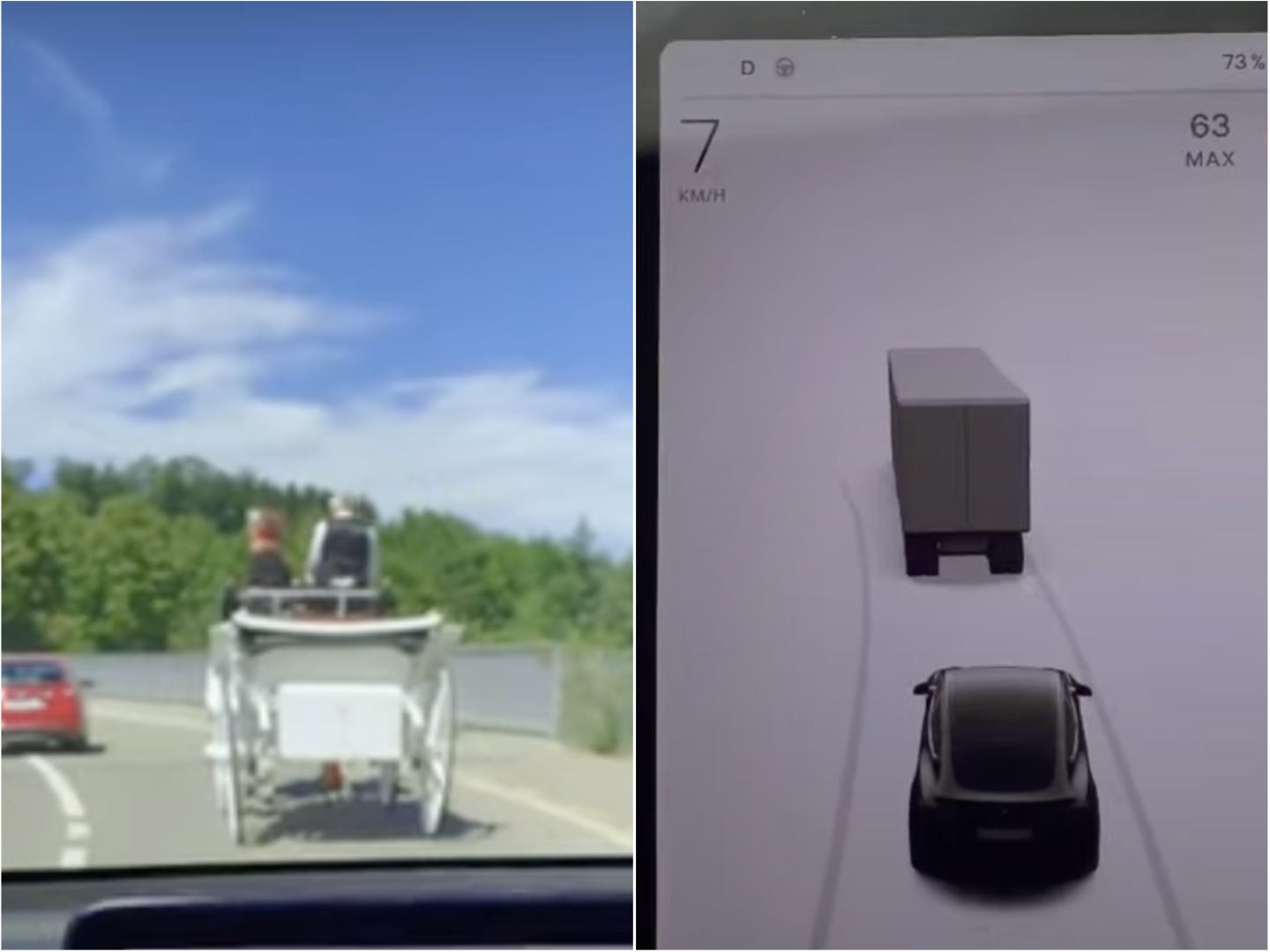
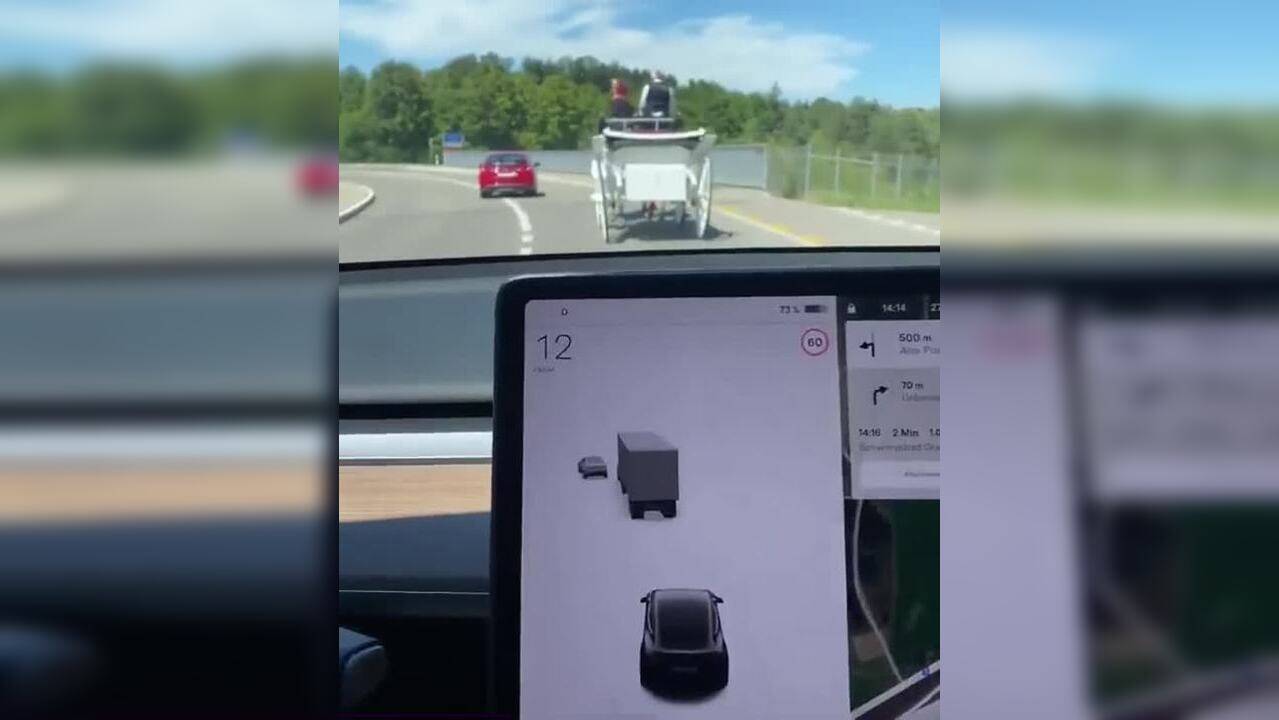
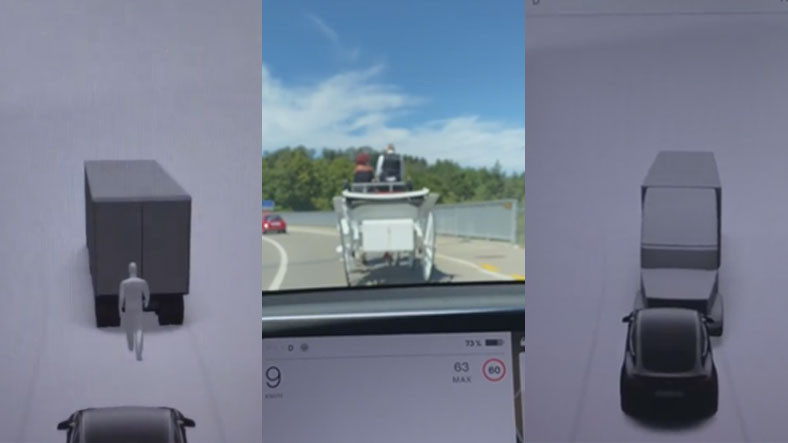
Tesla's Full Self Driving (FSD) AI system failed to correctly identify a horse-drawn carriage during a beta test, repeatedly misclassifying it as a truck or van. The incident, widely shared on social media, highlights ongoing object recognition issues in Tesla's AI, though no harm or accident occurred.[AI generated]

Why's our monitor labelling this an incident or hazard?

The Tesla Full Self Driving system is an AI system involved in autonomous vehicle perception and decision-making. The misclassification of the at carriage is a malfunction of the AI system during use. However, the article does not report any actual harm, injury, or accident resulting from this error. Therefore, this event does not meet the threshold for an AI Incident but does represent a plausible risk of future harm if such errors lead to accidents. Hence, it qualifies as an AI Hazard rather than an Incident or Complementary Information.[AI generated]
AI principles
Robustness & digital securitySafetyTransparency & explainabilityAccountability

Industries
Mobility and autonomous vehicles

Affected stakeholders
General publicBusiness

Harm types
Physical (injury)ReputationalEconomic/Property

Severity
AI hazard

Business function:
Research and developmentMonitoring and quality control

AI system task:
Recognition/object detectionGoal-driven organisation

In other databases

Articles about this incident or hazard

Thumbnail Image

Tesla, at arabasını tır olarak algıladı

2022-08-17
En Son Haber
Why's our monitor labelling this an incident or hazard?
Tesla's Full Self Driving software is an AI system designed for autonomous driving. The misclassification of a horse-drawn carriage as a truck or pickup truck indicates a malfunction in the AI's object recognition capabilities. Although no physical harm or accident is reported, the misperception could plausibly lead to safety risks if the system makes driving decisions based on incorrect object identification. Since the event involves a malfunction of an AI system with potential safety implications, it qualifies as an AI Incident under the definition of harm to persons or groups through malfunction, even if no injury has yet occurred.
Thumbnail Image

Yapay zeka 'error' verdi! Tesla'nın at arabası ile imtihanı - Yeni Akit

2022-08-17
Yeni Akit Gazetesi
Why's our monitor labelling this an incident or hazard?
The Tesla Full Self Driving system is an AI system involved in autonomous vehicle perception and decision-making. The misclassification of the at carriage is a malfunction of the AI system during use. However, the article does not report any actual harm, injury, or accident resulting from this error. Therefore, this event does not meet the threshold for an AI Incident but does represent a plausible risk of future harm if such errors lead to accidents. Hence, it qualifies as an AI Hazard rather than an Incident or Complementary Information.
Thumbnail Image

Tesla yapay zekası at arabasını algılayamadı, tır olarak gösterdi

2022-08-17
Milliyet
Why's our monitor labelling this an incident or hazard?
The event involves an AI system (Tesla's Full Self Driving software) that incorrectly identified an object in its environment, which is a malfunction of the AI system's perception capabilities. Although no physical harm or accident is reported, such misclassification in a driving context could plausibly lead to safety risks or incidents if the vehicle's decisions are based on incorrect object recognition. However, since no harm or accident has occurred yet, this event represents a plausible risk rather than realized harm.
Thumbnail Image

Tesla'nın yapay zekası at arabasını algılayamadı

2022-08-17
Sözcü Gazetesi
Why's our monitor labelling this an incident or hazard?
Tesla's Full Self Driving software is an AI system that processes sensor data to identify and classify objects in real time to make driving decisions. The misclassification of a horse-drawn carriage as a truck or van indicates a malfunction in the AI's perception capabilities. Although no harm (such as an accident or injury) is reported, the malfunction could plausibly lead to safety risks if the vehicle misinterprets objects on the road. Therefore, this event qualifies as an AI Hazard because the AI system's malfunction could plausibly lead to an incident involving harm, even though no harm has yet occurred or been reported.
Thumbnail Image

Tesla At Arabasını Algılayamadı Şekilden Şekle Soktu [Video]

2022-08-16
Webtekno
Why's our monitor labelling this an incident or hazard?
The Tesla Full Self Driving software is an AI system involved in autonomous vehicle operation. The event describes a malfunction in object recognition, a core AI function, leading to misclassification of a horse-drawn carriage. While no direct harm occurred in this instance, the article notes that similar AI failures have caused traffic accidents, indicating a credible risk of harm. The event thus represents a plausible future harm scenario (AI Hazard). The article also references past accidents (AI Incidents), but this specific event is about a detection failure without realized harm, so it is not an AI Incident itself. Therefore, the event is best classified as an AI Hazard.
Thumbnail Image

Tesla yapay zekası at arabasını algılayamadı: Tır olarak gösterdi

2022-08-17
Yeni Şafak
Why's our monitor labelling this an incident or hazard?
Tesla's Full Self Driving software is an AI system involved in real-time perception and decision-making. The misclassification of the horse-drawn carriage as a truck indicates a malfunction in the AI's object recognition capabilities. Although no harm (such as an accident or injury) is reported, this malfunction could plausibly lead to safety risks or accidents if the system misinterprets objects on the road. Therefore, this event qualifies as an AI Hazard because the AI system's malfunction could plausibly lead to harm in the future, even though no harm has yet occurred or been reported.
Thumbnail Image

Tesla yapay zekası at arabasını algılayamadı, tır olarak gösterdi - Son Dakika

2022-08-17
Son Dakika
Why's our monitor labelling this an incident or hazard?
The Tesla FSD system is an AI system involved in autonomous driving. The misclassification of the horse-drawn carriage is a malfunction of the AI system. However, the article does not report any accident, injury, or other harm resulting from this error. Therefore, it does not meet the criteria for an AI Incident. Since no harm occurred but the malfunction could plausibly lead to harm in future if such errors cause accidents, it could be considered an AI Hazard. However, the article focuses on the error itself and social media reaction, without explicit mention of plausible future harm or risk. Given the lack of explicit or strongly implied potential harm, the best classification is AI Hazard because the malfunction could plausibly lead to harm in future autonomous driving scenarios.
Thumbnail Image

Video appears to show a Tesla's Autopilot system confusing horse-drawn carriage for truck

2022-08-20
Business Insider Nederland
Why's our monitor labelling this an incident or hazard?
The Tesla Autopilot is an AI system involved in autonomous driving and object detection. The video shows the system misidentifying a horse-drawn carriage, which is a malfunction in its perception module. While no injury or accident has occurred, the misclassification could plausibly lead to harm (e.g., collision) if the system makes driving decisions based on incorrect data. Hence, this is an AI Hazard due to the credible risk of future harm stemming from the AI system's malfunction during use.
Thumbnail Image

Video appears to show a Tesla's Autopilot system confusing horse-drawn carriage for truck

2022-08-20
Business Insider
Why's our monitor labelling this an incident or hazard?
Tesla's Autopilot is an AI system performing real-time object detection and classification to assist driving. The misidentification of a horse-drawn carriage as other objects indicates a malfunction or limitation in the AI's perception capabilities. Although no injury or accident occurred, the event reveals a plausible risk of harm if the system's errors lead to incorrect driving actions. Therefore, this qualifies as an AI Hazard, as the malfunction could plausibly lead to an AI Incident involving injury or harm to persons or property.
Thumbnail Image

Horse-drawn carriage bamboozles Tesla into thinking it's three types of truck

2022-08-17
Mirror
Why's our monitor labelling this an incident or hazard?
The Tesla's AI system is explicitly involved as it misidentifies the horse-drawn carriage, showing a malfunction in its perception module. Although this is a clear AI system malfunction, the article does not report any injury, property damage, or other harm resulting from this event. Therefore, it does not meet the criteria for an AI Incident. Since the malfunction could plausibly lead to harm if it caused an accident, it could be considered an AI Hazard. However, the article does not explicitly state or strongly imply a credible risk of harm from this specific event, only showing a glitch without incident. Thus, the best classification is Complementary Information, as it provides insight into AI system limitations and ongoing issues with Tesla's autopilot but does not describe a realized or imminent harm or credible hazard.
Thumbnail Image

Viral video: Tesla struggling to identify horse-drawn carriage mistakes it for truck

2022-08-18
TimesNow
Why's our monitor labelling this an incident or hazard?
The Tesla autopilot system uses AI for object detection and classification. The misidentification of a horse-drawn carriage as multiple different vehicles indicates a malfunction or failure of the AI system to correctly interpret its environment. Although the event does not mention any resulting accident or injury, the malfunction of the AI system in a safety-critical context (autonomous driving) constitutes an AI Incident due to the direct link to potential harm to persons or property if the system's errors lead to unsafe driving decisions.