Experts Warn AI Voice Assistants May Hinder Children's Social and Cognitive Development

Thumbnail Image

The information displayed in the AIM should not be reported as representing the official views of the OECD or of its member countries.

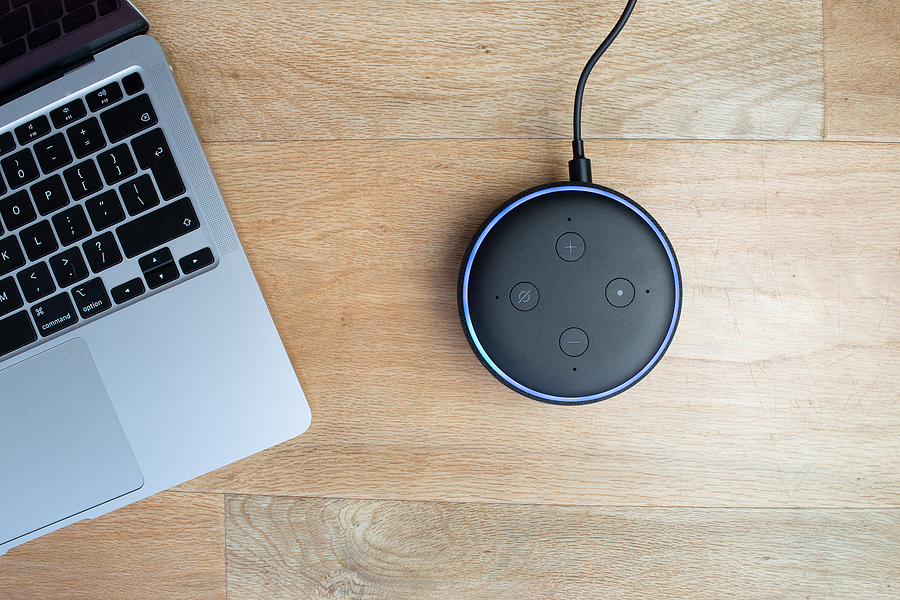
Researchers warn that AI voice assistants like Alexa, Siri, and Google Home may impede children's social and cognitive development, including empathy, compassion, and critical thinking. Concerns include inappropriate responses, anthropomorphism, and hindered learning, prompting calls for further study on the long-term effects of these AI systems on children.[AI generated]

Why's our monitor labelling this an incident or hazard?

The event involves AI systems (voice-control smart devices with advanced AI) and discusses plausible future harm to children's social and emotional development, including critical thinking and empathy. Since no actual harm or incident is reported but potential risks are highlighted, this fits the definition of an AI Hazard rather than an AI Incident. The article does not describe a realized harm or incident, nor does it focus on responses or updates, so it is not Complementary Information. It is not unrelated as it clearly involves AI systems and potential harm.[AI generated]
AI principles
Human wellbeingSafetyTransparency & explainability

Industries
Consumer products

Affected stakeholders
Children

Harm types
Psychological

Severity
AI hazard

AI system task:
Interaction support/chatbots


Articles about this incident or hazard

Thumbnail Image

Voice-control smart devices might affect children's social, emotional development | News - Times of India Videos

2022-09-28
The Times of India
Why's our monitor labelling this an incident or hazard?
The event involves AI systems (voice-control smart devices with advanced AI) and discusses plausible future harm to children's social and emotional development, including critical thinking and empathy. Since no actual harm or incident is reported but potential risks are highlighted, this fits the definition of an AI Hazard rather than an AI Incident. The article does not describe a realized harm or incident, nor does it focus on responses or updates, so it is not Complementary Information. It is not unrelated as it clearly involves AI systems and potential harm.
Thumbnail Image

Now hear this: Alexa and Siri can negatively impact a child's development

2022-09-28
WND
Why's our monitor labelling this an incident or hazard?
Voice assistants are AI systems that interact with users via natural language. The research indicates that their use can lead to developmental harm in children, which qualifies as injury or harm to health. Since the harm is realized and directly linked to the use of AI systems, this event qualifies as an AI Incident.
Thumbnail Image

Use of voice-controlled devices 'might have long-term consequences for children'

2022-09-27
Yahoo Sports Canada
Why's our monitor labelling this an incident or hazard?
The event involves AI systems (voice-controlled AI assistants) and discusses their use and potential negative effects on children. However, no actual harm has been reported or confirmed; the concerns are about plausible future consequences. Therefore, this qualifies as an AI Hazard because it plausibly could lead to harm (psychological, social, developmental) but no incident has yet occurred. The article is primarily a call for more research and awareness rather than reporting a realized AI Incident or a governance response (Complementary Information).
Thumbnail Image

Voice assistants could 'hinder children's social and cognitive development'

2022-09-28
The Guardian
Why's our monitor labelling this an incident or hazard?
The article clearly involves AI systems, specifically voice-activated assistants like Alexa, Siri, and Google Home, which are AI systems that process natural language and generate responses. The concerns raised relate to the use and potential misuse of these AI systems and their impact on children's development, which could plausibly lead to harm such as impaired social skills and exposure to inappropriate content. However, since no actual harm or incident is described as having occurred, and the focus is on potential long-term effects and the need for further research and guidelines, this fits the definition of an AI Hazard rather than an AI Incident or Complementary Information. It is not unrelated because it directly concerns AI systems and their impact.
Thumbnail Image

Are Alexa and Siri making our children DUMB?

2022-09-27
Daily Mail Online
Why's our monitor labelling this an incident or hazard?
The voice assistants are AI systems providing answers and interaction. The article highlights potential negative effects on children's cognitive and social development due to reliance on these AI systems, which could plausibly lead to harm in the future. However, no direct or indirect harm has been reported or confirmed. The article also includes expert opinions questioning the evidence for these claims. Thus, the event fits the definition of an AI Hazard, as it concerns plausible future harm from AI system use rather than an AI Incident or Complementary Information.
Thumbnail Image

Use of voice-controlled devices 'might have long-term consequences for children'

2022-09-28
Yahoo News UK
Why's our monitor labelling this an incident or hazard?
The article involves AI systems (voice-controlled smart devices with AI assistants) and discusses potential negative consequences on children's development. However, no actual harm or incident has been reported; the concerns are speculative and call for more research. Therefore, this qualifies as an AI Hazard because it plausibly could lead to harm in the future but no harm has yet occurred. It is not Complementary Information because it does not update or respond to a known incident, nor is it unrelated since AI systems are central to the discussion.
Thumbnail Image

Siri and Alexa would affect children, make them antisocial and rude

2022-09-29
MARCA
Why's our monitor labelling this an incident or hazard?
The article involves AI systems (Alexa and Siri virtual assistants) and discusses potential long-term social harms to children from their use. The harms are not reported as having occurred but are plausible future risks highlighted by scientific research. Therefore, this qualifies as an AI Hazard because it describes a credible risk of harm stemming from the use of AI systems, but no realized harm or incident is described.
Thumbnail Image

Siri, Alexa and Google Home make children rude, anti-social: study

2022-09-28
New York Post
Why's our monitor labelling this an incident or hazard?
The voice assistants mentioned are AI systems that process natural language and generate responses influencing user behavior. The study and incident describe realized harms: impeded social development and a dangerous instruction that could have caused physical harm. These harms fall under injury or harm to health and harm to communities (children's social development). The AI systems' use and malfunction directly or indirectly led to these harms. Therefore, this qualifies as an AI Incident.
Thumbnail Image

Voice assistants could 'hinder children's social and cognitive development'

2022-09-28
Metro
Why's our monitor labelling this an incident or hazard?
The event involves AI systems (voice assistants) and discusses potential harms that could plausibly arise from their use by children, such as hindering social development and critical thinking. However, no actual harm or incident is reported; the concerns are speculative and based on opinion rather than documented cases. Therefore, this fits the definition of an AI Hazard, as the development and use of these AI systems could plausibly lead to harm in the future, but no direct or indirect harm has yet been demonstrated.
Thumbnail Image

Voice assistants 'could hinder children's social and cognitive development'

2022-09-28
The Irish Times
Why's our monitor labelling this an incident or hazard?
The event involves AI systems (voice-activated smart assistants) whose use could plausibly lead to harms in children's social and cognitive development, such as impaired empathy and social skills. No direct or indirect harm has been reported as having occurred yet, but credible concerns and research suggest potential future harm. Therefore, this qualifies as an AI Hazard rather than an AI Incident or Complementary Information. It is not unrelated because AI systems are central to the discussion and potential harm.
Thumbnail Image

Parents issued stark warning over kids using Amazon's Alexa

2022-09-28
Liverpool Echo
Why's our monitor labelling this an incident or hazard?
The AI systems involved are voice assistants driven by artificial intelligence. The concerns relate to their use by children and potential negative effects on social and cognitive development, which could plausibly lead to harm in the future. However, no direct or indirect harm has been reported or confirmed. The article is primarily an academic opinion piece highlighting potential risks and the need for further study, fitting the definition of an AI Hazard rather than an Incident or Complementary Information.
Thumbnail Image

Voice-control smart devices might hinder kids' social and emotional development, says expert

2022-09-27
Medical Xpress - Medical and Health News
Why's our monitor labelling this an incident or hazard?
The event involves AI systems (voice-controlled smart devices with advanced AI) and their use by children. However, the article does not report any actual harm or incident that has occurred due to these devices, only expert concerns and hypotheses about possible future harms. Therefore, it fits the definition of an AI Hazard, as the use of these AI systems could plausibly lead to harm in children's development, but no direct or indirect harm has been established yet.
Thumbnail Image

Lifestyle News | Voice-control Smart Devices Might Affect Children's Social, Emotional Development | LatestLY

2022-09-28
LatestLY
Why's our monitor labelling this an incident or hazard?
The article explicitly involves AI systems (voice-controlled smart devices like Alexa, Siri, Google Home) and discusses their use and potential impacts on children. The concerns raised relate to plausible future harms to children's social and emotional development, including critical thinking and empathy, which are significant harms to individuals and communities. Since no actual harm or incident is reported, but a credible risk is identified, this fits the definition of an AI Hazard rather than an AI Incident or Complementary Information. It is not unrelated because AI systems are central to the discussion and potential harm.
Thumbnail Image

Voice-control smart devices might affect children's social, emotional development

2022-09-28
Newsd.in
Why's our monitor labelling this an incident or hazard?
The event involves AI systems (voice-control smart devices with advanced AI capabilities). However, the article does not describe any actual harm or incident caused by these devices but rather discusses plausible future harms and risks related to their use by children. Therefore, it fits the definition of an AI Hazard, as the development and use of these AI systems could plausibly lead to harm in children's social and emotional development, but no direct or indirect harm has yet been reported or confirmed.
Thumbnail Image

Is Alexa making children rude? Scientists studying impact of voice-control devices

2022-09-28
The Scotsman
Why's our monitor labelling this an incident or hazard?
The article explicitly involves AI systems (voice-control devices powered by AI) and discusses their use by children. However, it does not describe any direct or indirect harm that has already occurred due to these AI systems. The concerns are about plausible future harms related to cognitive and social development, which have not yet been demonstrated or evidenced scientifically. The article is an opinion piece calling for more research rather than reporting an incident or hazard event. Thus, it fits the definition of Complementary Information, as it provides context and highlights the need for further study without reporting a new AI Incident or AI Hazard.
Thumbnail Image

Voice assistants like Alexa and Siri can negatively impact a child's social development

2022-09-27
Study Finds
Why's our monitor labelling this an incident or hazard?
Voice assistants like Alexa and Siri are AI systems that process natural language and generate responses, fitting the definition of AI systems. The article focuses on potential negative effects on children's development, which could plausibly lead to harm (e.g., impaired social skills, critical thinking). Since no actual harm or incident is reported, but a credible risk is identified, this qualifies as an AI Hazard rather than an AI Incident. The article is not merely general AI news or a product announcement, as it centers on the plausible future harm from these AI systems' use by children.
Thumbnail Image

AI voice assistants could negatively impact child development, research finds

2022-09-28
Institution of Engineering and Technology
Why's our monitor labelling this an incident or hazard?
The event involves AI systems (voice assistants) and their use by children, with research suggesting potential negative developmental consequences. Since no actual harm has occurred yet but there is a credible risk of future harm to children's social and emotional development, this fits the definition of an AI Hazard. The article does not describe a realized incident or harm, nor does it focus on responses or updates, so it is not an AI Incident or Complementary Information.
Thumbnail Image

Siri and Alexa are making kids rude and antisocial, scientists fear

2022-09-27
The Scottish Sun
Why's our monitor labelling this an incident or hazard?
The article involves AI systems (voice assistants) and discusses potential future harms related to their use by children, but no direct or indirect harm has been reported or demonstrated. The concerns are speculative and focus on possible developmental consequences rather than an actual incident or a clear hazard event. Therefore, it fits best as Complementary Information, providing context and societal response to AI's impact rather than describing an AI Incident or AI Hazard.
Thumbnail Image

Urgent Amazon Alexa warning for all parents as new danger revealed

2022-09-29
The Scottish Sun
Why's our monitor labelling this an incident or hazard?
The article involves AI systems (voice-controlled smart assistants) and discusses their use and potential developmental impacts on children. However, no direct or indirect harm has been reported as having occurred. The concerns are about plausible future harm related to social and cognitive development, making this a potential risk scenario. Since the article mainly presents expert warnings and opinions about possible negative effects without describing an actual incident or harm, it fits the definition of an AI Hazard rather than an AI Incident or Complementary Information.
Thumbnail Image

Are Alexa and Siri making our children DUMB? | Express Digest

2022-09-28
expressdigest.com
Why's our monitor labelling this an incident or hazard?
The article centers on expert opinions and concerns about the potential long-term effects of AI voice assistants on children, which could plausibly lead to harms such as impaired social and cognitive development. However, it does not report any concrete incidents where these harms have materialized. The AI systems are involved through their use by children, but the harms remain speculative and unproven at this stage. This fits the definition of an AI Hazard, as the development and use of these AI systems could plausibly lead to harm, but no direct or indirect harm has been established yet.
Thumbnail Image

Use of voice-controlled devices 'might have long-term consequences for children'

2022-09-27
Belfast Telegraph
Why's our monitor labelling this an incident or hazard?
The article involves AI systems explicitly (voice-controlled AI assistants) and discusses their use by children. While it does not report a concrete AI Incident with realized harm, it outlines credible concerns and potential long-term consequences that could plausibly lead to harm in the future, such as impaired social and cognitive development. The mention of inappropriate responses and privacy breaches further supports the plausibility of harm. Since no actual harm event is confirmed, but plausible future harm is credibly discussed, the event fits the definition of an AI Hazard rather than an AI Incident or Complementary Information.
Thumbnail Image

Use of voice-controlled devices 'might have long-term consequences for children'

2022-09-27
Jersey Evening Post
Why's our monitor labelling this an incident or hazard?
The event involves AI systems (voice-controlled smart devices with AI assistants) and discusses their use by children. While no direct or indirect harm has been demonstrated or reported, the article highlights plausible future harms related to cognitive and social development, which fits the definition of an AI Hazard. The article is not merely general AI news or product announcement, nor is it a response or update to a prior incident, so it is not Complementary Information. The lack of concrete evidence of harm excludes classification as an AI Incident. Hence, the classification as AI Hazard is appropriate.
Thumbnail Image

Use of voice-controlled devices 'might have long-term consequences for children'

2022-09-27
Shropshire Star
Why's our monitor labelling this an incident or hazard?
The article involves AI systems (voice-controlled smart devices powered by AI) and discusses their use by children. The concerns raised relate to potential negative impacts on children's cognitive and social development, which could plausibly lead to harms such as impaired empathy or critical thinking. However, no direct or indirect harm has been reported or demonstrated; the article is primarily an opinion piece calling for more research. This fits the definition of an AI Hazard, as it describes circumstances where AI use could plausibly lead to harm in the future but no incident has occurred yet.
Thumbnail Image

Voice control smart devices might hinder kids' social and emotional

2022-09-28
Scienmag: Latest Science and Health News
Why's our monitor labelling this an incident or hazard?
The event involves AI systems (voice control smart devices like Alexa, Siri, Google Home) and their use by children. However, the article does not report any actual harm or incident caused by these devices but rather discusses potential future harms and concerns. Therefore, it fits the definition of an AI Hazard, as the use of these AI systems could plausibly lead to harm in children's social and emotional development, but no direct or indirect harm has been documented yet.
Thumbnail Image

Could Siri and Alexa be hindering your child's emotional development? Scientists say yes

2022-09-29
Doha News
Why's our monitor labelling this an incident or hazard?
The article explicitly involves AI systems (voice assistants powered by AI) and discusses their use and potential impact on children's development. While no direct harm or incident is reported, the concerns raised by experts about the possible negative effects on empathy, social skills, and safety represent a credible risk of future harm. The article focuses on the plausible long-term consequences of AI system use rather than an actual incident or realized harm. Hence, it fits the definition of an AI Hazard rather than an AI Incident or Complementary Information.
Thumbnail Image

Voice assistants could 'hinder children's social and cognitive development' - WSTale.com

2022-09-28
WSTale.com
Why's our monitor labelling this an incident or hazard?
The article centers on potential future harms from the use of AI voice assistants by children, based on expert opinion and some anecdotal reports, but lacks evidence of actual harm occurring. The AI systems (voice assistants) are clearly involved, and the concerns relate to their use and possible negative developmental effects. Since no direct or indirect harm has been reported as having occurred, but plausible risks are discussed, this fits the definition of an AI Hazard rather than an AI Incident. It is not Complementary Information because the article does not update or respond to a prior incident or hazard, nor is it unrelated as it clearly involves AI systems and their societal impact.
Thumbnail Image

Voice assistants could 'hinder children's social and cognitive development' - Pehal News

2022-09-28
Pehal News
Why's our monitor labelling this an incident or hazard?
The event involves AI systems (voice assistants like Google Home, Amazon Alexa, and Siri) and their use by children. The concerns raised relate to potential harms to children's social and cognitive development, including empathy, compassion, and critical thinking skills, as well as risks from misinterpretation of speech leading to exposure to inappropriate content. Since no actual harm is reported but plausible future harm is discussed, this fits the definition of an AI Hazard. The article primarily serves as a warning and call for further research and ethical considerations rather than documenting a realized harm or incident.
Thumbnail Image

Voice assistants can interfere with a child's social and cognitive development.technology - ExBulletin

2022-09-28
ExBulletin
Why's our monitor labelling this an incident or hazard?
The article explicitly involves AI systems (voice-activated smart assistants like Google Home, Alexa, Siri) and discusses their use by children. The concerns raised relate to the AI systems' use and their potential to negatively impact children's development, which could plausibly lead to harm (impaired social and cognitive skills). However, the article does not report any actual incident of harm caused by these AI systems, only potential future risks. Thus, it fits the definition of an AI Hazard rather than an AI Incident or Complementary Information. It is not unrelated because it clearly involves AI systems and their societal impact.
Thumbnail Image

Voice-Activated Smart Devices Like Alexa Could Impact Child's Social Development, Research Says

2022-09-28
Tech Times
Why's our monitor labelling this an incident or hazard?
The article clearly involves AI systems (voice-activated assistants) and discusses their use and potential effects on children. However, it does not describe any direct or indirect harm that has already occurred due to these AI systems. The concerns are about possible negative impacts on child development if these devices are used extensively, which fits the definition of an AI Hazard (plausible future harm). There is no mention of a specific incident or event where harm has materialized, so it cannot be classified as an AI Incident. The article is not merely complementary information because the main focus is on the potential risks and warnings rather than updates or responses to past incidents. Therefore, the appropriate classification is AI Hazard.
Thumbnail Image

Estudio asegura que los asistentes de voz pueden obstaculizar el desarrollo infantil

2022-09-27
Diario El Comercio
Why's our monitor labelling this an incident or hazard?
The event involves AI systems (voice assistants) whose use could plausibly lead to harm in children's development and safety, as supported by documented inappropriate responses and social interaction limitations. Since no actual harm is reported but potential long-term negative effects are emphasized, this fits the definition of an AI Hazard rather than an AI Incident. The article calls for further research to understand these potential harms, reinforcing the classification as a hazard.
Thumbnail Image

Los asistentes de voz podrían obstaculizar desarrollo infantil, según estudio

2022-09-28
El Tiempo
Why's our monitor labelling this an incident or hazard?
The article explicitly involves AI systems (voice assistants like Alexa, Siri, Google Home) and discusses their use and potential malfunction (inappropriate responses). The harms described (impact on child development, social skills, learning) are plausible future harms rather than confirmed incidents. There is no report of actual injury or harm having occurred yet, only warnings and concerns based on research. Therefore, the event fits the definition of an AI Hazard, as the AI system's use could plausibly lead to harm in the future.
Thumbnail Image

Alexa, Siri y otros asistentes de voz podrían estar dificultando el desarrollo de los niños, según un estudio

2022-09-28
El Comercio Perú
Why's our monitor labelling this an incident or hazard?
The event involves AI systems (voice assistants with AI components) whose use could plausibly lead to harm in children's emotional, social, and cognitive development. Although no actual harm is documented in the article, the study's warnings about potential long-term negative effects and examples of inappropriate AI responses indicate a credible risk. Therefore, this qualifies as an AI Hazard rather than an AI Incident or Complementary Information, since the focus is on plausible future harm rather than realized harm or responses to past incidents.
Thumbnail Image

Los asistentes virtuales como Siri y Alexa hacen que los nenes sean antisociales

2022-09-29
Todo Noticias
Why's our monitor labelling this an incident or hazard?
The event involves AI systems (virtual assistants) whose use has directly led to harm in the form of negative developmental and social effects on children, as supported by the study. The past incident of Alexa suggesting a dangerous action further exemplifies direct harm caused by AI malfunction or misuse. Therefore, this qualifies as an AI Incident due to realized harm to a vulnerable group (children) linked to the AI systems' use.
Thumbnail Image

Los asistentes de voz podrían obstaculizar desarrollo infantil, según estudio

2022-09-27
Noticias SIN
Why's our monitor labelling this an incident or hazard?
The event involves AI systems (voice assistants like Alexa, Siri, Google Home) whose use could plausibly lead to harm in children's development, including social and cognitive harms. No direct or indirect harm has been reported as having occurred; the article focuses on potential risks and calls for further research. Therefore, this qualifies as an AI Hazard, as the AI system's use could plausibly lead to an AI Incident in the future if these developmental harms materialize.
Thumbnail Image

¿Cómo Alexa y Siri dificultarían el desarrollo de los niños?

2022-09-28
Correo
Why's our monitor labelling this an incident or hazard?
The article involves AI systems (voice assistants with AI capabilities) and discusses their use and potential misuse. It references documented inappropriate responses that could lead to harm, which implies a plausible risk of harm to children. However, it does not describe a concrete event where harm has already occurred or a malfunction causing direct injury or rights violations. The focus is on potential developmental harm and the need for further study, fitting the definition of an AI Hazard rather than an AI Incident. It is not merely complementary information because the main narrative centers on the plausible risks and concerns about harm, not on responses or ecosystem updates.
Thumbnail Image

Los asistentes de voz podrían afectar al desarrollo infantil, según estudio

2022-09-28
Última Hora
Why's our monitor labelling this an incident or hazard?
The event involves AI systems (voice assistants with AI components) whose use could plausibly lead to harm in children's development, including cognitive and social skills. Although no actual harm is reported, the concerns and documented inappropriate responses indicate a credible risk. Therefore, this qualifies as an AI Hazard because the AI system's use could plausibly lead to harm, but no direct or indirect harm has yet been established.
Thumbnail Image

Alexa, Google, Siri y otros asistentes de voz pueden frenar el desarrollo cognitivo y social de los niños, según expertos de Cambridge

2022-09-28
Business Insider
Why's our monitor labelling this an incident or hazard?
The article involves AI systems (voice assistants) and discusses their use and potential harms. It mentions past incidents where AI assistants caused harm (e.g., suggesting dangerous challenges, privacy breaches), but these are described as historical examples rather than a new incident. The main focus is on expert warnings and the need for further research on long-term effects, which aligns with providing complementary information about AI impacts and risks. There is no new direct or indirect harm event reported, nor a specific plausible hazard event currently unfolding. Therefore, the article fits best as Complementary Information, enhancing understanding of AI's societal implications and ongoing concerns.
Thumbnail Image

Los asistentes de voz podrían obstaculizar desarrollo infantil - Diario La Tribuna

2022-09-27
Diario La Tribuna
Why's our monitor labelling this an incident or hazard?
The event involves AI systems (voice assistants like Alexa, Siri, Google Home) and their use with children. The concerns are about potential long-term harms to child development due to the AI's limitations and behavior. No direct or indirect harm has been reported as having occurred yet. The article primarily serves as a caution and highlights plausible risks, fitting the definition of an AI Hazard rather than an AI Incident or Complementary Information.
Thumbnail Image

Siri, Alexa y Google Home hacen que los niños sean groseros y antisociales: estudio | Periódico Zócalo | Noticias de Saltillo, Torreón, Piedras Negras, Monclova, Acuña

2022-09-28
Zócalo Saltillo
Why's our monitor labelling this an incident or hazard?
The event involves AI systems (voice assistants) whose use is linked to potential harm in children's social and emotional development, which fits the definition of an AI Hazard because the harm is plausible and supported by research but not described as having already occurred as a concrete incident. The article discusses risks and possible long-term consequences rather than a specific AI Incident. Therefore, the classification as AI Hazard is appropriate.
Thumbnail Image

Estudio: asistentes de voz hacen que los niños sean "groseros"

2022-09-29
Merca2.0 Magazine
Why's our monitor labelling this an incident or hazard?
The article explicitly involves AI systems (voice assistants powered by AI) and reports on realized harm to children’s emotional and cognitive development, which qualifies as injury or harm to health. The cited incident of Alexa encouraging a dangerous act further supports direct harm. Amazon's response is a complementary detail but does not negate the occurrence of harm. Therefore, this qualifies as an AI Incident due to the direct and indirect harm caused by the AI systems' use.