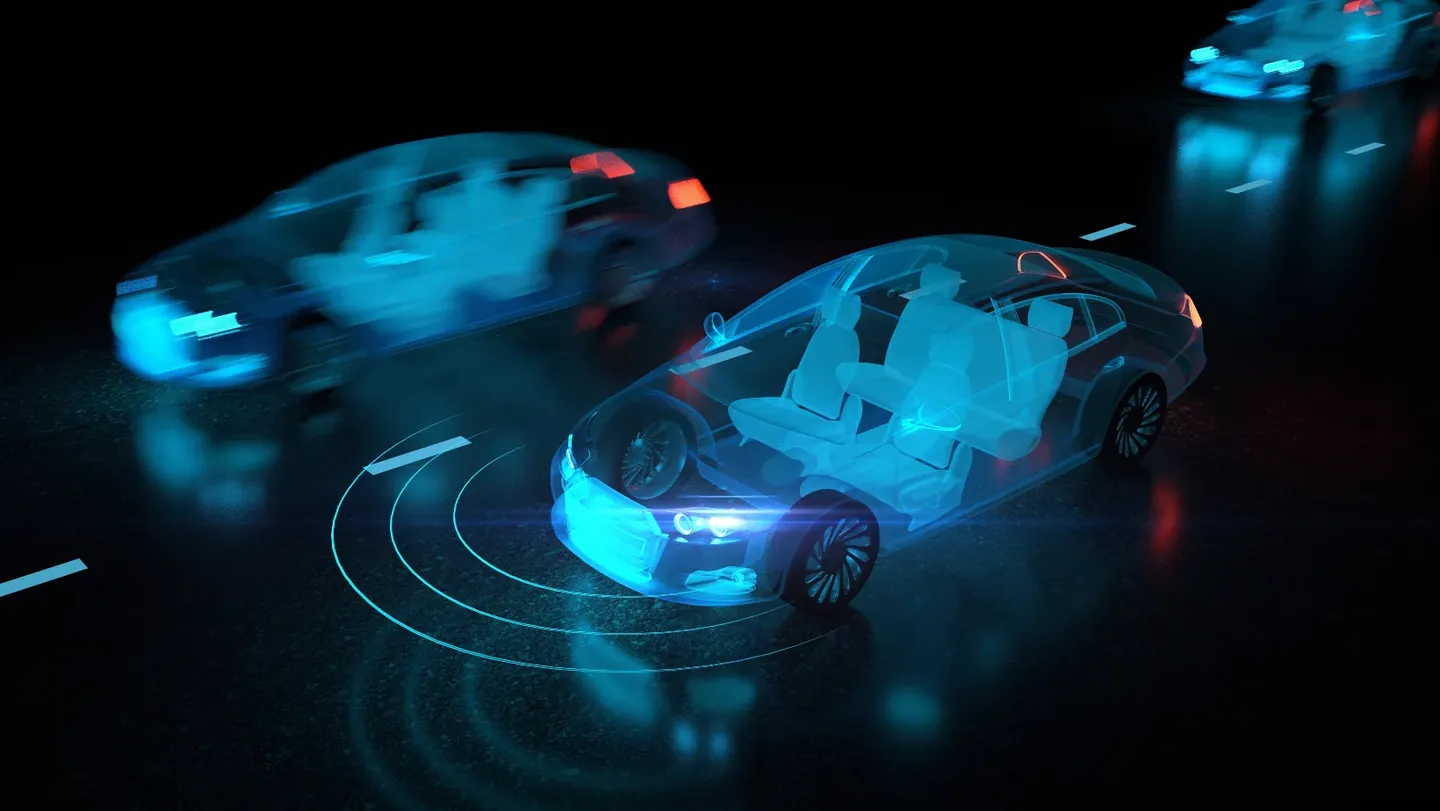
Automatic Emergency Braking AI Significantly Reduces Vehicle Crashes

Thumbnail Image

The information displayed in the AIM should not be reported as representing the official views of the OECD or of its member countries.

Two U.S. studies found that automatic emergency braking, an AI system that detects imminent collisions and applies brakes, can halve rear-end crashes and reduce pickup truck crashes by over 40%. The findings highlight the technology's effectiveness in preventing injuries and reducing harm on the roads.[AI generated]

Why's our monitor labelling this an incident or hazard?

Automatic emergency braking is an AI system that detects imminent collisions and automatically applies brakes to prevent or mitigate crashes. The studies demonstrate that the use of this AI system has directly led to a substantial reduction in vehicle crashes and injuries, which constitutes harm reduction. Since the AI system's use has caused a positive safety impact (reduction of harm), this is an AI Incident involving the use of an AI system that has directly led to harm reduction (a positive outcome). The event describes realized effects of AI system use on public safety, fitting the definition of an AI Incident.[AI generated]

Industries
Mobility and autonomous vehicles

Affected stakeholders
Consumers

Severity
AI incident

AI system task:
Recognition/object detectionForecasting/predictionGoal-driven organisation


Articles about this incident or hazard

Thumbnail Image

Studies find automatic braking can cut crashes over 40%

2022-11-15
Daily Mail Online
Why's our monitor labelling this an incident or hazard?
Automatic emergency braking is an AI system that detects imminent collisions and automatically applies brakes to prevent or mitigate crashes. The studies demonstrate that the use of this AI system has directly led to a substantial reduction in vehicle crashes and injuries, which constitutes harm reduction. Since the AI system's use has caused a positive safety impact (reduction of harm), this is an AI Incident involving the use of an AI system that has directly led to harm reduction (a positive outcome). The event describes realized effects of AI system use on public safety, fitting the definition of an AI Incident.
Thumbnail Image

Automatic Braking Can Reduce Crashes by Over 40 Percent, Says Studies

2022-11-16
News18
Why's our monitor labelling this an incident or hazard?
The event involves the use of AI systems (automatic emergency braking and forward collision warning) in vehicles that actively reduce crashes and injuries. The article describes the positive impact of these AI systems in preventing harm, but does not report any harm or malfunction caused by the AI systems themselves. Instead, it provides evidence of safety benefits and adoption progress. Therefore, this is not an AI Incident or AI Hazard, but rather complementary information about AI system performance and adoption in the automotive safety domain.
Thumbnail Image

Pickup Trucks With Autobrake Tech Have Far Less Rear-End Crashes: Study

2022-11-16
Motor1.com
Why's our monitor labelling this an incident or hazard?
The automatic emergency braking system is an AI system that influences vehicle behavior to prevent collisions, thus directly linked to harm reduction. The article reports on a study quantifying this benefit, with no new harm or risk described. There is no indication of malfunction, misuse, or potential future harm. The article's main focus is on the positive safety impact of AI technology in trucks, which supports understanding of AI's role in reducing harm. This fits the definition of Complementary Information, as it provides supporting data and context about AI systems and their effects, rather than reporting a new AI Incident or Hazard.
Thumbnail Image

Auto emergency braking can cut crashes by over 40%, studies show

2022-11-15
Fox Business
Why's our monitor labelling this an incident or hazard?
Automatic emergency braking is an AI system that detects imminent collisions and acts to prevent or mitigate crashes. The studies cited provide evidence that the use of AEB has directly reduced crash rates and injuries, which qualifies as harm to persons. Since the AI system's use has directly led to a reduction in harm, this is an AI Incident involving harm mitigation rather than harm occurrence. The article does not describe a malfunction or misuse causing harm, but the system's deployment and use have a direct impact on safety outcomes, which fits within the AI Incident framework as it relates to injury or harm to persons (harm reduction).
Thumbnail Image

Study: Vehicle Warning and Braking Systems Cut Crashes by 50 percent

2022-11-16
VOA
Why's our monitor labelling this an incident or hazard?
The driver assistance systems described use AI technologies like cameras, radar, and automated decision-making to warn drivers and automatically brake to prevent crashes. The studies demonstrate that these AI systems have directly led to a substantial reduction in crashes and injuries, which qualifies as harm reduction. The mention of driver overreliance causing risk also relates to AI system use and its impact on safety. Since the AI systems' use has directly led to reduced harm (fewer crashes and injuries), this qualifies as an AI Incident involving positive safety outcomes. The article does not describe a hazard or complementary information primarily, but rather reports on realized impacts of AI systems in reducing harm.
Thumbnail Image

Automatic emergency braking systems have been found to significantly improve safety.

2022-11-15
Carscoops
Why's our monitor labelling this an incident or hazard?
The automatic emergency braking system is an AI system that infers from sensor inputs to make real-time decisions to prevent collisions. The study shows that the use of this AI system has directly led to a reduction in accidents and injuries, which constitutes harm reduction (a positive impact). Since the AI system's use has directly influenced safety outcomes, this qualifies as an AI Incident involving harm mitigation rather than harm occurrence. However, the framework focuses on harms caused by AI systems, so this is a positive safety impact rather than a harm incident. Therefore, the event is best classified as Complementary Information, as it provides supporting data on AI system effectiveness and safety benefits without describing an AI Incident or AI Hazard involving harm or plausible harm.
Thumbnail Image

Studies find automatic braking can cut crashes over 40%

2022-11-15
St. Louis Post-Dispatch
Why's our monitor labelling this an incident or hazard?
Automatic emergency braking is an AI system that detects imminent collisions and automatically applies brakes to prevent or mitigate crashes. The article describes the use of this AI system and its direct positive effect in reducing harm (crashes and injuries). Since the AI system's use has directly led to a reduction in injury and harm to people, this qualifies as an AI Incident under the definition of harm to health of persons resulting from AI system use. The article does not describe a hazard or potential harm but actual realized harm reduction due to AI system deployment.
Thumbnail Image

Studies find automatic braking can cut crashes over 40%

2022-11-15
NewsAdvance.com
Why's our monitor labelling this an incident or hazard?
Automatic emergency braking is an AI system that detects imminent collisions and automatically applies brakes to prevent or mitigate crashes. The article describes the use of this AI system and its direct positive effect in reducing crashes and injuries, which are harms to persons. Since the AI system's use has directly led to a reduction in harm, this is an AI Incident reflecting realized harm reduction due to AI deployment in vehicles.
Thumbnail Image

Automatic braking tech reduces rear-end crashes in pickups, study finds

2022-11-15
Automotive News
Why's our monitor labelling this an incident or hazard?
Automatic emergency braking systems are AI systems that use sensors and algorithms to detect potential collisions and automatically apply brakes to prevent or mitigate crashes. The study demonstrates that the use of these AI systems has directly led to a significant reduction in rear-end crashes and injuries, which constitutes harm reduction (a positive impact). The article does not describe any malfunction or harm caused by the AI system but rather its beneficial use. Therefore, this is not an AI Incident or Hazard. Instead, it provides complementary information about the effectiveness and adoption of an AI safety technology and related regulatory developments, which fits the definition of Complementary Information.
Thumbnail Image

Collision warning, emergency braking cut rear-end crashes in half, study finds

2022-11-15
Automotive News
Why's our monitor labelling this an incident or hazard?
The event involves the use of AI systems (ADAS with forward-collision warning and automatic emergency braking) whose deployment has directly led to a significant reduction in vehicle crashes and injuries, which is a positive impact on human health and safety. Since the AI system's use has directly influenced harm reduction (injury prevention), this qualifies as an AI Incident under the definition of harm to health of persons. The article does not describe a hazard or potential harm but actual realized harm reduction due to AI system use.
Thumbnail Image

Studies find automatic braking can cut crashes over 40%

2022-11-15
Roanoke Times
Why's our monitor labelling this an incident or hazard?
The event involves AI systems (automatic emergency braking) whose use has led to a reduction in crashes and injuries, indicating a positive safety impact rather than harm. There is no indication of any harm caused or plausible harm that could arise from the AI system's development, use, or malfunction. The article is essentially reporting research findings and industry adoption progress, which provides complementary information about AI's beneficial impact on road safety. Therefore, it does not meet the criteria for AI Incident or AI Hazard but fits as Complementary Information.
Thumbnail Image

Studies find automatic braking can cut crashes over 40%

2022-11-15
The Buffalo News
Why's our monitor labelling this an incident or hazard?
The event involves the use of AI systems (automatic emergency braking systems) in vehicles that actively intervene to prevent or mitigate crashes. The studies show realized harm reduction (fewer crashes and injuries) due to the use of these AI systems. There is no indication of malfunction or harm caused by the AI systems; rather, the AI systems are shown to reduce harm. Therefore, this is not an AI Incident or AI Hazard. The article provides complementary information about the positive impact and adoption of AI safety technology in vehicles, which enhances understanding of AI's societal benefits and safety outcomes.
Thumbnail Image

Studies find automatic braking can cut crashes over 40%

2022-11-15
JournalStar.com
Why's our monitor labelling this an incident or hazard?
Automatic emergency braking is an AI system that detects imminent collisions and automatically applies brakes to prevent or mitigate crashes. The article presents evidence that the use of this AI system has directly led to a reduction in crashes and injuries, which constitutes harm reduction. Since the AI system's use has directly influenced safety outcomes by preventing harm, this qualifies as an AI Incident under the definition of an event where AI use has directly led to harm reduction (a form of injury or harm to people).
Thumbnail Image

Studies find automatic braking can cut crashes over 40%

2022-11-15
nwi.com
Why's our monitor labelling this an incident or hazard?
Automatic emergency braking is an AI system that detects imminent collisions and automatically applies brakes to prevent or mitigate crashes. The article presents evidence from studies demonstrating that the use of this AI system has directly led to a reduction in vehicle crashes and injuries, which constitutes harm reduction. Since the AI system's use has directly led to positive safety outcomes (reduction of harm), this is not an incident causing harm but rather a beneficial use of AI. The article does not describe any harm caused by the AI system, nor does it indicate any plausible future harm. Therefore, it is complementary information about the positive impact of an AI system on safety.
Thumbnail Image

Studies find automatic braking can cut crashes over 40% | The Associated Press

2022-11-16
BusinessMirror
Why's our monitor labelling this an incident or hazard?
Automatic emergency braking is an AI system that detects imminent collisions and autonomously applies brakes to prevent or mitigate crashes. The studies demonstrate that the use of this AI system has directly led to a substantial reduction in vehicle crashes and injuries, which constitutes harm reduction (a positive outcome). Since the AI system's use has directly influenced safety outcomes, this qualifies as an AI Incident under the definition of an event where AI system use has directly led to harm (in this case, harm reduction). The article does not describe any malfunction or hazard but rather the realized beneficial impact of the AI system in reducing harm.
Thumbnail Image

Studies find automatic braking can cut crashes over 40%

2022-11-15
Napa Valley Register
Why's our monitor labelling this an incident or hazard?
The event involves AI systems (automatic emergency braking) whose use has led to a reduction in crashes, which is a positive safety outcome rather than harm. There is no indication of injury, disruption, violation, or harm caused by the AI system. Therefore, this is not an AI Incident or AI Hazard. The article provides supportive data and context about AI safety technology, which fits the definition of Complementary Information as it enhances understanding of AI's impact on safety without reporting harm or risk of harm.
Thumbnail Image

Studies find automatic braking can cut crashes over 40%

2022-11-15
Fredericksburg.com
Why's our monitor labelling this an incident or hazard?
Automatic emergency braking is an AI system that detects imminent collisions and acts to prevent or mitigate crashes. The article describes the use of these AI systems and their direct positive effect in reducing crashes and injuries, which are harms to health and safety. Since the AI system's use has directly led to harm reduction, this is an AI Incident reflecting realized harm mitigation through AI deployment.
Thumbnail Image

Studies find automatic braking can cut crashes over 40% | News Channel 3-12

2022-11-15
NewsChannel 3-12
Why's our monitor labelling this an incident or hazard?
Automatic emergency braking systems qualify as AI systems because they use sensors and AI algorithms to detect imminent collisions and autonomously apply brakes. The studies report on the positive impact of these AI systems in reducing crashes, indicating realized safety benefits (harm reduction). However, the article does not describe any incident of harm caused by AI malfunction or misuse, nor does it describe a hazard or risk of harm. Instead, it provides evidence of beneficial outcomes from AI system use. Therefore, this is complementary information about AI systems' impact on safety, not an incident or hazard.
Thumbnail Image

Studies find automatic braking can cut crashes over 40%

2022-11-15
missoulian.com
Why's our monitor labelling this an incident or hazard?
The article clearly involves AI systems, specifically automatic emergency braking and forward collision warning, which use AI to detect imminent crashes and intervene. However, the content focuses on the beneficial effects of these AI systems in reducing crashes and injuries, with no mention of any harm, malfunction, or misuse. Therefore, it does not describe an AI Incident or AI Hazard. It is not a routine product announcement but rather a report on research findings about AI safety benefits, which fits the category of Complementary Information as it provides supporting data and context about AI's impact on safety.
Thumbnail Image

Studies find automatic braking can cut crashes over 40%

2022-11-16
The Bulletin
Why's our monitor labelling this an incident or hazard?
The event involves the use of an AI system (automatic emergency braking) that has demonstrably reduced harm (crashes and injuries) in real-world conditions. Since the AI system's use has directly led to a reduction in harm rather than causing harm, this is not an AI Incident or AI Hazard. The article provides supportive data and context about AI safety benefits and industry adoption, which fits the definition of Complementary Information as it enhances understanding of AI impacts and responses without describing new harm or plausible future harm.
Thumbnail Image

Studies find automatic braking can cut crashes over 40%

2022-11-15
The Daily Progress
Why's our monitor labelling this an incident or hazard?
Automatic emergency braking is an AI system that detects imminent collisions and automatically applies brakes to prevent or mitigate crashes. The article describes the use of this AI system and its direct positive effect in reducing crashes and injuries, which are harms to persons. Since the AI system's use has directly led to a reduction in harm, this is an AI Incident involving realized harm prevented or mitigated by the AI system's deployment. The article does not describe a hazard or complementary information but reports on actual safety outcomes linked to AI system use.
Thumbnail Image

Studies find automatic braking can cut crashes over 40%

2022-11-15
pantagraph.com
Why's our monitor labelling this an incident or hazard?
Automatic emergency braking is an AI system that detects imminent collisions and autonomously applies brakes to prevent or mitigate crashes. The article describes the use of this AI system in real-world conditions and its direct effect in reducing crashes and injuries, which are harms to persons. Since the AI system's use has directly led to a reduction in harm, this qualifies as an AI Incident demonstrating positive safety outcomes. The article does not describe a malfunction or hazard but the realized beneficial impact of AI deployment in vehicles.
Thumbnail Image

Studies find automatic braking can cut crashes over 40%

2022-11-15
Waterloo Cedar Falls Courier
Why's our monitor labelling this an incident or hazard?
The article clearly involves AI systems (automatic emergency braking uses AI to detect imminent collisions and act accordingly). However, the content focuses on the beneficial impact of these systems in reducing crashes, not on any harm or malfunction. There is no mention of any incident or plausible future harm caused by the AI systems. Instead, it provides data and analysis supporting the safety benefits of AI in vehicles, which fits the definition of Complementary Information as it enhances understanding of AI's positive impact and adoption in the ecosystem.
Thumbnail Image

Studies find automatic braking can cut crashes over 40%

2022-11-15
La Crosse Tribune
Why's our monitor labelling this an incident or hazard?
Automatic emergency braking is an AI system that detects imminent collisions and acts to prevent or mitigate crashes. The studies demonstrate that its use has directly reduced the number and severity of crashes, which are harms to persons and property. Since the AI system's use has directly led to a reduction in harm, this qualifies as an AI Incident involving positive impact. The article does not describe potential or future harm but actual realized harm reduction due to AI system use.
Thumbnail Image

Studies find automatic braking can cut crashes over 40%

2022-11-15
Sioux City Journal
Why's our monitor labelling this an incident or hazard?
Automatic emergency braking systems are AI systems that detect imminent collisions and autonomously apply brakes to prevent or reduce crash severity. The studies cited provide evidence that the deployment and use of these AI systems have directly led to a substantial reduction in crashes and injuries, which constitute harm to persons. Therefore, this event qualifies as an AI Incident because the AI system's use has directly led to harm reduction, a form of injury prevention, which is a recognized harm category. The article does not describe a hazard or potential harm but rather realized positive impact, so it is an AI Incident reflecting harm mitigation through AI.
Thumbnail Image

Studies find automatic braking can cut crashes over 40%

2022-11-15
Mooresville Tribune
Why's our monitor labelling this an incident or hazard?
Automatic emergency braking is an AI system that detects imminent collisions and autonomously applies brakes to prevent or reduce crash severity. The studies provide evidence that the use of this AI system has directly led to reduced injuries and crashes, which qualifies as harm reduction. Since the AI system's use has directly influenced safety outcomes and prevented harm, this event is an AI Incident reflecting realized positive impact rather than a hazard or complementary information. The article focuses on the system's deployment and its effect on reducing harm, meeting the criteria for an AI Incident.
Thumbnail Image

Studies find automatic braking can cut crashes over 40%

2022-11-15
Muscatine Journal
Why's our monitor labelling this an incident or hazard?
Automatic emergency braking is an AI system that detects imminent collisions and acts to prevent or mitigate crashes. The studies provide evidence that the use of this AI system has directly reduced the number and severity of crashes, which are harms to human health and safety. Since the AI system's use has led to a reduction in harm, this qualifies as an AI Incident under the definition, as the AI system's use has directly influenced injury outcomes. Although the harm is reduced rather than caused, the event still involves realized harm related to AI system use and its impact on safety outcomes.
























