AI-Enabled Brain-Computer Interfaces Pose Military and Ethical Risks

Thumbnail Image

The information displayed in the AIM should not be reported as representing the official views of the OECD or of its member countries.

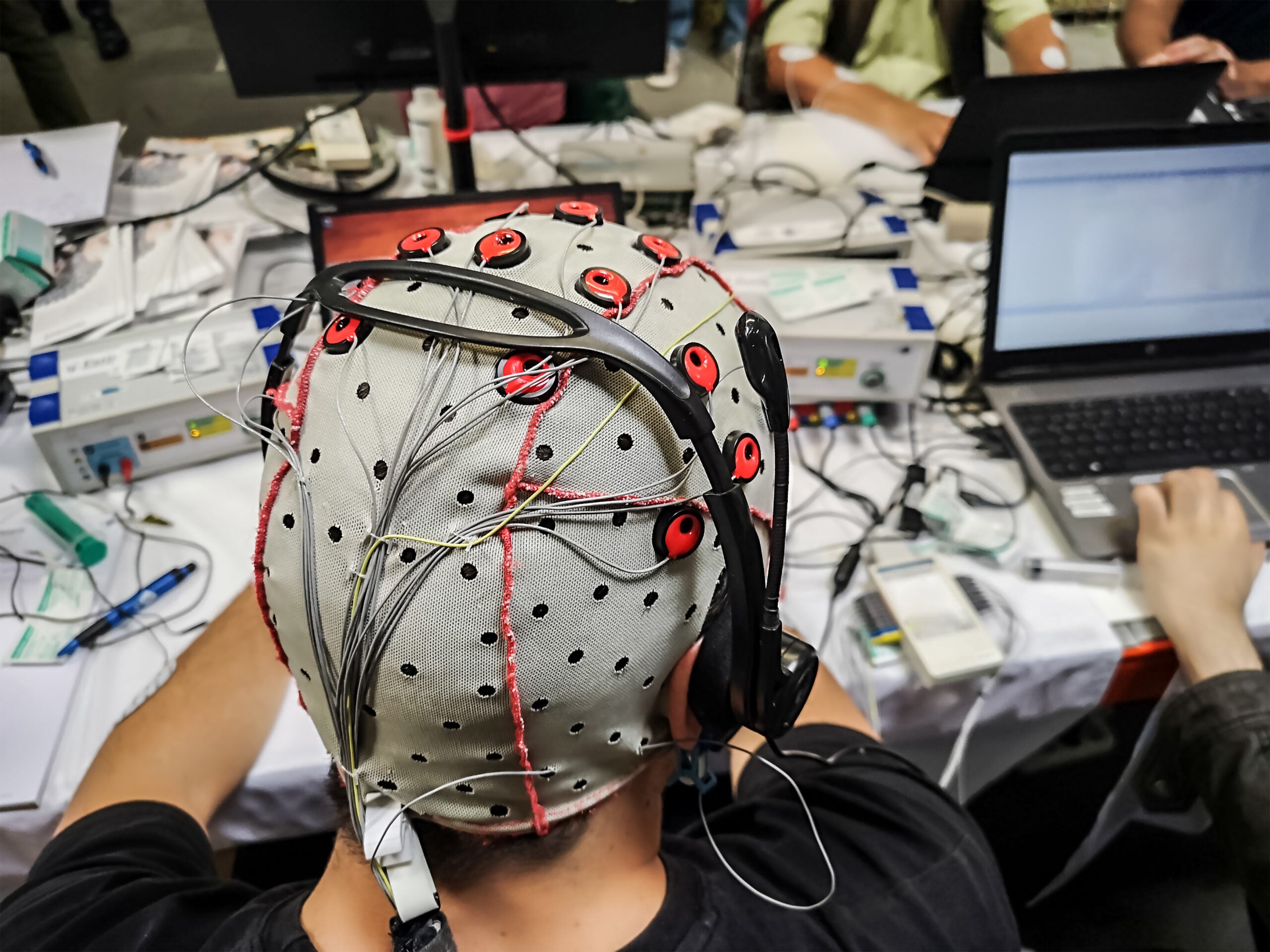
Articles discuss the development of AI-powered brain-computer interfaces (BCIs) that could allow soldiers to control weapons or suppress emotions with their thoughts. While not yet realized, these technologies raise significant ethical concerns about mental privacy, behavioral control, and potential psychological harm if deployed without safeguards.[AI generated]

Why's our monitor labelling this an incident or hazard?

The article describes AI systems embedded in BCIs and their potential to influence behavior and emotions, which could plausibly lead to harms such as violations of personal identity, mental health, or autonomy. However, no actual harm or incident is reported; the concerns are about possible future risks. Therefore, this qualifies as an AI Hazard because the development and use of AI-enabled BCIs could plausibly lead to significant harms, but no harm has yet materialized.[AI generated]
AI principles
Privacy & data governanceRespect of human rightsSafetyRobustness & digital securityTransparency & explainabilityAccountabilityDemocracy & human autonomyHuman wellbeing

Industries
Government, security, and defenceHealthcare, drugs, and biotechnologyDigital securityRobots, sensors, and IT hardwareOther

Affected stakeholders
Workers

Harm types
Physical (death)Physical (injury)PsychologicalHuman or fundamental rightsPublic interest

Severity
AI hazard

Business function:
Research and developmentICT management and information securityMonitoring and quality control

AI system task:
Recognition/object detectionGoal-driven organisation


Articles about this incident or hazard

Thumbnail Image

Brain-computer interfaces could change the world -- but at what cost?

2022-12-08
Fast Company
Why's our monitor labelling this an incident or hazard?
The article describes AI systems embedded in BCIs and their potential to influence behavior and emotions, which could plausibly lead to harms such as violations of personal identity, mental health, or autonomy. However, no actual harm or incident is reported; the concerns are about possible future risks. Therefore, this qualifies as an AI Hazard because the development and use of AI-enabled BCIs could plausibly lead to significant harms, but no harm has yet materialized.
Thumbnail Image

Brain-computer interfaces could allow soldiers to control weapons with their thoughts and turn off their fear

2022-12-05
Medical Xpress - Medical and Health News
Why's our monitor labelling this an incident or hazard?
The article clearly involves AI systems insofar as it discusses AI-equipped BCIs that could control behavior and weapon systems. The harms described (e.g., brain hacking, behavior control, violation of mental privacy and integrity, coercion) are potential and ethical concerns rather than realized harms. There is no mention of an actual incident or malfunction causing injury, rights violations, or other harms. Therefore, the event is best classified as an AI Hazard because it plausibly could lead to significant harms if these technologies are deployed without safeguards. It is not Complementary Information since it is not updating or responding to a past incident, nor is it unrelated as it directly concerns AI-enabled neurotechnology and its risks.
Thumbnail Image

US soldiers might control weapons with their thoughts someday. Here's why that's complicated.

2022-12-06
Popular Science
Why's our monitor labelling this an incident or hazard?
The article explicitly describes AI-enabled brain-computer interfaces under development and their potential military applications, which could plausibly lead to harms such as violations of mental privacy, behavior control, coercion, and psychological harm to soldiers. However, it does not describe any realized harm or incident resulting from these technologies. The focus is on ethical concerns and the need for guidelines before deployment, indicating a credible risk of future harm rather than an existing incident. Therefore, this qualifies as an AI Hazard rather than an AI Incident or Complementary Information.