AI System Uses WiFi to Detect Human Presence and Movement Through Walls, Raising Privacy Concerns

Thumbnail Image

The information displayed in the AIM should not be reported as representing the official views of the OECD or of its member countries.

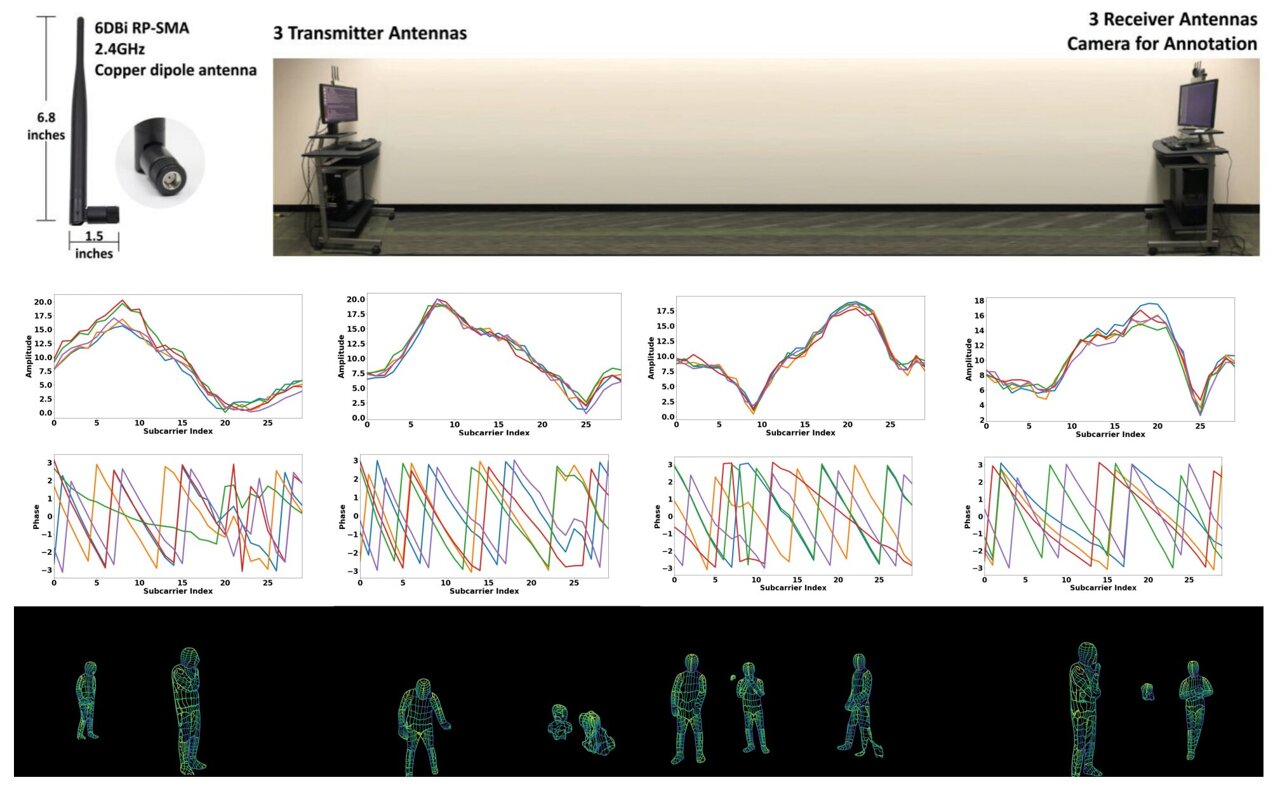
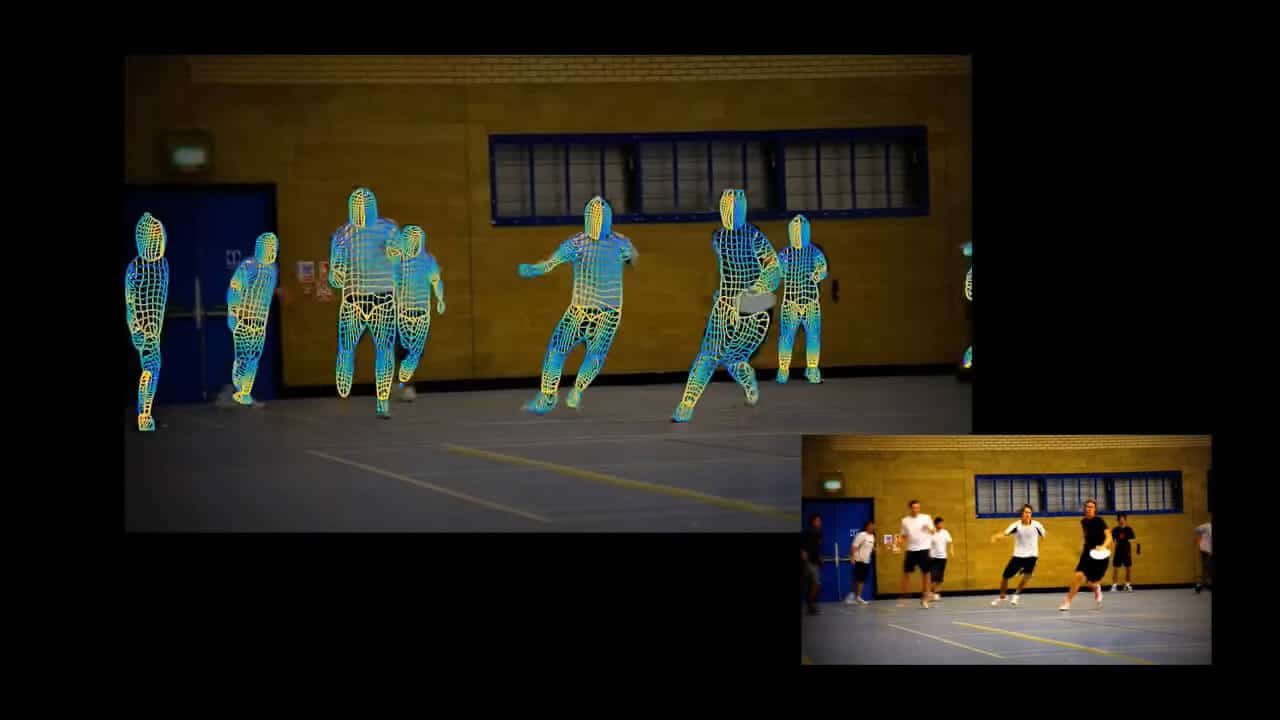
Researchers at Carnegie Mellon University developed an AI system that uses WiFi signals and deep neural networks to detect the 3D shape and movements of people through walls. While no harm has occurred yet, the technology poses significant privacy risks and could enable covert surveillance if misused.[AI generated]

Why's our monitor labelling this an incident or hazard?

The event involves the use of AI systems to interpret WiFi signals for imaging and monitoring human activity, which is a clear AI system involvement. Although the article does not report any realized harm, the described technology could plausibly lead to AI incidents involving privacy violations or unauthorized surveillance, which are harms to human rights. Therefore, this qualifies as an AI Hazard due to the credible potential for future harm stemming from the AI system's use.[AI generated]
AI principles
Privacy & data governanceRespect of human rightsTransparency & explainabilityDemocracy & human autonomyAccountabilityRobustness & digital security

Industries
Digital securityGovernment, security, and defenceIT infrastructure and hosting

Affected stakeholders
General public

Harm types
Human or fundamental rightsPublic interestPsychological

Severity
AI hazard

Business function:
Research and development

AI system task:
Recognition/object detection


Articles about this incident or hazard

Thumbnail Image

Eerie AI can 'spy' on people using a common household gadget with no cameras

2023-01-18
The Sun
Why's our monitor labelling this an incident or hazard?
The event involves the use of AI systems to interpret WiFi signals for imaging and monitoring human activity, which is a clear AI system involvement. Although the article does not report any realized harm, the described technology could plausibly lead to AI incidents involving privacy violations or unauthorized surveillance, which are harms to human rights. Therefore, this qualifies as an AI Hazard due to the credible potential for future harm stemming from the AI system's use.
Thumbnail Image

Scientists Are Getting Eerily Good at Using WiFi to 'See' People Through Walls in Detail

2023-01-17
VICE
Why's our monitor labelling this an incident or hazard?
The article explicitly describes an AI system (deep neural network combined with DensePose) that interprets WiFi signals to 'see' people through walls, which is a clear AI system involvement. No actual harm has been reported yet, but the technology's capability to monitor people without their consent or knowledge poses a plausible risk of violating privacy rights and enabling intrusive surveillance. This fits the definition of an AI Hazard, as the development and potential use of this AI system could plausibly lead to violations of human rights and privacy, a significant harm. Since no harm has yet occurred, it is not an AI Incident. The article is not merely complementary information because it focuses on the new AI capability and its implications rather than updates or responses to prior incidents.
Thumbnail Image

'X-ray' WiFi hack could be used to spy on people through walls like James Bond

2023-01-18
Daily Star
Why's our monitor labelling this an incident or hazard?
The article explicitly mentions an AI system developed to sense people through walls using WiFi signals and deep neural networks. Although no direct harm has occurred, the technology could plausibly lead to violations of privacy and human rights if misused for unauthorized surveillance. This fits the definition of an AI Hazard, as the development and potential use of this AI system could plausibly lead to harm, but no incident has yet materialized.
Thumbnail Image

Scientists Can Now Use WiFi to See Through People's Walls

2023-01-19
Popular Mechanics
Why's our monitor labelling this an incident or hazard?
The article explicitly describes an AI system (a deep neural network) that processes WiFi signals to estimate human poses through walls, which is a clear AI system involvement. Although the researchers frame the breakthrough as privacy-positive, the technology inherently enables intrusive human tracking, which could plausibly lead to violations of privacy and human rights. Since no actual harm is reported yet but the potential for significant harm is credible and foreseeable, this event qualifies as an AI Hazard rather than an AI Incident or Complementary Information.
Thumbnail Image

New study shows how to use wifi signals like sonar to spy on people | Boing Boing

2023-01-19
Boing Boing
Why's our monitor labelling this an incident or hazard?
The article details a research development involving a deep neural network (an AI system) that processes WiFi signals to perform human pose estimation, a task traditionally done with cameras. While the system is described as "privacy-preserving," the technology inherently enables remote human sensing without visual data, which could be used for surveillance or spying on people without their consent. Although no direct harm is reported as having occurred, the technology's capabilities plausibly lead to privacy violations and surveillance harms if misused. Therefore, this event constitutes an AI Hazard, as the AI system's use could plausibly lead to violations of human rights (privacy) and harm to communities through unauthorized surveillance.
Thumbnail Image

New Tech Can See People Through Walls Using WiFi

2023-01-19
Futurism
Why's our monitor labelling this an incident or hazard?
The article details a machine learning-based AI system capable of detailed human pose detection through walls using WiFi signals. This clearly involves an AI system in development and use. However, no direct or indirect harm has been reported as occurring from this technology so far. The concerns about privacy and surveillance are plausible future harms but have not materialized in this context. Therefore, this event fits the definition of an AI Hazard, as the technology could plausibly lead to privacy violations or other harms if misused or deployed without safeguards.
Thumbnail Image

Using a deep neural network to improve virtual images of people created using WiFi signals

2023-01-18
Tech Xplore
Why's our monitor labelling this an incident or hazard?
While the AI system is used to generate detailed virtual images of people from WiFi signals, the article does not mention any realized harm or incidents resulting from this technology. There is no indication of injury, rights violations, disruption, or other harms occurring or having occurred. The article focuses on the technical advancement and capabilities of the system, without describing any direct or indirect harm or plausible future harm. Therefore, this event does not meet the criteria for an AI Incident or AI Hazard. It is best classified as Complementary Information as it provides context and understanding of AI system development and capabilities without reporting harm or risk of harm.
Thumbnail Image

Scientists turn WiFi routers into 'cameras' that can see people through walls

2023-01-20
ZME Science
Why's our monitor labelling this an incident or hazard?
The article explicitly involves an AI system that processes WiFi signals to detect human presence and pose through walls, which fits the definition of an AI system. The event stems from the development and use of this AI system. Although no actual harm (such as privacy violations) is reported as having occurred, the article clearly discusses the plausible future harm related to privacy invasion and unauthorized surveillance. This potential harm aligns with violations of human rights under the framework. Since the harm is not yet realized but plausibly could occur if the technology is misused or deployed without proper controls, the event is best classified as an AI Hazard. It is not Complementary Information because the main focus is on the new technology and its potential risks, not on updates or responses to prior incidents. It is not Unrelated because the AI system and its implications are central to the report.
Thumbnail Image

This New Tech Can See Through Walls Using Wi-Fi - Wonderful Engineering

2023-01-20
Wonderful Engineering
Why's our monitor labelling this an incident or hazard?
The described system is an AI system involving deep neural networks for interpreting WiFi signals to detect human presence and movements. Although the technology could plausibly lead to harms such as violations of privacy rights (a form of human rights violation), the article does not document any actual harm or incident occurring yet. Therefore, this qualifies as an AI Hazard because the development and potential use of this AI system could plausibly lead to privacy violations or other harms in the future. It is not Complementary Information since it is not an update or response to a prior incident, nor is it unrelated as it clearly involves AI. It is not an AI Incident because no harm has yet materialized.
Thumbnail Image

New Report: Scientists Can Now Use WiFi to 'See' People Through Walls - TechTheLead

2023-01-19
TechTheLead - Technology for tomorrow
Why's our monitor labelling this an incident or hazard?
The event involves the use of an AI system (deep neural networks combined with DensePose) to infer human presence and movements through walls using WiFi signals. Although no direct harm is reported as having occurred yet, the technology's capability to surveil individuals covertly presents a credible risk of violating privacy rights, which is a recognized harm under the framework. Since the article discusses the development and potential applications but does not report any realized harm or misuse, this qualifies as an AI Hazard rather than an AI Incident. The plausible future harm is the violation of privacy and potential unauthorized surveillance enabled by this AI system.
Thumbnail Image

Privacy protection or intrusion? There's a new tech that uses WiFi to see people through walls

2023-01-20
Vulcan Post
Why's our monitor labelling this an incident or hazard?
The technology involves AI systems (computer vision algorithms processing WiFi signal data) to generate 3D human images through walls, which fits the definition of an AI system. The article does not report any realized harm but raises credible concerns about potential privacy violations and intrusive surveillance that could arise from the use or misuse of this technology. Therefore, it represents a plausible future risk of harm (privacy intrusion, violation of rights) caused by AI system use. Since no direct or indirect harm has yet occurred, it is not an AI Incident. The article is not merely complementary information because it focuses on the potential risks and implications of the technology rather than updates or responses to existing incidents. Hence, the classification is AI Hazard.
Thumbnail Image

千万别在有WiFi的房间里摆这种姿势

2023-01-15
驱动之家
Why's our monitor labelling this an incident or hazard?
The event involves the development and use of an AI system that can monitor human activity through WiFi signals, which could plausibly lead to violations of privacy rights and human rights if misused. The article discusses the technology's capabilities and potential privacy implications but does not report any actual incidents of harm or misuse occurring at this time. Therefore, it fits the definition of an AI Hazard, as the AI system's use could plausibly lead to an AI Incident involving privacy violations in the future.
Thumbnail Image

千万别在有WiFi的房间里摆这种姿势 原因竟是这样

2023-01-15
凤凰网(凤凰新媒体)
Why's our monitor labelling this an incident or hazard?
The article clearly involves an AI system: a deep learning model analyzing WiFi CSI data to infer 3D human poses. The use of AI is central to the system's operation. The article discusses the potential for this technology to be used for covert surveillance, which could plausibly lead to violations of privacy rights and harm to communities. However, no actual harm or misuse is reported, so it does not meet the criteria for an AI Incident. The concerns about privacy and surveillance represent a credible risk of future harm, fitting the definition of an AI Hazard. The article also mentions the intended positive uses and current technical limitations, but these do not negate the plausible risk. Hence, the classification as AI Hazard is appropriate.
Thumbnail Image

只用Wi-Fi就能"看"到你在房间里干啥了...... - cnBeta.COM 移动版

2023-01-15
cnBeta.COM
Why's our monitor labelling this an incident or hazard?
The event involves an AI system that uses WiFi signal data and deep learning models to infer human body poses and activities, which fits the definition of an AI system. The article discusses the use of this AI system and its potential to monitor people without cameras, which could plausibly lead to privacy violations (a form of harm to human rights). However, no actual harm or misuse is reported; the research is still in development and no incidents of unauthorized surveillance have been documented. Thus, the event is best classified as an AI Hazard because it plausibly could lead to an AI Incident (privacy violations) in the future if misused or deployed without safeguards.
Thumbnail Image

有意见 | 两台路由器就能搞监视吗

2023-01-18
uyijian.zhiding.cn
Why's our monitor labelling this an incident or hazard?
The event involves the use of AI or advanced signal processing techniques to infer human behavior and posture from WiFi signals, which qualifies as an AI system under the definition. The described technology enables surveillance that can violate privacy rights, a form of harm to individuals and communities. Although no specific harm is reported as having occurred yet, the article highlights the plausible risk of privacy violations and covert monitoring in everyday environments. Therefore, this event represents an AI Hazard, as the development and use of this AI-enabled WiFi monitoring system could plausibly lead to violations of privacy and related harms.
Thumbnail Image

Utilizan señales WiFi para "ver" a través de las paredes y detectar personas en otra habitación

2023-01-24
El Comercio Perú
Why's our monitor labelling this an incident or hazard?
The event describes the development and use of an AI system (deep learning model based on DensePose) that processes WiFi signals to detect human presence and posture through walls. While the system is innovative and could have significant implications, the article does not report any realized harm or incidents resulting from its use. There is no indication that the system has caused injury, rights violations, or other harms. However, the technology's capability to 'see' through walls could plausibly lead to privacy violations or other harms if misused in the future. Therefore, this event qualifies as an AI Hazard because it plausibly could lead to harm, particularly privacy-related harms, but no harm has yet been reported or realized.
Thumbnail Image

El WiFi ahora dejará ver a las personas a través de las paredes, así funciona este sistema

2023-01-23
Semana.com Últimas Noticias de Colombia y el Mundo
Why's our monitor labelling this an incident or hazard?
The described system is an AI system as it uses deep learning to infer human pose from WiFi signals. There is no indication that this system has caused any injury, rights violation, or other harm yet. The article mainly presents the technology and its potential applications, along with general cybersecurity advice unrelated to the AI system's deployment or misuse. Therefore, this is not an AI Incident or AI Hazard. It is best classified as Complementary Information because it provides context on a new AI development with potential privacy implications but no direct or plausible harm is reported or implied as imminent.
Thumbnail Image

Routers que crean imágenes 3D a través de paredes usando señales WiFi

2023-01-23
WWWhat's new
Why's our monitor labelling this an incident or hazard?
The event involves AI systems used to infer detailed 3D images of people through walls, which is a clear AI system application. Although no actual harm has been reported yet, the potential for privacy violations and unauthorized surveillance is credible and significant. Therefore, this qualifies as an AI Hazard because the development and use of this AI-enabled technology could plausibly lead to harms such as privacy breaches and unauthorized monitoring, even though these harms have not yet materialized.
Thumbnail Image

Un sistema basado en WiFi detecta a las personas a través de las paredes

2023-01-23
DiarioDigitalRD
Why's our monitor labelling this an incident or hazard?
The article details the creation and capabilities of an AI system that can detect people through walls using WiFi signals and deep learning. However, there is no mention of any harm or incident resulting from this system's use or malfunction. There is also no indication that harm has occurred or that the system's use has led to violations of rights or other harms. The article discusses potential privacy benefits compared to cameras but does not report any realized privacy violations or other harms. Therefore, this is a description of an AI system development with potential implications but no realized harm or incident. It does not describe a hazard either, as no plausible future harm is explicitly discussed or implied as a credible risk in the article. Hence, it is best classified as Complementary Information, providing context and understanding of AI capabilities and applications without reporting an incident or hazard.