Global Governments Respond to AI Risks from TikTok with Bans and Investigations

Thumbnail Image

The information displayed in the AIM should not be reported as representing the official views of the OECD or of its member countries.

Governments in the US, EU, Canada, Japan, and Taiwan are enacting or considering bans on TikTok, citing national security, privacy, and misinformation risks from its AI-driven data collection and content algorithms. Legislative actions and official investigations highlight concerns over potential espionage and influence operations linked to the Chinese-owned platform.[AI generated]

Why's our monitor labelling this an incident or hazard?

TikTok involves AI systems for content recommendation and personalization, so it qualifies as an AI system. However, the article describes a government ban as a precautionary measure due to concerns about privacy and data security risks, not an actual incident where harm has occurred. Therefore, this event is best classified as an AI Hazard, reflecting plausible future harm from the AI system's use, rather than an AI Incident or Complementary Information.[AI generated]

AI principles
Privacy & data governanceTransparency & explainabilityDemocracy & human autonomy

Industries
Media, social platforms, and marketing

Affected stakeholders
General publicGovernment

Harm types
Human or fundamental rightsPublic interest

Severity
AI hazard

Business function:
Marketing and advertisement

AI system task:
Organisation/recommenders


Articles about this incident or hazard

Thumbnail Image

TikTok Ban: 'डिलीट करें टिकटॉक ऐप', संघीय एजेंसियों को 30 दिन के अंदर चीनी ऐप हटाने के निर्देश

2023-02-28
दैनिक जागरण (Dainik Jagran)
Why's our monitor labelling this an incident or hazard?
TikTok involves AI systems for content recommendation and personalization, so it qualifies as an AI system. However, the article describes a government ban as a precautionary measure due to concerns about privacy and data security risks, not an actual incident where harm has occurred. Therefore, this event is best classified as an AI Hazard, reflecting plausible future harm from the AI system's use, rather than an AI Incident or Complementary Information.
Thumbnail Image

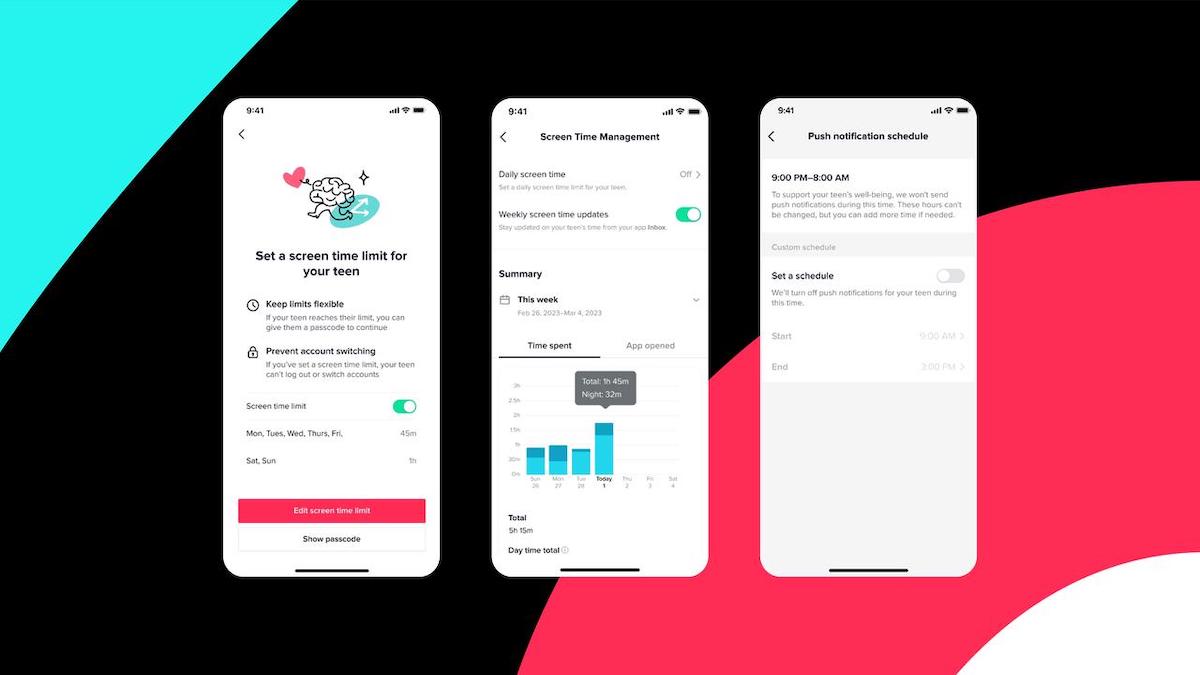
TikTok पर एक दिन में 60 मिनट से ज्यादा नहीं बिता सकेंगे 18 वर्ष से कम के यूजर्स

2023-03-02
NDTV Gadgets 360 Hindi
Why's our monitor labelling this an incident or hazard?
The event involves the use of an AI-driven platform (TikTok uses AI algorithms for content recommendation and user engagement). However, the article describes a policy change to limit screen time for minors to mitigate potential harm rather than reporting an actual harm or incident caused by AI malfunction or misuse. There is no direct or indirect harm reported as having occurred due to AI system malfunction or misuse. The focus is on a governance and safety feature implementation to reduce potential harm, which is a societal and governance response to AI-related concerns. Therefore, this is Complementary Information rather than an AI Incident or AI Hazard.
Thumbnail Image

TikTok: यूएस के बाद, कनाडा ने डेटा संबंधी चिंताओं को लेकर टिकटॉक पर लगाया प्रतिबंध

2023-02-27
दैनिक जागरण (Dainik Jagran)
Why's our monitor labelling this an incident or hazard?
TikTok involves AI systems for content recommendation and data handling, so it qualifies as an AI system. The Canadian government's ban is based on concerns that TikTok's data collection methods pose an unacceptable risk to privacy and security, which could plausibly lead to harm such as violations of privacy rights or data breaches. However, since no actual harm or data breach has been reported, this event represents a potential risk rather than an incident. Therefore, it fits the definition of an AI Hazard, as the AI system's use could plausibly lead to harm but has not yet done so.
Thumbnail Image

TikTok के खिलाफ सख्त हुआ कनाडा, सभी सरकारी डिवाइसेज़ पर किया बैन, अमरीका ने भी जारी किया गया आदेश |Canada bans TikTok on all government devices | Patrika News

2023-02-28
Patrika News
Why's our monitor labelling this an incident or hazard?
The event involves the use of an AI system (TikTok uses AI for content recommendation and moderation). The ban is a governmental response to potential security and privacy risks associated with the app's AI capabilities. However, the article does not describe any realized harm caused by TikTok's AI system, only the preventive action taken by Canada and other countries. Therefore, this is a governance response to a potential risk, making it Complementary Information rather than an AI Incident or AI Hazard.
Thumbnail Image

अमेरिका के बाद अब कनाडा ने भी दिया चीन को झटका, टिकटॉक पर लगाया बैन

2023-02-28
punjabkesari
Why's our monitor labelling this an incident or hazard?
TikTok is an AI system due to its use of AI for content recommendation and personalization. The bans by US and Canadian governments are preventive measures addressing potential security risks associated with the app's AI-driven data handling. No direct or indirect harm has been reported in the article, and the focus is on policy actions rather than an incident or hazard. Hence, the event fits the definition of Complementary Information, reflecting governance responses to AI-related concerns.
Thumbnail Image

भारत के बाद अब कनाडा ने भी लगाया चायनीज ऐप TikTok पर बैन, सामने आई ये वजह

2023-02-28
India TV Hindi
Why's our monitor labelling this an incident or hazard?
The event involves the use of an AI-enabled app (TikTok uses AI algorithms for content recommendation and personalization). The ban is a government response to perceived privacy and security risks, which could plausibly lead to harm such as data breaches or surveillance. However, no actual harm has been reported yet, making this a precautionary action against potential future harm.
Thumbnail Image

亡羊補牢?TikTok限制美青少年每日觀看時數 - 自由財經

2023-03-02
自由時報電子報
Why's our monitor labelling this an incident or hazard?
The event involves the use of AI systems to monitor and limit user behavior (screen time and interaction capabilities) for minors, which is a use of AI in a protective capacity. However, there is no indication that harm has occurred or that the AI system malfunctioned or caused injury. Instead, the AI system is being used to mitigate potential harm. Therefore, this is not an AI Incident or AI Hazard but rather a governance or societal response involving AI, fitting the definition of Complementary Information.
Thumbnail Image

又一國考慮跟進TikTok禁令! 法國國會正式啟動調查、釐清風險 - 國際 - 自由時報電子報

2023-03-04
Liberty Times Net
Why's our monitor labelling this an incident or hazard?
TikTok is an AI system due to its AI-driven content recommendation and data processing. The article describes governmental and parliamentary investigations and considerations of bans due to potential risks, but no actual harm or incident has been reported. Therefore, this is a plausible risk scenario where harm could occur in the future if data misuse or espionage happens, fitting the definition of an AI Hazard. The article does not describe a realized harm (AI Incident) nor is it primarily about responses to a past incident (Complementary Information). It is not unrelated as it concerns AI system risks.
Thumbnail Image

評/全面禁用TikTok?美國過不了第一修正案 | 聯合新聞網

2023-03-03
UDN
Why's our monitor labelling this an incident or hazard?
The article centers on the political and legal controversy over TikTok's use and potential banning, highlighting data privacy and misinformation risks linked to its AI algorithms. While these risks could plausibly lead to harm, the article does not describe any actual harm occurring or a specific event where AI use caused or nearly caused harm. Instead, it reports on ongoing debates, government actions, and constitutional considerations, which fits the definition of Complementary Information as it provides context and updates on societal and governance responses to AI-related concerns.
Thumbnail Image

禁抖音再+1?法國擬跟進歐盟TikTok禁令 國會調查釐清風險 | 聯合新聞網

2023-03-03
UDN
Why's our monitor labelling this an incident or hazard?
TikTok is an AI-powered social media platform that uses AI systems for content recommendation and data processing. The article centers on the potential security risks, espionage, and misinformation that could arise from TikTok's use, especially within government contexts. Since no realized harm or incident has occurred but there is a credible risk of harm (e.g., data misuse, espionage, misinformation), this qualifies as an AI Hazard. The article also covers governmental and parliamentary responses, but the main focus is on the plausible future harm rather than a completed incident or complementary information about past incidents.
Thumbnail Image

强大压力之下 TikTok开始限制青少年刷屏时间 - 大纪元

2023-03-03
The Epoch Times
Why's our monitor labelling this an incident or hazard?
TikTok's content recommendation system is an AI system that influences user behavior, particularly among minors. The article reports on the negative impact of TikTok on youth, including addiction and safety concerns, which are harms to communities and health. The AI system's use has directly or indirectly led to these harms, as evidenced by governmental scrutiny and regulatory actions. Therefore, this qualifies as an AI Incident. The implementation of screen time limits is a response to this harm but does not negate the incident classification. The article does not merely discuss potential harm or general AI developments, but actual realized harm and regulatory responses.
Thumbnail Image

强大壓力之下 TikTok開始限制青少年刷屏時間 - 大紀元

2023-03-03
The Epoch Times
Why's our monitor labelling this an incident or hazard?
TikTok's recommendation system is an AI system that influences user behavior and content consumption. The article describes realized harm to teenagers' health and well-being through addiction and excessive screen time, which is a form of harm to a group of people (harm category a). The platform's AI-driven content delivery is directly implicated in these harms. Therefore, this event qualifies as an AI Incident because the AI system's use has directly led to harm, and the article discusses concrete measures taken to address these harms.
Thumbnail Image

專家:TikTok威脅國安 台灣人應考慮禁用 - 大紀元

2023-03-02
The Epoch Times
Why's our monitor labelling this an incident or hazard?
The event involves the use of an AI system (TikTok's algorithmic content recommendation and data processing) that is alleged to be used for cognitive warfare and data collection by a foreign government, posing risks to national security and election integrity. Although no specific incident of harm is reported as having occurred, the article emphasizes credible and ongoing national security risks and influence operations facilitated by TikTok's AI capabilities. This constitutes a plausible risk of harm to communities and violation of rights, fitting the definition of an AI Hazard rather than an AI Incident, as the harm is potential and preventive measures are being discussed and implemented.
Thumbnail Image

专家:TikTok威胁国安 台湾人应考虑禁用 - 大纪元

2023-03-02
The Epoch Times
Why's our monitor labelling this an incident or hazard?
TikTok is an AI-driven platform using algorithms to recommend content and collect user data. The article details how this AI system is used by the Chinese government to conduct cognitive warfare, influence public opinion, and collect sensitive data, which constitutes violations of rights and harm to communities. Multiple governments have banned TikTok on official devices due to these realized harms. The article describes actual harms occurring, not just potential risks, thus qualifying as an AI Incident under the framework.
Thumbnail Image

TikTok散布錯誤健康教學視頻引擔憂 - 大紀元

2023-03-02
The Epoch Times
Why's our monitor labelling this an incident or hazard?
The TikTok recommendation algorithm is an AI system that influences what content users see. The article describes how this AI system is rapidly spreading harmful health misinformation that can cause serious physical harm, such as injury from self-removal of IUDs. Medical experts warn of these risks, indicating actual harm or high likelihood of harm. The AI system's role in promoting and amplifying this dangerous content directly contributes to the harm, meeting the criteria for an AI Incident. The event is not merely a potential risk but involves ongoing harm through misinformation dissemination, thus it is not an AI Hazard or Complementary Information. It is not unrelated because the AI system's involvement is explicit and central to the harm described.
Thumbnail Image

TikTok散布错误健康教学视频引担忧 - 大纪元

2023-03-02
The Epoch Times
Why's our monitor labelling this an incident or hazard?
The TikTok recommendation algorithm is an AI system that influences which videos users see. The event details how this AI system is spreading harmful medical misinformation that has already caused or could cause injury and health harm to individuals. The harm is realized or ongoing, as users are following dangerous advice to self-remove IUDs, risking serious medical complications. This fits the definition of an AI Incident because the AI system's use has directly led to harm to health and communities. The article does not merely warn of potential harm but reports ongoing harm and professional concern, so it is not an AI Hazard or Complementary Information. It is not unrelated because the AI system's role is central to the harm described.
Thumbnail Image

法國考慮跟進歐盟TikTok禁令 國會調查釐清風險 | 國際 | 中央社 CNA

2023-03-03
Central News Agency
Why's our monitor labelling this an incident or hazard?
TikTok is an AI-driven social media platform that uses algorithmic recommendation systems, which can be reasonably inferred as AI systems. The article centers on concerns about data privacy, espionage risks, and misinformation spread, which are potential harms related to AI use. However, the article does not report any realized harm or incident caused by TikTok's AI systems but rather discusses ongoing investigations and possible future regulatory actions. Therefore, this event is best classified as an AI Hazard, as it plausibly could lead to harms but no direct or indirect harm has yet been confirmed or reported.
Thumbnail Image

白宮擔心的中國應用程序 不僅限於TikTok

2023-03-04
www.ntdtv.com
Why's our monitor labelling this an incident or hazard?
The article involves AI-related technology insofar as it mentions concerns about Chinese apps potentially using AI technologies for data collection, misinformation, and military applications. However, no concrete incident of harm caused by AI systems is reported. The focus is on the plausible future risks these AI-enabled applications and technologies could pose to U.S. national security and privacy. Therefore, this qualifies as an AI Hazard because it describes credible potential harms from AI systems in Chinese apps and technology development, but no realized harm or incident is detailed. It is not Complementary Information because the main narrative is about the risk and policy efforts, not updates on past incidents. It is not Unrelated because AI systems and their risks are central to the discussion.
Thumbnail Image

TikTok 試圖扭轉形象,將開發家長控制工具

2023-03-02
TechNews 科技新報 | 市場和業內人士關心的趨勢、內幕與新聞
Why's our monitor labelling this an incident or hazard?
TikTok's parental control features involve AI systems for content filtering and usage monitoring, but the article does not describe any direct or indirect harm resulting from these systems. The focus is on the company's proactive development of safety tools and responses to regulatory challenges, which fits the definition of Complementary Information. There is no indication of an AI Incident (harm realized) or AI Hazard (plausible future harm) in this context. The article also mentions government bans and legislative proposals, which are governance responses, further supporting the Complementary Information classification.
Thumbnail Image

劍指TikTok 美國參議員將提案立法禁外國科技產品 | 國際 | 三立新聞網 SETN.COM

2023-03-05
三立新聞
Why's our monitor labelling this an incident or hazard?
The event involves AI systems insofar as TikTok uses AI for content recommendation and video delivery, but the article does not describe any realized harm or incident caused by the AI system. Instead, it discusses a legislative response to potential risks and concerns about data privacy and influence, which are plausible future harms. Therefore, this is best classified as Complementary Information, as it details governance and policy measures addressing AI-related concerns rather than reporting an AI Incident or Hazard.
Thumbnail Image

專家:TikTok威脅國安 台灣人應考慮禁用| 台灣大紀元

2023-03-05
大紀元時報 - 台灣(The Epoch Times - Taiwan)
Why's our monitor labelling this an incident or hazard?
TikTok is an AI system using algorithmic content recommendation and data processing. The article focuses on the potential national security and privacy harms from TikTok's use, including cognitive warfare and influence operations by the Chinese government. Although no direct harm is documented as having occurred, the credible risk of such harms is well established and recognized by multiple governments banning TikTok on official devices. This fits the definition of an AI Hazard, where the AI system's use could plausibly lead to significant harms. The article does not report a realized harm incident but warns of serious potential consequences, so it is not an AI Incident. It is also not merely complementary information or unrelated news, as the focus is on the risk and threat posed by the AI system.
Thumbnail Image

美众院委员会通过法案 授权总统禁用TikTok

2023-03-02
cincainews.com
Why's our monitor labelling this an incident or hazard?
The event involves an AI-related system (TikTok uses AI algorithms for content recommendation and data processing). Although no direct harm has yet occurred from the ban itself, the bill is a preventive measure addressing plausible future harms related to national security and privacy risks stemming from TikTok's AI-driven data collection and content algorithms. Therefore, this event is best classified as an AI Hazard, as it concerns the plausible future risk of harm from the AI system's use and data practices, rather than an incident where harm has already occurred.
Thumbnail Image

每天最多60分钟 TikTok"限制"18岁以下者使用时间

2023-03-03
cincainews.com
Why's our monitor labelling this an incident or hazard?
The article discusses TikTok's introduction of screen time limits and safety features for minors to mitigate potential harms related to excessive use. However, it does not report any actual harm occurring due to AI systems, nor does it describe a malfunction or misuse leading to harm. The AI system's involvement is implied in the platform's recommendation and enforcement mechanisms, but the event focuses on preventive measures and policy updates rather than an incident or hazard. Therefore, this is Complementary Information providing context on governance and societal responses to AI-related impacts on users.
Thumbnail Image

Kanada'dan TikTok kararı - Yeni Akit

2023-02-27
Yeni Akit Gazetesi
Why's our monitor labelling this an incident or hazard?
Although TikTok uses AI technologies for content recommendation and data processing, the article centers on privacy and security risks leading to a government ban on the app on official devices. There is no indication that an AI system malfunctioned or caused direct or indirect harm as defined by the AI Incident criteria. The event is a governmental security response to potential risks, not a realized AI harm or incident. Therefore, it does not qualify as an AI Incident or AI Hazard. It is best classified as Complementary Information, providing context on governance and societal responses to AI-related privacy and security concerns.
Thumbnail Image

Bir ülke daha TikTok'u yasakladı!

2023-02-28
Haberler
Why's our monitor labelling this an incident or hazard?
TikTok is an AI system as it uses AI for content recommendation and data processing. The Canadian government's ban on TikTok on official devices is a governance response to concerns about data privacy and cybersecurity risks linked to TikTok's AI-driven data collection and processing. Since the article does not report any actual harm or incident caused by TikTok's AI system but focuses on a preventive ban due to plausible risks, this event is best classified as Complementary Information, reflecting a societal and governance response to AI-related concerns.
Thumbnail Image

Beyaz Saray'dan TikTok yasağı için 30 gün süre

2023-02-28
Haber7.com
Why's our monitor labelling this an incident or hazard?
TikTok is an AI-powered social media platform that uses AI algorithms for content recommendation and personalization. However, the article does not report any realized harm or incident caused by TikTok's AI systems. Instead, it focuses on the potential security risks and the government's preventive action to restrict TikTok usage on federal devices. This fits the definition of an AI Hazard, as the development and use of TikTok's AI system could plausibly lead to harms such as espionage or propaganda, but no direct or indirect harm has been reported yet.
Thumbnail Image

Avrupa'nın ardından bir ülke daha TikTok'u yasakladı

2023-02-28
Cumhuriyet
Why's our monitor labelling this an incident or hazard?
The article involves an AI system (TikTok) and a government policy restricting its use due to concerns about data collection, which is related to AI's role in processing user data. However, no actual harm or incident is described; the decision is preventive. Therefore, this is not an AI Incident or AI Hazard but rather a governance or policy response to perceived risks, fitting the category of Complementary Information.
Thumbnail Image

Kanada, Hükümet Çalışanları İçin TikTok'u Yasakladı

2023-02-28
Webtekno
Why's our monitor labelling this an incident or hazard?
TikTok involves AI systems for content recommendation and personalization, so AI system involvement is present. The ban is a governance response to concerns about data privacy and national security risks, which are potential harms related to AI-enabled data processing and cross-border data flows. However, the article does not describe any actual harm or incident caused by TikTok's AI systems, nor does it describe a specific event where AI malfunctioned or was misused leading to harm. The focus is on the policy decision and the broader context of similar bans in other jurisdictions. Hence, the event is Complementary Information, reflecting societal and governance responses to AI-related risks rather than an AI Incident or AI Hazard.
Thumbnail Image

TikTok bir bölgede daha banlandı -1

2023-02-28
Donanım Günlüğü
Why's our monitor labelling this an incident or hazard?
TikTok involves AI systems for content recommendation and data handling, and the ban is motivated by concerns that these AI-driven data collection methods could expose users to cyberattacks or unauthorized data access by a foreign government. Since no actual harm has been reported but there is a credible risk of harm (privacy violations, cybersecurity threats), this event qualifies as an AI Hazard. It is not an AI Incident because harm has not materialized, nor is it Complementary Information or Unrelated, as the focus is on the potential risks posed by the AI system's use in TikTok.
Thumbnail Image

Καναδάς: Απαγόρευση του TikTok στους υπαλλήλους της κυβέρνησης - ΤΟ ΒΗΜΑ

2023-02-27
Ειδήσεις - νέα - Το Βήμα Online
Why's our monitor labelling this an incident or hazard?
The article involves an AI system (TikTok's AI-powered recommendation algorithms) and concerns about privacy and national security risks. However, no actual harm or incident caused by the AI system is reported; the decision is a precautionary measure to mitigate plausible future risks. Therefore, this event fits the definition of an AI Hazard, as it reflects a credible risk that the AI system could plausibly lead to harm, but no harm has yet occurred.
Thumbnail Image

Καναδάς: Η κυβέρνηση απαγορεύει τη χρήση της εφαρμογής TikTok στις υπηρεσιακές της συσκευές

2023-02-27
H Kαθημερινή
Why's our monitor labelling this an incident or hazard?
The event involves an AI-related system (TikTok uses AI algorithms for content recommendation and data processing). However, the article describes a preventive government action based on potential risks to privacy and national security, without reporting any actual harm or incident caused by the AI system. Therefore, this is a plausible risk scenario where the AI system's use could lead to harm in the future, but no direct or indirect harm has yet occurred. Hence, it qualifies as an AI Hazard rather than an AI Incident or Complementary Information.
Thumbnail Image

Απαγόρευσε και ο Καναδάς το Τικ Τοκ - Enimerosi24

2023-02-28
Enimerosi24
Why's our monitor labelling this an incident or hazard?
TikTok involves AI systems for content recommendation and data processing, so AI system involvement is present. The Canadian government's ban is motivated by concerns about potential risks to privacy and national security, which are plausible harms related to AI use. However, the article does not describe any actual harm or incident caused by TikTok's AI systems, only a preventive action. Thus, the event fits the definition of an AI Hazard, where the AI system's use could plausibly lead to harm but no harm has yet occurred or been reported.
Thumbnail Image

美国竟如此惧怕这一应用软件,未免太不自信了!刚刚,外交部发声

2023-02-28
app.myzaker.com
Why's our monitor labelling this an incident or hazard?
While TikTok uses AI systems for content recommendation, the article does not describe any realized harm (such as privacy violations, misinformation, or other direct impacts) caused by the AI system, nor does it present a credible risk of future harm in this context. The main content is about political and diplomatic statements regarding the ban, which is a governance and geopolitical issue rather than an AI Incident or AI Hazard. Therefore, this is best classified as Complementary Information providing context on AI-related governance and international relations.
Thumbnail Image

TikTok又遭欧洲议会封杀,外交部回应

2023-03-01
news.bjd.com.cn
Why's our monitor labelling this an incident or hazard?
TikTok is an AI-enabled social media platform that uses AI systems for content recommendation and personalization. The European Parliament's ban on TikTok for its employees is a policy action motivated by national security concerns, but the article does not report any realized harm or specific AI-related incident or hazard. The Chinese Foreign Ministry's response is a political statement rather than evidence of AI harm. Therefore, this event does not meet the criteria for an AI Incident or AI Hazard. It is best classified as Complementary Information because it provides context on governance and geopolitical responses related to AI platforms but does not describe a specific AI harm or risk.
Thumbnail Image

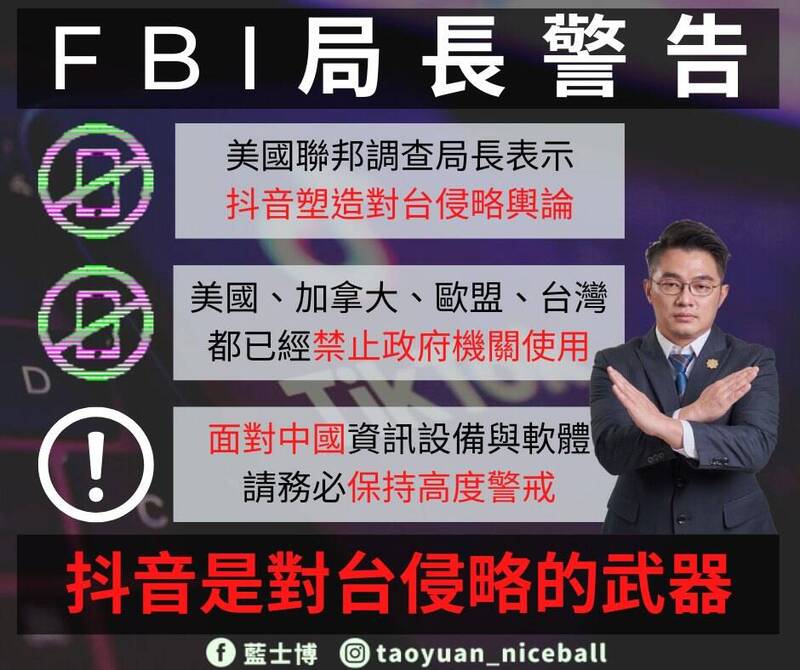
各國陸續封殺抖音! 藍士博:抖音是對台侵略武器 - 政治 - 自由時報電子報

2023-03-09
Liberty Times Net
Why's our monitor labelling this an incident or hazard?
TikTok/Douyin is an AI-powered short video sharing platform that uses AI algorithms for content recommendation and user data processing. The article focuses on the app's use as a tool for surveillance, misinformation, and influence operations, which are linked to potential harms such as violations of privacy, human rights, and harm to communities through misinformation and cultural manipulation. However, the article does not report a specific realized harm incident but rather discusses ongoing concerns and governmental bans as preventive measures. Therefore, this situation represents a plausible risk of harm due to the AI system's use, qualifying it as an AI Hazard rather than an AI Incident or Complementary Information.
Thumbnail Image

美議員提案禁抖音獲跨黨派支持 若危害國安最重可能禁用

2023-03-08
公共電視
Why's our monitor labelling this an incident or hazard?
TikTok is an AI-powered social media platform that uses algorithms to process user data and deliver content, which can influence users and potentially be exploited for foreign influence or data theft. The article centers on legislative efforts to assess and possibly ban TikTok due to these risks, indicating a credible potential for harm to national security and privacy. However, no direct harm or incident has been reported as having occurred. Therefore, this situation fits the definition of an AI Hazard, where the AI system's use could plausibly lead to harm but has not yet done so.