Tesla Accused of Manipulating AI Software to Overstate Vehicle Range

Thumbnail Image

The information displayed in the AIM should not be reported as representing the official views of the OECD or of its member countries.

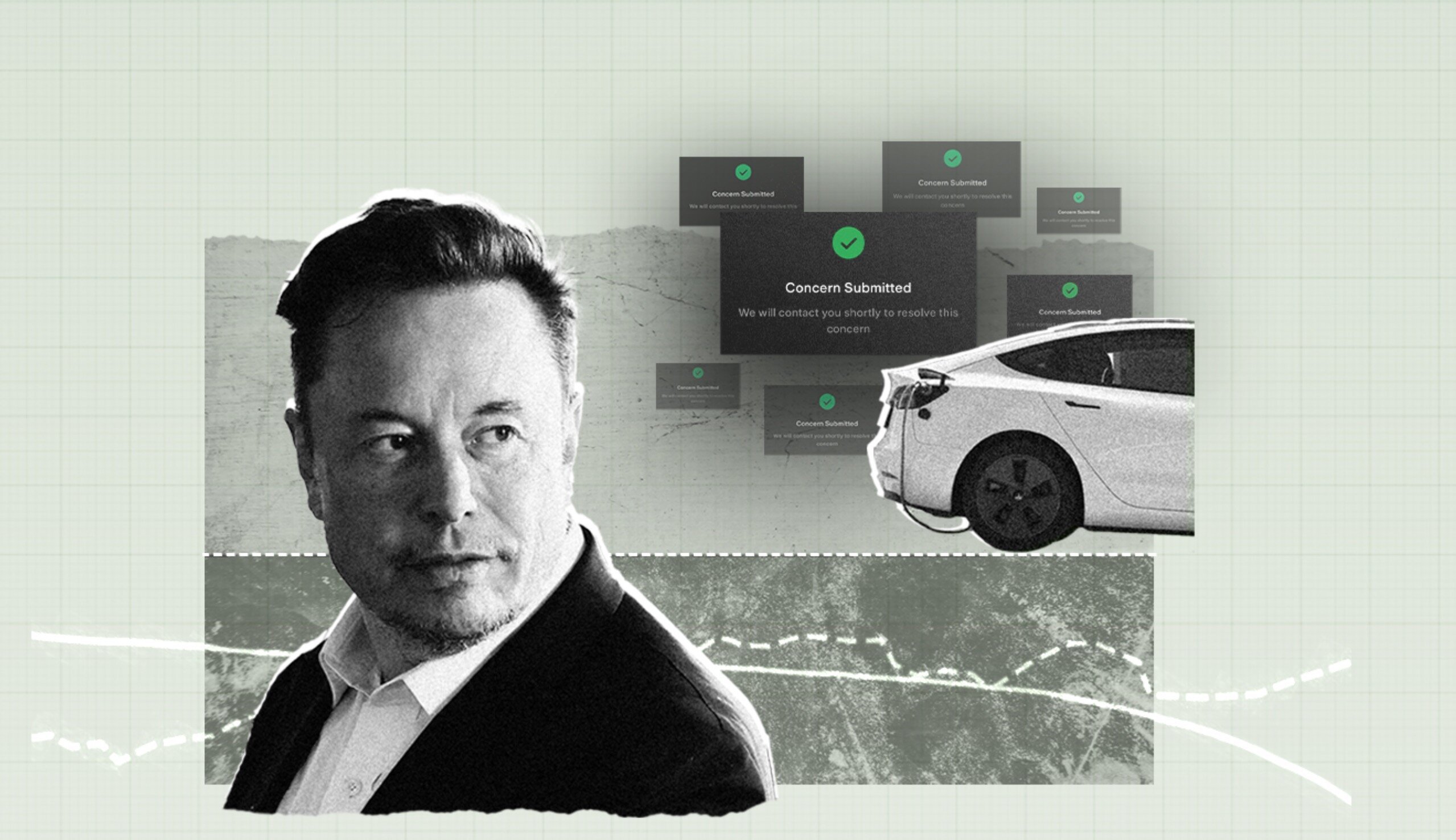
Multiple reports allege Tesla intentionally manipulated its vehicles' AI-powered range estimation software to display overly optimistic battery range figures, misleading customers. At Elon Musk's direction, a secret team reportedly suppressed customer complaints and canceled service appointments, resulting in consumer deception and potential safety risks due to inaccurate range data.[AI generated]

Why's our monitor labelling this an incident or hazard?

The dashboard readouts likely involve AI or algorithmic systems estimating driving range based on various data inputs. The intentional rigging to provide overly optimistic projections misled users, causing harm in the form of consumer deception and dissatisfaction. The company's response to suppress complaints by canceling service appointments indicates an indirect harm caused by the AI system's outputs and its misuse. This fits the definition of an AI Incident due to violation of consumer rights and harm to users through misleading information.[AI generated]
AI principles
AccountabilityTransparency & explainabilitySafetyRobustness & digital security

Industries
Mobility and autonomous vehiclesConsumer products

Affected stakeholders
Consumers

Harm types
Physical (injury)Economic/PropertyReputational

Severity
AI incident

Business function:
Monitoring and quality controlCitizen/customer service

AI system task:
Forecasting/prediction


Articles about this incident or hazard

Thumbnail Image

Tesla's secret team to suppress thousands of driving range complaints

2023-07-27
Reuters
Why's our monitor labelling this an incident or hazard?
The dashboard readouts likely involve AI or algorithmic systems estimating driving range based on various data inputs. The intentional rigging to provide overly optimistic projections misled users, causing harm in the form of consumer deception and dissatisfaction. The company's response to suppress complaints by canceling service appointments indicates an indirect harm caused by the AI system's outputs and its misuse. This fits the definition of an AI Incident due to violation of consumer rights and harm to users through misleading information.
Thumbnail Image

Rose-tinted glasses on Tesla range - electrive.com

2023-07-28
electrive.com
Why's our monitor labelling this an incident or hazard?
The dashboard range estimation system in Tesla vehicles is an AI system as it processes data to predict and display driving range. The deliberate rigging of these readouts to provide overly optimistic range projections constitutes misuse of the AI system's outputs, leading to consumer deception and harm. The harm includes misleading customers about vehicle capabilities, causing unnecessary service appointments and potential financial and trust damages. This fits the definition of an AI Incident because the AI system's use has directly led to harm, specifically violations of consumer rights and harm to communities (consumers).
Thumbnail Image

Is Tesla Lying to Consumers? What Does This Mean for DOGE?

2023-07-28
TradingView
Why's our monitor labelling this an incident or hazard?
Tesla's dashboard range readouts are generated by AI or algorithmic systems that estimate driving range. The report alleges these readings have been intentionally rigged to be overly optimistic since 2017, misleading consumers about vehicle performance. This misinformation has directly harmed consumers by providing false expectations, which is a violation of consumer rights and could be considered a breach of applicable laws protecting consumers. The creation of a team to suppress complaints further indicates deliberate misuse of the AI system's outputs to conceal harm. Therefore, this event qualifies as an AI Incident due to realized harm caused by the AI system's use and misuse.
Thumbnail Image

Tesla : Elon Musk accusé d'avoir dupé ses clients en majorant l'autonomie de ses voitures

2023-07-28
Ouest France
Why's our monitor labelling this an incident or hazard?
The article describes how Tesla's software, which estimates vehicle autonomy (an AI system), was deliberately manipulated to overstate the range, misleading customers. This manipulation caused harm by deceiving consumers and violating legal protections against false advertising. The AI system's outputs were central to the harm, fulfilling the criteria for an AI Incident. The involvement is in the use and misuse of the AI system, directly leading to harm (consumer deception and legal violations).
Thumbnail Image

Tesla aurait truqué le logiciel calculant l'autonomie de ses voitures

2023-07-28
20minutes
Why's our monitor labelling this an incident or hazard?
The software calculating the vehicle's autonomy is an AI system as it infers from various inputs (battery status, external conditions) to generate predictions (remaining driving range). The deliberate falsification of this software's output constitutes misuse of the AI system leading to harm to consumers (misleading information about vehicle capabilities), which is a violation of rights and causes harm to property owners. The suppression of maintenance requests further compounds the harm. Therefore, this event qualifies as an AI Incident due to direct harm caused by the AI system's manipulated outputs and the associated deceptive practices.
Thumbnail Image

Tesla aurait menti sur l'autonomie ?

2023-07-28
Frandroid
Why's our monitor labelling this an incident or hazard?
The event involves AI-related systems in the form of Tesla's autonomy calculation algorithms and route planning tools. However, the article does not describe any incident where these AI systems caused injury, rights violations, property damage, or other harms. Instead, it clarifies how the autonomy is calculated and addresses misunderstandings. There is no indication of malfunction or misuse leading to harm, nor a credible risk of future harm. Therefore, this is not an AI Incident or AI Hazard. The article provides contextual information about AI system behavior and customer communication, fitting the definition of Complementary Information.
Thumbnail Image

Tesla : le logiciel de ses voitures aurait été trafiqué à la demande d'Elon Musk pour surestimer l'autonomie

2023-07-27
Capital.fr
Why's our monitor labelling this an incident or hazard?
The software estimating vehicle autonomy is an AI system as it infers from inputs to predict driving range. The deliberate falsification of this software's outputs at the request of Elon Musk constitutes misuse of the AI system leading to harm—specifically, misleading customers and potentially endangering them by providing inaccurate range data. The suppression of complaints exacerbates the harm by denying customers proper recourse. These factors meet the criteria for an AI Incident, as the AI system's use has directly led to violations of consumer rights and potential safety harms.
Thumbnail Image

Tesla aurait falsifié l'autonomie de ses véhicules sur ordre d'Elon Musk et mis sur pieds une équipe secrète chargée d'annuler les rendez-vous des clients mécontents

2023-07-27
Developpez.com
Why's our monitor labelling this an incident or hazard?
The article explicitly mentions software manipulation to overstate vehicle autonomy, which is an AI system's output affecting consumer decisions and safety. The secret team cancelling repair appointments to avoid addressing these issues indicates misuse of AI system outputs and company practices to conceal harm. Additionally, the autonomous driving software's failure to stop for pedestrians and other malfunctions represent AI system malfunctions causing direct safety risks. These factors collectively meet the criteria for an AI Incident, as the AI system's development, use, or malfunction has directly or indirectly led to harm including violations of consumer rights and potential physical injury.
Thumbnail Image

Tesla truque les tableaux de bord de ses voitures électriques pour augmenter l'autonomie affichée

2023-07-27
Toms Guide : actualités high-tech et logiciels
Why's our monitor labelling this an incident or hazard?
The article explicitly describes an algorithm (an AI system) embedded in Tesla vehicles that manipulates dashboard displays to overstate battery range, misleading users. This manipulation is intentional and part of the software design, thus involving the AI system's development and use. The harm is realized as customers are deceived, leading to potential safety and consumer rights issues. This fits the definition of an AI Incident because the AI system's use has directly led to harm (consumer deception and potential safety risks).
Thumbnail Image

Tesla accusée de truquer le logiciel d'autonomie et de museler des clients

2023-07-27
Le Guide de l'auto
Why's our monitor labelling this an incident or hazard?
The autonomy calculation software in Tesla vehicles likely involves AI or advanced algorithmic systems to estimate range based on battery data. The alleged manipulation of this software to display optimistic range figures constitutes misuse of an AI system leading to consumer deception, a violation of rights. Furthermore, the sharing of vehicle camera videos by employees is a misuse of AI-enabled data collection, violating privacy rights. These harms have materialized as consumer complaints, regulatory fines, and lawsuits, fitting the definition of AI Incidents due to direct or indirect harm caused by AI system misuse.
Thumbnail Image

Δείτε την τρομακτική στιγμή που αυτόνομο Tesla "καίει" κόκκινο και βγαίνει σε αυτοκινητόδρομο

2023-07-28
zougla.gr
Why's our monitor labelling this an incident or hazard?
The Tesla vehicle's autonomous driving system, an AI system, malfunctioned by running a red light, which is a direct safety hazard and potential harm to persons. The video evidence and repeated occurrence of this malfunction confirm realized harm. Furthermore, the company's alleged suppression of customer complaints about autonomy issues indicates misuse or failure in the AI system's deployment and transparency, potentially violating consumer rights. These factors combined meet the criteria for an AI Incident as the AI system's malfunction and use have directly led to harm and rights violations.
Thumbnail Image

Tesla: Απορρίπτει τα παράπονα για την αυτόνομη οδήγηση

2023-07-28
SecNews.gr
Why's our monitor labelling this an incident or hazard?
Tesla's autonomous driving and range estimation systems qualify as AI systems. The article describes alleged misleading claims and management of complaints, which could plausibly lead to harm such as consumer deception and safety risks. Since no actual harm or incident is reported, this fits the definition of an AI Hazard rather than an AI Incident. The focus is on potential harm from the AI system's use and marketing rather than realized harm.
Thumbnail Image

Reuters: Τα αυτοκίνητα της Tesla υπερεκτιμούν την εμβέλεια τους όταν είναι πλήρως φορτισμένα...επίτηδες

2023-07-28
Insomnia.gr
Why's our monitor labelling this an incident or hazard?
The article explicitly mentions the use of algorithms (AI systems) by Tesla to display overly optimistic range estimates, which has led to realized harm in the form of customer complaints, service costs, and regulatory fines for false advertising. The AI system's use in generating these misleading outputs directly caused harm to consumers and violated legal obligations. Hence, this is an AI Incident rather than a hazard or complementary information.
Thumbnail Image

Τesla: Τα παράπονά σας στον Musk - Μυστική ομάδα "θάβει" τις διαμαρτυρίες για την αυτονομία των οχημάτων

2023-07-27
bankingnews.gr
Why's our monitor labelling this an incident or hazard?
The Tesla vehicles use AI-based algorithms to estimate battery range, which have been reported to overstate the actual autonomy, misleading customers. Additionally, Tesla's creation of a 'Deflection Team' that uses remote AI diagnostics to cancel service appointments for customers complaining about autonomy issues has led to denial of service and customer dissatisfaction. The AI system's involvement in both the overestimation and the remote handling of complaints directly contributes to harm experienced by customers. Hence, the event meets the criteria for an AI Incident due to indirect harm caused by AI system use and malfunction in customer service and product performance.