Bolt Tests In-Car Audio Recording Feature, Raising Privacy Concerns in Poland

Thumbnail Image

The information displayed in the AIM should not be reported as representing the official views of the OECD or of its member countries.

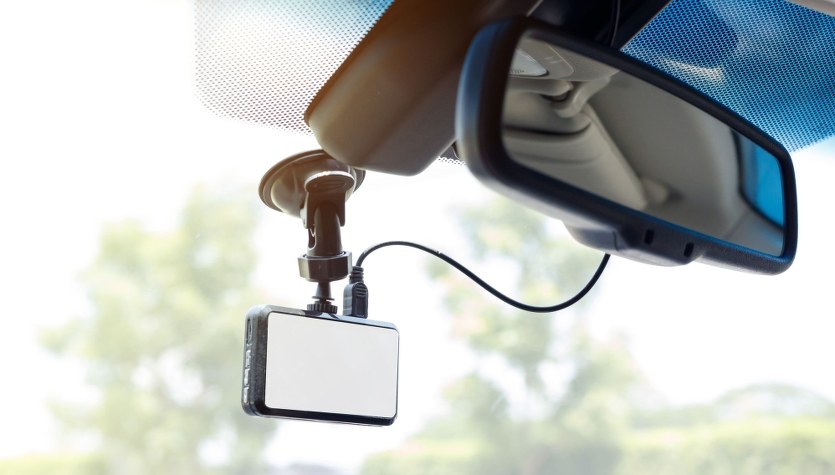
Bolt is launching a new feature in several Polish cities that records audio (and possibly video) during rides to enhance safety. The system, activated by drivers or passengers, stores encrypted recordings for 24 hours. The lack of explicit passenger consent has sparked significant privacy and legal concerns.[AI generated]

Why's our monitor labelling this an incident or hazard?

Bolt's system involves AI or automated recording technology that captures audio and video inside vehicles without passenger consent, implicating privacy rights and legal frameworks. While the article does not report actual harm occurring yet, the potential for violations of personal rights and ensuing legal actions is credible and foreseeable. The AI system's use in this manner could plausibly lead to an AI Incident if harms materialize. Since harm is not yet realized but plausible, the event fits the definition of an AI Hazard rather than an AI Incident or Complementary Information.[AI generated]

AI principles
Privacy & data governanceRespect of human rightsTransparency & explainabilityAccountability

Industries
Mobility and autonomous vehiclesConsumer services

Affected stakeholders
ConsumersWorkers

Harm types
Human or fundamental rightsPsychologicalReputationalEconomic/Property

Severity
AI hazard


Articles about this incident or hazard

Thumbnail Image

Bolt będzie nagrywać, co dzieje się w aucie. Nie zamierza pytać nas o zgodę

2023-08-24
Interia.pl - Biznes
Why's our monitor labelling this an incident or hazard?
Bolt's system involves AI or automated recording technology that captures audio and video inside vehicles without passenger consent, implicating privacy rights and legal frameworks. While the article does not report actual harm occurring yet, the potential for violations of personal rights and ensuing legal actions is credible and foreseeable. The AI system's use in this manner could plausibly lead to an AI Incident if harms materialize. Since harm is not yet realized but plausible, the event fits the definition of an AI Hazard rather than an AI Incident or Complementary Information.
Thumbnail Image

Taksówki na podsłuchu. Bolt nagra wszystko, co dzieje się w aucie | Niezalezna.pl

2023-08-24
NIEZALEZNA.PL
Why's our monitor labelling this an incident or hazard?
An AI system is reasonably inferred here because the recording and management of audio data via a smartphone app likely involves AI components for processing, encryption, and possibly analysis. The event involves the use of an AI system (the app with recording functionality) that could lead to violations of privacy rights and personal data protection, which are human rights concerns. Although no direct harm is reported yet, the article highlights plausible risks of privacy violations and potential civil claims due to unauthorized recording and data leaks. Therefore, this situation constitutes an AI Hazard, as the AI system's use could plausibly lead to harm related to privacy and personal rights.
Thumbnail Image

Bolt nagra nasze rozmowy podczas przejazdu. I to dla naszego dobra

2023-08-24
geekweek.interia.pl
Why's our monitor labelling this an incident or hazard?
The event involves an AI system insofar as the app likely uses AI or algorithmic processing to manage the recording, encryption, and handling of audio data for safety monitoring. However, the article does not report any realized harm such as privacy violations or misuse of recordings yet. It describes a new feature being tested with potential privacy risks but no direct or indirect harm has occurred or been reported. Therefore, this is a plausible future risk scenario related to AI-enabled monitoring, making it an AI Hazard rather than an Incident. It is not merely general news because the feature's privacy implications and potential for harm are central to the report.