Cruise Robotaxis Block Ambulance, Contributing to Pedestrian Death in San Francisco

Thumbnail Image

The information displayed in the AIM should not be reported as representing the official views of the OECD or of its member countries.

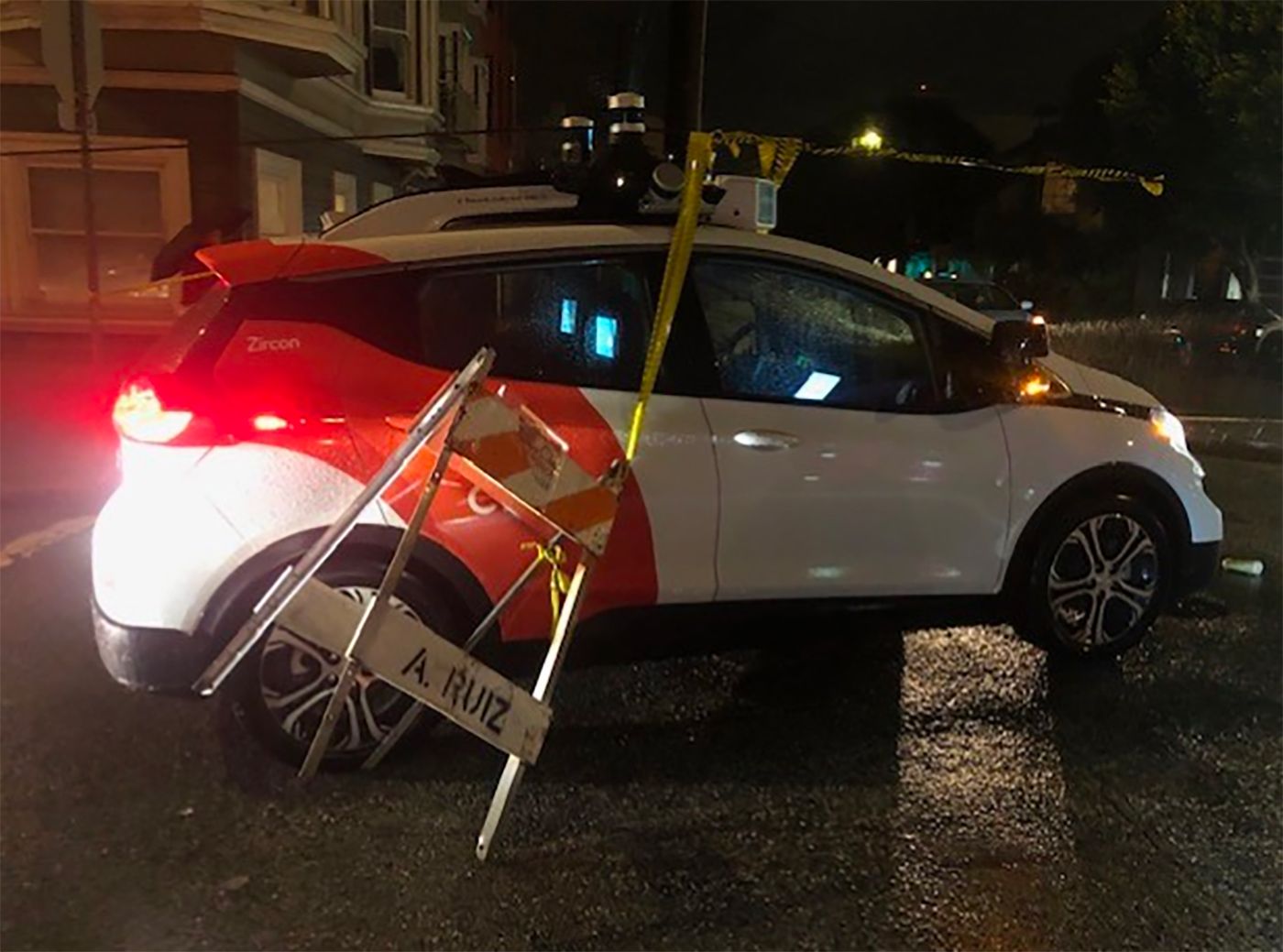
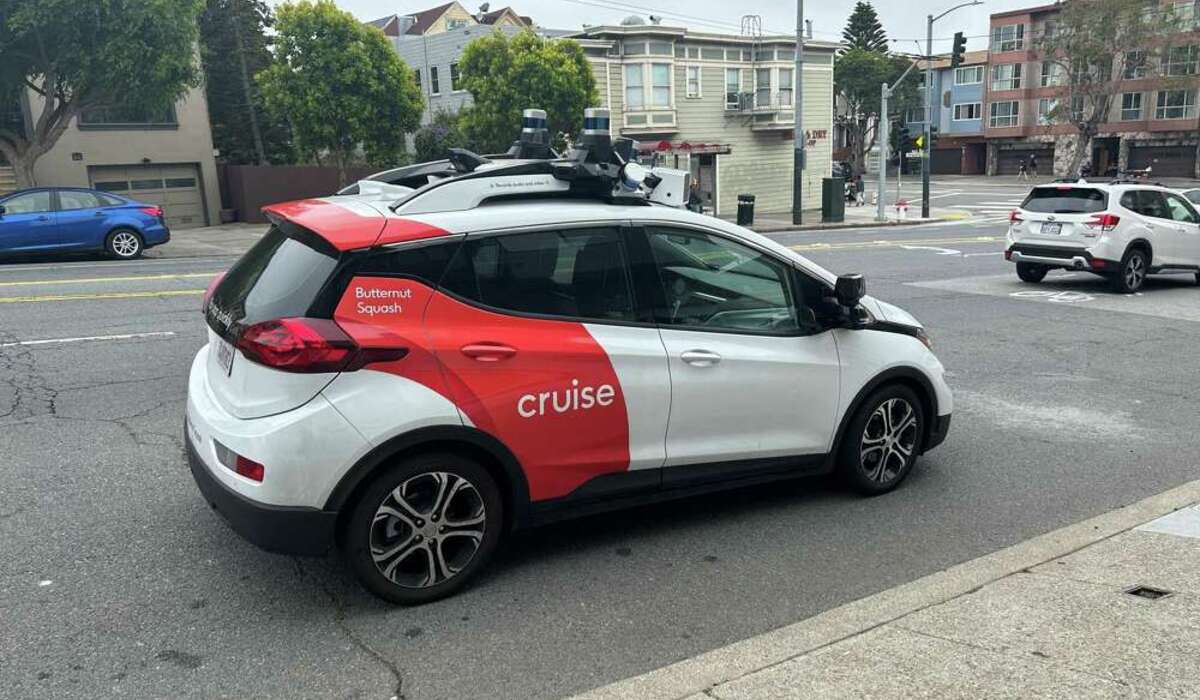
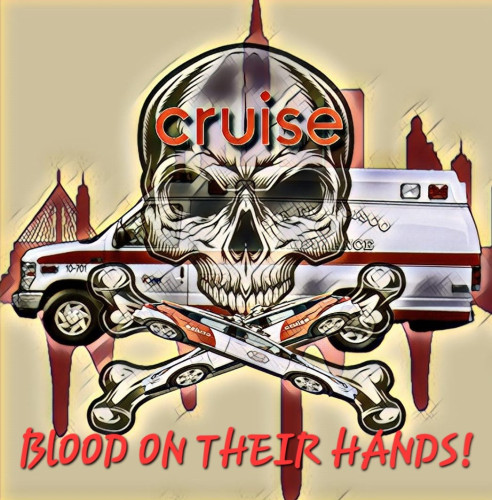
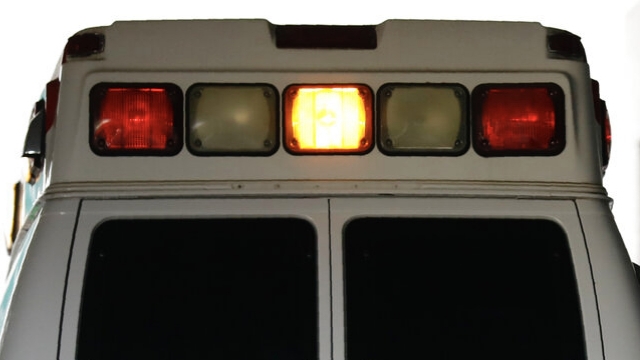
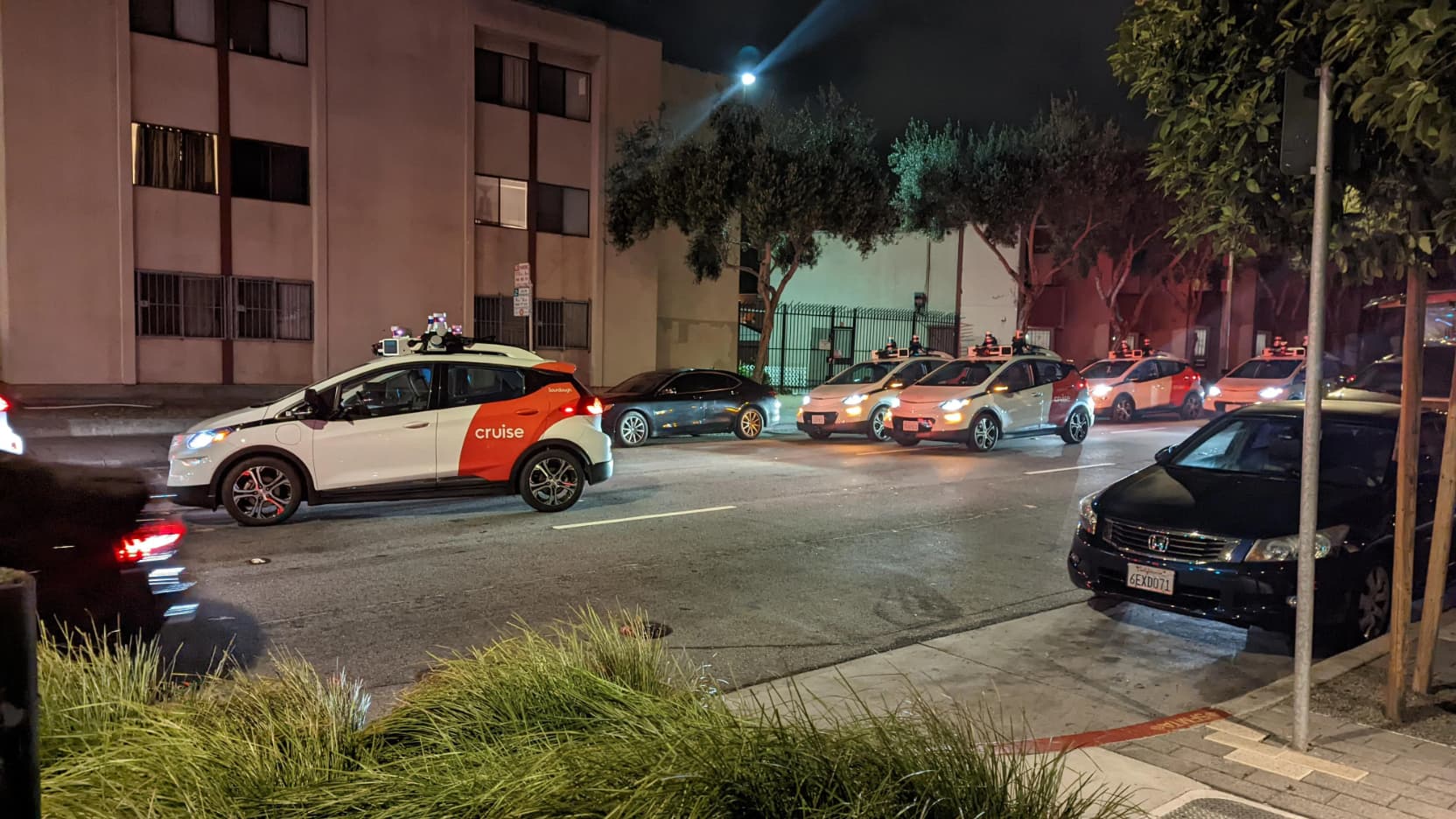
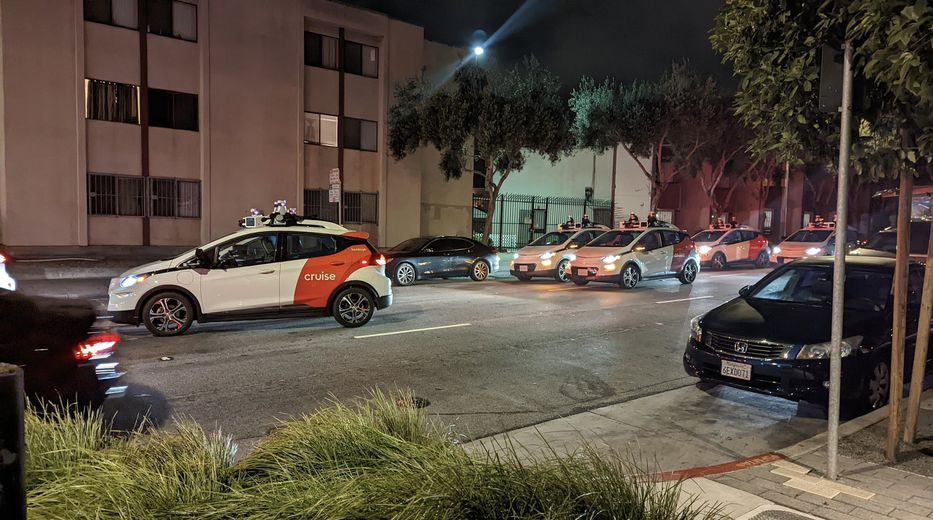
Two autonomous Cruise vehicles blocked an ambulance at a crash scene in San Francisco, delaying emergency transport for a critically injured pedestrian who later died. The San Francisco Fire Department cited the AI vehicles' obstruction as a contributing factor to the fatal outcome, while Cruise disputes the claim.[AI generated]

Why's our monitor labelling this an incident or hazard?

The event explicitly involves AI systems (autonomous vehicles) whose malfunction or operational failure (stalling and blocking emergency access) directly led to harm to a person (the pedestrian who died). The delay caused by the AI vehicles blocking the ambulance is a direct factor in the poor outcome. This fits the definition of an AI Incident because the AI system's use and malfunction directly led to injury and death, which is harm to a person. The event is not merely a potential hazard or complementary information but a realized harm linked to AI system operation.[AI generated]
AI principles
SafetyAccountabilityRobustness & digital securityTransparency & explainabilityRespect of human rightsHuman wellbeing

Industries
Mobility and autonomous vehiclesRobots, sensors, and IT hardware

Affected stakeholders
General public

Harm types
Physical (death)Public interest

Severity
AI incident

Business function:
Other

AI system task:
Recognition/object detectionReasoning with knowledge structures/planningGoal-driven organisation

In other databases

Articles about this incident or hazard

Thumbnail Image

SF Fire Department Now Says Two Cruise Cars Blocked First Responders at Scene of Crash, Contributing to Victim's Death

2023-09-01
SFist - San Francisco News, Restaurants, Events, & Sports
Why's our monitor labelling this an incident or hazard?
The event explicitly involves AI systems (autonomous vehicles) whose malfunction or operational failure (stalling and blocking emergency access) directly led to harm to a person (the pedestrian who died). The delay caused by the AI vehicles blocking the ambulance is a direct factor in the poor outcome. This fits the definition of an AI Incident because the AI system's use and malfunction directly led to injury and death, which is harm to a person. The event is not merely a potential hazard or complementary information but a realized harm linked to AI system operation.
Thumbnail Image

Driverless Taxis Blocked Ambulance Response to Fatal Accident, San Francisco Fire Dept. Says

2023-09-02
The New York Times
Why's our monitor labelling this an incident or hazard?
The event explicitly involves AI systems (autonomous vehicles) whose use directly led to harm: delayed ambulance response and a patient's death. The autonomous taxis blocked emergency lanes, causing disruption to critical infrastructure (emergency medical services) and harm to health (fatality). The report and city officials confirm multiple such incidents, reinforcing the AI systems' role in causing harm. Therefore, this qualifies as an AI Incident due to realized harm linked to AI system use and malfunction in real-world conditions.
Thumbnail Image

If You Really Want To Understand Robotaxis, Beware The San Francisco Safety Fog

2023-08-30
Forbes
Why's our monitor labelling this an incident or hazard?
The article explicitly mentions AI systems in the form of robotaxis operated by companies like Cruise and Waymo, which use autonomous driving AI. However, it does not describe a specific incident where AI malfunction or use directly or indirectly caused harm or disruption. Instead, it clarifies that some operational failures (e.g., robotaxis stopping due to loss of cellular connectivity) are not safety incidents causing harm but operational challenges. It also discusses the difference between traffic safety and public safety incidents without reporting new harm. The article serves as an explanatory piece to improve understanding of robotaxi incidents and media coverage, thus fitting the category of Complementary Information rather than an Incident or Hazard.
Thumbnail Image

Firefighters Say Cruise Robotaxi Delayed Ambulance After Deadly Accident, But The Company Denies It

2023-08-31
Forbes
Why's our monitor labelling this an incident or hazard?
The article explicitly describes autonomous vehicles (AI systems) operated by Cruise and Waymo interfering with emergency responders, including blocking ambulances and fire trucks, causing delays in emergency medical care. The delay in ambulance departure is linked to a patient's death, constituting harm to health and life (a). The AI systems' malfunction or operational behavior is a direct contributing factor to these harms. The repeated incidents and official records confirm the AI systems' role in causing these harms. Hence, this is an AI Incident as per the definitions, since the AI system's use and malfunction have directly led to injury and death.
Thumbnail Image

Cruise disputes claim that its autonomous vehicle delayed first responders

2023-09-02
CNBC
Why's our monitor labelling this an incident or hazard?
The event explicitly involves AI systems (autonomous vehicles) whose use is alleged to have directly led to harm (delay in emergency response contributing to a fatality). This fits the definition of an AI Incident because the AI system's use is linked to injury or harm to a person. Although Cruise disputes the claim, the report of the incident and the official statement from the fire department indicate a direct or indirect role of the AI system in the harm. Therefore, this event qualifies as an AI Incident.
Thumbnail Image

Self-driving Cruise cars have quietly expanded to offer rideshare in more areas of Austin

2023-08-31
Yahoo! Finance
Why's our monitor labelling this an incident or hazard?
Cruise's autonomous vehicles are AI systems that make real-time driving decisions. The reported collisions and immobilizations represent malfunctions or operational failures of these AI systems, which have directly or indirectly caused harm or risk of harm to passengers, other drivers, and property. The NHTSA investigation and regulatory actions further confirm the presence of safety incidents linked to the AI system's use. Therefore, these events meet the criteria for an AI Incident due to realized harm and safety risks stemming from the AI system's malfunction or use.
Thumbnail Image

Will GM's Cruise Bounce Back from Latest San Francisco Mishaps?

2023-09-01
Yahoo Sports
Why's our monitor labelling this an incident or hazard?
The article explicitly involves AI systems (autonomous vehicles) whose use has directly led to incidents causing disruption and potential harm to public safety, such as blocking streets and a collision with an emergency vehicle. These qualify as harms under the framework (disruption of critical infrastructure and potential injury risk). Therefore, these events constitute AI Incidents. The regulatory response and investigation further confirm the seriousness of these harms.
Thumbnail Image

Driverless taxis blocked ambulance response to fatal accident, San Francisco fire dept says

2023-09-03
The Straits Times
Why's our monitor labelling this an incident or hazard?
The autonomous taxis are AI systems controlling vehicle navigation and behavior. Their stopping in lanes blocked emergency responders, directly delaying ambulance transport and medical care, which is linked to the patient's death. This is a direct harm to health caused by the AI system's use and operational failure. The incident is not merely a potential hazard but a realized harm, meeting the criteria for an AI Incident under harm to health (a).
Thumbnail Image

Cruise is bringing its robotaxis to Seattle and Washington, DC - Autoblog

2023-09-02
Autoblog
Why's our monitor labelling this an incident or hazard?
The article explicitly mentions AI systems (autonomous vehicles/robotaxis) being developed, tested, and deployed by Cruise. It reports on past incidents involving these AI systems that caused harm (injury to a passenger) and operational disruption (gridlock), which qualify as AI Incidents. However, the article's main narrative is about the company's expansion plans, data collection, and testing phases across multiple cities, with the incidents serving as background context. It also discusses regulatory responses and ongoing investigations. Since the article does not focus primarily on a new incident or hazard but rather on broader operational updates and responses, it fits the definition of Complementary Information.
Thumbnail Image

GM's Cruise to deploy self-driving robotaxi fleet in Seattle

2023-08-30
TESLARATI
Why's our monitor labelling this an incident or hazard?
The article describes the deployment of an AI system (self-driving robotaxis) and references past incidents in other cities, but does not report any new harm or incident occurring in Seattle. The presence of safety drivers and the company's emphasis on safety suggest risk mitigation. Since no harm has occurred or is reported as occurring, and the article focuses on the deployment and operational context, this is best classified as Complementary Information providing context and updates on AI system deployment and safety considerations.
Thumbnail Image

Cruise pushes back against claims from the SF fire department

2023-09-02
NBC Bay Area
Why's our monitor labelling this an incident or hazard?
The event explicitly involves autonomous vehicles, which are AI systems, and concerns an incident where their operation allegedly delayed emergency medical services, contributing to a fatality. This fits the definition of an AI Incident because the AI system's use is directly linked to harm to a person. Although Cruise disputes the claim, the fire department's accusation and the context of documented incidents of AV interference with first responders support classification as an AI Incident. The presence of harm (death due to delayed ambulance) and the AI system's involvement in the event meet the criteria for an AI Incident rather than a hazard or complementary information.
Thumbnail Image

San Francisco pedestrian died after Cruise cars blocked ambulance: SFFD

2023-09-02
KRON4
Why's our monitor labelling this an incident or hazard?
The article explicitly involves AI systems in autonomous vehicles whose malfunction or operational behavior directly caused harm: a pedestrian died after ambulance delay caused by stalled Cruise cars; emergency responders were obstructed multiple times; vehicles failed to recognize hazards and blocked traffic, increasing risk. The AI systems' use and malfunction are central to these harms, meeting the definition of AI Incident due to injury and harm to persons and disruption of emergency services.
Thumbnail Image

Cruise refutes SFFD claim that AVs blocked ambulance, led to victim's death

2023-09-02
KRON4
Why's our monitor labelling this an incident or hazard?
The event explicitly involves AI systems (autonomous vehicles) whose use is alleged to have indirectly led to harm (delayed ambulance response contributing to a death). Although Cruise disputes the claim, the presence of an official agency attributing harm to the AI system's operation meets the criteria for an AI Incident. The harm is indirect but significant, involving injury and death linked to the AI system's use. Therefore, this is classified as an AI Incident.
Thumbnail Image

San Francisco Fire Department says Cruise cars hindered life-saving efforts - KION546

2023-09-03
KION546
Why's our monitor labelling this an incident or hazard?
The incident involves AI systems (autonomous vehicles) whose operation at the scene of an emergency is reported to have delayed an ambulance, contributing to a poor outcome (death). The AI system's use directly affected emergency response, leading to harm to a person, fulfilling the criteria for an AI Incident. Although the company disputes the claim, the fire department's official report indicates the AI system's involvement in the harm. Therefore, this event is classified as an AI Incident.
Thumbnail Image

Technophobes vs. Futurists in the Advancement of Driverless Taxi in San Francisco

2023-09-02
USANews Press Release Network
Why's our monitor labelling this an incident or hazard?
The article explicitly mentions AI systems in the form of autonomous vehicles (robotaxis) from Cruise and Waymo operating commercially in San Francisco. These AI systems malfunctioned or failed to safely navigate complex environments, leading to direct harms such as injury to people, death of a dog, obstruction of emergency services, and traffic disruptions. The involvement of AI in these harms is direct and clear, as the vehicles operate without human drivers and their AI decision-making caused or contributed to these incidents. Therefore, this qualifies as an AI Incident rather than a hazard or complementary information.
Thumbnail Image

Cruise in hot seat amid Fire Department's claims that robotaxis delayed responders in fatal incident

2023-09-06
TESLARATI
Why's our monitor labelling this an incident or hazard?
The incident explicitly involves AI systems (autonomous robotaxis) whose behavior (stopping and blocking lanes) directly impeded emergency responders, causing a delay in transporting a critically injured pedestrian to the hospital. This delay is linked to the pedestrian's death, constituting harm to a person. Although Cruise disputes the claim, the fire department's official reports provide a credible account of the AI system's role in the harm. Therefore, this qualifies as an AI Incident due to the direct involvement of AI systems in causing harm to a person.
Thumbnail Image

Protestors rally at Cruise HQ in San Francisco

2023-09-05
Yahoo News
Why's our monitor labelling this an incident or hazard?
The article explicitly involves AI systems (Cruise's autonomous robotaxis) whose use and malfunction have directly or indirectly led to harm: a pedestrian was fatally injured, emergency response was reportedly delayed, and there have been collisions causing injury. The AI systems' behavior (stalled vehicles, collisions, blocking emergency vehicles) has contributed to these harms. Even though Cruise disputes some claims, the fire department's report and multiple incidents establish a pattern of harm. This meets the criteria for an AI Incident as the AI system's use and malfunction have caused injury, disruption of critical infrastructure (emergency response), and harm to people and communities.
Thumbnail Image

In US, driverless taxis block ambulance response to accident, patient later dies - Times of India

2023-09-04
The Times of India
Why's our monitor labelling this an incident or hazard?
The incident describes autonomous vehicles (AI systems) blocking emergency response, causing a delay in ambulance transport and medical care, which is linked to the death of a patient. This constitutes direct harm to a person caused by the use of AI systems. The involvement of AI in the autonomous taxis and the resulting harm meets the criteria for an AI Incident under the framework, as the AI system's use directly led to injury or harm to a person.
Thumbnail Image

Self-driving car blocking road 'delayed patient care', San Francisco officials say

2023-09-05
The Guardian
Why's our monitor labelling this an incident or hazard?
The event clearly involves AI systems (autonomous robotaxis) whose use is directly linked to a harm outcome: delayed emergency response and subsequent patient death. The fire department's report indicates that the AI vehicles blocked ingress and egress, delaying patient care, which constitutes harm to health (a). Although the company disputes the claims, the official report and the described delay leading to death meet the criteria for an AI Incident. Therefore, this event is classified as an AI Incident due to the direct or indirect role of AI system malfunction or use in causing harm.
Thumbnail Image

Two driverless taxis BLOCKED ambulance carrying car crash victim

2023-09-05
Daily Mail Online
Why's our monitor labelling this an incident or hazard?
The event explicitly involves AI systems in driverless taxis (Cruise autonomous vehicles) whose malfunction or operational behavior caused a delay for an ambulance carrying a critically injured patient. The delay is linked by the fire department records to a poor patient outcome (death). The AI system's failure to clear the way for emergency vehicles is a direct factor in the harm. Although the company disputes the account, the official fire department records and the described harm meet the criteria for an AI Incident involving injury or harm to a person due to AI system malfunction or use.
Thumbnail Image

Protestors rally at Cruise HQ in San Francisco | TechCrunch

2023-09-05
TechCrunch
Why's our monitor labelling this an incident or hazard?
The article describes several events where Cruise's AI robotaxis caused or contributed to harm: blocking an ambulance which delayed emergency care leading to a patient's death (harm to health), a collision causing passenger injury (harm to health), and traffic disruptions impeding emergency responders (harm to communities and public safety). The AI system's malfunction or use is directly linked to these harms. Although Cruise disputes some claims, the reported incidents and regulatory responses confirm realized harm. Hence, this is an AI Incident.
Thumbnail Image

Cruise denies its self-driving taxis hindered ambulance response...

2023-09-04
TechSpot
Why's our monitor labelling this an incident or hazard?
The event clearly involves AI systems (autonomous vehicles) whose operation has directly or indirectly led to harm to a person (delayed ambulance response contributing to poor patient outcome). The San Francisco Fire Department's report and the context of multiple similar incidents establish a pattern of harm. The AI system's use is the cause of the disruption to emergency services, fulfilling the criteria for an AI Incident under harm to health and disruption of critical infrastructure (emergency response). The dispute by Cruise does not negate the official report's findings and the harm caused. Therefore, this is classified as an AI Incident.
Thumbnail Image

Cruise denies its self-driving taxis hindered ambulance response in fatal pedestrian accident

2023-09-04
TechSpot
Why's our monitor labelling this an incident or hazard?
The event explicitly involves AI systems (Cruise's autonomous vehicles) whose operation allegedly delayed an ambulance responding to a critical emergency, potentially contributing to the death of a pedestrian. This constitutes harm to a person (harm to health and life). The AI system's use is directly implicated in the incident, fulfilling the criteria for an AI Incident. Although Cruise disputes the extent of the delay, the official fire department report and the context of multiple similar incidents support classification as an AI Incident rather than a hazard or complementary information.
Thumbnail Image

Self-driving taxis blocked an ambulance and the patient died, San Francisco fire department says

2023-09-05
Popular Science
Why's our monitor labelling this an incident or hazard?
The autonomous taxis are AI systems operating in public roads. Their failure to yield or move to allow emergency vehicles caused a delay in ambulance departure, which the fire department states contributed to the patient's death. This is a direct harm to health caused by the AI system's use. The multiple reported instances of obstruction further support the classification as an AI Incident. The company's dispute does not negate the official report's conclusion of harm. Hence, this is an AI Incident involving injury or harm to a person due to AI system malfunction or misuse.
Thumbnail Image

SF Officials Say Robotaxis Contributed to Person's Death

2023-09-06
Newser
Why's our monitor labelling this an incident or hazard?
The robotaxis are AI systems as they are self-driving vehicles. The San Francisco Fire Department's report states that two autonomous vehicles were immobile and could not be manually controlled, blocking an ambulance responding to a pedestrian struck by a car. This failure to act by the AI system indirectly contributed to harm (death) by impeding emergency services. The harm is realized, not just potential, and the AI system's malfunction is a contributing factor. Therefore, this qualifies as an AI Incident under the framework.
Thumbnail Image

Driverless taxis blocked ambulance transporting patient

2023-09-05
Hospital Review
Why's our monitor labelling this an incident or hazard?
The incident explicitly involves AI systems (driverless taxis) whose malfunction or operational behavior blocked an ambulance, delaying critical medical care. The delay is reported to have contributed to the patient's death, constituting harm to a person. This meets the criteria for an AI Incident because the AI system's use directly led to harm (injury or death) through interference with emergency services.
Thumbnail Image

Cruise disputes claim to delay first responders in pedestrian fatality incident - report

2023-09-04
autotechinsight.ihsmarkit.com
Why's our monitor labelling this an incident or hazard?
The incident involves autonomous vehicles (AI systems) allegedly obstructing emergency services, which indirectly contributed to a pedestrian fatality, a harm to a person. This fits the definition of an AI Incident because the AI system's use is linked to harm. Despite the dispute, the report describes an event where AI system use has directly or indirectly led to harm, meeting the criteria for an AI Incident.
Thumbnail Image

Patient dies after Cruise vehicles allegedly block ambulance in San Francisco - SiliconANGLE

2023-09-03
SiliconANGLE
Why's our monitor labelling this an incident or hazard?
The event explicitly involves AI systems (autonomous vehicles) whose operation allegedly delayed an ambulance, leading to a patient's death, which is a direct harm to health. The involvement of AI in the use phase (operation of autonomous vehicles) is central to the incident. Despite Cruise's denial, the report and the broader context of multiple incidents involving autonomous vehicles interfering with emergency responders support classification as an AI Incident. The harm is materialized (death), and the AI system's role is pivotal in the chain of events leading to harm.
Thumbnail Image

Cruise Rejects Blame From SFFD's Claim It Blocked First Responders in Pedestrian Fatality Incident

2023-09-03
SFist - San Francisco News, Restaurants, Events, & Sports
Why's our monitor labelling this an incident or hazard?
The event explicitly involves autonomous vehicles, which are AI systems. The San Francisco Fire Department claims that these AI systems blocked emergency lanes, delaying ambulance response and contributing to a pedestrian's death, which is harm to a person. Even though Cruise disputes the claim, the event centers on an alleged harm linked to the AI system's use. This fits the definition of an AI Incident, as the AI system's use is alleged to have indirectly led to harm. The presence of conflicting accounts does not negate the classification, as the incident is reported and involves potential harm linked to AI system operation.
Thumbnail Image

Person dies after 2 driverless cars block ambulance on way to hospital

2023-09-04
WTVF
Why's our monitor labelling this an incident or hazard?
The event explicitly involves AI systems (self-driving cars) whose use is alleged to have caused a delay in emergency response, contributing to a patient's death. The harm is realized (death of a person), and the AI system's involvement is central to the incident. Despite the company's denial, the authorities' claim and the context support classification as an AI Incident due to direct or indirect harm caused by the AI system's use.
Thumbnail Image

Company refutes claim that self-driving cars blocked California ambulance, led to victim's death

2023-09-03
WKRN News 2
Why's our monitor labelling this an incident or hazard?
The event explicitly involves AI systems (autonomous vehicles) whose operation during an emergency response is alleged to have caused a delay in ambulance transport, contributing to a pedestrian's death. The harm (death) is a direct human injury linked to the AI system's use or malfunction (blocking emergency vehicles). Even though the company disputes the claim, the authorities' position and multiple similar incidents indicate a pattern of AI system involvement in harm. Hence, this meets the criteria for an AI Incident rather than a hazard or complementary information.
Thumbnail Image

Patient Dies After Robotaxis Block Ambulance In San Francisco - Wonderful Engineering

2023-09-06
Wonderful Engineering
Why's our monitor labelling this an incident or hazard?
The event describes autonomous taxis (AI systems) whose operation caused a delay in ambulance passage during an emergency, which contributed to a patient's death. The harm is realized and directly linked to the AI system's use. Despite conflicting accounts, the firefighters' report and the number of prior incidents involving driverless taxis support the classification as an AI Incident. The AI system's malfunction or operational behavior led to injury/harm to a person, fulfilling the criteria for an AI Incident.
Thumbnail Image

US reports claim Cruise robotaxis delayed ambulance at fatal accident

2023-09-04
Silicon Republic
Why's our monitor labelling this an incident or hazard?
The event clearly involves AI systems in the form of autonomous vehicles. The reported blocking of an ambulance by these vehicles directly led to a delay in emergency medical care, which contributed to the death of a patient, constituting harm to a person. This meets the criteria for an AI Incident, as the AI system's use and malfunction directly led to harm. The denial and video evidence do not negate the reported harm and the failure of manual override suggests a malfunction or operational issue with the AI system.
Thumbnail Image

Person dies after 2 driverless cars block ambulance on way to hospital

2023-09-04
KSBY
Why's our monitor labelling this an incident or hazard?
The event explicitly involves AI systems (self-driving cars) whose use is linked to a delay in emergency medical response, which contributed to a patient's death. The harm is realized (death of a person), and the AI system's involvement is central to the incident. Despite the company's denial, the authorities' allegation and the nature of the event meet the criteria for an AI Incident, as the AI system's use directly or indirectly led to harm to a person.
Thumbnail Image

Person Dies After Cruise Robotaxi Blocked San Francisco Ambulance | NextBigFuture.com

2023-09-06
Next Big Future
Why's our monitor labelling this an incident or hazard?
The event involves an AI system explicitly (Cruise autonomous robotaxi) whose use directly led to obstruction of emergency services, causing delay in medical care and resulting in a fatality. This fits the definition of an AI Incident because the AI system's use indirectly led to harm to a person (death). The presence of multiple similar incidents further supports the classification as an AI Incident rather than a hazard or complementary information. The dispute by Cruise does not negate the reported harm and the official fire department accounts.
Thumbnail Image

Person dies after 2 driverless cars block ambulance on way to hospital

2023-09-04
KOAA
Why's our monitor labelling this an incident or hazard?
The event explicitly involves AI systems (self-driving cars) whose use allegedly caused a delay in ambulance passage, contributing to a patient's death. This is a direct or indirect harm to a person's health caused by the use of AI systems, meeting the criteria for an AI Incident. The dispute by the company does not negate the authorities' claim that the AI vehicles' behavior contributed to the harm. Hence, the event is classified as an AI Incident.
Thumbnail Image

Shut The Robo Taxis Down! SF Labor Day Rally At Cruise Office Over Death Of Pedestrian : Indybay

2023-09-06
Indybay
Why's our monitor labelling this an incident or hazard?
The article describes an incident where AI-operated autonomous vehicles (robo taxis) directly contributed to harm by blocking emergency medical services, which delayed treatment and resulted in the death of a pedestrian. This fits the definition of an AI Incident as the AI system's use led indirectly to injury and death. The involvement of AI in the vehicles' operation and the resulting fatal harm meets the criteria for an AI Incident rather than a hazard or complementary information.
Thumbnail Image

Person dies after 2 driverless cars block ambulance on way to hospital

2023-09-04
Scripps News
Why's our monitor labelling this an incident or hazard?
The event describes the use of AI systems (driverless cars) whose actions allegedly blocked an ambulance, delaying emergency medical care and resulting in a patient's death. This constitutes harm to a person caused directly or indirectly by the AI systems' use. The presence of AI systems is explicit, and the harm is materialized, meeting the criteria for an AI Incident. The dispute by the company does not negate the reported harm and official allegations.
Thumbnail Image

SF Fire Dept.: Person Dies After Robotaxi Blocked Ambulance

2023-09-03
The San Francisco Standard
Why's our monitor labelling this an incident or hazard?
The event explicitly involves an AI system (Cruise robotaxi) whose operational behavior (stalling and blocking) delayed emergency medical services, contributing indirectly to the death of a patient. This fits the definition of an AI Incident as the AI system's use and malfunction led to harm to a person. The incident is not merely a potential hazard or complementary information, but a realized harm linked to the AI system's behavior.
Thumbnail Image

Etats-Unis: des taxis autonomes accusés d'avoir bloqué une ambulance à San Francisco

2023-09-04
BFMTV
Why's our monitor labelling this an incident or hazard?
The autonomous taxis are AI systems involved in real-time navigation and decision-making. Their stopping on the road blocked emergency vehicle passage, delaying critical medical intervention, which contributed to a fatality. This is a direct link between AI system use and harm to a person, fulfilling the criteria for an AI Incident. The event is not merely a potential risk but an actual occurrence with reported harm. The company's denial and partial media evidence do not negate the firefighters' official report and the harm caused. Hence, the classification as AI Incident is appropriate.
Thumbnail Image

VIDEO - Des taxis sans conducteur font leurs débuts à San Francisco

2023-09-04
LesEchos.fr
Why's our monitor labelling this an incident or hazard?
The autonomous taxis are AI systems performing driving tasks without human drivers. The reported collisions and traffic disruptions are harms linked to the use and malfunction of these AI systems, causing disruption to critical infrastructure (road traffic) and potential safety hazards. Since actual incidents with harm or risk have occurred, this qualifies as an AI Incident rather than a hazard or complementary information.
Thumbnail Image

Deux robots-taxis accusés de la mort d'un homme, les pompiers auraient été ralentis

2023-09-05
Toms Guide : actualités high-tech et logiciels
Why's our monitor labelling this an incident or hazard?
The article explicitly mentions robot-taxis (autonomous vehicles) operated by Cruise, which are AI systems. The incident involves their use during an emergency where their positioning on the road delayed firefighters, indirectly causing the death of a person. The harm (death) is directly linked to the AI systems' operation, fulfilling the criteria for an AI Incident. Although Cruise disputes the claim, the event is reported as having occurred with significant consequences. Hence, it is not merely a hazard or complementary information but an AI Incident.
Thumbnail Image

Une personne décède après qu'un robotaxi Cruise a fait obstruction à une ambulance, d'après les pompiers de San Francisco : le véhicule entièrement autonome va-t-il demeurer une utopie ?

2023-09-04
Developpez.com
Why's our monitor labelling this an incident or hazard?
The event involves AI systems explicitly (fully autonomous robotaxis) whose use directly caused harm: the obstruction of an ambulance led to delayed medical care and a patient's death. This fits the definition of an AI Incident as the AI system's use directly led to injury or harm to a person. The article provides detailed context about the incident and the broader challenges of autonomous vehicle technology, but the primary classification is AI Incident due to the realized fatal harm linked to the AI system's operation.
Thumbnail Image

Les voitures autonomes seraient-elles déjà plus sûres que les conducteurs humains ? Selon Cruise et Waymo, cela semble être le cas

2023-09-06
Developpez.com
Why's our monitor labelling this an incident or hazard?
The article explicitly involves AI systems in the form of autonomous driving technology used by Waymo and Cruise. It reports multiple accidents caused or involving these AI systems, including a fatal incident with a dog and other collisions causing property damage. These incidents constitute direct harm linked to the AI systems' use. Therefore, the event qualifies as an AI Incident because the AI system's use has directly led to harm (injury to living beings and property damage).
Thumbnail Image

Les voitures autonomes seraient-elles déjà plus sûres que les conducteurs humains ? Cruise et Waymo affirment que c'est le cas

2023-09-06
Developpez.com
Why's our monitor labelling this an incident or hazard?
The article explicitly involves AI systems (autonomous driving systems) in the operation of vehicles that have been involved in multiple accidents, including serious ones causing harm. The harms include injury or death to living beings (a dog killed, potential human injuries in accidents), which fits the definition of harm to persons. The AI systems' use is directly linked to these harms, fulfilling the criteria for an AI Incident. The article also discusses regulatory responses and safety data, but the primary focus is on the realized harms caused by AI system use in autonomous vehicles.
Thumbnail Image

20

2023-09-04
developpez.net
Why's our monitor labelling this an incident or hazard?
The event involves AI systems explicitly (autonomous robotaxis by Cruise). The obstruction of an ambulance by these AI-driven vehicles directly delayed emergency medical care, resulting in a patient's death, which constitutes harm to health (a). This meets the criteria for an AI Incident because the AI system's use directly led to injury and death. The article also references other autonomous vehicle issues and Tesla's Autopilot limitations, but these serve as context rather than the primary incident. Therefore, the classification is AI Incident.
Thumbnail Image

États-Unis : des voitures autonomes accusées d'avoir bloqué une ambulance

2023-09-05
L'Éclaireur Fnac
Why's our monitor labelling this an incident or hazard?
The event describes autonomous vehicles (AI systems) whose use directly led to harm to a person by delaying ambulance passage, contributing to the patient's death. This fits the definition of an AI Incident because the AI system's use has directly led to injury or harm to a person. The involvement of AI is explicit (autonomous vehicles), and the harm is materialized (death due to delayed care). Therefore, the classification is AI Incident.
Thumbnail Image

Dos taxis autónomos sin conductor bloquearon a una ambulancia: paciente murió

2023-09-08
El Tiempo
Why's our monitor labelling this an incident or hazard?
The incident clearly involves AI systems (autonomous taxis) whose operation obstructed emergency services, leading to a fatal outcome. The harm (death of the patient) is directly linked to the AI systems' use and malfunction in managing traffic and emergency situations. Therefore, this qualifies as an AI Incident due to injury and harm to a person caused by the AI systems' involvement.
Thumbnail Image

Taxis autónomos sin conductor bloquean a una ambulancia en EU y paciente muere

2023-09-08
El Universal
Why's our monitor labelling this an incident or hazard?
The incident clearly involves AI systems (autonomous taxis) whose use directly led to harm (death of a patient) due to obstruction of emergency services. The autonomous vehicles' malfunction or operational failure to yield to an ambulance caused a delay in medical care, fulfilling the criteria for an AI Incident involving harm to a person. The involvement of AI in the autonomous taxis and the resulting fatal harm make this an AI Incident rather than a hazard or complementary information.
Thumbnail Image

¿Son ya los coches autónomos más seguros que los conductores humanos?

2023-09-11
ComputerHoy.com
Why's our monitor labelling this an incident or hazard?
The article explicitly involves AI systems in the form of autonomous driving technology used by Waymo, Cruise, and Tesla. It discusses incidents and accident data related to the use of these AI systems in real-world driving. Since it reports on actual accidents and safety outcomes linked to the use of AI-driven autonomous vehicles, it describes realized harm (accidents, even if mostly minor) directly or indirectly caused by AI systems. Therefore, this qualifies as an AI Incident because the AI systems' use has directly or indirectly led to harm (accidents and safety risks). The article does not focus on potential future harm alone, nor is it merely complementary information or unrelated news.
Thumbnail Image

Paciente murió porque taxis autónomos bloquearon ambulancia

2023-09-08
Tiempo
Why's our monitor labelling this an incident or hazard?
The taxis are autonomous vehicles, which are AI systems making real-time decisions. Their stopping in a way that blocked an ambulance caused a delay in urgent medical care, resulting in the patient's death. This is a direct harm to health caused by the use or malfunction of AI systems, fitting the definition of an AI Incident.
Thumbnail Image

La empresa Cruise "a días" de empezar a producir en masa taxis robot sin volante

2023-09-10
Montevideo Portal / Montevideo COMM
Why's our monitor labelling this an incident or hazard?
The vehicles described are fully autonomous taxis without human controls, clearly involving AI systems for navigation and decision-making. The article references a past collision causing injury and operational disruptions, which are harms directly linked to the AI system's use and performance. Therefore, this qualifies as an AI Incident due to realized harm from the AI system's operation in a real-world environment.
Thumbnail Image

Read more

2023-09-07
esdelatino.com
Why's our monitor labelling this an incident or hazard?
The event explicitly involves AI systems—autonomous vehicles developed and operated by Cruise. The described incidents include a vehicle crashing into a building due to a system failure, a collision causing passenger injury, and robotaxis blocking emergency vehicles, which indirectly contributed to a passenger's death. These are direct or indirect harms to health and disruption of critical infrastructure (emergency services). The AI system's malfunction or operational issues are central to these harms, meeting the criteria for an AI Incident.
Thumbnail Image

10 septiembre, 2023

2023-09-10
esdelatino.com
Why's our monitor labelling this an incident or hazard?
The article explicitly involves AI systems in the form of autonomous robotaxis operated by companies like Waymo and Cruise. These AI systems have been involved in incidents causing or potentially causing harm to people, such as near pedestrian accidents and a delayed ambulance response linked to a patient's death. The harms include injury risk and disruption of emergency services, fitting the definition of AI Incident (harm to people and disruption of critical infrastructure). The ongoing protests and regulatory disputes further highlight the direct consequences of AI system deployment. Hence, the event is best classified as an AI Incident.
Thumbnail Image

A Robotaxi Was Blamed for a San Francisco Man's Death But He Was Actually Hit By a City Bus

2023-09-14
Gizmodo
Why's our monitor labelling this an incident or hazard?
An AI system (Cruise's autonomous vehicles) was involved in the scenario, specifically in their use on public roads and interaction with emergency responders. Although the robotaxis were initially blamed for contributing to a fatal outcome, official clarifications indicate they were not responsible for the man's death. There is no direct or indirect causation of harm by the AI system itself, as the fatal injury was caused by a human-operated city bus. The event does not describe a realized harm caused by the AI system, nor does it present a clear plausible future harm from the AI system's malfunction or use in this specific case. Instead, it provides contextual information about the deployment and public perception of AI systems in autonomous vehicles, making it complementary information rather than an incident or hazard.
Thumbnail Image

San Francisco pedestrian was struck by Muni bus, officials confirm

2023-09-13
KRON4
Why's our monitor labelling this an incident or hazard?
The event describes a fatal pedestrian accident where the AI system (Cruise driverless cars) was involved in the emergency response scene. Although the pedestrian was struck by a human-driven bus, the internal report alleges that the AI system's vehicles delayed ambulance response, potentially worsening the outcome. This constitutes indirect involvement of the AI system in harm (injury and death of a person). The city officials dispute the claim, but the presence of the AI system and the reported delay are part of the incident's circumstances. Therefore, it meets the criteria for an AI Incident due to indirect contribution to harm and the involvement of AI in emergency operations at the scene.
Thumbnail Image

Pedestrian Who Died In August Incident That Paramedics Blamed on Cruise Vehicles Was Struck By Muni Bus

2023-09-13
SFist - San Francisco News, Restaurants, Events, & Sports
Why's our monitor labelling this an incident or hazard?
The article describes an incident involving AI systems (Cruise robotaxis) and emergency responders, with initial claims that AI vehicles delayed ambulance transport contributing to a patient's death. However, official clarifications attribute the death to a bus collision, not AI vehicle malfunction or misuse. The AI systems' role is indirect and disputed, and no direct or indirect causation of harm by the AI system is established. The article also discusses broader concerns and disputes about AI vehicle behavior affecting emergency response, which is important contextual information but does not constitute a new AI Incident or Hazard. Thus, the event is Complementary Information, providing updates and context on AI system interactions and safety concerns without confirming direct harm caused by AI.
Thumbnail Image

San Francisco firefighters rectify: a man's death was not the fault of robotaxis

2023-09-15
USANews Press Release Network
Why's our monitor labelling this an incident or hazard?
The event involves AI systems in the form of autonomous robotaxis, which were initially blamed for obstructing emergency services and contributing to a death. However, official clarifications have ruled out the robotaxis as the cause of the fatality. While the AI systems' behavior (blocking the ambulance) may have caused a delay, the delay was minimal and not officially linked to the death. Therefore, no direct or indirect harm caused by the AI system has been established. The article mainly provides an update and context on public perception and ongoing tensions regarding AI deployment in robotaxis, without confirming an AI Incident or a plausible future hazard from this specific event.