Chilean Court Orders Deletion of AI-Collected Brain Data in Landmark Privacy Case

Thumbnail Image

The information displayed in the AIM should not be reported as representing the official views of the OECD or of its member countries.

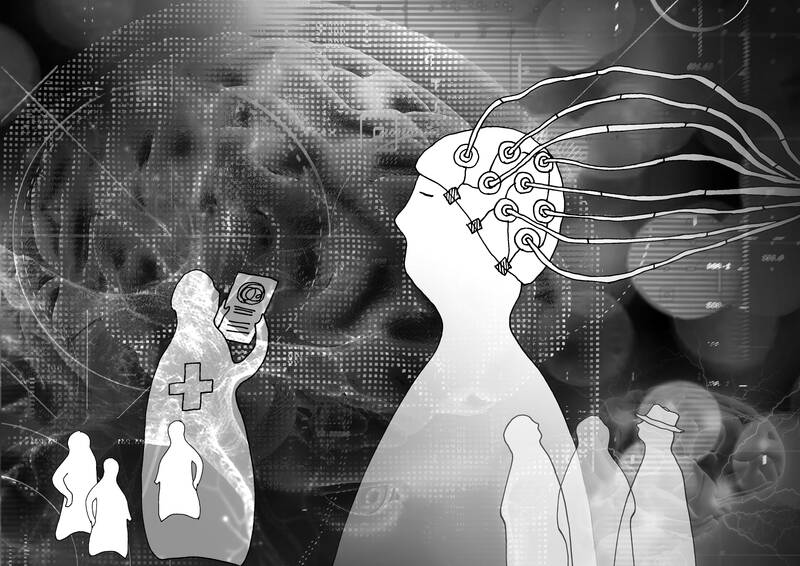
The Chilean Supreme Court ordered Emotiv, a US neurotechnology firm, to erase brain data it collected from former senator Guido Girardi without proper consent. This first-of-its-kind ruling highlights the privacy risks of AI-powered brain scanning tools and has spurred legislative action on 'neurorights' across Latin America.[AI generated]

Why's our monitor labelling this an incident or hazard?

The article centers on the use of AI systems in neurotechnology that collect and analyze brain data, which has led to privacy violations and legal actions. The Chilean Supreme Court ruling ordering data deletion due to unauthorized use of brain data constitutes a realized harm related to violation of privacy rights, a form of human rights violation. The article also discusses ongoing legislative and regulatory responses to prevent further harm. Since the harm (privacy violation) has already occurred and the AI system's use was pivotal, this qualifies as an AI Incident. The broader regulatory and ethical discussions are complementary information but the primary focus is on the incident of unauthorized data use and legal consequences.[AI generated]
AI principles
Privacy & data governanceRespect of human rightsTransparency & explainabilityAccountabilityDemocracy & human autonomy

Industries
Healthcare, drugs, and biotechnologyGovernment, security, and defence

Affected stakeholders
ConsumersGeneral public

Harm types
Human or fundamental rights

Severity
AI incident

Business function:
Research and development

AI system task:
Recognition/object detectionReasoning with knowledge structures/planning


Articles about this incident or hazard

Thumbnail Image

Hands off my brainwaves: Latin America in race for 'neurorights'

2023-09-12
Daily Mail Online
Why's our monitor labelling this an incident or hazard?
The article centers on the use of AI systems in neurotechnology that collect and analyze brain data, which has led to privacy violations and legal actions. The Chilean Supreme Court ruling ordering data deletion due to unauthorized use of brain data constitutes a realized harm related to violation of privacy rights, a form of human rights violation. The article also discusses ongoing legislative and regulatory responses to prevent further harm. Since the harm (privacy violation) has already occurred and the AI system's use was pivotal, this qualifies as an AI Incident. The broader regulatory and ethical discussions are complementary information but the primary focus is on the incident of unauthorized data use and legal consequences.
Thumbnail Image

Hands off my brainwaves: Latin America in race for ‘neurorights’

2023-09-16
The Star
Why's our monitor labelling this an incident or hazard?
The article involves AI systems in the form of neurotechnology devices that use AI models to decode brain activity and process mental data. The Chilean court ruling against Emotiv for unauthorized use of brain data indicates a violation of rights has occurred, but the article frames this as a legal and regulatory milestone rather than detailing a direct AI-caused harm incident. The focus is on the potential for harm and the establishment of new rights to prevent exploitation and privacy breaches. Therefore, the event is best classified as Complementary Information, as it provides important context on societal and governance responses to AI-related neurotechnology risks, rather than reporting a new AI Incident or AI Hazard.
Thumbnail Image

Hands off my brainwaves: Latin America in race for 'neurorights'

2023-09-12
Times LIVE
Why's our monitor labelling this an incident or hazard?
The article centers on the legal and ethical implications of neurotechnology and the protection of mental privacy through new rights and court rulings. While the brain scanning tool by Emotiv is an AI system involved in collecting and analyzing brain data, the event does not report any injury, violation, or harm caused by the AI system. Instead, it highlights a court decision and legislative proposals aimed at preventing potential harms. Therefore, this is best classified as Complementary Information, as it provides important context and governance responses to AI-related neurotechnology without describing an AI Incident or AI Hazard.
Thumbnail Image

Hands off my brainwaves: Latin America in race for 'neurorights' | Science-Environment

2023-09-12
Devdiscourse
Why's our monitor labelling this an incident or hazard?
The article involves AI systems (neurotechnology using AI to decode brain data) and discusses harms related to privacy and rights violations. The Chilean court ruling and legislative proposals are responses to these harms, not new incidents causing harm. The article focuses on legal and regulatory developments, societal responses, and ethical considerations, which fits the definition of Complementary Information rather than an AI Incident or AI Hazard. There is no new direct or indirect harm event described, nor a plausible future harm event independent of these responses. Hence, Complementary Information is the appropriate classification.
Thumbnail Image

Hands off my brainwaves: Latin America in race for 'neurorights'

2023-09-14
BusinessLIVE
Why's our monitor labelling this an incident or hazard?
The event involves AI systems as neurotechnology increasingly uses AI models to decode brain activity. The Chilean Supreme Court ruling shows that the use of AI-powered brain scanning technology led to a violation of rights (unauthorized use of brain data), which is a direct harm under the AI Incident definition. The article also discusses broader legislative and ethical responses to these harms, but the primary focus is on the realized harm and legal consequences. Therefore, this qualifies as an AI Incident due to the direct violation of rights caused by AI-enabled neurotechnology.
Thumbnail Image

Hands off my brain waves - Taipei Times

2023-09-15
Taipei Times
Why's our monitor labelling this an incident or hazard?
The event involves an AI system (Emotiv's brain scanning tool) that collects and processes brain wave data using AI models. The Chilean court ruling is a direct response to the misuse of this AI system, which collected and used brain data without proper consent, violating mental privacy rights. This constitutes a violation of human rights and privacy protections, thus qualifying as an AI Incident. The article also highlights ongoing regulatory efforts and ethical concerns, but the primary focus is on the realized harm and legal ruling, not just potential future harm or general commentary. Therefore, the classification is AI Incident.