Indian Navy Deploys AI-Enabled Anti-Swarm Drone Defense Systems

Thumbnail Image

The information displayed in the AIM should not be reported as representing the official views of the OECD or of its member countries.

The Indian Navy has developed and trialed indigenous AI-powered navigation systems and anti-swarm drone ammunition capable of autonomously detecting and neutralizing hostile drones. These technologies, designed to protect naval assets, highlight the growing use of AI in military defense, raising potential future risks of autonomous weapon deployment.[AI generated]

Why's our monitor labelling this an incident or hazard?

The article describes AI systems in the form of autonomous navigation consoles, combat information and control systems, and anti-swarm drone ammunition that autonomously detect and neutralize enemy drones. These are AI systems used in weaponized contexts. No actual harm or incident is reported, so it is not an AI Incident. However, the development and deployment of such autonomous weapon systems plausibly could lead to harm, including injury or escalation of conflict, making this an AI Hazard. The article focuses on the development and deployment of these systems, not on any realized harm or incident, nor on responses or governance measures, so it is not Complementary Information. It is not unrelated as it clearly involves AI systems with potential for harm.[AI generated]
AI principles
AccountabilityRespect of human rightsRobustness & digital securitySafetyTransparency & explainabilityDemocracy & human autonomyHuman wellbeing

Industries
Government, security, and defenceRobots, sensors, and IT hardwareMobility and autonomous vehiclesDigital security

Affected stakeholders
General publicGovernment

Harm types
Physical (death)Physical (injury)Economic/PropertyReputationalPublic interestHuman or fundamental rightsPsychological

Severity
AI hazard

Business function:
Monitoring and quality control

AI system task:
Recognition/object detectionEvent/anomaly detectionGoal-driven organisationReasoning with knowledge structures/planning


Articles about this incident or hazard

Thumbnail Image

Indian navy launches anti-swarm drones to combat enemy attacks

2023-10-05
MoneyControl
Why's our monitor labelling this an incident or hazard?
The article describes AI systems in the form of autonomous navigation consoles, combat information and control systems, and anti-swarm drone ammunition that autonomously detect and neutralize enemy drones. These are AI systems used in weaponized contexts. No actual harm or incident is reported, so it is not an AI Incident. However, the development and deployment of such autonomous weapon systems plausibly could lead to harm, including injury or escalation of conflict, making this an AI Hazard. The article focuses on the development and deployment of these systems, not on any realized harm or incident, nor on responses or governance measures, so it is not Complementary Information. It is not unrelated as it clearly involves AI systems with potential for harm.
Thumbnail Image

Indian Navy Develops Anti-Swarm Drones To Safeguard From Enemy Attacks

2023-10-05
NDTV
Why's our monitor labelling this an incident or hazard?
The article clearly involves AI systems, such as autonomous navigation and anti-swarm drone technology, which are used to counter malicious drone attacks. However, there is no indication that these AI systems have caused any injury, disruption, rights violations, or other harms. The focus is on their development and deployment to enhance security and prevent harm. Therefore, this event does not qualify as an AI Incident or AI Hazard but rather as Complementary Information about AI-related defense technology developments and their strategic implications.
Thumbnail Image

Indian Navy unveils game-changing anti-swarm drone ammunition for enhanced security

2023-10-06
Republic World
Why's our monitor labelling this an incident or hazard?
The article explicitly mentions the development of autonomous and AI-enabled defense technologies such as anti-swarm drone ammunition and autonomous weaponized swarms. These systems qualify as AI systems due to their autonomous operational capabilities and decision-making in defense scenarios. Although no actual harm or incident is reported, the nature of these technologies inherently carries a credible risk of causing injury, disruption, or other harms if used in conflict or misused. Hence, the event fits the definition of an AI Hazard, as it plausibly could lead to AI Incidents involving harm to persons or property. There is no indication of realized harm or incident, so it is not an AI Incident. The article is not merely complementary information or unrelated news, as it focuses on the development of potentially harmful AI-enabled military technologies.
Thumbnail Image

Indian Navy develops indigenous navigation system, anti-swarm drones to safeguard from enemy attacks

2023-10-05
Asian News International (ANI)
Why's our monitor labelling this an incident or hazard?
The event involves AI systems in the form of autonomous navigation, sensor fusion, and anti-swarm drone defense technologies. However, there is no indication of any injury, violation of rights, disruption, or other harms caused by these systems. The article primarily reports on the development, trials, and deployment of these systems as defensive tools. Therefore, it does not meet the criteria for an AI Incident or AI Hazard. It is best classified as Complementary Information because it provides context and updates on AI-related defense technologies and their integration within the Indian Navy, enhancing understanding of the AI ecosystem in military applications.
Thumbnail Image

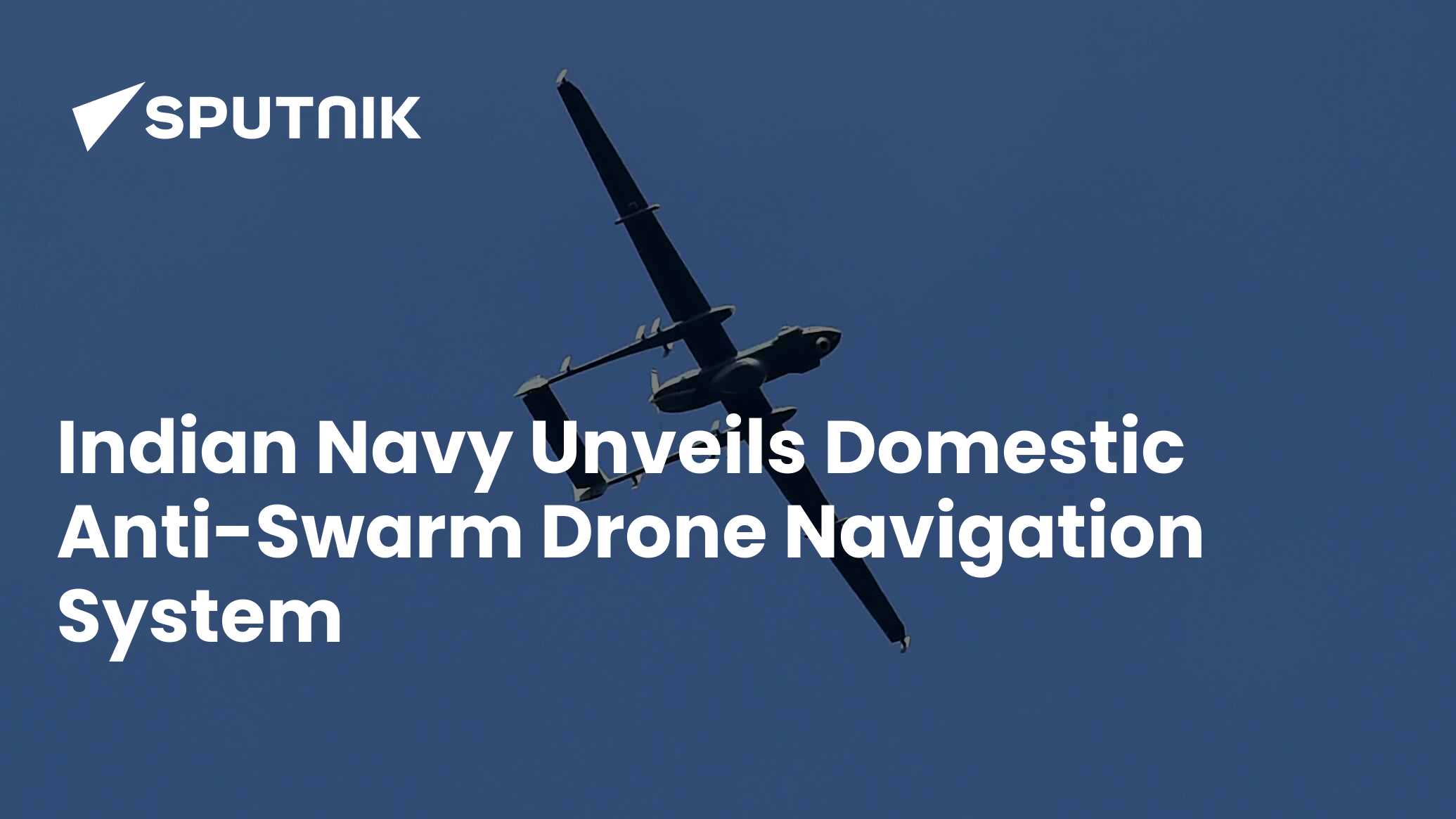
Indian Navy Unveils Domestically Built Anti-Swarm Drone Navigation System

2023-10-05
Sputnik India
Why's our monitor labelling this an incident or hazard?
The article explicitly mentions an indigenous navigation system and anti-swarm drone technology, which reasonably implies the use of AI for autonomous navigation and threat response. Although no harm has occurred yet, the system's purpose to defend against drone attacks and the ongoing development of advanced proximity fuses indicate potential future risks. The event does not describe any realized harm or incident but highlights a credible risk of harm from the AI system's deployment in military contexts. Hence, it fits the definition of an AI Hazard rather than an AI Incident or Complementary Information.