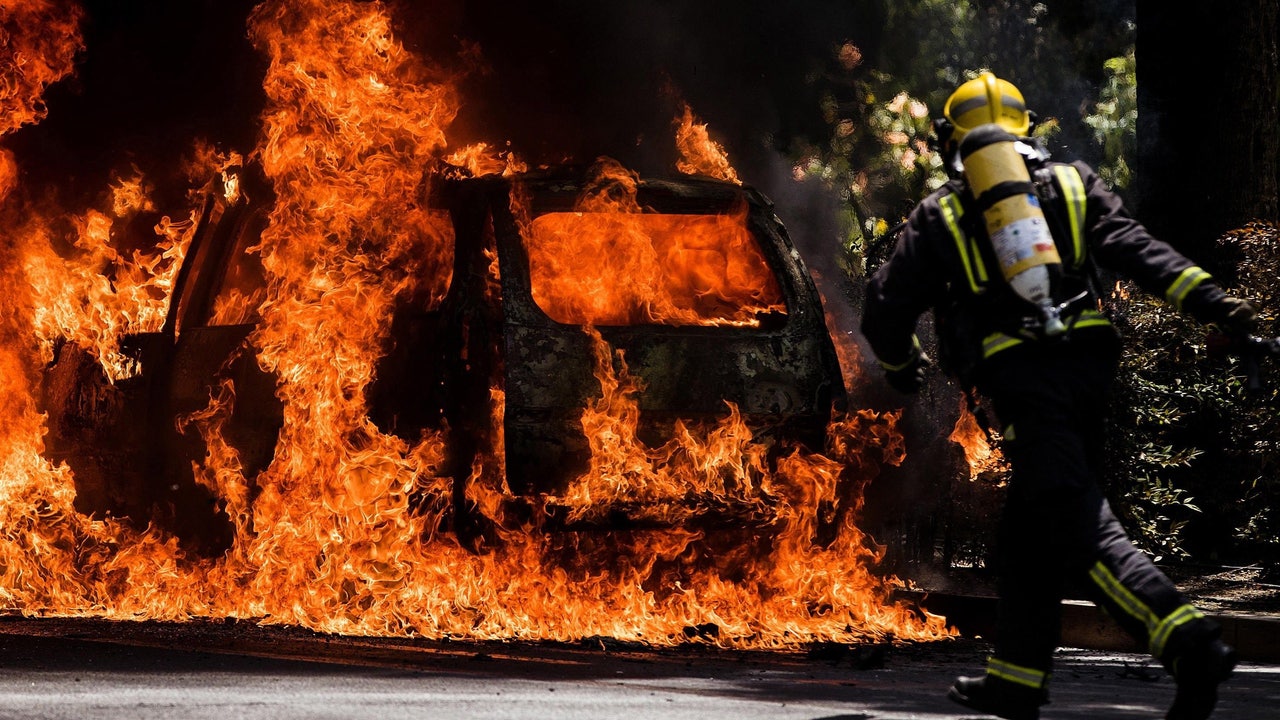
AI-Based Early Fire Detection Piloted in Andalusia

Thumbnail Image

The information displayed in the AIM should not be reported as representing the official views of the OECD or of its member countries.

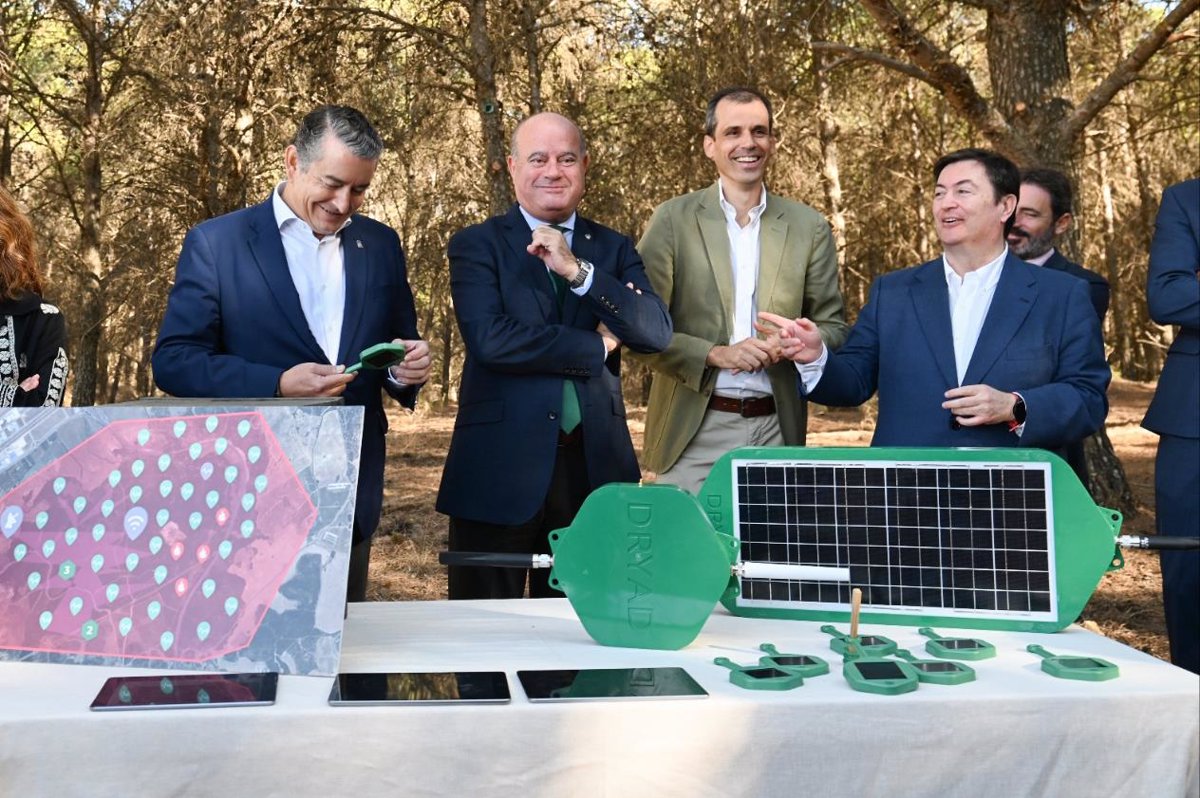
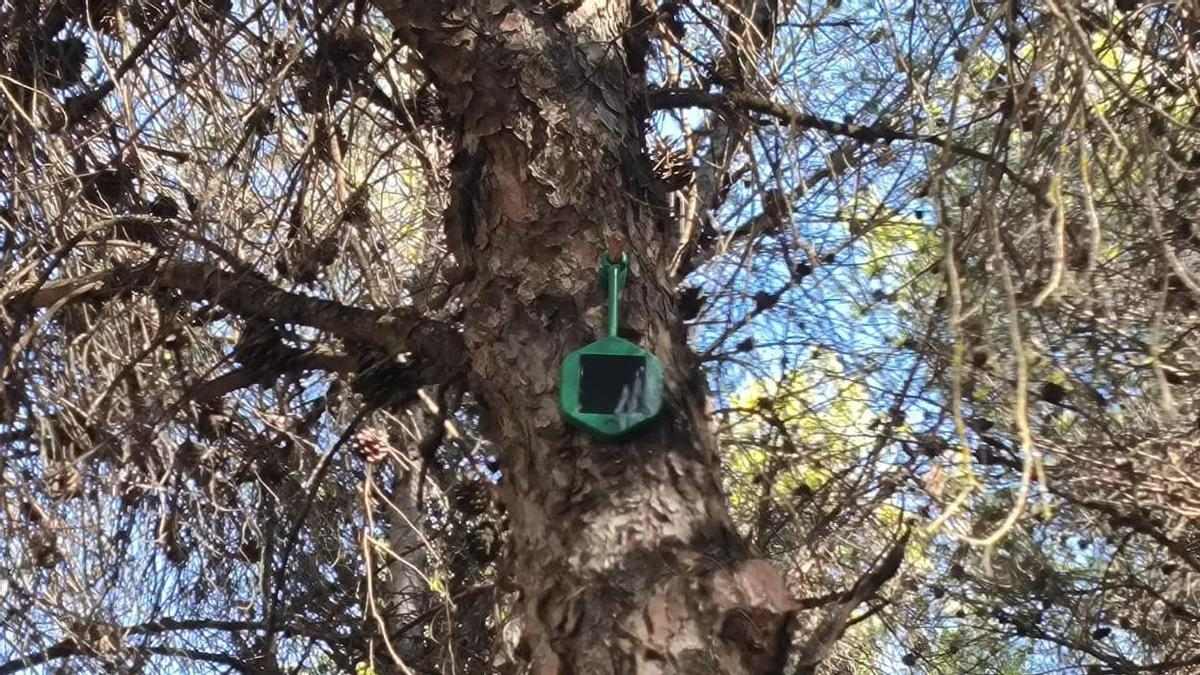
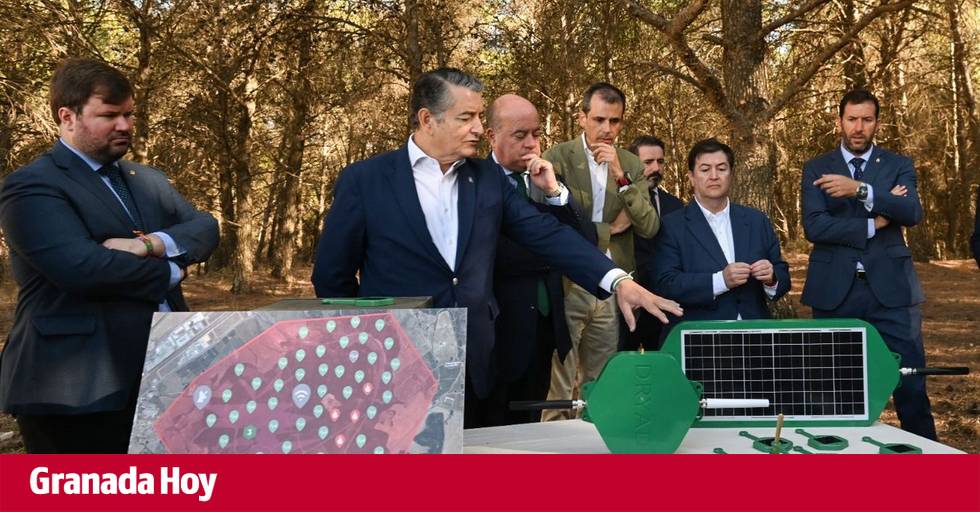
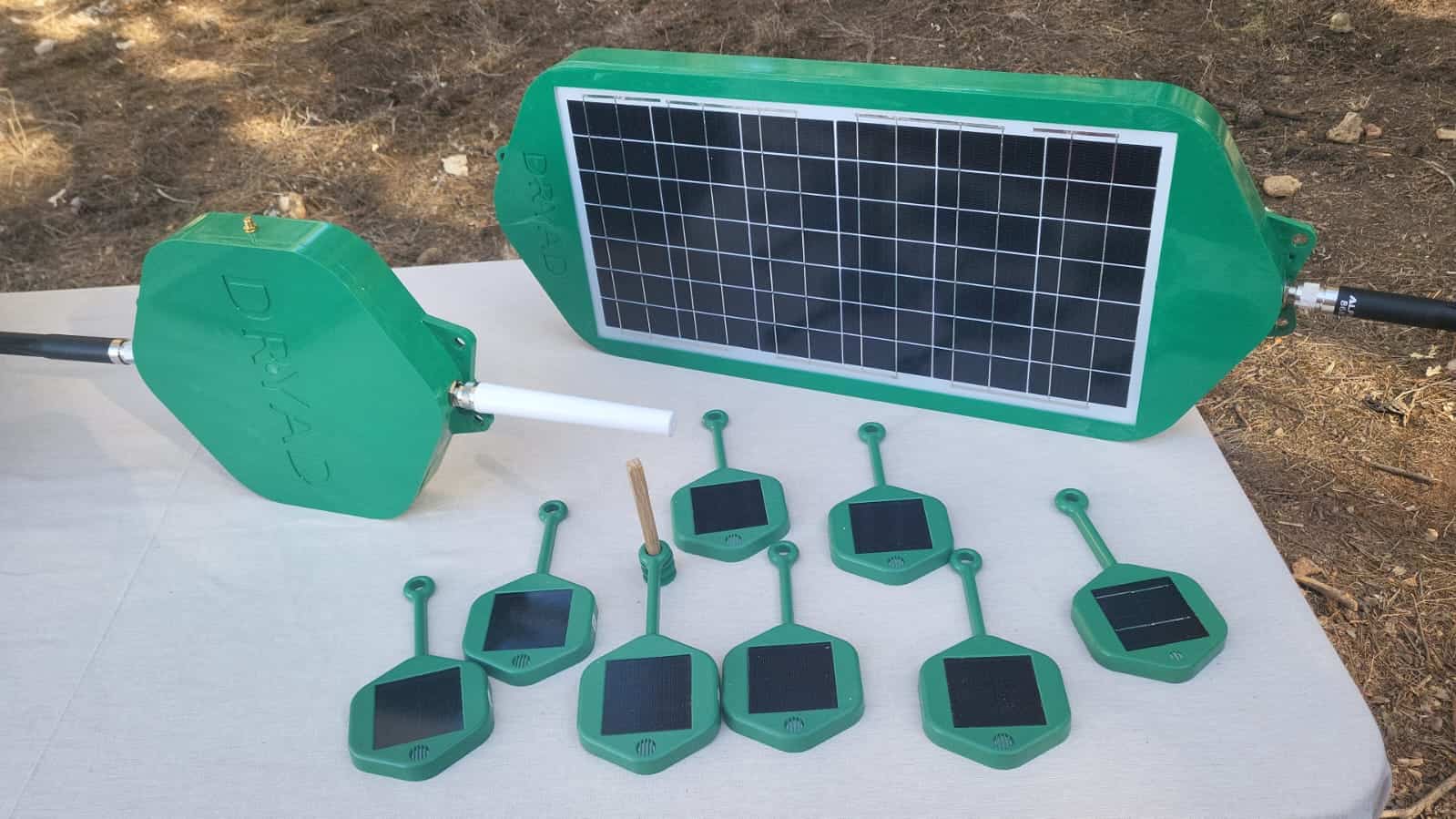
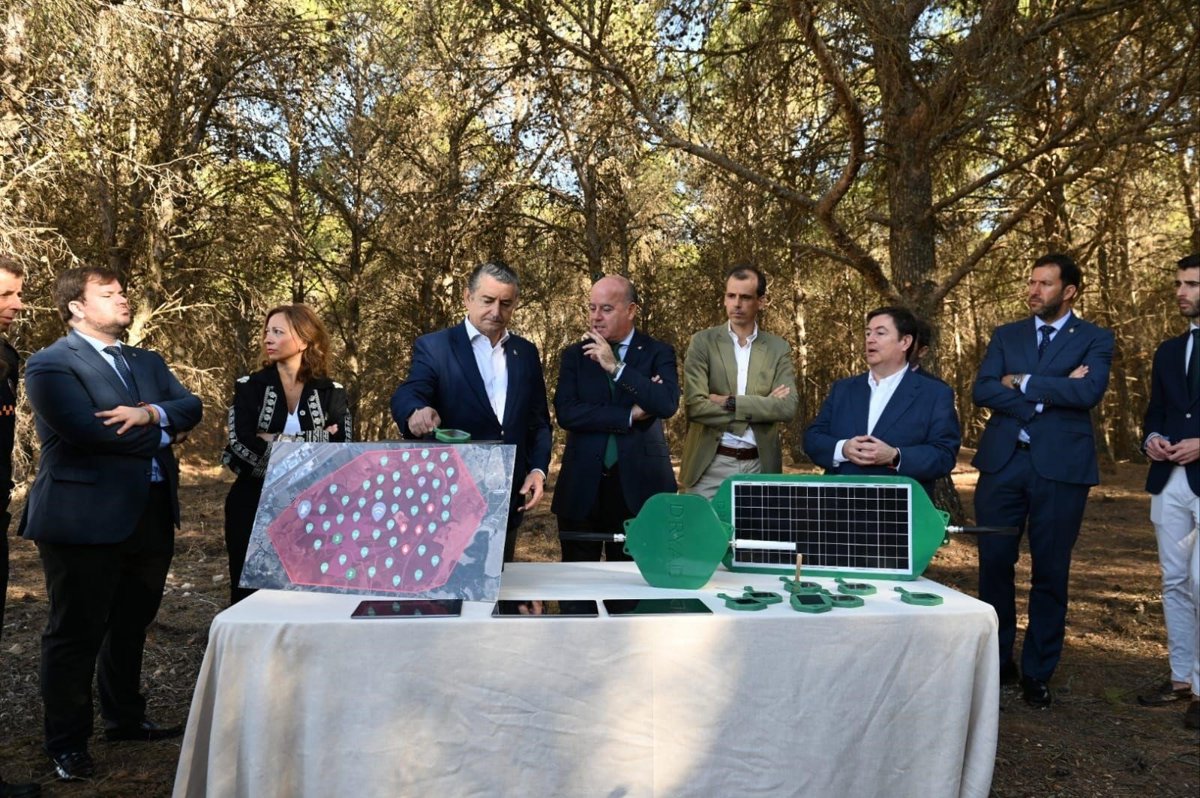
Vodafone, in collaboration with the Junta de Andalucía and the Antequera City Council, is piloting an AI-driven system using machine learning and sensors to detect early signs of forest fires. The system aims to prevent harm by identifying combustion particles, but no incidents or harm have occurred yet during testing.[AI generated]

Why's our monitor labelling this an incident or hazard?

The event involves the use of an AI system (machine learning-based sensors for early fire detection) intended to prevent harm (forest fires). However, there is no indication that the AI system has caused any harm or malfunctioned leading to harm. The system is being tested and deployed to reduce risks, so the event represents a plausible future risk mitigation rather than an incident. Therefore, it qualifies as an AI Hazard because the AI system's use could plausibly lead to preventing or managing incidents, but no harm has yet occurred due to the AI system itself. It is not Complementary Information because the article is not about a response to a past incident but about the initial deployment and testing of the AI system.[AI generated]
AI principles
SafetyRobustness & digital securityAccountabilityTransparency & explainabilityPrivacy & data governanceRespect of human rights

Industries
Environmental servicesGovernment, security, and defenceIT infrastructure and hostingDigital security

Harm types
EnvironmentalPhysical (injury)Physical (death)Economic/PropertyReputationalPublic interestPsychological

Severity
AI hazard

Business function:
Monitoring and quality controlResearch and development

AI system task:
Event/anomaly detection


Articles about this incident or hazard

Thumbnail Image

La Inteligencia Artificial se incorpora a la lucha contra los...

2023-10-05
europa press
Why's our monitor labelling this an incident or hazard?
The event involves the use of an AI system (machine learning-based sensors for early fire detection) intended to prevent harm (forest fires). However, there is no indication that the AI system has caused any harm or malfunctioned leading to harm. The system is being tested and deployed to reduce risks, so the event represents a plausible future risk mitigation rather than an incident. Therefore, it qualifies as an AI Hazard because the AI system's use could plausibly lead to preventing or managing incidents, but no harm has yet occurred due to the AI system itself. It is not Complementary Information because the article is not about a response to a past incident but about the initial deployment and testing of the AI system.
Thumbnail Image

Vodafone desarrolla una sistema de IA para luchar contra los...

2023-10-05
europa press
Why's our monitor labelling this an incident or hazard?
The article describes the development and deployment of an AI system designed to detect forest fires early, which is a preventive safety application. There is no mention of any incident or malfunction causing harm, nor any plausible risk of harm arising from the system's use. Instead, the system aims to reduce harm by enabling quicker fire response. Therefore, this event does not qualify as an AI Incident or AI Hazard. It is best classified as Complementary Information because it provides context on AI applications improving public safety and emergency management without reporting any harm or risk of harm.
Thumbnail Image

Así se utiliza la Inteligencia Artificial para luchar contra los incendios forestales en Andalucía

2023-10-05
La Razón
Why's our monitor labelling this an incident or hazard?
The AI system is explicitly mentioned as being used for early detection of forest fires through machine learning and sensor data processing. The article focuses on the system's deployment and testing phase, highlighting its potential benefits in minimizing fire damage. No actual harm or malfunction related to the AI system is reported. Since the AI system's use could plausibly lead to preventing significant harm (injury, property damage, environmental harm) but no harm has yet occurred, this qualifies as an AI Hazard rather than an AI Incident. The rest of the article discusses governance and emergency management measures, which do not change this classification.
Thumbnail Image

Vodafone desarrolla un sistema de detección temprana de incendios - ElNacional.cat

2023-10-06
ElNacional.cat
Why's our monitor labelling this an incident or hazard?
The event involves the use of an AI system (machine learning algorithms processing sensor data) designed to detect early signs of forest fires. While no harm has yet occurred, the system's deployment aims to prevent or mitigate harm to property, communities, and the environment by enabling early intervention. Therefore, this is a positive application of AI with potential to reduce harm rather than cause it. Since no incident or harm has occurred, and the system's use is intended to prevent harm, this event does not qualify as an AI Incident or AI Hazard. It is best classified as Complementary Information, as it provides context on AI's beneficial application and technological development in the ecosystem.
Thumbnail Image

Andalucía incorpora la inteligencia artificial a la lucha contra los incendios

2023-10-05
Granada Hoy
Why's our monitor labelling this an incident or hazard?
The event involves the use of an AI system (machine learning and sensor data processing) for early detection of forest fires, which directly relates to harm prevention (harm to communities and environment). Although the system is in a testing phase and no actual harm has been reported yet, the AI system's use is intended to reduce or prevent harm from fires. Since the article does not report any realized harm caused by the AI system but focuses on its deployment and potential to prevent harm, this qualifies as an AI Hazard rather than an AI Incident. The AI system's involvement could plausibly lead to preventing or mitigating harm from forest fires, which fits the definition of an AI Hazard.
Thumbnail Image

Comentar

2023-10-06
cibersur.com
Why's our monitor labelling this an incident or hazard?
The event involves the use of an AI system (machine learning algorithms processing sensor data) for early detection of forest fires, which is a safety-critical application. However, the article only describes the deployment and testing phase of the system, with no actual fires detected or harm caused so far. Therefore, no realized harm has occurred yet. The system's use could plausibly lead to prevention of harm (fires), but since no incident or harm has occurred, this qualifies as an AI Hazard rather than an AI Incident. The article is not merely general AI news or a product launch, as it focuses on the pilot deployment of a specific AI system with potential safety impact.
Thumbnail Image

La incorporación de la Inteligencia Artificial en Andalucía fortalece la lucha contra los incendios forestales

2023-10-05
NoticiasDe.es
Why's our monitor labelling this an incident or hazard?
The event involves the use of an AI system (machine learning-based early fire detection) in a safety-critical application. However, there is no indication that the AI system has caused any harm or malfunction. Instead, it is intended to prevent harm by early detection of fires. Since the system is still in testing and no incident or harm has occurred, this qualifies as an AI Hazard, as the AI system could plausibly lead to preventing or mitigating harm in the future, but no incident has yet materialized.
Thumbnail Image

Vodafone aplica la IA para la detección temprana de incendios | DiarioAbierto

2023-10-05
DiarioAbierto
Why's our monitor labelling this an incident or hazard?
The event describes the use of an AI system (machine learning algorithms processing sensor data) for early detection of forest fires, which is intended to prevent or reduce harm to communities and the environment. However, the article only discusses a pilot and testing phase, with no actual harm or incident reported yet. Therefore, this represents a plausible future risk mitigation tool rather than an incident or hazard causing harm. It is a development and deployment of AI technology aimed at preventing harm, so it fits best as Complementary Information rather than an AI Incident or AI Hazard.