Tesla Faces Legal and Regulatory Scrutiny Over Autopilot AI Defects Linked to Fatalities

Thumbnail Image

The information displayed in the AIM should not be reported as representing the official views of the OECD or of its member countries.

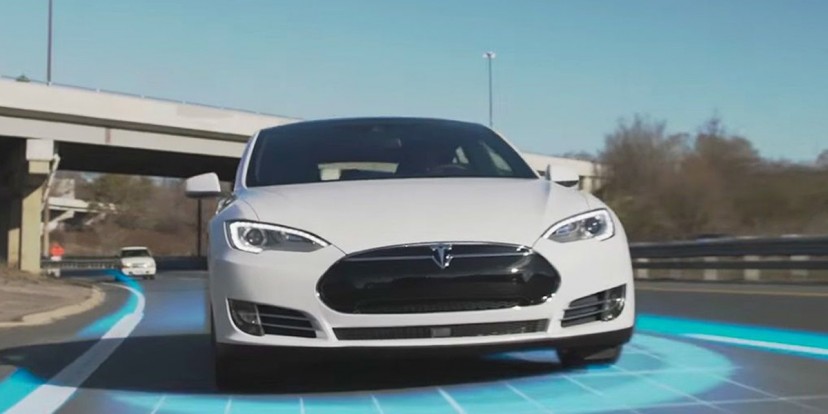
Tesla's Autopilot AI system is under intense scrutiny after fatal accidents where the system failed to detect crossing trucks, resulting in deaths. Evidence suggests Tesla was aware of these defects but continued marketing the system as fully autonomous, leading to potential punitive damages and regulatory bans in the UK over misleading safety claims.[AI generated]

Why's our monitor labelling this an incident or hazard?

The Tesla autopilot is an AI system involved in autonomous vehicle navigation. The accidents described resulted in fatalities, which is direct harm to persons. The company's knowledge of the system's limitations and decision to release it anyway shows the AI system's malfunction and use directly caused harm. Therefore, this qualifies as an AI Incident due to injury or harm to persons caused by the AI system's malfunction and use.[AI generated]
AI principles
AccountabilitySafetyRobustness & digital securityTransparency & explainabilityHuman wellbeing

Industries
Mobility and autonomous vehiclesConsumer products

Affected stakeholders
ConsumersBusiness

Harm types
Physical (death)ReputationalEconomic/PropertyPublic interest

Severity
AI incident

Business function:
Marketing and advertisementMonitoring and quality controlCompliance and justice

AI system task:
Recognition/object detectionGoal-driven organisation


Articles about this incident or hazard

Thumbnail Image

Tesla 'faces ban' on selling self-driving cars in Britain

2023-11-25
The Telegraph
Why's our monitor labelling this an incident or hazard?
Tesla's Full Self-Driving technology is an AI system designed for autonomous vehicle operation. The UK government's planned ban on marketing it as "self-driving" without approval is a regulatory response to prevent misleading claims and potential safety risks. Since the technology requires driver monitoring and is not yet approved, the risk of harm exists if users over-rely on it or misunderstand its capabilities. However, the article does not report any actual harm or incidents caused by the AI system in the UK. Thus, the event is best classified as an AI Hazard, reflecting the plausible future risk of harm from the AI system's use or misuse under current regulatory scrutiny.
Thumbnail Image

Tesla knew about defects in "self-driving" system | Boing Boing

2023-11-25
Boing Boing
Why's our monitor labelling this an incident or hazard?
The Tesla autopilot is an AI system involved in autonomous vehicle navigation. The accidents described resulted in fatalities, which is direct harm to persons. The company's knowledge of the system's limitations and decision to release it anyway shows the AI system's malfunction and use directly caused harm. Therefore, this qualifies as an AI Incident due to injury or harm to persons caused by the AI system's malfunction and use.
Thumbnail Image

Tesla faces potential punitive damages as judge finds 'reasonable evidence' of Autopilot defect awareness

2023-11-25
ArenaEV.com
Why's our monitor labelling this an incident or hazard?
The Tesla Autopilot system is an AI system designed for autonomous driving. The fatal accident involving Stephen Banner's Tesla Model 3, where the Autopilot failed to detect a crossing truck, directly links the AI system's malfunction to injury and death. The judge's finding that Tesla was aware of these defects but marketed the system as fully autonomous indicates indirect causation of harm through misleading use. This meets the criteria for an AI Incident as the AI system's malfunction and use have directly or indirectly led to harm to a person.