
Mexico Proposes Harsh Penalties for AI-Generated Sexual Deepfakes After Student Incident

Thumbnail Image

The information displayed in the AIM should not be reported as representing the official views of the OECD or of its member countries.

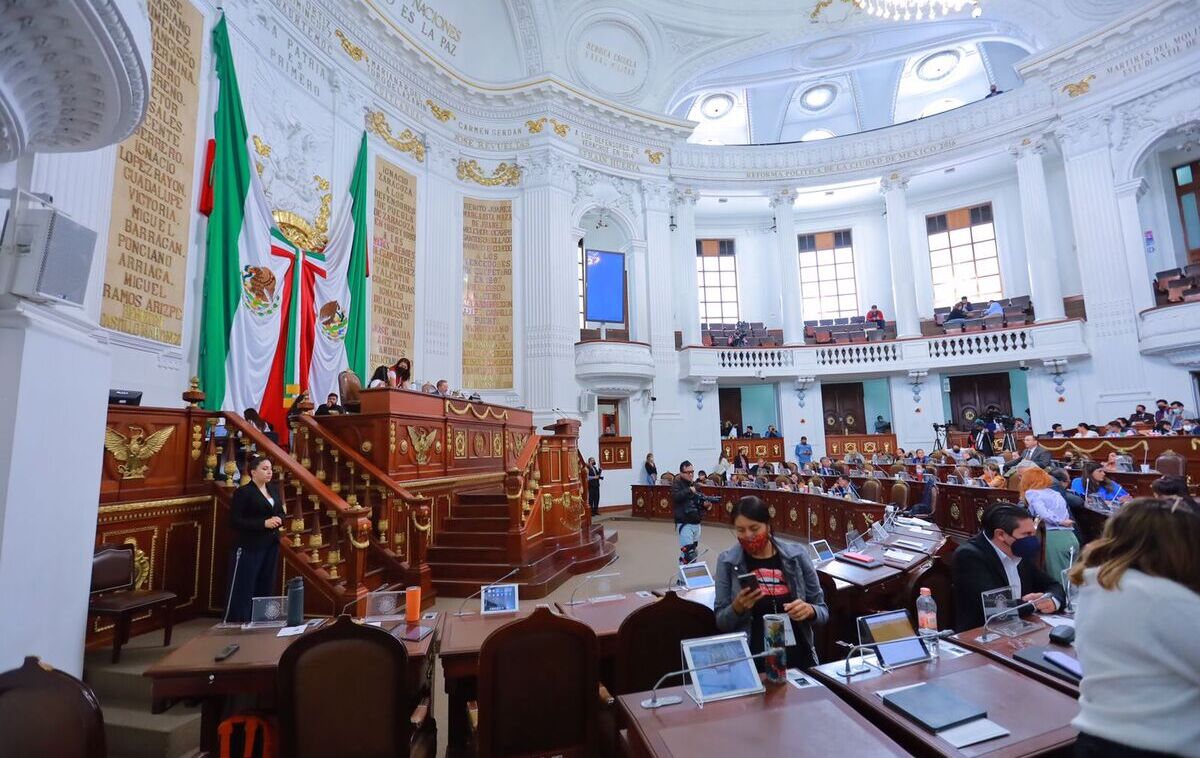
Mexican lawmakers, led by Deputy Guadalupe Morales, proposed up to 12 years in prison for creating or distributing AI-generated sexual deepfakes. The initiative follows incidents, including a student producing over 160,000 fake intimate images, highlighting the severe reputational and emotional harm caused by AI misuse.[AI generated]

Why's our monitor labelling this an incident or hazard?

The event involves the use of AI systems to generate deepfake sexual content, which has directly caused harm to individuals' privacy, reputation, and emotional well-being, constituting violations of rights and harm to communities. The article reports on an actual incident where AI-generated deepfakes were used maliciously, resulting in legal action. Therefore, this qualifies as an AI Incident because the AI system's use directly led to harm and legal consequences. The legislative proposal and public awareness efforts are responses to this incident, but the primary focus is on the realized harm caused by AI misuse.[AI generated]
AI principles
AccountabilityPrivacy & data governanceRespect of human rightsRobustness & digital securitySafetyHuman wellbeingTransparency & explainability

Industries
Media, social platforms, and marketingDigital securityGovernment, security, and defenceEducation and training

Affected stakeholders
General public

Harm types
ReputationalPsychologicalHuman or fundamental rights

Severity
AI incident

AI system task:
Content generation


Articles about this incident or hazard

Thumbnail Image

Morena buscará sancionar difusión de videos íntimos creados con IA

2023-11-24
Milenio.com
Why's our monitor labelling this an incident or hazard?
The article discusses the use of AI to create manipulated sexual content (deepfakes) and the proposal to sanction such acts legally. While it acknowledges the serious harm such AI misuse can cause, it does not describe a specific AI Incident where harm has already occurred. Rather, it addresses the plausible future harm from AI misuse and the legislative efforts to mitigate it. Therefore, this qualifies as Complementary Information, as it provides governance and societal response context to AI-related risks without reporting a new incident or hazard itself.
Thumbnail Image

México: deepfakes sexuales podrán ser castigados con hasta 8 años de prisión | RPP Noticias

2023-11-27
RPP noticias
Why's our monitor labelling this an incident or hazard?
The article focuses on a legislative initiative to address harms caused by AI-generated sexual deepfakes. While the misuse of AI has led to harm (violation of rights and harm to individuals), the article itself primarily reports on the proposed legal response rather than describing a new AI Incident or Hazard. The event is best classified as Complementary Information because it provides context on societal and governance responses to AI-related harms, rather than reporting a new incident or a plausible future hazard directly.
Thumbnail Image

México busca castigar a quienes usen inteligencia artificial para generar contenido sexual de mujeres

2023-11-24
Hipertextual
Why's our monitor labelling this an incident or hazard?
The event involves the use of AI systems to generate deepfake sexual content, which has directly caused harm to individuals' privacy, reputation, and emotional well-being, constituting violations of rights and harm to communities. The article reports on an actual incident where AI-generated deepfakes were used maliciously, resulting in legal action. Therefore, this qualifies as an AI Incident because the AI system's use directly led to harm and legal consequences. The legislative proposal and public awareness efforts are responses to this incident, but the primary focus is on the realized harm caused by AI misuse.
Thumbnail Image

Plantean hasta 12 años de cárcel por crear contenido íntimo falso con Inteligencia Artificial

2023-11-24
Aristegui Noticias
Why's our monitor labelling this an incident or hazard?
The article discusses the use of AI systems to generate fake intimate images without consent, which constitutes a violation of personal rights and causes harm to individuals. The referenced case of a student generating over 160,000 such images indicates that harm has already occurred. The legislative proposal aims to address and penalize this harm. Since the AI system's use has directly led to violations of rights and harm to individuals, this qualifies as an AI Incident. The main focus is on the harm caused and the legislative response, not just the response itself, so it is not merely Complementary Information.
Thumbnail Image

Van contra 'deepfakes', plantean hasta 12 años de cárcel por crear contenido íntimo falso

2023-11-24
Vanguardia
Why's our monitor labelling this an incident or hazard?
The article explicitly mentions the use of AI systems to generate sexual deepfake content involving real people's faces without consent, which has caused reputational and personal harm. The detention of a student for producing over 160,000 such images confirms realized harm. This fits the definition of an AI Incident because the AI system's use directly led to violations of rights and harm to individuals. The legislative proposal aims to address and prevent such harms, but the incident itself has already occurred, making this an AI Incident rather than a hazard or complementary information.
Thumbnail Image

Morena buscará sancionar con hasta ocho años de cárcel difusión de videos íntimos creados con IA | Periódico Zócalo | Noticias de Saltillo, Torreón, Piedras Negras, Monclova, Acuña

2023-11-24
Zócalo Saltillo
Why's our monitor labelling this an incident or hazard?
The article discusses the use and misuse of AI in creating manipulated sexual content and the associated harms, but it does not report a new incident where AI use has directly or indirectly caused harm. Instead, it centers on a legislative initiative aimed at addressing such harms. Therefore, it qualifies as Complementary Information, providing context and governance response to known AI-related issues rather than describing a new AI Incident or AI Hazard.