Nio Plans Massive Workforce Reduction via AI and Robotics Automation

Thumbnail Image

The information displayed in the AIM should not be reported as representing the official views of the OECD or of its member countries.

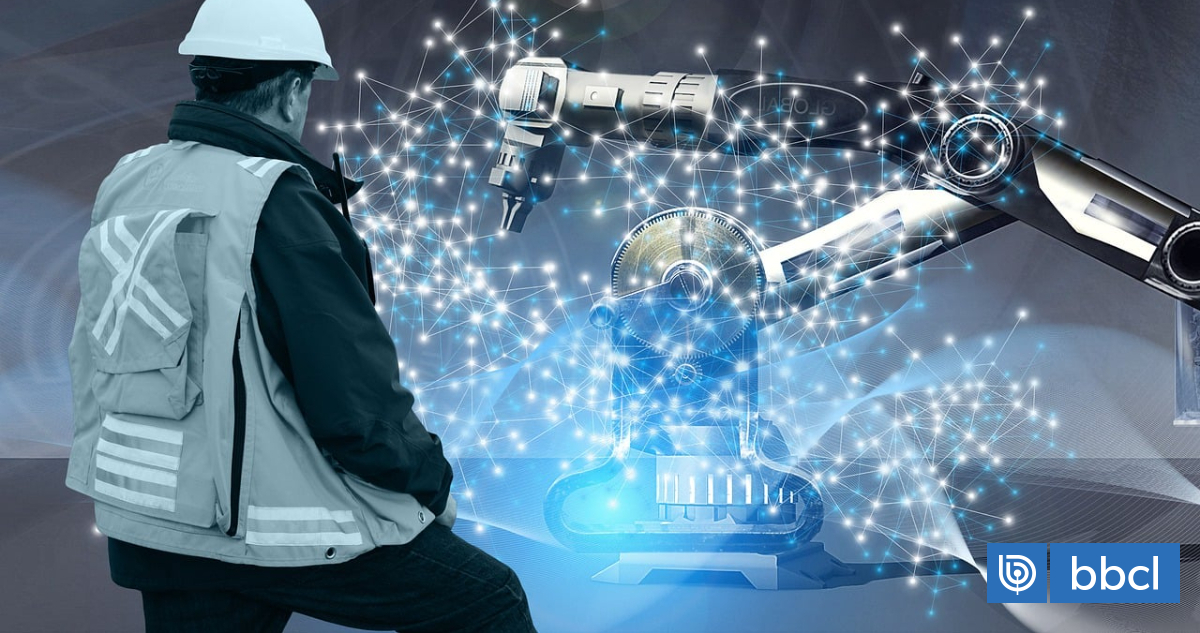
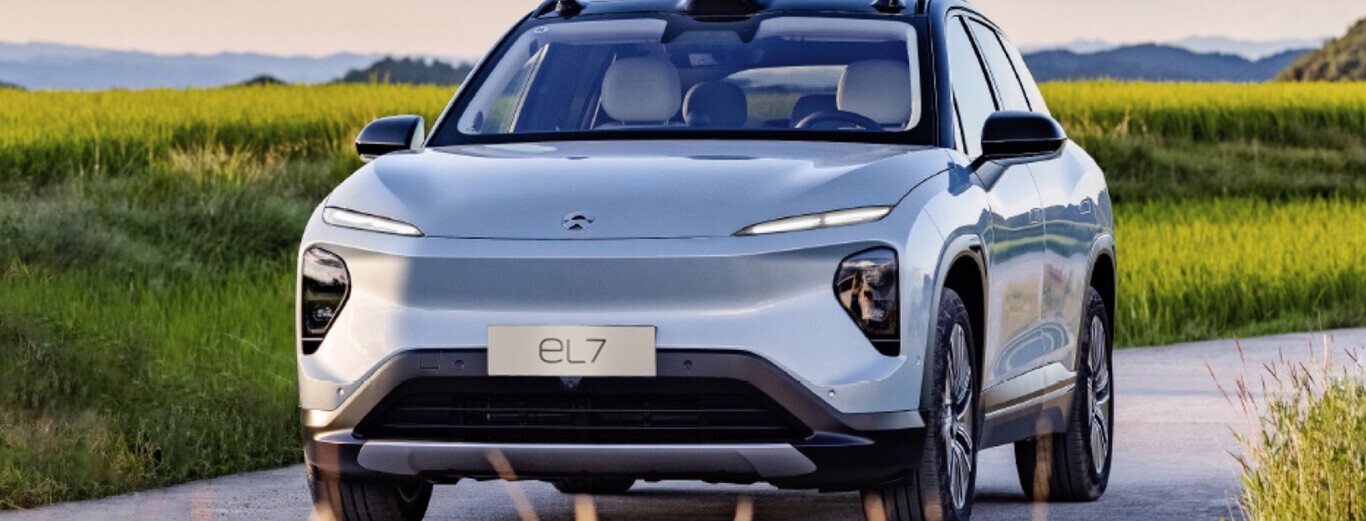
Chinese electric vehicle maker Nio announced plans to replace 30% of its production workers with robots and cut 50% of managerial positions using AI by 2027. The company aims to reduce labor costs and dependence on skilled workers, raising concerns about significant future job displacement due to automation.[AI generated]

Why's our monitor labelling this an incident or hazard?

The article explicitly mentions the use of AI and robots to replace workers and managers, which involves AI systems. However, it only discusses planned future reductions and automation without any current harm or incident. The potential for job loss is a recognized societal concern but is not framed as an immediate or direct harm caused by AI malfunction or misuse. Hence, it fits the definition of an AI Hazard, as the development and deployment of AI systems could plausibly lead to significant labor market impacts in the future, but no incident has yet occurred.[AI generated]
AI principles
AccountabilityFairnessHuman wellbeingTransparency & explainabilityDemocracy & human autonomy

Industries
Mobility and autonomous vehiclesRobots, sensors, and IT hardware

Affected stakeholders
Workers

Harm types
Economic/PropertyPsychological

Severity
AI hazard

Business function:
ManufacturingHuman resource managementPlanning and budgeting

AI system task:
Goal-driven organisationReasoning with knowledge structures/planningOrganisation/recommendersRecognition/object detection


Articles about this incident or hazard

Thumbnail Image

Automotriz china sustituirá al 30% de sus trabajadores por robots e IA hacia 2027

2023-11-27
Última Hora
Why's our monitor labelling this an incident or hazard?
The event involves the planned use of AI systems and robots to replace human labor, which is a development and use of AI systems with significant social and economic implications. However, the article does not describe any realized harm or incident resulting from this AI deployment, nor does it report any direct or indirect injury, rights violations, or other harms. The focus is on future plans and potential impacts rather than an actual incident or hazard. Therefore, this is best classified as Complementary Information, providing context on AI adoption and its potential workforce impact without describing a specific AI Incident or AI Hazard.
Thumbnail Image

Fabricante automotriz anuncia que reducirá trabajadores y directivos: los sustituirá por robots e IA

2023-11-27
BioBioChile
Why's our monitor labelling this an incident or hazard?
The article explicitly mentions the use of AI and robots to replace workers and managers, which involves AI systems. However, it only discusses planned future reductions and automation without any current harm or incident. The potential for job loss is a recognized societal concern but is not framed as an immediate or direct harm caused by AI malfunction or misuse. Hence, it fits the definition of an AI Hazard, as the development and deployment of AI systems could plausibly lead to significant labor market impacts in the future, but no incident has yet occurred.
Thumbnail Image

La automotriz china Nio sustituirá al 30 % de sus trabajadores por robots e IA hacia 2027

2023-11-27
infobae
Why's our monitor labelling this an incident or hazard?
The event involves the planned use of AI systems and industrial robots to replace human workers and managers, which is a clear AI system involvement in the development and use phases. Although no direct or indirect harm has yet occurred, the large-scale replacement of workers by AI and robots plausibly could lead to significant harms related to employment, labor rights, and social disruption. Since the article focuses on future plans and potential impacts without reporting actual harm, it fits the definition of an AI Hazard rather than an AI Incident. It is not Complementary Information because it is not an update or response to a prior incident, nor is it unrelated as it clearly involves AI systems and their societal implications.
Thumbnail Image

Nio cambiará por robots e IA al 30% de los trabajadores y la mitad de la dirección

2023-11-27
LaVanguardia
Why's our monitor labelling this an incident or hazard?
The event involves the use and development of AI systems (industrial robots and AI decision-making tools) in manufacturing and management. However, the article only discusses future intentions and potential workforce reductions without any realized harm or incidents. There is no indication of injury, rights violations, or other harms occurring at this stage. Therefore, this constitutes a plausible future risk scenario related to AI's impact on employment and organizational structure, fitting the definition of an AI Hazard rather than an Incident or Complementary Information.
Thumbnail Image

Nio no quiere trabajadores en sus fábricas. Quiere robots e inteligencia artificial

2023-11-28
Xataka
Why's our monitor labelling this an incident or hazard?
The article details the use and planned expansion of AI systems in manufacturing processes, which is a clear AI system involvement. The event stems from the use and development of AI for automation and decision-making. While there is an indirect implication of harm to workers through job displacement, the article does not describe any direct or realized harm such as injury, rights violations, or operational disruption caused by AI. The potential for future labor market harm exists but is not explicitly framed as a hazard or incident in the article. Therefore, this is best classified as Complementary Information, providing context on AI adoption and its economic and social implications without reporting a specific AI Incident or Hazard.
Thumbnail Image

Nio sustituirá a 30% de su personal por robos e IA para 2027

2023-11-27
Milenio.com
Why's our monitor labelling this an incident or hazard?
The event describes the intended future use of AI and robotics to replace human workers, which could plausibly lead to significant labor market impacts such as job losses. However, no actual harm has yet occurred as a result of AI system deployment or malfunction. Therefore, this constitutes a potential future harm scenario related to AI use in industry, fitting the definition of an AI Hazard rather than an AI Incident. There is no indication of realized harm or legal violations at this stage, nor is the article focused on responses or updates to prior incidents, so it is not Complementary Information.
Thumbnail Image

Un fabricante chino de coches eléctricos sustituirá al 30 % de los empleados por robots

2023-11-27
La Voz de Galicia
Why's our monitor labelling this an incident or hazard?
While the article clearly involves AI systems in the context of automation and management, it does not describe any realized harm or incident resulting from this AI use. The focus is on future plans to reduce human labor reliance through AI, which could plausibly lead to significant social and labor market impacts, such as job displacement. However, no actual harm or incident has occurred yet, and the article does not report any direct or indirect harm caused by AI. Therefore, this event is best classified as an AI Hazard, reflecting the plausible future harm from AI-driven workforce reductions and automation.
Thumbnail Image

Automotriz china sustituirá al 30% de sus trabajadores por robots e IA hacia 2027

2023-11-27
Gestión
Why's our monitor labelling this an incident or hazard?
The event involves the use of AI systems and robots (AI System involvement) in manufacturing and management decision-making (Nature of involvement: use). The article discusses planned workforce reductions due to AI and automation, which could plausibly lead to harms such as job loss and labor rights violations (Plausible Future Harm). However, no actual harm or incident has yet occurred or been reported (no direct or indirect harm realized). Thus, it fits the definition of an AI Hazard rather than an AI Incident or Complementary Information. It is not unrelated because it clearly involves AI systems and their impact on employment.
Thumbnail Image

Nio reemplazará 50% de directivos por IA desde 2025

2023-11-30
Portafolio.co
Why's our monitor labelling this an incident or hazard?
The article describes Nio's intention to use AI to replace a significant portion of managerial roles and reduce operational staff via industrial robots. While this involves AI system use and could plausibly lead to significant employment disruption (harm to workers' livelihoods), no actual harm has yet occurred as this is a future plan. Therefore, it constitutes a plausible future risk (AI Hazard) rather than an incident. There is no indication of direct or indirect harm realized at this time, nor is the article focused on responses or updates to past incidents, so it is not Complementary Information.