Delhi Plans AI Cameras to Detect Traffic Violations

Thumbnail Image

The information displayed in the AIM should not be reported as representing the official views of the OECD or of its member countries.

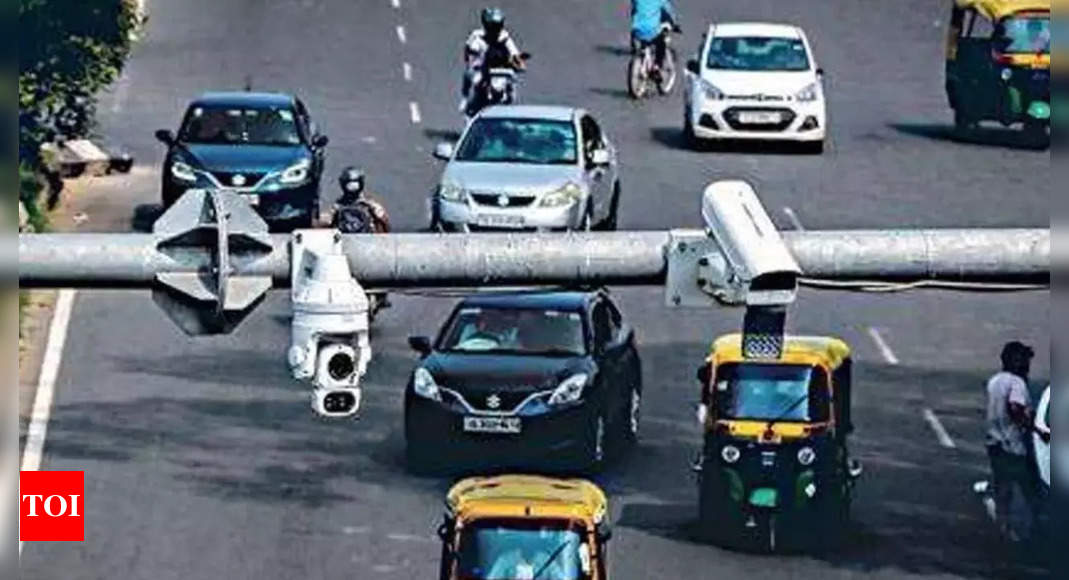
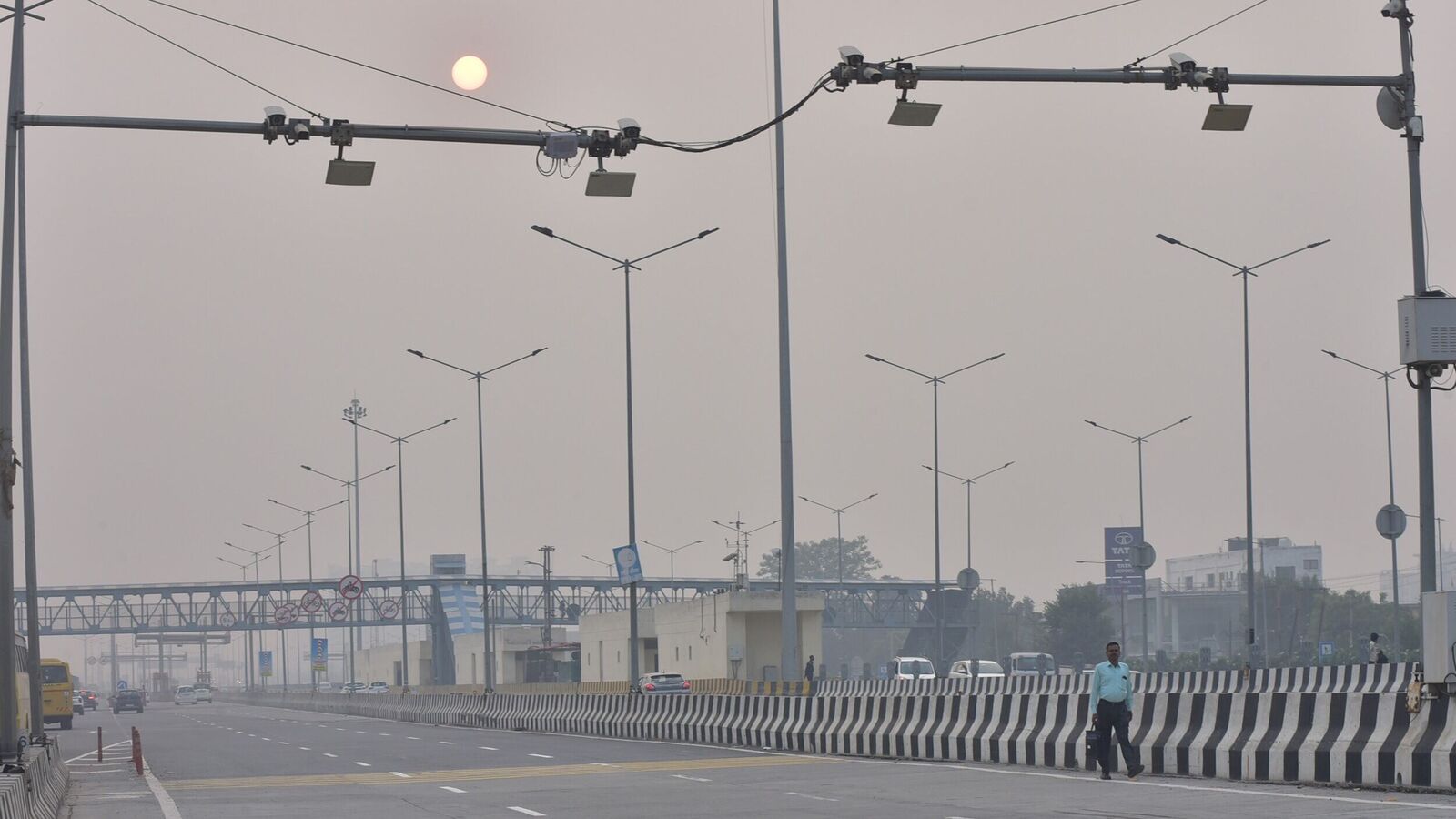
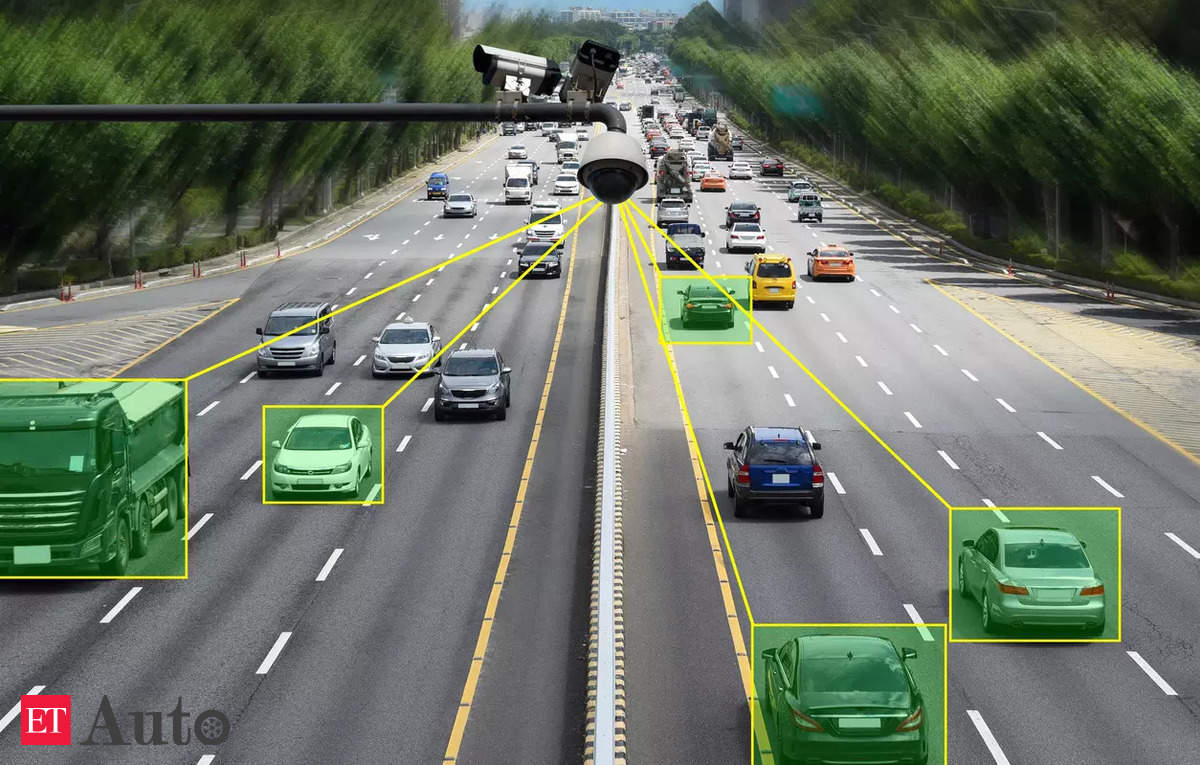
Delhi government plans to deploy AI-powered cameras with Automatic Number Plate Recognition and video analytics across the city to detect 19 traffic violations—including mobile use, overage vehicles, and triple riding. The Rs20 crore Integrated Traffic Enforcement Management System aims to reduce accidents and enforce penalties more efficiently.[AI generated]

Why's our monitor labelling this an incident or hazard?

The article discusses the intended use of AI systems (ANPR and video analytics) for traffic violation detection, which is a development and use of AI technology. However, there is no indication that any harm has occurred or that the system has malfunctioned. The event is about a planned implementation that could plausibly lead to improved enforcement and safety, but no incident or harm is reported yet. Therefore, it qualifies as an AI Hazard because the AI system's use could plausibly lead to impacts on traffic management and enforcement, but no harm has yet materialized.[AI generated]
AI principles
Privacy & data governanceRespect of human rightsTransparency & explainabilityAccountabilityFairnessRobustness & digital securitySafetyDemocracy & human autonomy

Industries
Government, security, and defenceMobility and autonomous vehicles

Affected stakeholders
General public

Harm types
Human or fundamental rightsEconomic/PropertyReputationalPsychological

Severity
AI hazard

Business function:
Monitoring and quality controlCompliance and justice

AI system task:
Recognition/object detectionEvent/anomaly detection


Articles about this incident or hazard

Thumbnail Image

AI to use numberplate, detect 19 different violations on road - ET Auto

2024-01-10
ETAuto.com
Why's our monitor labelling this an incident or hazard?
The article explicitly mentions the use of AI algorithms in the ANPR system to detect multiple traffic violations and enforce penalties. The AI system's use is directly linked to law enforcement activities that impact public safety and compliance with traffic laws. However, the article does not report any actual harm or incidents caused by the AI system malfunctioning or misuse. Instead, it describes the planned deployment and expected benefits of the AI system in improving traffic management and law enforcement. Therefore, this event does not describe an AI Incident or AI Hazard but rather provides information about the introduction of an AI system and its intended use, which fits the definition of Complementary Information.
Thumbnail Image

Delhi govt mulls to install AI-based cameras to detect traffic violations - Times of India

2024-01-10
The Times of India
Why's our monitor labelling this an incident or hazard?
The article discusses the intended use of AI systems (ANPR and video analytics) for traffic violation detection, which is a development and use of AI technology. However, there is no indication that any harm has occurred or that the system has malfunctioned. The event is about a planned implementation that could plausibly lead to improved enforcement and safety, but no incident or harm is reported yet. Therefore, it qualifies as an AI Hazard because the AI system's use could plausibly lead to impacts on traffic management and enforcement, but no harm has yet materialized.
Thumbnail Image

Delhi govt plans to install AI-powered cameras to detect traffic violations

2024-01-10
https://auto.hindustantimes.com
Why's our monitor labelling this an incident or hazard?
The event describes the planned use of AI systems (ANPR and AI-based video analytics) for traffic violation detection and enforcement. However, the article does not report any actual harm or incidents caused by these AI systems yet. The deployment is intended to prevent harm (traffic violations and accidents) and improve safety. Therefore, this is a plausible future use of AI that could lead to harm reduction but does not describe any realized harm or malfunction. Hence, it qualifies as an AI Hazard, as the AI system's use could plausibly lead to incidents (e.g., false positives, wrongful penalties, privacy concerns) though no harm is reported yet.
Thumbnail Image

Delhi government to launch AI-powered cameras to detect traffic violations

2024-01-10
Business Standard
Why's our monitor labelling this an incident or hazard?
The event describes the planned use of AI systems (AI-powered cameras with Automatic Number Plate Recognition and deep learning technology) to detect traffic violations and enhance public safety. However, the article does not report any actual harm or incidents caused by these AI systems yet. Instead, it describes a future deployment aimed at reducing traffic violations and accidents. Therefore, this is a plausible future use of AI that could lead to harm reduction but does not describe any realized harm or malfunction. Hence, it qualifies as an AI Hazard, as the AI system's use could plausibly lead to an AI Incident (e.g., improved enforcement reducing accidents), but no incident has occurred yet.
Thumbnail Image

Delhi govt mulls to install AI-based cameras to detect traffic violations

2024-01-09
ThePrint
Why's our monitor labelling this an incident or hazard?
The event involves the planned use of an AI system (ITMS with AI-based video analytics and ANPR technology) for traffic enforcement. While no harm has yet occurred, the deployment of such a system could plausibly lead to AI incidents, such as incorrect violation detection or privacy concerns, but the article focuses on the initiative and intended benefits without reporting any realized harm or malfunction. Therefore, this is an AI Hazard as the system's use could plausibly lead to incidents related to traffic enforcement errors or other harms in the future.
Thumbnail Image

Delhi govt mulls to install AI-based cameras to detect traffic violations | Business

2024-01-09
Devdiscourse
Why's our monitor labelling this an incident or hazard?
The event describes the planned installation and use of AI-based traffic enforcement cameras to detect violations and improve road safety. While the AI system is intended to reduce harm by enforcing traffic laws, the article does not report any realized harm or incidents caused by the AI system. Instead, it outlines the intended use and capabilities of the AI system. Therefore, this constitutes a plausible future risk scenario where the AI system could lead to incidents (e.g., incorrect violation detection or privacy concerns), but no actual harm has occurred yet. Hence, it fits the definition of an AI Hazard rather than an AI Incident or Complementary Information.
Thumbnail Image

India News | Delhi Govt Mulls to Install AI-based Cameras to Detect Traffic Violations | LatestLY

2024-01-09
LatestLY
Why's our monitor labelling this an incident or hazard?
The event involves the planned deployment of an AI system (ANPR and AI-based video analytics) for traffic violation detection and enforcement. However, the article describes a future initiative and does not report any realized harm or incident caused by the AI system. The system is intended to prevent harm (traffic violations and accidents) rather than causing harm. Therefore, this is a plausible future use of AI that could lead to improved safety, not an incident or hazard. It is a development and deployment plan, providing context on AI adoption in public safety, thus fitting the category of Complementary Information rather than an Incident or Hazard.
Thumbnail Image

Delhi government contemplating to install AI based cameras to spot traffic violations (Delhi) - New Delhi Times - India's Only International Newspaper - Empowering Global Vision, Empathizing with India

2024-01-10
New Delhi Times
Why's our monitor labelling this an incident or hazard?
The event describes the planned use of AI-based Automatic Number Plate Recognition and video analytics technology to detect traffic violations. While no harm has yet occurred, the deployment of such AI systems could plausibly lead to incidents such as privacy violations, wrongful fines, or enforcement errors. Therefore, this is an AI Hazard as it involves the use of AI systems that could plausibly lead to harm in the future, but no actual harm or incident is reported yet.