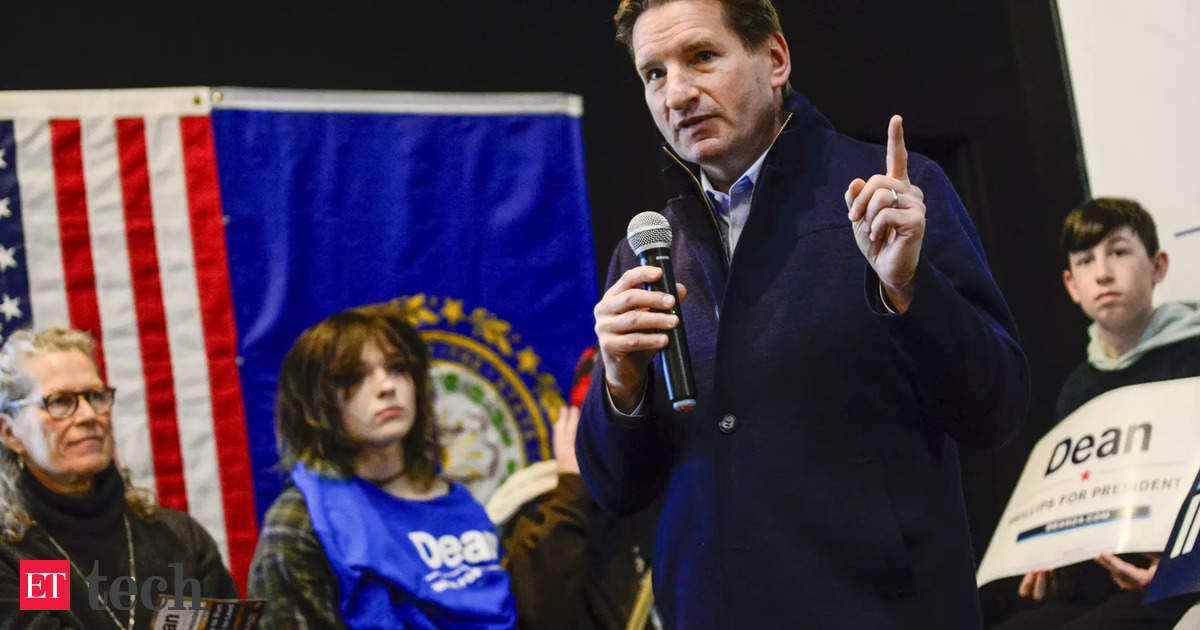
OpenAI Shuts Down Dean Phillips Impersonation Bot for Campaign Misuse

Thumbnail Image

The information displayed in the AIM should not be reported as representing the official views of the OECD or of its member countries.

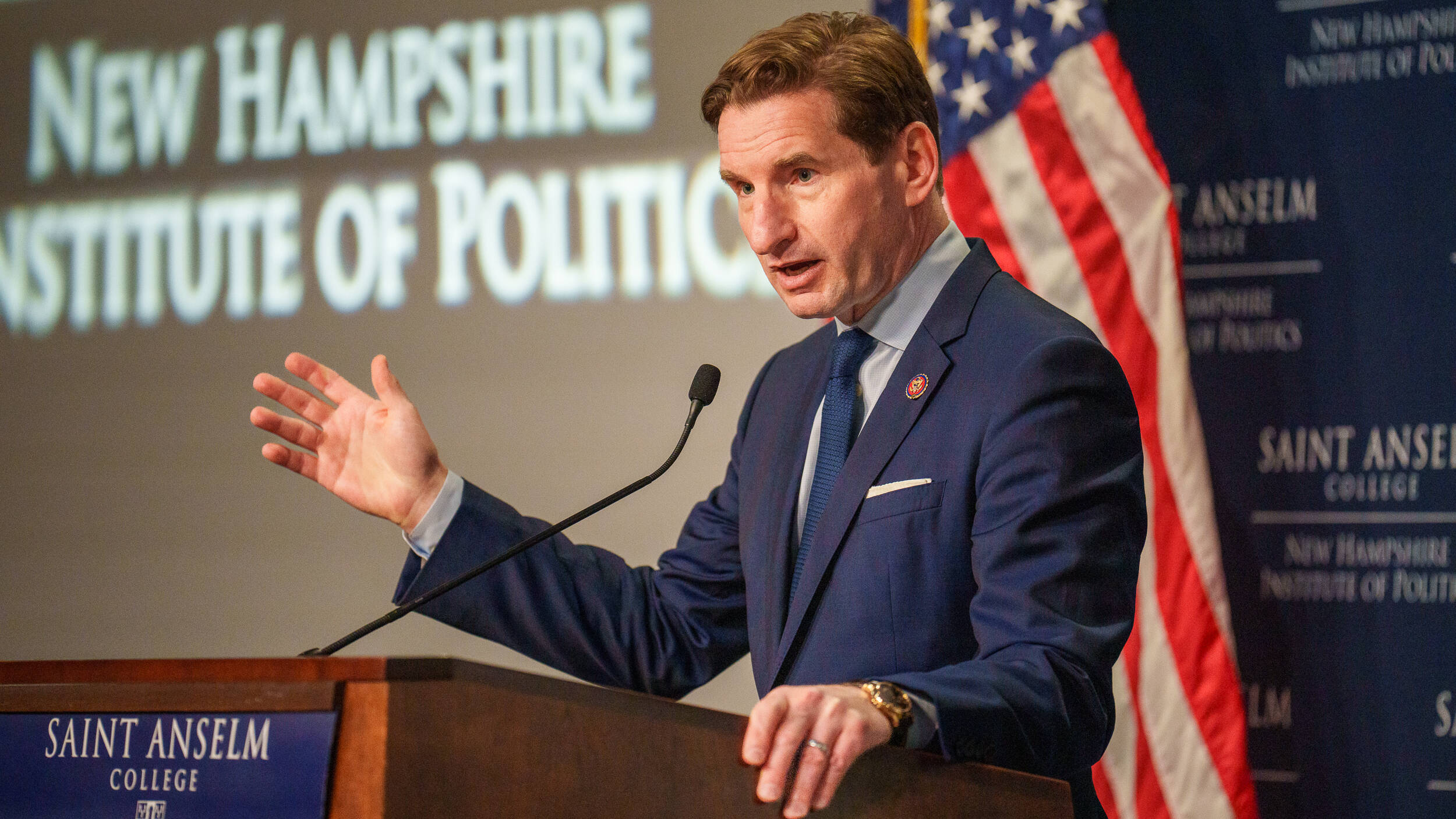
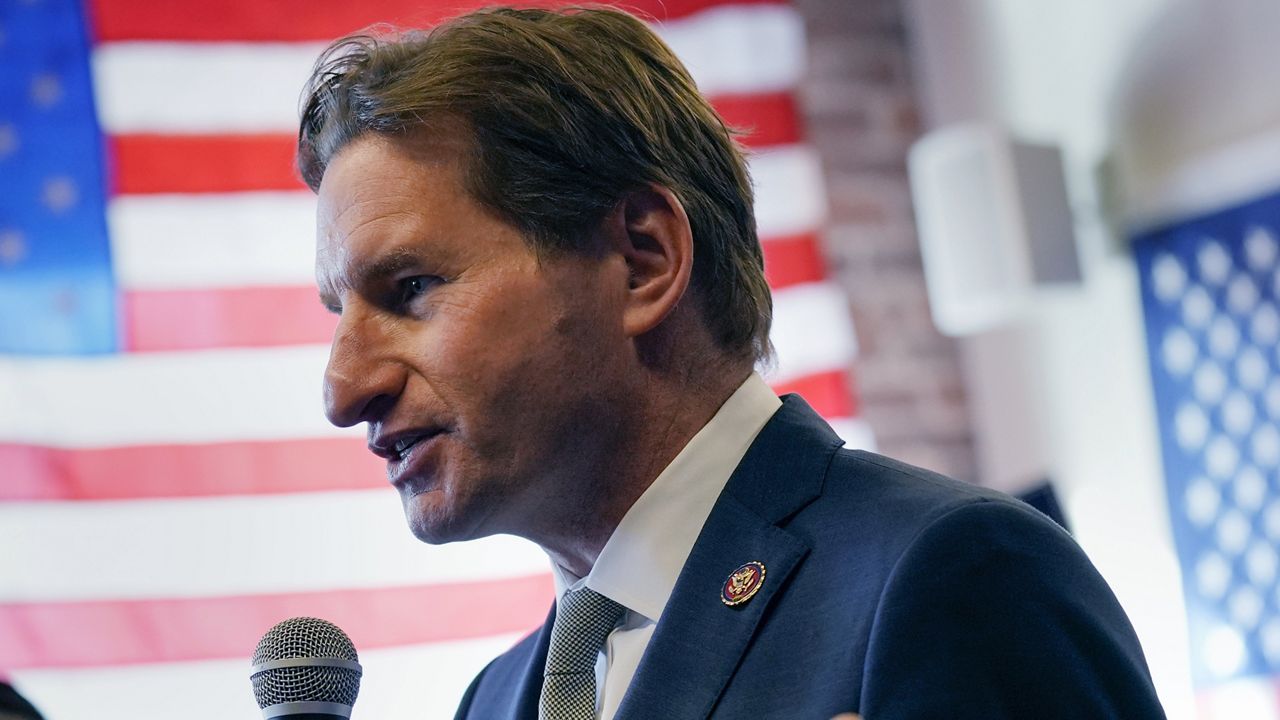
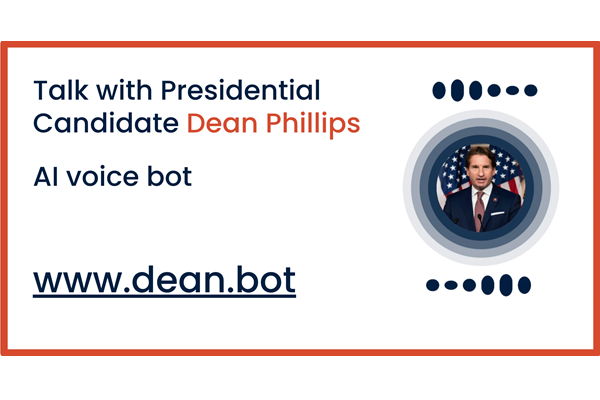
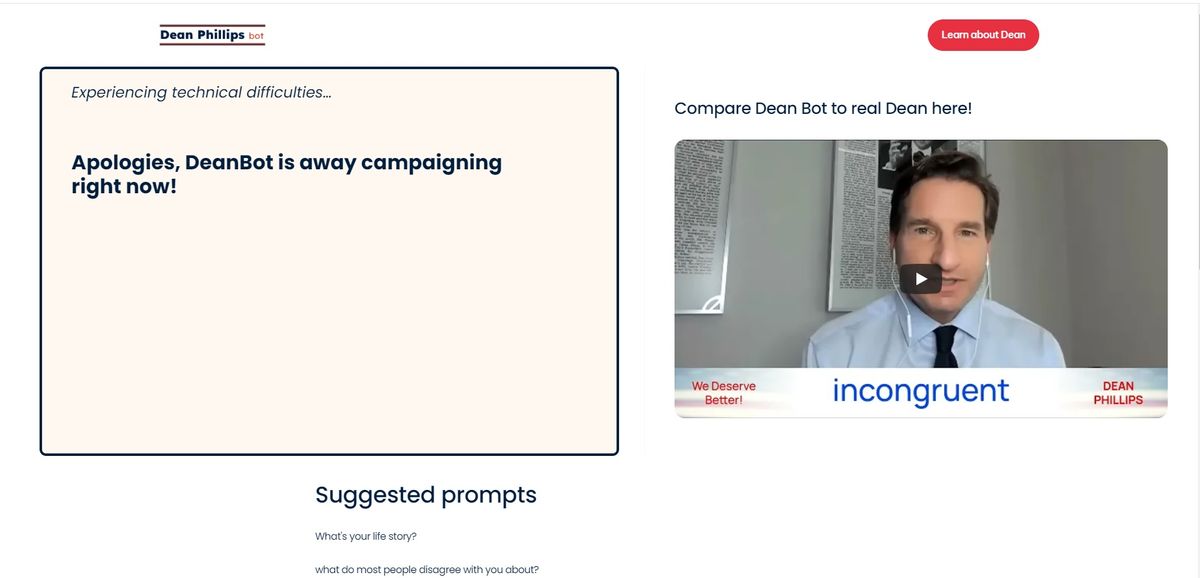
OpenAI removed ‘Dean.Bot’, a ChatGPT-based chatbot mimicking Democratic candidate Rep. Dean Phillips, and suspended its developer for violating its policy against political campaigning and impersonation. Developed by startup Delphi for a pro-Phillips SuperPAC, this first sanction against AI-driven campaign bots highlights election misinformation risks.[AI generated]

Why's our monitor labelling this an incident or hazard?

The event involves an AI system (ChatGPT) used in a political campaign in a way that could cause harm to democratic processes (elections) by impersonating a real person. Although the bot was active and could interact with voters, there is no indication that it caused actual harm or disruption; rather, the incident was stopped by OpenAI's intervention. Therefore, this is best classified as an AI Hazard, as the AI system's use could plausibly lead to harm (election interference) but no direct harm has been reported yet.[AI generated]
AI principles
Transparency & explainabilityAccountabilityDemocracy & human autonomySafetyRespect of human rights

Industries
Media, social platforms, and marketingGovernment, security, and defence

Affected stakeholders
General public

Harm types
Public interestReputational

Severity
AI hazard

Business function:
Marketing and advertisement

AI system task:
Interaction support/chatbotsContent generation


Articles about this incident or hazard

Thumbnail Image

OpenAI suspends bot developer for Congressman Dean Phillips: report

2024-01-21
Economic Times
Why's our monitor labelling this an incident or hazard?
The event involves an AI system (ChatGPT) used in a political campaign in a way that could cause harm to democratic processes (elections) by impersonating a real person. Although the bot was active and could interact with voters, there is no indication that it caused actual harm or disruption; rather, the incident was stopped by OpenAI's intervention. Therefore, this is best classified as an AI Hazard, as the AI system's use could plausibly lead to harm (election interference) but no direct harm has been reported yet.
Thumbnail Image

OpenAI suspends developer for bot mimicking Dem Congressman | International Business News - Times of India

2024-01-22
The Times of India
Why's our monitor labelling this an incident or hazard?
The event involves an AI system (ChatGPT-powered bot) used to mimic a political figure, which can influence political campaigns and potentially cause harm to democratic processes or public trust. The suspension by OpenAI is a response to misuse, implying that the AI system's use could lead to violations of rights or harm to communities if left unchecked. Since the misuse is identified and action taken, but no explicit harm is reported as having occurred yet, this event is best classified as an AI Hazard due to the plausible risk of harm from the AI system's use in political campaigning.
Thumbnail Image

OpenAI bans bot impersonating US presidential candidate Dean Phillips

2024-01-22
The Guardian
Why's our monitor labelling this an incident or hazard?
The AI system (ChatGPT-powered bot) was used to impersonate a political candidate and engage in political campaigning, which directly relates to violations of rights (impersonation without consent) and potential harm to communities through misinformation and election interference. Although the bot was removed before causing widespread harm, the incident demonstrates realized harm through policy violation and the potential for significant societal harm. Therefore, this qualifies as an AI Incident due to the direct involvement of an AI system in causing or enabling harm related to political impersonation and campaigning.
Thumbnail Image

AI chatbots are trying to join the race for president

2024-01-22
Business Insider
Why's our monitor labelling this an incident or hazard?
The event involves an AI system (Dean.Bot) used in political campaigning, which can plausibly lead to harms such as misinformation, manipulation of voters, and erosion of trust in democratic processes. These potential harms align with violations of rights and harm to communities. However, since the article does not describe any actual harm or incident caused by the AI system but rather discusses the creation, regulatory responses, and policy proposals, it fits the definition of Complementary Information. The focus is on societal and governance responses to AI use in elections, not on a specific AI Incident or Hazard.
Thumbnail Image

OpenAI bans developer of bot for presidential hopeful Dean Phillips

2024-01-20
Washington Post
Why's our monitor labelling this an incident or hazard?
The article describes the development and use of an AI-powered bot in a political campaign, which was shut down due to policy violations. While it highlights the potential for significant harm to elections through AI-generated disinformation or misleading interactions, it does not report any actual harm or incident resulting from the bot's use. The bot included disclaimers and required voter consent, and was taken down before causing harm. Therefore, this event is best classified as Complementary Information, as it provides context on governance and policy enforcement related to AI use in political campaigns and discusses potential risks without describing a realized AI Incident or a plausible AI Hazard.
Thumbnail Image

AI chatbots are trying to join the race for president

2024-01-22
Yahoo
Why's our monitor labelling this an incident or hazard?
An AI system (ChatGPT-powered chatbot) was used in a political campaign to impersonate a candidate and influence voters, which raises concerns about misinformation and manipulation in elections. However, the article does not report any realized harm such as actual misinformation campaigns causing harm, election interference, or violations of rights that have occurred yet. The main focus is on the potential risks and regulatory responses to AI-generated political content. Therefore, this event represents a plausible risk of harm from AI use in politics but no direct or indirect harm has been reported as having occurred. This fits the definition of an AI Hazard rather than an AI Incident or Complementary Information.
Thumbnail Image

OpenAI Bans Developer For Creating Bot That Mimicked US Lawmaker

2024-01-21
NDTV
Why's our monitor labelling this an incident or hazard?
The AI system was actively used to impersonate a political figure and engage voters, which could mislead the public and disrupt democratic processes, constituting harm to communities. Although the system was removed before any confirmed harm occurred, the event demonstrates a clear misuse of AI with potential to cause significant harm. This fits the definition of an AI Hazard, as the AI system's use could plausibly lead to an AI Incident involving election interference or misinformation. There is no indication that actual harm has materialized yet, so it is not classified as an AI Incident. The event is more than just complementary information because it reports on a concrete misuse and policy enforcement action, not just a response or update.
Thumbnail Image

OpenAI Suspends Bot Developer for Congressman Dean Phillips - the Washington Post

2024-01-21
U.S. News & World Report
Why's our monitor labelling this an incident or hazard?
An AI system (ChatGPT-powered bot) was used in a political campaign, which could plausibly lead to harm to the democratic process (harm to communities) through misinformation or manipulation. Since the bot was suspended before any harm occurred, this constitutes a plausible risk rather than a realized harm. Therefore, this event is best classified as an AI Hazard, reflecting the credible potential for harm to elections from AI misuse, but no direct harm has been reported yet.
Thumbnail Image

OpenAI banned a political chatbot developer in its first election misinformation action.

2024-01-21
The Verge
Why's our monitor labelling this an incident or hazard?
The event involves an AI system (a chatbot) used in political campaigning, which is disallowed by OpenAI's policy due to misinformation risks. However, the article describes a preventive action (ban) before any misinformation or harm occurred. Therefore, it is a plausible risk scenario rather than an incident of realized harm. This fits the definition of an AI Hazard, as the AI system's use could plausibly lead to misinformation harm if allowed.
Thumbnail Image

OpenAI Bans Developer For Creating a Bot Representing a Presidential Hopeful

2024-01-21
PCMag Australia
Why's our monitor labelling this an incident or hazard?
The AI system was used to create a bot that could interact with voters in real time, representing a political figure. Although the bot included a disclaimer and was removed before causing harm, experts cited in the article warn about the potential for such technology to be misused in ways that could harm the election process, such as generating mass robocalls that voters might mistake for genuine conversations. Since no actual harm has been reported but plausible future harm is clearly indicated, this event qualifies as an AI Hazard rather than an AI Incident.
Thumbnail Image

OpenAI bans developer of Dean Phillips bot, its first known political restriction

2024-01-22
The Hill
Why's our monitor labelling this an incident or hazard?
The article explicitly involves an AI system (ChatGPT) used to create a political chatbot impersonating a candidate, which is a clear AI system use. The event stems from the use of the AI system and the enforcement of usage policies to prevent misuse. There is no indication that the bot caused direct or indirect harm such as misinformation dissemination or voter manipulation; the bot was removed shortly after launch. The focus is on OpenAI's policy enforcement and the broader governance approach to AI in elections, which fits the definition of Complementary Information. It is not an AI Incident because no harm has materialized, nor an AI Hazard because the risk is mitigated and not described as a credible ongoing threat. It is not unrelated because it involves AI and its governance.
Thumbnail Image

OpenAI suspends developer over ChatGPT bot that impersonated a presidential candidate

2024-01-21
engadget
Why's our monitor labelling this an incident or hazard?
The event describes the use of an AI system (ChatGPT) to impersonate a political candidate, which is a misuse of AI and against OpenAI's policies. However, the chatbot included disclaimers and was taken down before causing any reported harm such as misleading voters or spreading misinformation. The article focuses on the developer's suspension and the company's preventive measures rather than on any realized harm or a credible risk of harm. Therefore, this is best classified as Complementary Information, as it provides context on governance and enforcement actions related to AI misuse in political campaigning, without describing an AI Incident or AI Hazard.
Thumbnail Image

OpenAI suspends bot developer for Congressman Dean Phillips: Report

2024-01-22
The Hindu
Why's our monitor labelling this an incident or hazard?
The event describes the deployment and use of an AI system (Dean.Bot) that impersonated a political candidate and engaged with voters in real-time, which is a direct use of AI leading to potential harm to the electoral process and voter trust. The suspension by OpenAI acknowledges misuse of AI tools in political campaigning, which is a violation of policies designed to prevent harm. The harm here is the potential misleading of voters and interference in elections, which falls under harm to communities and violation of rights. Since the AI system was actively used and caused or could cause harm, this is classified as an AI Incident.
Thumbnail Image

OpenAI's new election rules are already being put to the test

2024-01-22
Mashable
Why's our monitor labelling this an incident or hazard?
The event involves an AI system (ChatGPT-powered chatbot) used in a way that violates policies designed to protect election integrity, specifically by engaging in political campaigning and impersonation without consent. Although the chatbot was removed before causing widespread harm, its deployment and subsequent takedown illustrate a direct link between AI use and potential harm to democratic processes (harm to communities). The article also highlights ongoing concerns about AI-generated misinformation in elections, reinforcing the relevance of this incident. Since the harm is related to violations of democratic process protections and misinformation risks, and the AI system's misuse was directly involved, this qualifies as an AI Incident.
Thumbnail Image

OpenAI's new election rules are already being put to the test

2024-01-22
Mashable SEA
Why's our monitor labelling this an incident or hazard?
The event involves an AI system (ChatGPT-powered chatbot) used in a way that violates policies against political campaigning and impersonation, which could lead to misinformation and manipulation of voters. Although the chatbot was removed promptly, the incident reflects a misuse of AI with potential to cause harm to democratic processes. Since the harm is not explicitly stated as having occurred but the misuse was active and removed, this fits best as an AI Hazard, highlighting a plausible risk of harm to election integrity. The broader policy context and responses are complementary but secondary to the main event.
Thumbnail Image

OpenAI suspends bot developer for Democrat presidential candidate Dean Phillips

2024-01-21
Fox Business
Why's our monitor labelling this an incident or hazard?
The event describes the use of an AI system in a political campaign in violation of policy, with potential for significant harm to elections, but no actual harm or incident is reported. The AI system's involvement could plausibly lead to harm (e.g., misinformation, manipulation of voters), but the suspension and removal of the bot prevented further use. Therefore, this qualifies as an AI Hazard due to the plausible risk of harm from the AI system's use in political campaigning, rather than an AI Incident since no harm has materialized yet.
Thumbnail Image

OpenAI bans developer for bot mimicking US lawmaker, says repor

2024-01-21
Business Standard
Why's our monitor labelling this an incident or hazard?
The AI system was used in a political campaign to impersonate a US lawmaker without consent, which constitutes a violation of rights and could harm the democratic election process (harm to communities). The misuse of the AI system directly led to OpenAI banning the developer and suspending the bot, indicating the harm was realized or imminent. Therefore, this qualifies as an AI Incident due to the direct involvement of AI in causing harm related to political campaigning and impersonation.
Thumbnail Image

The Dean Phillips Campaign Has Released an AI Candidate Called Dean.Bot

2024-01-19
Esquire
Why's our monitor labelling this an incident or hazard?
While the AI system (Dean.Bot) is clearly involved and used in a political campaign, the article does not describe any actual harm resulting from its use, such as misinformation, manipulation, or rights violations. The AI's role is to simulate candidate responses and engage voters, which is a new application but not inherently harmful as described. Therefore, this is not an AI Incident or AI Hazard. The article provides contextual information about the AI's deployment and campaign strategy, which fits the definition of Complementary Information, as it enhances understanding of AI's evolving role in politics without reporting harm or plausible harm.
Thumbnail Image

OpenAI suspends bot developer for Congressman Dean Phillips - The Washington Post

2024-01-21
ThePrint
Why's our monitor labelling this an incident or hazard?
The article describes the use of an AI chatbot in a political campaign, which is a direct use of an AI system. The suspension by OpenAI reflects recognition of potential abuse and harm, particularly to elections, but no realized harm is reported. Therefore, this event represents a plausible risk of harm (AI Hazard) rather than an incident where harm has already occurred. The focus is on the potential for significant harm to elections through AI-driven voter interaction, which aligns with the definition of an AI Hazard.
Thumbnail Image

AI chatbots are trying to join the race for president

2024-01-22
Business Insider India
Why's our monitor labelling this an incident or hazard?
The event involves an AI system (ChatGPT-powered chatbot) used in political campaigning, which is a use case with potential for significant harm such as misinformation or manipulation of voters. The developer's suspension and new rules indicate recognition of these risks. However, the article does not document actual harm or incidents resulting from the AI's use, only the potential for misuse and regulatory actions taken to prevent harm. Therefore, this qualifies as an AI Hazard, as the AI system's use could plausibly lead to harms like misinformation or election interference, but no direct harm has been reported yet.
Thumbnail Image

OpenAI suspends bot developer for Congressman Dean Phillips: The Washington Post

2024-01-21
The Tribune
Why's our monitor labelling this an incident or hazard?
The event describes the use of an AI system in a political campaign that could plausibly lead to harm to communities by influencing elections through impersonation and AI-driven voter interaction. Although no direct harm is reported as the bot was removed promptly, the potential for harm to the democratic process is credible. Therefore, this qualifies as an AI Hazard rather than an AI Incident, since the harm is plausible but not realized. The suspension action and policy enforcement are responses to mitigate this risk.
Thumbnail Image

Super PAC connected to Sam Altman launches AI bot to deny President Joe Biden a second term

2024-01-22
Firstpost
Why's our monitor labelling this an incident or hazard?
The article explicitly mentions an AI system (the Dean.Bot chatbot) used in a political campaign context. The use of AI chatbots in political campaigns can plausibly lead to harms such as misinformation, manipulation, and erosion of trust, which are harms to communities and democratic processes. However, the article only raises concerns about potential misuse and does not document any actual harm or incidents caused by the AI chatbot. Hence, the event fits the definition of an AI Hazard, as the AI system's use could plausibly lead to an AI Incident in the future, but no direct or indirect harm has yet materialized.
Thumbnail Image

OpenAI Suspends Bot Developer for Using Its Tools in a Political Campaign

2024-01-21
PJ Media
Why's our monitor labelling this an incident or hazard?
The event describes the use and subsequent suspension of an AI-powered political bot, which is an AI system. The suspension was due to policy violations related to political campaigning and impersonation, indicating misuse of the AI system. Although the article discusses the potential for harm such as misinformation and manipulation in politics, no actual harm or incident has been reported. Therefore, this situation represents a plausible risk of harm from AI use in political campaigns but does not document a realized harm. This fits the definition of an AI Hazard, as the AI system's use could plausibly lead to harm (e.g., misinformation, voter manipulation), but no direct or indirect harm has yet occurred according to the article.
Thumbnail Image

Silicon Valley Donors Are Using AI to Help Dean Phillips Beat Joe Biden

2024-01-19
Vanity Fair
Why's our monitor labelling this an incident or hazard?
The AI system (the 'Dean Bot') is explicitly mentioned and is used to generate responses to voter questions based on training data from the candidate's speeches. However, there is no indication that the AI system has caused any harm or violation of rights, nor is there any mention of malfunction or misuse leading to harm. The bot itself warns users that it might provide incorrect information, but this is presented as a disclaimer rather than evidence of harm. The event describes a novel use of AI in political campaigning but does not report any realized or potential harm. Therefore, this is best classified as Complementary Information, as it provides context on AI's role in political campaigns without indicating an AI Incident or Hazard.
Thumbnail Image

Group Linked to Sam Altman Launches AI to Defeat Joe Biden

2024-01-21
Futurism
Why's our monitor labelling this an incident or hazard?
The event involves an AI system (the Dean.Bot chatbot) used in a political campaign, which fits the definition of an AI system. The use of the chatbot is intended to influence voters, which could impact communities and democratic processes. However, no direct or indirect harm has yet occurred as per the article; the chatbot is described as clunky and more of an election curiosity. The article mainly discusses potential future misuse and risks of AI chatbots in politics, which could plausibly lead to harms such as misinformation and erosion of trust. Therefore, this event is best classified as an AI Hazard, reflecting the credible risk of future harm from AI chatbot misuse in political contexts.
Thumbnail Image

OpenAI bans developer of bot for presidential hopeful Dean Phillips

2024-01-21
Star Tribune
Why's our monitor labelling this an incident or hazard?
An AI system (ChatGPT-powered bot) was used in a political campaign to impersonate a candidate and interact with voters, which is a misuse of AI tools in a sensitive context. While the bot was taken down before causing direct harm, the article emphasizes the potential for significant harm to elections through misinformation and impersonation. This fits the definition of an AI Hazard, as the AI system's use could plausibly lead to harm to communities (election interference, misinformation). There is no indication that actual harm occurred before the bot was removed, so it is not an AI Incident. The article is not merely complementary information or unrelated, as it focuses on the misuse and regulatory response to the AI system.
Thumbnail Image

OpenAI bans a third-party developer for making a US presidential candidate GPT-based chatbot

2024-01-22
Neowin
Why's our monitor labelling this an incident or hazard?
The event describes a developer using an AI system to create a simulated chatbot of a real political candidate, which is against OpenAI's policies. The developer was banned, and the chatbot was shut down. While the misuse of AI to impersonate individuals in political contexts could potentially lead to harms like misinformation or rights violations, the article does not report any actual harm occurring. The focus is on enforcement of policy to prevent such harms. Therefore, this is not an AI Incident or AI Hazard but rather a case of policy enforcement and misuse prevention, fitting the category of Complementary Information as it provides context on governance and responses to AI misuse.
Thumbnail Image

OpenAI Bans Dean.Bot's Developer, a ChatGPT-Powered Presidential Candidate Impersonator Bot

2024-01-22
Tech Times
Why's our monitor labelling this an incident or hazard?
The event involves an AI system (ChatGPT-powered bot) used in a political campaign to impersonate a candidate and interact with voters, which is a direct use of AI. The misuse led to OpenAI banning the developer, indicating a violation of policies designed to prevent harm. The bot's operation could mislead voters, constituting harm to communities and potentially violating rights related to fair political processes. The harm is realized as the bot was active and interacting with voters, not just a potential risk. Hence, this is an AI Incident rather than a hazard or complementary information.
Thumbnail Image

OpenAI suspends bot developer for Congressman Dean Phillips- The Washington Post | Technology

2024-01-21
Devdiscourse
Why's our monitor labelling this an incident or hazard?
The AI system was actively used in a political campaign to impersonate a congressman and engage with voters, which constitutes misuse of AI with potential to harm democratic processes and election integrity. Although the bot was taken down before causing direct harm, the event demonstrates a misuse of AI with plausible risk of significant harm to the election, thus qualifying as an AI Hazard. However, since the bot was operational and interacting with voters, and given the recognized potential for significant harm to elections, this situation can be classified as an AI Incident due to the direct involvement of AI in a context that violates policies and risks harm to communities and democratic rights.
Thumbnail Image

OpenAI Bans Bot Developer for Mimicking US Democratic Presidential Hopeful Rep Dean Phillips | 📲 LatestLY

2024-01-21
LatestLY
Why's our monitor labelling this an incident or hazard?
The event explicitly involves an AI system (ChatGPT-based bot) used to impersonate a political figure and engage in political campaigning, which is a misuse of the AI system. This misuse can cause harm by spreading disinformation and violating rights related to impersonation and political integrity. The harm is realized as the bot was active and used in a political campaign context. Therefore, this qualifies as an AI Incident due to the direct misuse of the AI system leading to harm. The article also mentions the response by OpenAI, but the primary focus is on the misuse and resulting harm, not just the response, so it is not merely Complementary Information.
Thumbnail Image

OpenAI Suspends Developer Behind ChatGPT Bot Impersonating US Democratic Presidential Candidate

2024-01-22
BW Businessworld
Why's our monitor labelling this an incident or hazard?
The event describes the development and use of an AI system for political impersonation, which is explicitly prohibited by OpenAI's policies. While the bot was operational and intended to influence political support, there is no evidence in the article that it caused actual harm such as misinformation dissemination or violation of rights. The suspension and removal of the bot indicate mitigation before harm materialized. Therefore, this situation represents a plausible risk of harm that was averted, fitting the definition of an AI Hazard rather than an AI Incident. It is not merely complementary information because the main focus is on the potential misuse and policy violation leading to suspension, not on broader ecosystem updates or responses.
Thumbnail Image

Developer of Dean Phillips bot suspended by OpenAI

2024-01-22
TheRegister.com
Why's our monitor labelling this an incident or hazard?
The event describes an AI system (ChatGPT-powered bot) used to impersonate a political figure without consent and for political campaigning, which is a violation of rights and could lead to misinformation and harm to democratic processes. Although the bot was taken down before causing direct harm, the misuse and potential for harm were real and credible. The suspension by OpenAI prevented the AI incident from materializing fully. Hence, this qualifies as an AI Hazard because the AI system's use could plausibly lead to harm, but no actual harm is reported as having occurred.
Thumbnail Image

ChatGPT maker OpenAI bans US presidential candidate bot

2024-01-22
ReadWrite
Why's our monitor labelling this an incident or hazard?
The event describes the use of an AI system in a way that violates policy and could lead to harms such as disinformation or manipulation of democratic processes, but no direct or indirect harm has been reported as having occurred. The suspension and removal of the bot is a preventive measure to avoid potential harm. Therefore, this qualifies as an AI Hazard because the AI system's use could plausibly lead to an AI Incident (harm), but no harm has yet materialized. It is not Complementary Information because the main focus is on the enforcement action and potential misuse, not on updates or responses to a past incident. It is not an AI Incident because no realized harm is described.
Thumbnail Image

OpenAI suspends developer for ChatGPT misuse in US Presidential campaign

2024-01-22
NewsBytes
Why's our monitor labelling this an incident or hazard?
An AI system (ChatGPT) was used to create a bot that impersonated a political candidate and engaged voters, which constitutes misuse of AI in a sensitive context. Although the bot included disclaimers, experts highlighted the potential for harm such as disinformation and voter manipulation. The suspension and removal of the bot indicate that harm was either occurring or imminent. Given the direct involvement of AI in political campaigning and the associated risks to democratic processes and voter rights, this qualifies as an AI Incident due to violations of rights and harm to communities. The event involves the use and misuse of an AI system leading to realized or ongoing harm, not just potential harm or complementary information.
Thumbnail Image

Is ChatGPT in the US presidential elections? OpenAI clips the wings of an AI chatbot - Softonic

2024-01-22
Softonic
Why's our monitor labelling this an incident or hazard?
The event involves the use of an AI system (ChatGPT) to create a chatbot impersonating a political candidate, which is a use case with potential for harm such as misinformation or election interference. However, the AI system's use was stopped before any harm occurred, and the article focuses on policy enforcement and prevention rather than an actual incident of harm. Therefore, this is best classified as Complementary Information, as it provides context on governance and mitigation measures related to AI use in elections, rather than describing an AI Incident or AI Hazard.
Thumbnail Image

OpenAI suspends company over Dean Phillips voice bot

2024-01-22
Spectrum News Bay News 9
Why's our monitor labelling this an incident or hazard?
The AI system (voice bot) was used to impersonate a political candidate in a campaign, which is a misuse of AI with potential to cause harm through misinformation or deceptive influence, fitting the definition of an AI Incident due to violation of rights and potential harm to democratic processes. The suspension by OpenAI is a response to this misuse. The mention of AI-generated robocalls under investigation suggests possible related harm but is not confirmed. Overall, the event describes realized misuse of AI causing harm, thus classified as an AI Incident.
Thumbnail Image

OpenAI bans bot developer for mimicking US Democratic presidential hopeful

2024-01-21
Social News XYZ
Why's our monitor labelling this an incident or hazard?
The event describes the creation and use of an AI-powered bot impersonating a political candidate, which is a misuse of AI with potential to cause harm through disinformation and manipulation of public opinion (harm to communities). OpenAI's ban and suspension of the developer and associated accounts indicate a response to policy violations. Since the article does not confirm actual widespread harm or incidents caused by the bot but highlights the potential dangers and the policy breach, this qualifies as an AI Hazard due to the plausible risk of harm from such AI misuse in political campaigns.
Thumbnail Image

OpenAI suspends startup that used its GPT-4 model to impersonate Democratic presidential candidate - SiliconANGLE

2024-01-22
SiliconANGLE
Why's our monitor labelling this an incident or hazard?
The event describes a startup using OpenAI's GPT-4 to impersonate a political candidate via a chatbot, which directly led to potential harm by deceiving voters and violating policies against political campaigning and impersonation without consent. The misuse of AI in this context has materialized harm related to misinformation and rights violations, fulfilling the criteria for an AI Incident. The suspension by OpenAI confirms the misuse and harm caused.
Thumbnail Image

OpenAI bans bot impersonating US presidential candidate

2024-01-22
Tech Xplore
Why's our monitor labelling this an incident or hazard?
The event involves an AI system (OpenAI's generative AI and voice cloning technology) used to create a bot impersonating a political candidate without consent, which is a violation of rights and can cause harm to political processes and communities. The misuse led to the removal of the bot and developer account, indicating the AI system's role in the incident. The harm is related to political disinformation and impersonation, which fits the definition of an AI Incident. Although the harm was mitigated quickly, the incident itself occurred and involved AI misuse causing or potentially causing harm.
Thumbnail Image

A developer at OpenAI is suspended for using a ChatGPT bot to pose as a presidential candidate

2024-01-22
Research Snipers
Why's our monitor labelling this an incident or hazard?
The event describes the use of an AI chatbot impersonating a political candidate, which is a misuse of AI technology and a violation of OpenAI's standards. Although this misuse could plausibly lead to harm such as misinformation or manipulation in elections, the bot was taken down and the developer suspended before any harm was reported. The presence of disclaimers and the shutdown of the bot indicate mitigation of potential harm. Therefore, this is not an AI Incident (no realized harm) but rather a case of potential misuse that was prevented or mitigated. It is not purely general AI news, as it involves a specific misuse event and response, but since no harm occurred, it is best classified as Complementary Information regarding governance and enforcement actions in AI use.
Thumbnail Image

Silicon Valley Insiders Are Trying To Unseat Biden With Help From AI

2024-01-19
matzav.com
Why's our monitor labelling this an incident or hazard?
The article explicitly mentions the development and use of an AI system (Dean.Bot) that generates real-time conversational responses mimicking a political candidate. Experts cited in the article warn about the risks of such AI tools in elections, including the potential for bots to spread false information or impersonate politicians maliciously. Although the AI system is currently used transparently with disclaimers, the potential for misuse and harm to democratic processes is credible and plausible. No actual harm or incident has been reported yet, so it does not meet the criteria for an AI Incident. The focus on potential risks and the novelty of the technology in political campaigns aligns with the definition of an AI Hazard.
Thumbnail Image

OpenAI Shuts Down Developer Behind Dean.Bot, AI Mimicking Presidential Candidate | Cryptopolitan

2024-01-21
Cryptopolitan
Why's our monitor labelling this an incident or hazard?
The article explicitly mentions an AI system (Dean.Bot powered by ChatGPT) being used to mimic a political candidate without consent, which is a violation of rights and OpenAI's policies. The developer's account suspension and the takedown of the bot indicate that the misuse was realized and acted upon. The AI system's use in political campaigning and impersonation directly relates to harm under the framework's category of violations of human rights or breach of obligations intended to protect fundamental rights. Hence, this is an AI Incident rather than a hazard or complementary information.
Thumbnail Image

AI chatbots are trying to join the race for president

2024-01-22
Business Insider Nederland
Why's our monitor labelling this an incident or hazard?
An AI system (ChatGPT-powered bot) was used to generate political content and interact with voters, which directly relates to the use of AI in political campaigning. Although the article does not report direct harm such as misinformation causing specific damage, the use of AI-generated content in political campaigns can lead to violations of political fairness and potentially mislead voters, which is a violation of rights and can harm democratic processes. The suspension by OpenAI indicates recognition of potential harm. The article also highlights ongoing regulatory and policy responses to such AI use. Since the AI system's use in political campaigning is linked to potential harm to democratic rights and political integrity, and the event involves actual use and enforcement action, this qualifies as an AI Incident rather than a mere hazard or complementary information.
Thumbnail Image

OpenAI Bans Custom GPT Dean.bot for Violating Political Generative AI Chatbot Rules

2024-01-23
Voicebot.ai
Why's our monitor labelling this an incident or hazard?
The event clearly involves an AI system (a generative AI chatbot using OpenAI's LLMs) developed and used in a political campaign context, which is a direct use of AI. The chatbot impersonated a political candidate without consent, which is a violation of rights and campaign rules. Although the bot was removed before any reported harm like misinformation or voter manipulation occurred, the misuse and policy violation are evident. The event highlights the potential for AI misuse in political campaigns and the enforcement of AI usage policies to prevent harm. Since no actual harm is reported but the misuse and policy breach are central, this fits best as Complementary Information about governance and policy enforcement in AI use during elections rather than an AI Incident or Hazard.
Thumbnail Image

OpenAI Bans Bot That Acts As Rival To Joe Biden

2024-01-21
lunaticoutpost.com
Why's our monitor labelling this an incident or hazard?
An AI system (ChatGPT-based bot) was developed and used in a political campaign context, but OpenAI intervened to suspend its use due to policy prohibiting AI use in political campaigns. There is no evidence of realized harm such as misinformation dissemination, voter manipulation, or rights violations. The event focuses on the prevention of potential misuse rather than an incident of harm or a hazard with plausible future harm. Therefore, it is best classified as Complementary Information, as it provides context on governance and policy enforcement related to AI use in politics.
Thumbnail Image

OpenAI Prohibits AI Impersonation of Political Candidates - WinBuzzer

2024-01-22
WinBuzzer
Why's our monitor labelling this an incident or hazard?
The event involves the use of an AI system (ChatGPT) to create a chatbot impersonating a political candidate, which directly relates to potential harm to the electoral process and communities by enabling misinformation or manipulation. The developer's suspension and policy enforcement indicate that harm was either occurring or imminent, and the AI system's misuse was pivotal. This fits the definition of an AI Incident because the AI system's use directly led to a breach of ethical standards and posed a risk to fundamental democratic processes. The article does not merely discuss potential risks or policy updates but reports on an actual misuse and enforcement action, confirming realized or imminent harm.
Thumbnail Image

Openai Suspends Developer Over Chatgpt Bot That Impersonated A Presidential Candidate

2024-01-22
BruneiDirect
Why's our monitor labelling this an incident or hazard?
The event describes the development and use of an AI chatbot impersonating a political candidate, which is against OpenAI's policies and raises concerns about potential misinformation or manipulation. However, the bot was accompanied by disclaimers, and the AI system was suspended and taken down before any documented harm occurred. There is no evidence in the description that the AI system directly or indirectly caused injury, rights violations, or community harm. The main focus is on policy enforcement and prevention of misuse rather than an incident of harm or a credible imminent hazard. Therefore, this is best classified as Complementary Information, as it provides context on governance and response to AI misuse risks in political campaigning.
Thumbnail Image

OpenAI suspends developer of politician-impersonating chatbot

2024-01-22
AI News
Why's our monitor labelling this an incident or hazard?
The event describes an AI system (ChatGPT-powered chatbot) used to impersonate a political candidate, which is a misuse of AI with potential to cause harm by spreading misinformation or interfering in elections, thus violating human rights related to fair political processes. The developer's suspension and the chatbot's removal indicate that the misuse was realized and addressed. The AI system's use directly led to policy violations and potential harm to democratic integrity, fitting the definition of an AI Incident. Although the article does not detail actual widespread harm, the direct misuse and policy breach in a sensitive context justify classification as an AI Incident rather than a hazard or complementary information.
Thumbnail Image

OpenAI suspends bot developer for Democrat presidential candidate Dean Phillips - Conservative Angle

2024-01-21
Brigitte Gabriel
Why's our monitor labelling this an incident or hazard?
The event describes an AI system used in a political campaign to impersonate a candidate and interact with voters, which could plausibly lead to harm to communities by influencing elections unfairly or spreading misinformation. The suspension of the developer's account and removal of the bot prevented further use, indicating a mitigation of potential harm. Since no actual harm is reported as having occurred, but the risk was credible and addressed, this fits the definition of an AI Hazard rather than an AI Incident.
Thumbnail Image

Namibia Press Agency

2024-01-22
nampa.org
Why's our monitor labelling this an incident or hazard?
The event involves an AI system (a chatbot using AI to impersonate a political candidate's voice) that was used in a way that could lead to harm, such as misleading voters or spreading misinformation. The removal of the bot indicates that the AI system's use was potentially harmful or in violation of ethical or legal standards. Since the bot was actively impersonating a candidate and could mislead the public, this constitutes an AI Incident due to the direct involvement of AI in causing or enabling harm related to political misinformation and impersonation.
Thumbnail Image

OpenAI Shuts Down Chatbot Mimicking Long-Shot Presidential Candidate

2024-01-22
The Messenger
Why's our monitor labelling this an incident or hazard?
The event describes the use of an AI chatbot mimicking a political candidate, which is a clear AI system use. The AI was used in a political campaign, violating OpenAI's policies, leading to the bot's removal and developer ban. However, the article does not report any realized harm such as misinformation spread, voter manipulation, or rights violations. The focus is on OpenAI's enforcement action and policy adherence, which is a governance response. Therefore, it does not qualify as an AI Incident or AI Hazard but as Complementary Information about AI governance and misuse mitigation.
Thumbnail Image

OpenAI bans Dean Phillips chatbot, but chatting with Trump in OpenAI's GPT store works fine

2024-01-21
THE DECODER
Why's our monitor labelling this an incident or hazard?
The event involves an AI system (OpenAI's language models) used in a political chatbot that was banned due to policy violations related to political campaigning and impersonation without consent. The misuse of the AI system in this context directly relates to potential harm through political misinformation and manipulation, which affects communities and democratic processes. The banning action confirms that harm or risk of harm was recognized and addressed. The presence of other similar bots that propagate political propaganda further underscores the relevance of AI in causing or enabling harm. Hence, this is an AI Incident due to the direct link between AI use and political harm.
Thumbnail Image

A bot supporting long-shot presidential candidate suspended from OpenAI

2024-01-22
NewsNation
Why's our monitor labelling this an incident or hazard?
The article explicitly mentions an AI bot designed to mimic a political candidate, which is an AI system. The bot was banned by OpenAI, indicating concerns about its potential misuse to spread misinformation. The poll cited underscores public concern about AI's role in increasing misinformation during elections. However, the article does not report actual harm caused by the bot, only the potential risk. Hence, this is a credible AI Hazard rather than an AI Incident. The event is not merely general AI news or a complementary update but a specific case illustrating a plausible future harm from AI misuse in elections.
Thumbnail Image

UPDATE 1-OpenAI suspends bot developer for Congressman Dean Phillips- The Washington Post

2024-01-21
Yahoo! Finance
Why's our monitor labelling this an incident or hazard?
The event describes the use of an AI system (ChatGPT-powered bot) in a political campaign to impersonate a congressman and engage with voters, which is a direct misuse of AI technology. This misuse can lead to harm to communities by potentially misleading voters and undermining election integrity. The AI system's involvement directly led to this harm, fulfilling the criteria for an AI Incident. The suspension of the developer and removal of the bot are responses to this misuse but do not negate the fact that harm was occurring. Therefore, the classification is AI Incident.
Thumbnail Image

OpenAI Shuts Down ChatGPT Use in Bot Supporting Dean Phillips - Yahoo Sports

2024-01-21
Yahoo Sports Canada
Why's our monitor labelling this an incident or hazard?
The article describes an AI system (ChatGPT) being used in a political campaign bot that impersonates a candidate and interacts with voters, which is a clear AI system involvement. The potential for significant harm to elections is highlighted by researchers, but no actual harm or incident is reported as having occurred. The AI system's use could plausibly lead to harm to communities and democratic processes, fitting the definition of an AI Hazard. Since no realized harm is described, it is not an AI Incident. The article focuses on the ban and the potential risks, not on a response to a past incident, so it is not Complementary Information. Therefore, the correct classification is AI Hazard.
Thumbnail Image

対話型AIで政策アピール | 中国新聞デジタル

2024-01-20
�����V���f�W�^��
Why's our monitor labelling this an incident or hazard?
An AI system is explicitly involved, used to generate dialogue mimicking a political candidate. The article notes concerns about misinformation but does not report any realized harm or incidents of misinformation spreading. Therefore, this event represents a plausible risk of harm (misinformation) but no direct or indirect harm has yet materialized. This fits the definition of an AI Hazard rather than an AI Incident or Complementary Information.
Thumbnail Image

チャットGPTの選挙利用禁じる 米オープンAI | 共同通信 ニュース | 沖縄タイムス+プラス

2024-01-21
沖縄タイムス+プラス
Why's our monitor labelling this an incident or hazard?
The event involves an AI system (ChatGPT) and concerns its use in an election context. However, the article describes a policy decision by the AI developer to ban the use of their AI technology for election-related purposes. There is no indication of harm occurring or plausible harm from AI use in this case; rather, it is a preventive governance measure. Therefore, this is Complementary Information about societal and governance responses to AI use in elections, not an AI Incident or Hazard.
Thumbnail Image

対話型AIで政策アピール|埼玉新聞|埼玉の最新ニュース・スポーツ・地域の話題

2024-01-20
��ʐV���b��ʂ̍ŐV�j���[�X�E�X�|�[�c�E�n��̘b��
Why's our monitor labelling this an incident or hazard?
The event involves the use of an AI system (an interactive AI modeled on a political candidate) for policy promotion. However, the article does not report any actual harm or misinformation spread occurring yet, only concerns about possible misinformation. Therefore, the AI system's use could plausibly lead to harm (e.g., misinformation dissemination), but no harm has materialized as per the article. This fits the definition of an AI Hazard rather than an AI Incident or Complementary Information, as the main focus is on the potential risk rather than a realized harm or a response to a past incident.
Thumbnail Image

AIの選挙利用禁じる オープンAI、初の措置

2024-01-22
日本経済新聞
Why's our monitor labelling this an incident or hazard?
The event involves an AI system (conversational AI, ChatGPT) being used in an election campaign, which raised concerns about misinformation dissemination. However, the article describes OpenAI's preventive action to prohibit the use of its AI technology for this purpose before any harm (such as misinformation spread or election interference) actually occurred. There is no indication that the AI system caused direct or indirect harm yet, but the potential for harm (misinformation in elections) is credible and plausible. Therefore, this event is best classified as an AI Hazard, as it concerns a plausible future harm from AI use in elections, and OpenAI's action is a mitigation step to prevent that harm.
Thumbnail Image

米大統領選AI禁止・紙の報告9割・みずほ障害「正常化」

2024-01-22
日本経済新聞
Why's our monitor labelling this an incident or hazard?
The article describes OpenAI's decision to ban the use of its AI technology in a political campaign to prevent the spread of misinformation during an election. This is a preventive action addressing a plausible risk of AI misuse leading to harm (election misinformation). However, no actual harm or incident has been reported yet, only a precautionary restriction. Therefore, this qualifies as an AI Hazard because it plausibly could lead to harm if AI were used improperly in elections. The other topics mentioned do not involve AI systems or harms and are unrelated.
Thumbnail Image

対話型AIで政策アピール 米民主候補、活用に懸念も

2024-01-20
産経ニュース
Why's our monitor labelling this an incident or hazard?
An AI system is explicitly involved, as the dialogue AI is modeled on the candidate and generates responses. The event involves the use of the AI system for political communication. However, the article only mentions concerns about possible misinformation but does not report any actual misinformation or harm occurring. Therefore, the event represents a plausible risk of harm (misinformation) but no realized harm. This fits the definition of an AI Hazard, as the AI system's use could plausibly lead to misinformation or other harms, but no incident has yet occurred.
Thumbnail Image

米民主党候補にAIの選挙利用禁じる 開発企業、初の措置

2024-01-22
産経ニュース
Why's our monitor labelling this an incident or hazard?
The event involves the use of an AI system (conversational AI) in a political campaign context. Although no actual harm has been reported, the decision to ban the AI's use is based on concerns about the plausible risk of misinformation spreading, which could harm communities or disrupt democratic processes. Therefore, this event represents an AI Hazard, as it highlights a credible potential for harm from AI use in elections, but no direct harm has yet occurred.
Thumbnail Image

選挙活動でAI利用禁じる、米オープンAIが初の措置=米紙

2024-01-22
ニューズウィーク日本版 オフィシャルサイト
Why's our monitor labelling this an incident or hazard?
The event involves an AI system (OpenAI's generative AI technology) and its use in political campaigning, which could plausibly lead to harms such as misinformation or impersonation. However, the article focuses on OpenAI's policy enforcement and account deletion to prevent misuse, with no indication that harm has actually occurred. Therefore, this is not an AI Incident (no realized harm) but rather a governance or policy response to potential risks. It is best classified as Complementary Information because it provides context on societal and governance responses to AI misuse risks in elections.
Thumbnail Image

対話型AIで政策アピール 米民主候補、偽情報拡散に懸念

2024-01-20
神戸新聞
Why's our monitor labelling this an incident or hazard?
The event involves the use of an AI system that generates responses mimicking a political candidate based on learned data. Although the AI is currently used for policy promotion, the article highlights concerns about misinformation dissemination, which is a plausible risk of harm to communities. However, there is no indication that misinformation has actually been spread or caused harm yet. Therefore, this situation represents a plausible future risk rather than a realized harm, fitting the definition of an AI Hazard rather than an AI Incident.
Thumbnail Image

チャットGPTの選挙利用禁じる 米オープンAI

2024-01-21
神戸新聞
Why's our monitor labelling this an incident or hazard?
The event involves an AI system (ChatGPT) and its use in election campaigns, which could lead to harm such as misinformation spreading and election interference, impacting communities and democratic processes. However, the article describes a prohibition to prevent such use rather than an actual incident of harm occurring. Therefore, this is a governance or policy response aimed at mitigating potential AI-related harm, making it Complementary Information rather than an AI Incident or AI Hazard.
Thumbnail Image

対話型AIで政策アピール 米民主候補、偽情報拡散に懸念|全国のニュース|Web東奥

2024-01-20
Web東奥
Why's our monitor labelling this an incident or hazard?
The event involves the use of an AI system (a conversational AI modeled on a political candidate) for policy promotion. Although the AI is actively used, there is no indication that it has caused any direct or indirect harm yet. The article mentions concerns about misinformation spread as a potential risk, but no actual misinformation incident is reported. Therefore, this situation represents a plausible risk of harm due to AI use, qualifying it as an AI Hazard rather than an AI Incident. It is not merely complementary information because the AI system's deployment and its potential for harm are central to the report.
Thumbnail Image

チャットGPTの選挙利用禁じる/米オープンAI | 四国新聞社

2024-01-21
四国新聞社
Why's our monitor labelling this an incident or hazard?
The event involves the use of an AI system (ChatGPT) and concerns about its misuse in election campaigning, which could lead to harm such as misinformation spreading and impacting democratic processes. However, the article describes a preventive action (a ban) before any harm has occurred. Therefore, this is an AI Hazard, as the AI system's use could plausibly lead to harm, but no incident has yet materialized.
Thumbnail Image

「オープンAI」 米大統領選の候補者指名争いで"対話型AI"に自社技術利用を禁止|日テレNEWS NNN

2024-01-23
日テレNEWS NNN
Why's our monitor labelling this an incident or hazard?
The article describes the deployment of an AI system for political purposes and OpenAI's subsequent prohibition of its use in this context. However, there is no evidence or report of actual harm, rights violations, or other negative impacts caused by the AI system. The focus is on the policy and governance response to prevent potential misuse. Therefore, this is best classified as Complementary Information, as it provides context on societal and governance responses to AI use in elections without describing a realized AI Incident or a plausible AI Hazard.
Thumbnail Image

ChatGPT-Entwickler geht gegen Anti-Biden-Kampagne vor

2024-01-21
Spiegel Online
Why's our monitor labelling this an incident or hazard?
The article describes the use of an AI system (ChatGPT) in a political campaign, which is against OpenAI's policies. However, there is no indication that this use has directly caused harm such as election interference or misinformation dissemination. The suspension of the developer account is a response to potential misuse, aiming to prevent harm. Therefore, this event represents a plausible risk of harm that is being mitigated, fitting the definition of an AI Hazard rather than an AI Incident or Complementary Information.
Thumbnail Image

Kein Einsatz für Kampagnen: KI imitiert US-Politiker - OpenAI sperrt Entwickler

2024-01-21
N-tv
Why's our monitor labelling this an incident or hazard?
The event involves an AI system (ChatGPT) used to create a bot impersonating a political candidate without consent, which is a misuse of AI in political campaigns. This misuse directly relates to violations of rights and potential harm to democratic processes, fitting the definition of an AI Incident. The harm is realized or ongoing, as the bot was active before being removed. OpenAI's suspension of the developer is a response but does not negate the incident itself. Therefore, this qualifies as an AI Incident due to the direct misuse of AI causing harm to political integrity and rights.
Thumbnail Image

ChatGPT: Warum OpenAI einen Bot im Rahmen der US-Wahl sperrt

2024-01-22
computerbild.de
Why's our monitor labelling this an incident or hazard?
The article describes the use of an AI system (ChatGPT) to create a political candidate impersonation bot, which was then blocked by OpenAI for violating usage policies. While the AI system was used in a sensitive context (election campaign), there is no evidence or report of actual harm occurring due to the AI's use. The main focus is on OpenAI's enforcement action and policy compliance, which is a governance response. This fits the definition of Complementary Information, as it updates on societal and governance responses to AI use, rather than describing an AI Incident or AI Hazard.
Thumbnail Image

Politiker imitiert: OpenAI sperrt Bot-Entwickler

2024-01-21
Kronen Zeitung
Why's our monitor labelling this an incident or hazard?
The event involves AI systems (chatbots) that could be used to influence elections, which is a form of harm to communities and potentially a violation of democratic rights. However, the article describes OpenAI's preventive measures and policies rather than an actual incident of harm occurring. Therefore, this is a discussion of potential misuse and mitigation efforts, fitting the definition of Complementary Information rather than an AI Incident or AI Hazard.
Thumbnail Image

Verstoß gegen Grundsätze: OpenAI sperrt ChatGPT-Bot eines Wahlkampfkandidaten

2024-01-21
heise online
Why's our monitor labelling this an incident or hazard?
An AI system (ChatGPT-based bot) was developed and used to simulate real-time conversations with a political candidate. Although users were informed they were speaking to an AI, the system's use in political campaigning and impersonation violated OpenAI's policies. The suspension prevented potential harm such as misleading voters or manipulation, but no actual harm is reported to have occurred yet. Therefore, this event represents an AI Hazard, as the AI system's use could plausibly lead to harm (e.g., voter misinformation or manipulation) if not controlled.
Thumbnail Image

OpenAI suspendiert Bot-Entwickler für den Kongressabgeordneten Dean Phillips- The Washington Post

2024-01-21
de.marketscreener.com
Why's our monitor labelling this an incident or hazard?
The article explicitly mentions an AI system (Dean.Bot powered by OpenAI's ChatGPT) used in a political campaign context, which is prohibited by OpenAI's policies due to potential abuse risks. The bot was active and interacted with voters, but the article does not document any actual harm such as misinformation spread or voter suppression. The concern is about the potential for significant harm to elections, which aligns with the definition of an AI Hazard (plausible future harm). Since no harm has materialized or been reported, and the main focus is on the suspension and policy enforcement to prevent misuse, this event is best classified as an AI Hazard rather than an AI Incident or Complementary Information.
Thumbnail Image

Bot imitierte US-Präsidentenkandidaten Dean Phillips: OpenAI...

2024-01-21
Die Presse
Why's our monitor labelling this an incident or hazard?
The event involves an AI system (ChatGPT-based bot) used to imitate a political candidate in a campaign context, which directly relates to AI misuse for election interference. This misuse can cause harm to communities by spreading misinformation and manipulating democratic processes, fitting the definition of an AI Incident. The fact that OpenAI took action to suspend the developer indicates the harm was recognized and is ongoing or imminent. Therefore, this is classified as an AI Incident rather than a hazard or complementary information.
Thumbnail Image

OpenAI sperrt erstmals Bot-Entwickler-Konto in politischer Kampagne

2024-01-21
nachrichten.at
Why's our monitor labelling this an incident or hazard?
The event involves an AI system (ChatGPT) used to create a bot impersonating a political figure without consent, which is a misuse of AI technology in political campaigning. This misuse can directly lead to harm by influencing election outcomes and violating rights related to political participation and information integrity. OpenAI's suspension of the developer account confirms the misuse and harm potential. Since the bot was deployed and used before removal, this qualifies as an AI Incident due to realized harm related to political manipulation and rights violations.
Thumbnail Image

OpenAI вперше заблокував розробника бота, який використовував ШІ у політичній агітації - WP

2024-01-21
Лига Новости
Why's our monitor labelling this an incident or hazard?
An AI system (ChatGPT-based bot) was used in a political campaign to influence voters, which constitutes a violation of rules intended to prevent misinformation and manipulation in elections. The use of AI in this context can lead to harm to communities by potentially spreading misleading political information or manipulating electoral processes. Since the AI system's use has already occurred and led to policy enforcement (blocking), this is a realized harm scenario. Therefore, this qualifies as an AI Incident due to the direct involvement of an AI system in political campaigning that breaches ethical and legal norms, with potential harm to democratic processes and voter rights.
Thumbnail Image

OpenAI вперше заблокував розробника бота, який використовував ШІ у політичній агітації

2024-01-21
Економічна правда
Why's our monitor labelling this an incident or hazard?
The article explicitly mentions an AI system (ChatGPT-based bot) used in political campaigning, which is a use case involving AI. However, the event is about OpenAI enforcing its policy by blocking the developer for misuse of the AI system. There is no report of actual harm caused by the AI system's use, such as misinformation causing social harm or rights violations. The event is about preventing misuse and enforcing rules, not about an AI Incident or AI Hazard. It is not a new AI Incident because no harm has been reported or inferred. It is not an AI Hazard because the misuse has been stopped and no plausible future harm is described. It is not unrelated because it involves AI use and policy enforcement. Therefore, it is best classified as Complementary Information, as it provides context on governance and response to AI misuse.
Thumbnail Image

Використовував ШІ у політичній агітації: OpenAI заблокувала розробника спеціального бота

2024-01-21
InternetUA
Why's our monitor labelling this an incident or hazard?
The article explicitly mentions an AI system (Dean.Bot based on ChatGPT) used in political campaigning, which is a clear AI system involvement. However, the event focuses on the enforcement of OpenAI's internal policy (blocking the bot) rather than any realized harm or violation of law or rights. There is no evidence of direct or indirect harm caused by the AI system's use, nor is there a credible risk of harm described. The main narrative is about policy enforcement and governance response to AI misuse, fitting the definition of Complementary Information rather than an AI Incident or Hazard.
Thumbnail Image

Компанія OpenAI заблокувала розробника бота, який використовував штучний інтелект для політичної агітації

2024-01-21
ms.detector.media
Why's our monitor labelling this an incident or hazard?
The article explicitly mentions the use of an AI system (Dean.Bot based on ChatGPT) for political campaigning, which is a use case involving AI. OpenAI's intervention to block the developer is a governance response to prevent misuse. There is no indication that the AI system caused direct or indirect harm such as misinformation dissemination or violation of rights. The event focuses on policy enforcement and updates to usage rules, which fits the definition of Complementary Information rather than an AI Incident or AI Hazard.
Thumbnail Image

OpenAI заблокувала розробника бота, який зловживав штучним інтелектом у політичній кампанії - Львівська Пошта

2024-01-22
lvivpost.net
Why's our monitor labelling this an incident or hazard?
The event involves an AI system (ChatGPT-based bot) used in a political campaign to influence voters, which is a direct use of AI. The bot's responses could mislead voters, constituting harm to communities and a violation of political rights. The blocking of the bot by OpenAI indicates recognition of misuse. Therefore, the AI system's use has directly led to harm, meeting the criteria for an AI Incident.
Thumbnail Image

Перший пішов. OpenAI видалила чат-бот кандидата в президенти США

2024-01-22
techno.nv.ua
Why's our monitor labelling this an incident or hazard?
The article explicitly mentions the use of an AI system (ChatGPT-based chatbot) and its removal due to policy violations. However, there is no indication that the chatbot caused any harm such as misinformation dissemination, manipulation, or rights violations. The removal is a preventive measure aligned with OpenAI's policies to avoid potential misuse. Since no harm occurred and the focus is on policy enforcement and governance response, this fits the definition of Complementary Information rather than an AI Incident or AI Hazard.
Thumbnail Image

OpenAI elimina un bot usado en la campaña presidencial de EE.UU. - Tecnología - ABC Color

2024-01-22
ABC Digital
Why's our monitor labelling this an incident or hazard?
The event describes the creation and subsequent removal of an AI-powered political bot that violated platform policies by impersonating a candidate without consent. Although the bot's existence posed a plausible risk of political misinformation or manipulation, the removal prevented any realized harm. Hence, this qualifies as an AI Hazard due to the plausible future harm from misuse of AI in political campaigns, but not an AI Incident since no harm materialized.
Thumbnail Image

Robot suplantó a Dean Phillips, candidato presidencial demócrata usando inteligencia artificial

2024-01-22
infobae
Why's our monitor labelling this an incident or hazard?
The event explicitly involves an AI system (ChatGPT-powered chatbot) used to impersonate a political candidate, which is a misuse of AI technology in a sensitive context—elections. The AI system's use directly led to a violation of OpenAI's policies and raises concerns about misinformation and manipulation in the democratic process, which can be considered harm to communities and a violation of rights. The bot's operation and subsequent suspension demonstrate realized harm and policy breach, fitting the definition of an AI Incident rather than a mere hazard or complementary information.
Thumbnail Image

OpenAI elimina bot que se hacía pasar por candidato presidencial en EE.UU.

2024-01-22
www.diariolibre.com
Why's our monitor labelling this an incident or hazard?
An AI system (a conversational bot) was developed and used to impersonate a political candidate without consent, which constitutes a violation of rights and could lead to harm such as misinformation or manipulation in the political process. The bot was actively used before being removed, indicating realized harm or at least a direct risk of harm. Therefore, this qualifies as an AI Incident due to the direct involvement of an AI system causing or enabling harm related to political rights and misinformation.
Thumbnail Image

OpenAI elimina bot que se hacía pasar por candidato presidencial en EEUU

2024-01-22
DEBATE
Why's our monitor labelling this an incident or hazard?
The event involves an AI system (a conversational bot using OpenAI's generative AI technology) that was used to impersonate a political candidate without consent, which constitutes a violation of rights and could cause harm to political processes and communities. Although the bot was removed before causing widespread harm, the deployment and use of the bot itself led to a breach of policy and potential harm. Therefore, this qualifies as an AI Incident due to the realized violation and harm related to impersonation and political campaigning without consent.
Thumbnail Image

ChatGPT: la empresa OpenAI eliminó un bot que se hacía pasar por candidato presidencial en EEUU

2024-01-22
Ambito
Why's our monitor labelling this an incident or hazard?
The event involves an AI system (the 'dean-bot') that impersonated a political candidate, which can mislead the public and potentially cause harm to democratic processes and communities. The bot's use and subsequent removal indicate that the AI system's deployment led to a situation with potential harm to communities through misinformation or impersonation. Since the bot was active and publicly promoted, this constitutes an AI Incident due to realized harm related to misinformation and impersonation affecting political discourse.
Thumbnail Image

OpenAI suspende a la empresa que desarrolló bot para congresista de EU

2024-01-21
El Economista
Why's our monitor labelling this an incident or hazard?
The event describes the use of an AI system (ChatGPT) to create a bot impersonating a political figure for campaign purposes, which is a misuse of AI technology. Although the bot was suspended before causing direct harm, the potential for harm to election integrity and voter manipulation is significant and plausible. Since no actual harm is reported as having occurred yet, but the risk is credible and the AI system's misuse is central, this qualifies as an AI Hazard rather than an AI Incident. The suspension action and policy enforcement are responses to this hazard.
Thumbnail Image

OpenAI elimina bot que imitaba la voz de candidato presidencial en EU

2024-01-22
El Economista
Why's our monitor labelling this an incident or hazard?
The event involves an AI system (a generative conversational bot) that was used to impersonate a political candidate without consent, which could plausibly lead to harm such as misinformation, manipulation, or violation of rights. Although no direct harm is reported, the potential for harm in the political context is credible. The removal of the bot by OpenAI prevented the incident from materializing. Hence, this qualifies as an AI Hazard rather than an AI Incident or Complementary Information.
Thumbnail Image

Open AI remueve un bot porque imitaba la voz de un candidato presidencial demócrata

2024-01-22
El Observador
Why's our monitor labelling this an incident or hazard?
An AI system (the bot) was developed and used to imitate a political candidate's voice, which is an AI system performing conversational and voice synthesis tasks. The bot's use in a political campaign without consent constitutes a violation of rights and could lead to harm such as misinformation or manipulation. However, since the bot was removed before any harm occurred, this event represents a plausible risk of harm rather than realized harm. Therefore, it qualifies as an AI Hazard rather than an AI Incident. The article focuses on the removal action and policy enforcement, not on actual harm caused.
Thumbnail Image

OpenAI elimina bot que simuló ser candidato presidencial en EU - 24 Horas

2024-01-23
24 Horas
Why's our monitor labelling this an incident or hazard?
An AI system (the conversational bot based on OpenAI technology) was developed and used to impersonate a political candidate without consent, which constitutes a violation of rights and could lead to harm in political processes. Although the bot was removed before causing direct harm, the event involves the use of AI in a way that could have led to significant harm (misinformation, political manipulation). Since the bot was actively used and then removed due to policy violation, and the article highlights the enforcement action, this is best classified as an AI Incident because the AI system's use directly led to a rights violation and potential harm, even if mitigated by removal.
Thumbnail Image

Por qué OpenAI eliminó un bot que se hacía pasar por un candidato presidencial en Estados Unidos

2024-01-23
Diario Río Negro
Why's our monitor labelling this an incident or hazard?
The event describes the creation and subsequent removal of an AI-powered bot impersonating a political candidate without consent, violating OpenAI's usage policies. While the bot's existence posed a credible risk of harm related to political disinformation and impersonation (which could violate rights and disrupt political processes), the bot was taken down before any harm materialized. Thus, the event is best classified as an AI Hazard, reflecting the plausible future harm from such AI misuse rather than an AI Incident with realized harm.
Thumbnail Image

La Nación / Eliminan bot que simulaba ser candidato presidencial

2024-01-23
La Nación
Why's our monitor labelling this an incident or hazard?
The event involves an AI system (a conversational bot using generative AI) that was used to impersonate a political candidate without consent, which is a violation of rights and could lead to harm such as misinformation and political disruption. However, the bot was removed before any harm was reported or occurred. Therefore, the event represents a plausible risk of harm that was mitigated before materializing. This fits the definition of an AI Hazard, as the AI system's use could plausibly lead to an AI Incident (harm), but no direct or indirect harm has yet been realized according to the article.
Thumbnail Image

OpenAI elimina el bot que se hacía pasar por un candidato presidencial en EE. UU.

2024-01-23
Diario Nuevo Día – Noticias en Falcón
Why's our monitor labelling this an incident or hazard?
The event describes the creation and subsequent removal of an AI-powered bot impersonating a political candidate. While the bot's existence posed a risk of political misinformation or manipulation, no actual harm or incident is reported. The removal action and apology indicate mitigation of potential harm. Therefore, this is best classified as an AI Hazard, as the AI system's use could plausibly lead to harm (political misinformation or disruption), but no harm has yet occurred.
Thumbnail Image

OpenAI suspende chatbot que simulaba identidad del candidato demócrata Dean Phillips

2024-01-22
https://www.elfrente.com.co/web/
Why's our monitor labelling this an incident or hazard?
The event clearly involves an AI system (a chatbot based on ChatGPT) used to impersonate a political candidate, which is a misuse of AI technology. The suspension by OpenAI and the closure of the chatbot access indicate recognition of potential harm. However, the article does not describe any actual harm occurring, such as misleading voters or election interference. Therefore, this event represents a plausible risk of harm from AI misuse in elections but no direct harm has materialized yet. This fits the definition of an AI Hazard rather than an AI Incident. It is not Complementary Information because the main focus is on the suspension action and the potential misuse, not on updates or responses to a prior incident. It is not Unrelated because AI is central to the event.
Thumbnail Image

OpenAI suspende al desarrollador de un bot para el congresista Dean Phillips- The Washington Post

2024-01-21
MarketScreener
Why's our monitor labelling this an incident or hazard?
The AI system (Dean.Bot) was used in a political campaign, which is a sensitive context with potential for harm such as misinformation or voter manipulation. However, the article does not describe any realized harm or incident resulting from the bot's use; rather, it reports the suspension of the AI service to prevent misuse. Therefore, this is a plausible risk scenario where harm could occur if the AI were used improperly, making it an AI Hazard rather than an Incident. The article focuses on the policy enforcement and potential risks rather than actual harm or incident.
Thumbnail Image

OpenAI suspende a la empresa que desarrolló bot para congresista de EEUU: The Washington Post

2024-01-21
MarketScreener
Why's our monitor labelling this an incident or hazard?
The event involves an AI system (ChatGPT-powered bot) used in a political campaign to impersonate a congressman and interact with voters, which directly relates to the use of AI. The bot's deployment in a political context without consent and in violation of policies indicates misuse that can cause harm to democratic processes and voter trust, qualifying as harm to communities and a violation of rights. The harm is realized as the bot was active and interacting with voters, and the suspension is a response to this misuse. Therefore, this is classified as an AI Incident.
Thumbnail Image

Un bot que simulaba ser un aspirante a la Casa Blanca es borrado por OpenAI

2024-01-22
Sumarium - Información
Why's our monitor labelling this an incident or hazard?
The event describes the development and use of an AI system that could plausibly lead to harm related to political misinformation or impersonation, but no actual harm or incident is reported. The AI system's use was halted before any direct or indirect harm occurred. Therefore, this qualifies as an AI Hazard because the AI system's use could plausibly lead to an AI Incident (e.g., political misinformation or manipulation), but no harm has materialized yet. It is not Complementary Information because the main focus is on the removal of the bot due to policy violation and potential harm, not on responses to a past incident or broader governance developments. It is not an AI Incident because no harm has been realized.
Thumbnail Image

Robot suplantó a Dean Phillips, candidato presidencial demócrata usando inteligencia artificial

2024-01-22
Noticias de Bariloche
Why's our monitor labelling this an incident or hazard?
The event clearly involves an AI system (a ChatGPT-powered chatbot) used to impersonate a political candidate, which is a misuse of AI technology in a sensitive context. While the chatbot was taken down before any reported harm occurred, the potential for harm to democratic processes and voter rights is significant and plausible. This fits the definition of an AI Hazard, as the development and use of such AI systems could plausibly lead to violations of rights and harm to communities through misinformation or manipulation in elections. Since no direct or indirect harm has been reported as realized, it does not qualify as an AI Incident. The article focuses on the suspension and policy enforcement, not on a response to a past harm, so it is not Complementary Information. Therefore, the correct classification is AI Hazard.
Thumbnail Image

OpenAI pulls plug on Dean.Bot, based on a presidential hopeful

2024-01-23
National Post
Why's our monitor labelling this an incident or hazard?
The article describes OpenAI banning a bot that mimicked a presidential hopeful, which is an AI system used in a political campaign. However, there is no evidence or report of actual harm resulting from the bot's use. The event is about the company's response to potential misuse rather than an incident causing harm or a hazard that plausibly could lead to harm. Therefore, this is best classified as Complementary Information, as it provides context on governance and response to AI misuse without describing a new AI Incident or AI Hazard.
Thumbnail Image

OpenAI blocks ChatGPT-powered political bot, citing misuse in upcoming elections - MSPoweruser

2024-01-23
MSPoweruser
Why's our monitor labelling this an incident or hazard?
The event involves an AI system (ChatGPT) used in a political bot that impersonated a candidate and interacted with voters, which is a direct use of AI leading to potential harm in the political domain. The misuse of AI in political campaigning and impersonation without consent constitutes a violation of rights and poses harm to communities by potentially misleading voters. The fact that OpenAI suspended the account for violating usage policies confirms the misuse and harm. Hence, this is an AI Incident as the AI system's use directly led to harm or risk of harm in a critical societal function (elections).
Thumbnail Image

OpenAI suspends bot developer for presidential hopeful Dean Phillips

2024-01-23
Democratic Underground
Why's our monitor labelling this an incident or hazard?
The article describes the use of an AI system (ChatGPT) in a political campaign context, which is a sensitive area. However, the event focuses on OpenAI's enforcement action (account suspension) against misuse rather than any realized harm or incident caused by the AI system. There is no evidence of actual harm or disruption resulting from the bot's deployment. Therefore, this is best classified as Complementary Information, as it provides context on governance and policy enforcement related to AI use in political campaigns, without reporting an AI Incident or AI Hazard.
Thumbnail Image

OpenAI Bans Developer Of Bot That Impersonated US Congressman Dean Phillips

2024-01-23
International Business Times UK
Why's our monitor labelling this an incident or hazard?
The event involves an AI system (Dean.Bot) that impersonated a political candidate without consent, violating OpenAI's policies and raising concerns about misinformation and election interference, which are harms to communities and violations of rights. The misuse of the AI system in a political campaign directly led to OpenAI's intervention and banning of the developer. The presence of disclaimers does not negate the potential harm caused by impersonation and misinformation. Hence, this is an AI Incident due to realized harm and policy violation linked to the AI system's use.
Thumbnail Image

Biden rival banned from using AI bot - Tortoise

2024-01-23
Tortoise
Why's our monitor labelling this an incident or hazard?
The event involves an AI system (ChatGPT-powered chatbot) used in a political campaign, but the AI platform intervened to stop its use due to policy violations. There is no indication that the AI system caused any harm or that harm occurred or was plausibly imminent. The main focus is on the regulatory or platform response to the AI system's use, not on harm caused or potential harm. Therefore, this is best classified as Complementary Information, as it provides context on governance and societal response to AI use in politics without describing an AI Incident or AI Hazard.
Thumbnail Image

OpenAI bans bot impersonating US presidential candidate

2024-01-23
Robo Daily
Why's our monitor labelling this an incident or hazard?
The event involves an AI system (a chatbot using OpenAI's technology) that was used to impersonate a political candidate without consent, which is a violation of rights and can cause harm to political processes and communities. The AI system's use directly led to the removal of the bot and platform access, indicating the harm or risk was realized or imminent. The incident involves misuse of AI in political campaigning and impersonation, fitting the definition of an AI Incident due to violation of rights and potential harm to communities.
Thumbnail Image

OpenAI Suspends Bot Developer for Presidential Hopeful Dean Phillips

2024-01-23
japannews.yomiuri.co.jp
Why's our monitor labelling this an incident or hazard?
The event describes the development and use of an AI system in a political campaign that violated usage policies and was suspended before causing direct harm. While the technology has potential to cause significant harm to elections (e.g., misinformation, impersonation), the article does not report any realized harm or incident resulting from the bot's deployment. Therefore, it represents a plausible risk of harm (AI Hazard) rather than an actual AI Incident. The suspension and policy enforcement are responses to this potential misuse, but the main focus is on the potential for harm rather than harm that has occurred.
Thumbnail Image

OpenAI Suspends A Startup Impersonating Presidential Candidate Dean Phillips Using The GPT-4 Model - Companies

2024-01-23
Latest News on AI, Healthcare & Energy updates in India
Why's our monitor labelling this an incident or hazard?
The event describes a startup using an AI system (GPT-4) to impersonate a political candidate in a chatbot for campaigning purposes, which is a misuse of AI and violates policies. While the chatbot was active and interacted with voters, the article does not report actual harm such as misinformation causing disruption or injury. The AI system's use could plausibly lead to harm to communities through misinformation or deception, but the suspension of the developer account and blocking of access prevented further use. Therefore, this is best classified as an AI Hazard due to the plausible risk of harm from misuse of AI in political campaigning and impersonation, rather than an AI Incident where harm has already occurred.
Thumbnail Image

OpenAI elimina bot que se fazia passar por candidato presidencial nos EUA

2024-01-22
uol.com.br
Why's our monitor labelling this an incident or hazard?
An AI system (the chatbot) was used to impersonate a political candidate, which is a misuse of AI that can cause harm to communities by spreading misinformation or misleading voters. Although the bot was removed before causing widespread harm, the incident involved the use of AI in a way that could have led to violations of rights and harm to democratic processes. Since the harm was prevented by removal, this qualifies as an AI Hazard rather than an AI Incident.
Thumbnail Image

OpenAI elimina robô que se passava por candidato presidencial nos EUA

2024-01-22
O Globo
Why's our monitor labelling this an incident or hazard?
The event involves an AI system (a chatbot based on OpenAI technology) used to impersonate a political candidate without consent, which could lead to misinformation and political disruption, a form of harm to communities. Although no direct harm is reported as having occurred, the potential for harm is clear and the system was removed to prevent such harm. This fits the definition of an AI Hazard because the AI system's use could plausibly lead to an AI Incident (political misinformation and deception), but the harm was averted by removal. The article also discusses policy enforcement and the broader context of AI-generated political misinformation, but the main focus is on the potential harm and the removal action, not on a realized incident or a complementary update to a past incident.
Thumbnail Image

OpenAI elimina bot que se passava por candidato presidencial nos EUA

2024-01-22
Correio Braziliense
Why's our monitor labelling this an incident or hazard?
The event involves an AI system (a chatbot based on OpenAI's technology) that was used to impersonate a political candidate without consent, which constitutes a violation of rights and potential harm to political processes. The AI system's use directly led to this harm, fulfilling the criteria for an AI Incident. The removal of the bot is a response to this harm but does not negate the incident itself. Therefore, this event is classified as an AI Incident.
Thumbnail Image

OpenAI busca combater o uso do ChatGPT para fins políticos nas eleições nos EUA

2024-01-23
TudoCelular.com
Why's our monitor labelling this an incident or hazard?
The article describes the suspension of an AI-powered chatbot used in a political campaign due to violation of OpenAI's rules. The AI system (ChatGPT) was used to interact with voters, which is a clear AI system involvement. However, the article does not report any realized harm such as misinformation causing disruption, rights violations, or other harms defined under AI Incident. Nor does it describe a plausible future harm scenario beyond the policy violation. The main focus is on OpenAI's enforcement action and policy to prevent political misuse of AI, which is a governance response and thus fits the definition of Complementary Information.
Thumbnail Image

OpenAI suspende usuário por criar bot de candidato presidencial

2024-01-22
Olhar Digital - O futuro passa primeiro aqui
Why's our monitor labelling this an incident or hazard?
The event describes the creation and subsequent suspension of an AI-powered chatbot impersonating a political candidate, which is a misuse of AI technology. However, the article does not report any actual harm resulting from the chatbot's deployment, such as misinformation dissemination or election interference. The focus is on policy enforcement and platform safety measures, which aligns with complementary information about governance and responses to AI misuse rather than an incident or hazard. Therefore, this is best classified as Complementary Information.
Thumbnail Image

Eleições nos EUA: OpenAI promete combater uso do ChatGPT para fins políticos

2024-01-23
Olhar Digital - O futuro passa primeiro aqui
Why's our monitor labelling this an incident or hazard?
The article does not report any realized harm caused by the AI system but focuses on OpenAI's preventive actions and policy changes to control the use of ChatGPT in political contexts. There is no indication that an AI Incident or AI Hazard has occurred; rather, this is a societal and governance response to potential risks associated with AI use in elections. Therefore, it fits the definition of Complementary Information, as it provides context and updates on responses to AI-related risks without describing a specific incident or hazard.
Thumbnail Image

OpenAI elimina bot que se fazia passar por candidato presidencial nos EUA

2024-01-22
ISTOÉ Independente
Why's our monitor labelling this an incident or hazard?
An AI system (the chatbot based on OpenAI's technology) was developed and used to impersonate a political candidate, which could lead to misinformation and harm to political processes or individual rights. However, the bot was removed before any harm was reported or realized. Therefore, this event represents a plausible risk of harm from AI use in political campaigns, qualifying it as an AI Hazard rather than an AI Incident. The article focuses on the removal and policy enforcement, not on actual harm caused.
Thumbnail Image

ChatGPT nas eleições americanas: OpenAI promete linha dura contra uso político | Exame

2024-01-22
Exame
Why's our monitor labelling this an incident or hazard?
The article involves an AI system (ChatGPT-based chatbot) used in a political context, which is a sensitive domain with potential for harm such as misinformation or manipulation of voters. However, the article focuses on the suspension of the developer for violating usage policies and the introduction of new rules by OpenAI and other companies to regulate AI-generated political content. There is no indication that the AI system caused actual harm or incidents yet, only that its use could plausibly lead to harm in the future. Therefore, this event fits the definition of an AI Hazard, as it describes circumstances where AI use in political campaigns could plausibly lead to harm, but no harm has been directly or indirectly caused at this time.
Thumbnail Image

OpenAI proíbe 'chatbot' de candidato democrata às presidenciais nos EUA

2024-01-23
Notícias ao Minuto
Why's our monitor labelling this an incident or hazard?
An AI system (the chatbot) was developed and used in a political context without proper consent, violating OpenAI's policies. The AI system's use was halted before any reported harm such as misinformation or political disruption occurred. The event centers on the misuse of AI in a political campaign and the platform's response to prevent potential harm. Since no actual harm or incident is described, but there is a clear risk of harm from unauthorized political use and identity cloning, this qualifies as an AI Hazard rather than an AI Incident. It is not merely complementary information because the main focus is on the removal action due to policy violation and potential harm, not on broader ecosystem updates or responses.
Thumbnail Image

OpenAI desativa chatbot que se passava por candidato à Presidência dos EUA - Jovem Pan

2024-01-23
Jovem Pan – Esportes, entretenimento, notícias e vídeos com credibilidade
Why's our monitor labelling this an incident or hazard?
The event involves an AI system (a chatbot using OpenAI's API) that was used to impersonate a political candidate and conduct political campaigning without consent, which violates policies and raises concerns about misinformation. The AI system's use directly led to harm in terms of potential misinformation and violation of rights related to impersonation and political campaigning. The removal of the bot and apology indicate harm was realized. Hence, this qualifies as an AI Incident rather than a hazard or complementary information.
Thumbnail Image

Primaires américaines : OpenAI bannit son premier chatbot politique

2024-01-23
Le Figaro.fr
Why's our monitor labelling this an incident or hazard?
The article describes the deployment of an AI chatbot in a political campaign and its subsequent banning by OpenAI due to policy violations. While the AI system was used in a way that could have led to misinformation or manipulation risks, the ban prevented any realized harm. Therefore, this is not an AI Incident (no harm occurred) nor an AI Hazard (no explicit credible risk of harm materialized or was ongoing). Instead, it is a governance and policy enforcement action, providing complementary information about societal and corporate responses to AI use in politics.
Thumbnail Image

OpenAI suspend le développeur d'un bot imitant le député Dean Phillips - The Washington Post

2024-01-21
zonebourse
Why's our monitor labelling this an incident or hazard?
The AI system (Dean.Bot) was used in a political campaign to impersonate a real person and interact with voters, which could mislead voters and undermine election integrity, constituting harm to communities and democratic rights. Although the bot was suspended before reported harm occurred, the event demonstrates a credible risk of harm from AI misuse in elections. Therefore, this qualifies as an AI Hazard because the AI system's use could plausibly lead to harm, but no direct harm is reported as having occurred yet.
Thumbnail Image

OpenAI interdit un chatbot "clone" d'un candidat politique aux États-Unis

2024-01-22
Les Affaires
Why's our monitor labelling this an incident or hazard?
An AI system (the chatbot using OpenAI's generative AI models) was developed and used to impersonate a political candidate, which could plausibly lead to harms such as misinformation, identity violation, and political disruption. However, since the chatbot was removed before any harm materialized, and the article centers on the prevention and policy enforcement, this constitutes an AI Hazard rather than an AI Incident. The event highlights a credible risk of harm from AI misuse in political contexts but does not report realized harm.
Thumbnail Image

Pourquoi OpenAI a censuré le bot d'un candidat démocrate à l'élection

2024-01-22
L'ADN
Why's our monitor labelling this an incident or hazard?
An AI system (the chatbot) was developed and used to impersonate a political candidate, which could plausibly lead to harm such as misinformation, manipulation of voters, and erosion of trust in political communication. Although the harm has not materialized, the event highlights a credible risk of AI misuse in political contexts. Therefore, this qualifies as an AI Hazard because the AI system's use could plausibly lead to significant harm, but no direct harm has yet occurred. The article focuses on the potential risks and the preventive action taken by OpenAI, rather than reporting an actual incident of harm.
Thumbnail Image

OpenAI suspend un développeur pour avoir fait d'un bot ChatGPT l'imitateur d'un candidat présidentiel

2024-01-22
Begeek.fr
Why's our monitor labelling this an incident or hazard?
The event describes the development and use of an AI system (ChatGPT) in a political context, which is explicitly prohibited by OpenAI's policies. However, there is no evidence of actual harm occurring, such as misinformation causing community harm or rights violations. The bot was clearly labeled as automated, and the AI was removed after intervention. This makes the event a case of policy enforcement and response rather than an incident or hazard involving harm or plausible future harm. Hence, it fits best as Complementary Information, providing context on governance and enforcement in AI use.
Thumbnail Image

ChatGPT : OpenAI interdit un chatbot clone d'un candidat politique

2024-01-22
KultureGeek
Why's our monitor labelling this an incident or hazard?
The article describes the creation and subsequent removal of a chatbot impersonating a political candidate, which is an AI system misuse. Although this misuse could lead to harms such as misinformation or violation of rights, no actual harm or incident is reported. The removal by OpenAI prevented the harm from materializing. Hence, this qualifies as an AI Hazard due to the plausible risk of harm if the chatbot had remained active.
Thumbnail Image

OpenAI a banni le développeur d'un bot imitant le candidat démocrate à la présidence Dean Phillips, première mesure contre ce qu'il considère comme une utilisation abusive des services de ChatGPT

2024-01-22
Developpez.com
Why's our monitor labelling this an incident or hazard?
The event describes the use of an AI system (ChatGPT) in a political campaign to impersonate a candidate, which is a misuse of AI with potential to cause harm to democratic processes and voter trust. OpenAI's intervention prevented further use of the bot. Since no actual harm (such as misinformation spread or voter manipulation) is reported as having occurred, but the potential for such harm is credible and recognized, this qualifies as an AI Hazard rather than an AI Incident. The event is not merely complementary information because it focuses on the misuse and the ban, not on broader governance or research updates. Therefore, the classification is AI Hazard.