Neuralink’s first human brain chip implant sparks global BCI race

Thumbnail Image

The information displayed in the AIM should not be reported as representing the official views of the OECD or of its member countries.

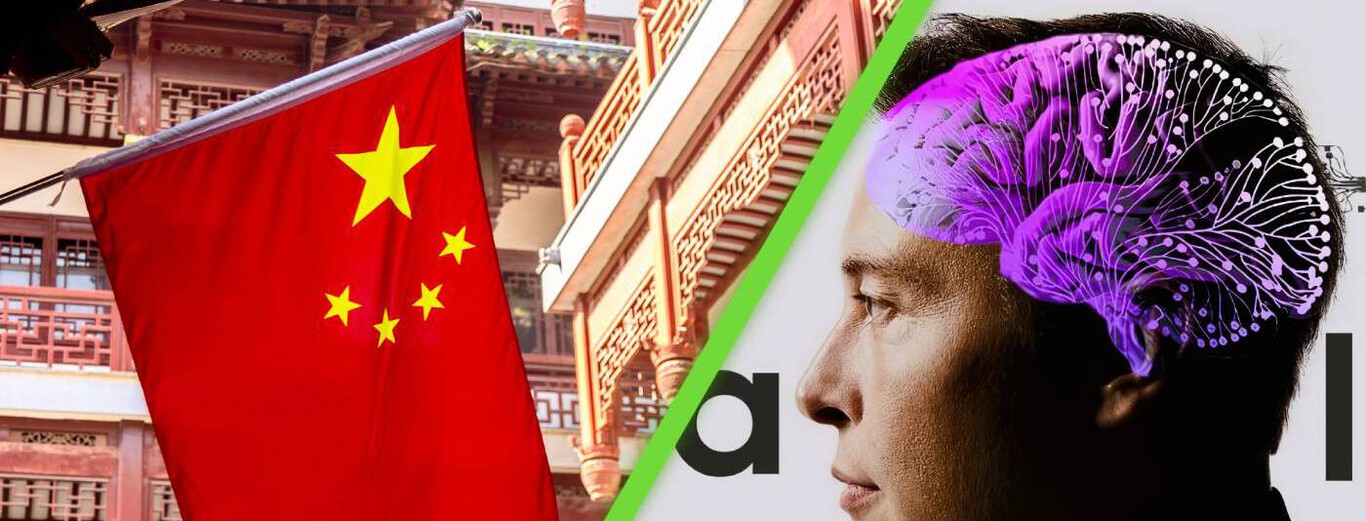
In late January 2024, Neuralink implanted its first wireless brain-computer interface chip in a human, reporting promising neural signals and patient recovery. Shortly after, China announced plans to deploy both invasive and non-invasive BCIs by 2025. These competing AI-driven neurodevices prompt questions about safety, ethics and regulation.[AI generated]

Why's our monitor labelling this an incident or hazard?

The article centers on the ethical debate and potential risks of Neuralink's brain implant technology, which involves AI systems processing neural data. However, it does not describe any realized harm or incidents resulting from the AI system's malfunction or misuse. Instead, it outlines plausible future harms and ethical concerns, such as privacy violations and medical risks, without reporting an actual AI Incident. Therefore, the event qualifies as an AI Hazard due to the credible potential for harm but not an AI Incident or Complementary Information.[AI generated]
AI principles
SafetyPrivacy & data governanceAccountabilityTransparency & explainabilityRespect of human rightsRobustness & digital securityDemocracy & human autonomy

Industries
Healthcare, drugs, and biotechnology

Severity
AI hazard

Business function:
Research and development

AI system task:
Recognition/object detection


Articles about this incident or hazard

Thumbnail Image

Several companies are testing brain implants - why is there so much attention swirling around Neuralink? Two professors unpack the ethical issues

2024-02-14
Yahoo News
Why's our monitor labelling this an incident or hazard?
The article explicitly involves an AI system in the form of Neuralink's brain-computer interface implant, which uses AI to decode brain signals and enable control of external devices. However, the article does not describe any realized harm or injury resulting from the development or use of this AI system. Instead, it focuses on ethical considerations, potential risks, and societal implications, which are forward-looking and cautionary. Therefore, the event is best classified as Complementary Information, as it provides context, ethical analysis, and discussion of potential future issues related to an AI system without reporting an AI Incident or AI Hazard.
Thumbnail Image

Several companies are testing brain implants - why is there so much attention swirling around Neuralink? Two professors unpack the ethical issues

2024-02-14
The Conversation
Why's our monitor labelling this an incident or hazard?
The article centers on the ethical debate and potential risks of Neuralink's brain implant technology, which involves AI systems processing neural data. However, it does not describe any realized harm or incidents resulting from the AI system's malfunction or misuse. Instead, it outlines plausible future harms and ethical concerns, such as privacy violations and medical risks, without reporting an actual AI Incident. Therefore, the event qualifies as an AI Hazard due to the credible potential for harm but not an AI Incident or Complementary Information.
Thumbnail Image

Several companies are testing brain implants - why is there so much attention swirling around Neuralink? Two professors unpack the ethical issues

2024-02-15
ThePrint
Why's our monitor labelling this an incident or hazard?
The article clearly involves an AI system (Neuralink's brain implant with AI decoding software). However, it does not describe any realized harm or incident resulting from the system's use or malfunction. Instead, it focuses on ethical issues, potential risks, and concerns about future harms such as privacy violations, autonomy manipulation, and social inequality. Therefore, it fits the definition of an AI Hazard, as the development and use of this AI system could plausibly lead to harms in the future, but no direct or indirect harm has yet been reported.
Thumbnail Image

Unpacking the ethical issues swirling around Neuralink

2024-02-15
Fast Company
Why's our monitor labelling this an incident or hazard?
Neuralink's device qualifies as an AI system because it uses software to decode brain electrical activity and translate it into commands for external devices. However, the article focuses on the technology's intended use in clinical trials to assist paralyzed patients, with no mention of injury, rights violations, or other harms. There is no indication of malfunction or misuse causing harm, nor credible warnings of plausible future harm. The content mainly informs about the technology and its ethical considerations, fitting the definition of Complementary Information rather than an Incident or Hazard.
Thumbnail Image

'Be worried' about Elon Musk's 'potentially fatal' Neuralink, expert warns

2024-02-15
Daily Star
Why's our monitor labelling this an incident or hazard?
Neuralink is an AI-enabled brain-computer interface system. The article focuses on the potential for fatal harm to human patients from its invasive use and the lack of transparency about safety data. Although no actual harm to humans is reported, the ongoing human testing and prior animal deaths indicate a plausible risk of serious injury or death. Therefore, this event qualifies as an AI Hazard because the AI system's use could plausibly lead to significant harm, but no confirmed incident has occurred yet.
Thumbnail Image

Elon Musk's controversial dive into human experimentation | Commentary

2024-02-12
The Seattle Times
Why's our monitor labelling this an incident or hazard?
The implanted brain-computer interface is an AI system that interprets neural signals to generate outputs influencing a virtual environment (computer control). The event involves the use of this AI system in human experimentation, which inherently carries risks of injury or harm to the patient (harm to health). Although no harm has been reported yet, the lack of transparency, absence of clinical trial registration, and ethical concerns imply a direct risk and potential harm. The article highlights concerns from experts about the ethical and safety implications, indicating that the AI system's use in this context has directly or indirectly led to significant concerns about harm and rights violations. Therefore, this event meets the criteria for an AI Incident rather than a mere hazard or complementary information.
Thumbnail Image

Why Is There So Much Attention Swirling Around Neuralink?

2024-02-14
Manufacturing.net
Why's our monitor labelling this an incident or hazard?
The article clearly involves an AI system, namely Neuralink's brain-computer interface that decodes neural activity to enable control of devices. The discussion includes the use of AI in decoding brain signals and the device's implantation and operation. However, the article does not describe any realized harm or injury resulting from the AI system's development, use, or malfunction. Instead, it focuses on ethical concerns, potential risks, and the need for regulatory oversight. Since no direct or indirect harm has occurred, and the article mainly provides context, ethical considerations, and governance challenges, it fits best as Complementary Information rather than an AI Incident or AI Hazard.
Thumbnail Image

Secrecy surrounding Elon Musk's brain project Neuralink and its living human patient adds to controversy

2024-02-12
The Star
Why's our monitor labelling this an incident or hazard?
The event clearly involves an AI system: a brain-computer interface with robotic surgical implantation and neural signal interpretation, which fits the definition of an AI system. The use of this system in a living human patient is described, but no direct harm or injury is reported. However, the secrecy, lack of clinical trial registration, and absence of peer-reviewed data raise credible concerns about potential future harm, including physical injury, ethical violations, and exploitation. Since no actual harm has been reported yet, but plausible harm could arise from this use and the opaque development process, the event fits the definition of an AI Hazard rather than an AI Incident. It is not merely complementary information because the focus is on the risks and secrecy around the AI system's use in human experimentation, not on responses or ecosystem context. It is not unrelated because the AI system is central to the event.
Thumbnail Image

Several companies are testing brain implants -- why is there so much attention swirling around Neuralink?

2024-02-14
Medical Xpress - Medical and Health News
Why's our monitor labelling this an incident or hazard?
The article centers on Neuralink's brain implant technology, which involves AI systems for decoding brain signals and enabling control of external devices. While it discusses potential risks such as privacy violations, autonomy manipulation, and medical safety concerns, these are presented as ethical considerations and possible future issues rather than realized harms. There is no description of an actual incident or malfunction causing injury, rights violations, or other harms. Therefore, the event does not qualify as an AI Incident or AI Hazard. The article serves to inform and contextualize the technology and its implications, fitting the definition of Complementary Information.
Thumbnail Image

Several companies are testing brain implants - why is there so much attention swirling around Neuralink? Two professors unpack the ethical issues

2024-02-14
ArcaMax
Why's our monitor labelling this an incident or hazard?
The article describes an AI system (Neuralink's brain-computer interface) and its development and testing in humans. However, it does not describe any direct or indirect harm caused by the AI system, nor does it indicate any plausible imminent harm. The focus is on ethical debates and the technology's potential, which aligns with providing complementary information about AI developments and societal considerations rather than reporting an incident or hazard. Therefore, the event is best classified as Complementary Information.
Thumbnail Image

How does Elon Musk's Neuralink brain implant actually work? | Stuff

2024-02-16
Stuff
Why's our monitor labelling this an incident or hazard?
Neuralink's device qualifies as an AI system because it uses AI to decode brain signals and translate them into commands for external devices. The article reports on the device's development and early clinical use but does not describe any injury, rights violation, or other harm caused by the system. The implant is still in testing, and while future risks exist, the article does not present a credible or imminent risk of harm. Therefore, this event is best classified as Complementary Information, providing context and updates on AI-enabled neurotechnology development without reporting an AI Incident or AI Hazard.
Thumbnail Image

Unpacking ethical issues of brain implants

2024-02-16
The Navhind Times
Why's our monitor labelling this an incident or hazard?
The article centers on the development and ethical implications of an AI-enabled brain implant system but does not describe any realized harm or incident resulting from its use or malfunction. It discusses potential future risks such as privacy breaches, autonomy manipulation, and social inequality, which are plausible hazards, but these are presented as concerns rather than actual events. Therefore, the article is best classified as Complementary Information because it provides context, ethical analysis, and governance considerations related to an AI system without reporting a specific AI Incident or AI Hazard.
Thumbnail Image

MIL-OSI Global: Several companies are testing brain implants - why is there so much attention swirling around Neuralink? Two professors unpack the ethical issues

2024-02-14
foreignaffairs.co.nz
Why's our monitor labelling this an incident or hazard?
The article explicitly involves an AI system (Neuralink's brain-computer interface) and discusses its development and use. However, it does not describe any direct or indirect harm that has occurred due to the AI system's malfunction or misuse. Instead, it focuses on ethical issues, potential risks, and societal implications, which align with the definition of an AI Hazard or Complementary Information. Since the article primarily provides an ethical analysis and contextual discussion without reporting a specific event of harm or imminent risk, it fits best as Complementary Information, enhancing understanding of AI developments and their implications without describing a new incident or hazard.
Thumbnail Image

Why is there so much attention swirling around Neuralink?

2024-02-15
Pioneer News
Why's our monitor labelling this an incident or hazard?
The article explicitly describes Neuralink's brain implant as an AI system that decodes neural signals to control devices, thus involving AI system use. It discusses the first human implantation and ongoing trials, but no actual harm or injury has been reported. The concerns raised—such as privacy breaches, autonomy manipulation, surgical risks, and ethical issues—are potential harms that could plausibly arise from the device's use. The lack of transparency and regulatory concerns further support the plausibility of future harm. Since no direct or indirect harm has yet occurred, this event fits the definition of an AI Hazard rather than an AI Incident. It is not merely complementary information because the main focus is on the potential risks and ethical implications of the AI system's deployment, not on responses or updates to past incidents.
Thumbnail Image

Neuralink has put its first chip in a human brain. What could possibly go wrong?

2024-02-15
Interaksyon
Why's our monitor labelling this an incident or hazard?
The Neuralink brain implant qualifies as an AI system because it involves advanced brain-computer interface technology with electrodes and robotic implantation, enabling control of external devices via neural signals. The article focuses on the first human implantation and discusses potential risks and ethical issues, including severe brain damage and long-term patient care challenges. However, no actual injury or harm has been reported yet. The concerns raised about possible future harm and ethical dilemmas indicate a plausible risk of an AI Incident occurring in the future. Thus, this event is best classified as an AI Hazard rather than an AI Incident or Complementary Information.
Thumbnail Image

Tras el anuncio del primer chip cerebral en humanos de Elon Musk, China responde con un plan para 2025

2024-01-31
20 minutos
Why's our monitor labelling this an incident or hazard?
The article discusses the development and planned deployment of AI-enabled brain-computer interfaces, which are AI systems by definition, but no actual harm or incident has occurred yet. The Chinese government's plan to develop these devices by 2025 and the use of generative AI in them represent a plausible future risk of harm, given the invasive nature of brain implants and potential ethical, health, or privacy issues. However, since no harm or malfunction is reported, and the article centers on future plans and technological progress, this qualifies as an AI Hazard rather than an AI Incident or Complementary Information.
Thumbnail Image

China competirá con Elon Musk por ponernos un chip en el cerebro, y ya han desarrollado uno que no necesita cirugía ni implantes a lo cyberpunk

2024-02-01
3D Juegos
Why's our monitor labelling this an incident or hazard?
The article explicitly mentions AI-related brain-computer interface systems under development and planned for future deployment. However, it does not describe any actual harm, malfunction, or misuse of these systems. The potential for privacy or ethical concerns is noted but remains speculative. Since the event involves the development and potential future use of AI systems that could plausibly lead to harm (e.g., privacy violations, misuse of neural data), it fits the definition of an AI Hazard rather than an Incident or Complementary Information. It is not unrelated because AI systems are central to the described technology.
Thumbnail Image

¿Por qué Neuralink de Elon Muks busca conectar el cerebro con el internet?

2024-02-04
DEBATE
Why's our monitor labelling this an incident or hazard?
The article discusses Neuralink's AI-enabled brain-computer interface as an emerging technology with potential future impacts but does not report any actual harm or incident resulting from its use or malfunction. The concerns raised are about transparency and safety in ongoing research, which are important but do not constitute an AI Incident or AI Hazard at this stage. Since the article neither reports realized harm nor a credible imminent risk of harm, and mainly provides information about the technology and its development context, it fits best as Complementary Information.
Thumbnail Image

Neuralink implantó un chip inalámbrico en el cerebro de un humano

2024-02-03
Cambio16
Why's our monitor labelling this an incident or hazard?
The implanted Neuralink chip is an AI system as it decodes neural signals to control devices. The event involves the use of this AI system in a human subject. Although no harm has been reported, the invasive nature and ethical concerns imply plausible future risks (AI Hazard). Since no injury, rights violation, or other harm has materialized, it does not qualify as an AI Incident. The article focuses on the initial implantation and potential implications rather than a response or update to a prior incident, so it is not Complementary Information. Therefore, the event is best classified as an AI Hazard due to the plausible future harm from the experimental AI brain implant.
Thumbnail Image

China tendrá implantes cerebrales listos en 2025: Elon Musk desató una nueva guerra tecnológica con Neuralink

2024-01-31
xataka.com.mx
Why's our monitor labelling this an incident or hazard?
The article discusses AI systems in the form of brain-computer interfaces and their development and use, but it does not describe any direct or indirect harm resulting from these systems. There is no mention of injury, rights violations, disruption, or other harms caused by the AI systems. While the technologies could plausibly lead to future harms, the article does not present any specific event or circumstance indicating such a risk materializing or being imminent. Therefore, the event is best classified as Complementary Information, providing context and updates on AI developments and ecosystem responses rather than reporting an AI Incident or AI Hazard.
Thumbnail Image

China anuncia creación de su primer chip cerebral tras anuncio de Musk

2024-02-02
Tiempo Digital
Why's our monitor labelling this an incident or hazard?
The event involves AI systems (brain-computer interfaces using generative AI) under development and planned use, which could plausibly lead to harms such as health risks, privacy violations, or other impacts if deployed without adequate safeguards. However, the article does not describe any actual harm or malfunction occurring yet. It is a forward-looking announcement about AI-enabled technology development and government strategy, fitting the definition of an AI Hazard rather than an Incident or Complementary Information.
Thumbnail Image

Spoločnosť Neuralink Elona Muska po prvý raz implantovala do ľudského mozgu čip

2024-01-30
Aktuality.sk
Why's our monitor labelling this an incident or hazard?
The event involves an AI system (brain-computer interface with AI interpreting neural signals) being used in humans for the first time. No direct or indirect harm has been reported yet, but the technology's nature and prior animal testing with serious adverse effects indicate plausible future risks. Therefore, this event qualifies as an AI Hazard because it could plausibly lead to harm (health or rights) due to the AI system's use or malfunction, but no harm has materialized yet.
Thumbnail Image

Spoločnosť Neuralink umiestnila svoj prvý čip do mozgu ľudského pacienta, vraví Elon Musk

2024-01-30
Denník N
Why's our monitor labelling this an incident or hazard?
The implanted brain chip functions as an AI system by interpreting neural inputs to generate control commands for devices, which fits the definition of an AI system. The event describes the use of this AI system in a medical context with a patient recovering well, but no harm or injury is reported. There is no indication of malfunction or misuse causing harm, nor is there a plausible risk of harm described. Therefore, this is not an AI Incident or AI Hazard. The news provides significant information about the deployment of an AI system in a novel medical application, which enhances understanding of AI developments and their societal implications, fitting the definition of Complementary Information.
Thumbnail Image

Začiatok novej éry pre ľudstvo? Spoločnosť Elona Muska prvýkrát implantovala čip do mozgu človeka

2024-01-30
dobrenoviny.sk
Why's our monitor labelling this an incident or hazard?
The article explicitly mentions an AI system (Neuralink's brain chip) implanted in a human, which is an AI system by definition as it infers neural signals to generate outputs controlling devices. The event involves the use of the AI system but reports no harm or malfunction. The article focuses on the milestone and potential benefits rather than any harm or risk. Thus, it does not meet criteria for AI Incident or AI Hazard. Instead, it is Complementary Information, providing an update on AI system deployment and its implications.
Thumbnail Image

Spoločnosť Elona Muska prvýkrát implantovala čip do mozgu človeka

2024-01-30
info.sk
Why's our monitor labelling this an incident or hazard?
The article explicitly involves an AI system (Neuralink's brain chip) used in a medical context. The event is the first human implantation, which is a significant development but does not report any injury or harm to the patient or others. The prior animal testing involved harm, but that is historical and not the main event here. There is no indication that the AI system malfunctioned or caused harm, nor that it could plausibly lead to harm imminently. The article focuses on the progress and potential benefits, making it a Complementary Information event rather than an Incident or Hazard.
Thumbnail Image

Významný míľnik: Muskova spoločnosť prvýkrát implantovala čip do mozgu človeka, ako sa má pacient?

2024-01-30
Koktejl.sk
Why's our monitor labelling this an incident or hazard?
The Neuralink brain chip qualifies as an AI system because it interprets neural signals to generate outputs controlling devices, fitting the definition of an AI system influencing physical or virtual environments. The event involves the use of this AI system in a medical procedure. Although prior animal testing caused harm, the human implantation has not resulted in any reported injury or harm. The article highlights the potential for future health benefits and risks but does not describe any realized harm or incident. Therefore, this event is best classified as an AI Hazard, as the development and use of this AI system could plausibly lead to harm, but no harm has yet occurred in the human patient.
Thumbnail Image

China wants to come up with its own version of Elon Musk's Neuralink

2024-01-30
Business Insider
Why's our monitor labelling this an incident or hazard?
The article primarily discusses China's policy goals and research efforts to develop brain-computer interface technologies, which involve AI systems. While these technologies have potential future risks, the article does not describe any actual harm, malfunction, or misuse that has occurred. Therefore, it does not meet the criteria for an AI Incident or an AI Hazard. It is not merely general AI news or product launch, as it provides detailed policy and research context, but since no harm or plausible immediate hazard is described, it fits best as Complementary Information, providing context and updates on AI ecosystem developments.
Thumbnail Image

China Plans to Take on Elon Musk's Neuralink in 2025

2024-01-30
Gizmodo
Why's our monitor labelling this an incident or hazard?
The article explicitly mentions AI-related brain-computer interface systems being developed and planned for deployment. Although no actual harm has occurred yet, the technology's nature and potential applications imply credible risks of significant harm, including privacy violations and loss of mental autonomy. The involvement is in the development and intended use of AI systems that could plausibly lead to harms as defined in the framework. Hence, this is best classified as an AI Hazard rather than an Incident or Complementary Information.
Thumbnail Image

China Reveals Ambitious Plan to Compete With Elon Musk's Neuralink -- What Does it Envision in 2025?

2024-01-30
Tech Times
Why's our monitor labelling this an incident or hazard?
The event involves AI systems in the form of brain-computer interfaces and generative AI integration, which are explicitly mentioned. However, the article only outlines plans and early-stage research without any reported injury, rights violations, or other harms caused by these AI systems. Therefore, it fits the definition of an AI Hazard, as the development and deployment of such technology could plausibly lead to harms in the future, but no incident has yet occurred.
Thumbnail Image

China unveils plan for 'zombie' BRAIN CHIPS to rival Elon Musk's Neuralink

2024-02-02
The Scottish Sun
Why's our monitor labelling this an incident or hazard?
The article discusses the development and intended use of AI-enabled brain-computer interface technology, which involves AI systems for brain-computer fusion and neural models. While it highlights potential future harms, including surveillance and ethical concerns, no realized harm or incident is described. Therefore, this qualifies as an AI Hazard because the development and deployment of such AI systems could plausibly lead to significant harms in the future, such as violations of human rights or harm to individuals. It is not an AI Incident since no harm has yet occurred, nor is it Complementary Information or Unrelated, as the focus is on the plausible future risks of AI systems in brain chips.
Thumbnail Image

China anuncia que quiere rivalizar con Elon Musk y su Neuralink para 2025 con este plan

2024-02-10
Mundo Deportivo
Why's our monitor labelling this an incident or hazard?
The event involves the development of AI systems embedded in brain-computer interfaces, which are explicitly mentioned. Although no direct harm has occurred yet, the technology's nature and intended use plausibly could lead to AI incidents involving injury, violation of rights, or other significant harms. Since the article focuses on the announcement of future development and not on any realized harm, it fits the definition of an AI Hazard rather than an AI Incident or Complementary Information.
Thumbnail Image

Elon Musk quiere que controles tu teléfono con la mente y así planea lograrlo - La Opinión

2024-02-07
La Opinión Digital
Why's our monitor labelling this an incident or hazard?
The Neuralink chip is an AI system as it interprets neural signals to generate outputs controlling devices. The article reports on the first human implantation and early promising results but does not describe any realized harm or malfunction causing injury, rights violations, or other harms. However, given the invasive nature and potential risks of brain-computer interfaces, there is a credible possibility that the system could lead to harm in the future (e.g., health risks, privacy violations, or misuse). Therefore, this event qualifies as an AI Hazard rather than an AI Incident or Complementary Information. It is not unrelated because it clearly involves an AI system and its development and use.
Thumbnail Image

Pasemos un buen dato: ¿Sabías que el cerebro de una persona consta de hasta 100.000 millones de células nerviosas?

2024-02-08
OndaCero
Why's our monitor labelling this an incident or hazard?
The article describes Neuralink's AI-based brain-computer interface technology and its clinical trial in humans, which involves AI systems interpreting neural signals. While it mentions ethical concerns such as animal deaths during testing, no direct or indirect harm to humans or other harms as defined (injury, rights violations, disruption, etc.) is reported as having occurred. The article mainly provides background information and reflections on the technology's potential and societal impact, without describing an incident or hazard event. Therefore, it fits the definition of Complementary Information, as it enhances understanding of AI developments and their implications without reporting a new AI Incident or AI Hazard.
Thumbnail Image

Neuralink está acelerando el desarrollo de la tecnología de implantes cerebrales - Entrelineas

2024-02-07
Las Noticias de Chihuahua - Entrelíneas
Why's our monitor labelling this an incident or hazard?
The article focuses on the development and marketing of brain-computer interface technology, which involves AI systems interpreting brain signals. While it mentions potential future capabilities and challenges, it does not describe any actual harm, malfunction, or misuse leading to injury, rights violations, or other harms. There is no indication of a direct or indirect AI Incident or a plausible AI Hazard occurring at this time. The content is primarily informative and contextual, fitting the definition of Complementary Information as it enhances understanding of AI system development and ecosystem without reporting new harm or risk.
Thumbnail Image

China también prepara su tecnología para introducir chips en el cerebro, ¿competencia para Musk?

2024-02-13
elEconomista.es
Why's our monitor labelling this an incident or hazard?
The event involves AI systems (brain-computer interfaces with AI components) in development and planned use. No actual harm has been reported yet, so it is not an AI Incident. The article highlights the potential applications and the future timeline, indicating plausible future risks associated with these technologies. Hence, it fits the definition of an AI Hazard, as the development and intended use of such AI systems could plausibly lead to harms such as health issues or rights violations.
Thumbnail Image

El primer implante cerebral de Neuralink en un humano está rodeado de misterio

2024-02-14
La Nueva España Digital - LNE.es
Why's our monitor labelling this an incident or hazard?
The Neuralink implant is an AI system (a brain-computer interface decoding neural signals) whose development and use are central to the article. Although the implant has been reportedly placed in a human, there is no verified evidence of actual harm or adverse outcomes so far. The article extensively discusses plausible future harms including physical injury, privacy violations, ethical concerns, and social risks. These potential harms are credible given the invasive nature of the device and the sensitive data involved. Since no direct or indirect harm has been confirmed or documented yet, but the risks are significant and plausible, the event fits the definition of an AI Hazard. It is not Complementary Information because the article is not primarily about responses or updates to a known incident, nor is it unrelated as it clearly involves an AI system with potential for harm.
Thumbnail Image

Insertaron el implante cerebral de Elon Musk en un paciente humano - El Diario - Bolivia

2024-02-12
www.eldiario.net
Why's our monitor labelling this an incident or hazard?
The Neuralink implant is an AI system that interprets brain signals to control devices, involving sophisticated AI technology. The event involves the use of this AI system in a human patient. Although the patient is reported to be recovering well and no harm is currently reported, the invasive nature and experimental status of the implant imply plausible risks of injury or health harm. Hence, it fits the definition of an AI Hazard rather than an AI Incident. It is not Complementary Information because it is not an update on a previously reported incident but a new event. It is not Unrelated because it clearly involves an AI system with potential health implications.