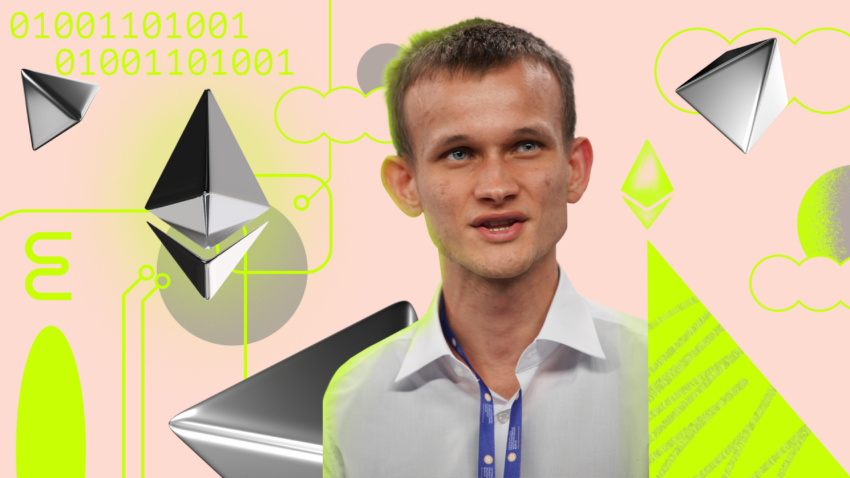
Deepfake Scam Causes $25 Million Loss, Prompts Security Innovation from Ethereum Co-founder

Thumbnail Image

The information displayed in the AIM should not be reported as representing the official views of the OECD or of its member countries.

A company lost $25 million in a deepfake video call scam, highlighting the dangers of AI-generated impersonations. In response, Ethereum co-founder Vitalik Buterin proposed using personalized security questions based on unique shared experiences to better authenticate identities and counteract the growing threat of deepfake technology.[AI generated]

Why's our monitor labelling this an incident or hazard?

The article explicitly mentions a deepfake scam that led to a substantial financial loss, which is a direct harm caused by the use of an AI system (deepfake technology). This meets the criteria for an AI Incident as the AI system's use directly led to harm (financial loss). The rest of the article focuses on a proposed security solution to prevent such harms, which is complementary information enhancing understanding and response to the incident but does not itself describe a new incident or hazard.[AI generated]
AI principles
AccountabilityPrivacy & data governanceRobustness & digital securitySafetyTransparency & explainabilityDemocracy & human autonomy

Industries
Digital securityFinancial and insurance services

Affected stakeholders
Business

Harm types
Economic/Property

Severity
AI incident

Business function:
ICT management and information security

AI system task:
Content generation

In other databases

Articles about this incident or hazard

Thumbnail Image

Vitalik Buterin Unveils Novel Anti-Deepfake Security Solution

2024-02-09
Coingape
Why's our monitor labelling this an incident or hazard?
The article explicitly mentions a deepfake scam that led to a substantial financial loss, which is a direct harm caused by the use of an AI system (deepfake technology). This meets the criteria for an AI Incident as the AI system's use directly led to harm (financial loss). The rest of the article focuses on a proposed security solution to prevent such harms, which is complementary information enhancing understanding and response to the incident but does not itself describe a new incident or hazard.
Thumbnail Image

Ethereum Co-Founder Cracks Deepfake Code, Unveils 'Secret Question' Shield

2024-02-10
Bitcoinist.com
Why's our monitor labelling this an incident or hazard?
The event involves AI systems in the form of deepfakes, which are AI-generated simulations of real people. However, the article primarily focuses on a proposed security solution to counteract deepfake threats rather than describing an actual incident of harm or a realized AI-driven attack. There is no direct or indirect harm reported; rather, the article discusses a potential defense mechanism and the challenges it faces. Therefore, this is not an AI Incident or AI Hazard but rather complementary information providing context and insight into ongoing efforts to address AI-related threats.
Thumbnail Image

Vitalik Buterin Unveils Web3 Security Strategy in Response to Deepfake Threats

2024-02-11
BeInCrypto
Why's our monitor labelling this an incident or hazard?
The article explicitly mentions AI-generated deepfakes causing a $25 million financial loss and influencing US elections negatively, which are direct harms to individuals and communities. The AI system's use (deepfake generation) is central to these harms. The discussion of security strategies is a response to these harms but does not overshadow the fact that harm has already occurred. Hence, this qualifies as an AI Incident due to realized harm caused by AI deepfake systems.
Thumbnail Image

Ethereum Co-Founder Cracks Deepfake Code, Unveils 'Secret Question' Shield

2024-02-10
cryptodaily.co.uk
Why's our monitor labelling this an incident or hazard?
The event involves AI systems in the form of deepfakes, which are AI-generated synthetic media used maliciously to impersonate individuals and perpetrate scams, as evidenced by the recent deepfake scam targeting Buterin. This constitutes a realized harm to individuals and communities through fraud and impersonation, which falls under harm to communities and violation of rights. However, the article primarily centers on the proposal of a new defense mechanism rather than detailing a new incident of harm caused by AI. The mention of the deepfake scam is contextual background to justify the need for the proposal. Therefore, the article is best classified as Complementary Information, as it provides supporting context and discussion about AI-related harms and responses without reporting a new AI Incident or AI Hazard.
Thumbnail Image

Ethereum Co-founder Proposes Innovative Defense Against Deepfakes

2024-02-10
Cryptopolitan
Why's our monitor labelling this an incident or hazard?
The event involves AI in the context of deepfakes and online impersonation threats, and the proposal aims to mitigate such AI-driven harms. However, the article only presents a conceptual defense approach and discusses potential future challenges without describing any realized harm, incident, or direct malfunction involving AI systems. Therefore, it does not meet the criteria for an AI Incident or AI Hazard. Instead, it provides complementary information about ongoing research and proposed security innovations in response to AI-related threats.
Thumbnail Image

Analyzing Vitalik Buterin's latest take on crypto safety | Cryptopolitan

2024-02-11
Cryptopolitan
Why's our monitor labelling this an incident or hazard?
The article explicitly mentions the use of deepfakes, which are AI systems generating realistic fake videos, leading to a $25 million fraud incident. This constitutes direct harm to property and financial assets caused by the use of an AI system. The discussion of security vulnerabilities and proposed mitigations further supports the AI system's pivotal role in the incident. Hence, the event meets the criteria for an AI Incident as the AI system's use directly led to significant harm.
Thumbnail Image

Ethereum's Buterin Reveals Genius Hack to Beat Deepfakes

2024-02-09
TradingView
Why's our monitor labelling this an incident or hazard?
The article centers on a proposed solution to prevent harm caused by AI-generated deepfakes, which have already resulted in significant financial loss. However, the article does not describe a new AI Incident itself but rather discusses a strategy to address existing and potential harms from AI deepfakes. Therefore, it provides complementary information about societal and technical responses to AI-related threats rather than reporting a new incident or hazard.
Thumbnail Image

Vitalik Buterin Unveils Web3 Security Strategy in Response to Deepfake Threats

2024-02-11
TradingView
Why's our monitor labelling this an incident or hazard?
The article explicitly references an AI system (deepfake technology) that was used to deceive a finance worker, resulting in a $25 million loss, which constitutes direct harm to property and financial assets. It also mentions AI-generated misinformation impacting elections, which is harm to communities. These are clear examples of AI Incidents as the harms have already occurred and are directly linked to the use of AI systems. The discussion of security strategies and responses serves as complementary information but does not overshadow the presence of actual incidents described. Therefore, the primary classification is AI Incident.
Thumbnail Image

'30% Of Enterprises Will Consider Identity Verification Unreliable' | Bengaluru News - Times of India

2024-02-06
The Times of India
Why's our monitor labelling this an incident or hazard?
The article does not report an actual incident of harm caused by AI systems but rather warns about a credible and plausible future risk where AI-generated deepfakes could undermine biometric security systems, leading to potential identity fraud and security breaches. This fits the definition of an AI Hazard, as it describes circumstances where AI system use could plausibly lead to harm (identity verification failures and associated security risks). There is no indication that harm has already occurred, so it is not an AI Incident. The article is not merely complementary information about responses or governance but a forward-looking risk assessment.
Thumbnail Image

Gartner predicts 30% of enterprises will consider identity verification and authentication solutions unreliable in isolation due to AI-generated deepfakes by 2026 - Express Computer

2024-02-07
Express Computer
Why's our monitor labelling this an incident or hazard?
The article describes a credible future risk where AI-generated deepfakes could plausibly lead to significant harm by compromising identity verification systems, which are critical for security and access management. Although no specific harm has yet occurred, the forecasted increase in deepfake attacks and their potential to cause security breaches and account takeovers constitutes a plausible AI Hazard. The article does not report an actual incident but warns of a credible threat and advises on mitigation strategies, fitting the definition of an AI Hazard rather than an Incident or Complementary Information.
Thumbnail Image

Deepfake videos looked so real that an employee agreed to send them $25 million | Biometric Update

2024-02-05
Biometric Update
Why's our monitor labelling this an incident or hazard?
The event explicitly involves the use of AI-generated biometric deepfakes to commit fraud, resulting in a direct financial loss. The AI system's use directly led to the harm, fulfilling the criteria for an AI Incident. The article details the realized harm and the AI system's pivotal role in causing it, not just a potential or future risk. Therefore, this is classified as an AI Incident.
Thumbnail Image

'Deepfakes to make biometrics unreliable'

2024-02-06
newsR
Why's our monitor labelling this an incident or hazard?
The event involves AI systems (deepfake generation models) used maliciously to attack biometric authentication systems, which are AI-based. Although no specific harm has yet occurred, the prediction indicates a plausible future risk of harm to security and trust in identity verification, which could lead to violations of rights or significant harm to enterprises and individuals relying on these systems. Therefore, this constitutes an AI Hazard due to the credible potential for future harm stemming from AI misuse.
Thumbnail Image

Identity Verification Solutions To Be Less Reliable Due To AI-Generated Deepfakes: Gartner

2024-02-05
NDTV Profit
Why's our monitor labelling this an incident or hazard?
The article explicitly involves AI systems in the form of AI-generated deepfakes used to attack biometric authentication systems. Although no actual harm or incident is reported yet, the article presents a credible risk that these AI deepfakes could lead to failures in identity verification, which could cause security breaches or fraud. This fits the definition of an AI Hazard, as it plausibly could lead to harm (e.g., violations of security, fraud, or identity theft) through the use or misuse of AI systems. The article focuses on the potential threat and recommended mitigations rather than describing a realized harm or incident, so it is not an AI Incident. It is also not merely complementary information or unrelated, as it centers on a credible AI-driven risk.