Hong Kong Plans Mass CCTV and Facial Recognition Rollout, Raising AI Surveillance Concerns

Thumbnail Image

The information displayed in the AIM should not be reported as representing the official views of the OECD or of its member countries.

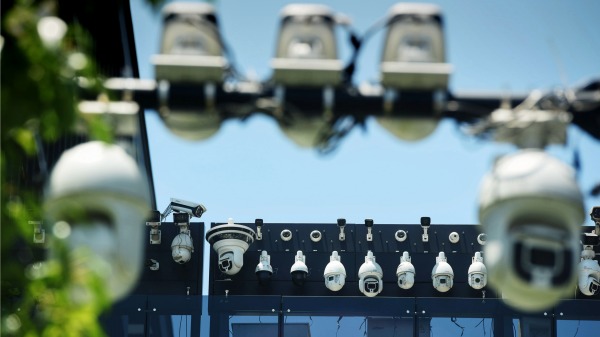
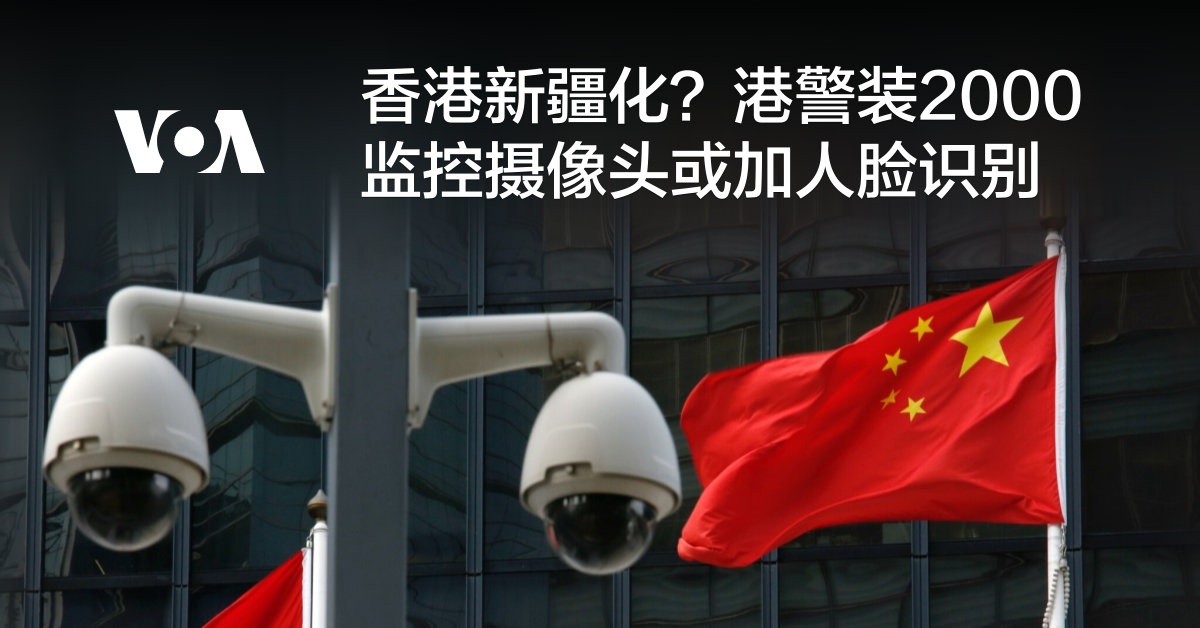
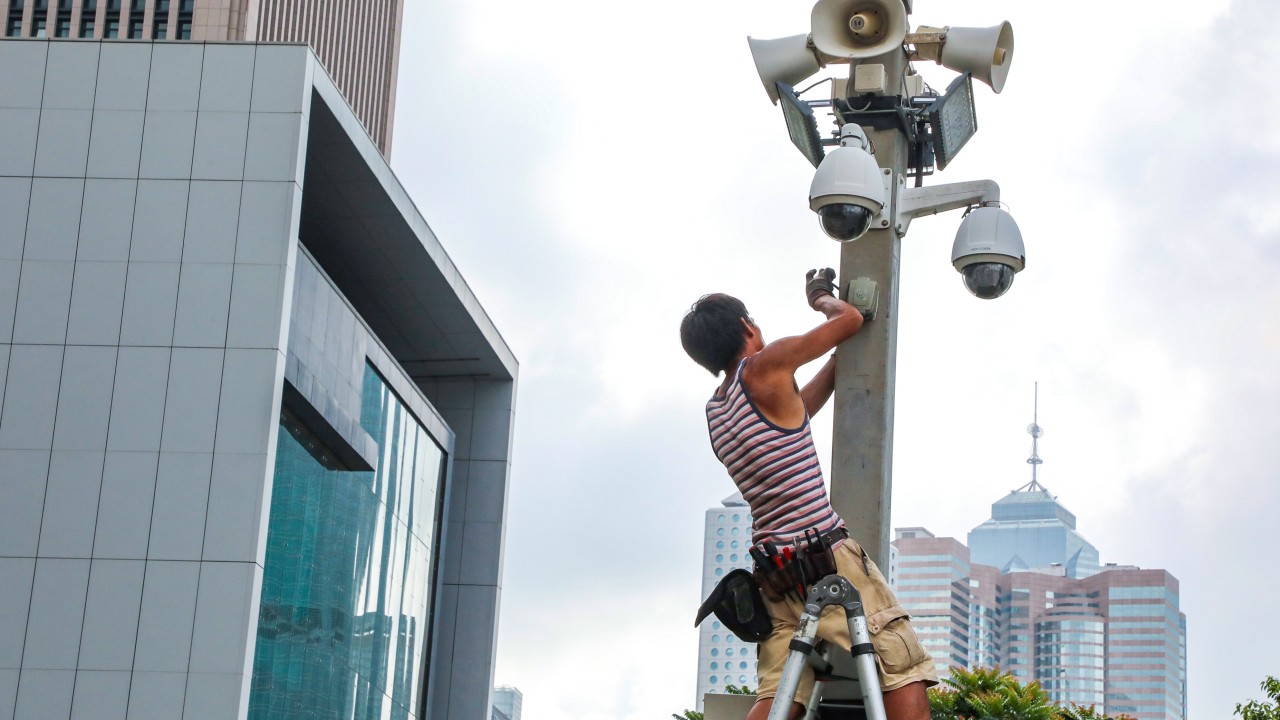
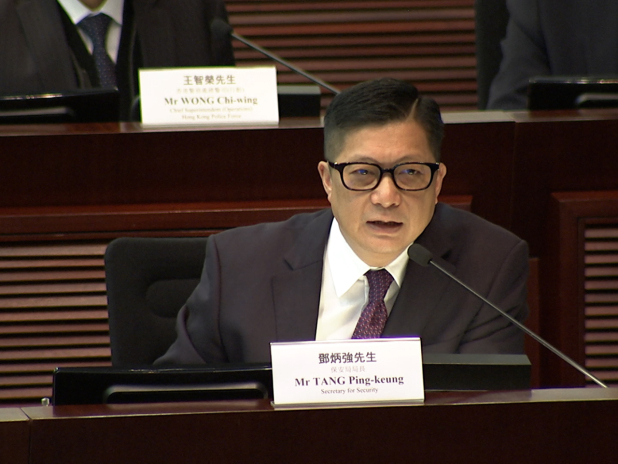
Hong Kong police plan to install at least 2,000 CCTV cameras citywide in 2024, with possible integration of AI-powered facial recognition. Officials claim the move is for public safety, but experts and critics warn it could enable mass surveillance, privacy violations, and political repression, echoing concerns about human rights risks.[AI generated]

Why's our monitor labelling this an incident or hazard?

The event involves the use and potential expansion of AI systems (facial recognition and AI-powered surveillance) by the Hong Kong government, with equipment supplied by companies linked to the Chinese government. The article does not report a specific incident of harm but outlines a credible risk of privacy violations and human rights infringements due to increased AI surveillance. This fits the definition of an AI Hazard, as the development and deployment of these AI systems could plausibly lead to an AI Incident involving harm to human rights and communities. There is no indication that harm has already occurred or that this is a response or update to a past incident, so it is not an AI Incident or Complementary Information. It is not unrelated because AI systems are clearly involved in the surveillance technology discussed.[AI generated]
AI principles
Privacy & data governanceRespect of human rightsTransparency & explainabilityDemocracy & human autonomyAccountabilityRobustness & digital securityFairness

Industries
Government, security, and defenceDigital security

Affected stakeholders
General publicCivil society

Harm types
Human or fundamental rightsPublic interestPsychological

Severity
AI hazard

Business function:
Compliance and justiceMonitoring and quality control

AI system task:
Recognition/object detection


Articles about this incident or hazard

Thumbnail Image

中共监控入港 港府将安装2000部摄像头 - 大纪元

2024-02-15
The Epoch Times
Why's our monitor labelling this an incident or hazard?
The event involves the use and potential expansion of AI systems (facial recognition and AI-powered surveillance) by the Hong Kong government, with equipment supplied by companies linked to the Chinese government. The article does not report a specific incident of harm but outlines a credible risk of privacy violations and human rights infringements due to increased AI surveillance. This fits the definition of an AI Hazard, as the development and deployment of these AI systems could plausibly lead to an AI Incident involving harm to human rights and communities. There is no indication that harm has already occurred or that this is a response or update to a past incident, so it is not an AI Incident or Complementary Information. It is not unrelated because AI systems are clearly involved in the surveillance technology discussed.
Thumbnail Image

港警年内设2000个闭路电视 可能增人脸识别 评论多忧新疆化

2024-02-13
RFI
Why's our monitor labelling this an incident or hazard?
The event involves the use of AI systems (facial recognition and AI surveillance technologies) in the deployment of CCTV cameras by the Hong Kong police. While the harms are not yet realized, the article clearly outlines credible concerns and plausible risks of human rights violations, privacy breaches, and societal harm due to mass surveillance and political repression. This fits the definition of an AI Hazard, as the development and use of these AI systems could plausibly lead to significant harms. There is no indication that harm has already occurred directly from these new installations, so it is not an AI Incident. The article is not merely complementary information or unrelated news, as it focuses on the potential harms and societal implications of the AI system deployment.
Thumbnail Image

加强监控 港府今年拟装2千部闭路电视(图) - 时政聚焦 -

2024-02-12
看中国
Why's our monitor labelling this an incident or hazard?
The event involves the planned use of AI systems, specifically facial recognition technology integrated with CCTV surveillance, which is an AI system as it infers from input (video data) to generate outputs (identification, tracking) influencing the environment. Although the harm is not yet realized, the deployment of such technology could plausibly lead to violations of human rights, including privacy and freedom of assembly, constituting harm to communities. Therefore, this qualifies as an AI Hazard because the AI system's use could plausibly lead to an AI Incident involving rights violations. The article does not describe an actual incident of harm yet, but the credible risk is clear and significant.
Thumbnail Image

香港将装至少2000部闭路电视 警方:会据法例依法办事

2024-02-11
早报
Why's our monitor labelling this an incident or hazard?
The event involves the deployment of AI-related technology (facial recognition) as part of the CCTV system, which is an AI system capable of processing visual data for identification purposes. However, the article does not report any realized harm or incident resulting from the use or malfunction of this AI system. Instead, it outlines plans and assurances about lawful use and privacy considerations. Therefore, this is a plausible future risk scenario where the use of facial recognition technology could lead to potential harms such as privacy violations or rights infringements, but no such harm has yet occurred or been reported. Hence, it qualifies as an AI Hazard rather than an AI Incident or Complementary Information.
Thumbnail Image

"天眼"监控 人脸识别 香港正在新疆化?(图) - 时评 - 陈子非

2024-02-13
看中国
Why's our monitor labelling this an incident or hazard?
The event involves the use of AI systems (facial recognition technology) in public surveillance. The deployment and use of these AI systems are directly linked to human rights violations, including suppression of political dissent and potential breaches of privacy and freedom of expression. The article provides evidence of realized harm through political repression and surveillance, not just potential harm. Therefore, this qualifies as an AI Incident under the framework, as the AI system's use has directly led to violations of fundamental rights.
Thumbnail Image

香港"维稳"与中国看齐 加装数千监控、使用人脸识别

2024-02-11
Radio Free Asia
Why's our monitor labelling this an incident or hazard?
The article explicitly mentions the planned use of facial recognition technology, an AI system, for surveillance in Hong Kong. Although no direct harm has been reported at this stage, the deployment of such AI systems for mass surveillance in a politically sensitive context could plausibly lead to violations of human rights and suppression of freedoms. Therefore, this event fits the definition of an AI Hazard, as it could plausibly lead to an AI Incident involving human rights violations.
Thumbnail Image

港府今年将装2千部闭路电视「改善治安」 评论:监控民众聚集和反政府人士

2024-02-12
Radio Free Asia
Why's our monitor labelling this an incident or hazard?
The event explicitly involves the use of AI systems, specifically facial recognition technology, which is an AI system used for identification and surveillance. The deployment and use of these systems by the government for monitoring citizens and suppressing dissent directly leads to violations of human rights and privacy, which are harms under the AI Incident definition. The article describes the current and planned use of these AI systems, not just potential future risks, and expert analysis confirms the harm is occurring or imminent. Hence, this is an AI Incident rather than a hazard or complementary information.
Thumbnail Image

"天眼"监控,人脸识别,香港正在新疆化?

2024-02-12
Radio Free Asia
Why's our monitor labelling this an incident or hazard?
The event involves the use of AI systems, specifically facial recognition technology, as part of a large-scale surveillance network. The deployment and use of these AI systems are intended to monitor and potentially suppress political dissent, which constitutes a violation of human rights and fundamental freedoms. The article explicitly links the AI-enabled surveillance to political repression and the suppression of protests, indicating realized harm rather than just potential risk. Therefore, this qualifies as an AI Incident under the framework, as the AI system's use has directly led to violations of rights and harm to communities.
Thumbnail Image

香港新疆化?港警装2000监控摄像头或加人脸识别

2024-02-13
美国之音
Why's our monitor labelling this an incident or hazard?
The event involves the planned use of AI systems (facial recognition technology) integrated with CCTV surveillance, which is explicitly mentioned. The use is intended for public safety but is criticized for potential misuse leading to human rights violations and political repression. No specific incident of harm has yet occurred or been reported, but the credible risk of such harm is clearly articulated by experts and opposition figures. Hence, it fits the definition of an AI Hazard, as the AI system's use could plausibly lead to violations of rights and harm to communities. It is not an AI Incident because no direct or indirect harm has yet materialized, nor is it Complementary Information or Unrelated.
Thumbnail Image

香港至少将装2000部闭路电视 或引入人脸识别技术

2024-02-12
早报
Why's our monitor labelling this an incident or hazard?
The article explicitly mentions the possible future use of facial recognition technology integrated with CCTV cameras, which qualifies as an AI system. Although no direct harm has occurred yet, the deployment of such technology in public spaces could plausibly lead to violations of privacy and human rights, especially given concerns about political surveillance raised by a legislator. Since the event concerns planned deployment and potential risks rather than realized harm, it fits the definition of an AI Hazard rather than an AI Incident. It is not merely complementary information because the main focus is on the planned installation and potential AI use with associated risks, not on responses or updates to past incidents.
Thumbnail Image

Facial recognition technology could be used in Hong Kong: police chief

2024-02-11
South China Morning Post
Why's our monitor labelling this an incident or hazard?
The article explicitly mentions the possible future use of facial recognition technology, an AI system, in a surveillance context. While no harm or incident has yet occurred, the deployment of such technology could plausibly lead to violations of privacy and human rights, which are recognized harms under the framework. Since the event describes a planned and potential use of AI with credible risks but no realized harm, it fits the definition of an AI Hazard rather than an Incident or Complementary Information.
Thumbnail Image

Hong Kong police head says city may use facial recognition to maintain national security

2024-02-12
South China Morning Post
Why's our monitor labelling this an incident or hazard?
The event involves the planned use of AI systems (facial recognition technology) in public surveillance, which could plausibly lead to harms such as violations of privacy and human rights if misused or inadequately regulated. Since the technology is not yet deployed or causing harm, and the article focuses on future plans and potential risks rather than realized incidents, this qualifies as an AI Hazard rather than an AI Incident. The article also discusses governance and regulatory considerations but does not primarily focus on responses or updates to existing incidents, so it is not Complementary Information.
Thumbnail Image

'Facial recognition may be used with CCTV cameras' - RTHK

2024-02-11
news.rthk.hk
Why's our monitor labelling this an incident or hazard?
The article discusses the possibility of using facial recognition AI technology with CCTV cameras, which is an AI system. The use is still in preparation and not yet implemented, so no direct harm has occurred. However, the deployment of facial recognition surveillance systems is widely recognized as posing plausible risks of human rights violations, privacy breaches, and potential misuse. Therefore, this situation qualifies as an AI Hazard because it could plausibly lead to an AI Incident in the future if harms materialize.
Thumbnail Image

Hong Kong adds hundreds of surveillance cameras in public places

2024-02-13
Radio Free Asia
Why's our monitor labelling this an incident or hazard?
The event involves the use and planned deployment of AI systems (facial recognition technology) in public surveillance, which is explicitly mentioned. The use of these AI systems is linked to ongoing crackdowns on political dissent and public protest, indicating violations of human rights and fundamental freedoms. The harms are ongoing and directly connected to the AI system's use in surveillance and tracking, fulfilling the criteria for an AI Incident. The article describes realized and ongoing harms rather than just potential future risks, so it is not merely an AI Hazard or Complementary Information.
Thumbnail Image

2,000 new CCTV cameras 'not enough,' says Hong Kong police chief, does not rule out face detection function

2024-02-14
Hong Kong Free Press HKFP
Why's our monitor labelling this an incident or hazard?
The presence of AI can be reasonably inferred because facial recognition is an AI system that processes visual input to identify individuals. However, the article does not report any direct or indirect harm resulting from the use or malfunction of these AI systems. It discusses potential privacy concerns and the possibility of facial recognition but does not document any incidents or violations. Therefore, this event represents a plausible future risk related to AI surveillance but no realized harm or incident. Since the article mainly reports on plans and considerations without describing an actual incident or harm, it fits best as Complementary Information, providing context on AI surveillance deployment and governance considerations in Hong Kong.
Thumbnail Image

Police to set up 2,000 security cameras across the city: Raymond Siu

2024-02-11
The Standard
Why's our monitor labelling this an incident or hazard?
The presence of facial recognition technology indicates an AI system is involved or will be involved. However, since the cameras are yet to be installed and no harm or incident has occurred, this constitutes a potential future risk rather than an actual incident. The article does not describe any direct or indirect harm caused by the AI system, only the possibility of its use. Therefore, this event is best classified as an AI Hazard, reflecting the plausible future risk of harm from deploying AI-enabled surveillance technology.
Thumbnail Image

將可搭載AI 港加裝2千組監視器 | 聯合新聞網

2024-02-27
UDN
Why's our monitor labelling this an incident or hazard?
The event involves the planned deployment of surveillance systems with potential AI capabilities (facial recognition, behavior detection). However, as of now, AI is not yet in use, and no harm has occurred. The article discusses the potential future use of AI for surveillance and crime prevention, which could plausibly lead to harms such as privacy violations or rights infringements. Therefore, this constitutes an AI Hazard due to the credible risk of future harm from AI-enabled surveillance, but not an AI Incident since no harm has yet materialized.
Thumbnail Image

全港加裝2000組監視系統 可搭載AI人臉識別 | 聯合新聞網

2024-02-28
UDN
Why's our monitor labelling this an incident or hazard?
The event involves the development and planned use of AI-capable surveillance systems (AI system presence is reasonably inferred due to mention of AI facial recognition and behavior detection). However, AI is not yet active or causing harm. The article discusses potential future use and expansion, which could plausibly lead to violations of privacy rights or other harms. Therefore, this constitutes an AI Hazard rather than an Incident or Complementary Information, as no harm has yet materialized and the main focus is on the potential for future harm from AI-enabled surveillance.
Thumbnail Image

政府擬增閉路電視日後可設人工智能技術 鄧炳強:可用於人流管制 (17:23) - 20240227 - 港聞

2024-02-27
明報新聞網 - 即時新聞 instant news
Why's our monitor labelling this an incident or hazard?
The event involves the planned use of AI technology in CCTV systems for public safety and crime prevention, which could plausibly lead to AI-related harms such as privacy violations or misuse if not properly managed. However, since AI is not yet deployed and no harm has materialized, this constitutes a potential risk rather than an actual incident. The article primarily reports on future AI integration plans and governance measures, fitting the definition of an AI Hazard rather than an AI Incident or Complementary Information.
Thumbnail Image

鄧:天眼採AI辨恐怖分子 助執勤調動冀盡快推 - 20240228 - 港聞

2024-02-27
明報新聞網 - 即時新聞 instant news
Why's our monitor labelling this an incident or hazard?
The event involves the planned use of AI systems (AI-enabled CCTV with facial recognition and behavior analysis) for public security and counterterrorism. However, no actual harm or incident has occurred yet; the AI functionalities are intended and expected to be implemented in the near future. Therefore, this constitutes a plausible future risk scenario where AI use could lead to harms such as privacy violations or misuse, but no direct or indirect harm has materialized at this stage. Hence, it fits the definition of an AI Hazard rather than an AI Incident or Complementary Information, as it is not a response or update to a past incident, nor unrelated news.
Thumbnail Image

鄧炳強:閉路電視對街頭暴力可起阻嚇作用 亦助人群管理 - RTHK

2024-02-27
news.rthk.hk
Why's our monitor labelling this an incident or hazard?
The event involves the deployment of CCTV systems, which are not currently AI systems but are planned to be enhanced with AI for analyzing footage. Since no actual harm or incident has been reported, but the future use of AI in surveillance could plausibly lead to violations of rights or other harms, this qualifies as an AI Hazard. The article does not describe any realized harm or incident caused by AI, only potential future risks.
Thumbnail Image

警方全港裝閉路電視 未來擬引入偵測車牌、辨認恐佈分子功能 | 獨媒報導 | 獨立媒體

2024-02-27
香港獨立媒體網
Why's our monitor labelling this an incident or hazard?
The event involves the use and planned expansion of AI systems (facial recognition, license plate detection, behavior analysis) by the police for surveillance and law enforcement purposes. Although no direct harm or incident has been reported yet, the deployment of such AI systems in public surveillance with capabilities to identify individuals and detect suspicious behavior could plausibly lead to violations of privacy and human rights, which are recognized harms under the framework. Therefore, this event qualifies as an AI Hazard due to the credible risk of future harm from the AI system's use in surveillance and law enforcement.