AI Software Developed to Track Hypersonic Missiles from Space

Thumbnail Image

The information displayed in the AIM should not be reported as representing the official views of the OECD or of its member countries.

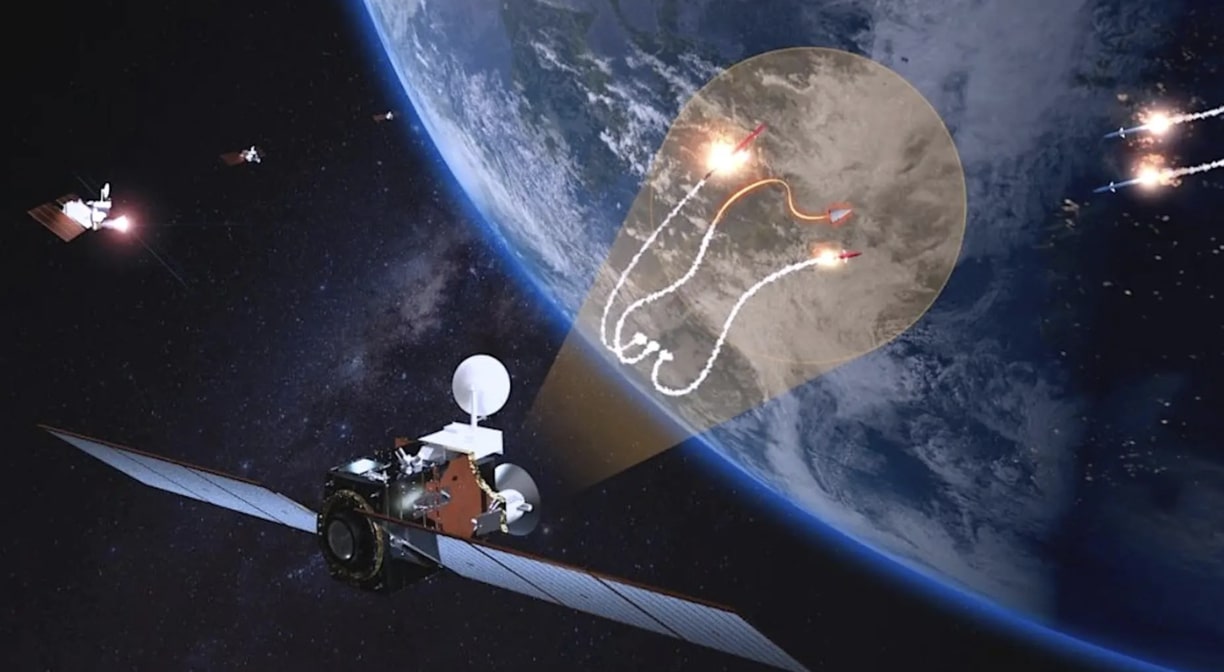
EpiSci, under contract with the U.S. Space Development Agency, is developing AI-powered software to detect and track hypersonic missiles using data from a future network of low Earth orbit satellites. While no harm has occurred, the system's defense role presents significant future risks if it malfunctions or is misused.[AI generated]

Why's our monitor labelling this an incident or hazard?

The event describes the development and use of AI systems for detecting hypersonic missiles, which are advanced weapons posing significant threats. While no harm has yet occurred, the AI system's deployment in missile detection is intended to prevent harm and manage critical infrastructure related to national security. The description implies a plausible future scenario where the AI system could directly impact defense outcomes, thus representing a credible AI Hazard rather than an incident, as no actual harm or malfunction is reported.[AI generated]
AI principles
AccountabilityRobustness & digital securitySafetyTransparency & explainabilityRespect of human rightsDemocracy & human autonomyPrivacy & data governance

Industries
Government, security, and defenceIT infrastructure and hostingDigital security

Affected stakeholders
General publicGovernment

Harm types
Physical (death)Physical (injury)Public interestHuman or fundamental rightsEconomic/PropertyReputational

Severity
AI hazard

Business function:
Monitoring and quality controlResearch and development

AI system task:
Recognition/object detectionEvent/anomaly detectionForecasting/prediction


Articles about this incident or hazard

Thumbnail Image

Instapundit " Blog Archive " EARLY WARNING/THE NEW SPACE RACE: AI company developing software to detect hypersonic missiles from

2024-02-21
InstaPundit.Com
Why's our monitor labelling this an incident or hazard?
The event describes the development and use of AI systems for detecting hypersonic missiles, which are advanced weapons posing significant threats. While no harm has yet occurred, the AI system's deployment in missile detection is intended to prevent harm and manage critical infrastructure related to national security. The description implies a plausible future scenario where the AI system could directly impact defense outcomes, thus representing a credible AI Hazard rather than an incident, as no actual harm or malfunction is reported.
Thumbnail Image

EpiSci Selected by SDA for SBIR Phase II Award

2024-02-19
SpaceWatch.Global
Why's our monitor labelling this an incident or hazard?
The article details the use and development of AI systems for military defense purposes, including autonomous detection and tracking of hypersonic weapons. While the AI system is intended for critical defense infrastructure and could have significant impacts, the article does not report any realized harm or incident resulting from the AI system's use or malfunction. Instead, it describes ongoing development and deployment efforts. Therefore, this event represents a plausible future risk scenario related to AI in defense, qualifying it as an AI Hazard rather than an AI Incident or Complementary Information.
Thumbnail Image

AI company developing software to detect hypersonic missiles from space

2024-02-18
SpaceNews
Why's our monitor labelling this an incident or hazard?
The article clearly involves an AI system being developed for missile detection and tracking, which is a defense application with potential significant implications. However, there is no indication that the AI system has caused any harm or malfunctioned leading to injury, disruption, rights violations, or other harms. The event is about the development and testing of the AI system, which could plausibly lead to future impacts in defense contexts, but no harm has yet occurred. Therefore, this qualifies as an AI Hazard, as the AI system's use in missile detection could plausibly lead to incidents involving harm in the future, but no incident has yet materialized.
Thumbnail Image

EpiSci to Develop Hypersonic Missile Detection Tool

2024-02-18
Cryptopolitan
Why's our monitor labelling this an incident or hazard?
The article details the development and intended use of an AI system for missile detection, which involves AI in autonomous tracking and data analysis. While the system's purpose is to address a serious security threat, no actual harm or incident has occurred yet. The event represents a credible potential for future impact, given the nature of hypersonic missile threats and AI's role in defense. Therefore, it fits the definition of an AI Hazard, as the AI system's development and deployment could plausibly lead to significant harms related to defense and security, but no direct or indirect harm has been reported at this stage.
Thumbnail Image

EpiSci's AI Software Targets Hypersonic Missile Menace - Techiexpert.com

2024-02-19
Techiexpert.com
Why's our monitor labelling this an incident or hazard?
The article explicitly mentions the development and use of an AI system for detecting hypersonic missiles, which are a significant military threat. Although no incident or harm has occurred yet, the AI system's role in missile defense implies a credible risk of future harm, such as failure to detect threats or erroneous tracking leading to military escalation or damage. The event involves the use and development of an AI system with potential for significant harm, fitting the definition of an AI Hazard. There is no indication of realized harm or incident, so it is not an AI Incident. The article is not merely complementary information or unrelated, as it focuses on the AI system's development with potential risk implications.
Thumbnail Image

AI to Track Hypersonic Missiles | NextBigFuture.com

2024-02-21
Next Big Future
Why's our monitor labelling this an incident or hazard?
The article discusses the development and intended use of an AI system for military defense applications, specifically tracking hypersonic missiles. While the AI system is described as providing a competitive advantage and addressing complex tracking challenges, there is no indication that any harm has occurred or that the system has malfunctioned. The focus is on the potential capabilities and deployment of the AI system in a defense context, which could plausibly lead to significant impacts if misused or if the technology proliferates, but no actual incident or harm is reported. Therefore, this event qualifies as an AI Hazard because the development and use of AI in tracking hypersonic missiles could plausibly lead to harms related to military conflict or escalation, but no direct harm is described yet.
Thumbnail Image

AI company developing software to detect hypersonic missiles from space Hypersonic missiles travel at speeds of at least Mach 5, posing a significant

2024-02-18
Bollyinside - Breaking & latest News worldwide
Why's our monitor labelling this an incident or hazard?
The event involves the use of an AI system (missile detection and tracking algorithms) in a defense context, which is a high-stakes application with potential for significant harm if misused or malfunctioning. However, since the article only discusses the development and collaboration to create this AI system without any reported harm or malfunction, it represents a plausible future risk rather than an actual incident. Therefore, it qualifies as an AI Hazard because the AI system's use could plausibly lead to harm related to defense and critical infrastructure, but no harm has yet occurred.