Waymo Robotaxi Expansion Halted After AI-Driven Vehicle Incidents in California

Thumbnail Image

The information displayed in the AIM should not be reported as representing the official views of the OECD or of its member countries.

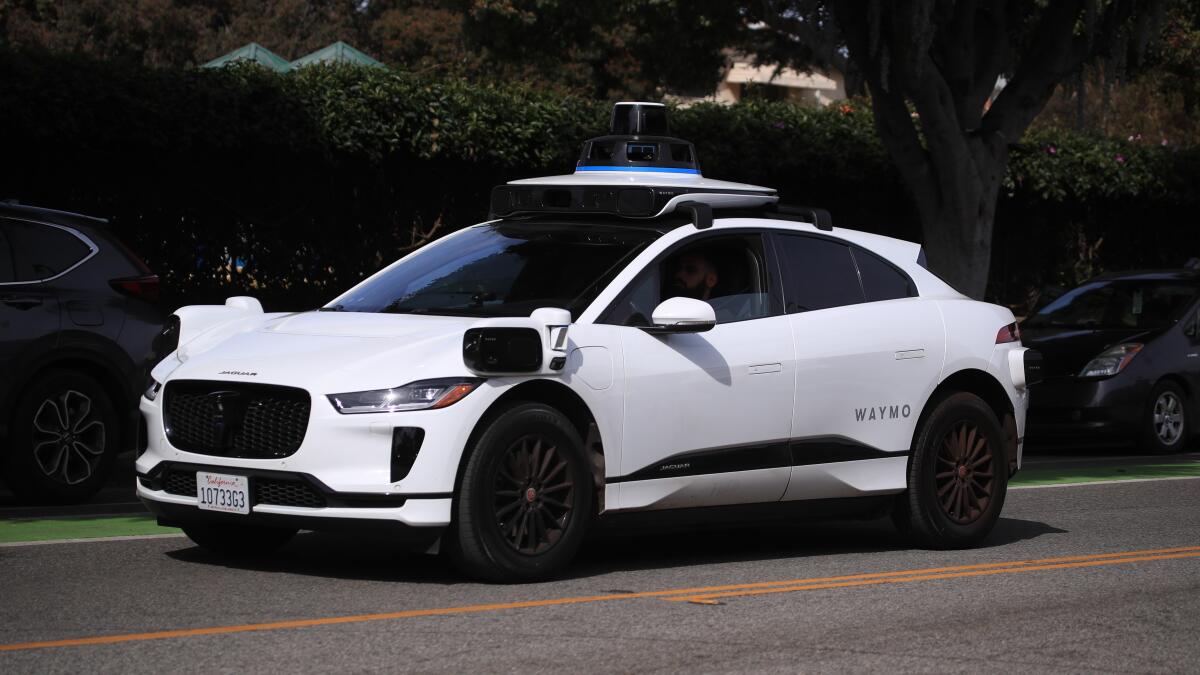
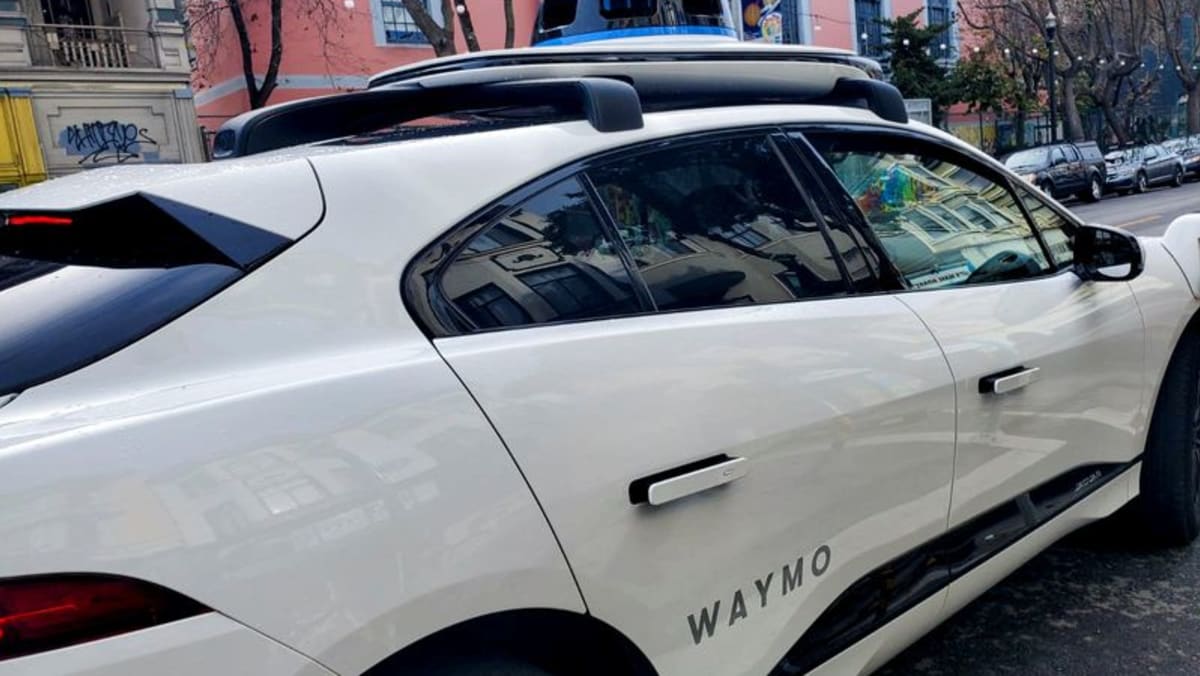
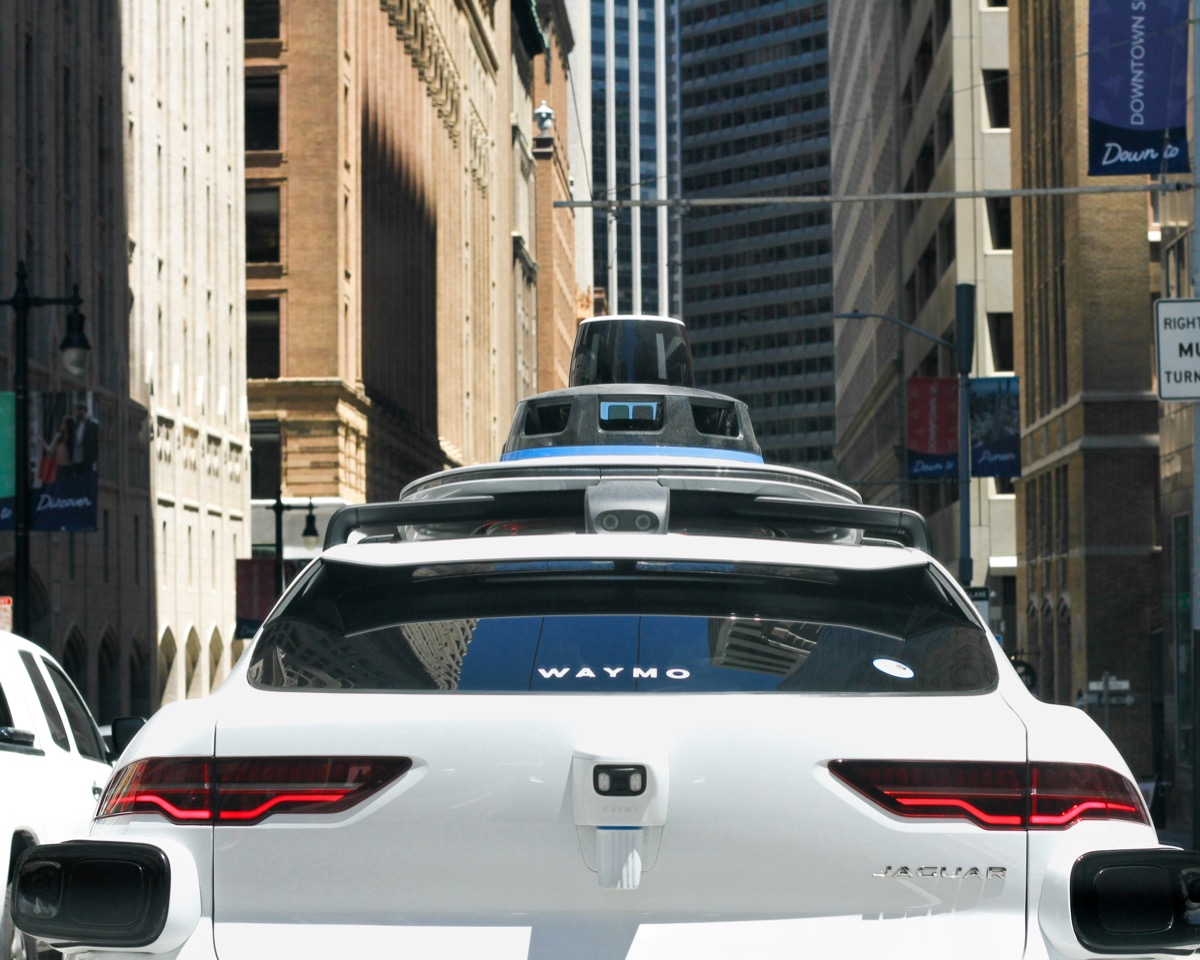
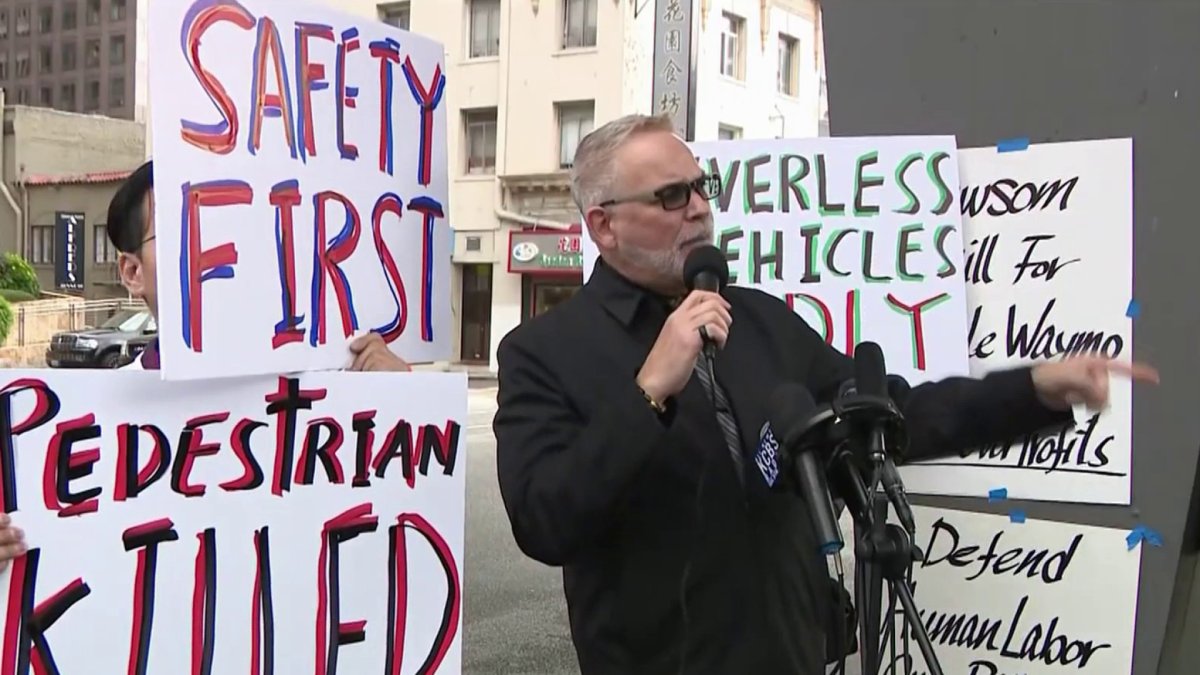
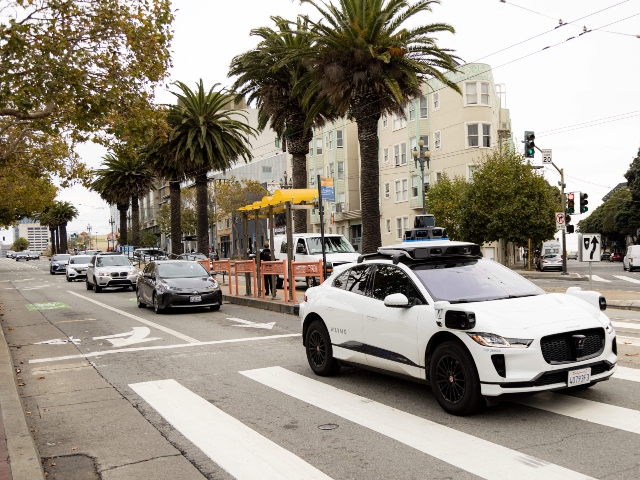
California regulators suspended Waymo's robotaxi expansion after safety concerns arose from incidents involving its autonomous vehicles, including a collision that injured a cyclist and property damage from vandalism. The suspension follows public protests and increased scrutiny of AI-driven vehicles' safety on public roads.[AI generated]

Why's our monitor labelling this an incident or hazard?

Waymo's robotaxi service uses AI systems for autonomous driving. The article reports a specific incident where a Waymo autonomous vehicle struck a cyclist, causing minor injuries, which constitutes direct harm to a person. The regulatory response to pause expansion plans is due to these incidents, indicating the AI system's involvement in causing harm. Therefore, this qualifies as an AI Incident because the AI system's use has directly led to injury and safety concerns.[AI generated]
AI principles
SafetyRobustness & digital securityAccountabilityTransparency & explainabilityHuman wellbeing

Industries
Mobility and autonomous vehiclesGovernment, security, and defence

Affected stakeholders
General public

Harm types
Physical (injury)Economic/PropertyReputationalPublic interest

Severity
AI incident

Business function:
Monitoring and quality controlCitizen/customer service

AI system task:
Recognition/object detectionForecasting/predictionReasoning with knowledge structures/planningGoal-driven organisation


Articles about this incident or hazard

Thumbnail Image

Waymo's robotaxi expansion plans in California put on hold by regulators

2024-02-21
The Verge
Why's our monitor labelling this an incident or hazard?
Waymo's robotaxi service uses AI systems for autonomous driving. The article reports a specific incident where a Waymo autonomous vehicle struck a cyclist, causing minor injuries, which constitutes direct harm to a person. The regulatory response to pause expansion plans is due to these incidents, indicating the AI system's involvement in causing harm. Therefore, this qualifies as an AI Incident because the AI system's use has directly led to injury and safety concerns.
Thumbnail Image

San Mateo County is the latest community expressing concern against Waymo, driverless cars

2024-02-21
Los Angeles Times
Why's our monitor labelling this an incident or hazard?
The article explicitly mentions incidents involving Waymo's autonomous vehicles, which are AI systems, resulting in injuries to a cyclist. This constitutes direct harm to a person caused by the AI system's use. The concerns and regulatory discussions are secondary to the fact that harm has already occurred due to the AI system's operation. Therefore, this qualifies as an AI Incident rather than a hazard or complementary information.
Thumbnail Image

California puts Waymo robotaxi expansion application on hold until June 19 - ET Auto

2024-02-22
ETAuto.com
Why's our monitor labelling this an incident or hazard?
Waymo's robotaxis are AI systems operating autonomously to provide transportation services. The article mentions multiple incidents involving these AI systems, including collisions with a bicyclist and a pedestrian, as well as a software error causing inaccurate predictions of vehicle movement, which led to recalls. These incidents represent direct or indirect harm to people, fulfilling the criteria for an AI Incident. The regulatory suspension of the application is a response to these harms. Hence, the event is best classified as an AI Incident due to the realized harms linked to the use and malfunction of AI systems in autonomous vehicles.
Thumbnail Image

Driverless Waymo taxis blocked from working in new cities after accidents

2024-02-22
Yahoo
Why's our monitor labelling this an incident or hazard?
Waymo's driverless taxis are AI systems operating autonomously on public roads. The accidents and traffic disruptions caused by these vehicles have directly led to harm to public safety and disruption of critical infrastructure (emergency services). The recall and regulatory suspension confirm the AI system's malfunction or failure to perform safely. Therefore, this event qualifies as an AI Incident due to realized harm caused by the AI system's use and malfunction.
Thumbnail Image

California suspends Waymo's application to expand to parts of LA and SF's peninsula

2024-02-21
Yahoo! Finance
Why's our monitor labelling this an incident or hazard?
Waymo's robotaxi service is an AI system involving autonomous vehicle technology. The suspension due to safety concerns indicates that there is a plausible risk that the AI system could lead to harm if expansion proceeds without further review. However, no actual incident or harm has been reported in the article. Thus, this event qualifies as an AI Hazard, reflecting potential future harm rather than an AI Incident or Complementary Information.
Thumbnail Image

Driverless car rollout paused in California after fire and crashes

2024-02-22
Yahoo! Finance
Why's our monitor labelling this an incident or hazard?
The driverless cars operated by Waymo and Cruise are AI systems as they autonomously navigate and make real-time decisions. The accidents and collisions described are direct harms caused by the malfunction or limitations of these AI systems, fulfilling the criteria for injury or harm to persons. The regulatory pause and investigations further confirm the recognition of these harms. Therefore, this event qualifies as an AI Incident due to realized harm caused by the use and malfunction of AI systems in autonomous vehicles.
Thumbnail Image

Driverless taxis blocked from working in new cities after accidents

2024-02-22
The Independent
Why's our monitor labelling this an incident or hazard?
Waymo's driverless taxis are AI systems operating autonomously on public roads. The accidents and traffic disruptions caused by these vehicles have directly led to harm to public safety and disruption of critical infrastructure (emergency services). The recall due to crashes confirms malfunction or failure of the AI system. Therefore, this event qualifies as an AI Incident because the AI system's use has directly led to realized harm.
Thumbnail Image

Waymo's expansion further into San Francisco Peninsula suspended by California agency

2024-02-22
CBS News
Why's our monitor labelling this an incident or hazard?
The article explicitly mentions Waymo's autonomous vehicles, which are AI systems performing complex real-time decision-making for navigation and driving. The crash with a cyclist is a direct harm event involving the AI system's operation, fulfilling the criteria for injury or harm to a person. The suspension by the regulatory body is a response to these harms and concerns. The vandalism, while criminal, is not caused by the AI system but is related to the context of its deployment. Overall, the event involves the use and malfunction (or limitations) of an AI system leading to harm, thus classifying it as an AI Incident.
Thumbnail Image

Waymo's application to expand California robotaxi operations paused by regulators | TechCrunch

2024-02-21
TechCrunch
Why's our monitor labelling this an incident or hazard?
Waymo's robotaxi service is an AI system (autonomous vehicle). The suspension of the expansion application is due to public safety concerns, but no specific harm or incident has been reported. Therefore, this is a precautionary regulatory measure reflecting potential risks but no realized harm. This fits the definition of an AI Hazard, as the AI system's use could plausibly lead to harm, but no incident has occurred yet.
Thumbnail Image

California suspends Waymo expansion application until June 19

2024-02-21
CNA
Why's our monitor labelling this an incident or hazard?
The article involves an AI system (Waymo's autonomous vehicle technology) and its use (expansion of robotaxi services). However, the suspension is a precautionary regulatory action due to safety concerns, not a report of an actual harm or accident caused by the AI system. Therefore, it represents a plausible risk of harm that has led to regulatory intervention but no realized harm yet. This fits the definition of an AI Hazard rather than an AI Incident or Complementary Information.
Thumbnail Image

California puts Waymo robotaxi expansion application on hold until June 19

2024-02-21
CNA
Why's our monitor labelling this an incident or hazard?
The article explicitly involves AI systems in the form of autonomous vehicles (robotaxis) operated by Waymo and Cruise. It references actual incidents where these AI systems have caused or contributed to harm, such as collisions with a bicyclist and a pedestrian, and public safety risks leading to regulatory intervention. These harms fall under injury or harm to persons and disruption of safe operation in public spaces, meeting the criteria for an AI Incident. The regulatory suspension is a response to these incidents, not merely a potential future risk, so the event is best classified as an AI Incident.
Thumbnail Image

California puts Waymo robotaxi expansion application on hold until June 19

2024-02-21
ThePrint
Why's our monitor labelling this an incident or hazard?
Waymo's robotaxis are AI systems performing autonomous driving. The incidents mentioned (a collision with a bicyclist, software errors causing inaccurate predictions leading to minor collisions) constitute direct or indirect harm to people, fulfilling the criteria for an AI Incident. The regulatory suspension and recalls are responses to these harms. Therefore, this event qualifies as an AI Incident due to realized harm linked to AI system malfunction or use.
Thumbnail Image

Waymo's robotaxi expansion plan for Peninsula delayed by regulator

2024-02-22
San Jose Mercury News
Why's our monitor labelling this an incident or hazard?
The article explicitly mentions Waymo's autonomous vehicles (AI systems) involved in incidents causing harm, such as a collision with a cyclist resulting in minor injuries and multiple public safety incidents affecting emergency responders. These harms are directly linked to the use of AI systems in robotaxis. The regulatory delay and scrutiny arise from these realized harms, not just potential risks. Hence, the event meets the criteria for an AI Incident rather than a hazard or complementary information.
Thumbnail Image

California regulators suspend Waymo application for expansion as controversy mounts

2024-02-21
Washington Times
Why's our monitor labelling this an incident or hazard?
Waymo's autonomous vehicles are AI systems that make real-time decisions for navigation and driving. The reported crashes between Waymo's cars and the incident involving a cyclist indicate actual harm or injury linked to the AI system's operation. The regulatory suspension is a response to these harms, confirming the AI system's role in causing injury and safety risks. Hence, this qualifies as an AI Incident due to realized harm from the AI system's use and malfunction.
Thumbnail Image

Self-driving taxis suspended in L.A., NorCal

2024-02-21
KTLA 5
Why's our monitor labelling this an incident or hazard?
Waymo's self-driving taxis are AI systems that autonomously navigate and transport passengers. The suspension follows reported incidents where these vehicles caused dangerous situations for firefighters and police, including blocking firehouse driveways and not stopping for traffic officers. Although no injuries were reported, these events represent harm to public safety and disruption of critical infrastructure management (emergency response). Therefore, the AI system's use has directly led to harm, qualifying this as an AI Incident.
Thumbnail Image

Self-driving taxi expansion paused in L.A., NorCal

2024-02-21
KTLA 5
Why's our monitor labelling this an incident or hazard?
The article explicitly mentions incidents where Waymo's autonomous vehicles caused dangerous situations for firefighters and police, including blocking firehouse driveways and failing to stop for a traffic officer. These are direct harms or disruptions linked to the AI system's operation. The CPUC's suspension of expansion plans is a response to these realized harms. Since the AI system's use has directly led to public safety concerns and disruptions, this event meets the criteria for an AI Incident rather than a hazard or complementary information.
Thumbnail Image

Waymo's robotaxi expansion beyond SF temporarily suspended as part of review

2024-02-21
ABC7 News
Why's our monitor labelling this an incident or hazard?
Waymo's robotaxis are AI systems performing autonomous driving. The article mentions safety incidents involving these vehicles, which implies potential risks. However, no direct or indirect harm (such as injury, property damage, or rights violations) resulting from these AI systems is reported as having occurred due to the expansion attempt. The regulatory suspension is a preventive action reflecting concerns about plausible future harm. Therefore, this event fits the definition of an AI Hazard, as the AI system's use could plausibly lead to harm if expanded without adequate safeguards, but no harm has yet materialized.
Thumbnail Image

Waymo Facing Setback as California Regulator Suspends Robotaxi Expansion Amid Safety Concerns

2024-02-21
Tech Times
Why's our monitor labelling this an incident or hazard?
The article explicitly describes incidents where AI systems in autonomous vehicles caused harm: a cyclist was injured by a Waymo robotaxi that failed to detect the cyclist, and a pedestrian was dragged by a Cruise autonomous vehicle. These are direct harms to persons caused by the AI systems' malfunction or failure. The regulatory suspension and operational halts are responses to these harms. The vandalism incident, while violent, did not cause injury but reflects societal reaction. The presence of AI systems is clear (autonomous vehicles), and the harms are realized, not just potential. Hence, the event is classified as an AI Incident.
Thumbnail Image

TEAMSTERS RESPOND TO WAYMO APPLICATION SUSPENSION FOR ROBOTAXI OPERATIONS IN LA, SAN MATEO: 'WAYMO EXPANSION SHOULD NEVER HAVE BEEN ON THE TABLE'

2024-02-22
StreetInsider.com
Why's our monitor labelling this an incident or hazard?
The article explicitly references multiple crashes involving Waymo's autonomous robotaxis, which are AI systems controlling vehicles. These crashes have caused harm to pedestrians and cyclists, fulfilling the criterion of injury or harm to persons. The suspension of the application and legislative responses are reactions to these incidents, but the core event is the harm caused by the AI system's malfunction or failure. Hence, this is an AI Incident rather than a hazard or complementary information.
Thumbnail Image

CPUC suspends Waymo's expansion requests in San Mateo, LA counties

2024-02-22
NBC Southern California
Why's our monitor labelling this an incident or hazard?
The article explicitly involves an AI system—Waymo's autonomous driving technology—and reports at least one injury to a cyclist linked to its operation, which constitutes harm to a person. The suspension by regulators is a response to this harm and concerns about safety, indicating the AI system's use has directly or indirectly led to injury. Therefore, this event meets the criteria for an AI Incident rather than a hazard or complementary information. The presence of realized harm (injury) caused by the AI system's use is the key factor in this classification.
Thumbnail Image

Self-driving taxi service Waymo's expanions plans are put on pause

2024-02-22
ReadWrite
Why's our monitor labelling this an incident or hazard?
The article involves an AI system (Waymo's autonomous vehicles) whose expansion plans are paused due to concerns about public safety. However, there is no indication that any harm has occurred from the AI system's use or malfunction. The suspension reflects a precautionary regulatory action to prevent potential future harm. Therefore, this qualifies as an AI Hazard, as the AI system's use could plausibly lead to harm if expanded without sufficient safeguards, but no incident has yet materialized.
Thumbnail Image

Activists in San Francisco demand governor shut down self-driving cars

2024-02-20
NBC Bay Area
Why's our monitor labelling this an incident or hazard?
The article explicitly mentions autonomous vehicles (robotaxis) as AI systems operating in San Francisco. It details incidents where these AI systems have been involved in accidents causing harm to pedestrians, including a specific case investigated by the National Highway Traffic Safety Administration. The regulatory response (permit suspension and recall) confirms the harm has materialized. The activists' demands and criticisms further emphasize the direct link between the AI systems' use and harm to people. Therefore, this event qualifies as an AI Incident due to realized harm caused by the AI systems' operation.
Thumbnail Image

Waymo's request for expansion in Bay Area, SoCal suspended by state officials

2024-02-22
KRON4
Why's our monitor labelling this an incident or hazard?
The article involves an AI system (Waymo's autonomous vehicles) and references past incidents involving AI-related harm. However, the main focus is on the suspension of the application review by the CPUC, which is a governance and regulatory response to prior events and public safety concerns. There is no new harm occurring or imminent plausible harm described in this article. Therefore, it fits best as Complementary Information, providing context and updates on regulatory and societal responses to AI-related safety issues rather than reporting a new AI Incident or AI Hazard.
Thumbnail Image

California puts Waymo robotaxi expansion application on hold until June 19

2024-02-21
Colorado Springs Gazette
Why's our monitor labelling this an incident or hazard?
Waymo's robotaxis are AI systems (autonomous vehicles) whose use has directly caused harm or risk of harm, including a collision with a bicyclist and minor collisions due to software errors. The regulatory suspension is a response to these safety incidents. The article reports actual incidents where the AI system's malfunction or operation led to harm or safety concerns, fulfilling the criteria for AI Incident. The presence of direct harm (collisions) and regulatory action confirms this classification over AI Hazard or Complementary Information.
Thumbnail Image

California suspends Waymo expansion application until June 19

2024-02-21
Colorado Springs Gazette
Why's our monitor labelling this an incident or hazard?
The article involves an AI system (Waymo's autonomous vehicle technology) and concerns about safety, but it does not describe any realized harm or incident caused by the AI system. The suspension is a precautionary regulatory measure reflecting potential safety risks, which could plausibly lead to harm if the expansion proceeded without resolution. Therefore, this event fits the definition of an AI Hazard, as it concerns a plausible future risk related to the use of an AI system but does not report an actual incident or harm.
Thumbnail Image

Mob Sets Waymo Driverless Car Ablaze In San Francisco's Chinatown

2024-02-19
RTTNews
Why's our monitor labelling this an incident or hazard?
The event explicitly involves a fully autonomous AI system (Waymo driverless car) that was damaged by vandalism, resulting in harm to property. Although no injuries occurred and the AI system did not malfunction or cause harm, the AI system's presence and use directly led to the incident of property damage. This fits the definition of an AI Incident as the AI system's use is directly linked to harm (property damage). The event is not a hazard since harm has already occurred, nor is it complementary information or unrelated.
Thumbnail Image

Waymo expansion request suspended in San Mateo and Los Angeles counties - KION546

2024-02-22
KION546
Why's our monitor labelling this an incident or hazard?
The article describes a concrete incident where a Waymo autonomous vehicle, which uses AI for driving decisions, was involved in an accident injuring a cyclist. This constitutes harm to a person caused directly by the AI system's use. The regulatory suspension of the expansion request is a response to this harm and public safety concerns, reinforcing the classification as an AI Incident. The presence of the AI system is explicit, the harm is realized, and the event involves the use of the AI system leading to injury, fulfilling the criteria for an AI Incident.
Thumbnail Image

Waymo's Off Our Streets-Safety First For The People Of San Francisco & California : Indybay

2024-02-18
Indybay
Why's our monitor labelling this an incident or hazard?
The article involves AI systems in the form of autonomous driverless vehicles (Waymo and Cruise) and references a past incident where a pedestrian was injured by a Cruise vehicle, which qualifies as an AI Incident. However, the main content of this article is about a rally and press conference protesting these vehicles and regulatory responses. It does not report a new incident or hazard but rather societal and governance responses to existing concerns. Therefore, it fits the definition of Complementary Information, as it provides context and updates on societal and governance reactions to AI-related safety issues.
Thumbnail Image

California Regulators Give Google's Waymo a Red Light on Expanding Robotaxi Operations

2024-02-23
Breitbart
Why's our monitor labelling this an incident or hazard?
The article explicitly describes an AI system (Waymo's autonomous vehicles) involved in a collision with a bicyclist, causing harm. This is a direct injury linked to the AI system's malfunction (failure to detect the cyclist). The regulatory response to suspend expansion further underscores the safety risks posed by the AI system's operation. The presence of actual harm and regulatory action related to the AI system's use meets the definition of an AI Incident rather than a hazard or complementary information.
Thumbnail Image

Stellantis CEO says there's still life in Waymo deal for self-driving delivery vans | TechCrunch

2024-02-24
TechCrunch
Why's our monitor labelling this an incident or hazard?
The article centers on the partnership and development of autonomous delivery vans using AI systems but does not describe any harm or malfunction caused by these AI systems. There is no mention of injury, rights violations, disruption, or other harms. The challenges discussed are operational and engineering in nature, with no indication of plausible future harm or incidents. The article provides an update on the AI ecosystem and ongoing collaboration, fitting the definition of Complementary Information rather than an Incident or Hazard.
Thumbnail Image

Microsoft Copilot generating fake Putin comments on Navalny

2024-02-26
TheRegister.com
Why's our monitor labelling this an incident or hazard?
The AI system (Microsoft Copilot) generated false statements attributed to a political figure, which is a direct example of AI-generated misinformation causing harm to communities by spreading false narratives. This meets the criteria for an AI Incident as the AI's malfunction (fabrication of false content) has directly led to harm. The other news items do not describe AI-related harm or plausible harm and are thus unrelated.
Thumbnail Image

Waymo's LA Expansion Hits Roadblock: CPUC Temporarily Halts Self-Driving Company's Plans - SM Mirror

2024-02-27
SM Mirror
Why's our monitor labelling this an incident or hazard?
Waymo's self-driving cars are AI systems operating autonomously in public spaces. The CPUC's suspension of expansion plans is due to concerns about safety incidents (e.g., blocking firehouse driveways and fire hoses) that could lead to harm. Since the suspension is a preventive measure and no new harm has been reported from the expansion attempt itself, this event represents a plausible risk of harm rather than an actual incident. Therefore, it qualifies as an AI Hazard, reflecting a credible potential for harm if expansion proceeds without resolution of safety issues.
Thumbnail Image

CA Regulators Suspend Waymo Expansion Request

2024-02-23
KABC-AM
Why's our monitor labelling this an incident or hazard?
The event involves an AI system (Waymo's autonomous vehicle technology) whose use has raised public safety concerns, implying potential or realized harm. Although no specific incident of harm is detailed, the regulators' decision to suspend expansion reflects plausible risks of harm from the AI system's operation. Since the harm is not explicitly stated as having occurred but is a credible concern leading to regulatory action, this qualifies as an AI Hazard.
Thumbnail Image

Google's Waymo expansion in California delayed as safety concerns rise Waymo facing resistance in expanding 24/7 robotaxi service in California Incidents

2024-02-23
Bollyinside - Breaking & latest News worldwide
Why's our monitor labelling this an incident or hazard?
The article explicitly mentions incidents involving Waymo's autonomous vehicles, which are AI systems, causing collisions and vandalism. These incidents represent realized harm related to the AI system's use, thus qualifying as AI Incidents. The regulatory response and safety concerns further confirm the direct link between the AI system's deployment and harm. Therefore, this event is classified as an AI Incident.
Thumbnail Image

A cyclist, a gate and a pickup truck: Waymo cars keep hitting things

2024-02-24
The Seattle Times
Why's our monitor labelling this an incident or hazard?
The article explicitly involves AI systems in the form of Waymo's autonomous vehicles. Several incidents are described where the AI system's operation led to collisions causing injury (cyclist) and property damage (gate, pickup truck). The harm is realized and directly linked to the AI system's use and malfunction. The regulatory responses and public backlash further underscore the significance of these harms. Hence, the classification as AI Incident is appropriate.