Taiwan Prepares Mass Production of AI-Enabled Military Drones

Thumbnail Image

The information displayed in the AIM should not be reported as representing the official views of the OECD or of its member countries.

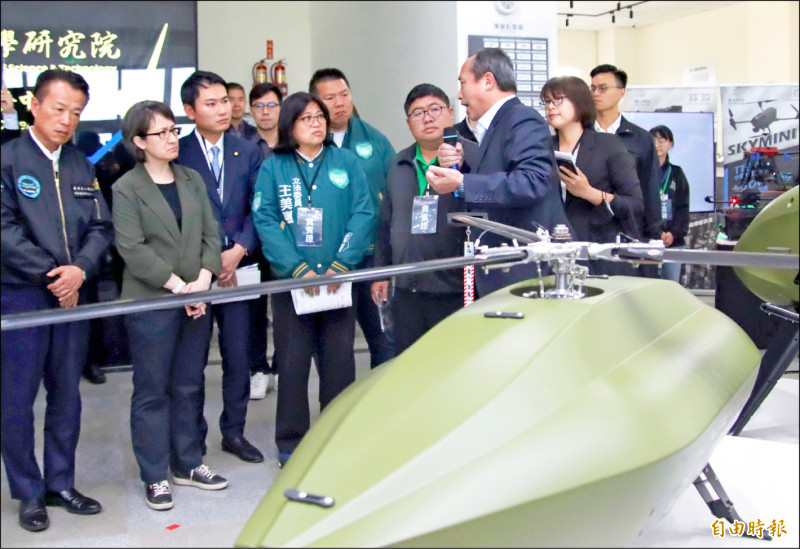
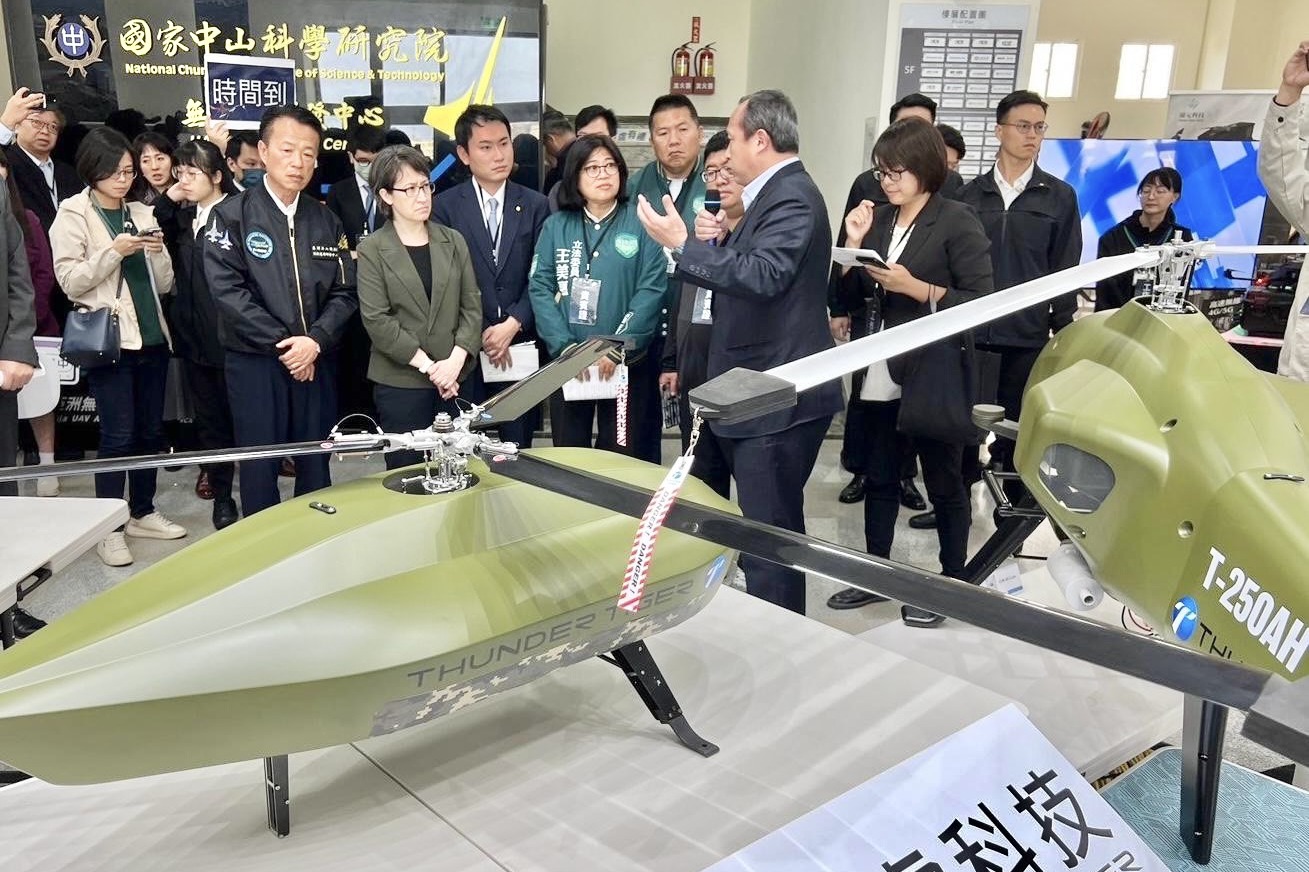
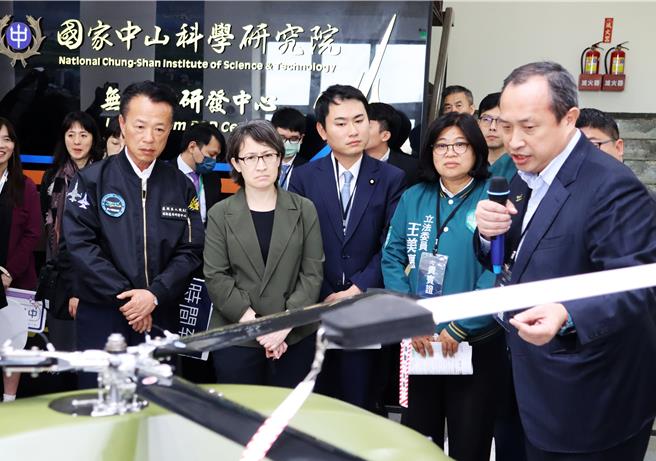
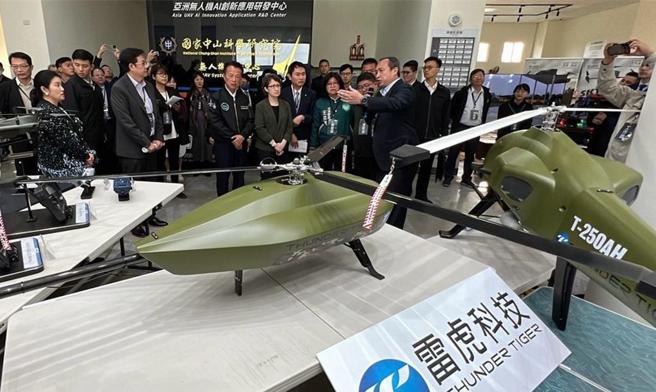
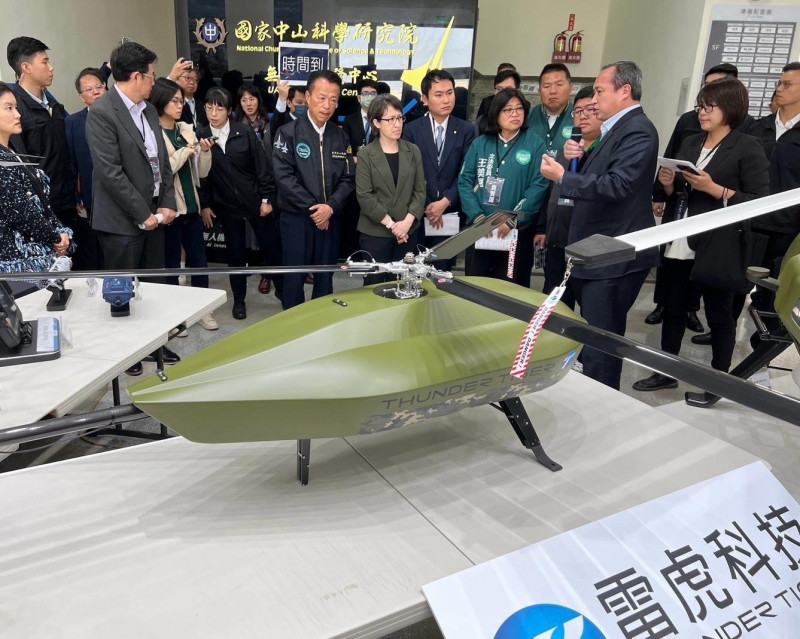
Thunder Tiger Technology is set to apply for a major Ministry of Defense contract to supply six types of AI-enabled military drones, aiming for mass production and delivery in the second half of 2024. The deployment of these autonomous drones presents a credible risk of future harm in military contexts.[AI generated]

Why's our monitor labelling this an incident or hazard?

The article explicitly mentions AI-related unmanned drones designed for military applications, which are being prepared for production and deployment. While no actual harm or incident is reported, the development and potential deployment of military AI-enabled drones pose a plausible risk of harm, such as injury, disruption, or other significant harms associated with military use. Therefore, this event qualifies as an AI Hazard due to the credible potential for future harm stemming from the use of these AI-enabled military drones.[AI generated]
AI principles
SafetyRobustness & digital securityAccountabilityRespect of human rightsTransparency & explainabilityDemocracy & human autonomyHuman wellbeing

Industries
Government, security, and defenceRobots, sensors, and IT hardwareMobility and autonomous vehicles

Affected stakeholders
General public

Harm types
Physical (death)Physical (injury)Public interestHuman or fundamental rightsPsychological

Severity
AI hazard

Business function:
ManufacturingResearch and development

AI system task:
Recognition/object detectionGoal-driven organisationReasoning with knowledge structures/planning


Articles about this incident or hazard

Thumbnail Image

蕭美琴檢閱雷虎2款最新無人機 最快下半年出貨 - 自由財經

2024-02-26
自由時報電子報
Why's our monitor labelling this an incident or hazard?
The article explicitly mentions AI-related unmanned drones designed for military applications, which are being prepared for production and deployment. While no actual harm or incident is reported, the development and potential deployment of military AI-enabled drones pose a plausible risk of harm, such as injury, disruption, or other significant harms associated with military use. Therefore, this event qualifies as an AI Hazard due to the credible potential for future harm stemming from the use of these AI-enabled military drones.
Thumbnail Image

參訪嘉義無人機中心 蕭美琴:台灣有發展無人機必要性

2024-02-26
Yahoo News (Taiwan)
Why's our monitor labelling this an incident or hazard?
The event involves AI systems in the form of drones with AI applications, but no actual harm or incident has occurred. The article focuses on the potential and necessity of drone development, including military uses, which could imply future risks but does not report any realized harm or direct threat. Therefore, it is best classified as Complementary Information, providing context and insight into AI drone development and government support, rather than an AI Incident or AI Hazard.
Thumbnail Image

無人機產業 蕭美琴盼打進世界盃 - 嘉義縣 - 自由時報電子報

2024-02-26
Liberty Times Net
Why's our monitor labelling this an incident or hazard?
The article involves AI-related technology (drones with AI applications) and discusses regulatory and strategic challenges, which could imply future risks or hazards. However, it does not describe any realized harm, malfunction, or direct/indirect harm caused by AI systems. The focus is on development, policy, and market expansion, which fits the definition of Complementary Information as it provides supporting context and updates rather than reporting an incident or hazard. There is no indication of an AI Incident or AI Hazard as no harm or plausible imminent harm is described.
Thumbnail Image

雷虎:擬向國防部申請六無人機標案,盼下半年出貨

2024-02-27
TechNews 科技新報 | 市場和業內人士關心的趨勢、內幕與新聞
Why's our monitor labelling this an incident or hazard?
The article involves AI systems in the form of military drones, which almost certainly incorporate AI for autonomous or semi-autonomous operation. Although no harm or incident is reported, the production and planned deployment of these military drones constitute a credible potential for future harm, including injury or disruption in military contexts. Therefore, this event qualifies as an AI Hazard due to the plausible risk of harm from the use of these AI-enabled military drones.
Thumbnail Image

蕭美琴視察嘉義亞創中心 雷虎:無人機已做好量產準備 | 聯合新聞網

2024-02-26
UDN
Why's our monitor labelling this an incident or hazard?
The article explicitly discusses AI-enabled military drones being developed and prepared for mass production, which are AI systems by definition. While no harm or incident is reported, the military nature and autonomous capabilities of these drones imply a credible risk of future harm (e.g., injury, disruption, or other harms) if deployed or misused. The article focuses on development and readiness rather than any incident or harm, so it does not meet the criteria for an AI Incident. It also is not merely complementary information because the main focus is on the potential implications and readiness of AI military drones, which constitute a plausible hazard. Therefore, the classification as AI Hazard is appropriate.
Thumbnail Image

雷虎:擬向國防部申請6無人機標案 盼下半年出貨 | 產業熱點 | 產業 | 經濟日報

2024-02-26
Udnemoney聯合理財網
Why's our monitor labelling this an incident or hazard?
The event involves the development and planned deployment of AI-enabled military drones, which are AI systems. While no harm or incident is reported, the nature of these systems and their military use imply a credible potential for future harm, such as injury, disruption, or violation of rights. Therefore, this event fits the definition of an AI Hazard, as it plausibly could lead to an AI Incident in the future. It is not an AI Incident because no harm has occurred yet, nor is it Complementary Information or Unrelated, as the focus is on the potential risk from these AI systems.
Thumbnail Image

蕭美琴訪視亞創中心 翁章梁:新執政團隊持續支持無人機發展

2024-02-26
中時新聞網
Why's our monitor labelling this an incident or hazard?
The event involves AI systems in the form of AI-enabled drones and their development and use, but no direct or indirect harm has occurred or is described. The article mainly reports on political and industry support, regulatory challenges, and strategic positioning of the AI drone sector. There is no indication of realized harm or a credible imminent risk of harm from AI systems. Therefore, the article fits the definition of Complementary Information, as it provides context and updates on AI development and governance without describing an AI Incident or AI Hazard.
Thumbnail Image

準副總統蕭美琴 視察雷虎2款新款軍用商規無人直升機

2024-02-26
中時新聞網
Why's our monitor labelling this an incident or hazard?
The article clearly involves AI systems as it discusses military-grade unmanned helicopters with autonomous capabilities, which are AI systems by definition. The event concerns the development and planned use of these AI systems in military applications, which could plausibly lead to harm (e.g., injury, disruption, or violations related to military use). Since no harm has yet occurred and the article focuses on inspection and production plans, this constitutes an AI Hazard rather than an AI Incident. It is not Complementary Information because it is not an update or response to a prior incident, nor is it unrelated as it clearly involves AI systems with potential for harm.
Thumbnail Image

蕭美琴:政府做無人機產業後盾 打進世界盃 | 政治 | 中央社 CNA

2024-02-26
Central News Agency
Why's our monitor labelling this an incident or hazard?
The article focuses on the government's intention to support and accelerate the drone industry, which involves AI innovation, but does not describe any actual harm or incident caused by AI systems. There is no mention of any event where AI use or malfunction led to injury, rights violations, infrastructure disruption, or other harms. The content is about future development and policy backing, which is informative but does not constitute an AI Incident or AI Hazard. Therefore, it is best classified as Complementary Information, providing context on AI-related industry development and government response.