AI-Generated Deepfake Scam Uses Faustine Bollaert's Image for Fraudulent Weight Loss Ads

Thumbnail Image

The information displayed in the AIM should not be reported as representing the official views of the OECD or of its member countries.

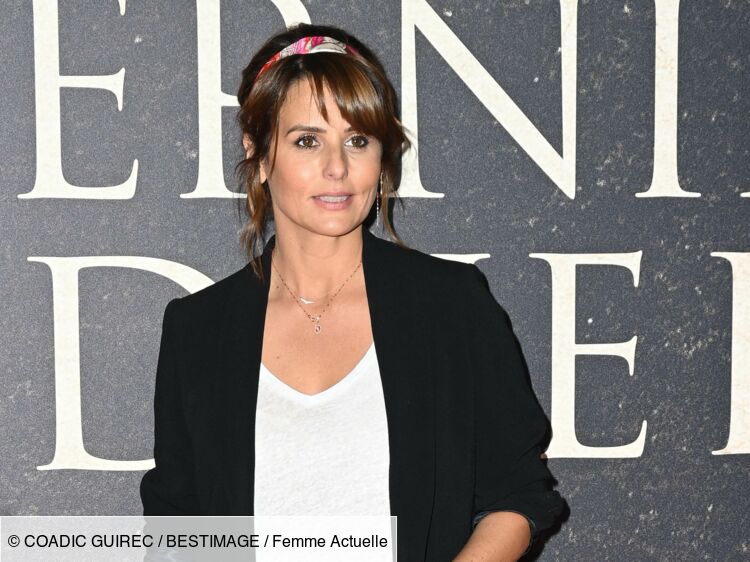
Scammers used AI to create fake images and voices of TV host Faustine Bollaert and Dr. Patrick Serog, promoting a fraudulent weight loss product without their consent. The deepfake ads misled the public, prompting Bollaert to warn her followers about the AI-driven scam on social media.[AI generated]

Why's our monitor labelling this an incident or hazard?

The article explicitly states that an AI was used to manipulate the images of Faustine Bollaert and another person to create a false advertisement promoting a fake weight loss product. This misuse of AI directly leads to harm by spreading misinformation and potentially defrauding people, which fits the definition of an AI Incident. The harm is realized (not just potential), as the scam is active and the victim is warning followers. Therefore, this qualifies as an AI Incident due to the direct harm caused by the AI-generated fraudulent content.[AI generated]
AI principles
AccountabilityPrivacy & data governanceRespect of human rightsRobustness & digital securitySafetyTransparency & explainability

Industries
Media, social platforms, and marketing

Affected stakeholders
General public

Harm types
Economic/PropertyReputationalHuman or fundamental rights

Severity
AI incident

Business function:
Marketing and advertisement

AI system task:
Content generation


Articles about this incident or hazard

Thumbnail Image

Faustine Bollaert victime d'une "énorme arnaque" : elle met en garde ses abonnés

2024-03-06
journaldesfemmes.fr
Why's our monitor labelling this an incident or hazard?
The article explicitly states that an AI was used to manipulate the images of Faustine Bollaert and another person to create a false advertisement promoting a fake weight loss product. This misuse of AI directly leads to harm by spreading misinformation and potentially defrauding people, which fits the definition of an AI Incident. The harm is realized (not just potential), as the scam is active and the victim is warning followers. Therefore, this qualifies as an AI Incident due to the direct harm caused by the AI-generated fraudulent content.
Thumbnail Image

"Ça n'existe pas" : Faustine Bollaert très agacée à cause d'une arnaque sur les réseaux sociaux

2024-03-06
Femme Actuelle
Why's our monitor labelling this an incident or hazard?
The article explicitly mentions the use of artificial intelligence to manipulate images of public figures to promote a fraudulent product, which is a direct misuse of AI technology leading to harm through deception and potential financial loss to victims. This fits the definition of an AI Incident because the AI system's use has directly led to harm (fraud and deception) affecting individuals and communities. The harm is realized, not just potential, as the scam is actively ongoing and has prompted public warnings and legal actions.
Thumbnail Image

L'image de Faustine Bollaert utilisée pour une publicité mensongère

2024-03-06
Soirmag
Why's our monitor labelling this an incident or hazard?
The event involves the use of AI systems to generate fake images and voices, which directly leads to harm by spreading false information and deceptive advertising. This constitutes a violation of rights (reputation and possibly consumer protection laws) and causes harm to the individuals involved and potentially to the public who may be misled. Therefore, it meets the criteria of an AI Incident due to realized harm caused by malicious AI use.
Thumbnail Image

" Ça n'existe pas ! " : Faustine Bollaert met en garde ses abonnés contre une arnaque - Gala

2024-03-06
Gala.fr
Why's our monitor labelling this an incident or hazard?
The article explicitly states that AI was used to create fraudulent promotional content using the images of Faustine Bollaert and others without consent. This misuse of AI directly leads to harm by scamming people and violating personal rights. Therefore, this qualifies as an AI Incident because the AI system's use has directly led to harm through deception and fraud.