Danish Researchers Develop AI 'Death Calculator' Raising Ethical Concerns

Thumbnail Image

The information displayed in the AIM should not be reported as representing the official views of the OECD or of its member countries.

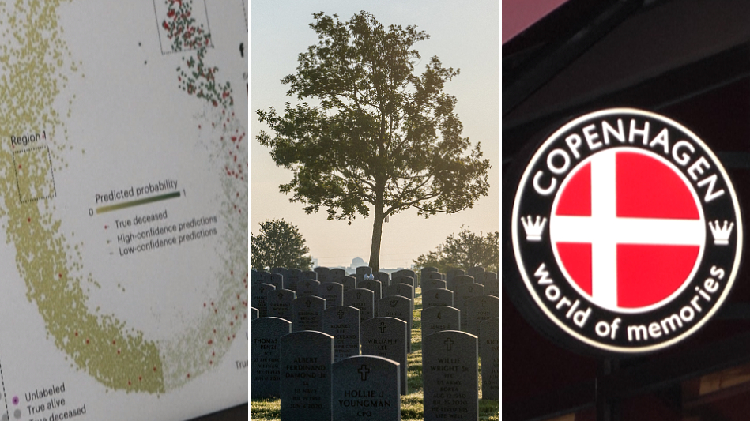
Researchers at the Technical University of Denmark created an AI model, life2vec, capable of predicting life events and mortality using personal data. While not yet publicly deployed, experts warn of potential harms such as privacy violations, discrimination, and misuse if commercialized or irresponsibly applied.[AI generated]

Why's our monitor labelling this an incident or hazard?

The article clearly involves an AI system designed for prediction of life events and death. However, it does not report any realized harm or incidents caused by the AI system. Instead, it discusses potential ethical concerns and risks if such technology were misused commercially, but these remain speculative and not realized. Therefore, the event represents a plausible future risk (hazard) rather than an incident. Since the article focuses mainly on the research and its implications without describing actual harm or misuse, it fits best as an AI Hazard due to the plausible potential for harm in the future if misused.[AI generated]

AI principles
Privacy & data governanceFairnessRespect of human rights

Industries
Healthcare, drugs, and biotechnology

Affected stakeholders
General public

Harm types
Human or fundamental rights

Severity
AI hazard

Business function:
Research and development

AI system task:
Forecasting/prediction


Articles about this incident or hazard

Thumbnail Image

"حاسبة الموت"- خوارزمية دنماركية لتوقع مراحل الحياة والوفاة

2024-03-21
Deutsche Welle
Why's our monitor labelling this an incident or hazard?
The article clearly involves an AI system designed for prediction of life events and death. However, it does not report any realized harm or incidents caused by the AI system. Instead, it discusses potential ethical concerns and risks if such technology were misused commercially, but these remain speculative and not realized. Therefore, the event represents a plausible future risk (hazard) rather than an incident. Since the article focuses mainly on the research and its implications without describing actual harm or misuse, it fits best as an AI Hazard due to the plausible potential for harm in the future if misused.
Thumbnail Image

حاسبة الموت.. أداة بالذكاء الاصطناعي تتنبأ بموعد وفاة كل شخص

2024-03-22
مصراوي.كوم
Why's our monitor labelling this an incident or hazard?
The article explicitly describes an AI system developed and used to predict mortality and life events, fulfilling the AI system involvement criterion. There is no mention of actual harm occurring yet, but the system's capabilities imply plausible future harms related to privacy, discrimination, or psychological impact. Therefore, this event fits the definition of an AI Hazard, as the AI system's use could plausibly lead to harm, but no direct or indirect harm has been reported so far.
Thumbnail Image

ذكاء اصطناعي: تتنبأ بمراحل حياة الإنسان...باحثون دنماركيون يبتكرون "حاسبة الموت"

2024-03-22
France 24
Why's our monitor labelling this an incident or hazard?
The article clearly involves an AI system designed to predict human life events using extensive personal data. The system's use and development could plausibly lead to harms such as discrimination or privacy violations if misused, which fits the definition of an AI Hazard. However, since the system is still in the research phase, not publicly used, and no actual harm or rights violations have been reported, it does not meet the criteria for an AI Incident. The article also does not primarily focus on responses or governance measures but rather on the research itself and its potential implications. Therefore, the event is best classified as an AI Hazard due to the plausible future harms associated with the AI system's use.
Thumbnail Image

"حاسبة الموت" خوارزمية ابتكرها باحثون دنماركيون للتنبؤ بمراحل الحياة

2024-03-22
العربي الجديد
Why's our monitor labelling this an incident or hazard?
The article explicitly describes an AI system developed to predict sensitive personal outcomes with significant accuracy, using data from millions of individuals. Although it is still a research project and not publicly used, the potential for misuse (e.g., discriminatory insurance pricing or denial of services) is clearly discussed, indicating plausible future harm. No actual harm or incident has occurred yet, so this fits the definition of an AI Hazard rather than an AI Incident. The ethical concerns and warnings about misuse align with the plausible risk of harm from the AI system's use.
Thumbnail Image

حاسبة الموت.. أداة ذكاء اصطناعي تتنبأ بموعد وفاتك

2024-03-21
العين الإخبارية
Why's our monitor labelling this an incident or hazard?
The article clearly involves an AI system designed to predict personal life outcomes, including death, based on data analysis. However, it is currently a research project without deployment or direct harm caused. The article discusses potential future risks such as discrimination or privacy issues if the technology were used commercially or maliciously, which constitutes plausible future harm. Therefore, this event fits the definition of an AI Hazard, as the AI system's use could plausibly lead to harms like discrimination or privacy violations, but no direct or indirect harm has yet occurred according to the article.
Thumbnail Image

"حاسبة الموت"... خوارزمية تتنبأ بمراحل الحياة والوفاة؟!

2024-03-22
LBCI Lebanon
Why's our monitor labelling this an incident or hazard?
The AI system is explicitly described as a predictive algorithm analyzing life events and mortality using data from millions of individuals, fitting the definition of an AI system. The article does not report any realized harm (e.g., discrimination or denial of services) caused by the AI's use, but experts warn about potential misuse risks, such as unfair insurance pricing or credit denial, which could plausibly lead to violations of rights or harm to individuals. Since the AI is currently a research project and not causing direct harm, but the potential for harm is credible and discussed, the classification as an AI Hazard is appropriate.
Thumbnail Image

"حاسبة الموت" خوارزمية ابتكرها باحثون دنماركيون للتنبؤ بمراحل الحياة والوفاة

2024-03-21
Alwasat News
Why's our monitor labelling this an incident or hazard?
The article clearly involves an AI system designed to predict life events and mortality using large datasets, which fits the definition of an AI system. However, the system is currently a research project and not used in practice, so no actual harm (such as discrimination or privacy violations) has occurred. The article highlights potential risks and ethical concerns about misuse, indicating plausible future harm. Thus, this event qualifies as an AI Hazard because the AI system's use could plausibly lead to harms like discrimination or privacy breaches, but no AI Incident has yet occurred.
Thumbnail Image

حاسبة الموت.. خوارزمية ذكاء اصطناعي جديدة للتنبؤ بمراحل الحياة وتاريخ الوفاة - اخبار ليبيا

2024-03-22
اخبار ليبيا
Why's our monitor labelling this an incident or hazard?
The article clearly involves an AI system designed to predict life events and death using extensive personal data. However, it is explicitly stated that the tool is still a research project with existing gaps and is not yet deployed for public use. No actual harm or violation has been reported as occurring. The researchers mention potential risks and fairness issues, which implies plausible future harm. Therefore, this event qualifies as an AI Hazard because the AI system's use could plausibly lead to harms such as privacy violations, discrimination, or psychological harm if deployed without safeguards.
Thumbnail Image

باحثون دنماركيون يبتكرون 'حاسبة' لمراحل الحياة والموت | MEO

2024-03-21
MEO
Why's our monitor labelling this an incident or hazard?
The article clearly involves an AI system designed to predict life events and mortality using large datasets, which fits the definition of an AI system. The system is currently in research phase and not deployed for individual use, so no direct or indirect harm has occurred yet. The article highlights potential risks such as discrimination or unfair treatment if such tools are misused commercially, which constitutes a plausible future harm. Hence, this qualifies as an AI Hazard rather than an AI Incident. It is not merely complementary information because the main focus is on the AI system's capabilities and potential risks, not on responses or ecosystem updates. It is not unrelated because the AI system and its implications are central to the article.
Thumbnail Image

تطوير آداة ذكاء اصطناعي تتنبأ بحياة الانسان الى حين وفاته

2024-03-21
جريدة المدى
Why's our monitor labelling this an incident or hazard?
The article explicitly describes an AI system developed to predict human life events and mortality using extensive data. The system is not yet in public or commercial use, so no direct or indirect harm has materialized. However, the article highlights credible concerns about potential misuse leading to discrimination or privacy harms, which are plausible future harms. Thus, the event fits the definition of an AI Hazard, as the AI system's development and potential use could plausibly lead to harms, but no harm has yet occurred. It is not Complementary Information because the article is not primarily about responses or updates to a prior incident, nor is it unrelated since it clearly involves an AI system with potential societal impact.
Thumbnail Image

حاسبة الموت.. خوارزمية ابتكرها باحثون للتنبؤ بمراحل الحياة والوفاة - المسلة

2024-03-21
almasalah.com
Why's our monitor labelling this an incident or hazard?
The article clearly involves an AI system designed to predict life events and mortality. While it highlights potential risks such as discrimination or privacy concerns, these are speculative and relate to possible future misuse rather than actual incidents. The AI system is still in research phase and not publicly deployed, and no direct or indirect harm has been reported. Hence, this qualifies as an AI Hazard due to the plausible risk of future harm if the technology is misused or deployed without safeguards.
Thumbnail Image

"حاسبة الموت" خوارزمية ابتكرها باحثون دنماركيون للتنبؤ بالوفاة

2024-03-21
Azzaman
Why's our monitor labelling this an incident or hazard?
The AI system is explicitly described and involves advanced predictive modeling using personal data. The system is currently a research project and not used in ways that have caused harm yet. The article highlights potential misuse risks (e.g., discrimination in insurance or loans) but no actual harm or rights violations have occurred. Hence, this qualifies as an AI Hazard because the AI system's development and potential use could plausibly lead to harms such as discrimination or privacy violations in the future, but no incident has materialized yet.
Thumbnail Image

"حاسبة الموت" .. الدنمارك تطور أداة للتنبؤ بحياة الإنسان حتى وفاته - شفق نيوز

2024-03-21
Shafaq News
Why's our monitor labelling this an incident or hazard?
The article clearly involves an AI system designed to predict life events and mortality using extensive personal data. While the system is not yet deployed for public or commercial use, the article highlights credible concerns about possible misuse leading to discrimination or unfair treatment, which would constitute harm to individuals' rights or communities. Since no actual harm or incident has occurred, but the AI system's use could plausibly lead to such harms in the future, this qualifies as an AI Hazard rather than an AI Incident. The article also emphasizes the research nature of the project and the absence of data leaks, supporting that no incident has taken place yet.
Thumbnail Image

"حاسبة الموت"... خوارزمية للتنبؤ بمراحل الحياة والوفاة

2024-03-22
اندبندنت عربية
Why's our monitor labelling this an incident or hazard?
The article clearly involves an AI system designed to predict personal life outcomes, which fits the definition of an AI system. However, the AI system is currently in a research phase and not used in practice to make decisions affecting individuals. While the article discusses plausible risks such as discrimination or misuse in insurance or loans, these harms are potential and not realized. There is no report of actual injury, rights violations, or other harms caused by the AI system. Therefore, this event does not qualify as an AI Incident. It also does not describe a specific imminent or credible risk event that would qualify as an AI Hazard. Instead, it provides contextual and ethical information about the AI system and its implications, which fits the category of Complementary Information.
Thumbnail Image

How long you got? Danish AI algorithm aims to predict life, and death

2024-03-24
Economic Times
Why's our monitor labelling this an incident or hazard?
The AI system is explicitly described and used for prediction of life outcomes including death, which involves sensitive personal data and could lead to harms such as discrimination or privacy violations if misused. Although the system is currently confined to research and not publicly available, the article notes fraudulent sites exploiting the concept and warns about potential discriminatory uses by insurers. No actual harm has yet occurred from this AI system's deployment, but the plausible future harms related to privacy, discrimination, and misuse justify classification as an AI Hazard rather than an Incident or Complementary Information.
Thumbnail Image

How long you got? Danish AI algorithm aims to predict life, and death

2024-03-21
Legit.ng - Nigeria news.
Why's our monitor labelling this an incident or hazard?
The AI system is explicitly described and its use in predicting life events including death is central to the article. However, the AI is currently confined to research use without deployment or direct harm reported. The article discusses plausible future harms such as discrimination by insurers, but these are not realized incidents. Therefore, the event qualifies as an AI Hazard because the AI system's use could plausibly lead to harms like discrimination or privacy violations in the future. It is not an AI Incident since no actual harm has occurred yet, nor is it merely Complementary Information or Unrelated since the AI system and its potential impacts are the main focus.
Thumbnail Image

Who needs the answers to life? | The Citizen

2024-03-23
The Citizen
Why's our monitor labelling this an incident or hazard?
The article involves an AI system (deep learning models analyzing life event data) used in research to predict personal outcomes. However, it does not describe any direct or indirect harm resulting from the AI's use, nor does it describe a plausible imminent harm. It is primarily an informative piece about ongoing research and potential future applications, raising ethical questions but not reporting an incident or hazard. Therefore, it fits best as Complementary Information, providing context and insight into AI's evolving capabilities and societal implications without reporting an AI Incident or Hazard.
Thumbnail Image

Groundbreaking use of Danish AI to predict life outcomes | Al Bawaba

2024-03-21
Al Bawaba
Why's our monitor labelling this an incident or hazard?
The AI system is explicitly mentioned and is used to predict life events from large datasets, fitting the definition of an AI system. However, the system is currently restricted to research purposes and has not caused any realized harm or incidents. The concerns raised about potential misuse by businesses like insurance companies represent plausible future harms, making this an AI Hazard rather than an Incident. There is no indication of actual harm or violation of rights occurring at this stage, so it does not qualify as an AI Incident. The article is not merely complementary information since it focuses on the potential risks and capabilities of the AI system, not just updates or responses.
Thumbnail Image

The Danish AI algorithm designed to predict life and death

2024-03-21
The Local Denmark
Why's our monitor labelling this an incident or hazard?
The AI system (life2vec) is explicitly described and involves deep learning to predict life outcomes, including death, from personal data. The system is currently used only in research, with no direct harm reported from its use. However, the article discusses potential misuse (fraudulent sites exploiting the concept) and societal concerns about discrimination by insurance companies using similar predictive AI, which could plausibly lead to violations of rights or harm to individuals. Since no actual harm has occurred from this specific AI system's deployment, but plausible future harm exists, the event fits the definition of an AI Hazard rather than an AI Incident or Complementary Information.
Thumbnail Image

How long you got? Danish AI algorithm aims to predict life, and death

2024-03-21
Brattleboro Reformer
Why's our monitor labelling this an incident or hazard?
The AI system is explicitly described and its use in predicting life events including death is central. The article discusses potential harms such as discrimination and misuse, but these are prospective risks rather than realized harms. The system is not yet deployed outside research, and no direct or indirect harm has been reported. Therefore, this event constitutes an AI Hazard because the AI system's development and potential use could plausibly lead to harms such as discrimination or privacy violations in the future, but no incident has occurred yet.
Thumbnail Image

Google 靠 AI 預測洪水,準確性可至 7 天之久

2024-03-21
Yahoo News
Why's our monitor labelling this an incident or hazard?
The article clearly involves an AI system used for flood prediction, which is a real-world application of AI for disaster forecasting. There is no indication that the AI system has caused any injury, disruption, rights violations, or other harms. Instead, it is described as a beneficial tool that could reduce harm by providing early warnings. Therefore, this event does not qualify as an AI Incident. It also does not describe a plausible future harm scenario or hazard, since the AI system is intended to mitigate harm rather than cause it. The article is primarily informative about the AI system's capabilities and deployment, making it Complementary Information that enhances understanding of AI's positive societal impact in disaster management.
Thumbnail Image

丹麥研究運用AI預測生命軌跡

2024-03-21
Yahoo News
Why's our monitor labelling this an incident or hazard?
The article explicitly mentions the use of an AI system employing deep learning and language processing techniques to predict life events. However, there is no indication that any harm has occurred or that the AI system has caused injury, rights violations, or other harms. The system is still in research phase and not deployed for real-world decision-making or interventions. Therefore, no AI Incident or AI Hazard is present. The article provides complementary information about AI research and its potential implications, without describing realized or imminent harm.
Thumbnail Image

丹麥研究運用AI預測生命軌跡 甚至死亡時間

2024-03-21
Yahoo News (Taiwan)
Why's our monitor labelling this an incident or hazard?
The event involves an AI system used for predictive modeling of human life events, including death, based on large datasets. However, the AI is currently only in research and experimental use, with no reported harm or misuse. The article discusses potential future applications and the exploration of social impacts but does not describe any direct or indirect harm caused by the AI system. Therefore, it does not meet the criteria for an AI Incident or AI Hazard. It is best classified as Complementary Information as it provides context and understanding about AI capabilities and ongoing research without reporting harm or imminent risk.
Thumbnail Image

演算法預測一個人死期 丹麥研究警示AI威力與危險 - 國際 - 自由時報電子報

2024-03-21
Liberty Times Net
Why's our monitor labelling this an incident or hazard?
The article describes an AI system explicitly designed to predict personal life events, including death, using extensive personal data. While no actual harm has been reported from the AI's use so far, the potential for misuse and the sensitive nature of the predictions pose credible risks of harm. Therefore, this situation fits the definition of an AI Hazard, as the AI system's development and potential use could plausibly lead to significant harms, such as privacy breaches, psychological distress, or exploitation through scams. There is no indication that harm has already occurred directly from the AI system's use, so it is not an AI Incident. The article is not merely complementary information because it focuses on the AI system's capabilities and associated risks rather than updates or responses to past incidents.
Thumbnail Image

AI能預測你的死期?丹麥研究:準確率達78% | 聯合新聞網

2024-03-21
UDN
Why's our monitor labelling this an incident or hazard?
The event involves the use of an AI system to predict personal life events, including death, which could plausibly lead to significant harms such as privacy violations, psychological harm, or discrimination if misused. However, the article does not report any actual harm occurring from the AI's use; it only discusses potential capabilities and ongoing research. Therefore, this qualifies as an AI Hazard because the AI system's use could plausibly lead to harm in the future, but no harm has yet materialized.
Thumbnail Image

GTC大會/AI挑戰人類對生命的定義!數位來生與預測死期將成現實 | 國際要聞 | 全球 | NOWnews今日新聞

2024-03-21
NOWnews 今日新聞
Why's our monitor labelling this an incident or hazard?
The article explicitly mentions AI systems like 'Life2vec' (nicknamed 'DeathGPT') that predict death and life events, and AI-based digital afterlife simulations. These are AI systems involving data-driven predictions and generative AI. However, the article focuses on the potential and emerging nature of these technologies without reporting any direct or indirect harm or violation of rights occurring currently. The discussion is speculative and forward-looking, emphasizing plausible future impacts rather than actual incidents. Hence, this fits the definition of an AI Hazard, as the AI systems could plausibly lead to harms such as privacy violations, psychological harm, or ethical issues in the future.
Thumbnail Image

人工智能| AI能預測「人類死亡時間」 丹麥研究曝:準確率78% - 香港經濟日報 - TOPick - 健康 - 健康資訊

2024-03-22
TOPick 新聞
Why's our monitor labelling this an incident or hazard?
The article clearly involves an AI system developed and used to predict human mortality based on personal data, fulfilling the AI System criterion. However, there is no indication that this AI use has caused any injury, rights violations, or other harms, nor does it describe a plausible imminent risk of such harm. The research is ongoing and exploratory, with no deployment or misuse reported. Thus, it does not meet the criteria for AI Incident or AI Hazard. Instead, it provides valuable information about AI research progress and potential future applications, fitting the definition of Complementary Information.
Thumbnail Image

丹麥研究運用AI預測生命軌跡 甚至死亡時間 | 科技 | 中央社 CNA

2024-03-21
Central News Agency
Why's our monitor labelling this an incident or hazard?
The event involves an AI system (deep learning algorithm) used for prediction of life events and death timing, based on large datasets. However, the system is still experimental and not applied in ways that have caused harm. There is no direct or indirect harm reported, nor is there a credible immediate risk of harm described. The article mainly provides information about the research and its potential implications, which fits the definition of Complementary Information as it enhances understanding of AI capabilities and societal implications without reporting an incident or hazard.
Thumbnail Image

Investigadores Daneses Desarrollan "Calculadora de la Muerte": Un Modelo para Predecir el Futuro de la Vida Humana

2024-03-25
El Imparcial de Oaxaca
Why's our monitor labelling this an incident or hazard?
The AI system is explicitly described and involves advanced predictive modeling similar to large language models. Although no direct harm has been reported, the article highlights ethical challenges and risks related to privacy and commercial exploitation, which could plausibly lead to harms such as violations of rights or harm to communities if misused. Therefore, this event qualifies as an AI Hazard due to the credible potential for future harm stemming from the AI system's use.
Thumbnail Image

Científicos desarrollan una IA que puede predecir la vida y la muerte de las personas

2024-03-25
BioBioChile
Why's our monitor labelling this an incident or hazard?
The AI system Life2vec is explicitly described and involves AI analyzing large-scale personal data to predict sensitive outcomes. Although no direct harm has occurred yet, the potential for significant harm exists, including privacy breaches, discrimination, or misuse of predictions about individuals' lives and deaths. The article also warns about fraudulent programs exploiting the concept, indicating risks related to misuse. Since the AI is still in research and no incident of harm from the AI itself is reported, this fits the definition of an AI Hazard rather than an AI Incident. It is not Complementary Information because the article focuses on the AI system's capabilities and potential risks, not on responses or updates to prior incidents. It is not Unrelated because the AI system and its potential impacts are central to the article.
Thumbnail Image

Asombroso: crean algoritmo que podría predecir cuándo morirá una persona

2024-03-22
El Heraldo de M�xico
Why's our monitor labelling this an incident or hazard?
The article involves an AI system explicitly described as an algorithm predicting death and other life events. Although no direct harm has occurred, the article discusses plausible future harms such as discrimination in insurance or healthcare access based on AI predictions. This fits the definition of an AI Hazard, as the AI system's use could plausibly lead to violations of rights or harm to individuals or communities. The system is still in research phase and not yet causing realized harm, so it is not an AI Incident. The focus is on potential risks rather than responses or ecosystem updates, so it is not Complementary Information. Therefore, the event is best classified as an AI Hazard.
Thumbnail Image

¿Qué es la "calculadora de la muerte"? El nuevo descubrimiento de científicos

2024-03-22
CRHoy.com | Periodico Digital | Costa Rica Noticias 24/7
Why's our monitor labelling this an incident or hazard?
The event involves the development and use of an AI system that predicts human life outcomes based on extensive data analysis. While the AI system's predictions could plausibly lead to harms such as privacy violations, discrimination, or psychological harm if misused, the article does not report any actual harm or incidents resulting from its use. The system is still in the research phase and not deployed for real-world decision-making. Therefore, the event does not qualify as an AI Incident or AI Hazard. Instead, it provides complementary information about a significant AI development and its potential implications, fitting the definition of Complementary Information.
Thumbnail Image

Investigadores daneses elaboran un algoritmo para predecir cuándo vas a morir

2024-03-22
EL MUNDO
Why's our monitor labelling this an incident or hazard?
An AI system is explicitly described: a predictive model analyzing life event data to forecast death and other outcomes. The article highlights potential harms from commercial or societal misuse of these predictions, such as unfair insurance premiums or denial of services, which would violate rights and cause harm. However, these harms are speculative and have not materialized according to the article. The data used is anonymized and no data breaches have occurred. Thus, the event involves an AI system whose use could plausibly lead to significant harms in the future, fitting the definition of an AI Hazard rather than an AI Incident or Complementary Information.
Thumbnail Image

Investigadores elaboran un algoritmo que predice cuándo vas a morir

2024-03-22
LaPatilla.com
Why's our monitor labelling this an incident or hazard?
An AI system is clearly involved as the article discusses an algorithm that uses AI techniques similar to those in language models to predict life events. The system's use involves processing sensitive personal data to make predictions about mortality and other life outcomes. Although no direct harm has been reported, the article highlights potential risks associated with commercial exploitation of these predictions, which could plausibly lead to harms such as privacy breaches or discriminatory practices. Therefore, this event fits the definition of an AI Hazard, as it plausibly could lead to an AI Incident in the future, but no actual harm has yet occurred or been reported.
Thumbnail Image

Investigadores daneses elaboran un algoritmo para predecir la vida y la muerte

2024-03-22
France 24
Why's our monitor labelling this an incident or hazard?
The article explicitly describes an AI system that analyzes detailed life event data to predict outcomes like death with high accuracy. Although it is not yet in public use, experts express concern about potential misuse leading to discrimination and denial of services, which would constitute harm to individuals and communities. Since no actual harm is reported but plausible future harm is credible, the event fits the definition of an AI Hazard rather than an Incident or Complementary Information.
Thumbnail Image

El macabro algoritmo que te dice cuándo te vas a morir

2024-03-23
El Periódico
Why's our monitor labelling this an incident or hazard?
The article clearly involves an AI system ('life2vec') used for mortality prediction, which fits the definition of an AI system. However, there is no indication that the AI's use has led to any realized harm (injury, rights violations, disruption, or other harms). The project is still in research phase and not deployed publicly, so no incident or hazard is reported. The article mainly provides information about the AI system's capabilities and the research context, as well as commentary on commercial AI developments. This aligns with the definition of Complementary Information, which enhances understanding without describing a new incident or hazard.
Thumbnail Image

Investigadores daneses elaboran un algoritmo para predecir la vida y la muerte

2024-03-22
El Comercio Perú
Why's our monitor labelling this an incident or hazard?
The article involves an AI system developed to predict life outcomes including death, using personal data sequences. Although no direct harm has occurred, the article explicitly raises concerns about potential misuse leading to discrimination and denial of services, which would constitute violations of rights and harm to individuals. Therefore, this event fits the definition of an AI Hazard, as the AI system's use could plausibly lead to significant harms in the future. It is not an AI Incident because no harm has yet materialized, nor is it merely Complementary Information or Unrelated, since the focus is on the AI system and its potential risks.
Thumbnail Image

Investigadores daneses elaboran un algoritmo para predecir la vida y la muerte | RPP Noticias

2024-03-22
RPP noticias
Why's our monitor labelling this an incident or hazard?
The article clearly involves an AI system designed to predict life and death outcomes, which fits the definition of an AI system. The use of this system could plausibly lead to harms such as privacy violations, discrimination, or misuse in commercial contexts, which aligns with the definition of an AI Hazard. However, no direct or indirect harm has been reported as having occurred. The focus is on research and potential risks rather than realized harm or incidents. Hence, the event is best classified as an AI Hazard rather than an AI Incident or Complementary Information.
Thumbnail Image

Investigadores daneses elaboran algoritmo para predecir la vida y la muerte

2024-03-22
Teleamazonas
Why's our monitor labelling this an incident or hazard?
The article explicitly mentions an AI system (an algorithm using natural language processing techniques) developed to predict life events and death with significant accuracy. The system is based on anonymized data and is currently a research project, not yet used publicly. However, experts express concerns about potential misuse leading to discrimination in insurance, banking, or healthcare, which would constitute violations of rights and harm to individuals. Since no actual harm has been reported but plausible future harm is credible, the event fits the definition of an AI Hazard rather than an AI Incident or Complementary Information.
Thumbnail Image

Un algoritmo para saber el día de tu muerte

2024-03-22
La Razón
Why's our monitor labelling this an incident or hazard?
The AI system is explicitly described and its use involves processing sensitive personal data to predict mortality and other life events. However, the article does not mention any direct or indirect harm caused by the AI system's deployment or malfunction. The concerns raised are ethical and potential in nature, focusing on privacy and bias risks, which could plausibly lead to harm if misused or improperly managed. Hence, this qualifies as an AI Hazard rather than an AI Incident or Complementary Information, since no actual harm has occurred yet but there is a credible risk of future harm.
Thumbnail Image

Crean algoritmo que podría predecir cuándo morirá una persona | Periódico Zócalo | Noticias de Saltillo, Torreón, Piedras Negras, Monclova, Acuña

2024-03-25
Zócalo Saltillo
Why's our monitor labelling this an incident or hazard?
The AI system is explicitly described and involves advanced AI techniques similar to large language models but applied to life event data. The article discusses the system's predictive capabilities and the ethical concerns about its potential commercial use, especially in insurance and financial services, which could lead to discrimination or denial of services. Since no actual harm has occurred yet but there is a credible risk of significant harm if the system is misused, this qualifies as an AI Hazard. The article does not report any realized injury, rights violation, or other harm directly caused by the AI system at this stage, so it is not an AI Incident. It is more than complementary information because it focuses on the potential risks and implications of the AI system rather than just updates or responses.
Thumbnail Image

La calculadora de la muerte: este algoritmo te podrá decir cuándo vas a morir

2024-03-22
Antena3
Why's our monitor labelling this an incident or hazard?
The article clearly involves an AI system (life2vec) that predicts life events including death dates, based on deep learning models analyzing large datasets. The system is still in research and not publicly deployed, so no direct harm has occurred from its use or malfunction. The mention of scam websites misusing the concept is a separate issue and does not constitute harm caused by the AI system itself. The potential for psychological harm or misuse exists, making it a plausible future risk. Hence, it fits the definition of an AI Hazard rather than an AI Incident or Complementary Information.
Thumbnail Image

Nuevo modelo de IA puede predecir la vida y la muerte, según científicos - La Opinión

2024-03-26
La Opinión Digital
Why's our monitor labelling this an incident or hazard?
The article explicitly involves an AI system designed to predict life outcomes, including death, using personal data. Although the system is not yet in public use and no harm has materialized, the article discusses credible potential harms such as discrimination in insurance and healthcare, which constitute violations of rights and harm to individuals. Therefore, this event qualifies as an AI Hazard because the AI system's use could plausibly lead to significant harms, but no incident has occurred yet. The article does not report any realized harm or incident, nor does it primarily focus on responses or updates to past incidents, so it is not an AI Incident or Complementary Information.
Thumbnail Image

Expertos elaboraron un algoritmo para predecir la vida y la muerte

2024-03-23
Diario de Cuyo
Why's our monitor labelling this an incident or hazard?
The article explicitly discusses an AI system developed to predict life outcomes including death, using extensive personal data. Although the system is currently a research project and not publicly deployed, the article raises concerns about potential misuse leading to discrimination and denial of services, which are violations of rights and could harm individuals. No actual harm has been reported yet, so it is not an AI Incident. The credible risk of such harms occurring in the future due to this AI system's capabilities and potential commercial use fits the definition of an AI Hazard.
Thumbnail Image

Investigadores daneses elaboran un algoritmo para predecir la vida y la muerte

2024-03-22
El Observador
Why's our monitor labelling this an incident or hazard?
The article explicitly describes an AI system developed to predict life events and mortality using personal data. The system is currently a research project and not deployed for public use, so no direct harm has occurred. However, the article discusses plausible future harms such as discrimination in insurance or healthcare based on AI predictions, which could violate rights and cause harm to individuals or communities. Therefore, this event fits the definition of an AI Hazard, as the AI system's use could plausibly lead to an AI Incident in the future, but no incident has yet materialized.
Thumbnail Image

Investigadores daneses elaboran un algoritmo para predecir la vida y la muerte Ensegundos República Dominicana

2024-03-22
José Peguero
Why's our monitor labelling this an incident or hazard?
The AI system is explicitly described and its use in predicting mortality and other life outcomes is clear. While no actual harm has been reported, the article highlights credible concerns about potential misuse leading to discrimination and denial of services, which are violations of rights and could harm individuals. Since the system is not yet publicly used and harms are potential, not realized, this fits the definition of an AI Hazard rather than an AI Incident. The article also discusses ethical and societal implications, reinforcing the plausibility of future harm.
Thumbnail Image

'Calculadora de la muerte', un algoritmo que predice decesos

2024-03-22
Newsweek México
Why's our monitor labelling this an incident or hazard?
The AI system is explicitly described as a predictive model analyzing personal data to forecast life outcomes, including death, which fits the definition of an AI system. The article does not report any realized harm but discusses plausible future harms such as discrimination and denial of services based on AI predictions, which could violate rights and cause significant harm to individuals and communities. Therefore, this event qualifies as an AI Hazard because the AI system's use could plausibly lead to harms, but no direct or indirect harm has yet occurred as per the article.
Thumbnail Image

¡Calculadora de muerte!, crean IA que predice tu fecha de fallecimiento

2024-03-25
El Ciudadano
Why's our monitor labelling this an incident or hazard?
The AI system life2vec is explicitly described and involves the use of AI to predict sensitive personal outcomes, including death dates. Although it is not currently in public use and no direct harm is reported, the potential for misuse or unintended consequences (e.g., privacy violations, psychological distress) is credible. Therefore, this event fits the definition of an AI Hazard, as the AI system's development and potential use could plausibly lead to significant harms in the future. It is not an AI Incident because no harm has yet materialized, nor is it Complementary Information or Unrelated since the article focuses on the AI system and its implications.
Thumbnail Image

Nuevo modelo de Inteligencia Artificial podría predecir la vida y la muerte

2024-03-26
HoyBolivia.com - El primer Periódico Digital de Bolivia
Why's our monitor labelling this an incident or hazard?
An AI system is explicitly involved, as the article discusses a predictive AI model analyzing human life events. Although no actual harm has occurred yet, the article clearly outlines plausible future harms including discrimination and unfair treatment based on AI predictions, which could violate human rights and cause harm to communities. Therefore, this event fits the definition of an AI Hazard, as the AI system's use could plausibly lead to significant harms, but no incident has yet materialized.
Thumbnail Image

Investigadores daneses elaboran un algoritmo para predecir la vida y la muerte

2024-03-22
El Debate
Why's our monitor labelling this an incident or hazard?
The article discusses the creation of an AI system (the 'death calculator') that predicts life and death stages, which qualifies as an AI system. However, there is no indication that this system has caused any direct or indirect harm yet. The mention of risks related to commercial use suggests plausible future harm, but since no harm has materialized, this fits the definition of an AI Hazard rather than an AI Incident. There is no indication that the article is primarily about responses or updates, so it is not Complementary Information. Therefore, the event is best classified as an AI Hazard.
Thumbnail Image

Cuándo vas a morir: esta es la calculadora con inteligencia artificial que revela el día

2024-03-25
Radio Santiago
Why's our monitor labelling this an incident or hazard?
The AI system life2vec is explicitly described as an advanced AI algorithm predicting mortality and life events, involving the use of personal data. Although the system is not yet publicly available and no direct harm has been reported, the article highlights ethical concerns and the potential for significant negative impacts if misused or broadly deployed. This fits the definition of an AI Hazard, as the AI system's development and potential use could plausibly lead to harms such as psychological distress, privacy violations, or discrimination. There is no indication that harm has already occurred, so it is not an AI Incident. The article is not merely complementary information or unrelated, as it focuses on the AI system and its potential risks.
Thumbnail Image

Esta IA puede predecir la muerte de una persona con un 78% de precisión

2024-03-25
Yahoo Finance
Why's our monitor labelling this an incident or hazard?
The article clearly involves an AI system that predicts mortality, which is a sensitive and potentially harmful application if misused. However, the AI is currently a research prototype, not deployed in real-world settings, and no harm to individuals has been reported. The researchers explicitly state that predictions are not communicated to participants to avoid harm. The potential for future harm exists if such predictive tools are used irresponsibly, for example, in insurance, employment, or social discrimination. Thus, the event fits the definition of an AI Hazard, as the AI system's development and potential use could plausibly lead to harm, but no incident has occurred yet.
Thumbnail Image

La 'calculadora de la muerte', el nuevo algoritmo que podrá decirle cuándo va a morir

2024-03-23
PULZO
Why's our monitor labelling this an incident or hazard?
The article explicitly describes an AI system that predicts mortality and other life outcomes using personal data. While no direct harm has been reported as occurring yet, the article highlights credible concerns about misuse leading to discrimination and denial of services, which would constitute violations of rights and harm to individuals. Since the AI system's use could plausibly lead to such harms in the future, this fits the definition of an AI Hazard. There is no indication that harm has already materialized, so it is not an AI Incident. The article is not merely complementary information because it focuses on the AI system's potential risks rather than responses or ecosystem context. Therefore, the classification is AI Hazard.
Thumbnail Image

Nuevo modelo de IA podría predecir la vida y la muerte

2024-03-25
Deutsche Welle
Why's our monitor labelling this an incident or hazard?
The article explicitly describes an AI system developed to predict life outcomes including death, using large datasets and AI techniques similar to language models. The system is not yet in public or commercial use, so no direct harm has occurred. However, the article discusses credible potential harms such as discrimination in insurance or healthcare decisions based on AI predictions, which constitute violations of rights and harm to individuals. This fits the definition of an AI Hazard, as the AI system's use could plausibly lead to an AI Incident in the future. The article also emphasizes ethical concerns and the need for democratic debate, reinforcing the potential risk. Hence, the classification is AI Hazard.
Thumbnail Image

¿Te gustaría saber cuándo vas a morir? Un nuevo algoritmo puede predecirlo

2024-03-25
LaSexta
Why's our monitor labelling this an incident or hazard?
The AI system is explicitly described and its use involves analyzing sensitive personal data to predict mortality and other outcomes. However, the article states that the system is currently a research project and not available for public use, so no direct or indirect harm has yet occurred. The potential for psychological harm or misuse exists if the system is deployed widely, which fits the definition of an AI Hazard. There is no indication of complementary information or unrelated content. Hence, the classification is AI Hazard.
Thumbnail Image

'Calculadora da morte': pesquisadores dinamarqueses desenvolvem algoritmo que faz previsões sobre a vida e o seu fim

2024-03-24
O Globo
Why's our monitor labelling this an incident or hazard?
The article clearly involves an AI system that predicts life outcomes, including death, based on extensive data analysis, which fits the definition of an AI system. However, there is no indication that the AI's use has directly or indirectly caused harm (such as discrimination or denial of services) yet. The concerns raised are about possible future misuse or ethical issues, which are not actualized incidents or hazards at this point. The article mainly provides research findings and discusses potential implications, fitting the definition of Complementary Information rather than an Incident or Hazard.
Thumbnail Image

'Calculadora da morte' promete prever as fases da vida - 22/03/2024 - Ciência - Folha

2024-03-22
Folha de S.Paulo
Why's our monitor labelling this an incident or hazard?
The AI system is explicitly described as a predictive model using AI techniques similar to language models but applied to life event data. The article discusses the potential for this AI to be used commercially in ways that could harm individuals through discrimination or unfair treatment, which constitutes plausible future harm. Since no actual harm or incident has occurred or been reported, but the risks are credible and significant, this event fits the definition of an AI Hazard rather than an AI Incident. The article also serves as a scientific and ethical discussion about the implications of such AI systems, but the primary focus is on the potential risks rather than realized harm or responses to past incidents.
Thumbnail Image

Pesquisadores dinamarqueses desenvolvem algoritmo para prever a vida e a morte

2024-03-22
UOL notícias
Why's our monitor labelling this an incident or hazard?
The AI system is explicitly mentioned as a predictive algorithm based on large datasets. However, the article does not report any realized harm or direct/indirect negative consequences resulting from its use or malfunction. The system is still in research phase and not applied in practice, so no plausible future harm is indicated. The article mainly provides context and insight into AI development and research, which fits the definition of Complementary Information rather than an Incident or Hazard.
Thumbnail Image

Pesquisadores desenvolvem 'calculadora da morte' para prever tempo de vida humana

2024-03-22
Home
Why's our monitor labelling this an incident or hazard?
The article details the creation and capabilities of an AI system that predicts human life events and outcomes, which qualifies as an AI system. However, there is no indication that this system has caused any direct or indirect harm yet. The mention of risks from commercial use suggests plausible future harm, but no harm has materialized or been reported. Therefore, this event fits the definition of an AI Hazard, as the AI system's use could plausibly lead to harms such as privacy violations or discrimination in the future, but no incident has occurred so far.
Thumbnail Image

Cientistas afirmam ter criado 'calculadora da morte': tecnologia realmente funciona?

2024-03-22
Terra
Why's our monitor labelling this an incident or hazard?
The article explicitly describes an AI system that uses advanced modeling similar to large language models to predict personal life outcomes, including death, with substantial accuracy. Although the system is not yet in public use, the researchers and ethicists warn about the risks of commercial exploitation leading to discrimination and denial of services, which constitute violations of rights and harm to communities. No direct harm is reported as having occurred, but the plausible future misuse and its societal impact justify classification as an AI Hazard rather than an Incident. The article does not focus on responses or updates to prior incidents, so it is not Complementary Information, nor is it unrelated to AI.
Thumbnail Image

Pesquisadores dinamarqueses desenvolvem 'calculadora da morte'; entenda

2024-03-22
Terra
Why's our monitor labelling this an incident or hazard?
An AI system is clearly involved, as the model uses AI techniques to predict life events. However, the system is still in research and not used publicly, so no direct or indirect harm has materialized. The article highlights plausible future risks of misuse and discrimination, which constitute potential harms. Therefore, this event fits the definition of an AI Hazard, as the AI system's use could plausibly lead to harm in the future, but no incident has yet occurred.
Thumbnail Image

Pesquisadores desenvolvem algoritmo para prever a vida e a morte

2024-03-22
Correio Braziliense
Why's our monitor labelling this an incident or hazard?
The article explicitly describes an AI system developed to predict life and death outcomes using anonymized data, which qualifies as an AI system. However, no direct or indirect harm has been reported as having occurred due to this system's use or malfunction. The discussion centers on potential risks and ethical concerns about commercial use and discrimination, which are plausible future harms. Hence, this fits the definition of an AI Hazard, as the AI system's development and potential use could plausibly lead to harms such as discrimination or unfair treatment, but no incident has yet materialized.
Thumbnail Image

Como saber quando iremos morrer? Pesquisadores dinamarqueses estão próximos da respota; entenda | Exame

2024-03-22
Exame
Why's our monitor labelling this an incident or hazard?
The AI system is explicitly described and its use involves analyzing personal data to predict life outcomes, including death. The article discusses potential harms from commercial use of these predictions, such as discrimination in insurance or healthcare, which would constitute violations of rights and harm to communities. However, the system is still in research phase, not publicly used, and no actual incidents of harm have been reported. Therefore, the event represents a credible risk of future harm (AI Hazard) rather than an AI Incident. The article also serves as a public scientific counterbalance to proprietary models, emphasizing transparency and ethical concerns, but the main focus is on the potential risks rather than realized harm or responses to past incidents.
Thumbnail Image

Cientistas afirmam ter criado 'calculadora da morte': tecnologia realmente funciona?

2024-03-22
Estadão
Why's our monitor labelling this an incident or hazard?
The AI system ('life2vec') is explicitly described and involves AI techniques similar to large language models but applied to life event data. The system's use in predicting death phases and other life events is established, and the article discusses the potential for misuse leading to discrimination and denial of services, which are violations of rights and could cause significant harm. However, the article does not report any actual incident of harm occurring yet, only the potential risks and ethical concerns. Hence, it fits the definition of an AI Hazard, as the AI system's use could plausibly lead to an AI Incident involving harm to individuals or groups through discriminatory practices or denial of services.
Thumbnail Image

Calculadora da morte: pesquisadores criam algoritmo para prever quando pessoa irá morrer

2024-03-22
O Povo
Why's our monitor labelling this an incident or hazard?
The article involves an AI system (an algorithm predicting mortality) developed and used in research. There is no direct or indirect harm reported, nor any indication of malfunction or misuse causing harm. The system is not yet deployed publicly, and the researchers caution about its current limitations. The event does not describe a plausible imminent hazard causing potential harm but rather presents research findings. Therefore, it fits the definition of Complementary Information, as it provides supporting data and context about AI capabilities and research without constituting an incident or hazard.
Thumbnail Image

'Calculadora da morte': pesquisadores dinamarqueses desenvolvem algoritmo que faz previsões sobre a vida e o seu fim

2024-03-24
Tribuna do Sertão
Why's our monitor labelling this an incident or hazard?
The AI system 'life2vec' is explicitly described and uses AI techniques similar to ChatGPT but applied to statistical life data. The article discusses the potential for this AI to be used commercially in ways that could harm individuals, such as unfair insurance pricing or denial of services, which would constitute violations of rights and harm to communities. Since these harms are not reported as having occurred but are plausible future risks, the event fits the definition of an AI Hazard rather than an AI Incident. The article also emphasizes the research nature of the project and the need for public understanding and oversight, reinforcing that harm is potential, not realized.
Thumbnail Image

Por quanto tempo você viverá? Este algoritmo de IA pode prever quando você morrerá - Tw2sl

2024-03-21
تواصل
Why's our monitor labelling this an incident or hazard?
The event involves an AI system explicitly described as predicting life events including death, based on large-scale data analysis. Although the AI is currently used only in research and no direct harm has been reported, the article discusses credible risks of misuse leading to discrimination and privacy violations, which are potential harms. Therefore, this qualifies as an AI Hazard because the AI system's use could plausibly lead to violations of rights and harm to individuals or communities in the future. There is no indication of actual harm having occurred yet, so it is not an AI Incident. The article is not merely complementary information since it focuses on the AI system's capabilities and associated risks rather than responses or ecosystem updates.
Thumbnail Image

Cientistas criam calculadora da morte

2024-03-24
O Antagonista
Why's our monitor labelling this an incident or hazard?
The AI system is explicitly described and involves advanced predictive modeling similar to large language models. Although no direct harm has occurred, the article highlights credible risks of discrimination and exclusion if the system or similar algorithms are used commercially. This constitutes a plausible risk of harm, fitting the definition of an AI Hazard rather than an Incident, since harm is potential and not realized. The article focuses on the development and ethical implications rather than reporting an actual incident or harm.
Thumbnail Image

C'est quoi cette " calculette de la mort " qui peut prédire l'âge de votre décès ?

2024-03-27
Yahoo actualités
Why's our monitor labelling this an incident or hazard?
Life2Vec is an AI system that predicts personal life outcomes, including death age, using life event data. The article focuses on the system's development and potential applications, including risks of data misuse. However, there is no indication that the AI system has caused any direct or indirect harm yet. The concerns raised are about plausible future misuse, which fits the definition of an AI Hazard rather than an AI Incident. Therefore, the event is best classified as an AI Hazard due to the credible potential for harm from commercial data misuse.
Thumbnail Image

Une " calculette de la mort " pourrait prédire l'âge de votre décès

2024-03-27
20minutes
Why's our monitor labelling this an incident or hazard?
The event involves an AI system (Life2Vec) developed to predict life outcomes, including death age, using AI techniques similar to those in natural language processing. The article discusses the potential for commercial misuse and ethical concerns, indicating a plausible risk of harm in the future. However, no direct or indirect harm has materialized as per the article. Therefore, this qualifies as an AI Hazard, as the AI system's use could plausibly lead to harms such as misinformation, privacy violations, or discrimination if misused commercially or otherwise.
Thumbnail Image

Qu'est-ce que la "calculette de la mort", cet algorithme élaboré par des chercheurs danois qui prédit les étapes de la vie ?

2024-03-25
midilibre.fr
Why's our monitor labelling this an incident or hazard?
The event involves an AI system explicitly described as predicting life events including death, based on AI modeling of large datasets. The article discusses the potential for misuse and harm (e.g., discrimination in insurance or loans) but does not report any realized harm or incident. The system is currently a research project with anonymized data and no individual-level application. Therefore, the event represents a plausible risk of harm from the AI system's use or misuse in the future, qualifying it as an AI Hazard rather than an AI Incident. It is not merely complementary information because the main focus is on the potential risks and ethical concerns of the AI system's capabilities and possible commercial exploitation.
Thumbnail Image

Une calculette capable de prédire le risque de mort prématurée a été mise au point par des chercheurs

2024-03-27
Medisite
Why's our monitor labelling this an incident or hazard?
The article clearly involves an AI system designed to predict life events and mortality, which fits the definition of an AI system. No direct or indirect harm has been reported yet, so it is not an AI Incident. The system is still in research phase and not publicly used, so no realized harm is described. However, the nature of the AI system and its predictive capabilities imply plausible future risks (e.g., misuse, discrimination, privacy issues), qualifying it as an AI Hazard. The article does not focus on responses or updates to prior incidents, so it is not Complementary Information. It is not unrelated as it clearly involves AI and potential harm.
Thumbnail Image

Ça y est, l'IA peut prédire votre mort !

2024-03-26
Ça m'intéresse
Why's our monitor labelling this an incident or hazard?
The AI system is explicitly described and clearly involved in predicting sensitive personal outcomes, including death, which can influence decisions by insurers or banks. The article emphasizes the potential for discriminatory practices and denial of services based on AI predictions, which constitutes a plausible risk of harm to individuals' rights and access to services. Since the AI is currently only in research use and no direct harm has been reported, this event fits the definition of an AI Hazard rather than an AI Incident. The article's focus on raising awareness of the AI's power and dangers aligns with identifying a credible future risk rather than documenting realized harm.
Thumbnail Image

New ChatGPT-Like AI Model Will Predict Your Life: Here's How It Will Work

2024-03-27
IndiaTimes
Why's our monitor labelling this an incident or hazard?
The article explicitly mentions an AI system (life2vec) that predicts personal life events, including death, using large-scale data and advanced AI techniques similar to ChatGPT. There is no report of actual harm or misuse yet, nor any malfunction. The system is not publicly available, indicating no realized harm. However, the potential for future harm is credible given the sensitive nature of predictions about mortality and personal life events, which could lead to psychological harm, discrimination, or privacy breaches if the system were deployed or misused. Thus, the event fits the definition of an AI Hazard, as it plausibly could lead to an AI Incident in the future.
Thumbnail Image

When will you die? Danish researchers build AI algorithm that aims to predict life, and death

2024-03-27
Hindustan Times
Why's our monitor labelling this an incident or hazard?
The article explicitly describes an AI system developed to predict life events including death, using deep learning on large datasets. The system is not yet publicly available and is confined to research use, so no direct or indirect harm has occurred from its use. The article discusses concerns about potential misuse by insurers or commercial entities, which could lead to discrimination or denial of services, representing plausible future harms. These concerns align with the definition of an AI Hazard, as the AI system's use could plausibly lead to violations of rights or other harms. Since no actual harm has been reported, and the system is not yet deployed, this event is best classified as an AI Hazard.
Thumbnail Image

Danish Researchers Build AI Model Aimed To Predict Life - News18

2024-03-27
News18
Why's our monitor labelling this an incident or hazard?
The article clearly involves an AI system that analyzes personal data to predict life events, including death, which fits the definition of an AI system. The system's use is described, but no direct or indirect harm has materialized yet. The mention of fake websites misusing the concept is external to the AI system itself and not a direct consequence of the AI's deployment. Therefore, the event represents a plausible risk scenario rather than an actual incident. It qualifies as an AI Hazard because the AI system's development and potential misuse could plausibly lead to harms such as privacy violations or psychological harm if misused or misunderstood, but no such harm has been documented in the article.
Thumbnail Image

AI bot can predict DEATH & if you'll be rich but its creators issue a warning

2024-03-25
The Sun
Why's our monitor labelling this an incident or hazard?
The AI system Life2vec is explicitly mentioned and clearly qualifies as an AI system due to its predictive capabilities based on large-scale personal data. The article highlights potential misuse by malicious actors through fake websites, which could plausibly lead to harm such as data theft or malware infection. However, no actual harm or incident involving the AI system or its misuse is reported. Therefore, the event represents a credible potential risk (AI Hazard) rather than a realized harm (AI Incident). The warning about scams and data theft attempts linked to fake versions of the AI system supports classification as an AI Hazard. The article is not merely general AI news or a product launch, nor is it a response or update to a prior incident, so it is not Complementary Information.
Thumbnail Image

Urgent warning for anyone using scarily accurate 'AI death calculator'

2024-03-26
Metro
Why's our monitor labelling this an incident or hazard?
The AI system Life2vec is clearly described and involves AI predicting personal outcomes, so an AI system is involved. The fraudulent websites imitating the AI system pose a plausible risk of harm (data theft, malware) to users, which could be considered an AI Hazard because the harm is potential and linked to misuse of the AI system's identity. Since no actual harm is reported, and the main focus is on warning about potential scams and risks, this fits the definition of an AI Hazard rather than an AI Incident. It is not Complementary Information because the main focus is not on updates or responses to a past incident, but on a warning about potential harm. Therefore, the event is best classified as an AI Hazard.
Thumbnail Image

AI may soon be able to predict whether you'll be rich, when you'll die

2024-03-26
Pulse Nigeria
Why's our monitor labelling this an incident or hazard?
The AI system life2vec is clearly involved as it analyzes personal data to predict life events, fulfilling the AI System criterion. However, the article discusses potential future harms, such as discrimination by insurance companies, but does not describe any realized harm or incident. Therefore, this event represents a plausible risk of harm due to AI use, fitting the definition of an AI Hazard rather than an AI Incident. It is not merely complementary information because the focus is on the AI system's potential to cause harm, not on responses or ecosystem updates.
Thumbnail Image

New AI can shockingly predict how successful you'll be in life

2024-03-25
indy100.com
Why's our monitor labelling this an incident or hazard?
The article details an AI system that predicts life events including death with significant accuracy, which involves sensitive personal data and could have serious implications if misused. However, the AI system is still in research and not deployed publicly, and no actual harm or violation of rights has been reported. The mention of fraudulent sites misusing the concept is separate from the AI system's direct use. Thus, the event is best classified as an AI Hazard because the AI's capabilities could plausibly lead to harms such as privacy violations, discrimination, or psychological harm if misapplied or commercialized without safeguards.
Thumbnail Image

New AI Could Predict Fertility, Obesity, Cancer Risk, Financial Status; Works Like the Death Calculator

2024-03-25
Science Times
Why's our monitor labelling this an incident or hazard?
The article clearly involves an AI system designed to predict personal life events using extensive personal data, which fits the definition of an AI system. There is no evidence of direct or indirect harm occurring from its use or malfunction at this stage, so it is not an AI Incident. However, the AI's predictive power over sensitive health and social outcomes could plausibly lead to harms such as privacy breaches, discrimination, or other significant harms if deployed improperly, meeting the criteria for an AI Hazard. The article also mentions concerns about fake sites misusing similar AI for deceptive purposes, but this is separate from the AI system described. Since the AI is still in research and not causing harm yet, the classification is AI Hazard.
Thumbnail Image

What is the "death calculator", this algorithm developed by Danish researchers which predicts the stages of life ? - The Bobr Times

2024-03-25
bobrtimes.com
Why's our monitor labelling this an incident or hazard?
The event involves the development and use of an AI system that predicts life outcomes, including death, based on large-scale personal data. Although the current project is research-focused and anonymized, the article explicitly discusses the plausible risks of commercial misuse leading to harms such as discrimination in insurance or access to services. Since no actual harm has been reported yet but there is a credible risk of future harm from misuse, this qualifies as an AI Hazard. The article does not describe any realized harm or incident directly caused by the AI system, so it is not an AI Incident. It is more than general AI news because it focuses on the risks and implications of the AI system's use and potential misuse, so it is not Complementary Information or Unrelated.
Thumbnail Image

How long have you got? Danish AI algorithm aims to predict life and death

2024-03-25
newseu.cgtn.com
Why's our monitor labelling this an incident or hazard?
The article explicitly mentions an AI system designed to predict life events using deep learning and large datasets, confirming AI system involvement. However, it does not report any actual harm, violation of rights, or disruption caused by the AI system, nor does it describe a credible risk of such harm occurring imminently. The discussion is about potential applications and raising awareness of the technology's power and perils, but no specific hazard or incident is described. Hence, it is best classified as Complementary Information, providing context and understanding of AI capabilities without reporting a specific incident or hazard.