AI-Powered Cyber Attacks Cause Real-World Harm and Challenge IT Defenses Globally

Thumbnail Image

The information displayed in the AIM should not be reported as representing the official views of the OECD or of its member countries.

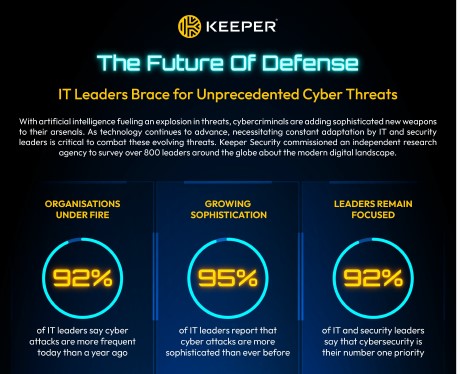
A global survey of over 800 IT leaders reveals a surge in AI-powered cyber attacks, with 51% experiencing such incidents and 73% reporting monetary loss or business disruption. The sophistication of AI-driven attacks, including phishing and deepfakes, has left many organizations unprepared and struggling to defend against escalating threats.[AI generated]

Why's our monitor labelling this an incident or hazard?

The article explicitly mentions AI-powered attacks causing actual harm, including monetary loss and business disruption, which fits the definition of an AI Incident. The AI systems are used maliciously to enhance phishing and other cyberattacks, directly leading to harm. Therefore, this is not merely a potential risk or complementary information but an AI Incident due to the realized harms caused by AI-enabled cyberattacks.[AI generated]

AI principles
AccountabilitySafetyRobustness & digital securityTransparency & explainabilityRespect of human rights

Industries
Digital security

Affected stakeholders
Business

Harm types
Economic/Property

Severity
AI incident

AI system task:
Content generation


Articles about this incident or hazard

Thumbnail Image

IT leaders struggle to keep up with emerging threats

2024-03-26
BetaNews
Why's our monitor labelling this an incident or hazard?
The article explicitly mentions AI-powered attacks causing actual harm, including monetary loss and business disruption, which fits the definition of an AI Incident. The AI systems are used maliciously to enhance phishing and other cyberattacks, directly leading to harm. Therefore, this is not merely a potential risk or complementary information but an AI Incident due to the realized harms caused by AI-enabled cyberattacks.
Thumbnail Image

AI-powered cyberattacks are the biggest concern for IT - and most are unprepared for them

2024-03-26
TechRadar
Why's our monitor labelling this an incident or hazard?
The event involves AI systems used maliciously in cyberattacks, which have directly led to harm including monetary losses and disruption to organizations' security. The AI system's use in these attacks is a contributing factor to the harm. Therefore, this qualifies as an AI Incident because the AI system's use has directly led to realized harm (financial and security harm) to organizations.
Thumbnail Image

Cyber Attacks Are More Sophisticated Than Ever, With AI-Powered Attacks Posing the Greatest Risk

2024-03-26
InvestorsObserver
Why's our monitor labelling this an incident or hazard?
The article discusses the general threat landscape involving AI-powered cyber attacks and the challenges faced by IT leaders, but it does not report a specific event where an AI system's development, use, or malfunction directly or indirectly caused harm (AI Incident) or a specific event where AI use could plausibly lead to harm (AI Hazard). Instead, it provides complementary information about the evolving risks and the need for improved defenses, which fits the definition of Complementary Information as it enhances understanding of AI-related cybersecurity threats and responses without detailing a particular incident or hazard.
Thumbnail Image

AI-Driven Cyber Attacks Emerge as Top Concern for Global IT Leaders

2024-03-27
Cryptopolitan
Why's our monitor labelling this an incident or hazard?
The article explicitly mentions AI-powered attacks as a significant and growing threat, with 73% of respondents experiencing attacks causing monetary loss. The involvement of AI in these attacks is clear, and the harms (financial loss, reputational damage) have already occurred. This fits the definition of an AI Incident, as the development and use of AI systems have directly led to harm. The article does not merely warn of potential future harm but documents ongoing realized harm from AI-driven cyber attacks.
Thumbnail Image

92% of IT Leaders Say Cyberthreats Are on the Rise, 51% See AI Attacks for the First Time

2024-03-27
thefastmode.com
Why's our monitor labelling this an incident or hazard?
The article explicitly mentions AI-powered attacks as a significant and emerging threat vector causing real and ongoing harm, including financial loss and operational disruption. The involvement of AI systems in enabling more sophisticated phishing and password cracking attacks is clear, and these attacks have directly led to harm. This fits the definition of an AI Incident, as the development and use of AI systems by cybercriminals have directly led to harm to organizations and their communities. The article does not merely warn of potential future harm but reports on current realized harms, so it is not an AI Hazard or Complementary Information. It is not unrelated because AI systems are central to the described harms.
Thumbnail Image

Report: IT leaders unprepared for new types of cyberattacks

2024-03-30
Newsbytes.PH
Why's our monitor labelling this an incident or hazard?
The event explicitly mentions AI-powered attacks as a significant and growing threat vector causing actual harm, including monetary loss and business disruption. The AI systems are used maliciously to enhance phishing and other attack techniques, which have already resulted in realized harm to organizations. This fits the definition of an AI Incident, as the development and use of AI systems have directly led to harm (financial and operational) to people and organizations. The report is not merely a warning or potential risk but documents ongoing harm from AI-enabled cyberattacks.
Thumbnail Image

Keeper Security Insight Report reveals IT leaders are unprepared for the new wave of threat vectors - Global Security Mag Online

2024-03-26
Global Security Mag Online
Why's our monitor labelling this an incident or hazard?
The article explicitly discusses AI-powered attacks as a significant and realized threat vector causing harm such as monetary loss, business disruption, and reputational damage. The involvement of AI systems in these attacks is direct, as AI tools are used by malicious actors to increase the scale and believability of phishing and other cyber attacks. Since these harms are occurring and AI is a pivotal factor in enabling them, this qualifies as an AI Incident under the framework.
Thumbnail Image

AI-Driven Cyber Attacks Emerge as Top Concern for Global IT Leaders | AI in Daily Life | CryptoRank.io

2024-03-27
CryptoRank
Why's our monitor labelling this an incident or hazard?
The article explicitly mentions AI-powered cyber attacks that are actively occurring and causing harm, such as financial losses and increased difficulty in defense. The involvement of AI systems in these attacks is clear, as they enable more sophisticated and believable phishing scams and other attack vectors. Since the harm is realized and directly linked to the use of AI systems by malicious actors, this qualifies as an AI Incident under the framework. The article does not merely warn about potential future risks but documents ongoing harms caused by AI-driven cyber threats.