AI Model Fails to Detect Depression in Black Americans, Raising Healthcare Bias Concerns

Thumbnail Image

The information displayed in the AIM should not be reported as representing the official views of the OECD or of its member countries.

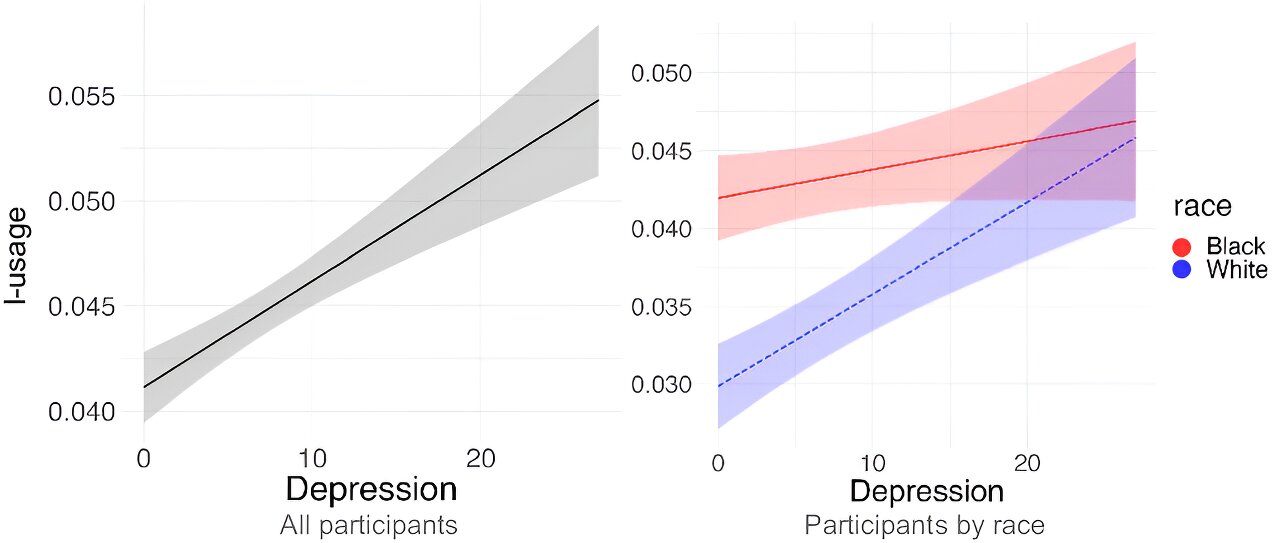
A study found that AI models analyzing Facebook posts accurately predicted depression in white Americans but failed to do so for Black Americans, being three times less predictive. This racial bias in AI-based mental health assessment highlights risks of misdiagnosis and underscores the need for more inclusive training data.[AI generated]

Why's our monitor labelling this an incident or hazard?

The AI system is explicitly involved as it analyzes social media language to assess depression risk. The study shows that the AI's predictive performance is biased and less effective for Black individuals, which constitutes a violation of equitable healthcare assessment and can be considered a harm related to discrimination and inequality in health outcomes. Although no direct physical harm is reported, the AI's failure to detect depression signs in a racial group can lead to indirect harm by contributing to disparities in mental health diagnosis and treatment. Therefore, this event qualifies as an AI Incident due to the realized harm of biased AI healthcare assessment impacting human health and rights.[AI generated]

AI principles
FairnessRespect of human rightsHuman wellbeing

Industries
Healthcare, drugs, and biotechnology

Affected stakeholders
General public

Harm types
Human or fundamental rights

Severity
AI incident

Business function:
Research and development

AI system task:
Forecasting/prediction


Articles about this incident or hazard

Thumbnail Image

AI fails to detect depression signs in social media posts by Black Americans: study

2024-03-29
Economic Times
Why's our monitor labelling this an incident or hazard?
The AI system is explicitly involved as it analyzes social media language to assess depression risk. The study shows that the AI's predictive performance is biased and less effective for Black individuals, which constitutes a violation of equitable healthcare assessment and can be considered a harm related to discrimination and inequality in health outcomes. Although no direct physical harm is reported, the AI's failure to detect depression signs in a racial group can lead to indirect harm by contributing to disparities in mental health diagnosis and treatment. Therefore, this event qualifies as an AI Incident due to the realized harm of biased AI healthcare assessment impacting human health and rights.
Thumbnail Image

AI fails to spot Black people's depression signs in socmed posts

2024-03-28
Inquirer
Why's our monitor labelling this an incident or hazard?
The article explicitly involves an AI system used for analyzing social media language to assess depression risk. The AI's use has led to a disparity in predictive accuracy between racial groups, which constitutes a violation of equitable healthcare assessment and can be considered a harm related to bias and discrimination. This harm falls under violations of human rights or breach of obligations intended to protect fundamental rights, specifically equitable treatment in healthcare. Since the AI's use has directly led to this harm, the event qualifies as an AI Incident.
Thumbnail Image

AI Fails to Detect Depression Signs in Social Media Posts by Black Americans, Study Finds

2024-03-28
U.S. News & World Report
Why's our monitor labelling this an incident or hazard?
The article explicitly involves an AI system used for analyzing social media language to assess depression risk. The study reveals that the AI's use leads to unequal and less effective detection for Black individuals, which is a form of harm related to healthcare inequality and potential violation of equitable treatment principles. This harm is realized as the AI system's use directly leads to less accurate mental health risk assessment for a racial group, which can contribute to disparities in healthcare outcomes. Therefore, this qualifies as an AI Incident due to harm to health of a group of people caused by the AI system's use and its biased performance.
Thumbnail Image

AI Model Can Predict Depression Severity From White People's Facebook Posts - Drugs.com MedNews

2024-03-29
Drugs.com
Why's our monitor labelling this an incident or hazard?
The article involves an AI system (machine learning models analyzing social media language) used in research to predict depression severity. However, it does not describe any actual harm or violation resulting from the AI's use. The study points out limitations and disparities in model performance across racial groups, emphasizing the need for better data representation before clinical integration. Since no harm has occurred and the focus is on research findings and future implications, this qualifies as Complementary Information rather than an Incident or Hazard.
Thumbnail Image

AI fails to detect depression signs in posts by Black Americans

2024-03-29
The Express Tribune
Why's our monitor labelling this an incident or hazard?
The AI system is explicitly involved as it analyzes social media language to detect depression signals. The harm here is a violation of equitable healthcare assessment, as the AI's biased performance could lead to misdiagnosis or underdiagnosis of depression in Black Americans, which constitutes a violation of rights and harm to health. Although the article does not report a specific incident of harm occurring, the study highlights an existing bias in a deployed AI system that directly affects health outcomes for a racial group. This qualifies as an AI Incident because the AI's use has directly led to discriminatory harm in healthcare risk assessment.
Thumbnail Image

AI analysis of social media language predicts depression severity for white Americans, but not Black Americans

2024-03-26
Medical Xpress - Medical and Health News
Why's our monitor labelling this an incident or hazard?
The article discusses the use of AI language models (an AI system) analyzing Facebook posts to predict depression severity, which fits the definition of an AI system. However, the study reveals that the models perform poorly for Black participants compared to white participants, indicating a limitation or bias in the AI system. Despite this, no actual harm (such as misdiagnosis or adverse health outcomes) is reported as having occurred. The article focuses on research findings and the importance of diverse data to improve AI fairness and accuracy, which aligns with Complementary Information. There is no indication of an AI Incident (harm realized) or AI Hazard (plausible future harm) in this context, nor is it unrelated to AI. Hence, the classification is Complementary Information.
Thumbnail Image

New study reveals AI's hidden bias in screening depression in Black people

2024-03-29
WION
Why's our monitor labelling this an incident or hazard?
The AI system's use in screening depression has led to a disparity in predictive accuracy based on race, which constitutes a form of bias and a violation of equitable treatment in health-related assessments. This bias can indirectly cause harm by misdiagnosing or failing to identify depression in Black individuals, potentially leading to inadequate healthcare. Since the AI's use has directly led to this discriminatory outcome, it qualifies as an AI Incident under violations of rights and harm to groups of people.
Thumbnail Image

Analysis of social media language using AI models predicts depression severity for white Americans, but not Black Americans

2024-03-26
EurekAlert!
Why's our monitor labelling this an incident or hazard?
The article discusses the use of AI language models (machine learning models analyzing Facebook posts) to predict depression severity, which is an application of AI systems. However, the study identifies limitations and disparities in AI model performance across racial groups, emphasizing the need for more inclusive data to avoid perpetuating healthcare disparities. There is no indication that the AI system caused any harm or injury, nor that any violation of rights or other harms occurred due to the AI's use or malfunction. Instead, the article focuses on research findings and implications for future AI development and healthcare equity. Therefore, this is complementary information providing important context and insights about AI's role and challenges in mental health assessment, rather than an AI Incident or AI Hazard.
Thumbnail Image

Depression in Black people goes unnoticed by AI models analyzing language in social media posts

2024-03-26
EurekAlert!
Why's our monitor labelling this an incident or hazard?
The article involves AI systems analyzing social media language to detect depression, which fits the definition of an AI system. The research shows these models perform poorly for Black individuals, indicating a bias or limitation in AI development and use. While this could plausibly lead to harm such as misdiagnosis or inadequate mental health support for Black people, the article does not report any actual harm or incident occurring. It is primarily a research study highlighting an important issue and calling for better representation and model improvement. Therefore, it does not meet the threshold for an AI Incident or AI Hazard but rather provides complementary information about AI system limitations and implications for health equity.
Thumbnail Image

AI can detect depression in white people based on their social media posts - but not in Black people, Penn study finds

2024-03-28
PhillyVoice
Why's our monitor labelling this an incident or hazard?
The article involves AI systems used for predicting depression from social media language, which fits the definition of an AI system. The study reveals that the AI's use leads to inaccurate predictions for Black individuals, which could plausibly lead to harm in healthcare outcomes (harm to health of groups of people). Since no actual harm is reported but a clear risk of harm is identified, this qualifies as an AI Hazard. The article focuses on the potential for harm due to AI model bias and the need for improved datasets and validation, rather than describing a realized incident or harm. Therefore, the event is best classified as an AI Hazard.
Thumbnail Image

AI fails to detect depression signs in social media posts by Black Americans, study finds

2024-03-28
Colorado Springs Gazette
Why's our monitor labelling this an incident or hazard?
The event involves the use of an AI system (an AI model analyzing social media language) in a healthcare-related task (depression risk assessment). The AI's failure to detect depression signs in Black Americans constitutes a bias that can lead to harm by misdiagnosis or underdiagnosis, which is a violation of equitable healthcare rights and can harm health outcomes. This harm is realized as the AI system's use directly leads to differential and potentially harmful outcomes for a racial group. Therefore, this qualifies as an AI Incident due to violation of rights and harm to health of a group of people caused by the AI system's use.
Thumbnail Image

AI Predicts Depression in Whites, Not Blacks, Via Social Media

2024-03-26
Mirage News
Why's our monitor labelling this an incident or hazard?
The article discusses the use of AI language models (machine learning models analyzing Facebook posts) to predict depression severity, which qualifies as an AI system. However, the study focuses on research findings about model performance differences across racial groups and the implications for fairness and healthcare disparities. There is no indication that the AI system caused any injury, rights violations, or other harms, nor that harm is imminent or plausible from this research alone. The content primarily provides complementary information about AI's current capabilities, limitations, and the need for improved inclusivity in AI development for mental health applications.
Thumbnail Image

AI Models Overlook Depression in Black Social Media Users

2024-03-26
Mirage News
Why's our monitor labelling this an incident or hazard?
The AI system (depression detection model) is explicitly involved and its malfunction (poor performance for Black users) directly leads to harm by potentially causing underdiagnosis or misdiagnosis of depression in Black social media users. This is a violation of health rights and can cause harm to individuals' health, fitting the definition of an AI Incident. The article does not describe potential or future harm but an existing issue with deployed AI models. Hence, it is not an AI Hazard or Complementary Information. The harm is significant and clearly articulated, meeting the criteria for an AI Incident.
Thumbnail Image

Analysis of social media language using AI models predicts depression

2024-03-26
Scienmag: Latest Science and Health News
Why's our monitor labelling this an incident or hazard?
The article discusses the use of AI language models (machine learning models analyzing Facebook posts) to predict depression severity, which is an application of AI. However, the event does not describe any direct or indirect harm caused by the AI system's development, use, or malfunction. Instead, it highlights limitations and potential biases in AI models and calls for more inclusive data to improve fairness and accuracy. There is no indication of realized harm or a plausible future harm event caused by the AI system. The article is primarily about research findings and implications for improving AI in mental health assessment, which fits the definition of Complementary Information as it provides supporting data and context about AI systems and their societal implications without reporting an incident or hazard.