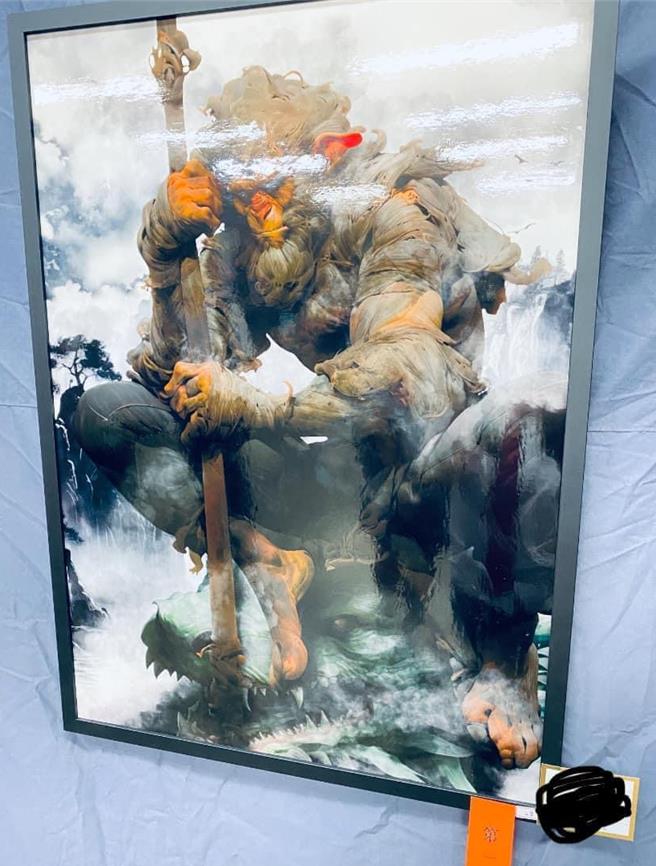
AI-Generated Artwork Sparks Controversy at Taiwanese School Art Competition

Thumbnail Image

The information displayed in the AIM should not be reported as representing the official views of the OECD or of its member countries.

A student’s artwork that won first prize at a Taiwanese school’s art exhibition was found to have been created using AI, violating competition rules. The incident led to whistleblower students facing pressure and possible disciplinary action, raising concerns about academic integrity, transparency, and the misuse of AI in creative competitions.[AI generated]

Why's our monitor labelling this an incident or hazard?

The event explicitly involves the use and misuse of AI systems for generating artwork in a context where such use was prohibited, leading to a breach of competition rules and academic integrity. The whistleblower's experience of pressure and potential disciplinary action further highlights the social and institutional harm caused. The AI system's role is pivotal as the artwork's AI-generated nature is central to the controversy and harm. The harm includes violation of intellectual property and academic rights, as well as harm to community trust and reputation. Hence, this is an AI Incident rather than a hazard or complementary information.[AI generated]
AI principles
FairnessTransparency & explainabilityAccountability

Industries
Education and training

Affected stakeholders
Children

Harm types
PsychologicalReputational

Severity
AI incident

AI system task:
Content generation


Articles about this incident or hazard

Thumbnail Image

復興商工美展「冠軍作品AI畫的?」吹哨學生遭施壓 冠軍得主疑自爆了

2024-03-31
Yahoo News (Taiwan)
Why's our monitor labelling this an incident or hazard?
The event explicitly involves the use and misuse of AI systems for generating artwork in a context where such use was prohibited, leading to a breach of competition rules and academic integrity. The whistleblower's experience of pressure and potential disciplinary action further highlights the social and institutional harm caused. The AI system's role is pivotal as the artwork's AI-generated nature is central to the controversy and harm. The harm includes violation of intellectual property and academic rights, as well as harm to community trust and reputation. Hence, this is an AI Incident rather than a hazard or complementary information.
Thumbnail Image

復興商工創校以來最大危機!美展冠軍畫作疑AI生成 設計師校友:快設停損點

2024-03-31
Yahoo News (Taiwan)
Why's our monitor labelling this an incident or hazard?
The event explicitly involves an AI system used to generate artwork that won a competition, which is against the rules. The AI-generated artwork's submission has led to significant reputational damage to the school, social unrest, and legal disputes, constituting harm to the community and violation of fair competition principles. Therefore, this qualifies as an AI Incident because the AI system's use has directly or indirectly led to harm as defined in the framework.
Thumbnail Image

復興商工美展首獎遭爆「AI畫的」?校長出面回應了

2024-03-31
Yahoo News (Taiwan)
Why's our monitor labelling this an incident or hazard?
An AI system is reasonably inferred because the controversy revolves around the use of AI-generated art in a competition that forbids AI use. The event concerns the use (or misuse) of AI in creating artwork, which could violate intellectual property or competition rules, thus potentially causing harm to rights or fairness. However, no confirmed harm or disciplinary outcome has occurred yet, and the investigation is ongoing. Therefore, this is a plausible risk scenario where AI misuse could lead to harm but has not been confirmed as an incident. Hence, it qualifies as an AI Hazard rather than an AI Incident or Complementary Information.
Thumbnail Image

復興商工美展冠軍爆「AI畫的」 校長回應了:不宜未審先判

2024-03-31
Yahoo News (Taiwan)
Why's our monitor labelling this an incident or hazard?
The article describes a situation where an AI system (AI-generated art) is suspected to have been used in a student competition, which could violate rules prohibiting AI-generated works. However, the investigation is ongoing and no confirmed harm or rule violation has been established yet. The controversy and school response are primarily updates and contextual information about a potential issue rather than a confirmed incident or hazard. Therefore, this is best classified as Complementary Information, as it provides context and updates on a possible AI-related issue without confirmed harm or risk yet.
Thumbnail Image

復興商工美展首獎作品遭疑「AI畫的」 校方:近期就會公布結果

2024-03-31
Yahoo News (Taiwan)
Why's our monitor labelling this an incident or hazard?
An AI system is plausibly involved since the artwork is suspected to have been created using AI-based digital drawing tools. However, there is no confirmed incident of harm or violation at this stage; the investigation is ongoing and no disciplinary action has been taken. Therefore, this event represents a potential issue related to AI use that could lead to an incident if misuse is confirmed, but currently it is a plausible risk rather than a realized harm. Hence, it qualifies as an AI Hazard rather than an AI Incident or Complementary Information.
Thumbnail Image

復興商工美展首獎被質疑「AI畫的」 校長回應了

2024-03-31
中時新聞網
Why's our monitor labelling this an incident or hazard?
An AI system is reasonably inferred because the artwork is suspected to have been created using AI-based digital drawing tools. However, the event currently involves an investigation and allegations without confirmed misuse or harm. There is no direct or indirect harm reported, nor a plausible future harm beyond the investigation stage. Therefore, this is not an AI Incident or AI Hazard. The article mainly provides an update on the situation and the school's response, which fits the definition of Complementary Information.