WHO's AI Chatbot SARAH Spreads Health Misinformation Due to Inaccurate Responses

Thumbnail Image

The information displayed in the AIM should not be reported as representing the official views of the OECD or of its member countries.

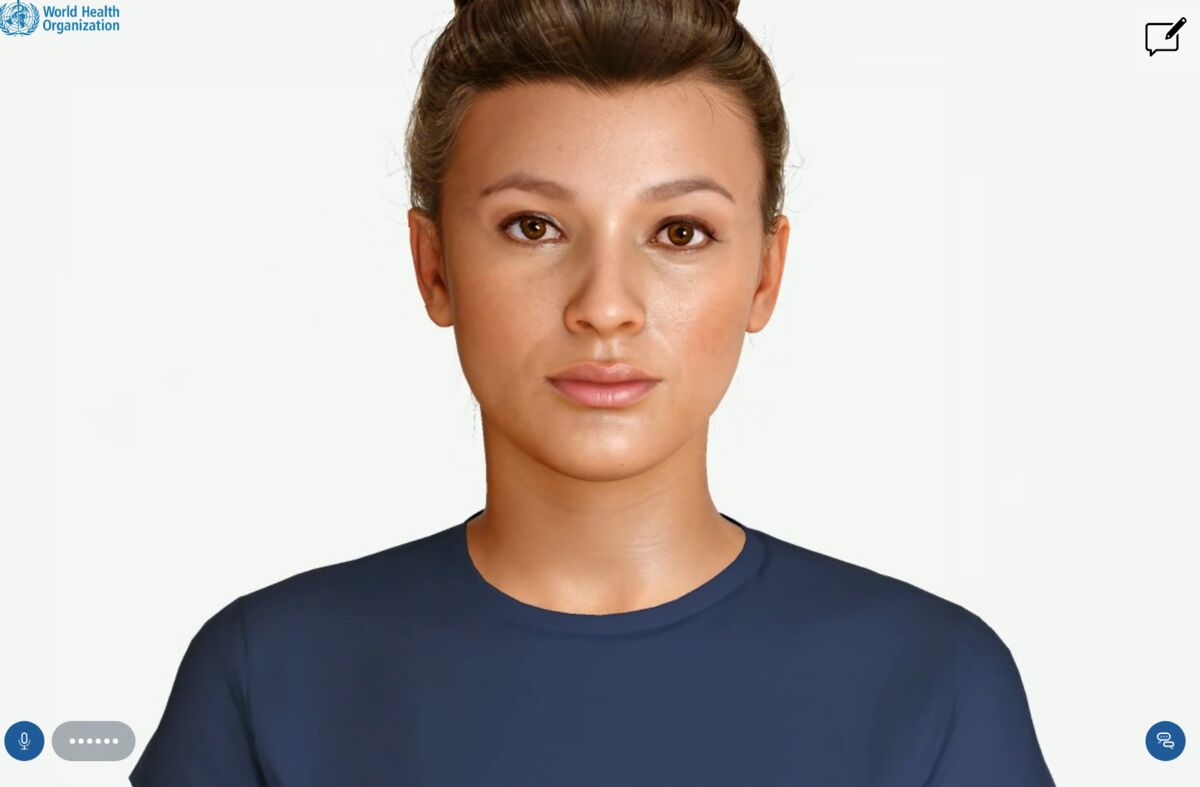
The World Health Organization launched SARAH, an AI-powered chatbot designed to provide global health information. However, SARAH sometimes gives inaccurate or hallucinated answers, potentially spreading health misinformation. WHO acknowledges these flaws, warns users, and limits SARAH's scope, but the risk of public harm remains.[AI generated]

Why's our monitor labelling this an incident or hazard?

The AI system (SARAH) is explicitly mentioned and is in use, providing health information. The chatbot's inaccuracies and hallucinations could plausibly lead to harm such as misinformation affecting public health decisions, which fits the definition of an AI Hazard. There is no evidence in the article that any injury, rights violation, or other harm has actually occurred due to the chatbot's outputs. The article also discusses privacy and security concerns but does not report realized harm. Thus, the event is best classified as an AI Hazard due to the plausible future harm from misinformation and privacy risks associated with the AI system's use.[AI generated]

AI principles
SafetyRobustness & digital securityTransparency & explainabilityAccountabilityHuman wellbeing

Industries
Healthcare, drugs, and biotechnologyGovernment, security, and defence

Affected stakeholders
General public

Harm types
Public interestReputational

Severity
AI hazard

Business function:
Citizen/customer service

AI system task:
Interaction support/chatbotsContent generation

In other databases

Articles about this incident or hazard

Thumbnail Image

WHO's new AI-powered chatbot SARAH is giving wrong medical answers - ET CISO

2024-04-19
ETCISO.in
Why's our monitor labelling this an incident or hazard?
The AI system (SARAH) is explicitly described as an AI-powered chatbot trained on ChatGPT 3.5, providing health information. It is in active use and has directly led to the spread of misinformation due to hallucinations and outdated data, which can harm public health. The harm is realized, not just potential, as the chatbot has given wrong answers about drug approvals and health statistics. This misinformation can negatively impact users' health decisions, constituting harm to communities and public health. Hence, this is an AI Incident rather than a hazard or complementary information.
Thumbnail Image

WHO's new AI-powered chatbot SARAH is giving wrong medical answers - Times of India

2024-04-18
The Times of India
Why's our monitor labelling this an incident or hazard?
SARAH is an AI system (a chatbot powered by OpenAI's GPT 3.5) used to provide health information. The article explicitly states that SARAH sometimes gives wrong or outdated medical answers, including hallucinations, which can spread misinformation. This misinformation can harm users' health decisions, thus causing harm to communities and public health. The harm is realized, not just potential, as the chatbot is actively providing incorrect information to users. Hence, this qualifies as an AI Incident under the framework because the AI system's use has directly led to harm through misinformation dissemination.
Thumbnail Image

AI-Powered World Health Chatbot Is Flubbing Some Answers

2024-04-19
Yahoo7 Finance
Why's our monitor labelling this an incident or hazard?
The AI system (SARAH) is explicitly mentioned and is in use, providing health information. The chatbot's inaccuracies and hallucinations could plausibly lead to harm such as misinformation affecting public health decisions, which fits the definition of an AI Hazard. There is no evidence in the article that any injury, rights violation, or other harm has actually occurred due to the chatbot's outputs. The article also discusses privacy and security concerns but does not report realized harm. Thus, the event is best classified as an AI Hazard due to the plausible future harm from misinformation and privacy risks associated with the AI system's use.
Thumbnail Image

WHO's New AI-Powered Chatbot Is Giving Wrong Medical Answers

2024-04-18
Bloomberg Business
Why's our monitor labelling this an incident or hazard?
The event involves an AI system (the chatbot SARAH) used to provide medical information. The chatbot's incorrect answers can directly lead to harm to users' health, fulfilling the criteria for an AI Incident under harm category (a) injury or harm to health. The harm is realized as the chatbot is actively giving wrong medical information, not just a potential risk. Therefore, this is classified as an AI Incident.
Thumbnail Image

WHO Introduces AI Chatbot SARAH Despite Flaws

2024-04-18
Cryptopolitan
Why's our monitor labelling this an incident or hazard?
The article clearly involves an AI system (SARAH chatbot) and discusses its use and limitations. However, it does not report any realized harm or injury resulting from the AI's deployment. The potential for misinformation and privacy risks is acknowledged, but these are framed as challenges to be addressed rather than incidents that have already caused harm. Therefore, the event fits the category of Complementary Information, as it provides context, updates, and governance considerations related to an AI system without describing a specific AI Incident or AI Hazard.
Thumbnail Image

AI-powered world health chatbot is flubbing some answers

2024-04-19
South China Morning Post
Why's our monitor labelling this an incident or hazard?
The article clearly involves an AI system (SARAH, an AI chatbot based on ChatGPT 3.5) used in a health context. The chatbot's use and limitations are described, including hallucinations and outdated information, which could plausibly lead to misinformation and harm to users' health decisions. However, no actual injury, rights violation, or other harm has been reported as having occurred. The WHO's warnings and the description of the chatbot as an early prototype indicate awareness of these risks. Thus, the event fits the definition of an AI Hazard, as the AI system's use could plausibly lead to harm, but no direct or indirect harm has yet been documented.
Thumbnail Image

AI-powered World Health chatbot is flubbing some answers

2024-04-19
The Star
Why's our monitor labelling this an incident or hazard?
The WHO's AI chatbot is an AI system providing health information. Its use involves the AI system's deployment and operation. The chatbot sometimes provides inaccurate or hallucinated answers, which could plausibly lead to harm if users rely on incorrect health advice. The article explicitly states the bot's limitations and warns users to consult health professionals. No actual injury, health harm, or rights violations have been reported as a result of the chatbot's use. Hence, the event is best classified as an AI Hazard due to the plausible risk of harm from misinformation, but not an AI Incident since no harm has been documented yet.
Thumbnail Image

WHO's new AI-powered chatbot Is giving wrong medical answers

2024-04-18
GULF NEWS
Why's our monitor labelling this an incident or hazard?
SARAH is an AI system (a chatbot based on OpenAI's ChatGPT 3.5) used to provide health information. Its use has led to the dissemination of inaccurate medical information (hallucinations and outdated data), which could indirectly cause harm to users' health if they rely on it improperly. The WHO's warnings and the bot's limitations indicate awareness of these risks. Since no specific incidents of harm are reported, but the potential for harm is clear and plausible, this event qualifies as an AI Hazard rather than an AI Incident. The article focuses on the current limitations and risks rather than reporting realized harm or a response to a past incident, so it is not Complementary Information.
Thumbnail Image

WHO's New AI-Powered Chatbot Is Giving Wrong Medical Answers - BNN Bloomberg

2024-04-18
BNN
Why's our monitor labelling this an incident or hazard?
The article explicitly states that SARAH sometimes provides inaccurate or bizarre answers (hallucinations) that could spread misinformation about public health, which is a plausible risk of harm to communities. However, no actual incidents of harm or injury have been reported. The AI system is in an early prototype stage with disclaimers about accuracy and is designed to avoid diagnostic advice. This fits the definition of an AI Hazard, as the AI system's use could plausibly lead to an AI Incident (harm), but such harm has not yet materialized according to the article.
Thumbnail Image

AI-Powered World Health Chatbot Is Flubbing Some Answers

2024-04-18
Democratic Underground
Why's our monitor labelling this an incident or hazard?
SARAH is an AI system designed to provide health information. The article states that it sometimes gives inaccurate or hallucinated answers, which can spread misinformation about public health. Misinformation in health can cause injury or harm to people's health, fulfilling the harm criterion for an AI Incident. The harm is occurring through the AI system's use and malfunction (hallucinations). Hence, this event meets the definition of an AI Incident.
Thumbnail Image

AI-powered WHO chatbot is flubbing some answers

2024-04-18
Crains New York Business
Why's our monitor labelling this an incident or hazard?
The article describes an AI system (SARAH) that provides health information but sometimes gives inaccurate or hallucinated responses, which can spread misinformation. While misinformation can harm public health, the WHO warns users about the chatbot's limitations and restricts its scope to avoid diagnostic advice. No actual harm or injury is reported, and the system is still in early development. The potential for misinformation to cause harm makes this a plausible future risk (AI Hazard), but without evidence of realized harm, it does not qualify as an AI Incident. The article also discusses privacy and security concerns but does not report breaches or harm. Thus, the event is best classified as an AI Hazard.
Thumbnail Image

AI-Powered World Health Chatbot Is Flubbing Some Answers

2024-04-18
mint
Why's our monitor labelling this an incident or hazard?
The event involves an AI system (SARAH chatbot) whose use has directly led to the dissemination of inaccurate health information, a form of harm to communities and public health. The chatbot's hallucinations and outdated training data cause it to provide misleading answers, which can misinform users. This fits the definition of an AI Incident because the AI system's use has directly led to harm (misinformation) to communities. Although no physical injury is reported, harm to public health information and potential violation of users' right to accurate information are significant harms under the framework. Therefore, the classification is AI Incident.
Thumbnail Image

WHO Introduces AI Chatbot SARAH Despite Flaws | AI Explained | CryptoRank.io

2024-04-18
CryptoRank
Why's our monitor labelling this an incident or hazard?
The AI system (SARAH chatbot) is explicitly mentioned and is used to disseminate health information. The chatbot's inaccuracies and hallucinations could plausibly lead to misinformation, which can harm public health awareness and communities. Since no actual harm has been reported but the risk of harm is credible and recognized by WHO, this event fits the definition of an AI Hazard. The article focuses on the potential risks and ongoing improvements rather than reporting a realized harm incident. Therefore, the classification is AI Hazard.