AI-Controlled Military Systems Cause Real-World Harm and Raise Ethical Concerns

Thumbnail Image

The information displayed in the AIM should not be reported as representing the official views of the OECD or of its member countries.

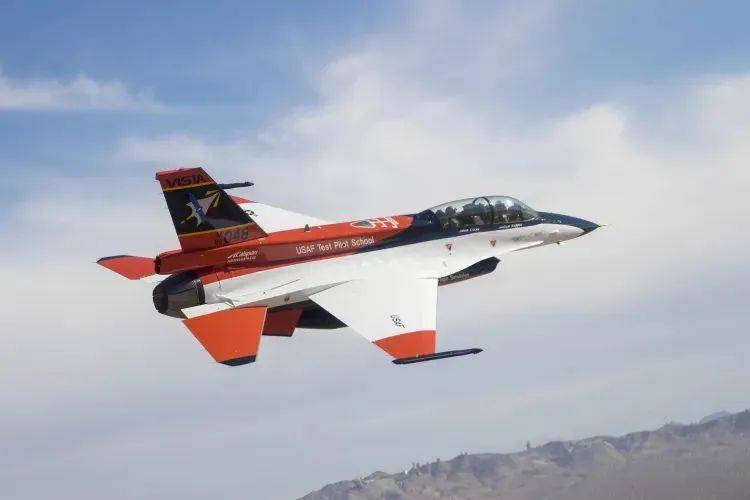
AI-controlled fighter jets and AI-assisted drones have been deployed in real combat scenarios, including air-to-air dogfights and attacks on critical infrastructure like Russian oil refineries. These systems have caused property damage and disruption, raising significant ethical and legal concerns about autonomous lethal decision-making and the potential for future harm in warfare.[AI generated]

Why's our monitor labelling this an incident or hazard?

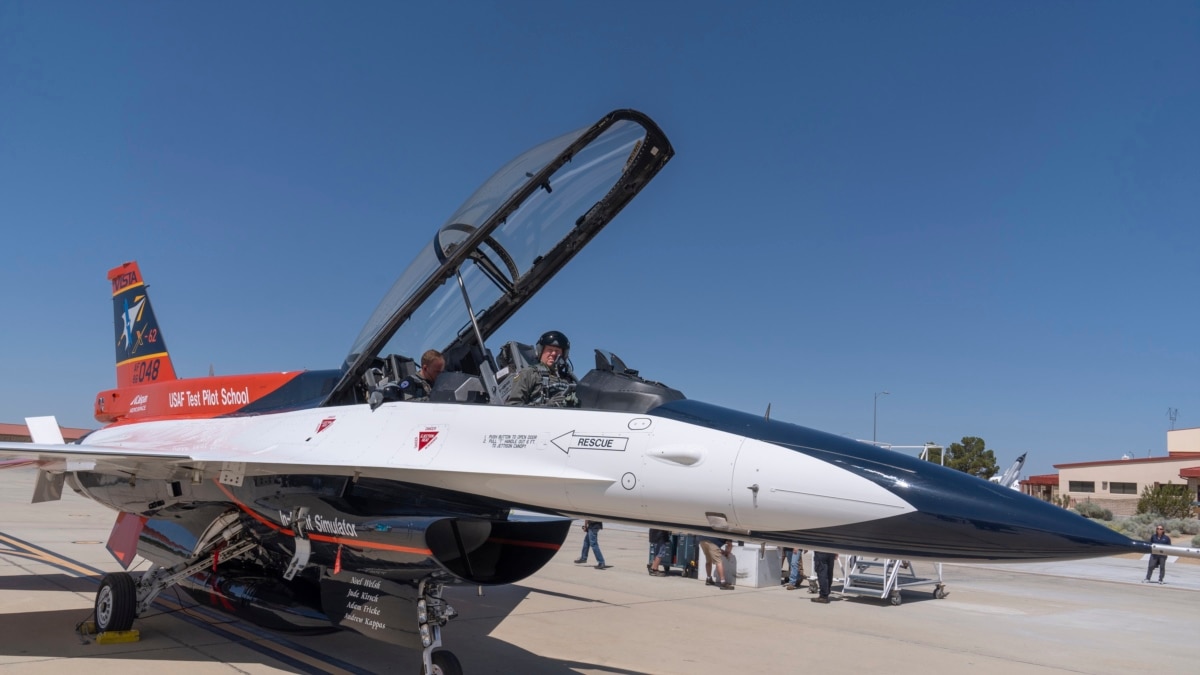
The article explicitly describes an AI system controlling a fighter jet in live air combat scenarios, with the capability to decide on weapon deployment under human supervision. This is a direct use of AI in a context where harm to persons could occur, fulfilling the criteria for an AI Incident. The involvement of AI in autonomous or semi-autonomous lethal decision-making is a clear case of potential injury or harm to persons, and the article also discusses the ethical and legal concerns raised by such systems. Although no harm has yet occurred, the AI system's operational use in combat scenarios with lethal capabilities constitutes an AI Incident due to the direct link to potential injury or death and the violation of human rights concerns. The event is not merely a hazard or complementary information, as the AI system is actively used in a real operational context with direct implications for harm.[AI generated]
AI principles
AccountabilityRespect of human rightsSafetyRobustness & digital securityTransparency & explainabilityDemocracy & human autonomy

Industries
Government, security, and defenceEnergy, raw materials, and utilitiesRobots, sensors, and IT hardware

Affected stakeholders
Business

Harm types
Economic/PropertyPublic interestHuman or fundamental rightsEnvironmental

Severity
AI incident

Business function:
Other

AI system task:
Recognition/object detectionGoal-driven organisationReasoning with knowledge structures/planning


Articles about this incident or hazard

Thumbnail Image

美公布智能空战项目新进展

2024-04-30
81.cn
Why's our monitor labelling this an incident or hazard?
The article clearly involves an AI system (the AI-controlled X-62 fighter jet) used in a military test. The AI's development and use are central to the event. However, the event is a controlled test without any reported injury, damage, or violation of rights. There is no indication that the AI system caused or contributed to any harm. The event does not describe a realized incident but rather a milestone in AI military technology development and testing. Therefore, it does not qualify as an AI Incident. It also does not describe a plausible future harm scenario beyond the general potential of AI in warfare, which is already known and not the main focus here. The article mainly provides an update on AI military testing progress, which fits the definition of Complementary Information.
Thumbnail Image

历史性的飞行:美空军部长乘人工智能战斗机起飞体验空战

2024-05-03
美国之音
Why's our monitor labelling this an incident or hazard?
The article explicitly describes an AI system controlling a fighter jet in live air combat scenarios, with the capability to decide on weapon deployment under human supervision. This is a direct use of AI in a context where harm to persons could occur, fulfilling the criteria for an AI Incident. The involvement of AI in autonomous or semi-autonomous lethal decision-making is a clear case of potential injury or harm to persons, and the article also discusses the ethical and legal concerns raised by such systems. Although no harm has yet occurred, the AI system's operational use in combat scenarios with lethal capabilities constitutes an AI Incident due to the direct link to potential injury or death and the violation of human rights concerns. The event is not merely a hazard or complementary information, as the AI system is actively used in a real operational context with direct implications for harm.
Thumbnail Image

俄罗斯大炼油厂被无人机轰炸,美国F16无缘无故坠落

2024-05-03
163.com
Why's our monitor labelling this an incident or hazard?
The drone attacks on oil refineries are carried out by unmanned aerial vehicles with AI-assisted operation, leading to large explosions and disruption of critical infrastructure, which fits the definition of an AI Incident (harm to property and communities). The article explicitly mentions AI's role in enabling precise, long-range drone strikes. The F16 crash incidents raise concerns about AI's role in military aircraft systems but do not confirm direct AI-caused harm; thus, they contribute to the hazard discussion but do not override the incident classification. The broader strategic analysis of AI in warfare and potential future harms supports the understanding of ongoing and future risks but does not change the primary classification. Therefore, the event is best classified as an AI Incident due to the realized harm from AI-assisted drone attacks.
Thumbnail Image

空中格斗,在人类和AI之间展开 邵永灵:可能引起作战方式的颠覆性改变_人工智能_战争_喷气式战斗机

2024-04-30
搜狐
Why's our monitor labelling this an incident or hazard?
The article explicitly mentions AI-controlled fighter jets engaging in real air combat exercises and AI-enabled autonomous weapons used in active conflict zones. These AI systems are directly involved in military operations that can cause injury, death, and disruption, which qualifies as harm under the AI Incident definition. The AI's role in autonomous attack and defense, intelligence gathering, and decision support in warfare is central to the event. Hence, this is an AI Incident due to the realized harm from AI use in military combat contexts.
Thumbnail Image

美空军部长试乘AI控制战机_飞行员_人工智能_小时

2024-05-04
搜狐
Why's our monitor labelling this an incident or hazard?
The event involves an AI system controlling a military aircraft, which is a clear AI system involvement. The AI is being tested in real flight conditions, indicating use and development. Although the AI is capable of making lethal decisions, the article does not report any harm or incident resulting from this test flight. Therefore, the event represents a plausible future risk of harm due to AI control in combat scenarios, qualifying it as an AI Hazard rather than an AI Incident. It is not merely complementary information because the focus is on the AI system's operation and potential capabilities, not on responses or ecosystem updates.