AI Uncovers Dozens of Counterfeit Monet and Renoir Paintings on eBay

Thumbnail Image

The information displayed in the AIM should not be reported as representing the official views of the OECD or of its member countries.

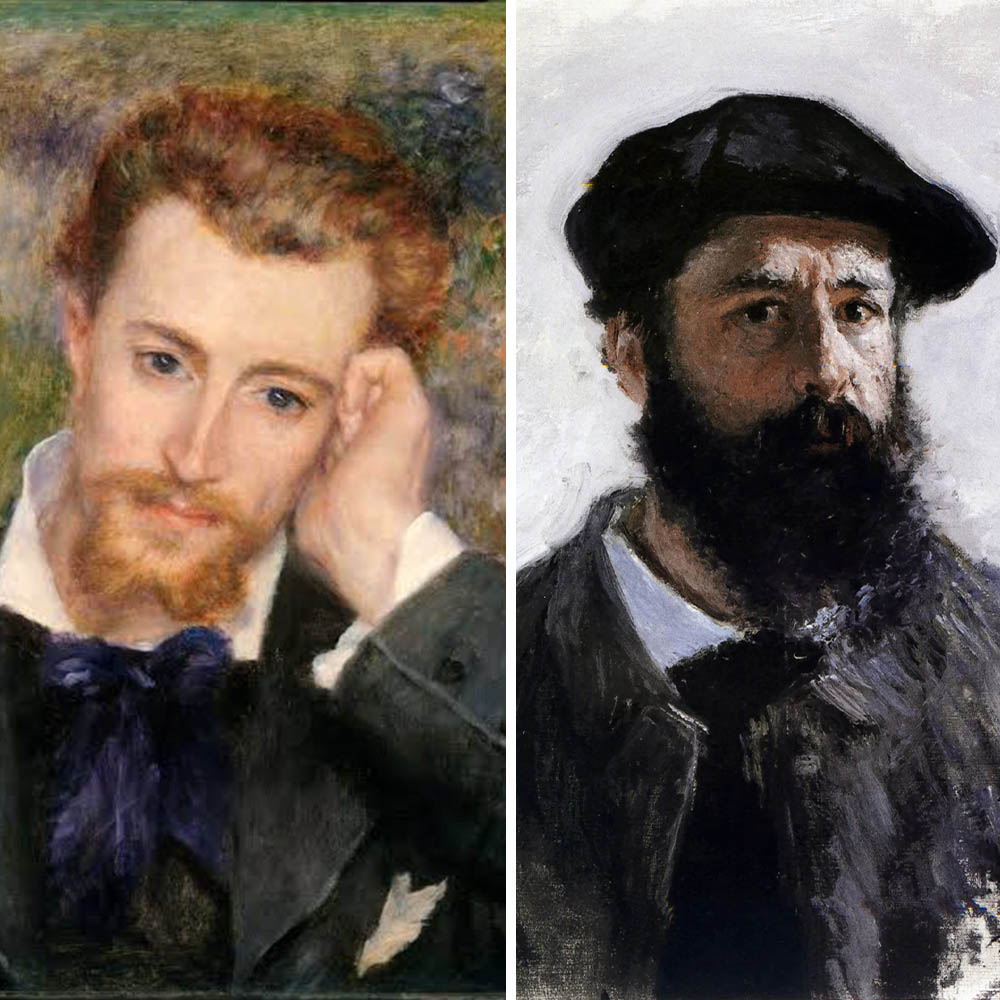
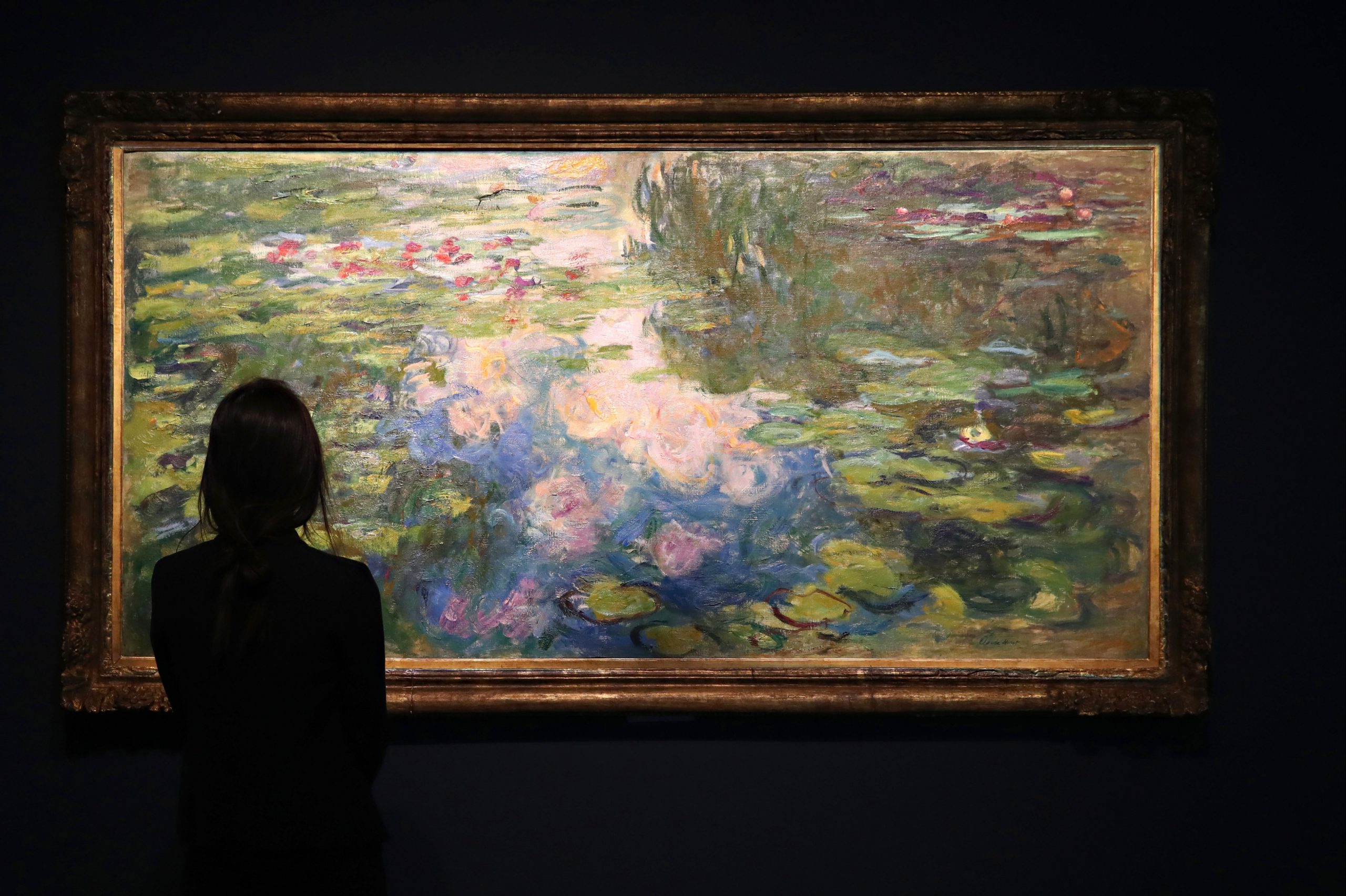
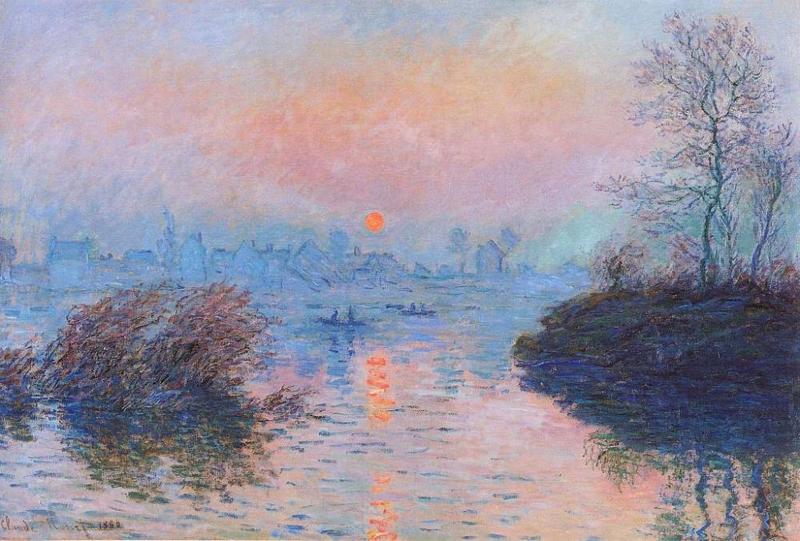
Romanian researcher Carina Popovici used advanced AI technology to analyze artworks listed on eBay, identifying up to 40 counterfeit paintings, including those falsely attributed to Monet and Renoir. The AI system flagged a high probability of inauthenticity, exposing widespread art fraud and highlighting risks to buyers and intellectual property.[AI generated]

Why's our monitor labelling this an incident or hazard?

An AI system is explicitly mentioned as being used to analyze artworks and identify counterfeit paintings. The use of this AI system has directly led to the identification of fraudulent listings on eBay, which constitutes a violation of intellectual property rights and consumer protection laws. The harm is realized because counterfeit artworks are being sold, misleading buyers and infringing on rights. The event is not merely about the AI technology itself or a general update but reports on the AI system's role in uncovering actual counterfeit sales, which is a direct harm. Hence, this qualifies as an AI Incident under the category of violations of intellectual property rights and related harms.[AI generated]

AI principles
AccountabilityTransparency & explainabilityRobustness & digital security

Industries
Arts, entertainment, and recreationConsumer servicesMedia, social platforms, and marketing

Harm types
Economic/PropertyReputational

Severity
AI incident

Business function:
Research and development

AI system task:
Recognition/object detectionEvent/anomaly detection


Articles about this incident or hazard

Thumbnail Image

Tablouri false de Monet şi Renoir de pe eBay, printre cele 40 de contrafaceri identificate cu ajutorul inteligenţei artificiale. Start-up-ul cercetătoarei Carina Popovici stă la baza tehnologiei

2024-05-08
News.ro
Why's our monitor labelling this an incident or hazard?
An AI system is explicitly mentioned as being used to analyze artworks and identify counterfeit paintings. The use of this AI system has directly led to the identification of fraudulent listings on eBay, which constitutes a violation of intellectual property rights and consumer protection laws. The harm is realized because counterfeit artworks are being sold, misleading buyers and infringing on rights. The event is not merely about the AI technology itself or a general update but reports on the AI system's role in uncovering actual counterfeit sales, which is a direct harm. Hence, this qualifies as an AI Incident under the category of violations of intellectual property rights and related harms.
Thumbnail Image

Tablouri false de Monet şi Renoir de pe eBay, identificate cu ajutorul inteligenţei artificiale/ Start-up-ul unei cercetătoare de origine română stă la baza tehnologiei

2024-05-08
G4Media.ro
Why's our monitor labelling this an incident or hazard?
The AI system is explicitly involved in analyzing and identifying counterfeit artworks, which relates to intellectual property rights and consumer protection. However, the AI system is not causing harm; rather, it is detecting existing harm (fraudulent listings). The article does not describe any malfunction or misuse of the AI system leading to harm, nor does it suggest plausible future harm from the AI system itself. Instead, it highlights the positive application of AI technology in art authentication and the challenges faced by platforms like eBay in managing counterfeit goods. This fits the definition of Complementary Information, as it provides supporting data and context about AI's impact in this domain without reporting a new AI Incident or Hazard.
Thumbnail Image

Două tablouri fasificate despre care vânzătorul pretindea că sunt pictate de Monet și Renoir, scoase la vânzare, au fost descoperite de Inteligența Artificială - B1TV.ro

2024-05-08
B1TV.ro
Why's our monitor labelling this an incident or hazard?
The article explicitly mentions the use of AI technology employing neural networks to analyze paintings and identify forgeries with high probability. The AI system's use has directly led to uncovering counterfeit artworks being sold as originals, which is a violation of intellectual property rights and harms buyers and the art market. This fits the definition of an AI Incident because the AI system's use has directly led to harm (violation of intellectual property rights and consumer deception).
Thumbnail Image

False lucrări Monet și Renoir de pe eBay, între 40 de imitații identificate cu ajutorul inteligenței artificiale

2024-05-08
Curatorial
Why's our monitor labelling this an incident or hazard?
The event involves an AI system explicitly used to detect counterfeit artworks, which are being sold fraudulently on an online marketplace. The counterfeit sales represent a violation of intellectual property rights and harm to property and communities. Since the AI system's use directly led to identifying these counterfeit works and the harm is realized (fake art sold or offered for sale), this qualifies as an AI Incident under the framework. The event is not merely a potential risk or a complementary update but a concrete case of harm linked to AI use in detection.
Thumbnail Image

Tablouri false de Monet și Renoir de pe eBay, identificate cu ajutorul inteligenței artificiale. Startup-ul unei cercetătoare de origine română stă la baza tehnologiei

2024-05-08
Profit.ro
Why's our monitor labelling this an incident or hazard?
An AI system is explicitly involved, as it uses neural networks to analyze artworks and identify fakes. The use of this AI system has directly led to the identification of counterfeit paintings being sold, which constitutes harm to property and communities by enabling fraud and deception in the art market. The event describes realized harm (counterfeit art sales) and the AI system's role in detecting it, qualifying it as an AI Incident. The article also mentions responses by eBay to remove listings, but the primary focus is on the AI system's role in identifying the counterfeit artworks and the harm caused by their sale.
Thumbnail Image

O cercetatoare de origine romana a descoperit 40 de falsuri dupa Renoir si Monet pe site-ul ebay. Fraudele in valoare de milioane de euro au fost depistate cu ajutorul Inteligentei Artificiale.

2024-05-08
Urban
Why's our monitor labelling this an incident or hazard?
The article explicitly states that an AI system was used to identify counterfeit artworks, which are fraudulent and have significant financial value. The harm caused is the sale and attempted sale of fake art, which is a violation of property rights and harms the art community and buyers. The AI system's use directly led to uncovering these fakes, making it an AI Incident. The involvement of eBay and the removal of listings further confirm the realized harm. This is not merely a potential risk or a complementary update but a concrete case of AI-enabled detection of fraud causing harm.
Thumbnail Image

Te dai van Gogh sau Picasso? O româncă a folosit A.I. ca să identifice tablouri false din online

2024-05-09
Aleph News
Why's our monitor labelling this an incident or hazard?
The AI system is explicitly mentioned as being used to identify counterfeit paintings, which is a legitimate application of AI for fraud detection. There is no harm caused by the AI system; rather, it helps prevent harm by detecting fakes. The platform's response and the expert's use of AI provide context and updates on AI's role in this domain. Since no direct or indirect harm or plausible future harm from the AI system is described, the event does not qualify as an AI Incident or AI Hazard. The main focus is on the use and effectiveness of AI technology in art fraud detection, making it Complementary Information.
Thumbnail Image

Care sunt falsurile de artă pe care le depistează inteligenţa artificială | Newsweek Romania

2024-05-08
newsweek.ro
Why's our monitor labelling this an incident or hazard?
The event involves an AI system explicitly mentioned as being used to detect counterfeit artworks. The AI system's outputs have directly led to the identification of fake art pieces being sold online, which constitutes a violation of intellectual property rights and consumer deception. This fits the definition of an AI Incident because the AI system's use has directly led to a harm (violation of intellectual property rights and potential financial harm to buyers). The article does not merely discuss potential or future harm but reports on actual detection and removal of counterfeit listings, confirming realized harm. Hence, the classification is AI Incident.
Thumbnail Image

Fake Monet and Renoir on eBay among 40 counterfeits identified using AI

2024-05-08
Yahoo News UK
Why's our monitor labelling this an incident or hazard?
The AI system was used to analyze images of paintings and identified a significant number of counterfeit artworks being sold on an online marketplace. This directly relates to violations of intellectual property rights and harms to the art market and consumers. The AI system's involvement is explicit and central to uncovering the harm. The harm is realized, not just potential, as counterfeit items are actively being offered for sale. Hence, this is an AI Incident.
Thumbnail Image

I'm an art expert -- I use AI to expose sellers of fake paintings on...

2024-05-09
New York Post
Why's our monitor labelling this an incident or hazard?
The AI system is explicitly mentioned as being used to analyze images and detect counterfeit paintings, which directly leads to the identification of fraudulent sales. This constitutes harm to property and communities, as buyers could be misled and financially harmed by purchasing fake art. The event involves the use of AI (not just potential or future harm), and the harm is realized through the exposure of counterfeit artworks. Hence, it meets the criteria for an AI Incident rather than a hazard or complementary information.
Thumbnail Image

Phoney Monet: AI technology detects up to 40 fake artworks for sale on eBay

2024-05-08
The Independent
Why's our monitor labelling this an incident or hazard?
The article explicitly mentions the use of AI technology to detect counterfeit artworks, which are being sold as genuine pieces on eBay. The harm involves fraud and violation of intellectual property rights, which are recognized harms under the framework. The AI system's role is pivotal in uncovering these fakes, and the harm is ongoing as counterfeit sales continue. Although eBay uses AI to block counterfeit listings, the presence of many fakes indicates the harm is not fully mitigated. Hence, this is an AI Incident due to the realized harm linked to the AI system's use in detection and the ongoing fraudulent activity.
Thumbnail Image

A.I. Flags Renoir and Monet Works As Fakes

2024-05-08
artnet News
Why's our monitor labelling this an incident or hazard?
The AI system is explicitly mentioned and used to detect counterfeit artworks, which are fraudulent and cause harm to buyers and the art community. The event involves the use of AI to identify and flag fakes, leading to the removal of harmful listings. This constitutes harm to property and communities (art market integrity and consumer protection). The AI system's role is pivotal in identifying these fakes, and the harm is realized (fake artworks sold or attempted to be sold). Hence, this is an AI Incident.
Thumbnail Image

Fake 'Monet' and 'Renoir' on eBay Among 40 Supposedly Counterfeit Paintings Identified Using AI

2024-05-09
ARTnews.com
Why's our monitor labelling this an incident or hazard?
The AI system's use in detecting counterfeit paintings directly relates to harm in the form of intellectual property violations and harm to property (fake artworks being sold). The counterfeit paintings are actively being offered for sale, indicating realized harm rather than just potential. The AI system's identification of these fakes is central to understanding and addressing the issue. Therefore, this event meets the criteria for an AI Incident. The article also mentions eBay's AI-based efforts to block counterfeit listings, but this is complementary information supporting the incident context rather than the main event.
Thumbnail Image

AI Uncovers Counterfeit Paintings on eBay

2024-05-08
Cryptopolitan
Why's our monitor labelling this an incident or hazard?
An AI system was used to analyze images and identify counterfeit paintings, which directly contributes to preventing harm related to fraud and deception in the art market. The AI's role led to the removal of counterfeit items, protecting buyers and sellers from financial harm and intellectual property violations. Since the AI system's use has directly led to harm mitigation (fraud prevention), this qualifies as an AI Incident under violations of intellectual property rights and harm to communities (buyers).
Thumbnail Image

Machine Learning Technology Exposes Counterfeit Art on eBay

2024-05-08
bbntimes.com
Why's our monitor labelling this an incident or hazard?
The article explicitly mentions the use of machine learning technology to detect counterfeit paintings, which are being sold on eBay, causing harm to buyers and violating intellectual property rights. The AI system's use has directly led to the identification of these counterfeit items, evidencing ongoing harm. The harm includes violation of intellectual property rights and financial harm to buyers, fitting the definition of an AI Incident. The event is not merely a potential risk or a complementary update but a concrete case of harm involving AI.