AI Energy Bottleneck Threatens Next Phase of Development

Thumbnail Image

The information displayed in the AIM should not be reported as representing the official views of the OECD or of its member countries.

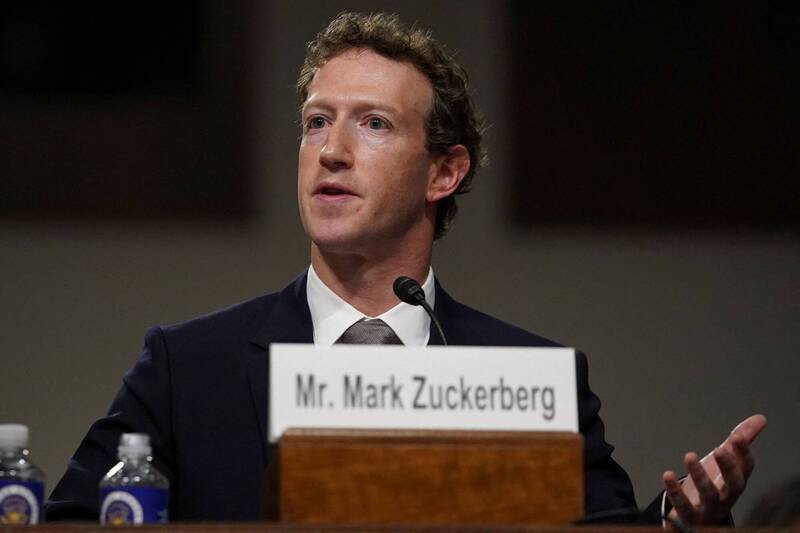
Meta’s Mark Zuckerberg, Tesla’s Elon Musk and OpenAI’s Sam Altman warn that easing GPU shortages will soon be eclipsed by insufficient power supply for AI data centers—whose consumption may rise from 50 MW to over 1 GW. They call for rapid investment in power infrastructure, including renewables and nuclear fusion, to sustain AI growth.[AI generated]

Why's our monitor labelling this an incident or hazard?

The article does not describe any realized harm caused by AI systems, nor does it report an event where AI system development, use, or malfunction has directly or indirectly led to harm. Instead, it focuses on a plausible future challenge—energy supply constraints—that could impede AI development. This constitutes a credible potential risk related to AI infrastructure but no actual incident or harm has occurred yet. Therefore, this is best classified as an AI Hazard, as it plausibly could lead to harm by limiting AI progress or causing operational disruptions in the future.[AI generated]
AI principles
SustainabilityAccountabilitySafetyTransparency & explainabilityHuman wellbeing

Industries
Energy, raw materials, and utilitiesIT infrastructure and hostingGovernment, security, and defenceEnvironmental services

Affected stakeholders
General public

Harm types
EnvironmentalPublic interestEconomic/Property

Severity
AI hazard


Articles about this incident or hazard

Thumbnail Image

GPU短缺緩解 札克伯格示警:缺電是AI下一波絆腳石 - 自由財經

2024-05-13
自由時報電子報
Why's our monitor labelling this an incident or hazard?
The article does not describe any realized harm caused by AI systems, nor does it report an event where AI system development, use, or malfunction has directly or indirectly led to harm. Instead, it focuses on a plausible future challenge—energy supply constraints—that could impede AI development. This constitutes a credible potential risk related to AI infrastructure but no actual incident or harm has occurred yet. Therefore, this is best classified as an AI Hazard, as it plausibly could lead to harm by limiting AI progress or causing operational disruptions in the future.
Thumbnail Image

問題不在晶片! 祖克伯曝AI發展大危機 1關鍵難解決

2024-05-13
中時新聞網
Why's our monitor labelling this an incident or hazard?
The article does not describe any specific AI system causing harm or malfunction, nor does it report any realized harm or incident related to AI. Instead, it focuses on potential future challenges (power supply constraints) that could plausibly limit AI development. This constitutes a credible risk or hazard related to AI's growth but does not describe an actual incident or harm. Therefore, it fits the definition of an AI Hazard, as it plausibly could lead to harm by constraining AI capabilities or causing systemic issues if power shortages occur.
Thumbnail Image

祖克柏談AI:GPU瓶頸已緩解、缺電問題快引爆-MoneyDJ理財網

2024-05-13
MoneyDJ理財網
Why's our monitor labelling this an incident or hazard?
The article does not describe any specific AI system causing harm or malfunction, nor does it report any realized harm or incident resulting from AI use or development. Instead, it provides an overview of infrastructural and energy challenges that could plausibly affect AI development in the future. Therefore, it fits the category of Complementary Information as it provides context and insight into the AI ecosystem and its challenges without reporting an AI Incident or AI Hazard.
Thumbnail Image

AI需求推動 日本估2050年用電需求增加多達50%-MoneyDJ理財網

2024-05-15
MoneyDJ理財網
Why's our monitor labelling this an incident or hazard?
The article describes the anticipated impact of AI technology on electricity consumption and energy infrastructure planning. However, it does not describe any realized harm or incident caused by AI systems, nor does it report a specific event where AI use or malfunction has led to harm. Instead, it presents a forecast and policy response to a plausible future challenge related to AI's energy demands. Therefore, it fits the category of Complementary Information, providing context and governance-related developments without reporting an AI Incident or Hazard.
Thumbnail Image

祖克柏警告:GPU 短缺緩解,缺電問題將限制 AI 發展

2024-05-13
TechNews 科技新報 | 市場和業內人士關心的趨勢、內幕與新聞
Why's our monitor labelling this an incident or hazard?
The article does not describe any realized harm caused by AI systems or their malfunction. Instead, it focuses on the plausible future risk that insufficient electricity supply could limit AI development and deployment. The involvement of AI systems is clear, as the discussion centers on AI data centers and infrastructure. However, since no direct or indirect harm has yet occurred, and the article is about a credible potential limitation or bottleneck for AI growth, this qualifies as an AI Hazard rather than an AI Incident. It is not merely complementary information because the main focus is on the plausible future harm from energy constraints on AI, not on responses or updates to past incidents.
Thumbnail Image

問題不在晶片! 祖克伯曝AI發展大危機 1關鍵難解決

2024-05-14
工商時報
Why's our monitor labelling this an incident or hazard?
The article centers on the potential future challenge of insufficient power supply for AI infrastructure, which could plausibly limit AI development. This fits the definition of an AI Hazard, as it describes a credible risk that could lead to harm (e.g., disruption of AI services or broader economic impacts) but does not report any actual harm or incident occurring at present. There is no mention of an AI system malfunctioning or causing injury, rights violations, or other harms. Therefore, the event is best classified as an AI Hazard.
Thumbnail Image

AI軍備競賽邁向新境界 「缺電關卡」恐引爆發展危機 | yam News

2024-05-13
蕃新聞
Why's our monitor labelling this an incident or hazard?
The article explicitly involves AI systems in the context of their energy demands and the challenges of power supply to support AI data centers. While no direct harm or incident is reported, the discussion centers on the plausible future risk that insufficient energy infrastructure could hinder AI progress, representing a credible potential harm. This fits the definition of an AI Hazard, as it is an event or circumstance where AI system development or use could plausibly lead to harm (e.g., disruption of AI capabilities or broader economic impacts). There is no indication of realized harm or incident, nor is the article primarily about responses or updates to past incidents, so it is not Complementary Information. It is clearly related to AI and not unrelated news.
Thumbnail Image

扎克伯格警告:AI GPU 瓶颈已缓解 但功耗将限制 AI 增长

2024-05-15
chinaz.com
Why's our monitor labelling this an incident or hazard?
The article does not describe any realized harm caused by AI systems, nor does it report any incident where AI use or malfunction has led to injury, rights violations, or other harms. Instead, it focuses on the plausible future challenge of energy consumption becoming a bottleneck for AI growth. This fits the definition of an AI Hazard, as it plausibly could lead to significant issues affecting the AI ecosystem and its sustainability, but no actual harm or incident has occurred yet.
Thumbnail Image

扎克伯格:AI中心GPU紧缺正在缓解,电力将成新瓶颈

2024-05-13
凤凰网(凤凰新媒体)
Why's our monitor labelling this an incident or hazard?
The article involves AI systems indirectly by discussing AI data centers and GPU availability, which are essential for AI workloads. However, it does not describe any harm caused by AI systems, nor does it indicate a plausible imminent harm or risk from AI system malfunction or misuse. Instead, it provides complementary information about resource constraints and infrastructure challenges relevant to AI deployment. Therefore, it fits the definition of Complementary Information rather than an AI Incident or AI Hazard.
Thumbnail Image

扎克伯格:困扰业界已久的AI芯片短缺问题已基本结束!但电力供应将出现瓶颈-科技频道-和讯网

2024-05-13
和讯网
Why's our monitor labelling this an incident or hazard?
The article centers on industry-wide supply issues affecting AI hardware and the energy demands of AI data centers. While AI systems are involved, no direct or indirect harm has occurred yet. The energy supply bottleneck is a plausible future risk that could hinder AI system operation, fitting the definition of an AI Hazard. There is no mention of mitigation measures or responses to past incidents, so it is not complementary information. It is not unrelated because AI systems and their infrastructure are clearly involved.
Thumbnail Image

扎克伯格:AI 数据中心 GPU 紧缺正在缓解,电力将成新瓶颈

2024-05-13
163.com
Why's our monitor labelling this an incident or hazard?
The article involves AI systems in the context of AI data centers and their hardware needs (GPUs) and power consumption. However, it does not report any incident or hazard where AI systems have caused or could cause harm. The discussion centers on infrastructure limitations and energy supply challenges, which are operational and economic factors rather than AI-related harms or risks. Therefore, this is best classified as Complementary Information, as it provides supporting context about AI infrastructure without describing an AI Incident or AI Hazard.
Thumbnail Image

今天A股最后警告,持股的朋友注意了,一根大阴线随时来到!

2024-05-13
163.com
Why's our monitor labelling this an incident or hazard?
The article involves AI systems indirectly by discussing AI chip supply and energy consumption for AI data centers, which are relevant to AI development and deployment. However, it does not describe any direct or indirect harm caused by AI systems, nor does it report an event where AI use or malfunction has led to injury, rights violations, or other harms. Instead, it highlights a plausible future challenge (energy bottleneck) related to AI growth, but this is presented as a general concern rather than a specific hazard event. Therefore, it qualifies as Complementary Information, providing context and updates on AI ecosystem challenges without reporting an AI Incident or AI Hazard.
Thumbnail Image

耗电凶猛的AI行业面临新瓶颈,科技巨头出动抢占能源先机

2024-05-14
163.com
Why's our monitor labelling this an incident or hazard?
The article focuses on the broader energy and environmental challenges associated with AI industry growth and the strategic responses by tech companies to secure sustainable energy sources. It does not report any realized harm or incident caused by AI systems, nor does it describe a plausible future harm event directly linked to AI system malfunction or misuse. The content is best classified as Complementary Information because it provides important context and updates on the AI ecosystem's sustainability challenges and governance responses, rather than describing a new AI Incident or AI Hazard.
Thumbnail Image

扎克伯格:AI芯片不再短缺 但电力供应将出现瓶颈 - cnBeta.COM 移动版

2024-05-13
cnBeta.COM
Why's our monitor labelling this an incident or hazard?
The article involves AI systems indirectly by discussing AI data centers and their energy needs, which are critical for AI training and operation. However, it does not report any realized harm or incident caused by AI systems, nor does it describe a plausible immediate risk of harm from AI system development or use. The focus is on infrastructure and resource challenges, which are broader ecosystem issues rather than direct AI incidents or hazards. Therefore, this is best classified as Complementary Information, providing context and insight into AI's operational environment and future challenges without reporting a specific AI Incident or AI Hazard.