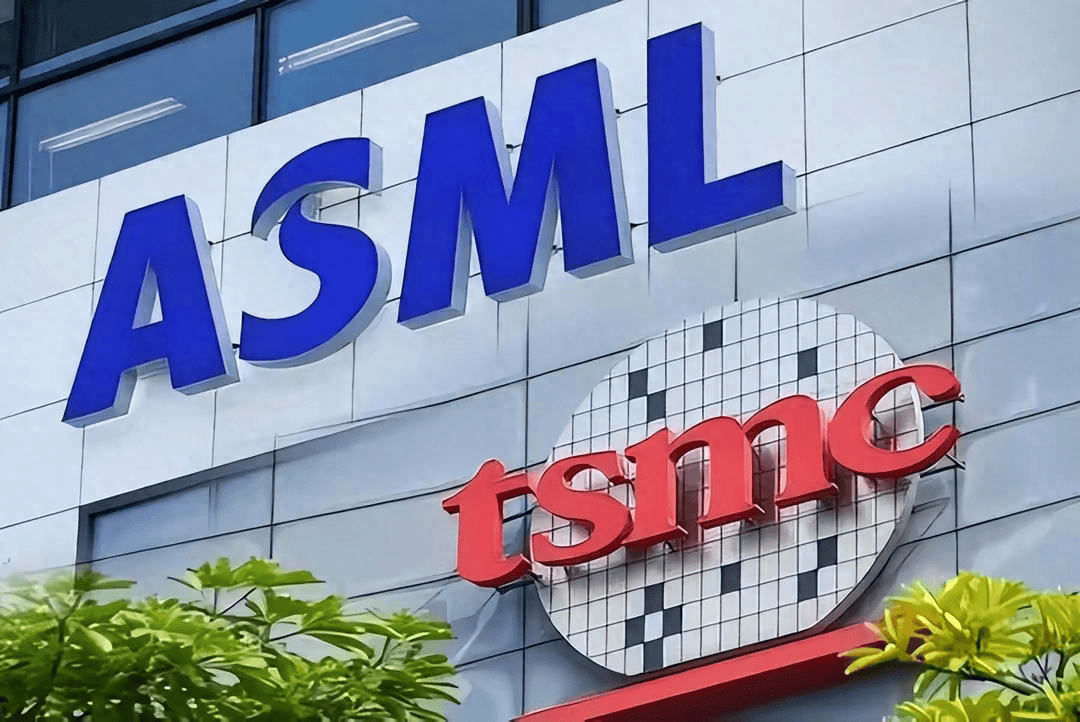
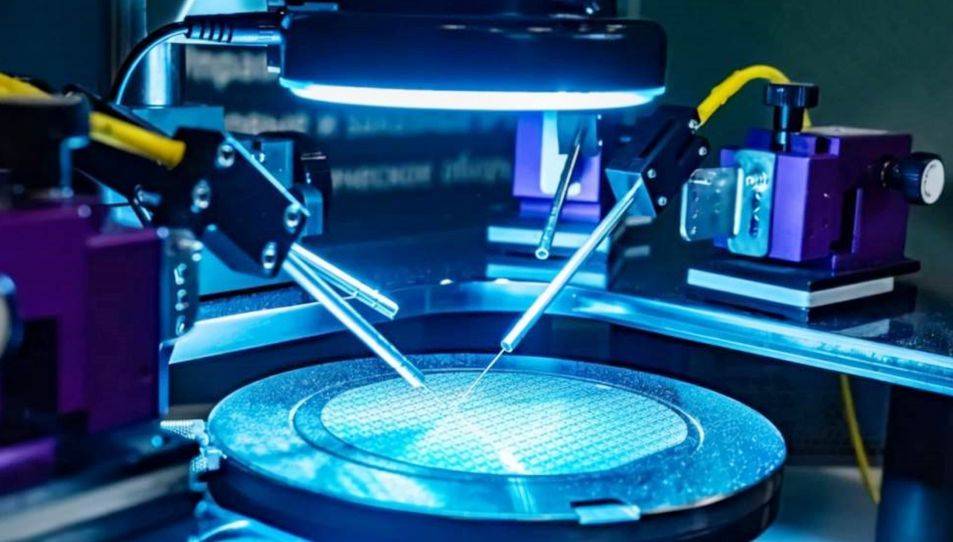
ASML Can Remotely Disable EUV Lithography to Cripple TSMC if China Invades Taiwan

Thumbnail Image

The information displayed in the AIM should not be reported as representing the official views of the OECD or of its member countries.

Bloomberg sources reveal ASML assured the Dutch government it can remotely shut down EUV machines at TSMC’s fabs if China invades Taiwan, raising US and Dutch concerns. This AI-enabled capability underscores the geopolitical risk of crippling critical chip infrastructure as a deterrent but poses major harm if executed.[AI generated]

Why's our monitor labelling this an incident or hazard?

The event involves AI systems indirectly because the EUV lithography machines are highly complex and require AI-driven maintenance and operation. The remote shutdown capability implies control over AI-enabled systems. The potential military conflict and resulting shutdown could disrupt critical infrastructure (chip manufacturing), which is a significant harm category. Since no actual harm has occurred yet but the scenario plausibly could lead to an AI Incident (disruption of critical infrastructure), this qualifies as an AI Hazard. The article does not describe an actual incident but a credible risk scenario involving AI systems and geopolitical conflict.[AI generated]
AI principles
SafetyRobustness & digital securityTransparency & explainability

Industries
Robots, sensors, and IT hardware

Affected stakeholders
Business

Harm types
Economic/PropertyPublic interest

Severity
AI hazard

Business function:
Other

AI system task:
Other


Articles about this incident or hazard

Thumbnail Image

消息人士:一旦中国侵台 ASML可远程瘫痪台积电EUV

2024-05-22
Deutsche Welle
Why's our monitor labelling this an incident or hazard?
The event involves AI systems indirectly because the EUV lithography machines are highly complex and require AI-driven maintenance and operation. The remote shutdown capability implies control over AI-enabled systems. The potential military conflict and resulting shutdown could disrupt critical infrastructure (chip manufacturing), which is a significant harm category. Since no actual harm has occurred yet but the scenario plausibly could lead to an AI Incident (disruption of critical infrastructure), this qualifies as an AI Hazard. The article does not describe an actual incident but a credible risk scenario involving AI systems and geopolitical conflict.
Thumbnail Image

荷兰回应:台湾遭袭击时可遥控阻断芯片机器

2024-05-23
RFI
Why's our monitor labelling this an incident or hazard?
The event explicitly involves AI-enabled smart manufacturing systems (intelligent chip manufacturing machines) that can be remotely controlled or disabled. The context is a potential military conflict where such remote disabling could disrupt critical infrastructure (chip production essential to global technology and economy). Although no harm has yet occurred, the described capability and geopolitical tensions create a credible risk that such AI system use could lead to significant harm, including disruption of critical infrastructure and economic harm. Therefore, this qualifies as an AI Hazard because it plausibly could lead to an AI Incident if the remote disabling is used during conflict.
Thumbnail Image

武统得不到光刻机?台积电暗示自毁,荷兰远程破坏,给中国留废铁

2024-05-23
163.com
Why's our monitor labelling this an incident or hazard?
The article explicitly mentions the capability of remotely disabling semiconductor manufacturing equipment, including advanced lithography machines, which implies the use of AI or AI-like control systems for remote operation and maintenance. The potential for these systems to be used as a tool for sabotage in a geopolitical conflict constitutes a plausible risk of harm to critical infrastructure (semiconductor production). However, there is no report of actual harm or malfunction caused by AI systems, only the potential for such harm. The article also includes political commentary and strategic considerations, but these do not change the classification. Since the event involves a credible risk of harm through AI-enabled remote control systems but no realized harm, it is best classified as an AI Hazard.
Thumbnail Image

阿斯麦向美保证,若大陆武力收台,将随时瘫痪台积电,国台办回应_美国_台湾地区_中国

2024-05-25
搜狐
Why's our monitor labelling this an incident or hazard?
The event involves AI systems indirectly through ASML's advanced lithography machines, which rely on AI for operation and remote control. The article describes a scenario where these machines could be remotely disabled to exert geopolitical pressure, which could plausibly lead to significant harm if enacted. Since no harm has yet occurred but the risk is credible and directly linked to AI-enabled systems, this qualifies as an AI Hazard rather than an AI Incident. The article does not report any realized harm or malfunction but discusses potential future harm and strategic use of AI systems as a deterrent.
Thumbnail Image

台海一旦冲突,阿斯麦保证,随时瘫痪台积电,必须早做准备_台湾_芯片_美国对

2024-05-26
搜狐
Why's our monitor labelling this an incident or hazard?
The event involves the use and potential misuse of AI-enabled systems (advanced lithography machines with remote control capabilities) to cause disruption in semiconductor manufacturing, which is critical infrastructure. The threat to remotely disable these machines in a conflict scenario could directly lead to significant harm to property, communities, and national security. Although the harm has not yet occurred, the credible threat and the described capability to remotely lock down the machines constitute a plausible risk of harm. Therefore, this event qualifies as an AI Hazard because it plausibly could lead to an AI Incident involving disruption of critical infrastructure and economic harm. It is not an AI Incident yet because the harm has not materialized, and it is not merely complementary information or unrelated news.
Thumbnail Image

随时毁台:阿斯麦称可远程瘫痪台积电光刻机_荷兰政府_美国_大陆

2024-05-26
搜狐
Why's our monitor labelling this an incident or hazard?
The event involves the use of advanced automated or AI-enabled remote control systems to disable critical semiconductor manufacturing equipment, which is critical infrastructure. The claim of remote disabling capability implies AI system involvement in the operation or control of these machines. No actual harm has occurred yet, but the described capability and intent to use it in a conflict scenario plausibly could lead to significant harm, including disruption of critical infrastructure and economic damage. Hence, it fits the definition of an AI Hazard rather than an AI Incident. The geopolitical and military context further supports the plausibility of future harm.
Thumbnail Image

阿斯麦试验,如果大陆"武力收复台湾",可远程瘫痪台积电光刻机

2024-05-23
163.com
Why's our monitor labelling this an incident or hazard?
The event involves AI systems embedded in semiconductor manufacturing equipment (e.g., photolithography machines) that can be remotely controlled to disable operations. The article describes a simulated test of this capability, implying a potential for future harm if such remote control is used during conflict. Since no actual harm has occurred yet, but the capability could plausibly lead to significant disruption of critical infrastructure and economic harm, this qualifies as an AI Hazard rather than an AI Incident. The involvement is in the use and potential misuse of AI-enabled remote control systems. Therefore, the classification is AI Hazard.
Thumbnail Image

阿斯麦向美表态,若大陆攻台,将随即锁死光刻机,瘫痪台积电_美国的_中国_统一

2024-05-24
搜狐
Why's our monitor labelling this an incident or hazard?
The event involves AI-enabled lithography machines that can be remotely disabled, which would disrupt critical infrastructure (TSMC's chip production). The article states this capability is being used as a threat to deter military action, implying a plausible future harm but no actual harm has occurred yet. The AI system's involvement is in the use and potential misuse of the technology to cause disruption. Since no actual disabling or harm has been reported, it does not meet the criteria for an AI Incident. It is not merely complementary information because the main focus is on the potential for harm and the geopolitical threat. Therefore, the classification is AI Hazard.