Philippines Proposes Ban on Deepfakes Ahead of 2025 Polls

Thumbnail Image

The information displayed in the AIM should not be reported as representing the official views of the OECD or of its member countries.

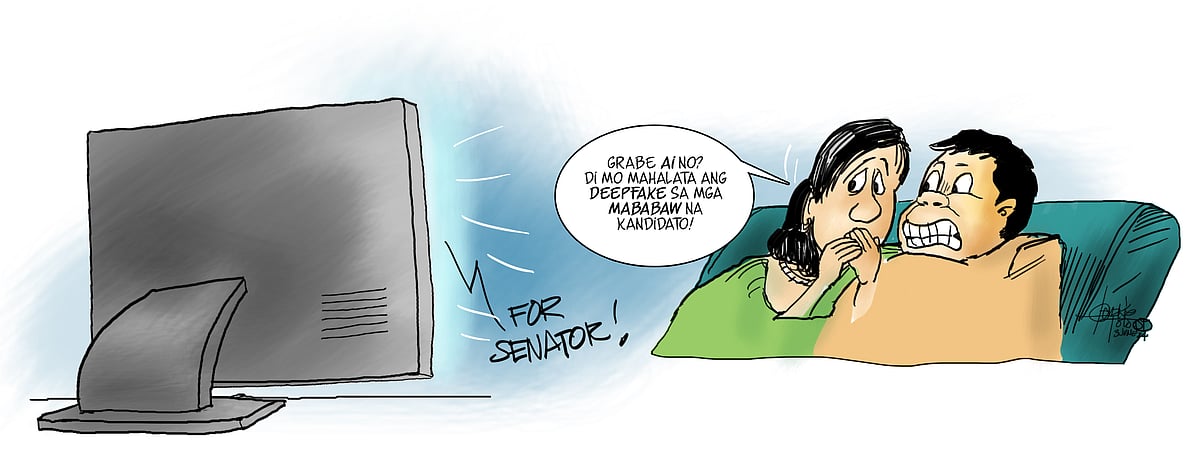
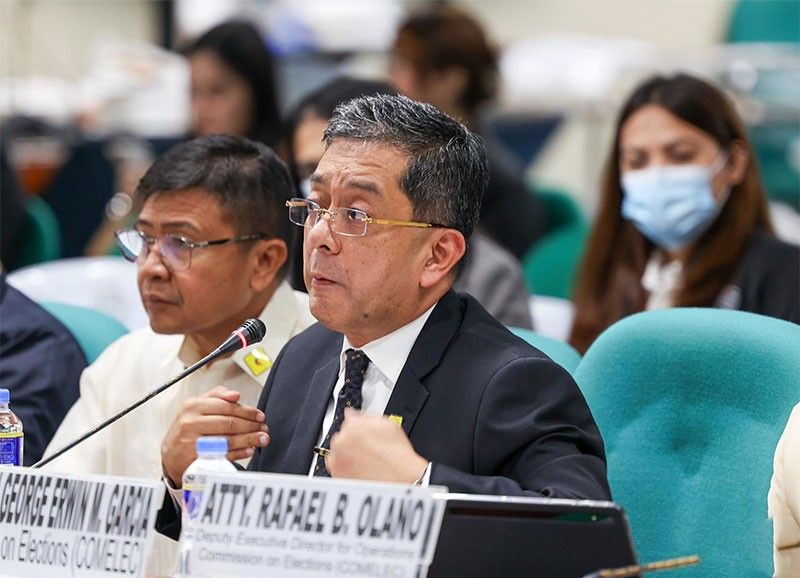
Comelec chairperson George Garcia announced a proposed ban on AI-generated deepfakes in the 2025 Philippine elections, citing precedents of electoral misinformation via deepfakes in Indonesia, Turkey and South Korea. The commission will pursue memorandums of agreement with social media platforms and solicit public reporting to detect and remove deceptive AI content.[AI generated]

Why's our monitor labelling this an incident or hazard?

The article focuses on the anticipated risk of AI-generated deepfakes being used illegally in election campaigns, which could harm the integrity of the electoral process and communities. However, it does not report any actual incident of harm or misuse occurring at this time. The discussion is about regulatory and preventive measures, indicating a plausible future risk rather than a realized harm. Therefore, this qualifies as an AI Hazard, as the development and potential misuse of AI deepfakes could plausibly lead to an AI Incident in the future.[AI generated]
AI principles
Transparency & explainabilityDemocracy & human autonomyAccountability

Industries
Media, social platforms, and marketingGovernment, security, and defence

Affected stakeholders
General public

Harm types
Public interest

Severity
AI hazard

AI system task:
Content generationEvent/anomaly detection


Articles about this incident or hazard

Thumbnail Image

Comelec banking on public reporting vs deepfakes

2024-06-03
Philstar.com
Why's our monitor labelling this an incident or hazard?
The article focuses on the anticipated risk of AI-generated deepfakes being used illegally in election campaigns, which could harm the integrity of the electoral process and communities. However, it does not report any actual incident of harm or misuse occurring at this time. The discussion is about regulatory and preventive measures, indicating a plausible future risk rather than a realized harm. Therefore, this qualifies as an AI Hazard, as the development and potential misuse of AI deepfakes could plausibly lead to an AI Incident in the future.
Thumbnail Image

Banning AI and deepfake, regulating social media

2024-06-04
The Manila times
Why's our monitor labelling this an incident or hazard?
The article explicitly mentions the use of AI systems to generate deepfake videos and misinformation that have already been deployed in recent elections (Indonesia, Turkey, South Korea) and are expected to be used in upcoming elections. These AI-generated deepfakes and misinformation have directly led to harms including misleading voters, manipulating election outcomes, and undermining democratic processes, which constitute harm to communities and violations of democratic rights. Therefore, this qualifies as an AI Incident. The article also discusses regulatory responses and challenges but the primary focus is on the realized harms caused by AI-generated content in elections.
Thumbnail Image

Lawmaker backs ban on AI, deepfakes in election campaigns

2024-06-06
The Manila times
Why's our monitor labelling this an incident or hazard?
The event involves AI systems (deepfake technology) and their potential misuse in election campaigns, which could plausibly lead to harm such as misinformation and disinformation affecting communities and democratic processes. However, the article does not describe any realized harm or incident but rather discusses a proposed ban and concerns about future risks. Therefore, this qualifies as an AI Hazard, reflecting a credible potential for harm if AI is used maliciously in elections.
Thumbnail Image

A.I. use for simply showing politicians' platforms not banned | Samuel Medenilla

2024-06-03
BusinessMirror
Why's our monitor labelling this an incident or hazard?
The event involves AI systems in the context of election campaigns, specifically the use and misuse of AI-generated content. However, the article does not report any actual harm or incident caused by AI systems yet; it describes a regulatory proposal aimed at preventing potential harms such as misinformation and election interference. Therefore, it represents a governance response and policy development related to AI risks rather than an AI Incident or AI Hazard. It is best classified as Complementary Information because it provides context and updates on societal and governance responses to AI-related risks in elections.
Thumbnail Image

Solon backs Comelec ban on AI, deep fakes in election campaign | BusinessMirror

2024-06-06
BusinessMirror
Why's our monitor labelling this an incident or hazard?
The article centers on the potential misuse of AI and deepfake technology in upcoming elections, highlighting the risk of misinformation and disinformation that could harm the democratic process. However, it does not describe any realized harm or incident caused by AI systems. Instead, it discusses proposals and concerns about future risks and governance measures, which fits the definition of an AI Hazard. There is no direct or indirect harm reported yet, so it is not an AI Incident. It is also not merely complementary information since the main focus is on the potential for harm and regulatory proposals rather than updates or responses to past events.
Thumbnail Image

AI age

2024-06-02
Daily Tribune
Why's our monitor labelling this an incident or hazard?
The article explicitly mentions AI systems (deep fakes) and their potential misuse in elections, which could plausibly lead to harm such as misinformation and voter confusion, affecting democratic processes. However, no actual incident of harm has been reported; the focus is on the potential threat and regulatory challenges. Therefore, this qualifies as an AI Hazard because it describes a credible risk of harm from AI use in elections without evidence of realized harm yet.