Stanford AI Team Apologizes for Plagiarizing Tsinghua's MiniCPM-Llama3-V

Thumbnail Image

The information displayed in the AIM should not be reported as representing the official views of the OECD or of its member countries.

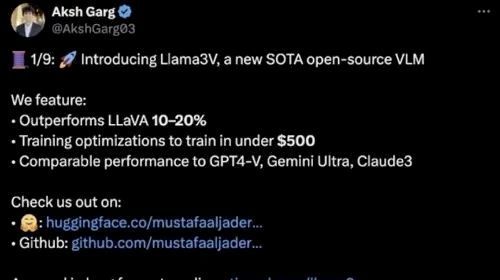
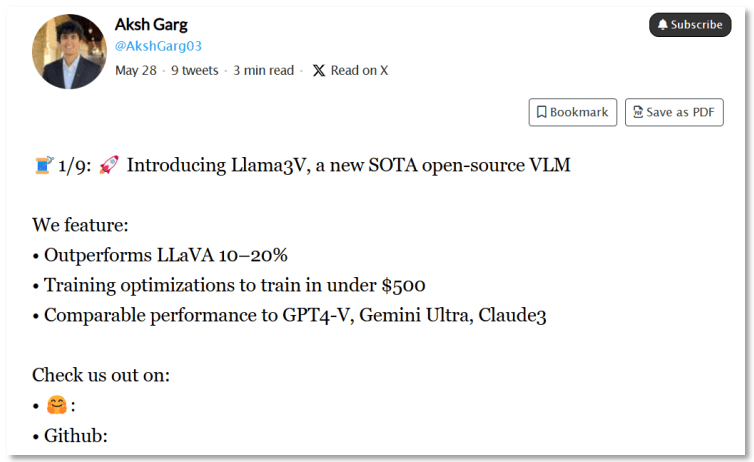
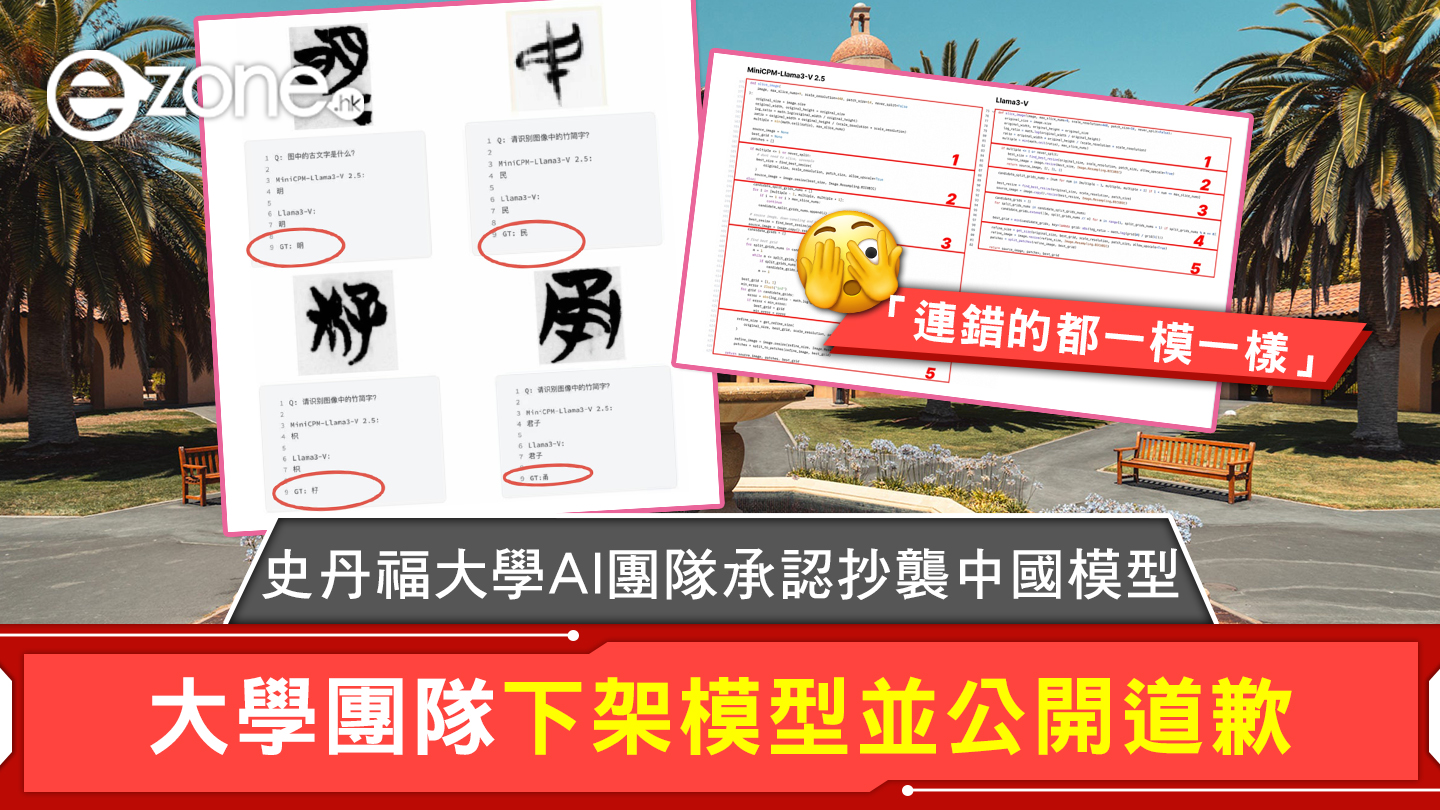
Stanford's AI team released Llama3-V claiming it outperformed GPT-4V for $500, but analysts discovered its design, code, and proprietary Tsinghua MiniCPM-Llama3-V2.5 data were copied verbatim, including identical errors. Authors Siddharth Sharma and Aksh Garg publicly apologized on X, withdrew the model, and confirmed the plagiarism after Tsinghua's evidence.[AI generated]

Why's our monitor labelling this an incident or hazard?

The event involves AI systems explicitly (large language models) and details the development and use of these AI systems. The plagiarism directly violates intellectual property rights, which is a recognized harm under the AI Incident definition (c). The harm has already occurred as the plagiarized model was released and used, leading to reputational damage and legal/ethical violations. Therefore, this qualifies as an AI Incident due to the realized harm of intellectual property infringement caused by the AI system's development and use.[AI generated]
AI principles
AccountabilityTransparency & explainability

Industries
Education and training

Affected stakeholders
Business

Harm types
ReputationalEconomic/Property

Severity
AI incident

Business function:
Research and development

AI system task:
Content generation


Articles about this incident or hazard

Thumbnail Image

Stanford AI Project Authors Apologize for Plagiarizing Chinese Large Model and Pledge to Remove Related Models

2024-06-04
Pandaily
Why's our monitor labelling this an incident or hazard?
The event involves AI systems explicitly (large language models) and details the development and use of these AI systems. The plagiarism directly violates intellectual property rights, which is a recognized harm under the AI Incident definition (c). The harm has already occurred as the plagiarized model was released and used, leading to reputational damage and legal/ethical violations. Therefore, this qualifies as an AI Incident due to the realized harm of intellectual property infringement caused by the AI system's development and use.
Thumbnail Image

Stanford AI team apologizes for plagiarizing Chinese university's model

2024-06-05
SHINE
Why's our monitor labelling this an incident or hazard?
The event involves an AI system (large language models) and describes a direct violation of intellectual property rights through plagiarism of a unique AI model and its training data. This fits the definition of an AI Incident under category (c) for violations of intellectual property rights. The harm has already occurred as the plagiarized model was released and promoted before being withdrawn. Therefore, this is not merely a potential hazard or complementary information but a realized AI Incident.
Thumbnail Image

Stanford AI Team Apologizes For Plagiarizing Chinese University's Model-钛媒体官方网站

2024-06-06
tmtpost.com
Why's our monitor labelling this an incident or hazard?
The event describes a clear case where the development and use of AI systems (large language models) led to a violation of intellectual property rights, a breach of applicable law protecting intellectual property. The plagiarism of unique training data and model capabilities from Tsinghua University by the Stanford team is a direct harm caused by the AI system's development and use. The apology and removal of materials confirm acknowledgment of the incident. Therefore, this qualifies as an AI Incident due to the realized harm of intellectual property rights violation linked to AI system development and use.
Thumbnail Image

Stanford team apologises over claims they copied Chinese project for AI model

2024-06-04
South China Morning Post
Why's our monitor labelling this an incident or hazard?
The event explicitly involves AI systems (large language models) and concerns the development and use of these systems. The plagiarism and copying of the Chinese team's AI model without proper attribution constitutes a violation of intellectual property rights, which is a breach of applicable law protecting such rights. This harm has already occurred, as the Stanford team admitted the similarity and apologized, and the original model was taken down. Hence, the event meets the criteria for an AI Incident because the AI system's development and use directly led to a violation of intellectual property rights.
Thumbnail Image

Model Best CEO calls for 'openness, cooperation, trust'following Stanford plagiary scandal

2024-06-04
China News 中国新闻网
Why's our monitor labelling this an incident or hazard?
The event explicitly involves AI systems (AI models) and their development. The Stanford team plagiarized an AI model and its unique annotated data, which is a breach of intellectual property rights and academic ethics. The harm is realized as the unauthorized use and copying of proprietary AI model code and data, which is a violation of legal and ethical obligations. Hence, this is an AI Incident due to the direct involvement of AI system development and the resulting intellectual property rights violation.
Thumbnail Image

Stanford AI team apologizes for plagiarizing Chinese university's model

2024-06-05
China Daily Asia
Why's our monitor labelling this an incident or hazard?
The event describes the development and use of AI systems (large language models) where the Stanford team plagiarized the unique training data and model capabilities developed by Tsinghua University. This plagiarism is a violation of intellectual property rights, which fits the definition of harm under AI Incident category (c). The harm is realized as the plagiarism has already occurred and has been publicly acknowledged. Therefore, this qualifies as an AI Incident due to the breach of intellectual property rights caused by the AI system's development and use.
Thumbnail Image

World Insights: Stanford AI team apologizes for plagiarizing Chinese university's model

2024-06-05
english.news.cn
Why's our monitor labelling this an incident or hazard?
The event explicitly involves AI systems (large language models) and their development. The plagiarism of unique training data and model capabilities from Tsinghua University constitutes a breach of intellectual property rights, which is a recognized harm under the AI Incident definition (c). The Stanford team's deletion of materials and apology confirm acknowledgment of the harm. Hence, this is an AI Incident due to the realized violation of rights caused by the AI system's development and use.
Thumbnail Image

Stanford University Team Issues Apology Over Allegations of Copying Chinese Project for AI Model

2024-06-05
ScheerPost
Why's our monitor labelling this an incident or hazard?
The event involves the development and use of AI systems where the Stanford team admitted to copying a Chinese AI model's architecture and code, which constitutes a violation of intellectual property rights. This fits the definition of an AI Incident under category (c) as a breach of obligations under applicable law intended to protect intellectual property rights. Although the article does not mention legal proceedings or direct harm to individuals, the unauthorized copying and use of AI model code is a clear violation. Hence, it is classified as an AI Incident rather than a hazard or complementary information.
Thumbnail Image

史丹福 AI 團隊承認抄襲中國清華系大模型,作者已道歉並將涉事的 Llama3-V 模型撤下

2024-06-04
Yahoo News
Why's our monitor labelling this an incident or hazard?
The event explicitly involves AI systems (large language models) and their development and use. The Stanford team's Llama3-V model was found to have copied the structure, code, and unique training data of the MiniCPM-Llama3-V2.5 model developed by a Chinese team, constituting plagiarism. This is a clear violation of intellectual property rights, which is one of the harms defined under AI Incidents. The harm has materialized as the plagiarized model was withdrawn and an apology issued, confirming acknowledgment of wrongdoing. Hence, this is an AI Incident due to the direct involvement of AI system development and use leading to a breach of intellectual property rights.
Thumbnail Image

在这条新赛道上,中国完全不必妄自菲薄

2024-06-05
china.org.cn/china.com.cn(中国网)
Why's our monitor labelling this an incident or hazard?
The event explicitly involves AI systems (large multimodal AI models) and their development. The Stanford team's plagiarism of the Chinese AI model and data, which was not publicly available, constitutes a breach of intellectual property rights, a recognized harm under the AI Incident definition. The apology and model withdrawal confirm the misconduct and harm realization. Therefore, this is an AI Incident involving violation of intellectual property rights due to AI system development and use.
Thumbnail Image

涉嫌抄袭国内开源大模型 斯坦福AI团队作者道歉

2024-06-05
ZOL手机频道
Why's our monitor labelling this an incident or hazard?
The event involves the development and release of an AI system (a multimodal AI model) and includes a violation of intellectual property rights due to suspected plagiarism. This constitutes a breach of obligations under applicable law protecting intellectual property rights, which fits the definition of an AI Incident. The apology and withdrawal of the model confirm acknowledgment of the issue and harm caused. Therefore, this event qualifies as an AI Incident due to the violation of intellectual property rights linked to the AI system's development and use.
Thumbnail Image

斯坦福回应抄袭清华系大模型 公开道歉并删除推文

2024-06-06
chinaz.com
Why's our monitor labelling this an incident or hazard?
The event explicitly involves AI systems (large multimodal language models) and their development. The Stanford team's Llama3-V model was found to be nearly identical to the MiniCPM-Llama3-V 2.5 model developed by a Chinese team, including identical structure, code, and configuration, with only variable names changed. This constitutes a violation of intellectual property rights, a recognized harm under the AI Incident definition. The harm has materialized as the plagiarism was publicly exposed, leading to reputational damage and official apologies. Hence, this is an AI Incident rather than a hazard or complementary information.
Thumbnail Image

斯坦福回应抄袭清华系大模型:将撤下所有模型

2024-06-06
chinaz.com
Why's our monitor labelling this an incident or hazard?
The event explicitly involves AI systems (large multimodal language models) and their development. The Stanford team admitted to copying the structure, code, and even specific erroneous outputs from another AI model developed by a Chinese company, which used proprietary, manually annotated data. This constitutes a breach of intellectual property rights, a recognized harm under the AI Incident definition. The withdrawal of the models and public apology confirm acknowledgment of the harm caused. Hence, this is an AI Incident due to the direct link between AI system development/use and violation of intellectual property rights.
Thumbnail Image

| 聯合新聞網

2024-06-05
UDN
Why's our monitor labelling this an incident or hazard?
The event clearly involves an AI system (large language models) and concerns the development and use of such a system. The plagiarism of the Chinese model's code and features constitutes a violation of intellectual property rights, which is a recognized harm under the AI Incident definition (c). The harm has materialized as the Stanford team admitted to academic misconduct and removed the model, confirming the incident's occurrence. Hence, this is an AI Incident due to the direct link between the AI system's development/use and the violation of intellectual property rights.
Thumbnail Image

斯坦福AI团队承认抄袭国产大模型|热财经

2024-06-05
东方财富网
Why's our monitor labelling this an incident or hazard?
The event involves the development and use of an AI system (large multimodal models) where the Stanford team copied significant parts of another team's AI model without authorization, including proprietary data and unique functionalities. This unauthorized copying directly breaches intellectual property rights and academic integrity, causing harm to the original creators and the AI research community. The harm is realized as the plagiarism has already occurred and been publicly acknowledged. Therefore, this qualifies as an AI Incident due to violation of intellectual property rights caused by the AI system's development and use.
Thumbnail Image

已删库!硅谷团队抄袭清华系大模型?面壁智能李大海独家回应:套壳现象难规避

2024-06-03
东方财富网
Why's our monitor labelling this an incident or hazard?
The event explicitly involves AI systems (large multimodal models) and their development and use. The plagiarism and unauthorized use of proprietary training data and code constitute a violation of intellectual property rights, a recognized harm under the AI Incident definition. The deletion of the project and apology further confirm the incident's materialization. Although no physical harm or direct injury is reported, the breach of legal and ethical standards in AI development is a significant harm. Hence, this is classified as an AI Incident rather than a hazard or complementary information.
Thumbnail Image

斯坦福AI团队抄袭国产大模型?连做错样例都"一模一样" _ 东方财富网

2024-06-04
东方财富网
Why's our monitor labelling this an incident or hazard?
The event explicitly involves AI systems (large multimodal models) and their development and use. The alleged plagiarism directly harms the intellectual property rights of the Chinese AI startup, constituting a breach of legal and ethical obligations. The deletion of posts and hiding of project pages by the accused team further supports the seriousness of the incident. The harm is not hypothetical but has already occurred, fulfilling the definition of an AI Incident under violation of intellectual property rights.
Thumbnail Image

清华与面壁联合开发模型被套壳 两位斯坦福学生作者道歉删除引用 _ 东方财富网

2024-06-04
东方财富网
Why's our monitor labelling this an incident or hazard?
The event explicitly involves AI systems (large language models) and their development and use. The harm is a violation of intellectual property rights through plagiarism and misrepresentation of AI model work, which is a breach of legal and ethical obligations. The apology and deletion of references confirm acknowledgment of the harm. The incident directly results from the misuse of AI system development and deployment, meeting the criteria for an AI Incident under the OECD framework.
Thumbnail Image

斯坦福Llama3-V抄袭事件始末:套壳面壁智能"小钢炮" 作者团队公开致歉

2024-06-04
东方财富网
Why's our monitor labelling this an incident or hazard?
The event describes a clear case where the development and use of AI systems (large language models) led to a violation of intellectual property rights due to plagiarism. The harm is realized as the original creators' rights were infringed, and the accused team publicly admitted wrongdoing and retracted their model. This fits the AI Incident category because the AI system's development and use directly caused a breach of legal and ethical obligations related to intellectual property rights.
Thumbnail Image

美国斯坦福抄袭中国大模型事件背后,让国人重新评估中美 AI 差距与价值|钛媒体AGI-钛媒体官方网站

2024-06-05
tmtpost.com
Why's our monitor labelling this an incident or hazard?
The event explicitly involves AI systems (large language models) and their development and use. The Stanford team's Llama3-V model was found to have directly copied the Chinese MiniCPM-Llama3-V 2.5 model, including proprietary data and annotations, constituting a clear violation of intellectual property rights. The harm is realized as the original creators' rights were infringed, and the open-source community's trust was damaged. The Stanford team has acknowledged the wrongdoing and withdrawn the model, confirming the incident. This fits the definition of an AI Incident because the AI system's development and use directly led to a breach of intellectual property rights, a recognized harm under the framework.
Thumbnail Image

斯坦福学生被指抄袭中国大模型 推广者向面壁智能致歉

2024-06-05
companies.caixin.com
Why's our monitor labelling this an incident or hazard?
The event describes a case where the development of an AI system (Llama3-V, a large language model) involved the use of code allegedly copied from another Chinese AI model (MiniCPM). This constitutes a violation of intellectual property rights, which is a breach of obligations under applicable law protecting intellectual property rights. Since the AI system's development directly led to this violation and the developers have acknowledged responsibility and taken remedial action, this qualifies as an AI Incident under the framework.
Thumbnail Image

斯坦福抄袭清华 世界一流大学实锤了

2024-06-05
驱动之家
Why's our monitor labelling this an incident or hazard?
The event explicitly involves an AI system (large multimodal models) and describes the use and development of AI systems that directly led to a violation of intellectual property rights through plagiarism. The harm is realized and documented, with the plagiarized model being removed and official statements condemning the act. The involvement of AI is clear and central to the incident, and the harm is significant and clearly articulated. Hence, the classification as an AI Incident is appropriate.
Thumbnail Image

一模一样!斯坦福AI团队被曝抄袭中国国产大模型:直接删库跑路

2024-06-03
驱动之家
Why's our monitor labelling this an incident or hazard?
The event explicitly involves AI systems (large multimodal language models) and their development. The alleged plagiarism directly relates to the use and development of AI systems, leading to a violation of intellectual property rights, which is a recognized harm under the AI Incident framework. The deletion of repositories and withdrawal of statements further indicate the seriousness of the incident. Therefore, this event meets the criteria for an AI Incident due to the realized harm of intellectual property rights violation caused by the AI system development and use.
Thumbnail Image

斯坦福回应抄袭清华系大模型:承认抄袭

2024-06-04
驱动之家
Why's our monitor labelling this an incident or hazard?
The event involves the development and use of AI systems (large multimodal language models). The plagiarism constitutes a violation of intellectual property rights, which is a breach of obligations under applicable law protecting intellectual property rights. Since the plagiarism has already occurred and the model was publicly released, this is a realized harm. Therefore, this qualifies as an AI Incident due to violation of intellectual property rights caused by the development and use of the AI system.
Thumbnail Image

这件在中国面前丢脸的丑事,美国主流媒体果然没报

2024-06-06
凤凰网(凤凰新媒体)
Why's our monitor labelling this an incident or hazard?
The event explicitly involves an AI system (large language models) and describes a direct harm: plagiarism and intellectual property rights violation. The Stanford team falsely claimed originality while copying a Chinese AI model, which is a breach of legal and ethical standards protecting intellectual property. This constitutes a violation of rights caused by the development and use of an AI system. The harm is realized and confirmed, not merely potential. Hence, it meets the criteria for an AI Incident rather than a hazard or complementary information.
Thumbnail Image

为什么斯坦福大学生要抄袭中国大模型?

2024-06-05
凤凰网(凤凰新媒体)
Why's our monitor labelling this an incident or hazard?
The event explicitly involves AI systems (large language and multimodal models) and their development and use. The plagiarism and misrepresentation of the Chinese model constitute a violation of intellectual property rights, which is a breach of applicable law protecting intellectual property rights, thus meeting the criteria for an AI Incident. The harm is realized, not just potential, as the plagiarism damages the original creators' rights and the integrity of the AI research community. The event also includes direct consequences such as public backlash and apology, confirming the incident's materialization.
Thumbnail Image

斯坦福爆火Llama3-V竟抄袭中国开源项目,作者火速删库

2024-06-03
凤凰网(凤凰新媒体)
Why's our monitor labelling this an incident or hazard?
The event explicitly involves AI systems (multimodal large language models) and their development and use. The core issue is the alleged unauthorized copying of code and model components from an existing AI system, which constitutes a violation of intellectual property rights, a recognized harm under the AI Incident definition. The harm is realized as the plagiarism has already occurred, leading to reputational damage, deletion of repositories, and public controversy. The involvement of AI systems and the direct link to intellectual property rights violations justify classifying this as an AI Incident rather than a hazard or complementary information.
Thumbnail Image

斯坦福AI团队抄袭中国大模型?背后还有更值得关注的信息

2024-06-06
凤凰网(凤凰新媒体)
Why's our monitor labelling this an incident or hazard?
The event explicitly involves AI systems (large language models) and their development and use. The plagiarism of a Chinese open-source AI model by a Stanford team directly breaches intellectual property rights, which is a violation of applicable law protecting intellectual property rights, thus meeting the criteria for an AI Incident. The harm is realized as the plagiarism has been confirmed, apologies issued, and reputational damage incurred. Although the article discusses broader industry and geopolitical implications, these serve as context rather than the primary event. Therefore, this is classified as an AI Incident due to the direct involvement of AI system misuse causing harm.
Thumbnail Image

斯坦福团队被曝抄袭清华系大模型,已删库跑路

2024-06-03
凤凰网(凤凰新媒体)
Why's our monitor labelling this an incident or hazard?
The event explicitly involves AI systems (large multimodal language models) and their development and use. The core issue is the alleged plagiarism of AI model code and architecture, which is a violation of intellectual property rights, falling under harm category (c). The plagiarism has already occurred and is evidenced by detailed code comparisons and behavioral similarities, indicating direct involvement of AI systems in causing harm. The deletion of the repository by the accused team further supports the seriousness of the incident. Hence, this is an AI Incident rather than a hazard or complementary information.
Thumbnail Image

斯坦福抄袭清华,世界一流大学实锤了

2024-06-05
凤凰网(凤凰新媒体)
Why's our monitor labelling this an incident or hazard?
The event explicitly involves AI systems (large language models) and their development and use. The core issue is the alleged plagiarism of a Chinese AI model by a Stanford team, which constitutes a violation of intellectual property rights, a recognized form of harm under the AI Incident definition (c). The event describes realized harm (plagiarism and unauthorized use of private data) and the subsequent removal of the model and public responses. Therefore, this qualifies as an AI Incident due to the breach of intellectual property rights caused by the AI system's development and use.
Thumbnail Image

斯坦福AI团队抄袭国产大模型?连识别"清华简"都抄了!清华系团队发文回应

2024-06-03
凤凰网(凤凰新媒体)
Why's our monitor labelling this an incident or hazard?
The event explicitly involves AI systems (large multimodal AI models) and their development and use. The plagiarizing team used another team's open-source AI model code and proprietary training data without authorization, constituting a violation of intellectual property rights. This harm is realized and documented, not merely potential. The event does not describe plausible future harm but actual harm through unauthorized use and copying. Hence, it meets the criteria for an AI Incident due to breach of intellectual property rights caused by the AI system's development and use.
Thumbnail Image

斯坦福团队抄袭清华系大模型实锤,作者深夜道歉,中国大模型已经无法被忽视

2024-06-04
凤凰网(凤凰新媒体)
Why's our monitor labelling this an incident or hazard?
The event explicitly involves AI systems (large multimodal models) and details a direct harm caused by the AI system's development and use—namely, plagiarism of code and data from another AI system, violating intellectual property rights and academic norms. The harm is realized and documented, with the plagiarizing team apologizing and removing the model. This fits the definition of an AI Incident due to the direct violation of intellectual property rights (a breach of obligations under applicable law). The event is not merely a potential risk or a complementary update but a concrete incident of harm caused by AI system misuse.
Thumbnail Image

斯坦福团队抄袭清华系大模型实锤,作者深夜道歉,中国大模型已经无法被忽视

2024-06-04
凤凰网(凤凰新媒体)
Why's our monitor labelling this an incident or hazard?
The event explicitly involves AI systems (large multimodal language models) and details a confirmed case of plagiarism, which is a violation of intellectual property rights. The Stanford AI team's use of copied code and data from the Chinese model directly caused harm to the original creators by infringing on their rights and undermining academic and research integrity. The public apology and removal of the model confirm acknowledgment of the harm. Therefore, this is an AI Incident due to the realized harm of intellectual property violation caused by the development and use of the AI system.
Thumbnail Image

早报|斯坦福某 AI 团队抄袭面壁智能开源大模型/董明珠称「打工人要休闲可以辞职」/百度被《时代》周刊评为全球领导者

2024-06-04
爱范儿
Why's our monitor labelling this an incident or hazard?
The event involves an AI system (multimodal large language models) and concerns the development and use of these AI systems. The alleged plagiarism and unauthorized use of proprietary training data and tokenizer constitute a violation of intellectual property rights, which is a breach of obligations under applicable law protecting intellectual property rights. The deletion of the repositories and public announcements indicates acknowledgment of the issue. Therefore, this event qualifies as an AI Incident due to the realized harm of intellectual property rights violation and reputational damage caused by the AI system's development and use.
Thumbnail Image

硅谷手记|AI抄袭背后的硅谷"不光彩文化"

2024-06-04
news.cn
Why's our monitor labelling this an incident or hazard?
The event explicitly involves AI systems (large language models) and their development. The Stanford team used AI model training data and methods that were allegedly plagiarized from the Tsinghua University team, which is a clear violation of intellectual property rights and academic ethics. The harm is realized as the original team's unique dataset and research were copied without authorization, and the accused team has admitted fault and withdrawn the model. This meets the definition of an AI Incident because the AI system's development and use directly led to a breach of intellectual property rights and harm to the original research community. The event is not merely a potential risk or a complementary update but a concrete incident of AI misuse causing harm.
Thumbnail Image

認AI項目抄中國模型 史丹福致歉 - 20240605 - 中國

2024-06-04
明報新聞網 - 即時新聞 instant news
Why's our monitor labelling this an incident or hazard?
The event explicitly involves AI systems (large multimodal AI models) and concerns the development phase where the Llama3-V team copied the model structure and code from the MiniCPM team. This constitutes a violation of intellectual property rights, which is a recognized harm under the AI Incident definition. The apology and condemnation confirm the recognition of this harm. Therefore, this qualifies as an AI Incident due to the breach of intellectual property rights caused by the AI system's development.
Thumbnail Image

错例都一样!斯坦福学生团队致歉抄袭中国大模型:已撤回,代码作者失联_10%公司_澎湃新闻-The Paper

2024-06-04
The Paper
Why's our monitor labelling this an incident or hazard?
The event explicitly involves AI systems (large language models) and their development and use. The Stanford team's model was found to be a near copy of the Chinese company's model, with evidence of code duplication and lack of attribution, which is a violation of intellectual property rights. The harm is realized as it breaches legal and ethical standards protecting intellectual property. The Stanford team has acknowledged the issue and withdrawn the model, but the incident itself has already occurred. Hence, this is an AI Incident due to the realized harm of intellectual property violation caused by the AI system's development and use.
Thumbnail Image

斯坦福大学学生团队抄袭中国开源模型,致歉之后

2024-06-05
科学网
Why's our monitor labelling this an incident or hazard?
The event explicitly involves AI systems (large multimodal models) and concerns the development and use of these AI systems. The Stanford student team copied the Chinese team's AI model without proper attribution or respect for open-source licensing, constituting a violation of intellectual property rights, which is a recognized form of harm under the AI Incident definition (c). The harm is realized, as the Chinese team has publicly condemned the plagiarism, and the Stanford team has issued apologies. This is not merely a potential or future harm but an actual incident of misuse and rights violation. Therefore, this qualifies as an AI Incident rather than a hazard or complementary information.
Thumbnail Image

史丹福AI團隊被揭抄襲內地 「面壁智能」CEO高EQ回應

2024-06-04
std.stheadline.com
Why's our monitor labelling this an incident or hazard?
The event explicitly involves AI systems (open-source AI models) and their development. The plagiarism directly harms the original creators by violating their intellectual property rights, which is a recognized harm under the AI Incident definition (c). The plagiarizing team’s use of the AI system's outputs without authorization and the subsequent public apology and removal of the model confirm that harm has occurred. Hence, this is an AI Incident rather than a hazard or complementary information.
Thumbnail Image

斯坦福AI团队回应抄袭面壁智能:Llama3-V模型将悉数撤下-科技频道-和讯网

2024-06-04
和讯网
Why's our monitor labelling this an incident or hazard?
The event involves the development and use of AI systems (large multimodal models). The plagiarism and unauthorized use of proprietary data constitute a violation of intellectual property rights, which is a breach of applicable law protecting intellectual property rights. Since the AI system's development and use directly led to this violation, this qualifies as an AI Incident under the framework. The apology and withdrawal are responses but do not negate the incident classification.
Thumbnail Image

斯坦福AI团队抄袭清华系大模型,折射出了什么?

2024-06-04
app.myzaker.com
Why's our monitor labelling this an incident or hazard?
The event involves the use and development of AI systems (large multimodal language models) and documents a clear case of plagiarism and unauthorized copying of AI model code and architecture, which is a violation of intellectual property rights. The harm is realized as it breaches legal and ethical obligations protecting intellectual property and undermines trust in AI research communities. The AI system's role is pivotal as the incident revolves around the AI model's development and deployment. Hence, it meets the criteria for an AI Incident rather than a hazard or complementary information.
Thumbnail Image

斯坦福AI团队承认抄袭国产大模型 开源"套壳"是与非再掀热议

2024-06-04
app.myzaker.com
Why's our monitor labelling this an incident or hazard?
The event clearly involves AI systems (large multimodal AI models) and their development and use. The Stanford AI team's plagiarism of proprietary data and model architecture from the Chinese startup constitutes a violation of intellectual property rights, which is a breach of obligations under applicable law protecting intellectual property rights. The harm is realized as the plagiarism undermines the rights of the original creators and damages trust in AI research and development. Therefore, this qualifies as an AI Incident due to the direct involvement of AI system development and use leading to a violation of intellectual property rights.
Thumbnail Image

套壳丑闻让斯坦福AI Lab主任怒了,抄袭团队2人甩锅1人失踪,网友:重新认识中国开源模型

2024-06-04
华尔街见闻
Why's our monitor labelling this an incident or hazard?
The event explicitly involves AI systems (large multimodal language models) and their development and use. The plagiarism of code, architecture, and model weights constitutes a breach of intellectual property rights, which is a form of harm under the AI Incident definition (c). The incident has already occurred and caused reputational and ethical harm to the original creators and the AI research community. Therefore, this qualifies as an AI Incident rather than a hazard or complementary information. The detailed description of the plagiarism, the apology statements, and the public criticism confirm the realized harm linked to the AI system's development and use.
Thumbnail Image

斯坦福AI团队公开道歉

2024-06-04
每日经济新闻
Why's our monitor labelling this an incident or hazard?
The event clearly involves an AI system (large multimodal language models) and concerns the development and use of such a system. The plagiarism accusation and subsequent apology indicate a breach of intellectual property rights, which is one of the harms defined under AI Incidents. The harm is realized as the unauthorized copying of code, model structure, and experimental capabilities from another AI system, constituting a violation of intellectual property rights. The public apology and removal of the model confirm acknowledgment of this harm. Hence, this event fits the definition of an AI Incident rather than a hazard or complementary information.
Thumbnail Image

错例都一样!斯坦福学生团队致歉抄袭中国大模型:已撤回,代码作者失联

2024-06-04
扬子网(扬子晚报)
Why's our monitor labelling this an incident or hazard?
The event describes a clear case of plagiarism involving AI models, where the Stanford team's AI model was found to be a near copy of a Chinese company's AI model without proper attribution or permission. This constitutes a violation of intellectual property rights, which is one of the harms defined under AI Incidents. The AI system (the large language/multimodal model) is central to the incident, and the harm has materialized as the original company suffered from unauthorized copying of their AI model. The Stanford team has acknowledged the issue and withdrawn the model, confirming the incident's validity. Hence, this is an AI Incident due to the realized harm of intellectual property violation linked to the AI system's development and use.
Thumbnail Image

2024-06-04
wap.stockstar.com
Why's our monitor labelling this an incident or hazard?
The event explicitly involves AI systems (large multimodal models) and centers on the unauthorized copying of another team's AI model, constituting a breach of intellectual property rights. The plagiarism is confirmed by evidence of identical model structures and code, and the harm is realized as it undermines the original creators' rights and efforts. The public exposure, removal of the plagiarized project, and apologies further confirm the incident's occurrence. Hence, this is an AI Incident involving violation of intellectual property rights due to AI system development and use.
Thumbnail Image

【e公司观察】斯坦福团队抄袭国产大模型风波后 AI"打假"靠什么?-证券之星

2024-06-05
wap.stockstar.com
Why's our monitor labelling this an incident or hazard?
The event involves AI systems (large language models) and concerns about plagiarism, which is a violation of intellectual property rights, a recognized AI harm category. However, the article does not report new direct or indirect harm caused by the AI system's use or malfunction, nor does it describe a plausible future harm scenario. Instead, it focuses on the controversy resolution, public apologies, community reactions, and calls for improved transparency and regulation in the AI industry. These aspects align with Complementary Information, as they provide updates and governance responses related to AI development and ethical issues without constituting a new AI Incident or Hazard.
Thumbnail Image

今日,#斯坦福抄袭中国大模型#冲上微博热搜。

2024-06-04
证券之星
Why's our monitor labelling this an incident or hazard?
The event explicitly involves AI systems (large multimodal models) and their development and use. The Stanford AI team released a model that is alleged and confirmed to have copied the Chinese company's model, including proprietary data and code, which is a clear violation of intellectual property rights. This harm is realized, not just potential, as the plagiarism has been publicly exposed and acknowledged. Hence, this qualifies as an AI Incident under the category of violation of intellectual property rights (c).
Thumbnail Image

近日,有网友在社交媒体平台X发文称,一个来自斯坦福大学的AI团队涉嫌抄袭中国大模型公司的开源成果。该团队发布的"Llama3V"模型被指与面壁智能研发的"MiniCPM-Llama3-V2.5"在模型结构和代码上高度相似。

2024-06-04
证券之星
Why's our monitor labelling this an incident or hazard?
The event explicitly involves AI systems (large language models) and concerns the development and use of these AI systems. The plagiarism of proprietary AI model code and data constitutes a violation of intellectual property rights, which is a breach of obligations under applicable law protecting intellectual property rights. Since the plagiarism has occurred and the AI system was deployed or publicly released, this constitutes an AI Incident under the framework, specifically under harm category (c) violations of intellectual property rights.
Thumbnail Image

斯坦福团队为抄袭面壁智能 AI 模型道歉

2024-06-04
t.cj.sina.com.cn
Why's our monitor labelling this an incident or hazard?
The event involves the development and use of AI systems (large multimodal models). The plagiarism of the model and its training data is a breach of intellectual property rights, which falls under harm category (c) "Violations of human rights or a breach of obligations under the applicable law intended to protect fundamental, labor, and intellectual property rights." Since the plagiarism has already occurred and the team has apologized and promised to withdraw the model, the harm is realized. Therefore, this qualifies as an AI Incident.
Thumbnail Image

斯坦福AI团队抄袭清华系大模型一事,在AI圈炸开了锅。

2024-06-04
证券之星
Why's our monitor labelling this an incident or hazard?
The event explicitly involves AI systems (large multimodal models) and concerns the development and use of these systems. The Stanford AI team allegedly copied the Chinese company's AI model, which constitutes a violation of intellectual property rights, a recognized harm under the AI Incident definition. The harm is realized as the plagiarism has already taken place, with the Stanford team deleting the project and apologizing, indicating acknowledgment of wrongdoing. This is not merely a potential or future harm but an actual incident. Hence, the event qualifies as an AI Incident due to the direct involvement of AI systems and the realized harm of intellectual property violation.
Thumbnail Image

【e公司观察】斯坦福团队抄袭国产大模型风波后 AI"打假"靠什么?

2024-06-05
证券之星
Why's our monitor labelling this an incident or hazard?
The article centers on an AI plagiarism dispute and broader industry transparency and governance issues, which are important contextual and governance-related developments. However, it does not report a concrete AI Incident (no direct or indirect harm from AI system use or malfunction is described) nor a specific AI Hazard (no imminent or plausible future harm event is detailed). The focus is on community-driven verification, ethical concerns, and calls for regulatory reform, fitting the definition of Complementary Information rather than Incident or Hazard.
Thumbnail Image

斯坦福抄袭中国大模型冲上热搜!各方最新回应

2024-06-04
21jingji.com
Why's our monitor labelling this an incident or hazard?
The event explicitly involves AI systems (large multimodal models) and describes a direct harm: plagiarism of AI model code and data, which constitutes a violation of intellectual property rights. The Stanford AI team allegedly copied a Chinese AI model's code and data without authorization, which is a breach of legal and ethical obligations protecting intellectual property. This harm is realized and not merely potential. Hence, it meets the criteria for an AI Incident under the category of violations of intellectual property rights.
Thumbnail Image

套壳丑闻让斯坦福AI Lab主任怒了!抄袭团队2人甩锅1人失踪、前科经历被扒,网友:重新认识中国开源模型

2024-06-04
新浪财经
Why's our monitor labelling this an incident or hazard?
The event explicitly involves the use and development of AI systems (large multimodal language models). The plagiarism and copying of code and model weights constitute a breach of intellectual property rights, which is a recognized harm under the AI Incident definition (c). The incident has already occurred and caused reputational and ethical harm to the original creators and the AI community. The involvement of AI systems is clear and central to the event. Hence, this is classified as an AI Incident rather than a hazard or complementary information.
Thumbnail Image

斯坦福两学生抄袭清华系大模型,是如何被发现的?对话打假者

2024-06-05
新浪新闻中心
Why's our monitor labelling this an incident or hazard?
The event explicitly involves AI systems (large multimodal language models) and their development and use. The plagiarism directly violates intellectual property rights, which is a recognized harm under the AI Incident definition. The harm is realized, as the plagiarized model was publicly released and then withdrawn after the plagiarism was exposed. The involvement of AI is clear and central to the incident. Hence, the classification as an AI Incident is appropriate.
Thumbnail Image

AI抄袭背后的硅谷"不光彩文化"

2024-06-05
新浪财经
Why's our monitor labelling this an incident or hazard?
The event explicitly involves AI systems (large language models) and their development and use. The plagiarism of training data and model capabilities constitutes a violation of intellectual property rights, a form of harm under the AI Incident definition (c). The Stanford team's public apology and withdrawal of the model confirm acknowledgment of the harm. Therefore, this qualifies as an AI Incident due to the realized harm caused by the misuse of AI development practices and violation of rights.
Thumbnail Image

承认、道歉、删除!斯坦福AI团队抄袭中国大模型_Llama_智能_图片

2024-06-04
搜狐新闻
Why's our monitor labelling this an incident or hazard?
The event explicitly involves AI systems (large multimodal language models). The Stanford team's Llama3-V model was found to be a plagiarized copy of the Chinese MiniCPM-Llama3-V 2.5 model, with identical code and configurations, indicating unauthorized use of intellectual property. The harm here is a violation of intellectual property rights, which is a recognized form of AI harm under the framework. The Stanford team acknowledged the misconduct and apologized, and the model was withdrawn, confirming the incident's occurrence. Hence, this is an AI Incident due to realized harm from AI system misuse (plagiarism).
Thumbnail Image

承认、道歉、删除!斯坦福AI团队抄袭中国大模型_Llama_智能_图片

2024-06-04
搜狐新闻
Why's our monitor labelling this an incident or hazard?
The event explicitly involves AI systems (large multimodal language models) and their development. The Stanford team's Llama3-V model was found to be highly similar to the Chinese MiniCPM-Llama3-V 2.5 model, including identical code and unique features, indicating plagiarism. The harm is a violation of intellectual property rights and academic misconduct, which is a breach of legal and ethical obligations. The Stanford team has admitted the wrongdoing and taken remedial actions, confirming the incident's materialization. Hence, this is an AI Incident as the AI system's development and use directly led to a violation of intellectual property rights.
Thumbnail Image

史丹福大學 AI 團隊承認抄襲中國模型 大學團隊下架模型並公開道歉

2024-06-05
ezone.hk 即時科技生活
Why's our monitor labelling this an incident or hazard?
The event clearly involves an AI system (Llama3-V) whose development and use directly led to a violation of intellectual property rights by copying proprietary data and model structure from another AI system without authorization. The harm is realized as the plagiarism breaches legal and ethical standards protecting intellectual property. The Stanford team’s acknowledgment and removal of the model confirm the incident's materialization. Therefore, this qualifies as an AI Incident due to the direct harm caused by the AI system's development and use.
Thumbnail Image

锐评| 在这条新赛道上,中国完全不必妄自菲薄

2024-06-05
news.bjd.com.cn
Why's our monitor labelling this an incident or hazard?
The event involves the development and use of AI systems (large language models) and the confirmed plagiarism constitutes a violation of intellectual property rights, which is a breach of applicable law protecting intellectual property rights. The plagiarism has already occurred and the model was withdrawn, indicating realized harm. Therefore, this qualifies as an AI Incident under the category of violation of intellectual property rights.
Thumbnail Image

斯坦福爆火Llama3-V竟抄袭中国开源项目 作者火速删库 - cnBeta.COM 移动版

2024-06-03
cnBeta.COM
Why's our monitor labelling this an incident or hazard?
The event explicitly involves AI systems (multimodal large language models) and their development and use. The plagiarism and unauthorized copying of code and model components constitute a violation of intellectual property rights, which is a recognized harm under the AI Incident definition (c). The deletion of repositories and public apology confirm the incident's materialization. Therefore, this event qualifies as an AI Incident due to the direct involvement of AI system development and the breach of intellectual property rights.
Thumbnail Image

套壳丑闻让斯坦福AI Lab主任怒了 抄袭团队2人甩锅1人失踪、前科被扒 - AI 人工智能 - cnBeta.COM

2024-06-04
cnBeta.COM
Why's our monitor labelling this an incident or hazard?
The event explicitly involves AI systems (multimodal large language models) and concerns the development and use of these AI systems. The core issue is plagiarism, which constitutes a violation of intellectual property rights, a recognized harm under the AI Incident definition (c). The plagiarism has already occurred and is publicly acknowledged, with direct consequences such as deletion of repositories and public outcry. Therefore, this qualifies as an AI Incident due to realized harm related to intellectual property rights violations caused by the AI system's development and use.
Thumbnail Image

硅谷手記丨AI抄襲背後的硅谷"不光彩文化"

2024-06-04
big5.news.cn
Why's our monitor labelling this an incident or hazard?
The event explicitly involves AI systems (large language models) and their development and use. The harm includes violation of intellectual property rights (a breach of obligations under applicable law protecting intellectual property), which is one of the defined harms for an AI Incident. The plagiarism and unauthorized use of proprietary training data directly led to reputational damage and ethical concerns in the AI research community. The withdrawal and apology indicate acknowledgment of the harm. Hence, this is an AI Incident rather than a hazard or complementary information.
Thumbnail Image

斯坦福AI团队回应抄袭面壁智能:Llama3-V模型将悉数撤下 - cnBeta.COM 移动版

2024-06-04
cnBeta.COM
Why's our monitor labelling this an incident or hazard?
The event involves AI systems (large language models) and concerns the development and use of these AI models. The plagiarism of proprietary AI model code and data, which were not publicly available, constitutes a violation of intellectual property rights, a breach of obligations under applicable law protecting such rights. The formal apology and withdrawal of the model confirm the recognition of this harm. Therefore, this qualifies as an AI Incident due to the violation of intellectual property rights caused by the AI system's development and use.
Thumbnail Image

斯坦福抄袭中国大模型 ,斯坦福团队道歉

2024-06-04
t.cj.sina.com.cn
Why's our monitor labelling this an incident or hazard?
The event explicitly involves AI systems (large language/multimodal models) and their development. The Stanford team's use of another team's proprietary model and data without permission directly breaches intellectual property rights, which is a recognized harm under the AI Incident definition (violation of intellectual property rights). The harm is realized as the plagiarism has already occurred and been confirmed, and the Stanford team has apologized, indicating acknowledgment of the incident. Therefore, this qualifies as an AI Incident.
Thumbnail Image

2024-06-05
光明网
Why's our monitor labelling this an incident or hazard?
The event explicitly involves AI systems (large language models) and their development and use. The plagiarism of proprietary training data and unique capabilities constitutes a violation of intellectual property rights, which is a breach of obligations under applicable law protecting intellectual property rights, fitting the definition of an AI Incident. The harm is realized (not just potential), as the plagiarized model was publicly released and then withdrawn after exposure. The involvement of AI is direct, and the harm includes ethical and legal violations. Hence, the classification is AI Incident.
Thumbnail Image

重磅!斯坦福 AI 团队被曝抄袭中国大模型开源成果,推特舆论开始发酵

2024-06-04
finance.sina.com.cn
Why's our monitor labelling this an incident or hazard?
The event explicitly involves AI systems (large multimodal language models) and details a case where the development and use of one AI system (Stanford's Llama3V) has directly led to a violation of intellectual property rights by copying another AI system's (MiniCPM-Llama3-V 2.5) architecture and code without proper attribution. The detailed evidence of identical code, tokenizer, and model behavior supports the conclusion that this is not a mere suspicion but a realized incident. The harm is the breach of intellectual property rights, which fits the definition of an AI Incident under category (c). Therefore, the classification is AI Incident.
Thumbnail Image

斯坦福抄袭中国大模型 AI时代的商战也不能一"抄"了之

2024-06-04
ai.cnmo.com
Why's our monitor labelling this an incident or hazard?
The article explicitly discusses the development and use of AI systems (large multimodal models) and the alleged copying of a Chinese AI model by a Stanford team. This constitutes a violation of intellectual property rights, which is one of the defined harms under AI Incidents. The involvement of AI systems is clear, and the harm (intellectual property violation) has occurred. The event is not merely a potential risk or a complementary update but a concrete incident involving AI misuse. Hence, the classification as AI Incident is appropriate.
Thumbnail Image

美斯坦福AI團隊被曝抄襲中國大模型

2024-06-04
hkcna.hk
Why's our monitor labelling this an incident or hazard?
The event explicitly involves AI systems (large language models) and concerns the development and use of these systems. The alleged plagiarism and copying of code and model architecture directly violate intellectual property rights, which is a recognized category of harm under the AI Incident definition. The harm is realized, as the original developers have publicly accused the Stanford team of copying their work, and the accused team has removed their project and deleted social media posts, indicating acknowledgment of the issue. This is not merely a potential or future harm but an actual incident involving AI systems causing a breach of intellectual property rights. Hence, the classification is AI Incident.
Thumbnail Image

斯坦福AI团队抄袭国产大模型?清华系团队发文回应 - AI 人工智能 - cnBeta.COM

2024-06-03
cnBeta.COM
Why's our monitor labelling this an incident or hazard?
The event explicitly involves AI systems (large multimodal language models) and details how the development and use of one AI system (Llama3-V) directly led to a violation of intellectual property rights by copying code, architecture, and proprietary training data from another AI system (MiniCPM-Llama3-V 2.5). This is a clear breach of obligations under applicable law protecting intellectual property rights, which fits the definition of an AI Incident. The harm is realized, not just potential, as the plagiarism has been publicly exposed and has damaged reputations and trust in the AI open-source community. Hence, the classification as AI Incident is appropriate.