US Admiral Paparo’s AI 'Hellscape' Plan to Deter Chinese Invasion

Thumbnail Image

The information displayed in the AIM should not be reported as representing the official views of the OECD or of its member countries.

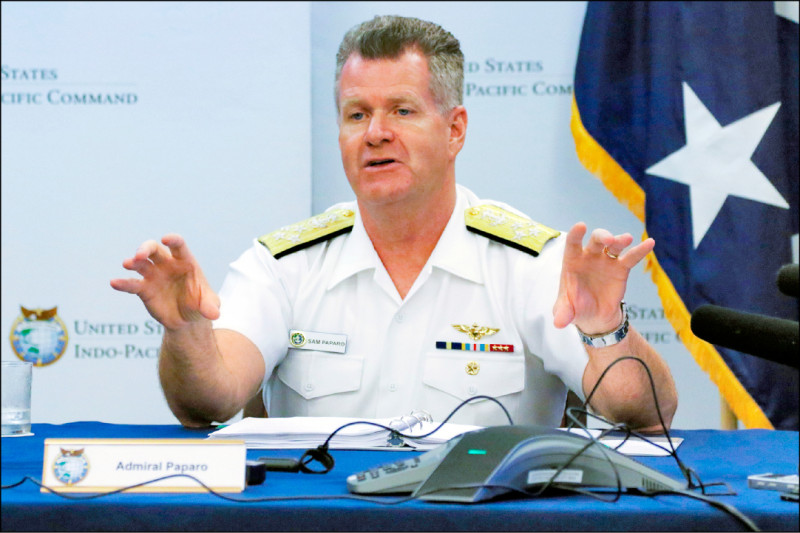
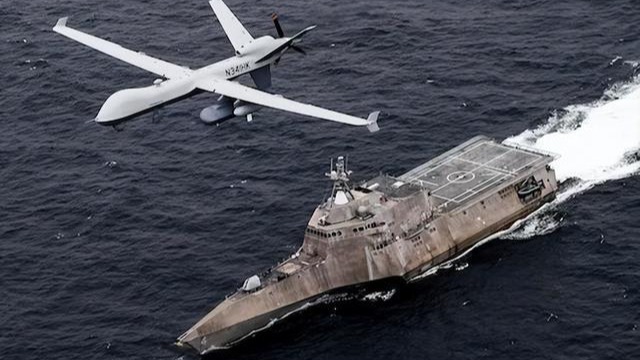
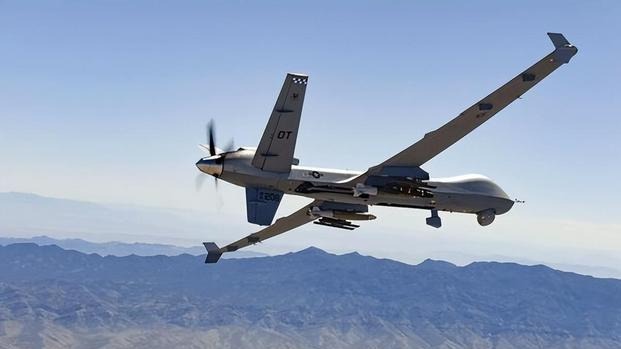
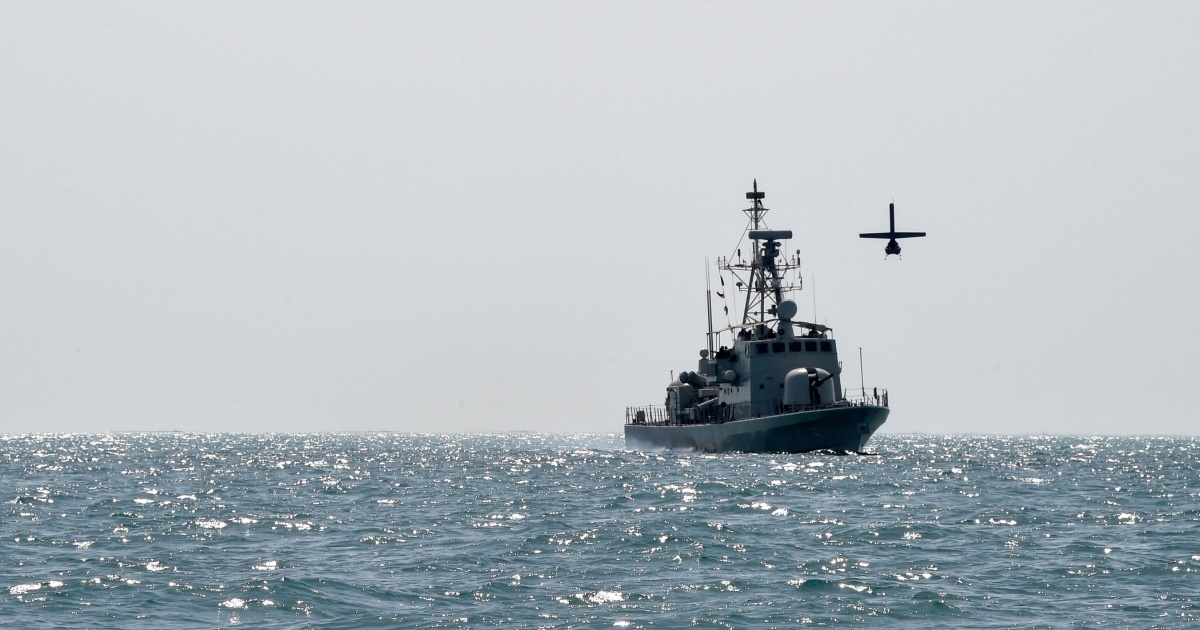
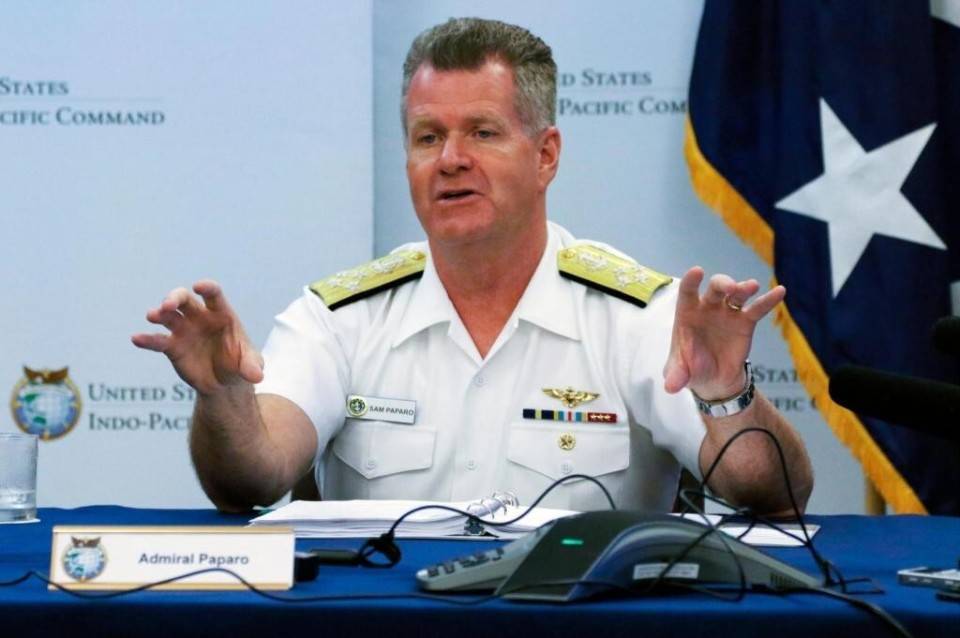
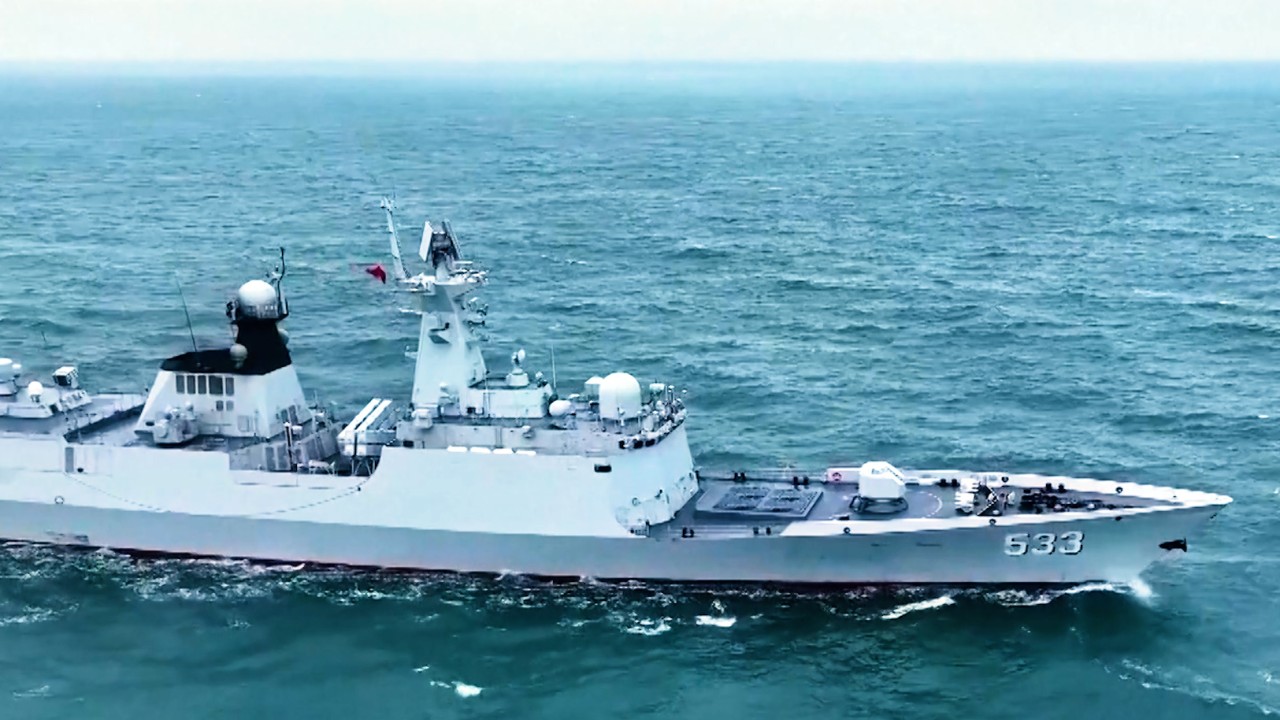
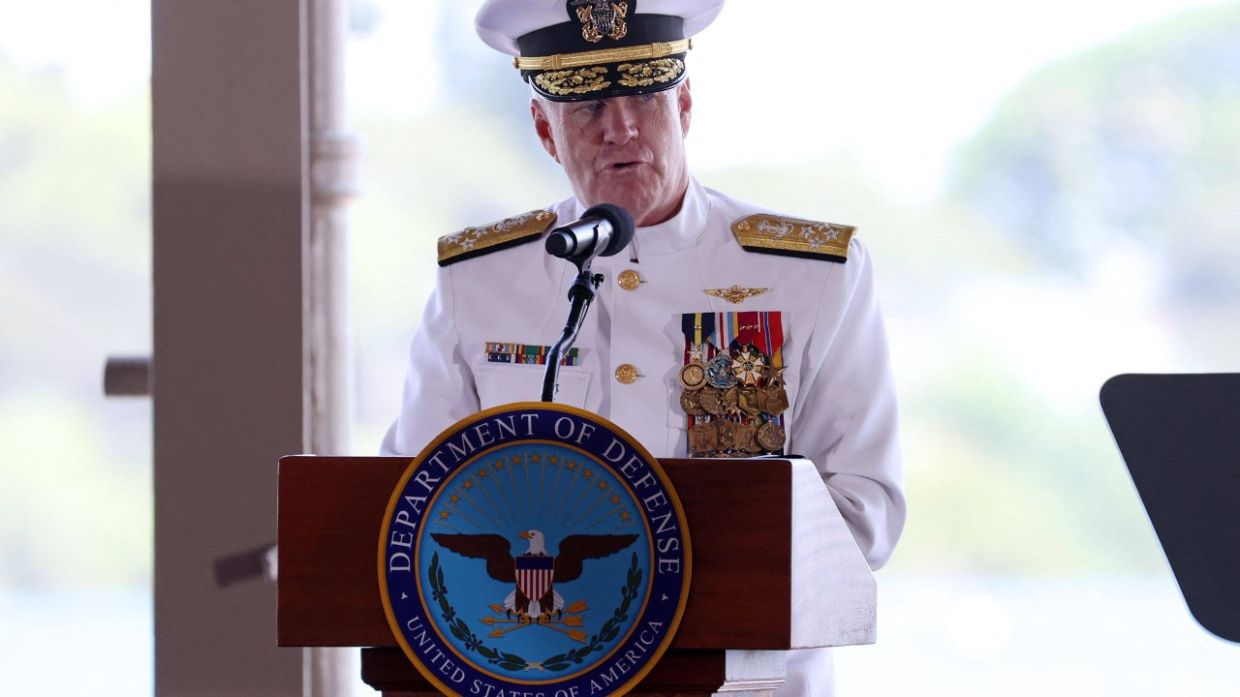
Admiral Paparo threatened a “hellscape” in the Taiwan Strait by pre-positioning thousands of unmanned surface vessels, submarines, and drones to delay a Chinese assault, asserting its feasibility. Chinese military experts denounced the strategy as overt intimidation and questioned the US’s ability to deploy such AI-enabled systems effectively in time.[AI generated]

Why's our monitor labelling this an incident or hazard?

The event involves AI systems in the form of autonomous or semi-autonomous unmanned military vehicles and drones intended for use in armed conflict. Although no actual harm has yet occurred, the deployment of such AI-enabled weapons systems in a potential conflict zone could plausibly lead to injury, loss of life, and broader harm to communities and infrastructure. The article focuses on the strategic plan and potential military use, which constitutes a credible risk of future harm. Therefore, this qualifies as an AI Hazard rather than an AI Incident, as the harm is potential and not yet realized.[AI generated]
AI principles
AccountabilitySafetyRespect of human rightsDemocracy & human autonomyRobustness & digital securityTransparency & explainability

Industries
Government, security, and defenceRobots, sensors, and IT hardwareLogistics, wholesale, and retailMobility and autonomous vehiclesDigital security

Affected stakeholders
Government

Harm types
Physical (death)Physical (injury)Public interestEconomic/PropertyEnvironmentalPsychologicalHuman or fundamental rights

Severity
AI hazard

Business function:
Research and developmentMonitoring and quality controlLogisticsICT management and information security

AI system task:
Recognition/object detectionEvent/anomaly detectionGoal-driven organisationReasoning with knowledge structures/planning


Articles about this incident or hazard

Thumbnail Image

美國"地獄景象"計畫曝光 派大量無人機.艦艇阻中國侵台

2024-06-12
Yahoo News (Taiwan)
Why's our monitor labelling this an incident or hazard?
The event involves AI systems in the form of autonomous or semi-autonomous unmanned military vehicles and drones intended for use in armed conflict. Although no actual harm has yet occurred, the deployment of such AI-enabled weapons systems in a potential conflict zone could plausibly lead to injury, loss of life, and broader harm to communities and infrastructure. The article focuses on the strategic plan and potential military use, which constitutes a credible risk of future harm. Therefore, this qualifies as an AI Hazard rather than an AI Incident, as the harm is potential and not yet realized.
Thumbnail Image

美軍高官:中國若攻台 美軍將把台海變地獄

2024-06-12
Yahoo News (Taiwan)
Why's our monitor labelling this an incident or hazard?
The article explicitly mentions the planned use of thousands of unmanned vehicles (drones, ships, submarines) in a military conflict scenario. Such unmanned systems typically rely on AI for autonomous navigation, targeting, and coordination. Although no incident of harm has occurred yet, the described strategy is a credible and concrete plan that could plausibly lead to significant harm if implemented. This fits the definition of an AI Hazard, as it involves the use of AI systems whose deployment could plausibly lead to injury, disruption, or other harms. There is no indication that harm has already occurred, so it is not an AI Incident. The article is not merely complementary information or unrelated news, as it focuses on a specific AI-related military strategy with potential for harm.
Thumbnail Image

美軍以「地獄景象」協防台?張延廷:先給4款新武器

2024-06-12
Yahoo News (Taiwan)
Why's our monitor labelling this an incident or hazard?
The 'Hellscape' concept involves AI-enabled unmanned vehicles for military defense, which fits the definition of an AI system. The article describes the development and testing phase and strategic considerations but does not report any realized harm or incidents caused by these systems. Therefore, it represents a plausible future risk scenario where AI systems could lead to harm in a conflict setting, qualifying as an AI Hazard. The discussion about providing Taiwan with other advanced manned aircraft and support systems does not involve AI systems directly or harm. Hence, the event is best classified as an AI Hazard due to the potential future harm from the deployment of AI-enabled unmanned combat systems.
Thumbnail Image

美印太司令:若中國侵台 美軍地獄景象痛擊共軍 - 國際 - 自由時報電子報

2024-06-11
Liberty Times Net
Why's our monitor labelling this an incident or hazard?
The event involves the planned use of AI-enabled autonomous unmanned weapons systems, which qualify as AI systems. The article describes the intended use of these systems in a military conflict scenario that could plausibly lead to injury, disruption, or other harms if a conflict occurs. Since the harm is potential and not yet realized, this fits the definition of an AI Hazard. There is no indication that harm has already occurred, so it is not an AI Incident. The article is not merely complementary information or unrelated news, as it focuses on the credible risk posed by these AI systems in a geopolitical conflict context.
Thumbnail Image

美威胁变台海为"地狱" 损害中美关系破坏和平稳定

2024-06-12
china.org.cn/china.com.cn(中国网)
Why's our monitor labelling this an incident or hazard?
The article explicitly references the planned deployment of large numbers of lethal unmanned drones, which are highly likely to involve AI systems for autonomous operation. The discussion centers on the potential for turning the Taiwan Strait into a "hellscape" through these AI-enabled weapons, indicating a credible risk of future harm. No actual incident or harm has occurred yet, so it does not meet the criteria for an AI Incident. The event is not merely general AI news or a response to a past incident, so it is not Complementary Information. Hence, the classification as AI Hazard is appropriate.
Thumbnail Image

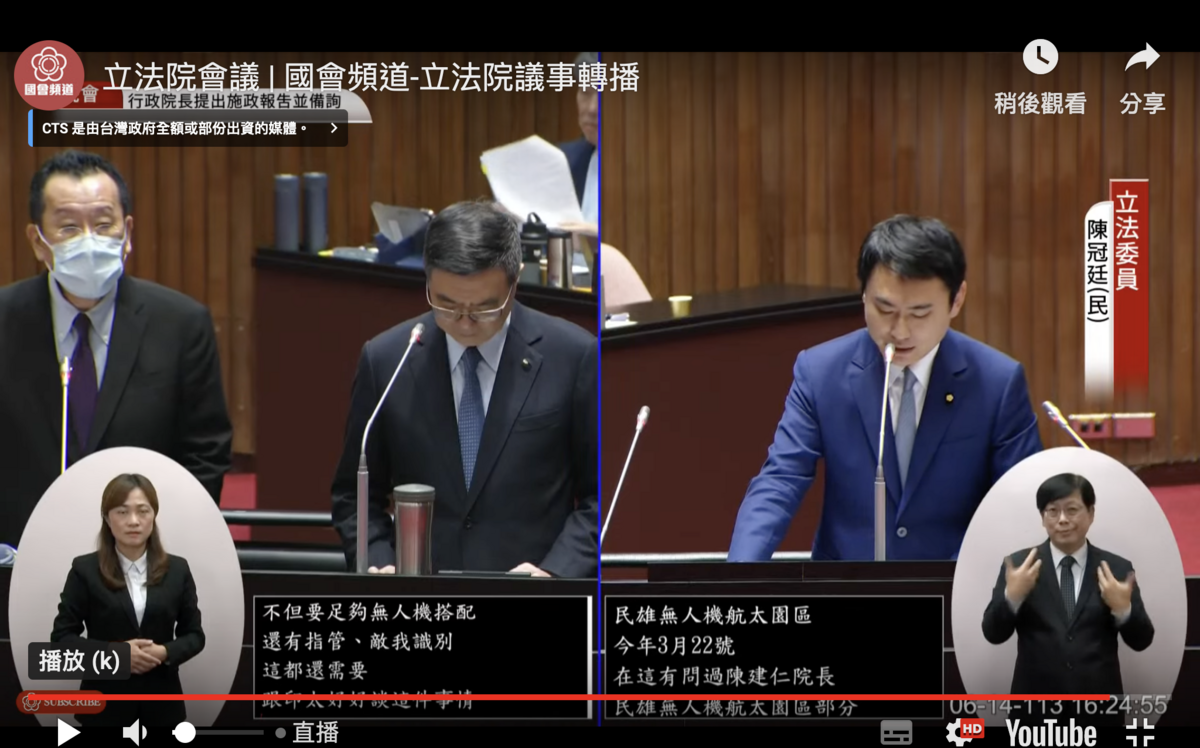
地獄景象挫共軍? 顧立雄:需談指揮管制與敵我識別 | 聯合新聞網

2024-06-14
UDN
Why's our monitor labelling this an incident or hazard?
The article involves AI systems implicitly through unmanned drones and vessels that likely use AI for autonomous or semi-autonomous operation. The discussion centers on the development and strategic deployment of these AI-enabled systems for military defense. Since no actual harm or incident has occurred, but the deployment of such systems could plausibly lead to harm in future conflict scenarios, this qualifies as an AI Hazard. There is no indication of realized harm or incident, so it is not an AI Incident. It is more than complementary information because it discusses potential future risks and strategic military use of AI systems, not just updates or responses.
Thumbnail Image

打造地獄場景 美軍擬以大量部署無人機拖慢解放軍侵台腳步 | 聯合新聞網

2024-06-11
UDN
Why's our monitor labelling this an incident or hazard?
The event involves the development and intended use of AI-enabled autonomous unmanned military systems to interfere with a potential Chinese invasion of Taiwan. The AI systems are central to the plan's ability to rapidly deploy and autonomously operate in a contested environment. While no actual harm has yet occurred, the described plan clearly involves AI systems that could plausibly lead to significant harm, including injury to persons and disruption of critical infrastructure in a military conflict. The article does not report any realized harm or incident but outlines a credible future risk. Hence, it fits the definition of an AI Hazard rather than an AI Incident or Complementary Information.
Thumbnail Image

美提「無人機地獄」協防台海  大陸軍事專家:是赤裸裸的恐嚇! | 聯合新聞網

2024-06-12
UDN
Why's our monitor labelling this an incident or hazard?
The article centers on the potential deployment and military use of AI-enabled unmanned systems (drones, unmanned boats, submarines) in a geopolitical conflict scenario. While no actual harm or incident is reported, the described plans and capabilities could plausibly lead to significant harm, including injury, disruption, or escalation of conflict. Therefore, this qualifies as an AI Hazard due to the credible risk of future harm from the use of AI-enabled unmanned systems in military conflict. There is no indication of a realized incident or complementary information about past events, so AI Hazard is the appropriate classification.
Thumbnail Image

美擬用海量無人機 拖慢陸侵台 | 聯合新聞網

2024-06-11
UDN
Why's our monitor labelling this an incident or hazard?
The article explicitly discusses the development and planned use of large-scale autonomous unmanned systems (drones, submarines, ships) with AI capabilities for military purposes. Although no incident of harm has yet occurred, the deployment of such AI systems in a conflict scenario could plausibly lead to injury, death, and disruption, meeting the criteria for an AI Hazard. There is no indication that harm has already occurred, so it is not an AI Incident. The article is not merely complementary information or unrelated news, as it focuses on a credible future risk from AI-enabled autonomous weapons.
Thumbnail Image

挫北京关键 海美军司令:"地狱景象"让台海陷火海(图) - 新闻 美国 - 看中国新闻网 - 海外华人 历史秘闻 亚洲 -

2024-06-11
看中国
Why's our monitor labelling this an incident or hazard?
The article explicitly mentions the deployment of thousands of unmanned surface vessels, submarines, and drones, which are highly likely to be AI systems due to their autonomous or semi-autonomous nature. The discussion centers on the strategic use of these AI-enabled systems to create a 'hellscape' to deter or delay Chinese military action. No actual conflict or harm has occurred yet, but the potential for significant harm in a future conflict involving these AI systems is clearly described. Thus, this fits the definition of an AI Hazard, as it plausibly could lead to an AI Incident involving injury, disruption, or harm in the Taiwan Strait conflict scenario.
Thumbnail Image

美军高官:中国若攻台 美军将把台海变地狱

2024-06-12
Deutsche Welle
Why's our monitor labelling this an incident or hazard?
The event involves the planned use of AI-enabled unmanned military systems (drones, unmanned vessels, submarines) in a potential armed conflict scenario, which could directly lead to injury, death, and disruption. The article discusses the development and procurement of these systems and their intended use in a conflict, indicating a credible risk of harm. Although no harm has yet occurred, the described scenario is a clear AI Hazard due to the plausible future harm from the deployment of these AI systems in warfare. There is no indication that harm has already occurred, so it is not an AI Incident. The article is not merely complementary information or unrelated, as it focuses on a credible military AI hazard scenario.
Thumbnail Image

王赫:美军遏制中共攻台的两大利器 - 大纪元

2024-06-12
The Epoch Times
Why's our monitor labelling this an incident or hazard?
The article explicitly discusses AI-enabled autonomous military systems and their strategic deployment as part of U.S. defense initiatives to deter Chinese aggression toward Taiwan. While these systems could plausibly lead to harm in a conflict (e.g., injury, disruption, or property damage), no actual harm or incident has occurred yet. Therefore, this event constitutes an AI Hazard, as it plausibly could lead to an AI Incident in the future if conflict occurs, but no incident has materialized at this time.
Thumbnail Image

王赫:美軍遏制中共攻台的兩大利器 - 大紀元

2024-06-12
The Epoch Times
Why's our monitor labelling this an incident or hazard?
The article explicitly mentions AI-enabled autonomous unmanned systems and AI-integrated command and control networks being developed and deployed by the U.S. military to deter Chinese aggression against Taiwan. Although no incident of harm has occurred, the described systems are designed for combat and could plausibly lead to injury, disruption, or other harms if used in conflict. The article focuses on the strategic military AI capabilities and their potential impact rather than reporting any realized harm or incident. Hence, it fits the definition of an AI Hazard, as it plausibly could lead to an AI Incident in the future.
Thumbnail Image

美軍無人機艦計劃阻中共攻台 專家解讀 - 大紀元

2024-06-11
The Epoch Times
Why's our monitor labelling this an incident or hazard?
The article explicitly discusses AI-enabled unmanned military systems (drones, unmanned surface and underwater vessels) planned for deployment in a potential conflict scenario. These systems qualify as AI systems due to their autonomous or semi-autonomous capabilities. The event concerns the development and intended use of these AI systems for military purposes, which could plausibly lead to harm such as injury, death, or disruption in the event of conflict. Since no actual harm has yet occurred, but the risk is credible and significant, the event fits the definition of an AI Hazard rather than an AI Incident. The article does not focus on responses, updates, or general AI news, so it is not Complementary Information, nor is it unrelated.
Thumbnail Image

美军无人机舰计划阻中共攻台 专家解读 - 大纪元

2024-06-11
The Epoch Times
Why's our monitor labelling this an incident or hazard?
The event involves AI systems in the form of autonomous or semi-autonomous unmanned vehicles (drones) planned for deployment in a military context. However, the article describes a planned or proposed military strategy rather than an actual incident causing harm. There is no report of injury, disruption, rights violations, or other harms caused by these AI systems at present. The article highlights the plausible future use of these AI systems in conflict, which could lead to harm if a war occurs. Therefore, this qualifies as an AI Hazard, as the development and intended use of these AI systems could plausibly lead to AI incidents in the future, but no harm has yet occurred.
Thumbnail Image

数千无人机变天罗地网 美司令谈遏阻中共侵台 - 大纪元

2024-06-10
The Epoch Times
Why's our monitor labelling this an incident or hazard?
The article explicitly mentions thousands of unmanned aerial, surface, and underwater vehicles, which are autonomous or AI-enabled systems, planned for deployment to deter or respond to a Chinese invasion of Taiwan. This clearly involves AI systems in their development and intended use. The article discusses the potential for these systems to create a 'hellscape' to trap invading forces, implying a credible risk of future harm in a military conflict scenario. However, no actual incident or harm has occurred yet, so it does not meet the criteria for an AI Incident. Instead, it fits the definition of an AI Hazard because the AI systems' use could plausibly lead to harm in the future. The article also includes strategic and governance context but the primary focus is on the potential military use and associated risks of AI systems.
Thumbnail Image

數千無人機變天羅地網 美司令談遏阻中共侵台 - 大紀元

2024-06-10
The Epoch Times
Why's our monitor labelling this an incident or hazard?
The article explicitly discusses the development and planned use of thousands of autonomous unmanned systems incorporating AI for military defense purposes. Although no incident of harm has yet occurred, the deployment of these AI systems in a conflict zone could plausibly lead to injury, death, or disruption, fulfilling the criteria for an AI Hazard. The event is not an AI Incident because no realized harm has been reported. It is not Complementary Information because the article focuses on the planned use and strategic implications of these AI systems rather than updates or responses to past incidents. It is not Unrelated because the AI systems and their potential impacts are central to the report.
Thumbnail Image

讓共軍陷入「地獄景象」 顧立雄:需跟美軍好好談指管敵我識別機制 | 政治 | Newtalk新聞

2024-06-14
新頭殼 Newtalk
Why's our monitor labelling this an incident or hazard?
The event involves AI systems in the form of unmanned weapons (drones) intended for military defense, which implies AI system involvement. However, no harm has occurred yet, and the discussion is about potential future use and coordination mechanisms to avoid misidentification and friendly fire. This constitutes a plausible risk scenario but not an actual incident. Therefore, it fits the definition of an AI Hazard, as the development and deployment of these AI-enabled unmanned weapons could plausibly lead to harm if mismanaged or malfunctioning in the future.
Thumbnail Image

美印太司令又对大陆乱叫嚣!蔡正元讽:进得来吗?

2024-06-12
凤凰网(凤凰新媒体)
Why's our monitor labelling this an incident or hazard?
The article explicitly mentions the use of AI-enabled unmanned systems (drones, unmanned surface vessels, and submarines) as part of a military strategy. Although no direct harm has occurred yet, the plan's nature and potential use in a conflict zone imply a credible risk of harm, such as military escalation, disruption of critical infrastructure, and harm to communities. The AI systems' development and intended use in this context fit the definition of an AI Hazard, as they could plausibly lead to an AI Incident in the future. There is no indication that harm has already occurred, so it is not an AI Incident. The article is not merely complementary information or unrelated news, as it focuses on a specific AI-related military plan with potential for harm.
Thumbnail Image

美军司令恫吓让台海变"地狱",老胡想问:谁的地狱?

2024-06-12
凤凰网(凤凰新媒体)
Why's our monitor labelling this an incident or hazard?
The article explicitly mentions the use of thousands of unmanned drones and submarines, which are AI systems by definition due to their autonomous capabilities. The discussion centers on a military strategy that could be deployed in the future, implying a credible risk of harm (military conflict, casualties, disruption) if these AI systems are used. There is no report of actual harm or incident caused by these AI systems yet, so it does not qualify as an AI Incident. The article is not merely general AI news or product launch, nor is it a response or update to a past incident, so it is not Complementary Information. Hence, the classification as AI Hazard is appropriate.
Thumbnail Image

一架无人机9万美元,也配把台海变"地狱"?美军司令还真敢想

2024-06-12
凤凰网(凤凰新媒体)
Why's our monitor labelling this an incident or hazard?
The article explicitly references AI-enabled unmanned systems (drones and unmanned boats) as part of a military strategy that could be used in a conflict scenario. Although no incident of harm has yet occurred, the described deployment of thousands of AI-powered autonomous systems in a contested maritime area poses a plausible risk of causing injury, disruption, or other harms if activated. The discussion of the strategy and its potential effects fits the definition of an AI Hazard, as it could plausibly lead to an AI Incident in the future. There is no indication that harm has already occurred, so it is not an AI Incident. The article is not merely complementary information or unrelated, as it focuses on the potential military use of AI systems with significant risk implications.
Thumbnail Image

台媒炒美司令妄言部署大量无人机拖慢大陆行动,岛内网友:别在那拱火!

2024-06-11
凤凰网(凤凰新媒体)
Why's our monitor labelling this an incident or hazard?
The event involves the intended use of AI systems (unmanned drones, submarines, and aircraft) in a military context to interfere with a potential Chinese action against Taiwan. While no harm has yet occurred, the deployment of such AI-enabled autonomous or semi-autonomous systems in a conflict zone could plausibly lead to significant harm, including injury, disruption, or escalation of conflict. Therefore, this qualifies as an AI Hazard due to the credible risk of future harm from the planned use of AI systems in military operations. There is no indication of an actual incident or realized harm, nor is the article primarily about responses or complementary information.
Thumbnail Image

美军司令扬言让台海变"地狱",专家:武力涉台注定失败

2024-06-12
凤凰网(凤凰新媒体)
Why's our monitor labelling this an incident or hazard?
The event involves AI systems (unmanned submarines, surface vessels, and drones) as part of a military deterrence strategy. The article discusses the potential use of these AI systems in a conflict that could lead to harm (military conflict, injury, or death). Since no actual incident or harm has occurred yet, but the deployment and use of these AI systems could plausibly lead to significant harm, this qualifies as an AI Hazard. The article does not report a realized AI Incident or complementary information about past incidents or responses, nor is it unrelated to AI systems.
Thumbnail Image

美四星上将口出狂言,当那一天真的来临,要将台海变成"地狱"

2024-06-13
凤凰网(凤凰新媒体)
Why's our monitor labelling this an incident or hazard?
The article explicitly mentions the deployment of thousands of unmanned combat systems that rely on AI capabilities for autonomous or semi-autonomous operation in a military conflict scenario. Although no actual conflict or harm has yet occurred, the described "Hellscape" plan could plausibly lead to significant harm including injury, disruption, and escalation of conflict. The AI systems' development and intended use in warfare with lethal capabilities and strategic impact fits the definition of an AI Hazard, as it could plausibly lead to an AI Incident if the conflict arises. There is no indication that harm has already occurred, so it is not an AI Incident. The article is not merely complementary information or unrelated, as it focuses on a specific AI-enabled military strategy with clear potential for harm.
Thumbnail Image

美军司令放狠话,要让台海变地狱!藏着哪些关键信息?

2024-06-12
凤凰网(凤凰新媒体)
Why's our monitor labelling this an incident or hazard?
The article explicitly mentions the development and planned use of AI-enabled unmanned military systems (drones, unmanned boats, and submarines) by the U.S. military in a conflict scenario in the Taiwan Strait. These AI systems are intended to engage in combat operations that would cause harm to military forces and potentially civilians, infrastructure, and communities in the region. The harm is directly linked to the use of these AI systems in warfare, fulfilling the criteria for an AI Incident. Although the article also discusses political rhetoric and strategic intentions, the core event involves the use and deployment of AI systems that have directly or indirectly led or will lead to harm in a conflict setting. Therefore, the event is best classified as an AI Incident.
Thumbnail Image

美军计划打造"地狱景观"以阻止中国攻台

2024-06-10
RFI
Why's our monitor labelling this an incident or hazard?
The event involves the planned use of AI systems (unmanned aerial and naval drones) in a military strategy to deter Chinese aggression. Although no incident of harm has yet occurred, the deployment of thousands of AI-enabled drones in a conflict zone could plausibly lead to injury, escalation of conflict, or other harms. The article focuses on the strategic plan and its potential impact rather than reporting an actual incident. Hence, it fits the definition of an AI Hazard, as it plausibly could lead to an AI Incident in the future if the plan is executed and conflict ensues.
Thumbnail Image

和评理 | 美威胁变台海为"地狱" 损害中美关系破坏和平稳定

2024-06-12
China Daily
Why's our monitor labelling this an incident or hazard?
The article explicitly mentions the US plan to deploy and use large numbers of lethal drones in the Taiwan Strait in the event of conflict. Drones typically involve AI systems for autonomous or semi-autonomous operation, especially in military contexts. The potential use of such AI-enabled lethal systems in warfare could directly lead to injury, death, and disruption of peace, which are harms defined under AI Incidents. Although the harm is not yet realized, the described scenario is a credible and direct threat of harm caused by AI systems. Given the severity and direct link to potential harm, this qualifies as an AI Hazard rather than an Incident, since no actual harm has yet occurred. However, because the article discusses a concrete military plan involving AI systems that could lead to serious harm, it is best classified as an AI Hazard.
Thumbnail Image

挫北京關鍵 海美軍司令:「地獄景象」讓共軍陷火海(圖) - 新聞 美國 - 看中國新聞網 - 海外華人 歷史秘聞 亞洲 -

2024-06-11
看中国
Why's our monitor labelling this an incident or hazard?
The event involves AI systems explicitly described as unmanned surface vessels, submarines, and drones, which are autonomous or semi-autonomous military AI systems. The article focuses on the planned use of these AI systems in a potential future conflict scenario, with no current harm realized but a clear plausible risk of significant harm if conflict occurs. Therefore, it fits the definition of an AI Hazard, as the AI systems' use could plausibly lead to an AI Incident involving injury, disruption, or other harms. There is no indication that harm has already occurred, so it is not an AI Incident. The article is not merely complementary information or unrelated news, as it centers on the strategic deployment of AI systems with potential for harm.
Thumbnail Image

美軍計劃打造「地獄景象」 挫敗中共犯台行動 | 中共武力犯台 | 美軍無人機系統 | 美國印太司令部司令 | 新唐人电视台

2024-06-11
www.ntdtv.com
Why's our monitor labelling this an incident or hazard?
The article explicitly mentions the use of thousands of unmanned underwater and aerial vehicles, which are autonomous or AI-enabled systems, as part of a military strategy. The strategy is intended to deter or defeat a Chinese invasion of Taiwan, implying potential future military conflict involving AI systems. No actual harm or incident has occurred yet, but the deployment of such AI-enabled autonomous weapon systems carries a credible risk of causing injury, disruption, and harm if used in conflict. Hence, this is a plausible future harm scenario, fitting the definition of an AI Hazard rather than an AI Incident. The article does not report any realized harm or incident caused by these AI systems, nor does it focus on responses or updates to past incidents, so it is not Complementary Information. It is clearly related to AI systems and their potential impact, so it is not Unrelated.
Thumbnail Image

美軍「地獄景象」計畫曝光 新戰術嚇阻共軍犯台 | 台灣 | 台海 | 新唐人电视台

2024-06-13
www.ntdtv.com
Why's our monitor labelling this an incident or hazard?
The event involves AI systems (unmanned vessels, drones, submarines) used in military strategy, which can be reasonably inferred to involve AI for autonomous operation and decision-making. The article discusses the development and intended use of these AI-enabled systems to deter aggression and prepare for conflict, which could plausibly lead to harm if activated in warfare. Since no actual harm or incident has occurred yet, but there is a credible risk of future harm due to the military application of AI systems, this qualifies as an AI Hazard. The article does not describe a realized AI Incident or a complementary information update about a past incident, nor is it unrelated to AI.
Thumbnail Image

【禁聞】美軍擬打造「地獄景象」 阻中共攻台 | 美國 | 台灣 | 印太司令部 | 新唐人电视台

2024-06-11
www.ntdtv.com
Why's our monitor labelling this an incident or hazard?
The article explicitly mentions the deployment of thousands of autonomous unmanned systems (drones, unmanned surface vessels, and underwater unmanned submarines) as part of a military strategy. These systems qualify as AI systems due to their autonomous nature and complex operational roles. No actual harm or incident is reported; rather, the article discusses plans and preparations for future use. The potential use of these AI-enabled autonomous weapons in a conflict scenario could plausibly lead to injury, disruption, or other harms, fitting the definition of an AI Hazard. There is no indication of a realized AI Incident or complementary information about past incidents, so the classification as AI Hazard is appropriate.
Thumbnail Image

地獄景象挫共軍? 顧立雄:需談指揮管制與敵我識別 | 政治 | 中央社 CNA

2024-06-14
Central News Agency
Why's our monitor labelling this an incident or hazard?
The article involves AI systems implicitly through the mention of unmanned drones and vessels, which typically rely on AI for autonomous or semi-autonomous operation. However, the content focuses on strategic planning, capability development, and coordination discussions without any realized harm or direct incident. There is no report of injury, disruption, rights violation, or other harms caused by AI systems. The potential for future harm exists in the context of military conflict, but the article does not describe a specific event where AI use has led or could imminently lead to harm. Therefore, it qualifies as an AI Hazard, reflecting plausible future risks associated with the deployment of AI-enabled unmanned systems in military operations.
Thumbnail Image

美军印太司令扬言让台海变"地狱",中国军事专家:是赤裸裸的恐吓!

2024-06-12
中华网军事频道
Why's our monitor labelling this an incident or hazard?
The event involves AI systems as it explicitly mentions thousands of unmanned submarines, surface vessels, and drones, which are likely AI-enabled for autonomous operation. The event is about a planned military strategy, not an incident where harm has already occurred. However, the deployment of such AI systems in a conflict scenario could plausibly lead to injury, disruption, or escalation, meeting the definition of an AI Hazard. There is no indication that harm has already occurred, so it is not an AI Incident. The article is not merely complementary information or unrelated news, as it focuses on a credible future risk involving AI systems.
Thumbnail Image

媒体披露美军反制犯台计划 无人机舰令台海成"地狱

2024-06-11
Radio Free Asia
Why's our monitor labelling this an incident or hazard?
The article explicitly describes the planned use of AI-controlled unmanned systems for military defense in the Taiwan Strait, involving autonomous decision-making and combat operations. Although the plan is not yet implemented and no harm has occurred, the nature of the AI system's intended use in warfare could plausibly lead to serious harms such as injury, escalation of conflict, and disruption of critical infrastructure. The discussion of challenges like communication interference and the need for AI command further supports the presence of an AI system with potential for harm. Since no actual harm has yet occurred, this qualifies as an AI Hazard rather than an AI Incident.
Thumbnail Image

「人間煉獄」要用在哪?美印太司令:台灣海峽

2024-06-11
TechNews 科技新報 | 市場和業內人士關心的趨勢、內幕與新聞
Why's our monitor labelling this an incident or hazard?
The article explicitly mentions AI-related military systems (unmanned drones, boats, submarines) under development and planned for use in a conflict scenario. While these systems have not yet been used in combat or caused harm, their deployment could plausibly lead to AI incidents involving injury, disruption, or other harms. Therefore, this qualifies as an AI Hazard because it describes credible future risks associated with AI-enabled autonomous weapon systems, but no realized harm or incident is reported.
Thumbnail Image

美媒:美计划打造地狱景象 挫败大陆武力攻台行动

2024-06-11
早报
Why's our monitor labelling this an incident or hazard?
The event involves the planned use of AI-enabled autonomous unmanned submarines and drones, which qualify as AI systems. The article does not describe any actual harm or incident caused by these systems yet, but the deployment is intended to counter a potential military attack, implying a credible risk of future harm including injury, disruption, or escalation of conflict. Since no harm has yet occurred but plausible future harm is credible, this fits the definition of an AI Hazard rather than an AI Incident. The article is not merely complementary information as it focuses on the strategic military use and potential impact of these AI systems, not just updates or responses to past events.
Thumbnail Image

美軍司令揚言要在台海部署巨量無人機

2024-06-12
hkcna.hk
Why's our monitor labelling this an incident or hazard?
The event involves the planned use of AI-enabled unmanned military systems (drones, unmanned submarines, and surface vessels) for strategic defense and deterrence. Although no incident of harm has yet occurred, the deployment of thousands of such systems in a conflict zone could plausibly lead to injury, disruption, or escalation, meeting the criteria for an AI Hazard. The article does not describe any realized harm or malfunction but focuses on the potential use and strategic implications, which fits the definition of an AI Hazard rather than an Incident or Complementary Information.
Thumbnail Image

美軍印太司令揚言讓台海變"地獄" 中國專家警告  18:38

2024-06-12
hkcna.hk
Why's our monitor labelling this an incident or hazard?
The article explicitly mentions the deployment of thousands of unmanned vessels and drones, which are AI systems by definition due to their autonomous or semi-autonomous capabilities. The strategy is intended to deter or respond to a military conflict, which inherently involves risks of injury, disruption, and harm. Since the article discusses a planned strategy and potential future use rather than an actual event causing harm, it fits the definition of an AI Hazard. The mention of the US Department of Defense's investment in large-scale unmanned combat systems further supports the presence of AI systems with potential for harm. There is no indication that harm has already occurred, so it is not an AI Incident. The article is not merely complementary information because it focuses on the potential military use and threat posed by these AI systems, not on responses or updates to past events.
Thumbnail Image

帕帕羅作戰構想有盲點 別奢望美國在台海掏出壓箱寶

2024-06-13
雲論
Why's our monitor labelling this an incident or hazard?
The article references the use of unmanned systems (drones, unmanned ships, and underwater vehicles) which likely involve AI for control and coordination, thus involving AI systems. However, the concept is still under development and not yet operational, so no direct or indirect harm has occurred. The article expresses skepticism about the feasibility and timely deployment of this AI-enabled military strategy, indicating potential future challenges but no imminent or realized harm. Therefore, this qualifies as an AI Hazard because the development and potential deployment of such AI systems could plausibly lead to harm in future conflict scenarios, but no incident has yet occurred.
Thumbnail Image

美军印太司令威胁:若解放军"进攻"台湾,台海将变"无人地狱"_大陆_美国_中国

2024-06-12
搜狐
Why's our monitor labelling this an incident or hazard?
The article explicitly references AI systems in the form of unmanned drones and submarines intended for military use in a potential conflict scenario. The discussion centers on the planned use of these AI-enabled systems as a deterrent and in active combat, which could plausibly lead to significant harm if triggered. No actual harm or incident has occurred yet, but the strategic deployment and escalation risks constitute a credible AI Hazard. The article does not report an actual AI Incident or realized harm, nor is it primarily about governance or societal responses, so it does not qualify as Complementary Information. It is not unrelated as it clearly involves AI systems and their potential impact.
Thumbnail Image

美司令扬言把台海变成"地狱",蛙军叫嚣要开第一枪_美军_无人飞机_水面

2024-06-12
搜狐
Why's our monitor labelling this an incident or hazard?
The article explicitly mentions AI-enabled unmanned systems (unmanned submarines, surface vessels, and drones) as part of a military strategy that could lead to conflict and harm in the Taiwan Strait. The deployment of these AI systems is described as a threat and a strategic plan, implying a credible risk of future harm. However, no actual incident or harm has occurred yet; the article is about threats and potential military actions. Hence, it fits the definition of an AI Hazard, as the development and intended use of these AI systems could plausibly lead to an AI Incident involving injury, disruption, or other harms. It is not an AI Incident because no harm has materialized, nor is it Complementary Information or Unrelated since the AI system involvement and potential harm are central to the report.
Thumbnail Image

美军要让台海变"地狱"?力保台湾不被收复,中方:后果难以承受_中国_美国_塞缪尔·帕帕罗

2024-06-12
搜狐
Why's our monitor labelling this an incident or hazard?
The event involves AI systems (unmanned drones and vessels with autonomous capabilities) as part of a military strategy. The article describes a planned deployment that could plausibly lead to harm (military conflict, escalation, or damage) but does not report any actual incident or harm caused by these AI systems. Therefore, it fits the definition of an AI Hazard, as the development and intended use of these AI-enabled unmanned systems could plausibly lead to an AI Incident in the future. The article also includes political and expert commentary but does not describe any realized harm or incident directly caused by AI systems.
Thumbnail Image

談談美軍在台海用兵的如意算盤

2024-06-13
雲論
Why's our monitor labelling this an incident or hazard?
The article references AI-enabled unmanned systems (e.g., underwater drones) as part of a military strategy, which involves AI systems. However, it clearly states that these systems and operational concepts are still in the planning or early development phase, with no evidence of deployment or incidents causing harm. Therefore, no direct or indirect harm has occurred, nor is there an immediate credible risk of harm described. The content is primarily an analytical commentary on potential future military AI capabilities and their challenges, fitting the definition of Complementary Information rather than an AI Incident or AI Hazard.
Thumbnail Image

美军司令扬言让台海变"地狱",专家:美国将遭受难以承受的后果

2024-06-12
t.cj.sina.com.cn
Why's our monitor labelling this an incident or hazard?
The event involves AI systems in the form of unmanned military vehicles and drones, which are AI-enabled systems. The statement is a threat of future military use of these AI systems that could plausibly lead to significant harm, including conflict escalation and harm to communities. Since no actual harm or incident has occurred yet, but the threat and potential deployment of AI-enabled unmanned systems in a conflict zone is credible and could plausibly lead to an AI Incident, this qualifies as an AI Hazard. The article does not describe an actual AI Incident or complementary information about past incidents, but rather a credible future risk scenario involving AI systems.
Thumbnail Image

印太司令:中國若犯台 美軍將投入大量無人機「把台海變地獄」

2024-06-11
Yahoo News (Taiwan)
Why's our monitor labelling this an incident or hazard?
The article explicitly mentions the use of thousands of autonomous unmanned vehicles (drones, submarines, ships) as part of a military plan to counter Chinese aggression. These autonomous systems meet the definition of AI systems due to their autonomous decision-making and operational capabilities. The plan is intended to be deployed in a conflict scenario, which could plausibly lead to injury, harm, and disruption, fulfilling the criteria for an AI Hazard. Since no actual incident or harm has yet occurred, and the article focuses on the planned use and potential impact rather than a realized event, it does not qualify as an AI Incident. It is not merely complementary information because the main focus is on the potential deployment and its implications, not on responses or updates to past events. Therefore, the correct classification is AI Hazard.
Thumbnail Image

華郵專欄作家:美軍計劃「地獄景象」挫中共犯台 | 國際 | 三立新聞網 SETN.COM

2024-06-10
三立新聞
Why's our monitor labelling this an incident or hazard?
The article explicitly describes the planned use of AI-enabled autonomous unmanned systems (drones, unmanned vessels) by the U.S. military in a potential conflict scenario involving China and Taiwan. Although no harm has yet occurred, the deployment of these systems in a military conflict could plausibly lead to injury, disruption, and escalation of hostilities, which are harms covered under the AI Incident definition. Since the event is about planning and potential future use rather than an actual incident causing harm, it fits the definition of an AI Hazard. The AI system involvement is clear (autonomous unmanned systems), the nature of involvement is use (planned deployment), and the plausible future harm is credible and significant. Thus, the classification is AI Hazard.
Thumbnail Image

美軍擬用無人機艦構建天羅地網 阻中共侵台| 台灣大紀元

2024-06-11
大紀元時報 - 台灣(The Epoch Times - Taiwan)
Why's our monitor labelling this an incident or hazard?
The event involves AI systems in the form of autonomous or semi-autonomous unmanned vehicles (drones) planned for military use. The article does not report any realized harm but discusses the intended use of these AI systems to create a 'hellscape' to deter or delay an invasion, implying potential future harm if conflict occurs. The AI systems' development and deployment could plausibly lead to injury, disruption, and other harms if activated in conflict. Since no incident (realized harm) has occurred yet, but the risk is credible and significant, the classification is AI Hazard.
Thumbnail Image

美军印太司令扬言让台海变"地狱",中国军事专家:是赤裸裸的恐吓!

2024-06-11
环球网
Why's our monitor labelling this an incident or hazard?
The event involves AI systems explicitly through the mention of thousands of unmanned submarines, surface vessels, and drones, which are AI-enabled autonomous or semi-autonomous systems. The article does not report any realized harm but discusses a military strategy that could plausibly lead to significant harm if enacted. The focus is on the potential deployment and use of these AI systems in a conflict scenario, which aligns with the definition of an AI Hazard. There is no indication of an actual incident or realized harm yet, nor is the article primarily about responses or complementary information, so it is not an AI Incident or Complementary Information. Hence, the classification as AI Hazard is appropriate.
Thumbnail Image

The US military has a plan to turn the Taiwan Strait into an 'unmanned hellscape' if China invades, top admiral says

2024-06-10
Business Insider
Why's our monitor labelling this an incident or hazard?
The event involves the development and intended use of AI-enabled autonomous unmanned military systems designed to engage in combat, which inherently carries a credible risk of causing harm (injury, death, disruption) if deployed. Although no incident has occurred yet, the described plan and ongoing investments in autonomous systems for military use constitute a plausible future risk of AI-related harm. Hence, it fits the definition of an AI Hazard rather than an AI Incident or Complementary Information.
Thumbnail Image

The US military has a plan to turn the Taiwan Strait into an 'unmanned hellscape' if China invades, top admiral says

2024-06-10
Yahoo
Why's our monitor labelling this an incident or hazard?
The article explicitly involves AI systems (autonomous unmanned drones and vessels) intended for military use that could cause significant harm if deployed in conflict. The strategy is designed to inflict harm on invading forces, which is a clear potential for injury or harm to persons (harm category a). However, the article discusses plans and preparations, not an actual event where harm has occurred. Thus, it fits the definition of an AI Hazard, as the development and intended use of these AI systems could plausibly lead to an AI Incident in the future. It is not Complementary Information because the focus is not on updates or responses to past incidents but on a future-oriented military strategy. It is not Unrelated because AI systems are central to the described plan.
Thumbnail Image

US plans to turn Taiwan Strait into 'Hellscape' if China invades: top admiral

2024-06-10
South China Morning Post
Why's our monitor labelling this an incident or hazard?
The event involves the development and intended use of AI systems (autonomous lethal drones) in a military conflict scenario. Although the harm is not realized yet, the deployment of thousands of autonomous lethal drones in a conflict zone could plausibly lead to injury, death, and other significant harms. This fits the definition of an AI Hazard, as the AI systems' use could plausibly lead to an AI Incident involving harm to people and communities. There is no indication that harm has already occurred, so it is not an AI Incident. The article is not merely complementary information or unrelated, as it focuses on a credible future risk involving AI systems.
Thumbnail Image

China drones can counter US 'hellscape' in Taiwan Strait: analysts

2024-06-12
South China Morning Post
Why's our monitor labelling this an incident or hazard?
The event involves AI systems explicitly through the mention of autonomous drones and AI-enabled swarm technologies intended for military use. The development and planned deployment of these AI systems in a conflict zone create a credible risk of harm, including injury or death, disruption of critical infrastructure, and broader geopolitical harm. Since the article describes strategic plans and capabilities rather than actual incidents of harm, it fits the definition of an AI Hazard rather than an AI Incident. The AI systems' role is pivotal in the potential future harm described, meeting the criteria for an AI Hazard.
Thumbnail Image

US plans to turn Taiwan Strait into 'unmanned Hellscape' if China invades, says top admiral

2024-06-11
The Star
Why's our monitor labelling this an incident or hazard?
The event involves the planned use of AI-enabled autonomous unmanned systems for military defense, which could plausibly lead to harm (injury or death to military personnel, disruption of military operations) if implemented. Since the article discusses the plan and preparations but no actual deployment or harm has occurred yet, it fits the definition of an AI Hazard. The AI systems' development and intended use could plausibly lead to an AI Incident in the future if the plan is executed during a conflict. There is no indication of realized harm yet, so it is not an AI Incident. It is not merely complementary information because the main focus is on the potential use and strategy involving AI systems with lethal capabilities, not on responses or updates to past incidents.
Thumbnail Image

What is 'Hellscape' strategy US is planning to use on China if it invades Taiwan?

2024-06-11
Firstpost
Why's our monitor labelling this an incident or hazard?
The article explicitly mentions the use of thousands of autonomous drones and unmanned systems, which are AI systems by definition due to their autonomous operation and decision-making capabilities. The strategy is intended to deter or respond to a potential Chinese invasion of Taiwan, which is a future scenario. No actual harm has yet occurred from this strategy, but the deployment of lethal autonomous systems in a conflict zone plausibly could lead to injury, death, and other harms. Thus, this is a credible potential harm scenario, fitting the definition of an AI Hazard. It is not an AI Incident because no harm has yet occurred, and it is not Complementary Information or Unrelated because the article focuses on a specific AI-enabled military strategy with potential for harm.
Thumbnail Image

Indo-Pacific commander plans 'hellscape' for China's military in Taiwan Strait

2024-06-14
Washington Times
Why's our monitor labelling this an incident or hazard?
The article explicitly mentions the use of unmanned vehicles, which are highly likely to be AI systems given their autonomous operational nature in complex military scenarios. The strategy is intended to deter or respond to a military assault, implying potential for significant harm if used. Since the event is about planning and preparing such AI-enabled military systems without actual deployment or harm yet, it fits the definition of an AI Hazard. There is no indication that harm has already occurred, so it is not an AI Incident. The article is not merely complementary information or unrelated, as it focuses on the plausible future harm from AI system use in military conflict.
Thumbnail Image

US plans 'Hellscape' strategy to defend Taiwan - Taipei Times

2024-06-11
Taipei Times
Why's our monitor labelling this an incident or hazard?
The event involves the planned use of AI-enabled autonomous drones and vehicles for military defense, which constitutes an AI system's development and intended use. While no harm has yet occurred, the deployment of such systems in a conflict zone could plausibly lead to significant harms including injury, disruption, or escalation of conflict. Therefore, this qualifies as an AI Hazard because it reflects a credible risk of future harm stemming from the use of AI systems in a military operation. There is no indication of an actual incident or realized harm at this stage, nor is the article primarily about responses or updates to past events, so it is not an AI Incident or Complementary Information.
Thumbnail Image

The US military has a plan to turn the Taiwan Strait into an 'unmanned hellscape' if China invades, top admiral says

2024-06-10
Business Insider Nederland
Why's our monitor labelling this an incident or hazard?
The event involves the planned use of thousands of autonomous drones and unmanned systems, which are AI systems by definition, intended to inflict harm on invading military forces. While no harm has yet occurred, the deployment of such AI-enabled weapons in a conflict would plausibly lead to injury or harm to people and disruption of military operations, fitting the criteria for an AI Hazard. The article does not describe an actual incident of harm caused by AI systems but outlines a credible future scenario where AI systems could cause significant harm. Hence, it is classified as an AI Hazard rather than an AI Incident.
Thumbnail Image

US plans 'Hellscape' drone swarm in Taiwan war - ExBulletin

2024-06-13
ExBulletin
Why's our monitor labelling this an incident or hazard?
The article explicitly involves AI systems in the form of autonomous drone swarms designed for military use. The discussion centers on the development and planned deployment of these AI-enabled systems as part of a defense strategy. However, there is no indication that these systems have yet caused any direct or indirect harm, injury, or violation of rights. The focus is on the plausible future use of AI in a high-stakes conflict scenario, which could lead to significant harm if realized. This fits the definition of an AI Hazard, as the event plausibly could lead to an AI Incident in the future but has not yet done so.