Turkey Deploys AI-Powered Traffic Speed Enforcement

Thumbnail Image

The information displayed in the AIM should not be reported as representing the official views of the OECD or of its member countries.

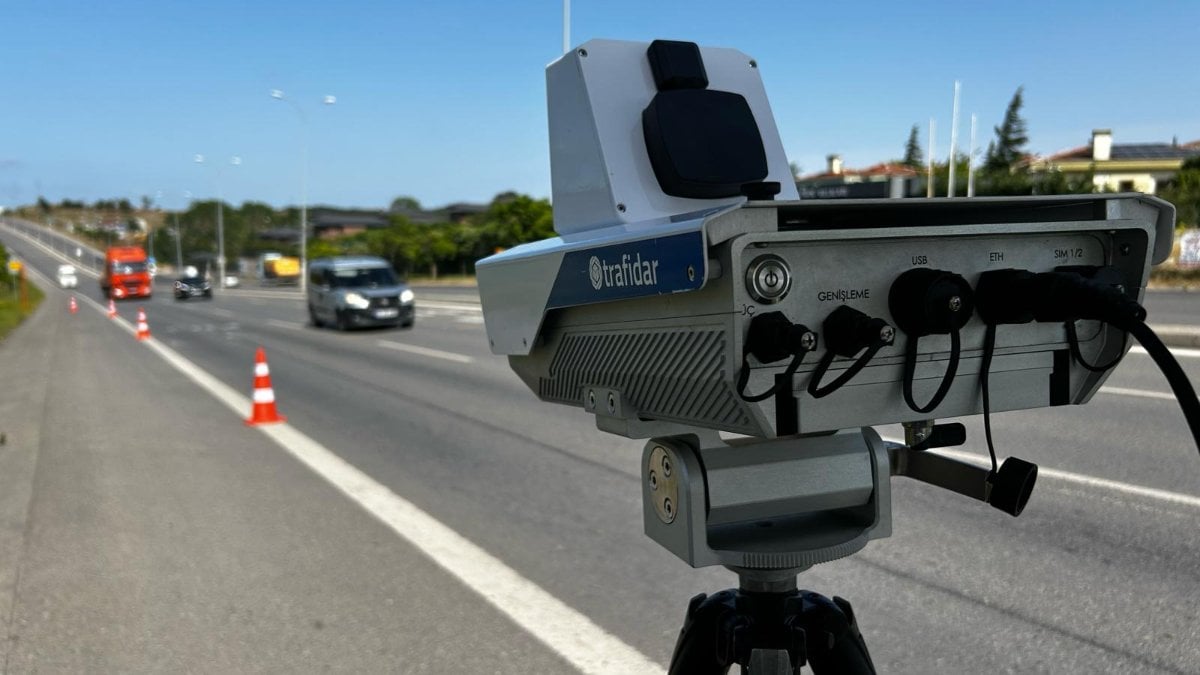
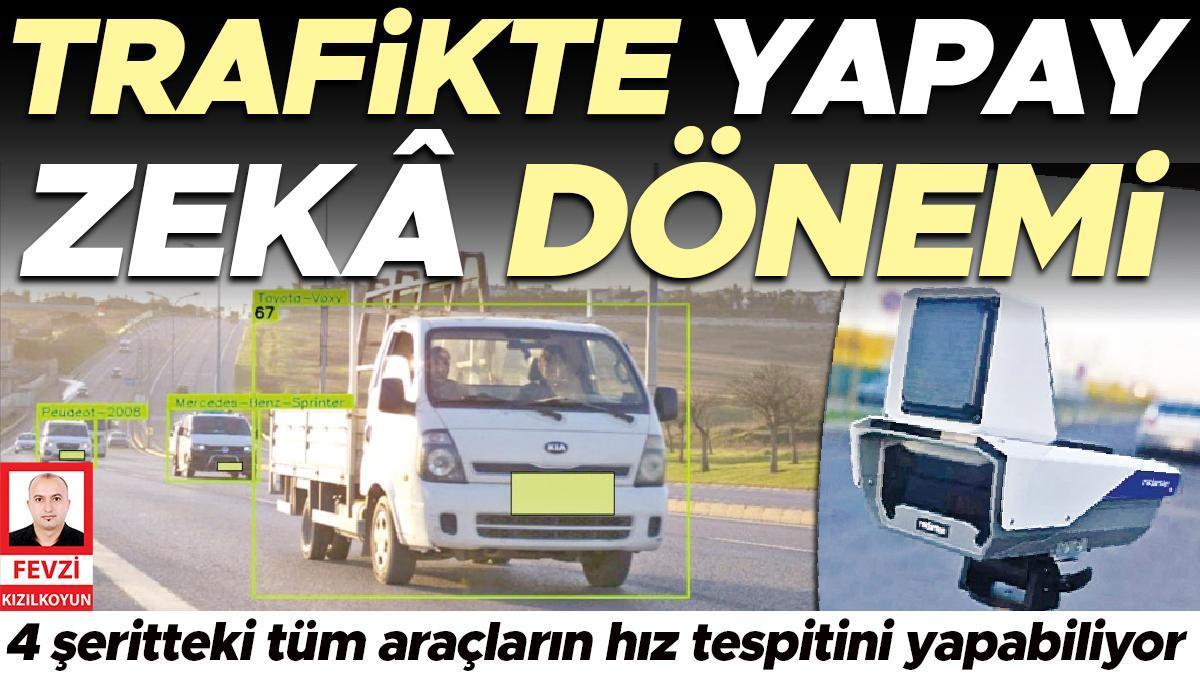
Turkey’s National Police and Defense Industry Directorate have begun deploying domestically developed AI-powered mobile radar systems that autonomously detect vehicle speeds and license plates across four lanes. Integrated with the PolNet network, these operator-free devices operate day or night in all weather, enhancing traffic enforcement since 14 June 2024.[AI generated]

Why's our monitor labelling this an incident or hazard?

The AI system is explicitly mentioned as being used to detect speeding vehicles and automatically process violations, which directly leads to penalties for drivers. This constitutes a direct use of AI causing realized harm in the form of financial penalties and enforcement actions. Although the harm is regulatory and intended to improve safety, it is a direct impact on individuals. Therefore, this qualifies as an AI Incident under the definition of harm to persons (a) through enforcement actions enabled by AI.[AI generated]

AI principles
Privacy & data governanceTransparency & explainabilityAccountabilityRobustness & digital securityDemocracy & human autonomyFairness

Industries
Government, security, and defenceMobility and autonomous vehiclesIT infrastructure and hostingDigital security

Affected stakeholders
General public

Harm types
Human or fundamental rightsEconomic/PropertyPsychological

Severity
AI incident

Business function:
Compliance and justiceMonitoring and quality control

AI system task:
Recognition/object detectionEvent/anomaly detection


Articles about this incident or hazard

Thumbnail Image

Sürücülere kötü haber: Trafikte yeni dönem başladı, bu cezalar cep yakacak

2024-06-30
En Son Haber
Why's our monitor labelling this an incident or hazard?
The AI system is explicitly mentioned as being used to detect speeding vehicles and automatically process violations, which directly leads to penalties for drivers. This constitutes a direct use of AI causing realized harm in the form of financial penalties and enforcement actions. Although the harm is regulatory and intended to improve safety, it is a direct impact on individuals. Therefore, this qualifies as an AI Incident under the definition of harm to persons (a) through enforcement actions enabled by AI.
Thumbnail Image

Sürücüler dikkat: Yeni radar sistemi cep yakacak! İşte, yeni sistem...

2024-07-02
En Son Haber
Why's our monitor labelling this an incident or hazard?
The event involves an AI system explicitly mentioned as integrated into a radar system for traffic speed enforcement. The AI system's use leads directly to financial penalties for drivers who exceed speed limits, which constitutes harm to individuals (financial harm). Therefore, this qualifies as an AI Incident because the AI system's use has directly led to harm (monetary penalties) to people. The article does not describe potential or future harm but an active system in use causing realized harm.
Thumbnail Image

Trafikte Yerli Yapay Zeka Dönemi: Cezaların Sayısı Rekor Kıracak

2024-06-30
tamindir.com
Why's our monitor labelling this an incident or hazard?
The AI system is explicitly mentioned as being used to detect speed violations autonomously and send data to traffic police, which directly contributes to reducing traffic accidents and related harms. Since the AI system's use is linked to preventing injury or harm to people by enforcing traffic laws, this qualifies as an AI Incident under the definition of harm to health. There is no indication that the system malfunctioned or caused harm; rather, it is actively preventing harm. Therefore, this event is an AI Incident due to the AI system's direct involvement in managing traffic safety and reducing harm.
Thumbnail Image

Yollarda yeni dönem: Yapay Zeka Destekli Mobil Hız Tespit Sistemi aktif

2024-07-02
En Son Haber
Why's our monitor labelling this an incident or hazard?
An AI system is explicitly involved as the speed detection system uses AI to identify speeding vehicles and send violation data without operator intervention. The use of this AI system has directly led to the detection and reporting of speeding violations, which are legal infractions and contribute to road safety. This constitutes a direct use of AI leading to enforcement actions that address a public safety issue (harm reduction). Since the system is actively used and has produced concrete outcomes (speeding violations detected and presumably penalized), this qualifies as an AI Incident under the category of harm to persons or communities by improving traffic safety and reducing accidents caused by speeding. The event does not describe a hazard or potential future harm but an active deployment with realized effects. It is not merely complementary information or unrelated news.
Thumbnail Image

Trafikte yapay zekâ dönemi

2024-06-29
Hürriyet
Why's our monitor labelling this an incident or hazard?
The system involves an AI system that processes sensor data to identify vehicle speed and type and automatically reports violations. Its use directly affects enforcement actions against drivers violating speed limits, which can impact road safety and legal compliance. However, the article does not report any harm or incident resulting from the AI system's malfunction or misuse. Instead, it describes the system's operational deployment and capabilities. Therefore, this is not an AI Incident or AI Hazard but rather complementary information about AI adoption in traffic enforcement.
Thumbnail Image

Yollarda yapay zeka dönemi başladı! Operatöre ihtiyaç duymuyor, 4 şeridi birden tespit ediyor

2024-06-29
Türkiye
Why's our monitor labelling this an incident or hazard?
The event involves an AI system explicitly described as being used for real-time traffic monitoring and enforcement, which is an AI system by definition. The system's use leads to direct legal actions against drivers violating speed limits, which can be considered a form of impact on individuals' rights and legal status. However, there is no indication of harm, malfunction, or violation of rights due to errors or misuse of the AI system. The article focuses on the deployment and operational use of the AI system rather than any incident or hazard arising from it. Therefore, this is best classified as Complementary Information, providing context and update on AI deployment in traffic enforcement without reporting an incident or hazard.
Thumbnail Image

Trafikte Devrim... Akıllı radarlar ile hız ihlallerine son!

2024-06-30
Bolu Olay
Why's our monitor labelling this an incident or hazard?
The AI system is explicitly mentioned as an AI-supported radar that detects speeding vehicles without operator intervention, leading to immediate enforcement. This use of AI directly contributes to reducing traffic violations and associated harms such as accidents and injuries. Therefore, the event involves the use of an AI system that has directly led to harm reduction (a positive impact on health and safety), which fits the definition of an AI Incident because it involves realized effects on public safety through AI use in traffic enforcement.
Thumbnail Image

Trafikte Yenilik: Yapay Zeka Çözümleri Yolda!

2024-06-29
Haber Aktüel
Why's our monitor labelling this an incident or hazard?
The article details the use of an AI system for traffic speed monitoring and enforcement but does not report any incidents of harm, rights violations, or disruptions caused by the AI system. It also does not suggest plausible future harm or risks stemming from the AI system's deployment. Therefore, the event does not meet the criteria for an AI Incident or AI Hazard. Instead, it provides information about the AI system's deployment and capabilities, which fits the definition of Complementary Information as it enhances understanding of AI applications in traffic management without reporting harm or risk.