AI Early-Warning System to Detect and Manage Seich Sou Forest Fires

Thumbnail Image

The information displayed in the AIM should not be reported as representing the official views of the OECD or of its member countries.

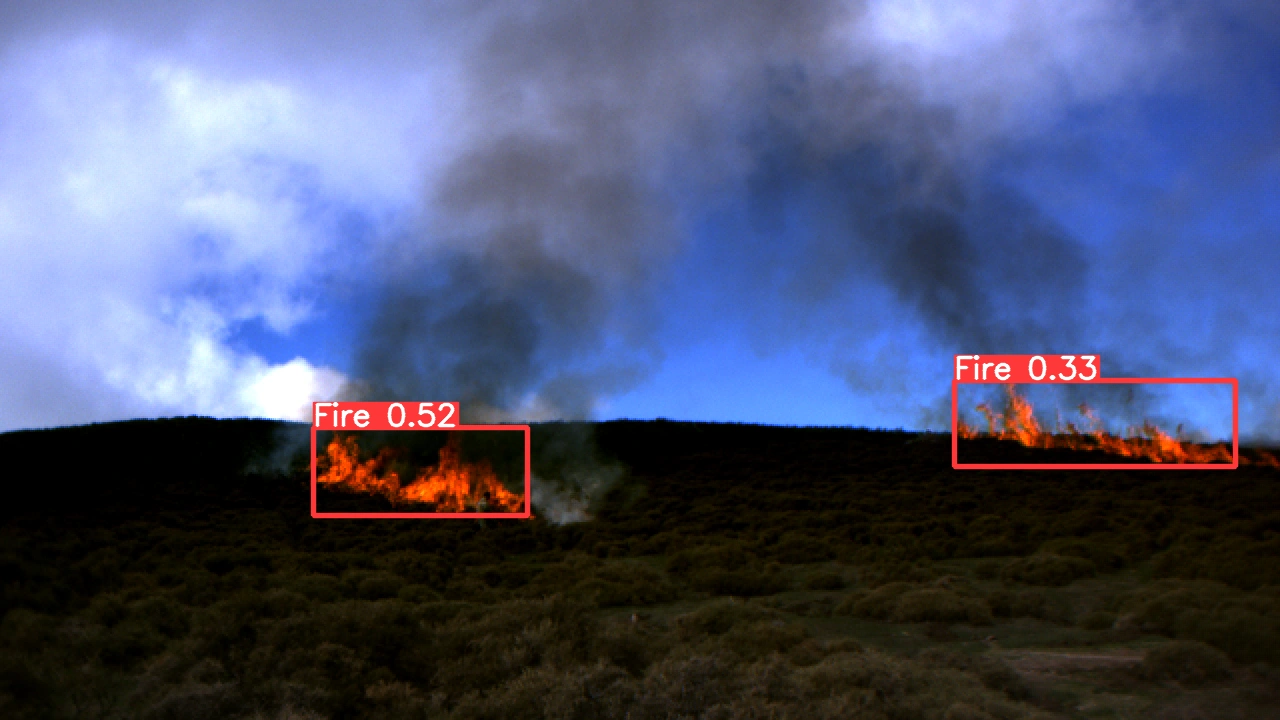
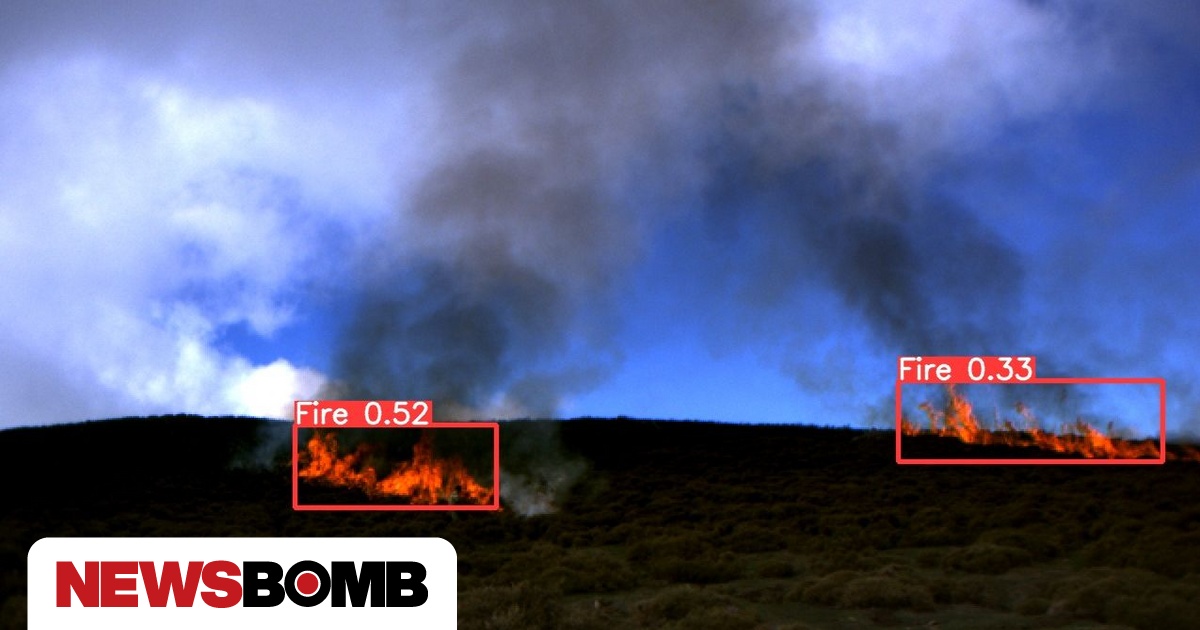
Under the EU-funded TEMPA project led by Aristotle University of Thessaloniki, researchers are integrating ground sensors, infrared drones and AI to spot emerging fires in Seich Sou. By analyzing heat, wind and topography, the system predicts flame spread, prioritizes evacuation zones and guides fire crews—though still in pilot stage.[AI generated]

Why's our monitor labelling this an incident or hazard?

The article focuses on the development and potential use of AI systems for early detection and management of forest fires, which could plausibly prevent injury, property damage, and harm to communities. However, it does not report any actual harm caused or incidents involving AI malfunction or misuse. The scenario is hypothetical and the project is ongoing research. Thus, it fits the definition of an AI Hazard, as the AI system's use could plausibly lead to preventing or managing incidents, but no incident has yet occurred.[AI generated]
AI principles
AccountabilityFairnessHuman wellbeingPrivacy & data governanceRespect of human rightsRobustness & digital securitySafetyTransparency & explainabilityDemocracy & human autonomy

Industries
Environmental servicesGovernment, security, and defenceRobots, sensors, and IT hardwareIT infrastructure and hostingDigital securityLogistics, wholesale, and retail

Harm types
Physical (injury)Physical (death)EnvironmentalEconomic/PropertyPsychologicalPublic interestHuman or fundamental rightsReputational

Severity
AI hazard

Business function:
Monitoring and quality controlLogisticsResearch and developmentCitizen/customer service

AI system task:
Recognition/object detectionEvent/anomaly detectionForecasting/predictionReasoning with knowledge structures/planningGoal-driven organisation


Articles about this incident or hazard

Thumbnail Image

Έρχονται τα "άγρυπνα μάτια" της τεχνητής νοημοσύνης για την προστασία του Σέιχ Σου από φωτιές

2024-07-12
newsbomb.gr
Why's our monitor labelling this an incident or hazard?
The article focuses on the development and pilot testing of AI-based technologies for emergency management, specifically for forest fire and flood monitoring and prediction. It does not report any actual harm or malfunction caused by AI systems. Instead, it highlights the potential benefits and challenges of deploying such AI systems. Since no harm has occurred and the AI involvement is in the context of preventing or managing emergencies, this fits the definition of Complementary Information, providing context and updates on AI applications and governance in emergency response.
Thumbnail Image

Πώς θα μπορούσε να βοηθήσει η Τεχνητή Νοημοσύνη, αν άρπαζε φωτιά το Σέιχ Σου: Έρευνα ΑΠΘ

2024-07-12
CNN.gr
Why's our monitor labelling this an incident or hazard?
The article focuses on the development and potential use of AI systems for early detection and management of forest fires, which could plausibly prevent injury, property damage, and harm to communities. However, it does not report any actual harm caused or incidents involving AI malfunction or misuse. The scenario is hypothetical and the project is ongoing research. Thus, it fits the definition of an AI Hazard, as the AI system's use could plausibly lead to preventing or managing incidents, but no incident has yet occurred.
Thumbnail Image

Έρευνα ΑΠΘ: Πώς θα μπορούσε να βοηθήσει η Τεχνητή Νοημοσύνη, αν άρπαζε φωτιά το Σέιχ Σου;

2024-07-15
ekriti
Why's our monitor labelling this an incident or hazard?
The article focuses on a research project exploring AI applications for emergency management, specifically wildfire response. It presents a hypothetical scenario illustrating how AI could help in real situations but does not report any realized harm or incident caused by AI. The AI involvement is in development and intended use to prevent harm, not causing or contributing to harm. Therefore, this qualifies as an AI Hazard, as the AI system's use could plausibly lead to preventing or managing incidents, but no incident has yet occurred.
Thumbnail Image

Θεσσαλονίκη: Πώς θα βοηθούσε η Τεχνητή Νοημοσύνη, αν άρπαζε φωτιά το Σέιχ Σου; | Parallaxi Magazine

2024-07-12
Parallaxi Magazine
Why's our monitor labelling this an incident or hazard?
The article focuses on the potential and development of AI systems for emergency response, specifically forest fire detection and management. It presents a hypothetical fire scenario to illustrate how AI could help but does not report any actual fire or harm caused or prevented by AI. The involvement of AI is in the development and intended use phase, with plausible future benefits and risk mitigation. Since no harm or incident has occurred, and the main content is about ongoing research and potential applications, this fits the definition of an AI Hazard rather than an AI Incident or Complementary Information. It is not unrelated because AI systems are central to the scenario and project described.