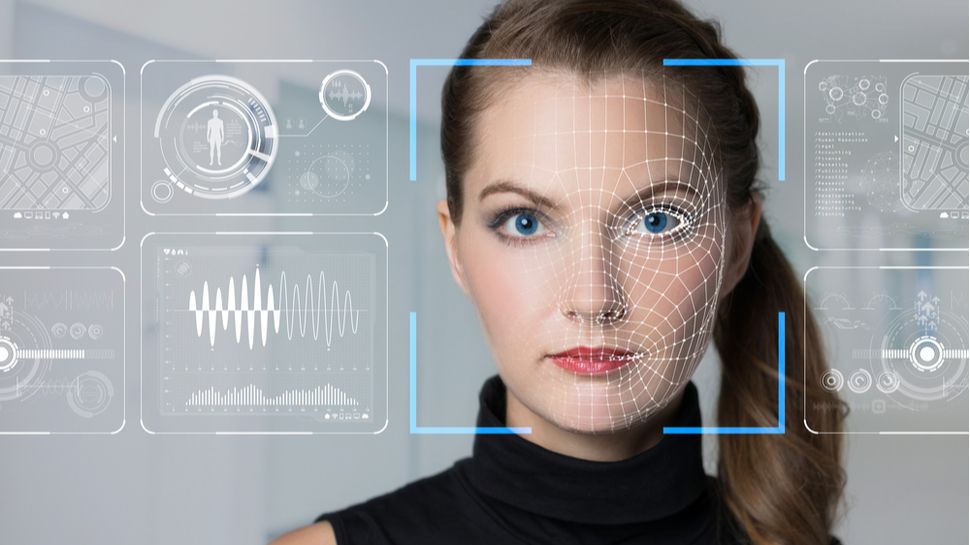
Deepfake Pornography Sparks Legal and Protective Measures

Thumbnail Image

The information displayed in the AIM should not be reported as representing the official views of the OECD or of its member countries.

The rise of AI-generated deepfake pornography, predominantly targeting women, has led to significant privacy violations and human rights concerns. High-profile cases, such as those involving Holly Willoughby and Taylor Swift, highlight the issue's severity. Governments are preparing tougher laws to penalize offenders, while a protection industry emerges to combat this misuse of AI technology.[AI generated]

Why's our monitor labelling this an incident or hazard?

Deepfake creation and deployment by malicious actors has directly led to scams and political disinformation campaigns in India, causing tangible harm. This constitutes an AI Incident because the development and use of AI systems (deepfake generation) have already produced real-world harms in the categories of community harm, fraud, and rights violation.[AI generated]
AI principles
Privacy & data governanceRespect of human rightsSafetyFairnessAccountabilityRobustness & digital securityTransparency & explainabilityHuman wellbeing

Industries
Media, social platforms, and marketingDigital securityGovernment, security, and defenceConsumer services

Affected stakeholders
Women

Harm types
Human or fundamental rightsPsychologicalReputational

Severity
AI incident

AI system task:
Content generationRecognition/object detection


Articles about this incident or hazard

Thumbnail Image

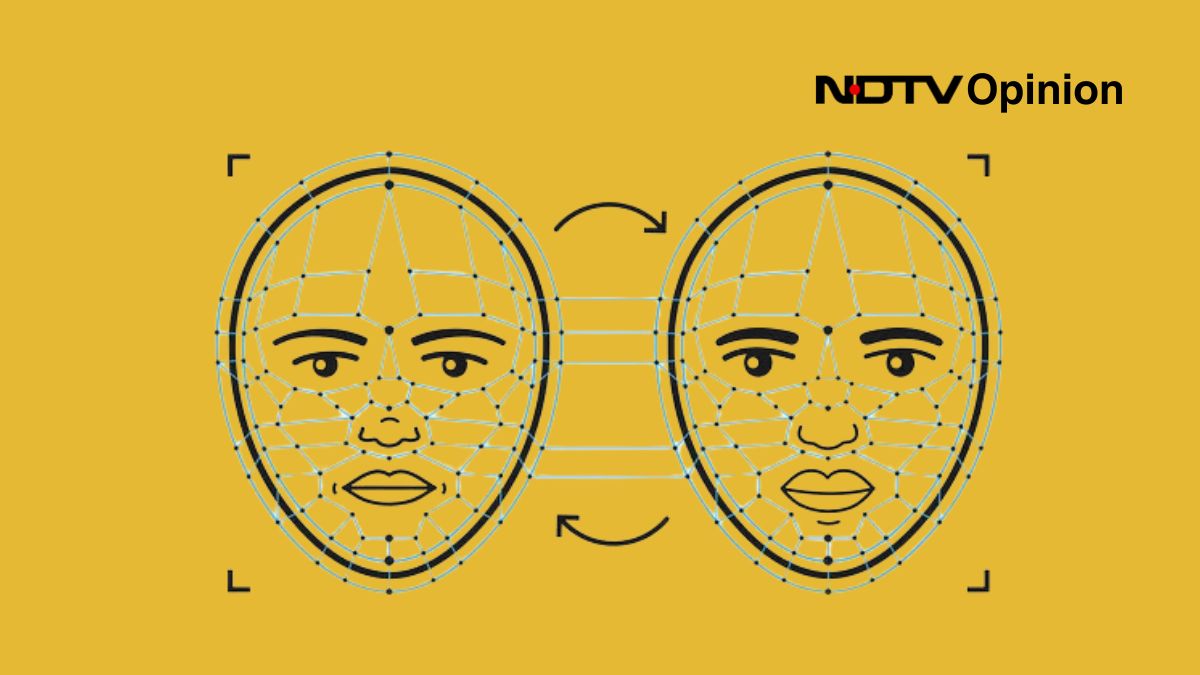
Opinion: Opinion | From Misinformation To Fraud, The Alarming Rise Of Deepfakes In India

2024-07-17
NDTV
Why's our monitor labelling this an incident or hazard?
Deepfake creation and deployment by malicious actors has directly led to scams and political disinformation campaigns in India, causing tangible harm. This constitutes an AI Incident because the development and use of AI systems (deepfake generation) have already produced real-world harms in the categories of community harm, fraud, and rights violation.
Thumbnail Image

With Deepfake Porn on the Rise, a Protection Industry Emerges

2024-07-15
IEEE Spectrum: Technology, Engineering, and Science News
Why's our monitor labelling this an incident or hazard?
While the article describes real harms from deepfake porn (e.g., Taylor Swift images, election-related deepfakes), its primary focus is on the development of protective AI tools and the patchwork of regulations targeting non-consensual intimate imagery. It does not report a new, discrete incident or hazard but rather documents industry and policy responses to an ongoing problem, fitting the definition of Complementary Information.
Thumbnail Image

Deepfake victims' hell as ministers prepare tough laws to jail offenders

2024-07-13
Mirror
Why's our monitor labelling this an incident or hazard?
Deepfake porn uses AI to create non-consensual sexual images of real people, constituting direct harm (privacy violation, psychological trauma, sexual violence). The article details multiple incidents, victims’ experiences, and ongoing distributions, making this an AI Incident rather than a potential hazard or merely complementary information.
Thumbnail Image

Scam alert: deepfake videos are on the rise - Which? News

2024-07-17
Which?
Why's our monitor labelling this an incident or hazard?
The report documents real instances where AI systems were used to create deepfake videos of celebrities and private individuals to defraud people out of money. These deepfake scams have directly harmed victims (financial loss) and involve malicious AI use. Therefore, it constitutes an AI Incident.
Thumbnail Image

'Deepfake porn is a danger towards women - not an innocent fantasy'

2024-07-16
Glamour UK
Why's our monitor labelling this an incident or hazard?
Deepfake porn is produced by generative AI, and its non-consensual creation and sharing has directly enabled image-based sexual abuse and the planning of violent crimes (rape, kidnapping, murder) against women. The AI’s misuse has led to concrete harms (psychological, reputational, and threats to physical safety), meeting the definition of an AI Incident.
Thumbnail Image

Why deepfakes are set to be one of 2024's biggest cyber security dangers

2024-07-16
TechRadar
Why's our monitor labelling this an incident or hazard?
The article explicitly describes multiple instances where AI systems generating deepfake audio and video have directly led to harms including financial losses, operational disruption, and reputational damage. These harms fall under the definitions of AI Incidents because the AI system's use has directly caused injury to organizations (financial harm), harm to communities (misinformation and reputational damage), and operational disruption. The article also discusses the potential for future harms and mitigation strategies, but the presence of concrete examples of realized harm classifies this as an AI Incident rather than a hazard or complementary information.
Thumbnail Image

Legal framework for artificial intelligence: What are the statutory protections against deepfakes?

2024-07-16
Lexology
Why's our monitor labelling this an incident or hazard?
The article focuses on the legal and regulatory context surrounding deepfakes, an AI technology capable of causing significant harms such as privacy violations and fraud. However, it does not describe a concrete AI Incident (no specific harm event), nor does it present a new AI Hazard (no imminent or plausible future harm event). Instead, it discusses statutory protections and legislative developments, which constitute Complementary Information by providing context and governance responses to AI-related harms. Therefore, the classification is Complementary Information.