EU Antitrust Regulators Probe Google-Samsung AI Deal for Anti-Competitive Risks

Thumbnail Image

The information displayed in the AIM should not be reported as representing the official views of the OECD or of its member countries.

EU antitrust regulators are probing Google’s multi-year deal to embed the Gemini Nano AI model in Samsung’s Galaxy S24 devices, investigating whether it hinders rival chatbots, limits interoperability or restricts pre-installation of competing AI systems, potentially harming market competition and consumer choice if found anti-competitive.[AI generated]

Why's our monitor labelling this an incident or hazard?

The article involves an AI system (Google's generative AI chatbot Gemini Nano) embedded in Samsung devices. The regulators' inquiry concerns whether this deal limits rivals' ability to compete, which could constitute a violation of competition law and harm to market fairness and innovation. However, the article does not report any realized harm or confirmed anti-competitive outcome yet; it focuses on the investigation and potential effects. Therefore, this is a plausible risk of harm (anti-competitive practices) related to AI system use, fitting the definition of an AI Hazard rather than an AI Incident or Complementary Information.[AI generated]
AI principles
FairnessAccountabilityTransparency & explainabilityDemocracy & human autonomy

Industries
Consumer productsMedia, social platforms, and marketingIT infrastructure and hosting

Affected stakeholders
ConsumersBusiness

Harm types
Economic/PropertyPublic interest

Severity
AI hazard

Business function:
Citizen/customer serviceMarketing and advertisement

AI system task:
Interaction support/chatbotsContent generation


Articles about this incident or hazard

Thumbnail Image

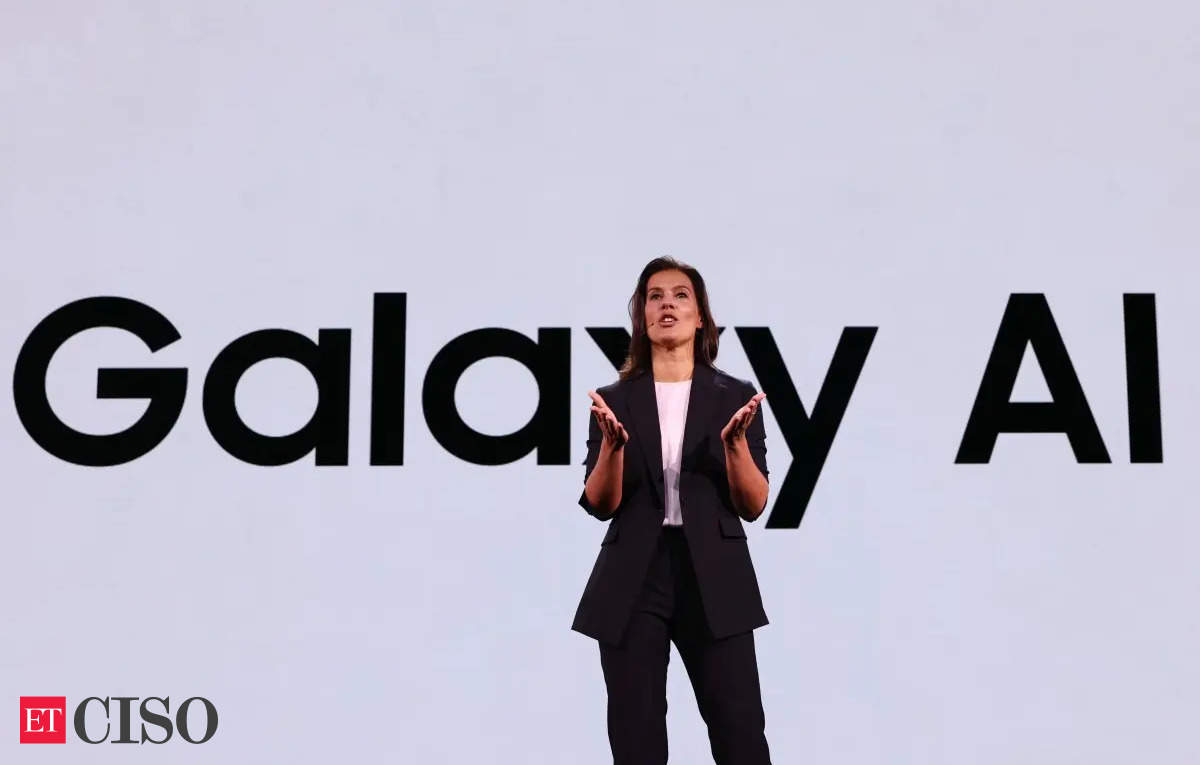
EU antitrust regulators want to know if Google and Samsung's chatbot deal hinders rivals - ET CISO

2024-07-18
ETCISO.in
Why's our monitor labelling this an incident or hazard?
The article discusses a regulatory inquiry into the competitive effects of integrating an AI chatbot into consumer devices. There is no direct or indirect harm reported from the AI system's use or malfunction, nor is there a plausible future harm explicitly stated. The focus is on potential anti-competitive practices and the regulatory response, which fits the definition of Complementary Information as it provides context and governance developments related to AI.
Thumbnail Image

EU antitrust regulators want to know if Google and Samsung's chatbot deal hinders rivals

2024-07-17
Aol
Why's our monitor labelling this an incident or hazard?
The article involves an AI system (Google's generative AI chatbot Gemini Nano) embedded in Samsung devices. The regulators' inquiry concerns whether this deal limits rivals' ability to compete, which could constitute a violation of competition law and harm to market fairness and innovation. However, the article does not report any realized harm or confirmed anti-competitive outcome yet; it focuses on the investigation and potential effects. Therefore, this is a plausible risk of harm (anti-competitive practices) related to AI system use, fitting the definition of an AI Hazard rather than an AI Incident or Complementary Information.
Thumbnail Image

EU antitrust regulators seek if Google and Samsung's chatbot deal hinders rivals

2024-07-17
The Indian Express
Why's our monitor labelling this an incident or hazard?
The article involves AI systems (generative AI chatbots) and concerns their use and market deployment. However, it does not describe any realized harm or incident caused by these AI systems, nor does it report a direct or indirect harm resulting from their deployment. Instead, it focuses on a regulatory investigation assessing potential anti-competitive behavior, which is a governance and societal response to AI deployment. Therefore, this is Complementary Information as it provides context and updates on governance actions related to AI but does not report an AI Incident or AI Hazard.
Thumbnail Image

EU Antitrust Regulators Want to Know if Google and Samsung's Chatbot Deal Hinders Rivals

2024-07-17
U.S. News & World Report
Why's our monitor labelling this an incident or hazard?
The article explicitly involves an AI system (Google's Gemini Nano generative AI chatbot) integrated into Samsung smartphones. The EU regulators' investigation focuses on whether this AI system's pre-installation limits other AI chatbots' market access, which could plausibly lead to anti-competitive harm (a violation of competition law and potentially harm to market fairness). Since no actual harm or incident is reported yet, but a credible risk is under investigation, the event fits the definition of an AI Hazard rather than an AI Incident or Complementary Information. It is not unrelated because it directly concerns AI system deployment and its market effects.
Thumbnail Image

EU Antitrust Regulators Investigating If Google & Samsung's Chatbot Kills Competition

2024-07-19
english
Why's our monitor labelling this an incident or hazard?
The article involves AI systems (AI chatbots) and concerns the use of AI technology in a commercial context. However, it does not describe any realized harm or incident caused by the AI systems themselves. Instead, it reports on a regulatory investigation into possible anti-competitive behavior that could plausibly lead to harm to competition and consumer choice in the future. Therefore, this qualifies as an AI Hazard, since the AI system's deployment and business arrangements could plausibly lead to harm (reduced competition and innovation), but no direct or indirect harm has yet occurred or been confirmed.
Thumbnail Image

EU antitrust regulators want to know if Google and Samsung's chatbot deal hinders rivals

2024-07-17
ThePrint
Why's our monitor labelling this an incident or hazard?
The article discusses a regulatory inquiry into the competitive effects of an AI system deal, focusing on whether the deal hinders rivals. There is no direct or indirect harm caused by the AI system itself reported, nor is there a plausible future harm from the AI system's malfunction or misuse described. Instead, this is a governance and market oversight action related to AI deployment, providing context and updates on AI ecosystem developments without reporting a specific AI Incident or Hazard.
Thumbnail Image

EU Antitrust Regulators Probe Google-Samsung AI Deal for Potential Anti-Competitive Practices

2024-07-17
PYMNTS.com
Why's our monitor labelling this an incident or hazard?
The article involves an AI system (Google's generative AI tool Gemini Nano) and concerns its use in Samsung smartphones. The event stems from the use and market integration of this AI system. However, the investigation is currently prospective, aiming to determine if anti-competitive practices exist or could arise. There is no indication that any harm (such as violation of rights or harm to communities) has yet occurred. Therefore, this situation represents a plausible risk of harm to competition and market fairness due to AI system deployment, fitting the definition of an AI Hazard rather than an AI Incident or Complementary Information. It is not unrelated because AI is central to the issue.
Thumbnail Image

European Commission Asking Competitors About Effects of Google-Samsung AI Deal

2024-07-18
PYMNTS.com
Why's our monitor labelling this an incident or hazard?
The event involves AI systems explicitly (Google's Gemini Nano AI model and other generative AI systems) and concerns their use and market distribution. However, there is no direct or indirect harm reported yet; rather, the European Commission is gathering information to assess potential anti-competitive effects. This constitutes a societal and governance response to AI-related market practices, aiming to ensure fair competition and consumer choice. Therefore, it fits the definition of Complementary Information, as it provides context and updates on regulatory scrutiny without reporting an actual AI Incident or AI Hazard.
Thumbnail Image

Google's AI Deal with Samsung Faces EU Antitrust Scrutiny Over Chatbot Competition Concerns - EconoTimes

2024-07-18
EconoTimes
Why's our monitor labelling this an incident or hazard?
The article focuses on the EU's antitrust inquiry into a commercial AI agreement and its potential impact on market competition. While the AI system (Google's Gemini Nano chatbot) is explicitly involved, the event concerns a regulatory examination of possible future anti-competitive harm rather than an actual harm or incident caused by the AI system. There is no indication that any harm has occurred yet, only that the EU is investigating whether the deal could limit competition. Therefore, this qualifies as an AI Hazard because it plausibly could lead to harm (restriction of competition, which can be considered harm to communities or market fairness) but no harm has been confirmed or realized at this stage.
Thumbnail Image

European Commission questions Google-Samsung AI deal - ExBulletin

2024-07-18
ExBulletin
Why's our monitor labelling this an incident or hazard?
The event involves an AI system (Google's Gemini Nano AI model) and concerns its use in Samsung devices. The European Commission's investigation is about potential anti-competitive effects that could plausibly lead to harm by limiting market access for other AI systems, which could harm competition and consumer choice. Since no realized harm is described, but there is a credible risk of future harm, this qualifies as an AI Hazard. The article does not describe an actual AI Incident or realized harm, nor is it merely complementary information or unrelated news.
Thumbnail Image

Google's Gemini Nano AI deal with Samsung on EU antitrust radar - Sammy Fans

2024-07-18
Sammy Fans
Why's our monitor labelling this an incident or hazard?
The article explicitly involves an AI system (Google's Gemini Nano AI) integrated into Samsung devices. The EU's investigation concerns whether this AI deal restricts competition and interoperability, which could plausibly lead to violations of competition law and harm to market fairness, a form of harm to communities and economic rights. However, no actual harm or incident is reported yet; the investigation is prospective and exploratory. Therefore, this event fits the definition of an AI Hazard, as it plausibly could lead to an AI Incident if anti-competitive practices are confirmed, but no direct or indirect harm has yet occurred or been documented.