Figma's AI Tool Withdrawn After Copying Apple's App Designs

Thumbnail Image

The information displayed in the AIM should not be reported as representing the official views of the OECD or of its member countries.

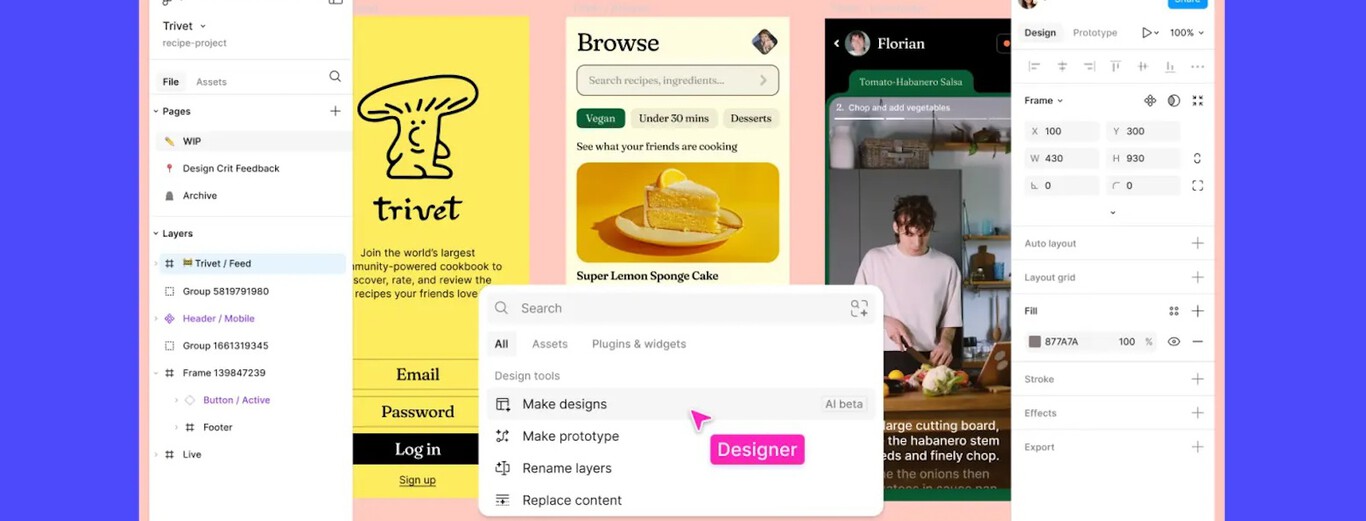
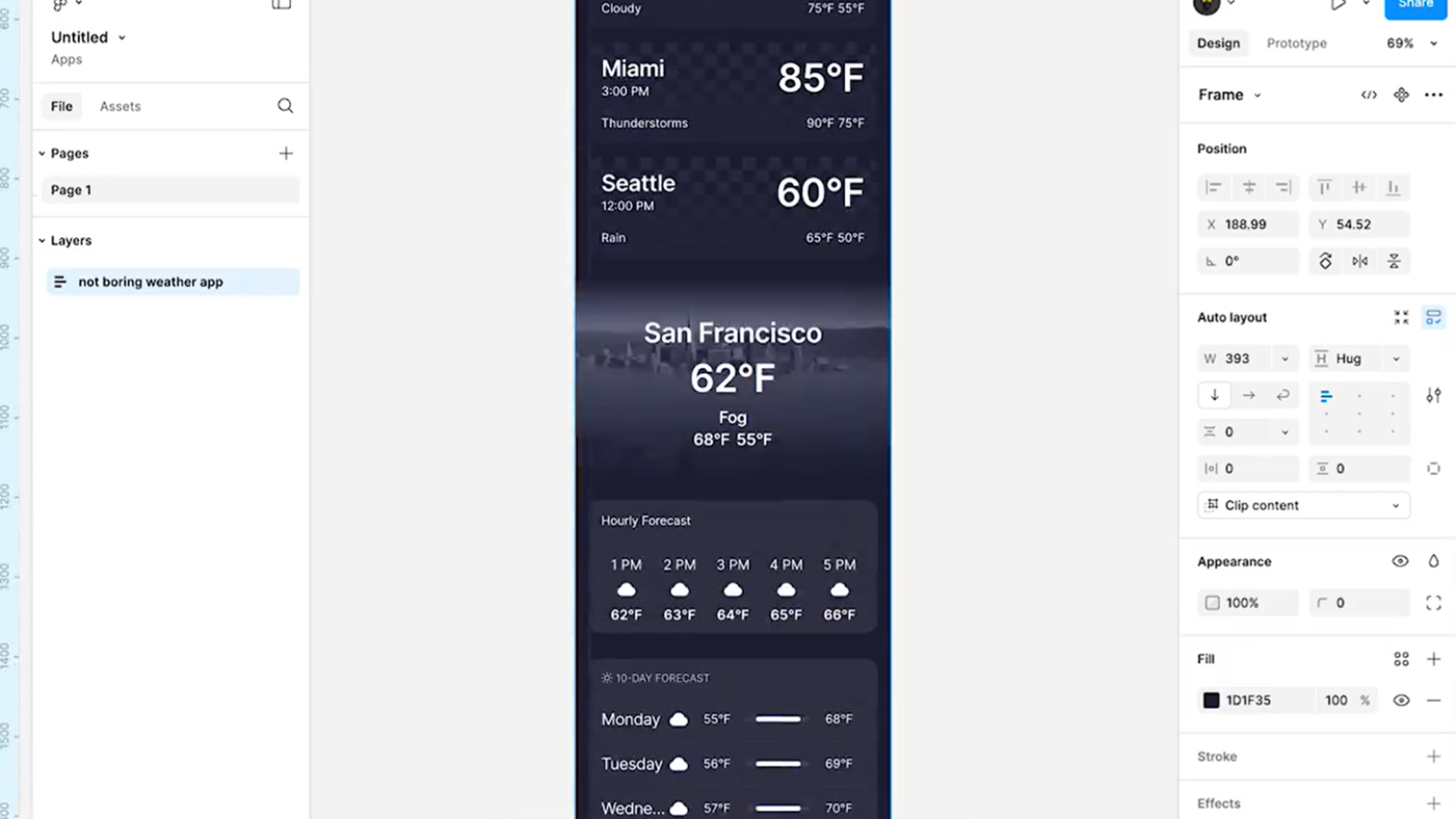
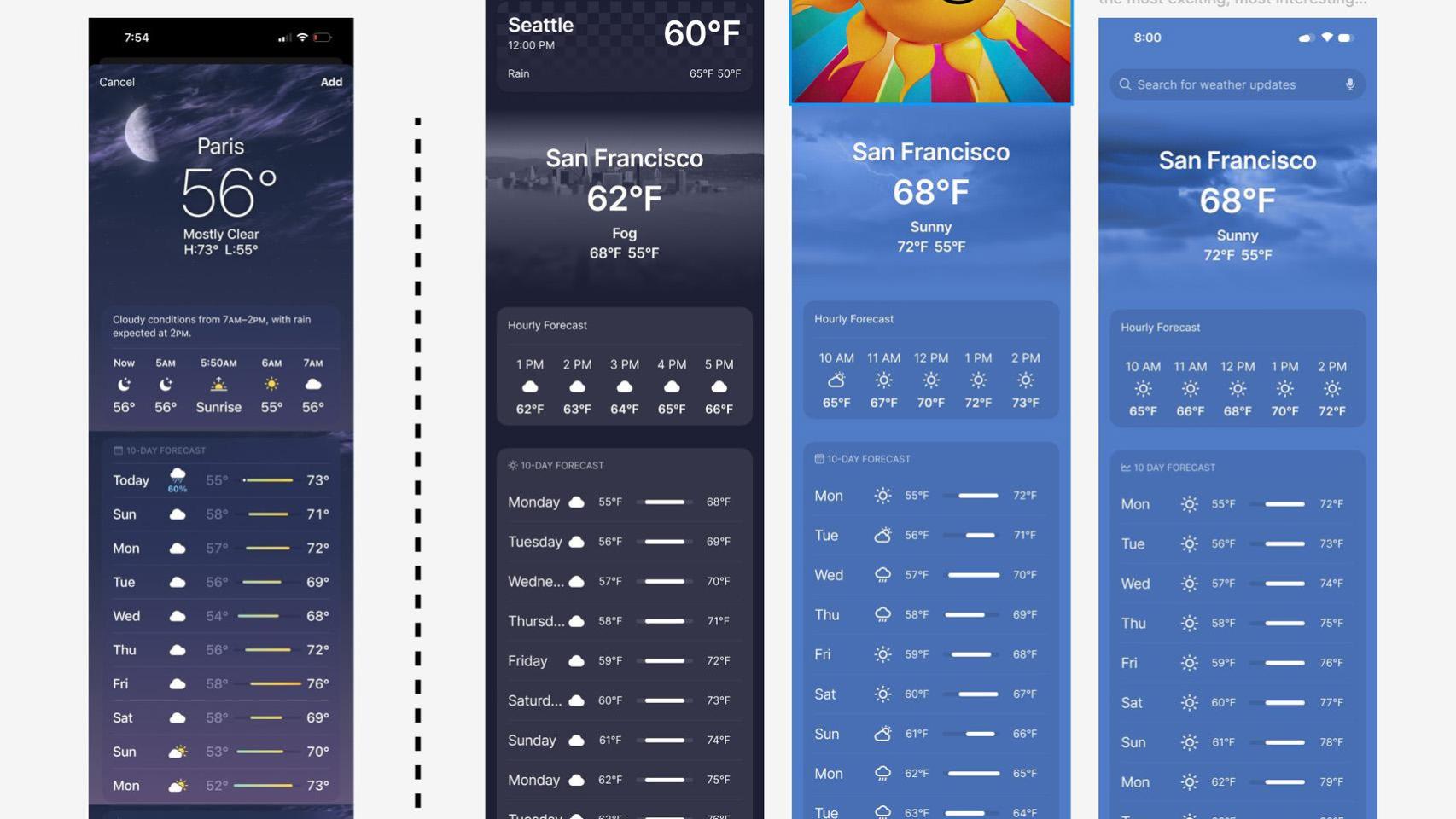
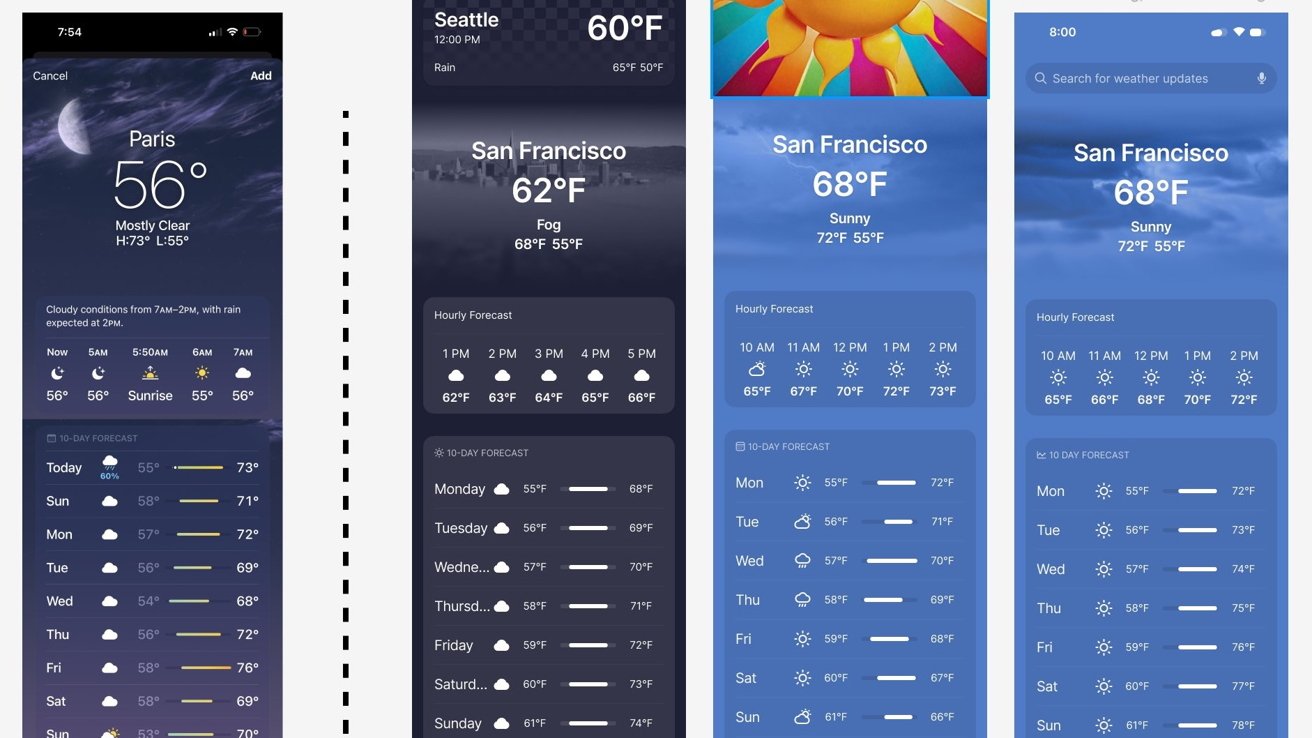
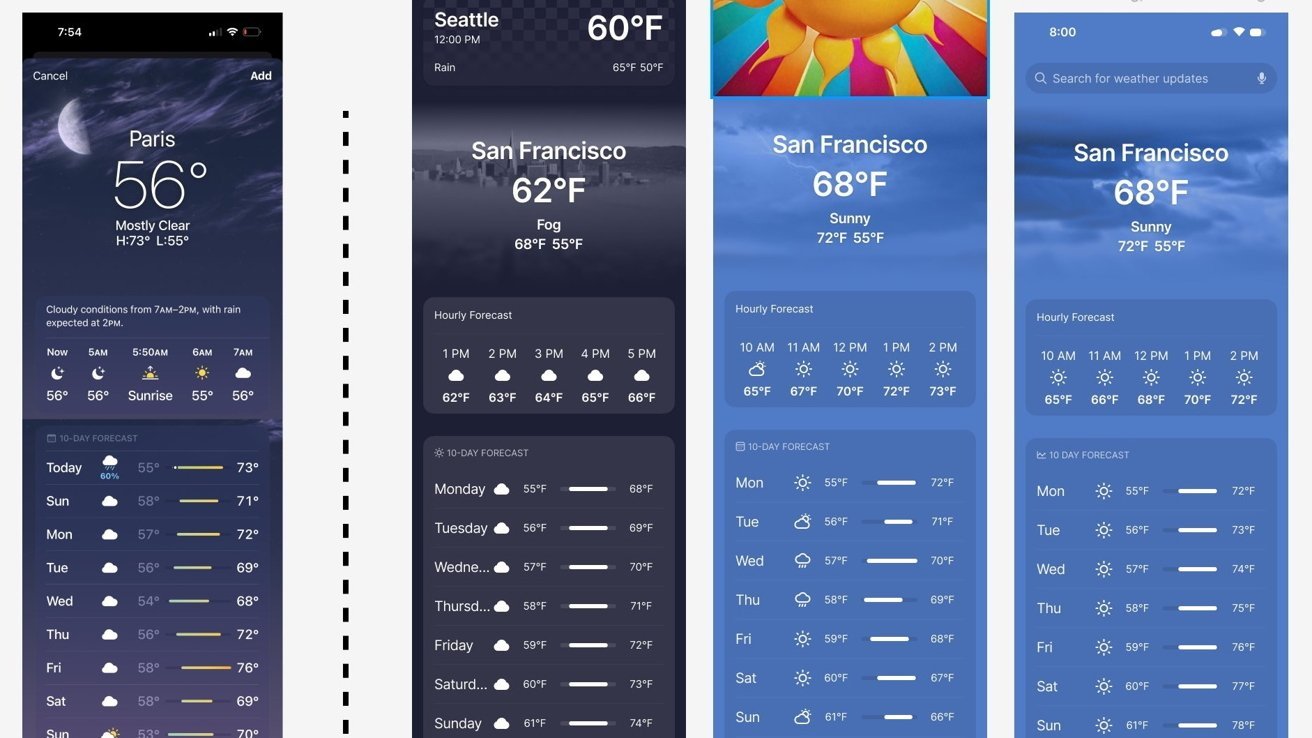
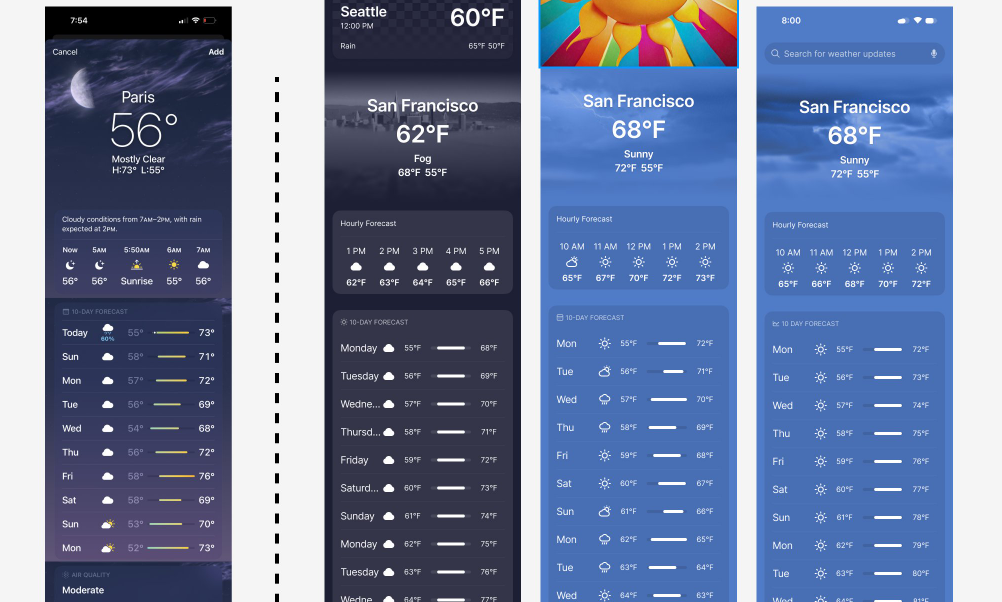
Figma withdrew its AI tool "Make Designs" after it was found to generate designs similar to Apple's apps, raising intellectual property concerns. The tool used models like OpenAI GPT-4o and Amazon Titan without additional training, leading to unintentional copying. Figma acknowledged insufficient testing before launch.[AI generated]

Why's our monitor labelling this an incident or hazard?

Figma AI directly generated designs that clone existing proprietary Apple interfaces, constituting a violation of intellectual property rights. This is a realized harm caused by the AI system’s outputs, fitting the definition of an AI Incident.[AI generated]
AI principles
AccountabilityTransparency & explainabilityRobustness & digital securitySafety

Industries
Media, social platforms, and marketingArts, entertainment, and recreation

Affected stakeholders
Business

Harm types
Economic/PropertyReputational

Severity
AI incident

Business function:
Research and development

AI system task:
Content generation

In other databases

Articles about this incident or hazard

Thumbnail Image

"Es mi culpa por presionar al equipo": el CEO de Figma retira su IA tras ver que clonaba literalmente diseños de Apple

2024-07-03
Genbeta
Why's our monitor labelling this an incident or hazard?
Figma AI directly generated designs that clone existing proprietary Apple interfaces, constituting a violation of intellectual property rights. This is a realized harm caused by the AI system’s outputs, fitting the definition of an AI Incident.
Thumbnail Image

Figma desactiva la función que copiaba el diseño de la app del Tiempo de Apple: así corregirá el problema

2024-07-03
El Español
Why's our monitor labelling this an incident or hazard?
Figma AI’s generative design tool produced outputs substantially similar to a protected Apple interface, constituting a breach of intellectual property rights. This is a realized harm stemming directly from the AI system’s outputs, fulfilling the criteria for an AI Incident (violation of copyright).
Thumbnail Image

Copiaron diseño a Apple: CEO de Figma pide disculpas por presionar a su equipo

2024-07-03
Merca2.0 Magazine
Why's our monitor labelling this an incident or hazard?
The generative AI system produced outputs that infringe on Apple’s intellectual property rights, constituting a realized violation of IP law. This meets the definition of an AI Incident, as the AI’s use directly led to harm (copyright infringement and legal exposure).
Thumbnail Image

Esta app para generar diseños con IA se fija demasiado en Apple y desata la polémica en redes sociales

2024-07-02
El Español
Why's our monitor labelling this an incident or hazard?
Figma AI is an AI system generating design outputs based on user prompts. The article highlights that its outputs closely mimic Apple's copyrighted app designs, likely because it uses official Apple design kits as part of its training or resources. This implicates a violation of intellectual property rights, which is a recognized harm under the AI Incident definition (c). The harm is indirect but materialized in the AI-generated designs that could lead to legal issues or rights violations. Therefore, this qualifies as an AI Incident due to the realized violation of intellectual property rights through the AI system's outputs.
Thumbnail Image

IA plagia diseño de Apple para aplicación del clima

2024-07-03
Ecos Diarios
Why's our monitor labelling this an incident or hazard?
The AI system (Make Designs) produced outputs that directly replicated Apple's weather app design, which constitutes a violation of intellectual property rights. The event involves the use of AI systems (GPT-4 and Titan Image Generator) and the harm (plagiarism) has already occurred, as evidenced by the copied design being generated multiple times. The company's response to disable the feature and acknowledge the issue confirms the incident's materialization. Hence, this is an AI Incident due to the AI system's use leading to a breach of intellectual property rights.
Thumbnail Image

Figma desactiva su función de diseño de IA que parecía estar copiando la aplicación Weather de Apple - Notiulti

2024-07-02
Notiulti
Why's our monitor labelling this an incident or hazard?
The event involves an AI system ('Make Design') that generates UI designs based on text prompts. The system's outputs have been found to closely replicate existing proprietary designs, which constitutes a violation of intellectual property rights, a form of harm under the AI Incident definition. The harm is realized as the AI system's use has directly led to potential legal and ethical issues. Therefore, this qualifies as an AI Incident rather than a hazard or complementary information.
Thumbnail Image

Read more

2024-07-02
esdelatino.com
Why's our monitor labelling this an incident or hazard?
An AI system (Figma's generative AI tool) was involved in producing content that closely resembled existing copyrighted material, which raises concerns about intellectual property rights violations. However, the article does not indicate that the tool was deployed widely or caused actual harm beyond the resemblance issue, nor does it mention any legal action or realized harm. The main focus is on the company's response and removal of the tool, which is a mitigation step. Therefore, this is best classified as Complementary Information, as it provides an update on AI tool development and response to potential issues rather than describing a realized AI Incident or a plausible future hazard.
Thumbnail Image

Read more

2024-07-03
esdelatino.com
Why's our monitor labelling this an incident or hazard?
An AI system is explicitly involved: Figma's 'Make Design' feature uses large language models and AI to generate UI designs from text prompts. The incident involves the use of this AI system leading to potential violation of intellectual property rights (a breach of applicable law protecting intellectual property). Although no legal harm has yet been realized, the reproduction of existing app designs poses a direct risk of legal harm and reputational damage. Figma's decision to disable the feature pending quality control indicates recognition of this risk. Therefore, this event constitutes an AI Incident due to the realized use of AI leading to potential legal harm and the need for remediation.
Thumbnail Image

Read more

2024-07-04
esdelatino.com
Why's our monitor labelling this an incident or hazard?
The event describes a harm related to intellectual property rights due to the AI system generating plagiarized designs, which constitutes a violation of intellectual property rights under the AI Incident definition. The AI system's use directly led to this harm, and the company acknowledges the problem and is taking steps to fix it. Therefore, this qualifies as an AI Incident.
Thumbnail Image

Copying claims lead to shutdown of Figma's primary design tool

2024-07-07
AppleInsider
Why's our monitor labelling this an incident or hazard?
An AI system (Figma’s Make Design tool) directly generated output that replicates proprietary content, causing a breach of Apple’s intellectual property rights. This constitutes a realized harm under the definition of an AI Incident: violation of intellectual property law due to the AI’s use or malfunction in producing copied app designs.
Thumbnail Image

Figma Disables This AI Feature Which Looks Like A Copy Of Apple Weather App

2024-07-08
News18
Why's our monitor labelling this an incident or hazard?
The event involves an AI system (Make Designs feature using LLMs and image generators) whose outputs have raised concerns about possible copyright infringement, which is a violation of intellectual property rights. However, the feature has been disabled before any reported legal harm or incident occurred. Therefore, this situation represents a plausible risk of harm (legal issues) due to the AI system's outputs, but no realized harm has been reported yet. Hence, it qualifies as an AI Hazard rather than an AI Incident. The company's response and temporary disabling of the feature also indicate mitigation efforts but do not constitute complementary information since the main focus is on the potential harm from the AI system's outputs.
Thumbnail Image

Figma disables AI-powered 'Make Design' feature after Weather app rip-off - iPhone Discussions on AppleInsider Forums

2024-07-07
AppleInsider Forums
Why's our monitor labelling this an incident or hazard?
The event involves an AI system ('Make Design') that generated outputs closely resembling Apple's Weather app, indicating a failure in the AI's design or training process. This has led to accusations of unauthorized use of proprietary design elements, which constitutes a violation of intellectual property rights, a form of harm under the AI Incident definition. The AI system's malfunction (producing near-duplicate designs) directly led to this harm, and the company has responded by disabling the feature to mitigate further issues. Therefore, this qualifies as an AI Incident due to realized harm related to intellectual property rights violations.
Thumbnail Image

Figma Suspends AI Design Tool Amid Controversy Over Apple App Similarity - Blockonomi

2024-07-08
Blockonomi
Why's our monitor labelling this an incident or hazard?
The event involves an AI system (Figma's AI-powered design tool) whose outputs have caused controversy due to similarity with existing copyrighted designs, implying potential intellectual property rights violations. Although no confirmed legal breach or harm has occurred, the risk of such harm is credible and the company has suspended the feature to mitigate it. This situation represents a plausible risk of harm stemming from the AI system's use, fitting the definition of an AI Hazard rather than an AI Incident, as the harm is potential and not yet realized.
Thumbnail Image

Figma Temporarily Disables AI Feature After Accusations of Copying Apple's Weather App Design

2024-07-09
The Mac Observer
Why's our monitor labelling this an incident or hazard?
The AI system is explicitly mentioned (Figma's Make Designs AI feature). The issue stems from the AI's use (generation of designs) and the controversy relates to possible copyright infringement, which would be a violation of intellectual property rights (a form of harm under AI Incident definition). However, since the article only reports accusations and the company's denial, with no confirmed legal or rights violation or harm realized, and the feature is disabled pending resolution, this event is best classified as Complementary Information. It provides an update on a potential issue and the company's response but does not confirm an AI Incident or AI Hazard at this stage.
Thumbnail Image

Figma: "Everybody be cool, this is a robbery!"

2024-07-08
iA Inc.
Why's our monitor labelling this an incident or hazard?
The event involves the use of an AI system (AI training models) that uses user design data without explicit opt-in consent, leading to indirect harm through intellectual property leakage and competitive disadvantage. This constitutes a violation of intellectual property rights and potentially labor rights, as users' creative work is used without proper authorization. The harm is realized as the data has already been used for training, and users face consequences such as loss of control over their designs and potential legal risks. Therefore, this qualifies as an AI Incident due to the direct and indirect harms caused by the AI system's use of user data without proper consent.
Thumbnail Image

This Figma AI Tool Created App Mock Ups Resembling the iPhone Weather App

2024-07-08
Gadgets 360
Why's our monitor labelling this an incident or hazard?
The event involves an AI system (the Make Design tool) whose use led to concerns about generating content closely resembling existing proprietary app designs, which implicates potential intellectual property rights issues. However, the article does not report any actual legal violations, harm to users, or operational disruptions occurring yet. The AI tool was disabled promptly, and the company is investigating and addressing the problem. Therefore, this event does not meet the threshold for an AI Incident since no realized harm has occurred, nor does it represent a clear AI Hazard as the tool is currently disabled and the company is taking corrective action. It is best classified as Complementary Information because it provides context and updates about the AI tool's development, its issues, and the company's response.
Thumbnail Image

Figma explains why AI kept making copies of Apple's Weather app - 9to5Mac

2024-07-19
9to5Mac
Why's our monitor labelling this an incident or hazard?
The event describes a deployed AI system producing outputs that directly copy a real‐world app’s design, implicating intellectual property rights and representing a realized harm (copyright infringement). This aligns with an AI Incident under the definition of violations of intellectual property rights.
Thumbnail Image

Lack of vetting let Figma's AI tool copy Apple's app designs

2024-07-19
AppleInsider
Why's our monitor labelling this an incident or hazard?
The article describes a deployed AI system whose use directly led to the unauthorized reproduction of copyrighted app designs, constituting a violation of intellectual property rights. The harm (copying others’ work) has materialized, making this an AI Incident.
Thumbnail Image

Figma's AI duplication of Apple designs due to a lack of vetting - iOS Discussions on AppleInsider Forums

2024-07-19
AppleInsider Forums
Why's our monitor labelling this an incident or hazard?
The article describes an AI system’s output leading to a violation of intellectual property rights. Figma’s feature used off-the-shelf models and contextual datasets to assemble UI designs but unintentionally produced designs too close to real apps. This copying constitutes a realized harm under intellectual property law, making it an AI Incident.
Thumbnail Image

Figma explains why its AI generated designs similar to Apple's

2024-07-19
NewsBytes
Why's our monitor labelling this an incident or hazard?
The event describes Figma’s AI system generating designs that closely match Apple’s copyrighted application, creating a risk of legal violation of intellectual property rights. This is a realized incident where the AI’s outputs directly led to a breach of obligations under applicable law (copyright). Figma’s removal of the feature and assets, and their QA response, are reactions to that incident.
Thumbnail Image

Figma explains how its AI tool ripped off Apple's design

2024-07-18
The Verge
Why's our monitor labelling this an incident or hazard?
The article provides an update and contextual clarification on a previously reported AI copyright issue—not a newly emerged harm or a hypothetical risk. It elaborates Figma’s investigation, statement, and remedial action, fitting the definition of complementary information.
Thumbnail Image

AI tool to generate app designs pulled after it copies Apple's work

2024-07-03
Macworld
Why's our monitor labelling this an incident or hazard?
The article explicitly describes an AI system (Make Design) generating outputs that closely copy Apple's app designs, which constitutes a violation of intellectual property rights, a recognized harm under the AI Incident definition. The AI system's use directly led to this harm, prompting the company to disable the feature. This is not merely a potential risk but a realized harm, so it is classified as an AI Incident rather than a hazard or complementary information.
Thumbnail Image

Figma's AI app creator accused of ripping off Apple weather app

2024-07-03
The Guardian
Why's our monitor labelling this an incident or hazard?
The AI system (Make Designs) was used to generate app designs based on user input, and its outputs were nearly identical to a copyrighted app, Apple's weather app. This directly implicates a breach of intellectual property rights, which is a recognized harm under the AI Incident definition. The company's acknowledgment and removal of the tool confirm the harm occurred. Therefore, this event meets the criteria for an AI Incident due to the AI system's use leading to a violation of intellectual property rights.
Thumbnail Image

Figma disables AI design feature after it copied Apple's Weather UI multiple times

2024-07-04
The Indian Express
Why's our monitor labelling this an incident or hazard?
The AI system (Figma's generative design tool) was used and produced outputs that closely copied a copyrighted design, which constitutes a violation of intellectual property rights if confirmed. This fits the definition of an AI Incident because the AI system's use has directly led to a breach of intellectual property rights. Although the article does not mention legal actions or damages, the copying itself is a realized harm under the framework. Therefore, this event qualifies as an AI Incident rather than a hazard or complementary information.
Thumbnail Image

Figma's CEO Just Responded to the Company's AI Debacle. It's the 1 Thing No Leader Should Ever Do

2024-07-04
Inc.
Why's our monitor labelling this an incident or hazard?
The article describes a generative AI system (Make Designs) that outputs content closely resembling a copyrighted app design, implying the AI was trained on proprietary material without authorization. This constitutes a violation of intellectual property rights, which is a recognized harm under the AI Incident category. The CEO's response and the public backlash highlight the real and ongoing impact of this issue. Since the harm (violation of intellectual property rights) is occurring and linked directly to the AI system's outputs, this qualifies as an AI Incident rather than a hazard or complementary information.
Thumbnail Image

'Tried Three Times, Same Results.' Figma Pauses AI Tool After It Designs Apps Too Similar To What You've Already Seen On The iPhone

2024-07-03
Entrepreneur
Why's our monitor labelling this an incident or hazard?
The AI system (Make Design) is explicitly mentioned and is generating outputs (app designs) that are too similar to existing copyrighted apps, which can be reasonably inferred as a violation of intellectual property rights (a breach of obligations under applicable law). The harm is realized as users could face legal trouble using these designs, and the event involves the AI system's use leading to this harm. Although Figma disputes the training data claims, the outputs themselves cause the harm. Hence, this is an AI Incident involving violation of intellectual property rights.
Thumbnail Image

Figma disabled Make Designs after it produced copycat designs - Fast Company

2024-07-03
Fast Company
Why's our monitor labelling this an incident or hazard?
An AI system (Make Designs) is involved, using large language models trained on commissioned design systems. The AI's use has indirectly led to potential harm: users might face legal issues due to designs that copy existing apps, which constitutes a violation of intellectual property rights (a breach of applicable law). Additionally, the homogenization of digital designs can be considered harm to communities or property. Since the harm is plausible and concerns legal and creative rights, this qualifies as an AI Incident due to realized or ongoing harm risks linked to the AI system's outputs.
Thumbnail Image

AI-Powered App Designer Feature Caught Stealing Other Designs

2024-07-04
Tech Times
Why's our monitor labelling this an incident or hazard?
The AI system ('Make Design') is explicitly mentioned and is producing outputs that closely mimic copyrighted designs, indicating direct involvement of AI in generating infringing content. This constitutes a violation of intellectual property rights, a form of harm under the AI Incident category. The event reports realized harm (copyright infringement) through the AI's outputs, not just potential harm. Although no lawsuits against Figma have been filed yet, the infringement is occurring and recognized by users and industry groups, fulfilling the criteria for an AI Incident. The involvement of AI in generating these knockoffs and the resulting intellectual property violation justifies classification as an AI Incident rather than a hazard or complementary information.
Thumbnail Image

Figma disables new AI design feature after being called out on social media

2024-07-03
ReadWrite
Why's our monitor labelling this an incident or hazard?
The AI system's use led to outputs that closely mimic existing designs, which could plausibly lead to intellectual property rights violations if users deploy these outputs without sufficient modification. However, no confirmed harm or legal violation has occurred yet, and the company has proactively disabled the feature to prevent such harm. Therefore, this situation represents an AI Hazard, as the AI system's use could plausibly lead to an AI Incident involving legal rights violations, but no incident has materialized yet.
Thumbnail Image

GenAI, orginality and scaling lookalikes

2024-07-03
Constellation Research Inc.
Why's our monitor labelling this an incident or hazard?
The article centers on the challenges of generative AI in producing original designs and the risk of scaling lookalikes, but it does not report any direct or indirect harm resulting from the AI system's use or malfunction. There is no mention of injury, rights violations, disruption, or other harms as defined in the framework. The discussion is speculative and analytical about future risks and design quality, without describing a concrete AI Incident or a plausible AI Hazard event. Therefore, it is best classified as Complementary Information, providing context and insight into AI system development and use without reporting a new harm or credible risk event.
Thumbnail Image

Shelly Palmer - Figma Disables New AI Design Tool

2024-07-03
SaskToday.ca
Why's our monitor labelling this an incident or hazard?
The AI system (Figma's AI-powered design tool) generated content that closely resembles a copyrighted app design, which constitutes a potential violation of intellectual property rights, a recognized harm under the AI Incident definition. The event involves the use and malfunction (poor quality assurance) of the AI system leading to this harm. Although the company denies intentional use of copyrighted content for training, the output similarity is sufficient to consider this an incident involving harm to intellectual property rights. The company's disabling of the tool and review process are responses to the incident, but the primary event is the AI-generated content causing potential IP harm. Therefore, this is classified as an AI Incident.
Thumbnail Image

Figma Disables A.I. Design Tool After It Copied Apple's Weather App

2024-07-02
Pixel Envy
Why's our monitor labelling this an incident or hazard?
An AI system (Figma's Make Design tool) was used to generate app designs, and it produced outputs that clearly duplicated an existing copyrighted app, Apple's weather app. This constitutes a violation of intellectual property rights, which is a breach of obligations under applicable law protecting intellectual property rights. The event involves the use of an AI system and the harm (intellectual property infringement) has occurred. Therefore, this qualifies as an AI Incident.
Thumbnail Image

Figma disables its AI design tool after accusations of copying Apple's Weather app - Times of India

2024-07-03
The Times of India
Why's our monitor labelling this an incident or hazard?
The event involves an AI system (Figma's AI-powered 'Make Designs' feature) whose use has led to concerns about copying existing app designs, which could potentially lead to intellectual property rights violations. However, the article does not report any realized harm such as legal action, injury, or operational disruption. The company has proactively disabled the feature and is addressing the issue. Therefore, this is not an AI Incident but rather complementary information about a response to a potential issue. It does not meet the threshold for an AI Hazard either, as the harm is not merely plausible but is being actively mitigated before further deployment.
Thumbnail Image

Figma disables its AI design feature that appeared to be ripping off Apple's Weather app

2024-07-02
Yahoo! Finance
Why's our monitor labelling this an incident or hazard?
The event involves an AI system (Figma's 'Make Design' feature) whose use has indirectly led to potential harm in the form of intellectual property rights violations, as it was reproducing existing app designs without authorization. Although no explicit legal action or confirmed infringement harm has yet occurred, the risk of such harm is material and recognized by the company, prompting immediate mitigation. This fits the definition of an AI Incident because the AI system's use has directly or indirectly led to a breach of intellectual property rights or the plausible risk thereof, and the company acknowledges the issue and disables the feature to prevent further harm.
Thumbnail Image

Figma pulls AI tool after criticism that it ripped off Apple's design

2024-07-02
The Verge
Why's our monitor labelling this an incident or hazard?
The article discusses concerns about possible intellectual property issues related to the AI tool's outputs, but no confirmed violation or harm has occurred yet. The company is investigating the source of similarities. Since no direct or indirect harm has been reported and the issue is under review, this does not qualify as an AI Incident. It also does not present a clear plausible future harm scenario beyond the investigation. The main focus is on the company's response and clarification, which aligns with Complementary Information rather than a new incident or hazard.
Thumbnail Image

Figma takes down its AI design tool after an embarrassing copying incident

2024-07-03
TechRadar
Why's our monitor labelling this an incident or hazard?
The event involves an AI system (Make Design) whose use has led to the reproduction of existing copyrighted designs, which constitutes a violation of intellectual property rights, a form of harm under the AI Incident definition. The harm is realized as the tool is actively producing copied designs, leading to legal and ethical concerns. Therefore, this qualifies as an AI Incident due to the direct link between the AI system's outputs and the harm (copyright infringement).
Thumbnail Image

Figma takes down its custom design tool over Apple trespass

2024-07-03
The Hindu
Why's our monitor labelling this an incident or hazard?
The event describes an AI system (Figma's 'Make Designs' tool) that generated design outputs closely resembling a proprietary app, which suggests potential violation of intellectual property rights. Although the tool was still in beta and the company denies direct training on Apple's designs, the AI models it uses (OpenAI's GPT-4o and Amazon's Titan Image Generator G1) may have been trained on such data. The removal of the tool indicates recognition of the issue. This situation involves realized harm in terms of potential intellectual property rights violations due to AI-generated content, fitting the definition of an AI Incident.
Thumbnail Image

Figma disables its AI design feature that appeared to be ripping off Apple's Weather app | TechCrunch

2024-07-02
TechCrunch
Why's our monitor labelling this an incident or hazard?
The event involves an AI system (the 'Make Design' feature using large language models) whose use has directly led to a significant harm: potential violation of intellectual property rights due to reproducing existing app designs without proper differentiation. This constitutes a breach of obligations under applicable law protecting intellectual property rights, fitting the definition of an AI Incident. The disabling of the feature is a response to this realized harm and risk.
Thumbnail Image

Figma Can Use Your Content to Train Its AI: How to Opt Out

2024-06-29
MakeUseOf
Why's our monitor labelling this an incident or hazard?
The article centers on the announcement and explanation of AI features in Figma and the data usage policies related to AI training. It does not describe any realized harm, violation, or malfunction caused by the AI system, nor does it report any incident or plausible future harm. Instead, it provides information on user options and settings, which qualifies as Complementary Information under the framework.
Thumbnail Image

Did Figma's AI assistant steal from Apple? Tool gets pulled

2024-07-03
NewsBytes
Why's our monitor labelling this an incident or hazard?
The AI system (Make Designs) is explicitly mentioned and is involved in generating content that allegedly infringes on Apple's intellectual property, which is a violation of intellectual property rights (harm category c). The tool's outputs have directly led to concerns about legal risks and the tool's retraction, indicating realized harm or at least a significant risk of harm that has materialized in the form of legal and reputational consequences. Therefore, this qualifies as an AI Incident rather than a mere hazard or complementary information. The event is not unrelated because it clearly involves an AI system and its outputs causing harm or potential harm that has led to concrete action (tool withdrawal).
Thumbnail Image

Figma disables new AI tool that repeatedly cloned Apple's Weather app - SiliconANGLE

2024-07-03
SiliconANGLE
Why's our monitor labelling this an incident or hazard?
The AI system (Make Design) was used and malfunctioned by producing outputs that closely copied an existing proprietary app design, which constitutes a violation of intellectual property rights. This harm is realized, not just potential, as the cloned designs were generated multiple times and could lead to legal issues for users relying on these outputs. The company's response to disable the tool and conduct a full QA pass confirms acknowledgment of the harm. Therefore, this qualifies as an AI Incident due to the direct link between the AI system's malfunction and the violation of intellectual property rights.
Thumbnail Image

Figma withdraws AI tool amid accusations of copying Apple's design

2024-07-03
Technology Org
Why's our monitor labelling this an incident or hazard?
The AI system (Make Designs) produced designs closely resembling Apple's iOS weather app, which raises issues of intellectual property rights violations, a recognized category of harm under the AI Incident definition. The tool was deployed and used, and the harm (accusations of copying and potential legal issues) has materialized, leading to the tool's withdrawal. The involvement of AI in generating the infringing content is explicit, and the harm is direct and realized, not merely potential. Therefore, this qualifies as an AI Incident.
Thumbnail Image

Figma Temporarily Removes AI Tool Accused of Imitating Apple's Weather App Design

2024-07-03
IVCPOST
Why's our monitor labelling this an incident or hazard?
The event involves an AI system (Make Design) that generates app mockups from text prompts, which fits the definition of an AI system. The issue arises from the AI's outputs potentially infringing on Apple's copyrighted design, which constitutes a violation of intellectual property rights, a recognized harm under the AI Incident definition. While no confirmed legal violation or harm has occurred yet, the plausible risk of such harm is clear and has led to the tool's temporary removal. This situation aligns with an AI Hazard because the harm is plausible but not yet realized. However, since the tool was actively generating potentially infringing designs and the company responded by disabling it, the event is best classified as an AI Hazard rather than an AI Incident, as no actual infringement or legal harm has been confirmed or reported at this stage.
Thumbnail Image

Figma AI

2024-07-02
Michael Tsai
Why's our monitor labelling this an incident or hazard?
An AI system (Figma's AI-powered design tool) was used to generate app designs that clearly duplicated existing proprietary designs, specifically Apple's weather app. This constitutes a violation of intellectual property rights, which falls under harm category (c) in the AI Incident definition. The harm has already occurred as the AI system produced outputs infringing on proprietary designs, prompting the company to disable the feature. Therefore, this event qualifies as an AI Incident due to the realized harm linked to the AI system's outputs violating intellectual property rights.
Thumbnail Image

Figma is pulling the AI ​​tool after criticism that it ripped off Apple's design

2024-07-02
Mid Florida Newspapers
Why's our monitor labelling this an incident or hazard?
The article discusses concerns about potential intellectual property issues related to AI-generated designs, but it does not confirm that any harm or violation has occurred. The AI system's involvement is in development and use, but the event focuses on the investigation and response rather than a realized incident. Therefore, this is best classified as Complementary Information, as it provides context and updates on a potential issue without confirmed harm or incident.
Thumbnail Image

Figma pulls AI tool after criticism that it ripped off Apple's design - The Verge - Business Telegraph

2024-07-02
Business Telegraph
Why's our monitor labelling this an incident or hazard?
The article describes a situation where an AI-powered design tool generated content that closely resembles a copyrighted app design, raising concerns about intellectual property rights. However, the tool was pulled before any legal harm or violation was confirmed, and the company is investigating and taking corrective actions. The AI system's involvement is clear, but the harm is potential and under review, not yet realized or causing direct injury, rights violations, or property harm. The main focus is on the company's response and policy adjustments, fitting the definition of Complementary Information rather than an Incident or Hazard.
Thumbnail Image

Figma to temporarily disable 'Make Design' AI feature amid plagiarism concerns

2024-07-02
Stack Diary
Why's our monitor labelling this an incident or hazard?
The article explicitly involves an AI system generating content that closely copies existing copyrighted designs, which constitutes a violation of intellectual property rights (a breach of obligations under applicable law). The harm is realized as users could unknowingly present plagiarized designs, exposing them to legal trouble. The AI system's development and use directly led to this harm, fulfilling the criteria for an AI Incident. The company's decision to disable the feature pending quality assurance further supports the presence of a significant harm event rather than a mere potential risk or complementary information.
Thumbnail Image

Figma Disables AI App Design Tool After It Copied Apple's Weather App

2024-07-02
404 Media
Why's our monitor labelling this an incident or hazard?
The AI system (Make Design) was used and produced outputs that closely replicated a copyrighted app design, which can be reasonably inferred as a violation of intellectual property rights. This harm has materialized as the copied designs were generated and publicly demonstrated, prompting Figma to disable the feature. The event directly involves the AI system's use leading to a breach of intellectual property rights, fitting the definition of an AI Incident. The disabling of the feature and QA process are responses to this incident, but the main event is the AI-generated copying causing harm.
Thumbnail Image

Figma will use your content to train its AI

2024-06-30
Stack Diary
Why's our monitor labelling this an incident or hazard?
The event involves the use of AI systems (Figma AI features powered by models from OpenAI and Jasper AI) and the use of user content for AI training. However, there is no indication that any harm has occurred or that the AI system has malfunctioned or been misused to cause harm. The article highlights potential privacy and intellectual property concerns, which are risks but not realized harms. Therefore, this is not an AI Incident or AI Hazard. Instead, it provides detailed information about AI deployment, data use policies, and user controls, which fits the definition of Complementary Information as it enhances understanding of AI ecosystem developments and governance responses without reporting new harm or plausible harm events.
Thumbnail Image

Figma pulls AI design feature obsessed with Apple Weather

2024-07-03
TheRegister.com
Why's our monitor labelling this an incident or hazard?
The event involves an AI system (Figma's generative AI design feature) whose outputs closely mimic existing copyrighted app designs, specifically Apple's Weather app. This suggests the AI was trained on or influenced by design data that may infringe on intellectual property rights. While no direct legal harm or incident has occurred yet, the potential for copyright violation is credible and significant. The company has paused the feature to prevent further issues, indicating recognition of the plausible risk. Since the harm is potential and not yet realized, this fits the definition of an AI Hazard rather than an AI Incident. The article also discusses governance and transparency issues but does not focus primarily on those, so it is not Complementary Information. Hence, the classification is AI Hazard.