US Considers Restrictions on AI Memory Chips Exports to China

Thumbnail Image

The information displayed in the AIM should not be reported as representing the official views of the OECD or of its member countries.

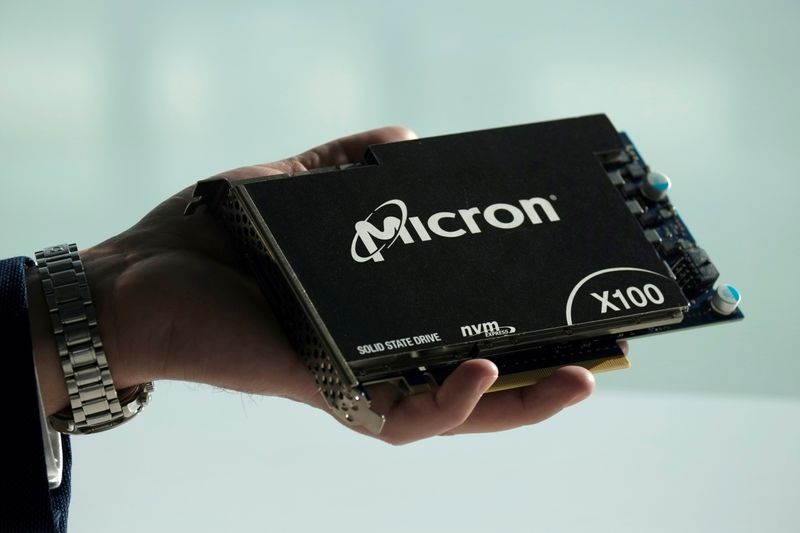
The Biden administration is considering export controls to bar Micron, SK Hynix and Samsung from supplying high-bandwidth memory (HBM) chips and related equipment essential for AI semiconductors to China. If enacted, the move aims to curb Chinese AI development capabilities and intensify US-China technological competition.[AI generated]

Why's our monitor labelling this an incident or hazard?

The event involves AI systems indirectly through the control of AI memory chips essential for AI accelerators, which are key components in AI hardware. The US government's planned restrictions are preventive measures to limit China's access to these AI-related technologies, aiming to mitigate potential future harms such as technological advantage in AI that could pose national security risks. Since no actual harm or incident has occurred yet, and the focus is on potential future risks from AI technology proliferation, the classification as an AI Hazard is appropriate. The article does not describe any realized harm or incident, nor is it primarily about responses or updates to past incidents, so it is not Complementary Information or an AI Incident.[AI generated]
Industries
IT infrastructure and hostingGovernment, security, and defenceDigital security

Harm types
Economic/PropertyPublic interest

Severity
AI hazard


Articles about this incident or hazard

Thumbnail Image

US Weighs New Restrictions on China's Access to AI Memory Chips

2024-07-31
Yahoo! Finance
Why's our monitor labelling this an incident or hazard?
The event involves AI systems indirectly through the control of AI memory chips essential for AI accelerators, which are key components in AI hardware. The US government's planned restrictions are preventive measures to limit China's access to these AI-related technologies, aiming to mitigate potential future harms such as technological advantage in AI that could pose national security risks. Since no actual harm or incident has occurred yet, and the focus is on potential future risks from AI technology proliferation, the classification as an AI Hazard is appropriate. The article does not describe any realized harm or incident, nor is it primarily about responses or updates to past incidents, so it is not Complementary Information or an AI Incident.
Thumbnail Image

US mulls new curbs on China's access to AI memory chips, Bloomberg News says

2024-07-31
Yahoo! Finance
Why's our monitor labelling this an incident or hazard?
The event involves AI systems indirectly, as the memory chips are essential components for AI hardware, particularly for generative AI models. The article discusses a potential policy action that could limit access to these AI-enabling components, which could plausibly lead to future harms such as disruption of AI development or competitive dynamics. However, since no actual harm or incident has occurred yet, and the measures are still being considered, this qualifies as an AI Hazard rather than an AI Incident or Complementary Information.
Thumbnail Image

US mulls new curbs on China's access to AI memory chips, Bloomberg News says

2024-07-31
Yahoo! Finance
Why's our monitor labelling this an incident or hazard?
The event involves AI systems indirectly through the hardware (HBM chips) essential for AI computations, and the U.S. is considering export controls to restrict China's access to these AI-enabling components. While no direct harm or incident has occurred yet, the potential restrictions reflect a credible risk of future AI-related strategic or technological harm by limiting AI capabilities. Therefore, this constitutes an AI Hazard because it plausibly could lead to AI incidents or harms related to AI system development and use in China. It is not an AI Incident as no harm has yet materialized, nor is it merely Complementary Information or Unrelated, since the focus is on a credible future risk related to AI technology access.
Thumbnail Image

US mulls new curbs on China's access to AI memory chips

2024-08-01
MoneyControl
Why's our monitor labelling this an incident or hazard?
The event involves AI systems indirectly, as the HBM chips are essential components for running complex generative AI programs, indicating AI system involvement. However, the article describes a potential policy action (export restrictions) that could limit access to AI hardware but does not report any actual harm or incident caused by AI systems. The measures are preventive and could plausibly lead to impacts on AI development or deployment in the future, but no harm has yet occurred. Therefore, this qualifies as an AI Hazard, reflecting a credible risk of future harm related to AI system capabilities and access, rather than an AI Incident or Complementary Information.
Thumbnail Image

U.S. mulling restrictions to keep Samsung, SK hynix, Micron from supplying HBM chips to China: Bloomberg | Yonhap News Agency

2024-07-31
Yonhap News Agency
Why's our monitor labelling this an incident or hazard?
The event involves AI systems indirectly, as HBM chips are critical components for AI accelerators, which are AI hardware systems. However, the article describes a potential policy action that could restrict supply, not an actual incident or harm caused by AI systems. The measure could plausibly lead to future impacts on AI capabilities or competition, but no direct or indirect harm has occurred yet. Therefore, this fits the definition of an AI Hazard, as it plausibly could lead to AI-related harms or disruptions in the future due to restricted access to AI hardware.
Thumbnail Image

U.S. reportedly considering restricting HBM exports to China in blow to Samsung, SK

2024-08-01
중앙일보
Why's our monitor labelling this an incident or hazard?
The event involves AI-related technology (HBM chips essential for AI training), but no direct or indirect harm has occurred yet. The U.S. government's consideration of export restrictions represents a potential future impact on AI development and deployment in China, which could plausibly lead to economic and technological consequences. Since no harm has materialized and the event concerns a possible future scenario, it fits the definition of an AI Hazard rather than an AI Incident or Complementary Information. It is not unrelated because it involves AI technology and its geopolitical implications.
Thumbnail Image

US weighs new curbs on China's access to AI memory chips

2024-08-01
The Straits Times
Why's our monitor labelling this an incident or hazard?
The event involves AI systems because the memory chips (HBM) are critical for AI accelerators used in AI systems. The US restrictions are aimed at limiting China's access to these AI-related components, which could plausibly lead to significant impacts on AI development and deployment in China. However, the article does not describe any realized harm or incident caused by AI systems but rather potential future harm through technology denial. Therefore, this qualifies as an AI Hazard, as the development and use of AI systems in China could be plausibly impeded or altered by these export controls, potentially leading to geopolitical and technological consequences.
Thumbnail Image

US mulls new curbs on China's access to AI memory chips, Bloomberg News says

2024-07-31
ThePrint
Why's our monitor labelling this an incident or hazard?
The event involves AI systems indirectly, as the chips in question are critical components for AI semiconductors. The potential restrictions could plausibly lead to impacts on AI development and deployment, which might have geopolitical or economic consequences. However, since no harm has yet occurred and the article only discusses possible future regulatory actions, this constitutes a plausible future risk rather than an actual incident. Therefore, it fits the definition of an AI Hazard rather than an AI Incident or Complementary Information.
Thumbnail Image

US mulls new curbs on China's access to AI memory chips, Bloomberg News says

2024-07-31
ThePrint
Why's our monitor labelling this an incident or hazard?
The article discusses a possible future policy action (unilateral restrictions) that could impact the development or use of AI systems by limiting access to essential AI hardware. However, no actual harm or incident has occurred yet. The event plausibly relates to AI systems and their development/use, and the restrictions could plausibly lead to AI-related harms or strategic impacts, but as it stands, it is a potential future scenario rather than a realized harm or incident.
Thumbnail Image

US mulling restrictions to keep Samsung, SK hynix, Micron from supplying HBM chips to China: Bloomberg

2024-08-01
The Korea Herald
Why's our monitor labelling this an incident or hazard?
The event involves AI systems indirectly through the mention of AI memory chips (HBM) used in AI accelerators, which are critical components for AI system performance. However, the article discusses a potential future policy restriction rather than an actual incident causing harm. Since the measure could plausibly lead to significant geopolitical and technological impacts, it fits the definition of an AI Hazard, as it could plausibly lead to harms related to technological access and competition. There is no direct or indirect harm reported yet, so it is not an AI Incident. It is not merely complementary information because the main focus is on a potential future restriction with plausible harm, not on updates or responses to past incidents.
Thumbnail Image

US weighs new restrictions on China's access to AI memory chips

2024-07-31
The Business Times
Why's our monitor labelling this an incident or hazard?
The event involves AI systems indirectly through the AI memory chips and AI accelerators that rely on them. The US is considering restricting access to these AI-related components to prevent China from advancing its AI capabilities, which could plausibly lead to harms such as increased geopolitical tensions or misuse of AI technology. However, no actual harm or incident has occurred yet; the article discusses potential future risks and policy responses. Thus, it fits the definition of an AI Hazard rather than an AI Incident or Complementary Information.
Thumbnail Image

U.S. Weighs Restrictions on China's Access To AI Memory Chips

2024-07-31
ITPro Today
Why's our monitor labelling this an incident or hazard?
The event involves AI systems indirectly through the AI memory chips and equipment critical for AI accelerators, but no actual harm or incident has occurred yet. The article focuses on potential future restrictions that could plausibly lead to harm by limiting China's AI capabilities or escalating tech rivalry, but these are prospective measures, not realized incidents. Therefore, this constitutes an AI Hazard, as the development and use of AI-related technology could plausibly lead to significant geopolitical and technological harms in the future, but no direct or indirect harm has yet materialized.
Thumbnail Image

US weighs China chip restrictions - Taipei Times

2024-08-01
Taipei Times
Why's our monitor labelling this an incident or hazard?
The event involves AI systems indirectly through the mention of AI memory chips and AI accelerators, which are components essential for AI system operation. However, the article does not report any actual harm or incident caused by AI systems, nor does it describe a malfunction or misuse leading to harm. Instead, it discusses potential future restrictions aimed at controlling technology transfer to China, which could plausibly lead to impacts on AI development and competition but does not constitute an immediate or realized AI harm. Therefore, this is best classified as an AI Hazard, reflecting a plausible future risk related to AI technology access and geopolitical tensions, rather than an AI Incident or Complementary Information.
Thumbnail Image

US mulls new rules to restrict Hynix, Samsung from supplying AI chips to China

2024-07-31
DealStreetAsia
Why's our monitor labelling this an incident or hazard?
The event involves AI systems indirectly because the chips in question are essential components for AI semiconductors that run generative AI programs. The US is considering restricting the supply of these AI-related chips to China, which could plausibly lead to harms such as disruption of AI development capabilities or geopolitical tensions related to AI technology access. Since no actual harm has occurred yet and the restrictions are only being considered, this constitutes a plausible future risk rather than a realized incident. Therefore, this is best classified as an AI Hazard, as the development and potential use of these restrictions could plausibly lead to AI-related harms in the future.
Thumbnail Image

U.S. weighs new restrictions on China's access to AI memory chips

2024-07-31
Portland Press Herald
Why's our monitor labelling this an incident or hazard?
The event involves AI-related technology (AI memory chips essential for AI accelerators) and concerns the development and use of AI hardware. However, no direct or indirect harm has occurred yet; the article focuses on potential future risks and strategic export controls. Therefore, this situation fits the definition of an AI Hazard, as the restrictions are intended to prevent plausible future harms related to AI technology proliferation and national security risks. It is not an AI Incident because no harm has materialized, nor is it Complementary Information or Unrelated, as the focus is on potential AI-related risks and controls.
Thumbnail Image

US weighs restrictions on China's access to AI memory chips | BusinessMirror

2024-08-01
BusinessMirror
Why's our monitor labelling this an incident or hazard?
The event involves AI systems indirectly, as the memory chips in question are essential components for AI accelerators used in AI systems. The US government's consideration of export controls is a development in AI governance and international technology competition. Since no direct or indirect harm has occurred yet, and the article describes a potential future scenario where these restrictions could affect AI system development and deployment, this qualifies as an AI Hazard. It is not an AI Incident because no harm has materialized, nor is it Complementary Information or Unrelated, as the focus is on plausible future harm related to AI technology access.
Thumbnail Image

US to take chips fight to AI level

2024-08-01
The Standard
Why's our monitor labelling this an incident or hazard?
The event involves AI systems indirectly through the hardware (high-bandwidth memory chips) essential for AI accelerators. However, no actual harm or incident has occurred yet; the article discusses potential future restrictions to prevent technology transfer that could enhance AI capabilities in China. This represents a plausible future risk scenario related to AI technology proliferation and geopolitical competition, but no direct or indirect harm has materialized. Therefore, it qualifies as an AI Hazard, as the development and use of AI-related technology could plausibly lead to harms in the future due to geopolitical tensions and technology control.
Thumbnail Image

US weighs restrictions on China's access to AI memory chips, Bloomberg reports

2024-08-01
The Edge Malaysia
Why's our monitor labelling this an incident or hazard?
The event involves AI systems indirectly through the hardware (AI memory chips) essential for AI accelerators. The US is considering restricting access to these components to China, which could plausibly lead to significant geopolitical and technological impacts related to AI development and deployment. No actual harm or incident has been reported yet; the article discusses potential future restrictions and their implications. Hence, it is an AI Hazard due to the credible risk of future harm stemming from the control and limitation of AI-related technology.
Thumbnail Image

美国拟新限制 阻中国取得AI记忆体晶片

2024-07-31
早报
Why's our monitor labelling this an incident or hazard?
The event involves AI systems indirectly through the technology (high-bandwidth memory chips) essential for AI accelerators. However, the article focuses on potential policy measures to restrict technology transfer, aiming to prevent future AI capability enhancement by China. There is no description of actual harm or incident caused by AI system development, use, or malfunction. Therefore, this is a plausible future risk scenario related to AI technology proliferation, fitting the definition of an AI Hazard rather than an AI Incident or Complementary Information.
Thumbnail Image

中國別想拿到AI記憶體晶片!彭博:美最快8月底祭新限制 - 自由財經

2024-08-01
自由時報電子報
Why's our monitor labelling this an incident or hazard?
The event involves AI-related technology (AI memory chips) but does not describe any incident or harm caused by AI systems. It is a governmental policy consideration about export controls, which is a governance and strategic response in the AI ecosystem. There is no realized or plausible harm from AI system malfunction or misuse described. Therefore, this is best classified as Complementary Information, providing context on AI technology governance and international competition.
Thumbnail Image

美對中AI禁令 擴及HBM記憶體 - 自由財經

2024-08-01
自由時報電子報
Why's our monitor labelling this an incident or hazard?
The event involves the development and use of AI systems insofar as it concerns AI-related hardware (HBM memory chips essential for AI accelerators). However, the article describes regulatory actions and export controls intended to prevent potential future harm related to AI technology transfer and national security risks. There is no indication that any harm has yet occurred due to AI system malfunction or misuse. Therefore, this event represents a plausible future risk scenario (AI Hazard) rather than an actual incident or harm. It is not merely complementary information because the focus is on the potential for harm through technology transfer restrictions, not on updates or responses to past incidents.
Thumbnail Image

韓媒憂:三星AI搖錢樹 恐被美國掐死商機 - 自由財經

2024-08-02
自由時報電子報
Why's our monitor labelling this an incident or hazard?
The event involves AI systems indirectly through the supply of AI-related hardware (HBM chips) essential for AI accelerators, but no direct or indirect harm caused by AI systems is reported. The sanctions are a geopolitical trade action that could plausibly lead to economic harm or lost opportunities in AI markets, but no AI incident or malfunction has occurred. Therefore, this is best classified as an AI Hazard, as the potential future harm to AI development and deployment is credible but not yet realized.
Thumbnail Image

傳美擬限制中國獲取 HBM 技術,HBM2 以上先進記憶體全禁

2024-08-01
TechNews 科技新報 | 市場和業內人士關心的趨勢、內幕與新聞
Why's our monitor labelling this an incident or hazard?
The event involves advanced AI memory chips (HBM2, HBM3, etc.) which are essential components for AI systems, especially for AI accelerators. The U.S. government's planned export controls are preventive measures to restrict China's access to these AI technologies. Since no actual harm or incident has occurred yet, but there is a credible risk that unrestricted access could lead to significant AI-related impacts, this qualifies as an AI Hazard. The article does not describe any realized harm or incident caused by AI systems, but rather a plausible future risk due to technology proliferation.
Thumbnail Image

中國暗藏玄機!深圳電子市場成AI晶片走私天堂 - 國際 - 自由時報電子報

2024-08-04
Liberty Times Net
Why's our monitor labelling this an incident or hazard?
The event involves AI systems in the form of AI chips, which are essential for AI development. The smuggling and unauthorized acquisition of these chips represent a circumvention of legal controls, which could plausibly lead to AI incidents in the future, such as the development of AI systems that may be used in harmful ways or for military applications. Since no actual harm or incident is reported yet, but there is a credible risk of future harm due to the illicit acquisition and proliferation of AI chips, this qualifies as an AI Hazard rather than an AI Incident. It is not Complementary Information because the article does not discuss responses or updates to a prior incident, nor is it unrelated as it clearly involves AI technology and potential risks.
Thumbnail Image

美傳將限制陸企取得HBM 科技戰聚焦AI 劍指長鑫存儲 | 國際焦點 | 國際 | 經濟日報

2024-08-01
Udnemoney聯合理財網
Why's our monitor labelling this an incident or hazard?
The event involves AI systems indirectly through the focus on AI memory chips and AI accelerators, which are critical components for AI system performance. The U.S. government's planned export controls aim to restrict China's ability to develop or deploy advanced AI hardware, which could plausibly lead to significant geopolitical and technological consequences. Since no actual harm or incident has occurred yet, and the article centers on potential future risks and policy responses, this qualifies as an AI Hazard. It is not an AI Incident because no direct or indirect harm from AI system development or use has materialized. It is not Complementary Information because the article does not update or provide follow-up on a previously reported incident but reports a new potential risk. It is not Unrelated because the content is clearly about AI-related technology and its geopolitical implications.
Thumbnail Image

美国将推出新规 限制外国晶片设备出口中国 | 大纪元

2024-08-02
The Epoch Times
Why's our monitor labelling this an incident or hazard?
The event involves AI systems indirectly through semiconductor manufacturing equipment critical for AI hardware. The U.S. export controls are a preventive measure to restrict China's access to advanced chip-making tools that could enhance AI and supercomputing capabilities, which could plausibly lead to AI-related harms, especially military applications. No actual harm or incident caused by AI is reported; the article focuses on potential future risks and policy responses. Hence, it fits the definition of an AI Hazard rather than an Incident or Complementary Information.
Thumbnail Image

據報美國考慮限制中國取得AI記憶體晶片

2024-08-01
AAStocks.com
Why's our monitor labelling this an incident or hazard?
The event involves AI systems indirectly through the hardware (HBM chips) essential for AI accelerators. The U.S. export restrictions are a policy action aimed at limiting China's access to these AI-enabling components. No direct harm to persons, infrastructure, or rights is reported as having occurred yet, but the restrictions could plausibly lead to significant economic and technological harm, including disruption of AI development capabilities in China. This fits the definition of an AI Hazard, as it is a circumstance where AI system development and use could plausibly lead to harm, but no incident has yet materialized.
Thumbnail Image

消息:美將收緊晶片出口 涉美光三星等產品| 台灣大紀元

2024-08-01
大紀元時報 - 台灣(The Epoch Times - Taiwan)
Why's our monitor labelling this an incident or hazard?
The event involves AI systems indirectly because the chips in question are essential for running complex generative AI models. The U.S. government's export restrictions are intended to prevent China from advancing its AI capabilities, which could plausibly lead to harms related to geopolitical or security concerns in the future. Since no actual harm has occurred yet and the article focuses on potential future risks and policy measures, this qualifies as an AI Hazard. There is no indication of an AI Incident or complementary information about past incidents or responses, nor is it unrelated to AI.
Thumbnail Image

美國據報最快8月限制中國獲得AI晶片及相關生產設備 (11:11) - 20240801 - 即時財經新聞

2024-08-01
明報財經網
Why's our monitor labelling this an incident or hazard?
The article discusses the U.S. government's consideration of export controls on AI-related chip technology to China, which involves AI systems indirectly through the hardware used for AI acceleration. The event concerns the potential use and development of AI technology and the geopolitical risks associated with it. However, there is no indication that any harm has yet occurred due to the AI systems or their use. Therefore, this is best classified as an AI Hazard, as it plausibly could lead to harms related to national security or technological dominance in AI but does not describe an actual incident or realized harm.
Thumbnail Image

米国、中国へのAIチップ輸出規制を検討 執筆: Investing.com

2024-07-31
Investing.com 日本
Why's our monitor labelling this an incident or hazard?
The event involves AI systems indirectly because the chips are critical components for advanced generative AI programs. However, the article discusses a potential regulatory action to restrict exports, which could plausibly lead to future AI-related harms or benefits by limiting AI development capabilities in China. No actual harm or incident has occurred yet; the focus is on a potential future impact of these export controls. Therefore, this qualifies as an AI Hazard, as it plausibly could lead to AI incidents related to geopolitical or security concerns but does not describe any realized harm or incident at this time.
Thumbnail Image

米、中国へのAIメモリーチップ供給制限へ新たな措置検討=報道

2024-07-31
JP
Why's our monitor labelling this an incident or hazard?
The event involves AI systems indirectly because the memory chips and manufacturing tools are essential for AI hardware. The U.S. government's contemplated export restrictions could plausibly lead to significant impacts on AI development and deployment in China, potentially affecting AI capabilities and competitive dynamics. Since no direct harm has occurred yet, but there is a credible risk of future harm related to AI system development and use, this qualifies as an AI Hazard. It is not an AI Incident because no realized harm is described, nor is it Complementary Information or Unrelated as it directly concerns AI-related technology and its potential impact.
Thumbnail Image

米国、中国のAIメモリーチップへのアクセスに新たな制限を検討

2024-07-31
Bloomberg.com
Why's our monitor labelling this an incident or hazard?
The event involves AI systems indirectly through the supply of critical hardware (HBM chips) necessary for AI accelerators. The US's potential restriction on these chips to China could plausibly lead to future harms such as disruption in AI development, technological setbacks, or geopolitical tensions related to AI capabilities. Since no actual harm has occurred yet but there is a credible risk of future harm, this event qualifies as an AI Hazard rather than an Incident or Complementary Information.
Thumbnail Image

米、中国へのAIメモリーチップ供給制限へ新たな措置検討=報道

2024-08-01
ニューズウィーク日本版 オフィシャルサイト
Why's our monitor labelling this an incident or hazard?
The event involves AI systems indirectly through the supply of AI-related memory chips critical for AI semiconductors, indicating AI system involvement. The U.S. government's contemplated export restrictions could plausibly lead to significant impacts on AI development or deployment in China, representing a credible future risk. However, no actual harm or incident has occurred yet, and the article does not describe any direct or indirect harm caused by AI system development, use, or malfunction. Therefore, this is best classified as an AI Hazard, reflecting a plausible future harm scenario related to AI system supply constraints.