AI-Generated Fake Passports Lead to Arrests in Taiwan

Thumbnail Image

The information displayed in the AIM should not be reported as representing the official views of the OECD or of its member countries.

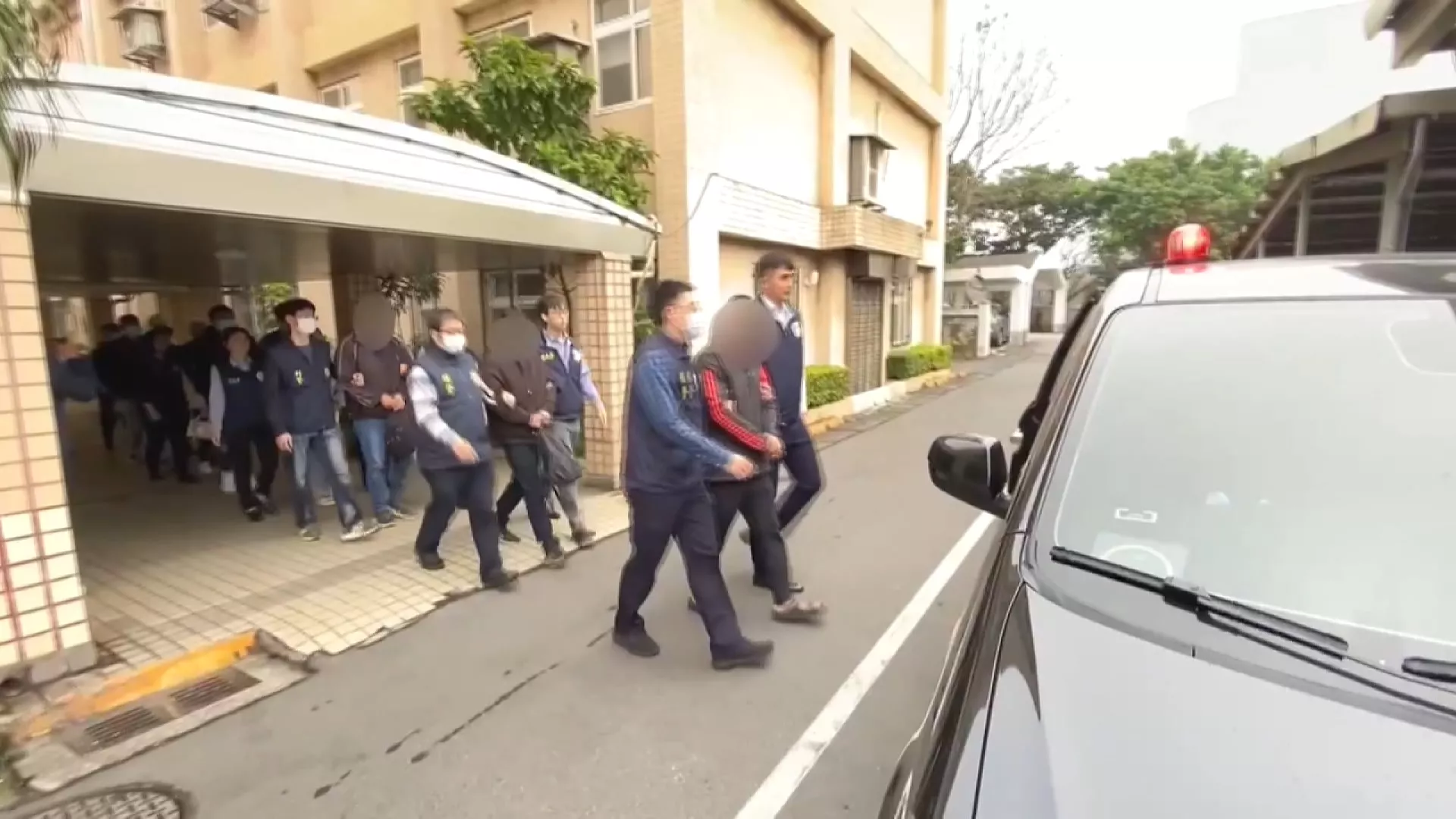
A Chinese-led crime syndicate used AI to alter passport photos, creating fake Taiwanese passports. Taiwanese intermediary Liu Qing-sheng and six others were arrested, while five foreign suspects remain at large. The scheme undermined Taiwan's passport credibility, risking international visa-free agreements. Authorities have issued warrants for the remaining suspects.[AI generated]

Why's our monitor labelling this an incident or hazard?

The story describes the actual use of AI (face‐synthesis) to create counterfeit passports, which has materialized in a criminal incident (forgery and sale of travel documents) and undermines Taiwan’s passport integrity. This qualifies as an AI Incident because the AI system’s malicious use directly led to real-world harm.[AI generated]
AI principles
AccountabilityRobustness & digital securityTransparency & explainabilityPrivacy & data governanceSafety

Industries
Government, security, and defenceDigital securityTravel, leisure, and hospitality

Affected stakeholders
GovernmentGeneral public

Harm types
ReputationalPublic interestEconomic/Property

Severity
AI incident

AI system task:
Content generation


Articles about this incident or hazard

Thumbnail Image

AI合成照片假造台灣護照 檢偵破兩岸集團起訴在台7人

2024-08-08
Yahoo News (Taiwan)
Why's our monitor labelling this an incident or hazard?
The story describes the actual use of AI (face‐synthesis) to create counterfeit passports, which has materialized in a criminal incident (forgery and sale of travel documents) and undermines Taiwan’s passport integrity. This qualifies as an AI Incident because the AI system’s malicious use directly led to real-world harm.
Thumbnail Image

找臉型相似進行AI合成製作假護照 7名台灣人被訴5外籍人士遭通緝

2024-08-08
Yahoo News (Taiwan)
Why's our monitor labelling this an incident or hazard?
The case involves direct use of an AI system (AI-generated image synthesis) to commit passport fraud and distribution of fake passports—a clear instance where AI use has directly led to harm through violation of legal and security frameworks.
Thumbnail Image

中國男組犯罪集團AI變臉造假台灣護照!台灣男當中間人 7人起訴5人通緝

2024-08-08
Yahoo News (Taiwan)
Why's our monitor labelling this an incident or hazard?
The event describes the active use of an AI system to manipulate and synthesize headshots, directly facilitating the creation of fake passports and enabling illegal entry—resulting in realized harm (passport forgery, border-security breach, damage to national trust). This is a concrete case of AI misuse that has led to criminal outcomes, fitting the definition of an AI Incident.
Thumbnail Image

中國男組犯罪集團AI變臉造假台灣護照!台灣男當中間人 7人起訴5人通緝 | 社會 | 三立新聞網 SETN.COM

2024-08-08
三立新聞
Why's our monitor labelling this an incident or hazard?
The event involves the malicious use of an AI system (face‐swapping technology) to commit forgery, directly leading to violation of legal frameworks, undermining Taiwan’s passport integrity and national security. The harm has occurred, so it is classified as an AI Incident.
Thumbnail Image

AI合成照片假造台灣護照 檢偵破兩岸集團起訴在台7人

2024-08-08
公共電視
Why's our monitor labelling this an incident or hazard?
The article explicitly states that AI was used to synthesize photos for fake passports, which were then sold and used illegally. This use of AI directly led to a breach of legal protections (passport laws) and harms the community by damaging the credibility of Taiwanese passports internationally. The involvement of AI in producing counterfeit documents that facilitate illegal activities and undermine national security fits the definition of an AI Incident, as it has directly led to violations of law and harm to community trust.