


























Waymo Self-Driving Cars Cause Noise Disturbance in San Francisco

Thumbnail Image

The information displayed in the AIM should not be reported as representing the official views of the OECD or of its member countries.

Waymo's self-driving cars in San Francisco have been causing noise disturbances by honking at each other in a parking lot, disrupting residents' sleep. Despite Waymo's attempts to fix the issue, the problem persisted, drawing global attention. The company has since promised a solution to stop the honking incidents.[AI generated]

Why's our monitor labelling this an incident or hazard?

Waymo’s autonomous vehicles are AI systems programmed to honk to avoid potential collisions. In this case, their use and feature design directly led to significant noise disturbance—waking residents regularly—constituting a harm to the community and personal well-being. The article describes a realized harm (sleep disruption) from the AI system’s behavior, making it an AI Incident.[AI generated]
AI principles
AccountabilitySafetyRobustness & digital securityHuman wellbeingTransparency & explainability

Industries
Mobility and autonomous vehiclesRobots, sensors, and IT hardware

Affected stakeholders
General public

Harm types
PsychologicalReputational

Severity
AI incident

Business function:
Research and developmentMaintenanceMonitoring and quality control

AI system task:
Recognition/object detectionGoal-driven organisation

In other databases

Articles about this incident or hazard

Thumbnail Image

Endless honking of Waymo's driverless taxis wakes a neighborhood

2024-08-15
The Seattle Times
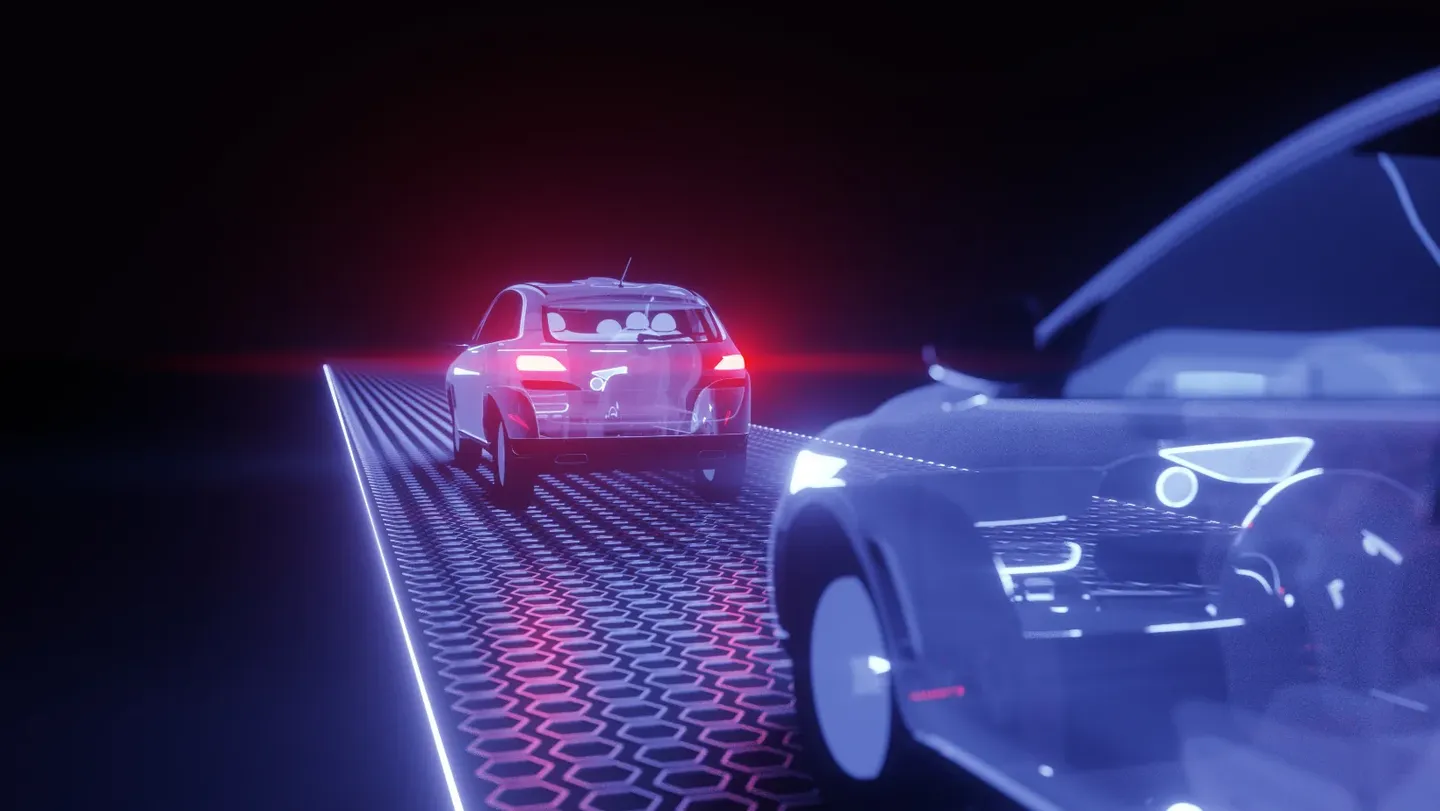
Why's our monitor labelling this an incident or hazard?
Waymo’s autonomous vehicles are AI systems programmed to honk to avoid potential collisions. In this case, their use and feature design directly led to significant noise disturbance—waking residents regularly—constituting a harm to the community and personal well-being. The article describes a realized harm (sleep disruption) from the AI system’s behavior, making it an AI Incident.
Thumbnail Image

Waymo Says It's Stopped the Overnight Honking

2024-08-15
Newser
Why's our monitor labelling this an incident or hazard?
The honking arises from an AI-driven parking and proximity system malfunction in Waymo’s driverless cars, which directly resulted in a noise disturbance and sleep disruption (a harm to people’s health). This is a realized harm caused by the AI system’s behavior, so it qualifies as an AI Incident.
Thumbnail Image

Watch as car park full of driverless AI taxis causes misery for locals

2024-08-15
The Sun
Why's our monitor labelling this an incident or hazard?
The article describes deployed AI vehicles malfunctioning—driving in circles and honking incessantly—directly leading to harm (sleep deprivation, stress) for nearby residents. This qualifies as an AI Incident under the definition of a malfunction of an AI system that directly causes harm to people’s health and well-being.
Thumbnail Image

Welcome to the Future: Waymo Driverless Cars Create a Traffic Jam and Honk at Each Other in the Pre-Dawn Hours

2024-08-17
Breitbart
Why's our monitor labelling this an incident or hazard?
Waymo’s autonomous driving software triggered excessive honking as a crash-avoidance feature, inadvertently creating a traffic jam and noise disturbance in the early morning hours. This is a direct malfunction of a deployed AI system that caused harm (noise pollution and sleep disturbance) to local residents, qualifying it as an AI incident.
Thumbnail Image

Waymo's robotaxi depot is still honking its San Francisco neighbors awake

2024-08-18
The Verge
Why's our monitor labelling this an incident or hazard?
This event involves an AI system (Waymo’s self‐driving software) whose malfunction directly led to real harm—namely noise disturbance and potential safety risks for residents. The honking safety feature was triggered erroneously due to misperception and navigation errors by the autonomous driving AI, constituting an AI Incident.
Thumbnail Image

Parking Lot Full of Self-Driving Cars Turns Into Nightmare Situation for Neighbors: 'Absurd'

2024-08-18
The Western Journal
Why's our monitor labelling this an incident or hazard?
The honking arises from the vehicles’ AI-driven collision-avoidance system malfunctioning in the lot, directly causing sleep disruption and distress to nearby residents—an unintended harm from the deployed AI system. This is a realized harm linked to the AI system’s behavior, so it qualifies as an AI Incident.
Thumbnail Image

San Francisco neighbors say Waymo honking continues, global audience follows along live

2024-08-19
NBC Bay Area
Why's our monitor labelling this an incident or hazard?
The continuous honking stems from the AI navigation/software in Waymo’s driverless cars failing to correctly manage their movement in the lot and cul-de-sac. This malfunction has materialized as repeated noise disturbances at 4–5 a.m., directly harming residents’ sleep and quality of life. Because the incident involves an AI system’s malfunction causing actual harm, it qualifies as an AI Incident.
Thumbnail Image

Self-driving cars are gathering at night to honk at each other

2024-08-15
TweakTown
Why's our monitor labelling this an incident or hazard?
The vehicles’ AI-driven navigation system is directly implicated in the errant behavior—getting stuck and honking—leading to real harm in the form of sleep disruption and adverse mood effects on residents. This unexpected malfunction of an AI system resulting in physical‐world disturbance qualifies as an AI Incident.
Thumbnail Image

Video shows Waymo self-driving cars honking at each other at 4 a.m. in parking lot

2024-08-15
USA Today
Why's our monitor labelling this an incident or hazard?
The event clearly involves AI systems (Waymo's autonomous vehicles) whose software malfunctioned, leading to unintended honking. However, there is no indication of injury, property damage, or other significant harm. The issue was resolved promptly. Therefore, this does not qualify as an AI Incident or AI Hazard but rather as a minor malfunction with no harm realized or plausible future harm. It is not merely general AI news since it reports a specific event involving AI system behavior, but since no harm occurred, it is best classified as Complementary Information about a resolved issue.
Thumbnail Image

Waymo's Operations Director to Speak on 'Honkfest' Livestream

2024-08-18
PC Magazine
Why's our monitor labelling this an incident or hazard?
The event involves AI systems (Waymo's autonomous vehicles) whose sensor-triggered honking caused a disturbance to residents, which is a form of harm to the community (noise pollution). However, the company has already issued fixes to mitigate the problem, and the article focuses on the discussion of the issue and its resolution rather than the harm itself. Since the harm occurred but is being addressed, and the main focus is on the response and explanation, this qualifies as Complementary Information rather than a new AI Incident or Hazard.
Thumbnail Image

Self-Driving Cars Irritate Locals Because They Won't Stop Honking, Until Tech Company Implements Fix

2024-08-16
PEOPLE.com
Why's our monitor labelling this an incident or hazard?
The autonomous vehicles are AI systems as they perform self-driving tasks. The honking behavior is part of their AI-driven collision avoidance system. The excessive honking caused a disturbance to the community, but this is a minor harm (noise nuisance) and does not rise to the level of injury, rights violation, or significant harm. The company has fixed the problem, and the event is primarily about the response to the issue. Therefore, this is best classified as Complementary Information, as it provides an update on the AI system's behavior and the mitigation measures taken, rather than describing a significant AI Incident or a plausible future hazard.
Thumbnail Image

Waymo Robotaxi's Late-Night Honking Nightmare Sparks Outrage Among San Fran Residents

2024-08-15
ZeroHedge
Why's our monitor labelling this an incident or hazard?
The event describes an AI system (Waymo's robotaxi software) whose use led to a negative impact on the community (noise disturbance). The honking feature is part of the AI system's operational behavior to avoid collisions. The harm is indirect and relates to community disturbance, which can be considered harm to communities under the framework. However, since the company has implemented a fix and the harm is not severe or violating fundamental rights, this is best classified as an AI Incident due to realized harm caused by the AI system's use. It is not a hazard because harm has already occurred, and it is not complementary information or unrelated because the AI system's malfunction/use directly led to community harm.
Thumbnail Image

Waymo Robotaxis found a new way to bring chaos to quiet city streets

2024-08-18
TheStreet
Why's our monitor labelling this an incident or hazard?
The event describes a malfunction or unintended consequence of an AI system's feature (collision avoidance honking) causing harm in the form of noise disturbance to a community. While the harm is significant to residents' well-being (sleep disruption), it does not rise to the level of injury, property damage, or rights violations as defined for an AI Incident. The company's response to update the software is a mitigation measure. Therefore, this qualifies as Complementary Information about an AI system's impact and response rather than a new AI Incident or AI Hazard.
Thumbnail Image

Waymo Robotaxis found a new way to bring chaos to quiet city streets

2024-08-17
Post and Courier
Why's our monitor labelling this an incident or hazard?
The event describes a real-world impact caused by the use of AI in autonomous vehicles, specifically the honking feature triggered by proximity detection. While the noise disturbance is a harm to the community's well-being and quality of life, it does not rise to the level of an AI Incident involving injury, rights violations, or significant harm as per the definitions. The company's response to update the software aligns with a mitigation effort. Therefore, this event is best classified as Complementary Information, as it provides context on an AI system's impact and the response to it, rather than a new AI Incident or Hazard.
Thumbnail Image

Waymo Robotaxis found a new way to bring chaos to quiet city streets

2024-08-17
Bradenton Herald
Why's our monitor labelling this an incident or hazard?
The event describes a malfunction or unintended consequence of an AI system (the robotaxis' honking feature) causing significant noise disturbance to residents, which is a form of harm to communities (disruption of peaceful living conditions). Although the harm is non-physical, it is clearly articulated and directly linked to the AI system's operation. The company's response to update the software is a mitigating action but does not negate the fact that harm occurred. Therefore, this qualifies as an AI Incident due to the realized harm caused by the AI system's use.
Thumbnail Image

Waymo quietens honking robotaxis - Just Auto

2024-08-15
Just-Auto
Why's our monitor labelling this an incident or hazard?
The autonomous taxis are AI systems as they operate self-driving capabilities. The honking feature was an AI-driven behavior intended to avoid collisions but malfunctioned in the parking lot context, causing continuous noise disturbance to residents. This is a direct harm to the community (harm category d). The company acknowledged the issue and fixed it, but the harm occurred while the feature was active. Therefore, this qualifies as an AI Incident due to realized harm caused by the AI system's use and malfunction.
Thumbnail Image

San Francisco Residents Fed Up With Self-Driving Cars That Won't Stop Honking at Each Other

2024-08-16
The New York Sun
Why's our monitor labelling this an incident or hazard?
The autonomous vehicles are AI systems whose programmed behavior (honking when approaching other cars) has directly led to a significant disturbance to the local community, constituting harm to communities. This meets the criteria for an AI Incident because the AI system's use has directly caused harm. The company's response to fix the issue does not negate the fact that harm has occurred.
Thumbnail Image

Waymo's Self-Driving Car Facility in San Francisco is Still Disrupting Neighbors with Loud Honking - Internewscast Journal

2024-08-19
Internewscast Journal
Why's our monitor labelling this an incident or hazard?
Waymo's self-driving cars use AI for autonomous navigation and safety features. The honking is triggered by an AI safety feature detecting reversing cars, but the malfunction leads to continuous honking and cars getting stuck, disturbing neighbors. This is a direct consequence of the AI system's malfunction causing harm to the community through noise disruption and potential safety concerns. Hence, it meets the criteria for an AI Incident.
Thumbnail Image

Driverless Waymo Are Disturbing The Peace In The Bay Area By Honking At Each Other

2024-08-15
Wonderful Engineering
Why's our monitor labelling this an incident or hazard?
The autonomous vehicles are AI systems operating without human drivers. Their persistent honking, caused by a malfunction or unintended behavior in their AI navigation or interaction protocols, is directly causing harm to the community by disturbing peace and sleep. This fits the definition of an AI Incident as the AI system's malfunction leads to harm to communities. The article describes realized harm (noise disturbance), not just potential harm, and the AI system's role is pivotal. Hence, the classification is AI Incident.
Thumbnail Image

Cruise 下去 Waymo 加速拓展,單週載客量翻倍突破 10 萬趟

2024-08-22
TechNews 科技新報 | 市場和業內人士關心的趨勢、內幕與新聞
Why's our monitor labelling this an incident or hazard?
The article describes the deployment and expansion of AI-powered autonomous taxi services by Waymo, which clearly involves AI systems. However, it does not report any injury, rights violations, property damage, or other harms caused by these AI systems, nor does it suggest plausible future harm or hazards. It also discusses regulatory and competitive context without indicating incidents or hazards. Therefore, the event is best classified as Complementary Information, providing context and updates on AI system deployment and market dynamics without reporting harm or risk.
Thumbnail Image

Waymo的新型自动驾驶出租车将减少传感器数量以降低成本 - Google 谷歌 - cnBeta.COM

2024-08-20
cnBeta.COM
Why's our monitor labelling this an incident or hazard?
The article focuses on the technical and economic aspects of Waymo's new autonomous vehicle system, including sensor configuration and cost reduction strategies. It does not describe any event where the AI system caused or could plausibly cause harm, nor does it report any incident or hazard related to the AI system. The content is informational about AI system development and deployment plans, which fits the definition of Complementary Information as it provides context and updates on AI ecosystem developments without describing harm or plausible harm.
Thumbnail Image

全球科技早参 | Waymo透露第六代无人驾驶出租车细节;马斯克:未来人类记忆可"迁移"至机器人;OpenAI关闭SearchGPT测试候补名单_手机网易网

2024-08-20
m.163.com
Why's our monitor labelling this an incident or hazard?
The article describes AI system developments and company announcements without any indication of harm or plausible harm resulting from AI system use or malfunction. Waymo's autonomous taxi details and OpenAI's testing process are product and service updates. Elon Musk's comments are speculative about future technology and do not describe an event causing harm. The AI-generated advertisement is a demonstration of AI application without harm. Therefore, the article fits the category of Complementary Information, as it provides supporting context and updates on AI ecosystem developments without reporting an AI Incident or AI Hazard.
Thumbnail Image

El ins├│lito problema que tienen los taxis aut├│nomos en Estados Unidos y produce quejas entre los vecinos

2024-08-14
infobae
Why's our monitor labelling this an incident or hazard?
This situation involves an AI system (Waymo’s autonomous taxis) whose safety feature is misbehaving—triggering excessive honks in its own parking area. The malfunction has directly led to harm (noise disturbance and sleep disruption), fitting the definition of an AI Incident. Although Waymo has issued a software update to address the issue, the core event remains a realized harm caused by the AI system’s operation.
Thumbnail Image

C├│mo unos coches robot y sus bocinazos sin parar transformaron las noches de San Francisco en una pesadilla

2024-08-14
infobae
Why's our monitor labelling this an incident or hazard?
The problem arises from the AI system’s design and use: the autonomous driving software is repeatedly triggering the horn to avoid minor collisions. This has already resulted in real harm—sleep deprivation and community disturbance—which qualifies as an AI Incident under the harm categories (disturbance to community health and well-being).
Thumbnail Image

┬┐El futuro era esto? Quejas en San Francisco por el concierto de bocinas a las 4 am de los robotaxis de Waymo

2024-08-15
La Nacion
Why's our monitor labelling this an incident or hazard?
Waymo’s self-driving taxis are AI systems whose parking and alert logic directly caused noise disturbance and sleep disruption for residents. The harm has already occurred, and the AI’s behavior is the root cause, making this an AI Incident.
Thumbnail Image

┬┐Coches robot enloquecidos? Caos nocturno en San Francisco por claxonazos sin parar de taxis aut├│nomos

2024-08-16
El Comercio Per├║
Why's our monitor labelling this an incident or hazard?
The article describes real harm (sleep disruption and noise pollution) directly caused by the autonomous system’s behavior (the Waymo robotaxis mis-honking due to a software logic issue). This constitutes an AI Incident because the AI system’s malfunction/behavior directly led to a negative impact on community health and well-being.
Thumbnail Image

Que nunca te pase: así es como autos de empresa de robotaxi despiertan vecinos a bocinazos

2024-08-14
Montevideo Portal / Montevideo COMM
Why's our monitor labelling this an incident or hazard?
The incident involves an AI system (Waymo’s robotaxi fleet) whose malfunction (unintended horn activation) is directly causing harm—sleep disruption and noise nuisance—for the local community. The harm has materialized and is a direct result of the AI system’s operation, classifying it as an AI Incident.
Thumbnail Image

El estacionamiento del robotaxi de Waymo despierta a los vecinos con su bocinazo nocturno - Notiulti

2024-08-12
Notiulti
Why's our monitor labelling this an incident or hazard?
The robotaxis are AI systems operating autonomously and their behavior (repeated horn honking) is causing direct harm to the community by disturbing residents' sleep and daily life. This qualifies as harm to communities under the AI Incident definition. The company's acknowledgment and ongoing mitigation efforts do not negate the fact that harm is occurring. Therefore, this event is an AI Incident.
Thumbnail Image

Waymo Begins Testing Robotaxis on San Francisco Freeways

2024-08-13
PC Magazine
Why's our monitor labelling this an incident or hazard?
The event involves the use of an AI system—autonomous driving technology in robotaxis. However, the article does not report any actual harm caused by the AI system; the noise complaints are a social nuisance but not a direct harm caused by AI malfunction or misuse. There is no indication of injury, rights violations, or other significant harms. The testing and expansion are ongoing, with no reported incidents of harm or malfunction. Therefore, this is a case of Complementary Information providing context on AI deployment and community response rather than an AI Incident or Hazard.
Thumbnail Image

Driverless Waymo taxis disturb peace, sleep in Bay Area by honking -- at each other

2024-08-12
Los Angeles Times
Why's our monitor labelling this an incident or hazard?
The vehicles are AI systems (self-driving robotaxis) whose behavior (honking repeatedly at each other) is causing harm to the community by disturbing peace and sleep, which qualifies as harm to communities. The honking is a malfunction or unintended use of the AI system's signaling behavior. Therefore, this is an AI Incident because the AI system's malfunction has directly led to harm (noise disturbance) to people.
Thumbnail Image

Mystery of midnight honking by Waymo robotaxis solved

2024-08-13
Business Insider
Why's our monitor labelling this an incident or hazard?
The event involves an AI system (Waymo's autonomous robotaxis) whose malfunction (unexpected frequent honking) directly caused harm in the form of noise disturbance to nearby residents, which can be considered harm to communities. The AI system's development and use led to this harm, fulfilling the criteria for an AI Incident.
Thumbnail Image

Confused Robotaxis Gather in Droves to Honk at Each Other All Night

2024-08-14
Futurism
Why's our monitor labelling this an incident or hazard?
The event describes the use of AI systems (Waymo's self-driving cars) whose malfunction or imperfect behavior (excessive honking in parking lots) is causing direct harm to people by disturbing their sleep and peace, which qualifies as harm to communities. The AI system's development and use are central to the event, and the harm is realized. Therefore, this qualifies as an AI Incident.
Thumbnail Image

Honks and Beeps but No One to Yell at: Waymo's Driverless Cars Wake Neighbors

2024-08-14
The New York Times
Why's our monitor labelling this an incident or hazard?
The AI system (Waymo's driverless cars) is explicitly involved, and their programmed behavior (honking when near other vehicles) is causing a noise disturbance. However, the disturbance is a nuisance rather than a harm as defined by injury, rights violation, or property/community/environmental harm. There is no indication of direct or indirect harm or plausible future harm beyond noise annoyance. The article focuses on the social context and public reaction, which fits the definition of Complementary Information rather than an Incident or Hazard.
Thumbnail Image

Waymo driverless cars wake residents with nighttime honking

2024-08-15
BBC
Why's our monitor labelling this an incident or hazard?
Waymo's driverless cars use AI systems for autonomous navigation and decision-making. The honking feature, intended to avoid crashes, led to noise disturbance at night, directly impacting residents' well-being. This constitutes harm to communities, fulfilling the criteria for an AI Incident. The company's software update is a mitigation measure but does not negate the occurrence of harm.
Thumbnail Image

Driverless Waymo taxis disrupt San Francisco's sleep with constant honking at each other; watch video | - Times of India

2024-08-13
The Times of India
Why's our monitor labelling this an incident or hazard?
Waymo's driverless taxis are AI systems whose autonomous behavior (honking) is causing direct harm to residents by disrupting their sleep and peace. This is a clear example of an AI Incident because the AI system's use has directly led to harm to a community. The noise disturbance is a recognized harm to health and well-being, fulfilling the criteria for an AI Incident.
Thumbnail Image

Residents being kept awake by driverless cars that constantly beep

2024-08-13
Daily Mail Online
Why's our monitor labelling this an incident or hazard?
The event involves AI systems explicitly (driverless cars by Waymo) whose autonomous behavior (driving in circles and honking) is causing direct harm to residents by disturbing their sleep and daily life. The honking is a malfunction or unintended behavior of the AI system's operation. The harm is realized and ongoing, affecting the health and well-being of people in the community. Therefore, this qualifies as an AI Incident due to direct harm caused by the AI system's malfunctioning use.
Thumbnail Image

Waymo robotaxis wake sleeping San Fran residents with honking horns...

2024-08-12
New York Post
Why's our monitor labelling this an incident or hazard?
The autonomous robotaxis are AI systems operating without human drivers, and their honking behavior is a direct result of their AI navigation and parking algorithms malfunctioning or behaving undesirably. The sleep disruption caused to residents is a clear harm to health. The article also references other incidents involving these AI systems causing traffic problems and accidents, reinforcing the pattern of harm. Since the harm is realized and directly linked to the AI system's use and malfunction, this event meets the criteria for an AI Incident rather than a hazard or complementary information.
Thumbnail Image

Honking robotaxis are keeping residents awake at night | Digital Trends

2024-08-13
Digital Trends
Why's our monitor labelling this an incident or hazard?
The vehicles are autonomous and controlled by AI systems, as explicitly stated. The honking is an unintended behavior linked to the AI system's operation (malfunction). The noise disturbance is causing harm to residents by waking them up at night, which qualifies as injury or harm to health. Therefore, this is an AI Incident because the AI system's malfunction has directly led to harm to people.
Thumbnail Image

Waymo's Chinese-made robotaxis face new headwinds thanks to Biden's tariffs

2024-08-12
The Verge
Why's our monitor labelling this an incident or hazard?
The event involves an AI system (Waymo's autonomous driving software) and its use in robotaxis. However, the article focuses on trade tariffs and regulatory policies that may restrict the import and use of these AI-enabled vehicles. There is no report of any harm or incident caused by the AI system's malfunction or misuse. The AI system's involvement is in its use, but no harm has occurred. The potential impact is on the deployment and expansion of AI systems, which could plausibly lead to economic or operational challenges but not direct harm as defined. Therefore, this is best classified as Complementary Information, providing context on governance and market conditions affecting AI deployment rather than an AI Incident or Hazard.
Thumbnail Image

Driverless Cars Are Enraging San Francisco Residents With Relentless Early-AM Honking

2024-08-14
HuffPost
Why's our monitor labelling this an incident or hazard?
The event clearly involves AI systems (autonomous vehicles) whose software behavior (honking to prevent collisions) is causing direct harm to the community by disturbing residents' sleep. The harm is realized and ongoing, not just a potential risk. The company's response to update the software is a mitigation step but does not negate the fact that harm has occurred. Thus, this is an AI Incident rather than a hazard or complementary information.
Thumbnail Image

Late-Night Honking From Waymo Robotaxis Irk San Francisco Residents

2024-08-12
PC Magazine
Why's our monitor labelling this an incident or hazard?
The Waymo robotaxis use AI systems for autonomous driving, including decision-making about when to honk for safety. The honking is an output of the AI system's behavior, which is causing a direct, ongoing disturbance (harm) to residents' sleep and peace, a form of harm to communities. Although the harm is not physical injury or legal rights violation, the noise disturbance is a recognized harm affecting community well-being. Therefore, this qualifies as an AI Incident due to the AI system's malfunction or suboptimal behavior leading to harm. The company's acknowledgment and ongoing fix do not negate the current harm but show remediation efforts.
Thumbnail Image

San Francisco residents fed up with Waymo cars that won't stop honking at each other

2024-08-14
The Independent
Why's our monitor labelling this an incident or hazard?
The autonomous vehicles are AI systems, and their honking behavior is a result of their AI-driven collision avoidance feature. However, the event does not describe any harm such as injury, property damage, or rights violations. The disturbance is a noise nuisance, which is not classified as significant harm under the framework. The company's software update to reduce honking is a response to the issue, making this a case of Complementary Information rather than an Incident or Hazard.
Thumbnail Image

Waymo driverless cars have gotten inexplicably chatty, honking at one another all night

2024-08-14
engadget
Why's our monitor labelling this an incident or hazard?
The AI system (driverless car control software) is explicitly involved and malfunctioning by triggering honks unnecessarily. This malfunction directly leads to a disturbance harming the community by disrupting neighbors' sleep. Although the harm is non-physical, it fits within the harm to communities category. The company has acknowledged the issue and updated the software to fix it, but the event as described involves realized harm caused by AI malfunction. Therefore, this qualifies as an AI Incident.
Thumbnail Image

Waymo begins offering robotaxi rides on San Francisco freeways to employees

2024-08-12
CBS News
Why's our monitor labelling this an incident or hazard?
The event involves the use of an AI system (autonomous vehicles) in a real-world setting, which is a significant development. However, there is no evidence of injury, rights violations, property damage, or other harms caused by the AI system. The concerns raised by local leaders relate to governance and regulation rather than an actual incident or imminent hazard. Therefore, this event is best classified as Complementary Information, as it provides context on the deployment and societal response to AI systems without describing an AI Incident or AI Hazard.
Thumbnail Image

Waymo's driverless cars honk at each other, waking neighbors

2024-08-14
CBS News
Why's our monitor labelling this an incident or hazard?
The event clearly involves AI systems (driverless cars with autonomous behavior and collision avoidance features). The honking is a direct output of the AI system's operation, causing a real, though non-physical, harm—disruption to residents' sleep, which qualifies as harm to communities. Since the harm is occurring and directly linked to the AI system's behavior, this qualifies as an AI Incident. The company's response to update the software is complementary information but does not negate the incident classification.
Thumbnail Image

Waymo's Robotaxi Update Causes Late Night Robo-Honking in San Francisco, Pissing Off Locals

2024-08-14
Gizmodo
Why's our monitor labelling this an incident or hazard?
The event describes an AI system (Waymo's autonomous vehicles) whose recent update caused unintended noise disturbance to local residents. This disturbance is a form of harm to the community (harm to communities/environment) but is relatively minor and non-physical. Since the harm is realized (complaints from locals due to noise), this qualifies as an AI Incident. The company's response to update the software is complementary information but does not negate the incident classification. Therefore, this is an AI Incident due to the direct impact of the AI system's behavior causing community harm (noise pollution).
Thumbnail Image

Waymo Is Unleashing Robotaxis on Bay Area Freeways This Week

2024-08-12
Gizmodo
Why's our monitor labelling this an incident or hazard?
The article involves AI systems (autonomous vehicles) in active use and testing, but it does not describe any realized harm or incident caused by these AI systems. The mention of past controversies and incidents is historical context, not a new incident. The current honking issue is a minor operational nuisance being fixed and does not constitute harm. Therefore, the article is best classified as Complementary Information, providing an update on AI deployment and company responses without reporting an AI Incident or AI Hazard.
Thumbnail Image

Incompetent Robot Cars That Won't Stop Honking At Each Other Are Causing Issues In San Francisco

2024-08-13
BroBible
Why's our monitor labelling this an incident or hazard?
The article explicitly involves AI systems in autonomous vehicles developed by Waymo. The malfunctioning behavior of these AI systems (constant honking) is causing harm to the community by disturbing residents' peace, which qualifies as harm to communities. This is a direct consequence of the AI system's use and malfunction. Therefore, this event meets the criteria for an AI Incident due to realized harm caused by the AI system's malfunction affecting the community.
Thumbnail Image

Robotaxis frustrate sleepless residents with constant honking

2024-08-14
Sky News
Why's our monitor labelling this an incident or hazard?
The autonomous taxis use AI systems for navigation and safety features, including honking to avoid collisions. The honking caused a disturbance to residents, waking them up and affecting their well-being, which is a form of harm to communities. The harm is directly linked to the AI system's malfunction (the honking feature behaving excessively). Although the company has fixed the issue, the harm occurred and is materialized. Hence, this qualifies as an AI Incident rather than a hazard or complementary information.
Thumbnail Image

Endless honking of Waymo's driverless taxis wakes a neighbourhood

2024-08-15
The Star
Why's our monitor labelling this an incident or hazard?
The event involves AI systems (Waymo's driverless taxis) whose programmed behavior (honking to avoid collisions) has directly led to a significant noise disturbance harming the local community's well-being. The harm is realized and ongoing, as residents report sleep disruption and distress. The company has acknowledged the issue and updated the software, but the incident itself meets the criteria of an AI Incident due to direct harm caused by the AI system's use.
Thumbnail Image

Self-driving Waymo cars keep SF residents awake all night by honking at each other

2024-08-13
Ars Technica
Why's our monitor labelling this an incident or hazard?
The event describes autonomous vehicles (AI systems) malfunctioning by honking at each other repeatedly at night, causing sleep disturbances to residents. This is a direct harm to the community (harm to communities) caused by the AI system's malfunction. The presence of AI is explicit (self-driving cars), and the harm is realized (sleep deprivation and disturbance). Hence, it meets the criteria for an AI Incident rather than a hazard or complementary information.
Thumbnail Image

Self-driving car's 'boop' havoc as locals 'barely sleep' & company works on fix

2024-08-12
The US Sun
Why's our monitor labelling this an incident or hazard?
The self-driving cars are AI systems operating autonomously and their behavior (beeping excessively) is directly causing harm to the community by disturbing sleep, which is a recognized harm to communities. This meets the criteria for an AI Incident because the AI system's use has directly led to harm (sleep disturbance) to a group of people. The company's response to fix the issue does not negate the fact that harm is occurring. Therefore, this event is classified as an AI Incident.
Thumbnail Image

Honking Waymo driverless cars blare horns at all hours, disrupting residents' sleep

2024-08-13
San Jose Mercury News
Why's our monitor labelling this an incident or hazard?
The event explicitly involves AI systems (Waymo driverless cars) whose autonomous operation is causing continuous honking noise, disturbing residents' sleep and impacting their well-being. This is a direct harm to the community (harm category d). The AI system's malfunction or operational behavior is the cause of the harm. Therefore, this qualifies as an AI Incident.
Thumbnail Image

Waymo Robotaxis Keep Waking Up Neighbors With 4 AM Honking Spree

2024-08-12
The Drive
Why's our monitor labelling this an incident or hazard?
The event clearly involves AI systems (Waymo's autonomous robotaxis) whose autonomous parking and honking behavior is directly causing harm to the community by disturbing residents' sleep. This is a realized harm (noise disturbance) caused by the AI system's use and malfunction in parking behavior. Therefore, this qualifies as an AI Incident due to harm to communities caused by the AI system's use and malfunction.
Thumbnail Image

San Francisco residents complain of late-night honking from Waymo driverless cars

2024-08-14
ABC7
Why's our monitor labelling this an incident or hazard?
The Waymo cars are AI systems operating autonomously. Their software intended to prevent collisions is causing repeated honking incidents that disturb residents' sleep and affect their well-being, which is harm to communities. The harm is realized and ongoing, not just potential. Hence, this qualifies as an AI Incident due to direct harm caused by the AI system's use.
Thumbnail Image

Waymo Robotaxis Gained the Ability to Honk, and They Exercised It in the Most Annoying Way

2024-08-14
autoevolution
Why's our monitor labelling this an incident or hazard?
The event describes a malfunction or unintended behavior of an AI system (the autonomous driving and collision avoidance system in Waymo robotaxis) that directly caused harm in the form of noise disturbance to a community (harm to communities). The AI system's honking feature, intended to prevent collisions, led to excessive honking in a parking lot, disturbing residents' sleep. Although the harm is non-physical, it qualifies as harm to communities. The company responded with a software update, but the incident itself is a realized harm caused by AI system malfunction. Therefore, this qualifies as an AI Incident.
Thumbnail Image

Waymo responds to honking vehicles in SF parking lot after ABC7 News report

2024-08-14
ABC7 News
Why's our monitor labelling this an incident or hazard?
The vehicles involved are Waymo's robotaxis, which are AI systems with autonomous driving capabilities. The honking is a result of the AI system's use to prevent collisions, indicating AI system involvement in the event. However, the harm described is noise disturbance to neighbors, which is a nuisance but does not rise to the level of injury, property damage, human rights violation, or other significant harms as defined. There is no indication of direct or indirect physical harm or legal breaches. Therefore, this event does not qualify as an AI Incident or AI Hazard. It is an update on the behavior of an AI system and the company's response, providing contextual information about the AI system's operation and its impact on the community, fitting the definition of Complementary Information.
Thumbnail Image

Waymo cars honk at each other throughout the night, disturbing SF neighbors

2024-08-13
ABC7 News
Why's our monitor labelling this an incident or hazard?
The vehicles are AI systems (autonomous cars) whose malfunction (confused honking) has directly led to harm to the community (disturbance, sleep disruption, stress). This fits the definition of an AI Incident because the AI system's malfunction is causing realized harm to people. The company acknowledges the issue and is working on a fix, but the harm is ongoing. Therefore, this is an AI Incident.
Thumbnail Image

Tech turns nightmare! Robotaxis go nuts, start honking at ungodly hours disturbing sleep of people: Watch

2024-08-13
WION
Why's our monitor labelling this an incident or hazard?
The autonomous robotaxis are AI systems operating without human drivers. Their unexpected honking at 4 a.m. is a malfunction or unintended behavior of the AI system, directly causing harm to the residents by disturbing their sleep, which qualifies as harm to communities. The event describes realized harm caused by the AI system's use/malfunction, making it an AI Incident rather than a hazard or complementary information.
Thumbnail Image

Waymo's robotaxis honked at 4am for no apparent reason

2024-08-13
NewsBytes
Why's our monitor labelling this an incident or hazard?
The autonomous robotaxis are AI systems operating in real environments. Their unnecessary honking and aggressive behavior in parking lots have directly caused harm to residents by disrupting their sleep, which qualifies as injury or harm to health. The event describes realized harm caused by the AI system's use and malfunction (unnecessary honking). Therefore, this qualifies as an AI Incident under the framework.
Thumbnail Image

Waymo robotaxis waking San Francisco neighbors with nightly honking

2024-08-14
Automotive News
Why's our monitor labelling this an incident or hazard?
The AI system in question is Waymo's autonomous driving system controlling robotaxis. The honking behavior is a direct output of the AI system's navigation and interaction logic in the parking lot. This behavior is causing real, ongoing harm to the residents' sleep and well-being, which is a harm to communities. The company acknowledges the issue and is working on a fix, but the harm is currently occurring. Therefore, this qualifies as an AI Incident because the AI system's use is directly leading to harm to people (sleep deprivation and disturbance).
Thumbnail Image

Waymos Infuriate SoMa Neighborhood With Cacophony of 4AM Horn-Honking

2024-08-13
SFist - San Francisco News, Restaurants, Events, & Sports
Why's our monitor labelling this an incident or hazard?
The event describes autonomous vehicles (AI systems) malfunctioning or behaving in a way that causes direct harm to the community by noise disturbance at night. The honking is a result of the AI's navigation and interaction logic malfunctioning or misinterpreting the environment, leading to a significant nuisance. This fits the definition of an AI Incident because the AI system's use has directly led to harm to communities (disruption of peace and sleep).
Thumbnail Image

Waymo says it's issued a fix for overnight honking from driverless cars in San Francisco

2024-08-15
NBC Bay Area
Why's our monitor labelling this an incident or hazard?
The event clearly involves AI systems (driverless cars with autonomous behavior and software features for collision avoidance). The AI system's use has directly led to harm to the community in the form of noise disturbance, which qualifies as harm to communities under the framework. The company is actively addressing the issue, but the harm has already occurred and is ongoing. Therefore, this qualifies as an AI Incident rather than a hazard or complementary information. The incident is not about a future risk but an actual realized harm caused by the AI system's behavior.
Thumbnail Image

San Francisco neighbors say repeated Waymo honking is keeping them up at night

2024-08-11
NBC Bay Area
Why's our monitor labelling this an incident or hazard?
The event explicitly involves AI systems (Waymo's driverless cars) whose autonomous behavior (parking and honking) is causing repeated noise disturbances to residents, leading to harm to the community by disrupting sleep and daily life. The harm is realized and ongoing, and the AI system's malfunction or behavior is the direct cause. Therefore, this qualifies as an AI Incident due to harm to communities caused by the AI system's use.
Thumbnail Image

4am Driverless Cars Causing RELENTLESS UNREST In City - Conservative Angle

2024-08-15
Brigitte Gabriel
Why's our monitor labelling this an incident or hazard?
The article describes autonomous vehicles using AI for navigation and parking, which are honking repeatedly and causing sleep disruption to residents. This is a direct harm to people's health and well-being. The AI system's malfunction (unintended honking behavior) is the cause. The company's acknowledgment and ongoing fix do not negate the fact that harm is occurring. Hence, this is an AI Incident due to realized harm caused by AI system malfunction during use.
Thumbnail Image

Driverless taxis are driving San Francisco residents honking mad

2024-08-15
Perth Now
Why's our monitor labelling this an incident or hazard?
The event describes AI systems (Waymo's autonomous taxis) whose malfunction (excessive honking) is causing ongoing harm to residents by disturbing their sleep and peace, which is harm to communities. The AI system's behavior is the direct cause of the noise disturbance. This fits the definition of an AI Incident because the AI system's use and malfunction have directly led to harm to a community. The presence of AI is explicit (driverless taxis), and the harm is realized (residents are being disturbed).
Thumbnail Image

Waymo deploying driverless cars on San Francisco freeways

2024-08-12
KRON4
Why's our monitor labelling this an incident or hazard?
The article clearly involves an AI system—autonomous vehicles using AI for driving without human intervention. However, it only describes the deployment and testing phase with employees as passengers, with no mention of accidents, injuries, rights violations, or other harms. Therefore, it does not meet the criteria for an AI Incident or AI Hazard. It is not merely general AI news because it provides specific information about the deployment and operational expansion, but since no harm or plausible harm is described, it is best classified as Complementary Information, providing context on AI system deployment and expansion.
Thumbnail Image

Waymo to start testing fully autonomous vehicles on San Francisco freeways - SiliconANGLE

2024-08-12
SiliconANGLE
Why's our monitor labelling this an incident or hazard?
The event involves the use of an AI system (Waymo's autonomous driving system) in a real-world setting (public freeways). Although no incident or harm has been reported yet, the testing of fully autonomous vehicles without safety drivers on busy freeways could plausibly lead to injury, disruption, or other harms if the AI system malfunctions or makes incorrect decisions. Therefore, this situation fits the definition of an AI Hazard, as it describes a circumstance where AI system use could plausibly lead to an AI Incident in the future. There is no indication of realized harm or incident at this stage, so it is not an AI Incident. The article is not primarily about responses or updates to past incidents, so it is not Complementary Information. It is clearly related to AI systems, so it is not Unrelated.
Thumbnail Image

Waymo cars honk at each other throughout the night, disturbing SF neighbors

2024-08-14
Democratic Underground
Why's our monitor labelling this an incident or hazard?
The Waymo cars are autonomous vehicles, which are AI systems. Their malfunction, causing them to honk repeatedly and disturb residents at night, directly leads to harm to the community through noise disturbance. This fits the definition of an AI Incident as the AI system's malfunction has directly led to harm to a group of people (neighbors).
Thumbnail Image

Waymo's driverless cars honk at each other, waking neighbors

2024-08-14
DNyuz
Why's our monitor labelling this an incident or hazard?
The event involves AI systems (driverless cars) whose use has indirectly caused harm in the form of noise disturbance to a community, which qualifies as harm to communities. Although the harm is non-physical, it is significant and clearly articulated. The AI system's behavior (honking to avoid collisions) directly led to the disturbance. Therefore, this qualifies as an AI Incident. The company's response to update the software is noted but does not change the classification of the event as an incident since harm has occurred.
Thumbnail Image

Waymo is putting robotaxis on San Francisco freeways

2024-08-13
Silicon Republic
Why's our monitor labelling this an incident or hazard?
The article clearly involves an AI system—Waymo's autonomous driving technology used in robotaxis. The event concerns the use and expansion of this AI system on freeways, which could plausibly lead to harm given the history of accidents in the sector. However, no new harm or malfunction is described in this announcement. The mention of past incidents provides context but does not constitute a new AI Incident. Therefore, this event is best classified as Complementary Information, as it updates on the deployment and expansion of an AI system with reference to prior incidents and regulatory developments, without reporting new harm or imminent hazard.
Thumbnail Image

Waymo Cars Keep People Up At Night By Honking

2024-08-14
WebProNews
Why's our monitor labelling this an incident or hazard?
The vehicles are autonomous and use AI for navigation and parking. The honking is triggered by the cars' maneuvers, causing noise disturbance that affects residents' sleep and daily life, which qualifies as harm to people. This harm is directly linked to the AI system's malfunction or unintended behavior. Therefore, this qualifies as an AI Incident due to injury or harm to the health of people (sleep disruption).
Thumbnail Image

Waymo robotaxis have made their standby parking lot into a honking mess

2024-08-12
Business Insider Nederland
Why's our monitor labelling this an incident or hazard?
The event involves AI systems (autonomous vehicles) whose malfunction (excessive honking during parking) is causing harm in the form of noise disturbance to a community, which qualifies as harm to communities. The company acknowledges the issue and is implementing a fix, indicating the problem is ongoing but recognized. Since the AI system's malfunction is directly causing a significant disturbance to the community, this constitutes an AI Incident under the harm to communities category.
Thumbnail Image

Mystery of midnight honking by Waymo robotaxis solved

2024-08-14
Business Insider Nederland
Why's our monitor labelling this an incident or hazard?
The Waymo robotaxis are AI systems operating autonomously. The honking feature was introduced as a safety measure but malfunctioned in the parking lot context, causing repeated noise disturbances to residents, which is a form of harm to communities. This harm is directly caused by the AI system's behavior. Therefore, this qualifies as an AI Incident. The subsequent software update is a response but does not negate the fact that harm occurred.
Thumbnail Image

Why Are Some People Frustrated With Waymo Car Horns?

2024-08-14
Inside Edition
Why's our monitor labelling this an incident or hazard?
Waymo's self-driving taxis use AI systems for autonomous navigation and safety features, including honking to prevent collisions. The persistent honking has led to community frustration, which constitutes harm to the community environment. Since the AI system's behavior directly led to this harm, this qualifies as an AI Incident. The company's software update is a mitigation response but does not change the classification of the event as an incident.
Thumbnail Image

Waymo Car Horns Frustrate San Fransisco Residents

2024-08-14
Inside Edition
Why's our monitor labelling this an incident or hazard?
Waymo's self-driving cars are AI systems operating autonomously. The honking is a safety feature triggered by the AI to avoid collisions, but it has caused a nuisance harm to residents, which is a harm to communities. This harm is directly linked to the AI system's use. Therefore, this qualifies as an AI Incident. The company's update to reduce noise is a response but does not negate the incident classification.
Thumbnail Image

Waymo Robotaxis Are Going On Honking Sprees At 4 AM In San Francisco

2024-08-13
AutoSpies.com
Why's our monitor labelling this an incident or hazard?
The event involves AI systems (Waymo's autonomous vehicles) in active use. The harm described is noise disturbance to the community, which is a form of harm to communities. Since the AI system's use has directly led to this harm, this qualifies as an AI Incident under harm category (d) - harm to communities. The article describes realized harm (aggravation of neighbors due to incessant honking), not just a potential risk.
Thumbnail Image

Honking Waymo driverless cars blare horns at all hours, disrupting San Francisco residents' sleep

2024-08-14
Silicon Valley
Why's our monitor labelling this an incident or hazard?
The event describes an AI system (Waymo's autonomous vehicles) whose use directly caused harm to people by disrupting their sleep through continuous honking. This fits the definition of an AI Incident because the AI system's use led to injury or harm to health (sleep deprivation and related impacts). The harm is realized and ongoing at the time of the report. The company's software update is a mitigation but does not change the fact that the incident occurred.
Thumbnail Image

Honks and Beeps but No One to Yell at: Waymo's Driverless Cars Wake Neighbors

2024-08-14
DNyuz
Why's our monitor labelling this an incident or hazard?
The event describes an AI system (Waymo's autonomous vehicles) whose programmed behavior (honking to avoid collisions) has directly caused a harm to people (noise disturbance disrupting residents' sleep). This fits the definition of an AI Incident because the AI system's use has directly led to harm to a group of people (harm to health/well-being through sleep disruption). The company's response to update the software is a mitigation but does not negate the fact that harm occurred. Therefore, this is classified as an AI Incident.
Thumbnail Image

Outraged San Francisco Condo Residents Are Being Kept Awake At Night By Parking Lot Full Of Driverless Cars That Constantly Beep At Each Other - Ny Breaking News

2024-08-13
NY Breaking News
Why's our monitor labelling this an incident or hazard?
The event clearly involves AI systems (self-driving cars) whose autonomous behavior (honking repeatedly) is causing direct harm to residents by disturbing their sleep and daily life. The harm is realized and ongoing, not just potential. The AI system's malfunction or unintended behavior is the root cause, fulfilling the criteria for an AI Incident. The noise disturbance affects health and well-being, which is a recognized harm category. The company's acknowledgment and efforts to fix the issue do not negate the fact that harm is occurring now.
Thumbnail Image

Waymo robotaxis have made their standby parking lot into a honking mess

2024-08-12
DNyuz
Why's our monitor labelling this an incident or hazard?
The event involves AI systems (autonomous vehicles) whose use is causing a disturbance (noise nuisance) to the community. However, there is no indication of harm such as injury, property damage, or rights violations. The company is aware and addressing the issue, indicating it is a known operational problem without significant harm. Therefore, this does not meet the threshold for an AI Incident or AI Hazard but rather is a case of complementary information about an ongoing issue and response.
Thumbnail Image

Mystery of midnight honking by Waymo robotaxis solved

2024-08-13
DNyuz
Why's our monitor labelling this an incident or hazard?
The AI system's malfunction directly caused harm to people by disturbing their sleep and causing noise pollution, which qualifies as harm to health and well-being. The involvement of the AI system is explicit, as the honking feature is AI-driven to avoid collisions. Since the harm occurred and was caused by the AI system's malfunction, this event qualifies as an AI Incident.
Thumbnail Image

Waymo无人驾驶出租车夜间在停车场鸣笛扰民,旧金山居民夜不能寐

2024-08-12
凤凰网(凤凰新媒体)
Why's our monitor labelling this an incident or hazard?
Waymo's autonomous taxis are AI systems operating in a real environment. The incident describes a direct negative impact on residents' health and well-being due to noise pollution caused by the AI system's behavior (horn honking during parking maneuvers). This constitutes harm to a group of people (residents), fitting the definition of an AI Incident. The company acknowledges the problem and is working on a fix, but the harm is ongoing.
Thumbnail Image

加大无人驾驶技术投入 积极拥抱智能网联汽车

2024-08-16
人民网
Why's our monitor labelling this an incident or hazard?
The article clearly involves AI systems in autonomous vehicles and their use, but it does not describe any harm or incident resulting from these systems. There is no mention of accidents, failures, rights violations, or other harms caused or plausibly caused by the AI. The content is primarily informative and promotional about the technology's progress and societal integration, including new jobs and policy encouragement. Therefore, it fits best as Complementary Information, providing context and updates on AI system deployment and ecosystem development without reporting an AI Incident or AI Hazard.
Thumbnail Image

Waymo自动驾驶出租车每晚在停车场鸣笛 吵醒了旧金山的邻居们 - cnBeta.COM 移动版

2024-08-12
cnBeta.COM
Why's our monitor labelling this an incident or hazard?
Waymo's autonomous taxis are AI systems operating in a real environment. The repeated honking caused by the AI system's parking navigation is a direct source of noise pollution disturbing residents, which qualifies as harm to communities and environment under the framework. Since the harm is realized and directly linked to the AI system's use, this qualifies as an AI Incident rather than a hazard or complementary information.
Thumbnail Image

任性鸣笛 Waymo无人车遭当地居民抗议

2024-08-15
中关村在线
Why's our monitor labelling this an incident or hazard?
The event involves AI systems (Waymo's autonomous vehicles) whose use has led to a community disturbance due to noise from automatic honking. While this is a harm to the community in terms of noise pollution and quality of life, it does not rise to the level of significant harm as defined (e.g., injury, rights violation, critical infrastructure disruption). The company is aware and working on mitigation, indicating this is a recognized issue but not a severe incident. Therefore, this is best classified as Complementary Information, as it provides context on societal response and ongoing mitigation efforts related to AI system behavior, rather than a clear AI Incident or Hazard.
Thumbnail Image

Waymo无人驾驶出租车夜间在停车场鸣笛扰民,旧金山居民夜不能寐

2024-08-12
中关村在线
Why's our monitor labelling this an incident or hazard?
Waymo's vehicles are autonomous taxis, clearly involving AI systems for navigation and operation. The noise disturbance caused by the vehicles honking their horns repeatedly at night is a direct harm to the community (harm to communities). The issue stems from the AI system's use and malfunction in the parking lot, leading to a real and ongoing negative impact on residents. Therefore, this qualifies as an AI Incident due to realized harm caused by the AI system's behavior.
Thumbnail Image

【风口研报】加州批准中国自动驾驶公司载人测试 ...

2024-08-15
东方财富网
Why's our monitor labelling this an incident or hazard?
The event involves the use and development of an AI system (autonomous driving vehicles) but does not describe any actual harm or incident resulting from its use. The approval for passenger-carrying tests indicates potential future risks but no current harm or malfunction. The article mainly provides information on regulatory progress, market analysis, and investment perspectives, which fits the definition of Complementary Information rather than an AI Incident or AI Hazard.
Thumbnail Image

国产无人驾驶车辆,开进美国加州

2024-08-14
东方财富网
Why's our monitor labelling this an incident or hazard?
The event involves AI systems (autonomous driving technology) being used in real-world testing and commercial contexts. However, there is no indication of any realized harm or incident resulting from the AI system's development or use. The article focuses on regulatory approval, business expansion, and investment activities, which are typical developments in the AI ecosystem. Therefore, this is best classified as Complementary Information, as it provides context and updates on AI system deployment and industry trends without reporting any AI Incident or AI Hazard.
Thumbnail Image

美国加州批准中国自动驾驶公司文远知行进行载人测试 _ 东方财富网

2024-08-14
东方财富网
Why's our monitor labelling this an incident or hazard?
The event involves the use of an AI system (autonomous driving technology) in a testing phase authorized by regulators. However, there is no indication that any harm has occurred or that the AI system has malfunctioned or caused injury, rights violations, or other harms. The approval for testing is a regulatory milestone and does not describe any realized or imminent harm. Therefore, this is not an AI Incident or AI Hazard. It is a factual update about AI system deployment and regulatory approval, which fits best as Complementary Information.
Thumbnail Image

风投、从业者、出租车、乘客麻木与热情各异 robotaxi步入创业死亡谷后期?

2024-08-15
东方财富网
Why's our monitor labelling this an incident or hazard?
The article explicitly mentions AI systems in the form of autonomous driving technology powering robotaxis. It discusses their deployment, market reception, investment climate, and societal impact. However, no direct or indirect harm resulting from the AI systems is described. There is no mention of accidents, injuries, rights violations, or other harms caused by the AI. Nor does it warn of imminent or plausible future harm from these systems. Instead, it provides detailed background, market analysis, and stakeholder viewpoints, which align with the definition of Complementary Information. The article enhances understanding of the AI ecosystem and ongoing developments but does not report a new AI Incident or AI Hazard.
Thumbnail Image

获准在加州载客?文远知行:Robotaxi仅限非员工试乘,不收费-钛媒体官方网站

2024-08-14
tmtpost.com
Why's our monitor labelling this an incident or hazard?
The event involves AI systems (autonomous driving Robotaxi) and their use under a regulatory permit, but no harm or malfunction has occurred or is reported. The permit allows limited trial rides, not public commercial operation, so no incident of harm has materialized. The article focuses on the company's progress and regulatory milestones, which is complementary information enhancing understanding of the AI ecosystem and its development. Therefore, this is not an AI Incident or AI Hazard, but Complementary Information.
Thumbnail Image

无人自动驾驶出租车夜间停车频繁鸣笛 当地居民苦不堪言

2024-08-15
驱动之家
Why's our monitor labelling this an incident or hazard?
The autonomous taxis are AI systems whose malfunction or operational behavior (frequent honking) is directly causing harm to the local community by disturbing residents' peace at night. This is a clear example of an AI Incident because the AI system's use is leading to realized harm (noise disturbance) to people. The event is not merely a potential risk but an ongoing issue with direct negative impact, fulfilling the criteria for an AI Incident rather than a hazard or complementary information.
Thumbnail Image

文远知行获美国加州监管机构许可,将在当地开展无人驾驶汽车载客测试

2024-08-14
凤凰网(凤凰新媒体)
Why's our monitor labelling this an incident or hazard?
The event explicitly involves an AI system (autonomous driving software) being used in passenger-carrying vehicle tests, which fits the definition of an AI system. However, there is no indication that the AI system has caused any harm or incident. The permit is for testing only, with restrictions preventing commercial service or charging. The article also discusses regulatory and political developments around Chinese AI software in US autonomous vehicles, which is a governance response and broader ecosystem context. Since no harm or plausible harm event is described, and the main focus is on regulatory permission and potential policy changes, this fits the definition of Complementary Information rather than an AI Incident or AI Hazard.
Thumbnail Image

文远知行无人驾驶出租车获准在美国加州载客试点

2024-08-14
biz.zhiding.cn
Why's our monitor labelling this an incident or hazard?
The event involves the use of AI systems (autonomous driving vehicles) in real-world testing with passengers, which inherently carries risks of harm such as injury or disruption if the AI system malfunctions or fails. However, the article does not report any actual harm or incidents resulting from these tests. Instead, it describes the regulatory approval and ongoing testing phase, which implies a plausible risk of future harm but no realized harm yet. Therefore, this event qualifies as an AI Hazard because the autonomous driving AI system's use could plausibly lead to an AI Incident (e.g., accidents or injuries) in the future, but no such incident has occurred or been reported at this time.
Thumbnail Image

中国自动驾驶初创公司 文远知行 (WeRide)获得了美国加州的批准,根据该州公用事业监管机构颁发的许可证,文远知行可以...

2024-08-14
雪球
Why's our monitor labelling this an incident or hazard?
The event involves the use of an AI system (autonomous driving technology) in a testing context authorized by a regulatory body. However, there is no indication that any harm has occurred or that the AI system has malfunctioned or been misused. The permit restricts the service to testing only, without public commercial use or fees, which limits immediate risk. Therefore, this event represents a plausible future risk scenario where the AI system could lead to harm if deployed more broadly, but no harm or incident is reported at this stage. Hence, it qualifies as an AI Hazard rather than an AI Incident or Complementary Information.
Thumbnail Image

文远知行赴美融资,最新估值高达50亿美元

2024-08-15
m.tech.china.com
Why's our monitor labelling this an incident or hazard?
The event involves an AI system (autonomous driving technology) and its development and commercialization. However, the article does not describe any realized harm or incident caused by the AI system, nor does it indicate any immediate or plausible future harm resulting from the financing or IPO itself. The content is primarily about business and financial developments related to an AI company, which provides context to the AI ecosystem but does not report an AI Incident or AI Hazard. Therefore, it is best classified as Complementary Information.
Thumbnail Image

对话小马智行CEO彭军:无人驾驶一定更安全高效|凤凰V现场-汽车频道-和讯网

2024-08-14
和讯网
Why's our monitor labelling this an incident or hazard?
The article focuses on the development, deployment, and industry outlook of AI-powered autonomous vehicles without reporting any actual harm or incident caused by these AI systems. There is no mention of accidents, failures, or rights violations linked to the AI. Nor does it warn of credible future harms. Therefore, it does not meet the criteria for AI Incident or AI Hazard. The content serves as complementary information by providing background, industry perspectives, and technological context relevant to AI in autonomous driving.
Thumbnail Image

汽车早参 | 通用计划在华大调整,北汽、中通达成合作

2024-08-14
每日经济新闻
Why's our monitor labelling this an incident or hazard?
Waymo's autonomous vehicle testing involves an AI system actively making driving decisions without human safety drivers, which could plausibly lead to harm if the system fails. Since no harm has yet occurred and the article focuses on the planned testing, this fits the definition of an AI Hazard. The other items do not involve AI systems causing or potentially causing harm, so they are unrelated to AI Incident or Hazard classifications.
Thumbnail Image

文远知行拟赴美IPO 三年亏损近50亿元

2024-08-15
财经网
Why's our monitor labelling this an incident or hazard?
The article explicitly mentions the company's AI-based autonomous driving products and services, confirming the involvement of AI systems. However, it only discusses financial losses, market competition, and commercialization challenges, without any mention of harm, malfunction, or misuse of the AI systems. The IPO filing and financial data do not constitute an AI Incident or AI Hazard. The content is best classified as Complementary Information as it provides context and updates on the AI ecosystem, specifically the autonomous driving sector, but does not describe any harm or credible risk of harm.
Thumbnail Image

美国加州CPUC允许文远知行提供试乘体验 用于载人测试

2024-08-15
财经网
Why's our monitor labelling this an incident or hazard?
The event involves the use of AI systems (autonomous driving Robotaxi vehicles) in passenger-carrying tests. However, the article does not report any harm or incident resulting from the use or malfunction of these AI systems. Instead, it reports a regulatory approval allowing controlled testing. There is no indication of realized harm or direct/indirect injury, rights violation, or disruption. The event describes a situation where AI systems are being tested under regulatory oversight, which could plausibly lead to harm in the future but no harm has yet occurred. Therefore, this qualifies as an AI Hazard, as the use of autonomous vehicles in passenger tests could plausibly lead to incidents, but no incident has been reported yet.
Thumbnail Image

【今日主题前瞻】未来五年Robotaxi行业或将迎来高速发展期

2024-08-15
China Finance Online
Why's our monitor labelling this an incident or hazard?
The article clearly involves AI systems, specifically autonomous driving AI used in Robotaxis. The event described is the regulatory approval and testing of these AI systems and the forecasted industry growth. There is no mention of any realized harm or incident caused by these AI systems, nor any plausible immediate risk of harm described. The content is primarily informative about the AI ecosystem's evolution and market potential, without reporting an AI Incident or AI Hazard. Therefore, the article fits best as Complementary Information, providing context and updates on AI system deployment and industry trends rather than describing an incident or hazard.
Thumbnail Image

自驾车|文远知行获加州批准可载人测试,为期3年 - 星岛环球网

2024-08-14
m.stnn.cc
Why's our monitor labelling this an incident or hazard?
The event involves an AI system (autonomous driving vehicles) being approved for testing, which is a development/use of AI but does not describe any harm or malfunction leading to injury, rights violations, or other harms. The mention of potential US restrictions is a policy context and does not itself constitute an AI Hazard or Incident. Therefore, this is Complementary Information as it provides context and updates on AI system deployment and regulatory environment without reporting harm or plausible imminent harm.
Thumbnail Image

2024年春天,武汉街头出现了一些式样新奇的出租车。"你看,这车居然没有司机!"付潇回忆第一次在江汉路步行街附近看到这种车时,拉着母亲说了这句话。

2024-08-15
证券之星
Why's our monitor labelling this an incident or hazard?
The article clearly involves AI systems (robotaxi autonomous driving technology) in active use, fulfilling the AI System criterion. However, it does not describe any incident where the AI system's development, use, or malfunction has directly or indirectly caused harm (physical injury, rights violations, infrastructure disruption, or other significant harms). The economic impact on taxi drivers is a market effect rather than a direct AI harm. The article also does not describe a plausible future harm scenario from the AI systems themselves but rather discusses challenges and opportunities in commercialization and investment. The main focus is on the evolving AI ecosystem, market acceptance, and stakeholder responses, which fits the definition of Complementary Information.
Thumbnail Image

江月 21调查丨风投、从业者、出租车、乘客麻木与热情各异,robotaxi步入创业死亡谷后期?

2024-08-15
21jingji.com
Why's our monitor labelling this an incident or hazard?
The article clearly involves AI systems, specifically autonomous driving technology in robotaxis, which are in active use in several cities. The discussion includes the development, deployment, and use of these AI systems. However, the content focuses on market conditions, investment trends, operational challenges, and social impacts such as economic effects on taxi drivers and consumer acceptance. There is no description of any realized harm (injury, rights violations, infrastructure disruption, or environmental damage) caused by the AI systems, nor any specific event indicating a plausible near-term hazard. The article is primarily an informative analysis and update on the robotaxi ecosystem and its challenges, which fits the definition of Complementary Information rather than an AI Incident or AI Hazard.
Thumbnail Image

江月 【视频】上海嘉定无人驾驶出租车试乘,乘客:有市场!

2024-08-14
21jingji.com
Why's our monitor labelling this an incident or hazard?
The event involves AI systems (autonomous driving AI in robotaxis) in active use, but there is no mention or implication of any injury, rights violation, disruption, or other harm caused or plausibly caused by these systems. The article is primarily informative about the current state and user reception of autonomous taxis, which fits the definition of Complementary Information as it provides context and updates on AI deployment without describing an incident or hazard.
Thumbnail Image

烟台:无人驾驶巴士来啦!

2024-08-15
k.sina.com.cn
Why's our monitor labelling this an incident or hazard?
The event involves AI systems (autonomous buses with AI perception and control) in active use, but there is no indication of any realized harm or malfunction leading to injury, rights violations, or other harms. The article does not report any accident, failure, or misuse. It also does not highlight any credible risk or near-miss scenario that could plausibly lead to harm. Therefore, it does not meet the criteria for an AI Incident or AI Hazard. Instead, it provides detailed information about the deployment and capabilities of AI in public transport, which is complementary information enhancing understanding of AI applications and governance in transportation.
Thumbnail Image

山东首个城市开放道路环境中的自动驾驶巴士即将在烟台上线

2024-08-15
k.sina.com.cn
Why's our monitor labelling this an incident or hazard?
The event involves an AI system (the autonomous driving system of the bus) in active use on public roads. However, there is no indication of any harm or malfunction resulting from the AI system. The bus is operating under controlled conditions with a safety driver present, and the article does not report any injury, property damage, rights violations, or other harms. The deployment is a demonstration and testing phase, with the potential for future benefits and risks. Since no harm has occurred and the article does not suggest imminent risk of harm, this qualifies as Complementary Information, providing context and updates on AI system deployment and smart city initiatives rather than reporting an incident or hazard.
Thumbnail Image

文远知行获加州许可进行无人驾驶载人测试 为期三年

2024-08-14
k.sina.com.cn
Why's our monitor labelling this an incident or hazard?
The article involves an AI system (autonomous driving vehicles) being authorized for testing with passengers, which is a development and use scenario of AI. However, no harm or incident has occurred or is reported. The permission itself does not constitute harm but indicates potential future risks associated with autonomous vehicle testing. Since no harm has materialized, and the event is about regulatory approval and future testing, it fits the definition of an AI Hazard rather than an AI Incident or Complementary Information.
Thumbnail Image

美国加州批准中国自动驾驶公司文远知行进行载人测试

2024-08-14
新浪财经
Why's our monitor labelling this an incident or hazard?
The event involves an AI system (autonomous driving technology) and its use (testing with passengers). While no harm has occurred yet, the nature of autonomous vehicle testing with passengers inherently carries plausible risks of injury or other harms if the AI system malfunctions. Therefore, this event qualifies as an AI Hazard because it could plausibly lead to an AI Incident in the future. It is not an AI Incident since no harm has been reported, nor is it Complementary Information or Unrelated, as the focus is on the potential risk from the AI system's use in passenger testing.
Thumbnail Image

"自动驾驶"卡车在安徽肥西测试

2024-08-15
k.sina.com.cn
Why's our monitor labelling this an incident or hazard?
The event involves the use of an AI system (L4 autonomous driving) in real-world testing. However, there is no indication of any harm or incident resulting from the AI system's use. The testing is ongoing and aims at future commercial use. Since no harm has occurred but the technology could plausibly lead to incidents in the future if not properly managed, this qualifies as an AI Hazard rather than an AI Incident. It is not merely complementary information because the focus is on the testing of a potentially impactful AI system with plausible future risks.
Thumbnail Image

自动驾驶巴士亮相烟台

2024-08-15
新浪财经
Why's our monitor labelling this an incident or hazard?
The autonomous bus clearly involves an AI system for perception and navigation. However, the article does not report any harm or malfunction caused by the AI system, nor does it describe any incident or accident. The event is about the deployment and testing of an AI system that could plausibly lead to future incidents if failures occur, but no such harm is currently reported. Therefore, it qualifies as an AI Hazard due to the plausible future risk associated with autonomous vehicle operation on public roads, but not an AI Incident or Complementary Information.
Thumbnail Image

文远知行获准在美国加州进行自动驾驶汽车载客测试

2024-08-14
k.sina.com.cn
Why's our monitor labelling this an incident or hazard?
The article explicitly involves an AI system—autonomous driving vehicles—and discusses their permitted use for passenger-carrying tests. However, it does not report any realized harm or incident resulting from the AI system's development, use, or malfunction. The mention of potential future regulatory restrictions indicates governance responses but does not describe a new hazard or incident. Therefore, this event is best classified as Complementary Information, as it provides context on AI system deployment and regulatory environment without describing a specific AI Incident or AI Hazard.
Thumbnail Image

无人驾驶技术快速发展,他们加快布局_手机网易网

2024-08-15
m.163.com
Why's our monitor labelling this an incident or hazard?
The article clearly involves AI systems as it discusses autonomous vehicles relying on AI, perception technology, algorithms, and big data. However, it does not describe any realized harm or incident caused by these AI systems. There is also no mention of plausible future harm or credible risks that could lead to harm. The content is primarily informative about the current state and future prospects of autonomous driving technology, including policy support and industry developments. Therefore, it fits best as Complementary Information, providing context and updates on AI ecosystem developments without reporting an AI Incident or AI Hazard.
Thumbnail Image

拜登政府加征关税 Waymo的中国造自动驾驶出租车面临新挑战 - cnBeta.COM 移动版

2024-08-13
cnBeta.COM
Why's our monitor labelling this an incident or hazard?
The article involves AI systems (Waymo's autonomous driving software and hardware) and their use in autonomous taxis. However, the main focus is on trade policy and regulatory challenges (tariffs and software restrictions) that may affect the deployment of these AI-enabled vehicles. There is no reported incident of harm caused by the AI system's malfunction, misuse, or development. The article discusses potential future obstacles but does not describe a credible risk of harm directly caused by the AI system itself. Hence, it does not meet the criteria for AI Incident or AI Hazard. Instead, it provides important complementary information about the broader ecosystem and governance environment impacting AI deployment.
Thumbnail Image

美国自动驾驶出租车被曝扰民 半夜堵在停车场狂按喇叭_手机网易网

2024-08-15
m.163.com
Why's our monitor labelling this an incident or hazard?
The article describes autonomous vehicles equipped with AI systems for navigation and collision avoidance. Their programmed honking behavior to prevent collisions in a parking area has caused significant noise disturbance to residents, disrupting their rest. This is a direct harm to the community caused by the AI system's use and malfunction in a specific context (parking lot). Although the harm is non-physical, it affects community well-being and quality of life, fitting the definition of an AI Incident. The company has responded with software updates, but the incident itself has already occurred.
Thumbnail Image

美国要对中国电动车加税,谷歌这家兄弟公司或受损_手机网易网

2024-08-13
m.163.com
Why's our monitor labelling this an incident or hazard?
The article describes regulatory actions (tariffs and software restrictions) that could plausibly lead to harm by disrupting the deployment and operation of AI systems in autonomous vehicles. The AI system (Waymo Driver) is explicitly mentioned as part of the vehicles affected. No actual harm (such as accidents, rights violations, or physical damage) has been reported yet, so this is a potential risk rather than a realized incident. Therefore, this event qualifies as an AI Hazard because it plausibly could lead to harm related to the AI system's use and deployment.
Thumbnail Image

Waymo将自动驾驶出租车服务扩至旧金山高速公路,并称能自主出入匝道口_手机网易网

2024-08-13
m.163.com
Why's our monitor labelling this an incident or hazard?
The article describes the deployment and testing of Waymo's AI-powered autonomous vehicles on highways, which involves AI systems making real-time driving decisions without human drivers. Although no actual harm or accident is reported, the higher speeds and complex highway driving increase the risk of accidents or injuries. The article explicitly mentions these risks and the challenges faced, indicating a plausible risk of future harm. Since the event involves the use of an AI system and plausible future harm but no realized harm, it fits the definition of an AI Hazard rather than an AI Incident or Complementary Information.
Thumbnail Image

文远知行无人驾驶汽车获准在美国加州进行载人测试

2024-08-14
cj.sina.cn
Why's our monitor labelling this an incident or hazard?
The event involves the use of an AI system (autonomous driving technology) in a real-world testing scenario with passengers, which fits the definition of an AI system and its use. However, there is no indication of any injury, rights violation, disruption, or other harm occurring or having occurred. The event is about the permission granted for testing, which could plausibly lead to future incidents but currently does not report any harm or malfunction. Therefore, it is best classified as an AI Hazard, since the testing with passengers could plausibly lead to harm in the future, but no harm has yet occurred.
Thumbnail Image

加州批准中国自动驾驶公司文远知行进行载人测试_手机网易网

2024-08-14
m.163.com
Why's our monitor labelling this an incident or hazard?
The event involves an AI system (autonomous driving technology) being used in passenger-carrying tests, which is a use of AI. However, there is no indication of any harm occurring or any incident resulting from the AI system's use. The article focuses on the regulatory approval and operational plans, without reporting any accident, malfunction, or violation of rights. There is also no explicit or implicit indication that the tests could plausibly lead to harm in the near future. Therefore, this is not an AI Incident or AI Hazard. The article provides complementary information about the AI ecosystem, regulatory environment, and company developments related to autonomous driving technology.
Thumbnail Image

文远知行无人驾驶出租车获准在美国加州载客试点

2024-08-14
m.zhiding.cn
Why's our monitor labelling this an incident or hazard?
The event involves AI systems explicitly (autonomous driving vehicles) and their use (testing with passengers). However, there is no indication of any injury, rights violation, property damage, or other harm caused by these AI systems. The article focuses on regulatory approval and testing activities, which could plausibly lead to future harm if incidents occur, but no such harm is reported. Therefore, this qualifies as an AI Hazard because the autonomous vehicles' operation could plausibly lead to harm in the future, but no incident has yet occurred.
Thumbnail Image

Buzinaço dos táxis da Waymo não deixa ninguém dormir nos EUA

2024-08-13
Canaltech
Why's our monitor labelling this an incident or hazard?
The autonomous taxis are AI systems as they are self-driving cars operating without human drivers. The excessive horn use is a malfunction of these AI systems, directly causing harm to the residents by disturbing their sleep, which qualifies as injury or harm to health. Therefore, this event meets the criteria for an AI Incident because the AI system's malfunction has directly led to harm.
Thumbnail Image

Robotáxis da Waymo fazem buzinaço na madrugada e irritam moradores nos EUA

2024-08-15
TecMundo
Why's our monitor labelling this an incident or hazard?
The event clearly involves AI systems (autonomous robotaxis) whose use is causing disturbances and potentially unsafe driving behaviors. The noise pollution and driving complaints indicate harm to the community and potential safety hazards. However, since no actual injury or accident has been reported, the harm is plausible but not yet realized. The company's acknowledgment and efforts to fix the issue further support that this is an ongoing problem with potential for harm. Thus, this fits the definition of an AI Hazard rather than an AI Incident.
Thumbnail Image

Quem andar por São Francisco talvez veja carros 'fantasmas' da Waymo na rua

2024-08-13
Olhar Digital - O futuro passa primeiro aqui
Why's our monitor labelling this an incident or hazard?
The event involves AI systems (autonomous driving technology) in use (testing phase). However, there is no indication of any harm, malfunction, or risk that has materialized or is explicitly stated as plausible future harm. The article focuses on the deployment and investment in autonomous vehicle technology without reporting any incidents or hazards. Therefore, it is best classified as Complementary Information, providing context and updates on AI system deployment and investment without describing an AI Incident or AI Hazard.
Thumbnail Image

Vídeo: 'Buzinaço' de táxis autônomos incomodam vizinhos nos EUA

2024-08-16
O Liberal
Why's our monitor labelling this an incident or hazard?
The autonomous taxis use AI systems for navigation and obstacle detection, which trigger horn sounds as a safety feature. The repeated horn sounds during the night cause significant noise disturbance to residents, impacting their sleep and well-being, which fits the definition of harm to communities. The AI system's programmed behavior is the direct cause of this harm. Although the company is working on a solution, the harm is currently occurring. Hence, this is an AI Incident rather than a hazard or complementary information.
Thumbnail Image

'Buzinaço' de táxis autônomos da Waymo incomoda vizinhos de estacionamento nos EUA; VÍDEO

2024-08-16
Jornal Floripa - Notícias de Florianópolis - Santa Catarina Brasil
Why's our monitor labelling this an incident or hazard?
The article clearly involves AI systems (autonomous vehicles) whose use is causing a nuisance (noise from honking) but no direct or indirect harm as defined by the framework (no injury, no rights violation, no property or community harm beyond noise disturbance). The company is aware and working on a fix, indicating ongoing management rather than an incident or hazard. The noise issue is a minor operational problem rather than a significant harm or plausible future harm. Thus, it fits the category of Complementary Information, providing additional context about AI system behavior and responses without constituting an incident or hazard.
Thumbnail Image

As insuportáveis buzinas dos carros autônomos da Waymo

2024-08-16
O Antagonista
Why's our monitor labelling this an incident or hazard?
The autonomous taxis are AI systems operating without human drivers, using sensors and AI to navigate and respond to obstacles. The honking behavior, while intended as a safety feature, is causing real harm by disturbing residents' rest during the night, which is a form of harm to communities. The harm is realized and ongoing, not just potential. The company's acknowledgment and efforts to fix the issue confirm the AI system's role in causing the harm. Therefore, this event meets the criteria for an AI Incident due to direct harm caused by the AI system's use.
Thumbnail Image

Carros buzinam sem motoristas e provocam reclamações de vizinhos de estacionamento

2024-08-17
Contigo!
Why's our monitor labelling this an incident or hazard?
The vehicles are autonomous, thus involving AI systems. The AI system's use (autonomous parking and obstacle detection) is directly causing noise disturbance to neighbors, which qualifies as harm to communities. Therefore, this is an AI Incident because the AI system's use has directly led to harm (noise disturbance) to a community. The company's response is noted but does not change the classification.
Thumbnail Image

Waymo's honking robocars finally fall silent | Digital Trends

2024-08-20
Digital Trends
Why's our monitor labelling this an incident or hazard?
The autonomous vehicles are AI systems as they perform complex autonomous driving tasks. The repeated honking caused a disturbance to residents, which is a harm to the community. The honking was due to a malfunction or unintended behavior of the AI system controlling the cars. The article describes the harm as ongoing and significant enough to require software fixes, indicating realized harm rather than a potential risk. Hence, this is an AI Incident involving harm to communities caused by the AI system's malfunction during use.
Thumbnail Image

Waymo director says the company's cars won't honk at each other anymore

2024-08-20
engadget
Why's our monitor labelling this an incident or hazard?
The AI system involved is Waymo's autonomous driving system, which controls vehicle behavior including honking as a safety feature. The honking at each other while idling was an unintended behavior (a malfunction or design oversight) that caused noise disturbance to nearby residents. However, there is no indication of physical harm, injury, violation of rights, or damage to property or environment. The company issued a software patch to fix the issue, indicating a response to a minor malfunction. Since no harm as defined by the framework occurred, and the event mainly concerns a nuisance behavior and its remediation, this is best classified as Complementary Information about an AI system's behavior and its mitigation.
Thumbnail Image

The Waymo robotaxi honking problem has been resolved for real this time | TechCrunch

2024-08-19
TechCrunch
Why's our monitor labelling this an incident or hazard?
The event involves an AI system (Waymo's robotaxis) whose malfunction (unintended group honking) caused a disturbance. While the harm is not physical injury or property damage, the excessive honking likely caused noise disturbance to the community, which can be considered harm to communities. The AI system's malfunction directly led to this harm, and the issue was resolved through software patches. Therefore, this qualifies as an AI Incident due to the realized harm caused by the AI system's malfunction.
Thumbnail Image

The Secret Lives of Robot Taxis

2024-08-20
The Atlantic
Why's our monitor labelling this an incident or hazard?
The event involves autonomous vehicles using AI systems for navigation and coordination. The honking and vehicle movements have caused repeated sleep disturbances to residents, which is a harm to health (a). The AI system's behavior (e.g., honking triggered by an alert feature) directly led to this harm. Although the harm is not physical injury, sleep disruption is a recognized health harm. The article also notes the company's response to update the system to prevent honking, indicating acknowledgment of the issue. Hence, this is an AI Incident rather than a hazard or complementary information.
Thumbnail Image

Waymo's Robotaxis Locked In Midnight Honk Wars, Driving Residents Crazy | Carscoops

2024-08-19
Carscoops
Why's our monitor labelling this an incident or hazard?
An AI system (Waymo's autonomous driving software) was involved, and its use led indirectly to a disturbance (noise nuisance) for residents. While this caused annoyance and sleep disruption, it does not rise to the level of injury, property damage, rights violation, or other significant harms as defined for an AI Incident. The issue was resolved by a software update, indicating a response to a malfunction or unintended behavior. Since no significant harm occurred and the event is about a malfunction that was corrected, it does not qualify as an AI Incident or AI Hazard. It is best classified as Complementary Information, as it provides context on an AI system's behavior and its mitigation.
Thumbnail Image

Waymo exec. joins livestream, apologizes to SF residents for robotaxi honking mess

2024-08-20
ABC7 News
Why's our monitor labelling this an incident or hazard?
The honking behavior is a feature of the AI system controlling the autonomous vehicles, intended to improve safety but resulting in unintended noise disturbance harm to residents. This disturbance qualifies as harm to communities under the AI Incident definition. The AI system's use directly led to this harm, and the company has taken steps to address it. Therefore, this qualifies as an AI Incident rather than a hazard or complementary information, as the harm has occurred and is linked to the AI system's operation.
Thumbnail Image

Driverless Waymo cars still honking despite software fix

2024-08-20
KRON4
Why's our monitor labelling this an incident or hazard?
Waymo's driverless cars use AI systems for autonomous driving. The honking behavior is controlled by the AI software designed to alert other drivers, but it is causing excessive noise disturbance to nearby residents. This is a direct harm to the community (harm to communities). The issue is a malfunction of the AI system's behavior in the parking lot, and the company has attempted software fixes, indicating the AI system's role is pivotal. Hence, this qualifies as an AI Incident due to realized harm caused by the AI system's malfunction.
Thumbnail Image

Are Waymo cars talking to each other by honking at 4 a.m.?

2024-08-19
Sherwood News
Why's our monitor labelling this an incident or hazard?
The autonomous vehicles are AI systems whose use led to a disturbance (harm) to residents by waking them up at night. This is a direct harm caused by the AI system's operation (use). The software update indicates a response to the incident. Therefore, this qualifies as an AI Incident because the AI system's use directly led to harm to a community (noise disturbance).
Thumbnail Image

Honking Waymos still a noisy problem despite fix, neighbors say

2024-08-19
The San Francisco Standard
Why's our monitor labelling this an incident or hazard?
The Waymo robotaxis are AI systems (autonomous vehicles) whose safety feature (likely AI-controlled) causes loud honking. This has directly led to harm to the community by disturbing residents' sleep and peace. The issue persists despite a software update, indicating a malfunction or incomplete fix. Therefore, this qualifies as an AI Incident due to realized harm to communities caused by the AI system's use and malfunction.
Thumbnail Image

Smuggling banned Nvidia AI GPUs to China is a big business

2024-08-19
Sherwood News
Why's our monitor labelling this an incident or hazard?
The smuggling of AI GPUs is related to AI hardware but does not itself describe an AI Incident or Hazard, as no direct or plausible harm from AI system use or malfunction is described. The Waymo robotaxi honking issue involves AI system malfunction causing disturbance to residents (harm to community), which qualifies as an AI Incident due to direct harm caused by AI system behavior. The software update to fix the issue is a response but does not negate the incident. Therefore, the overall event classification is AI Incident based on the Waymo autonomous vehicle issue.