Researchers warn smart toys spy on children’s data

Thumbnail Image

The information displayed in the AIM should not be reported as representing the official views of the OECD or of its member countries.

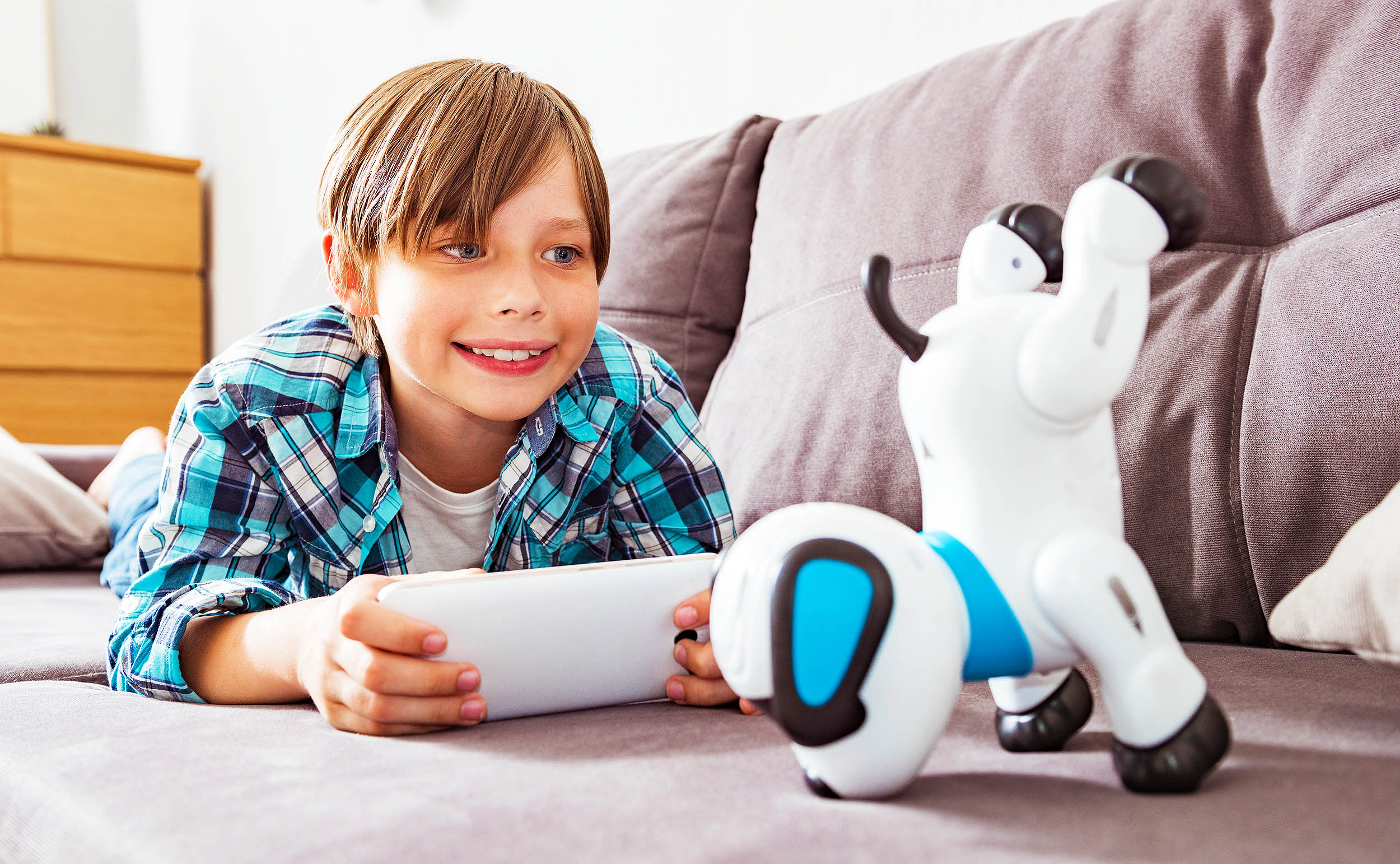
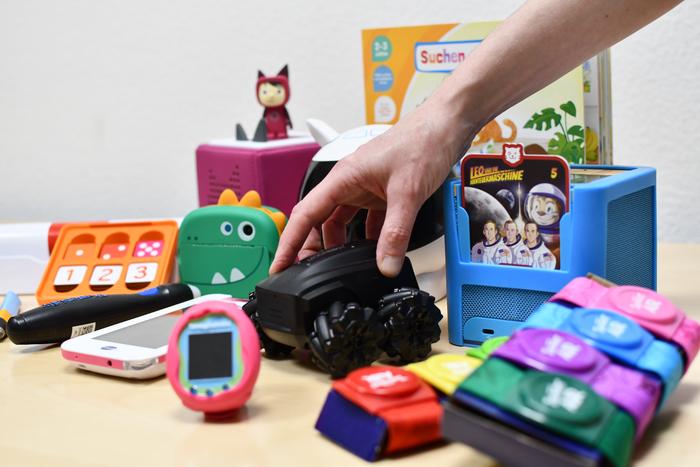
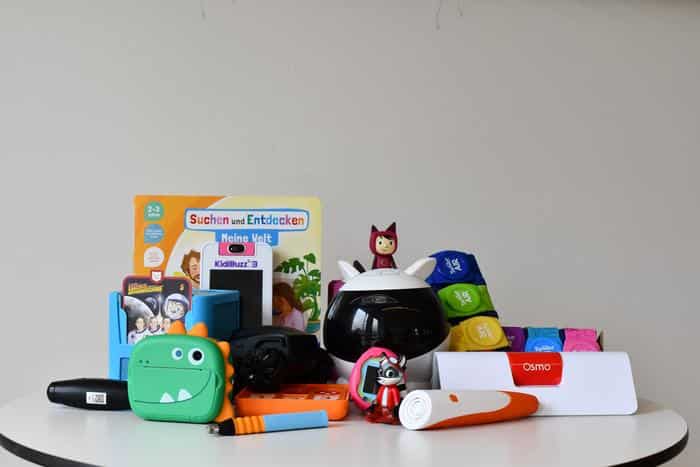
University of Basel researchers warn popular AI-enabled smart toys—such as Toniebox, Tiptoi and Tamagotchi—collect detailed behavioral data (usage, figurine interactions, playback controls) and transmit it to manufacturers without clear parental consent. Inadequate security and lack of transparency risk GDPR violations and children’s privacy, raising concerns over covert surveillance.[AI generated]

Why's our monitor labelling this an incident or hazard?

The article explicitly mentions smart toys that use AI components (e.g., ChatGPT integration) and software apps that collect and transmit behavioral data of children. The data collection and insecure transmission breaches privacy and data protection regulations, constituting a violation of rights under applicable law. This harm is realized, not just potential, as data is being collected and transmitted. Hence, this qualifies as an AI Incident due to the direct involvement of AI systems in causing privacy violations and breaches of legal obligations protecting fundamental rights.[AI generated]
AI principles
Privacy & data governanceTransparency & explainabilityRespect of human rightsRobustness & digital securityAccountabilityDemocracy & human autonomy

Industries
Consumer productsDigital security

Affected stakeholders
Children

Harm types
Human or fundamental rightsReputationalEconomic/Property

Severity
AI incident

Business function:
Monitoring and quality controlResearch and development

AI system task:
Organisation/recommenders


Articles about this incident or hazard

Thumbnail Image

Some smart toys may be spying on your kids' behaviour patterns in breach of privacy

2024-08-27
WION
Why's our monitor labelling this an incident or hazard?
The article explicitly mentions smart toys that use AI components (e.g., ChatGPT integration) and software apps that collect and transmit behavioral data of children. The data collection and insecure transmission breaches privacy and data protection regulations, constituting a violation of rights under applicable law. This harm is realized, not just potential, as data is being collected and transmitted. Hence, this qualifies as an AI Incident due to the direct involvement of AI systems in causing privacy violations and breaches of legal obligations protecting fundamental rights.
Thumbnail Image

How smart toys may be spying on kids: What parents need to know

2024-08-26
Tech Xplore
Why's our monitor labelling this an incident or hazard?
The event involves AI systems embedded in smart toys that collect and transmit behavioral data about children, implicating privacy and data protection issues. While the article details current data collection and security shortcomings, it does not report a specific incident of harm occurring (e.g., data breaches, misuse of data, or direct injury). Instead, it discusses plausible risks and concerns about privacy violations and potential negative effects on children, which could lead to harm in the future. Therefore, this qualifies as an AI Hazard because the development and use of these AI-enabled toys could plausibly lead to violations of rights and harm to children, but no concrete incident of harm is reported yet.
Thumbnail Image

How smart toys spy on kids: What parents need to know

2024-08-26
Nanowerk
Why's our monitor labelling this an incident or hazard?
The toys described involve AI systems (interactive software with internet access and behavior recognition features). The article highlights privacy concerns and data collection, which could plausibly lead to violations of rights or harm to children if misused. However, there is no mention of actual harm or incidents resulting from these toys. Therefore, this qualifies as an AI Hazard because the development and use of these AI-enabled toys could plausibly lead to harm, but no harm has been reported yet.
Thumbnail Image

Smart Toys Spy on Kids: Key Info for Parents

2024-08-26
Mirage News
Why's our monitor labelling this an incident or hazard?
The event involves AI systems embedded in smart toys that collect and process behavioral data, which fits the definition of AI systems. The concerns raised relate to data privacy and security, which could plausibly lead to violations of rights or harm to children if exploited. However, the article does not document any actual harm or incident caused by these AI systems, only potential risks and recommendations. Therefore, this qualifies as Complementary Information, providing important context and analysis about AI-related privacy risks in smart toys, but not reporting an AI Incident or AI Hazard.
Thumbnail Image

Smart toys are secretly collecting data from children - Earth.com

2024-08-27
Earth.com
Why's our monitor labelling this an incident or hazard?
The event involves AI systems embedded in smart toys that collect and transmit behavioral data from children. The article highlights that these toys inadequately protect data and may violate privacy rights, constituting a breach of obligations under applicable law (GDPR). This constitutes an AI Incident because the development and use of these AI-enabled toys have directly led to violations of rights and potential harm to children. The harm is realized in terms of privacy breaches and behavioral profiling, not just a potential risk. Therefore, this qualifies as an AI Incident rather than a hazard or complementary information.
Thumbnail Image

How smart toys spy on kids: What parents need to know

2024-08-26
Scienmag: Latest Science and Health News
Why's our monitor labelling this an incident or hazard?
The event involves AI systems embedded in smart toys that collect and transmit behavioral data about children, implicating privacy and data protection issues. While no specific harm has been reported as having occurred, the researchers identify plausible risks of harm to children's privacy and development due to data profiling and surveillance enabled by these AI systems. Therefore, this situation constitutes an AI Hazard because the development and use of these AI-enabled toys could plausibly lead to violations of rights and harm to children, but no concrete incident of harm is documented in the article.
Thumbnail Image

Scientists warn: smart toys might be spying on your kids

2024-08-27
Knowridge Science Report
Why's our monitor labelling this an incident or hazard?
The article explicitly mentions smart toys that collect and transmit personal data about children, sometimes insecurely and without clear consent, which breaches privacy rights and GDPR regulations. The use of AI is reasonably inferred from references to ChatGPT and speech recognition improvements. These privacy violations and surveillance constitute harm to human rights and fundamental protections, qualifying this as an AI Incident. The harm is realized, not just potential, as data collection and transmission are ongoing.