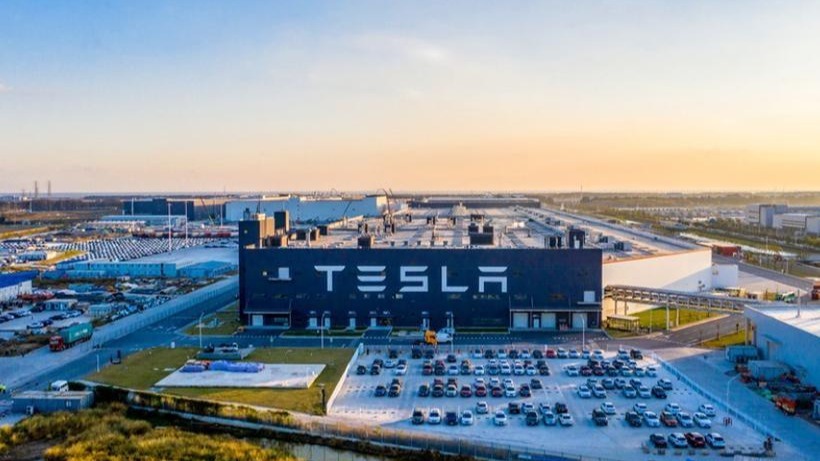
Tesla AI Surveillance Sparks Labor Rights Concerns Among Autopilot Data Workers

Thumbnail Image

The information displayed in the AIM should not be reported as representing the official views of the OECD or of its member countries.

At Tesla’s Buffalo facility, data annotators train the Autopilot and Full Self-Driving AI by labeling thousands of video clips. They face relentless AI-powered surveillance via the HuMans monitoring system—tracking keystrokes, eye movements and audio—forcing them to skip bathroom breaks under threat of dismissal, raising labor and privacy alarm.[AI generated]

Why's our monitor labelling this an incident or hazard?

Tesla's Robotaxi concept clearly involves an AI system for autonomous driving (L4+ autonomy). The submission of a design application and discussion of regulatory changes indicate ongoing development and intended use. There is no mention of any harm, malfunction, or incident caused by the AI system. The article focuses on the potential and regulatory context rather than any realized harm or direct risk event. Therefore, this is best classified as an AI Hazard, as the deployment of such autonomous vehicles could plausibly lead to incidents in the future, but no incident has yet occurred.[AI generated]

AI principles
Privacy & data governanceRespect of human rightsHuman wellbeingTransparency & explainabilityAccountabilityFairnessDemocracy & human autonomy

Industries
Mobility and autonomous vehiclesBusiness processes and support services

Affected stakeholders
Workers

Harm types
Human or fundamental rightsPsychologicalEconomic/Property

Severity
AI hazard

Business function:
Human resource managementMonitoring and quality control

AI system task:
Recognition/object detectionEvent/anomaly detection


Articles about this incident or hazard

Thumbnail Image

特斯拉回应监管机构:自动驾驶汽车可采用旋转座椅设计

2024-09-04
中关村在线
Why's our monitor labelling this an incident or hazard?
The article involves AI systems in the form of Level 4 automated driving systems (ADS) and discusses design considerations and regulatory responses. However, it does not describe any realized harm, injury, rights violations, or disruptions caused by AI systems. Nor does it describe a credible imminent risk of harm. Instead, it focuses on Tesla's position and future product plans, as well as ongoing regulatory discussions. Therefore, it is best classified as Complementary Information, providing context and updates on AI system development and governance without reporting an AI Incident or AI Hazard.
Thumbnail Image

特斯拉被曝监视员工敲键盘次数:有人连厕所都不敢去

2024-09-04
驱动之家
Why's our monitor labelling this an incident or hazard?
The AI system (HuMans) is used to evaluate employee activity related to data annotation for Tesla's autonomous driving AI, which is critical for training the AI system. The use of this AI system in monitoring and enforcing strict productivity metrics has directly led to harm in the form of psychological distress and potential labor rights violations. Therefore, this qualifies as an AI Incident because the AI system's use has directly led to harm to a group of people (employees) and possible legal violations.
Thumbnail Image

打破传统设计!特斯拉Robotaxi提交可旋转座椅申请

2024-09-05
驱动之家
Why's our monitor labelling this an incident or hazard?
Tesla's Robotaxi concept clearly involves an AI system for autonomous driving (L4+ autonomy). The submission of a design application and discussion of regulatory changes indicate ongoing development and intended use. There is no mention of any harm, malfunction, or incident caused by the AI system. The article focuses on the potential and regulatory context rather than any realized harm or direct risk event. Therefore, this is best classified as an AI Hazard, as the deployment of such autonomous vehicles could plausibly lead to incidents in the future, but no incident has yet occurred.
Thumbnail Image

揭秘特斯拉自动驾驶的"幕后工作者":工作单调被监控 不敢上厕所

2024-09-04
凤凰网(凤凰新媒体)
Why's our monitor labelling this an incident or hazard?
The article explicitly involves an AI system—Tesla's Autopilot and FSD—which depends on human-labeled data for training. The working conditions of the labelers raise labor rights concerns, and the data they label includes sensitive personal information, raising privacy issues. These are significant societal and ethical concerns related to AI development and use. However, there is no direct or indirect harm caused by the AI system reported in the article, such as accidents or violations resulting from AI malfunction or misuse. Nor does it describe a plausible future harm scenario directly linked to the AI system's development or deployment. Instead, it focuses on the labor practices, data privacy, and operational context behind the AI system's training. This fits the definition of Complementary Information, which enhances understanding of AI impacts and responses without reporting a new incident or hazard.
Thumbnail Image

揭秘特斯拉自动驾驶的"幕后工作者":时薪20美元工作单调被监控,不敢上厕所!不达标者将被解雇-汽车频道-和讯网

2024-09-04
和讯网
Why's our monitor labelling this an incident or hazard?
The article explicitly involves an AI system (Tesla's Autopilot and FSD) and its development process (data annotation). However, it does not report any injury, rights violation, property or community harm, or disruption caused by the AI system's use or malfunction. Instead, it highlights labor conditions and privacy concerns of the annotators, which are important contextual details but do not constitute direct or plausible future harm caused by the AI system itself. Thus, the article fits the definition of Complementary Information, as it provides supporting context about AI development and associated societal issues without describing a new AI Incident or AI Hazard.
Thumbnail Image

特斯拉:预计明年第一季度在中国和欧洲推出全自动驾驶系统

2024-09-05
China Finance Online
Why's our monitor labelling this an incident or hazard?
The article describes the planned deployment of Tesla's Full Self Driving system, an AI system for autonomous vehicle operation. While no harm has yet occurred, the deployment of such a system could plausibly lead to AI incidents involving injury or harm if the system malfunctions or is misused. Since the system is not yet deployed and no harm is reported, this constitutes a plausible future risk rather than an actual incident. Therefore, this event is best classified as an AI Hazard.
Thumbnail Image

揭秘特斯拉自动驾驶的"幕后工作者":工作单调被监控 不敢上厕所 - Tesla 特斯拉电动汽车 - cnBeta.COM

2024-09-04
cnBeta.COM
Why's our monitor labelling this an incident or hazard?
The article explicitly involves an AI system (Tesla's Autopilot and FSD) and discusses the human-in-the-loop data annotation process essential for training the AI. However, it does not describe any realized harm or plausible future harm directly caused by the AI system or its malfunction. The concerns raised relate to labor conditions and privacy issues of annotators, which are important but do not meet the criteria for AI Incident or AI Hazard as defined. The article mainly provides background and context on the AI system's development and workforce environment, fitting the definition of Complementary Information.
Thumbnail Image

特斯拉被曝监视员工敲键盘次数:有人连厕所都不敢去 - cnBeta.COM 移动版

2024-09-04
cnBeta.COM
Why's our monitor labelling this an incident or hazard?
The HuMans software system uses AI to analyze video footage, track eye movements, and process audio recordings to monitor employees. This constitutes the use of an AI system in the workplace. The monitoring of employees to this extent raises concerns about violations of labor rights and privacy, which are human rights. Since the AI system's use directly leads to potential violations of employee rights and privacy, this qualifies as an AI Incident under the framework, specifically under violations of human rights or labor rights.
Thumbnail Image

加速布局中国市场 特斯拉自动驾驶系统或将"2025年见"_手机网易网

2024-09-06
m.163.com
Why's our monitor labelling this an incident or hazard?
The article describes the development and planned use of Tesla's AI-powered autonomous driving system, which qualifies as an AI system. However, it does not report any realized harm or incidents resulting from the system's use or malfunction. Instead, it discusses the potential future deployment contingent on regulatory approval and the challenges ahead. Therefore, the event represents a plausible future risk scenario related to AI deployment but no actual harm has occurred yet. This fits the definition of an AI Hazard rather than an AI Incident or Complementary Information, as the main focus is on the potential future introduction and associated challenges rather than responses to past incidents or general AI ecosystem updates.
Thumbnail Image

特斯拉资深讲师:汽车完全自动驾驶后就变成印钞机_手机网易网

2024-09-08
m.163.com
Why's our monitor labelling this an incident or hazard?
The article does not describe any actual harm or incident caused by AI systems, nor does it report any malfunction or misuse leading to harm. Instead, it presents a forecast or opinion about the economic potential of fully autonomous vehicles. There is no indication of realized or imminent harm, violation of rights, or disruption. Therefore, this is a discussion of a plausible future scenario involving AI systems (autonomous driving technology) that could lead to significant impacts, but no harm has yet occurred or is described as imminent. This fits the definition of an AI Hazard, as it plausibly could lead to incidents related to economic, social, or regulatory impacts in the future, but no incident is reported now.